
Did the Maya Invent Zero? Exploring Early Concepts of Nothingness

Welcome to Indigenous Civilizations of the Americas, where we invite you on a journey through the rich tapestry of cultures that flourished long before European contact. Dive into the remarkable world of the Maya civilization and mathematics, as we explore the profound question: Did the Maya invent zero? This intriguing inquiry opens the door to a broader understanding of how these ancient societies perceived concepts of nothingness and numerical systems. Prepare to be captivated by their extraordinary achievements and the lasting legacies that continue to influence us today. Let's embark on this enlightening exploration together!
Introduction to the Maya Civilization and Mathematics
The Maya civilization, one of the most remarkable and sophisticated cultures in Mesoamerica, flourished from around 2000 BCE until the arrival of Europeans in the 16th century. Known for their extraordinary achievements in various fields, including architecture, astronomy, and writing, the Maya also made significant contributions to mathematics. This article delves into the intriguing question: Did the Maya invent zero?
By exploring early concepts of nothingness, we can better understand the complexity of Maya mathematics and its profound influence on the civilization’s societal structure and daily life. The keyword Maya civilization and mathematics serves as a guiding thread through this exploration, highlighting how mathematical principles were woven into the fabric of Maya culture.
Overview of the Maya Civilization
The Maya civilization was characterized by its city-states, each with its own political and social structures, yet sharing a common cultural heritage. Major cities such as Tikal, Palenque, and Copán were known for their monumental architecture, including temples and pyramids, which often served both religious and astronomical purposes.
- Key Features of the Maya Civilization:
- Writing System: The Maya developed one of the most advanced writing systems in the Americas, using hieroglyphs to record their history and rituals.
- Astronomy: Their understanding of celestial movements was unparalleled, allowing them to create accurate calendars.
- Art and Architecture: The Maya produced intricate art and architecture, reflecting their religious beliefs and societal values.
The integration of mathematics into these aspects played a crucial role in the development of their society.
Importance of Mathematics in Mesoamerican Cultures
Mathematics was not merely a tool for the Maya; it was a vital component of their identity and worldview. The concept of numbers extended beyond counting; it was deeply tied to their cosmology and rituals.
- Functions of Mathematics in Maya Culture:
- Calendar Systems: The Maya created complex calendar systems (the Tzolk'in and Haab') that required advanced mathematical calculations.
- Trade and Economy: Mathematics facilitated trade and commerce, allowing for effective resource management.
- Architecture and Astronomy: Precise calculations were essential for constructing their monumental structures and aligning them with celestial events.
Understanding mathematics in this context reveals how integral it was to the Maya civilization's achievements.
Historical Context of Mathematical Concepts in the Maya Civilization
To grasp the significance of the concept of zero within the Maya mathematical system, it is essential to examine the historical context of mathematical development in the region. The evolution of mathematical practices among Mesoamerican cultures laid the groundwork for the sophisticated systems that the Maya would later develop.
Ancient Mesoamerican Mathematical Systems
Before the Maya, various Mesoamerican cultures had already established foundational mathematical concepts. The Olmecs, for instance, are often credited with early counting systems that influenced later civilizations.
- Mathematical Characteristics:
- Base-20 System: The Maya utilized a vigesimal (base-20) numbering system, which was in stark contrast to the decimal system commonly used today.
- Symbolic Representation: The Maya employed symbols for numbers, including dots for units and bars for fives, culminating in a unique representation that included a symbol for zero.
The introduction of zero was revolutionary, allowing for a more complex representation of numbers and calculations.
Chronology of Mathematical Development in Maya Society
The mathematical achievements of the Maya did not emerge overnight; they developed over centuries, influenced by earlier cultures and their own unique innovations.
- Timeline of Key Developments:
- 2000 BCE - 500 CE: Early forms of counting and rudimentary number systems can be traced back to this period, with significant influences from Olmec and Zapotec cultures.
- 500 CE - 1000 CE: The Classic Period saw the establishment of sophisticated mathematical practices, including the formal recognition of zero as a placeholder by the Maya.
- 1000 CE - 1500 CE: The Postclassic Period showcased advancements in astronomy and mathematics, further refining their numerical systems and calculations.
This historical timeline underscores the Maya's mathematical evolution, highlighting their unique contributions to the understanding of numbers and concepts like zero.
The Concept of Zero in Mathematics
The concept of zero is a fundamental element in mathematics, representing the absence of quantity or a null value. It serves as a placeholder in positional numeral systems, enabling the representation of large numbers and complex calculations. Zero is not just a number; it symbolizes the idea of nothingness and serves as a critical pivot in understanding various mathematical theories, operations, and the development of mathematical thought across different cultures.
In many ancient civilizations, the understanding and representation of zero were not straightforward. While it is often assumed that zero emerged in cultures such as India, the Maya civilization also exhibited a sophisticated grasp of this concept. Their unique approach to mathematics and the role of zero within their numerical system have significant implications for how we understand mathematics' evolution.
Defining Zero: A Concept of Nothingness
Zero can be defined as the numerical symbol that signifies the absence of quantity. This definition leads to philosophical inquiries about the nature of nothingness itself. In mathematical terms, zero is crucial for various operations; for instance, adding zero to a number does not change its value, and subtracting a number from itself results in zero.
In the context of the Maya civilization, zero was used not only as a numeral but also as a philosophical concept. The Maya utilized it within their vigesimal (base-20) numeral system, indicating an advanced understanding of mathematical principles. Their use of zero allowed for more complex calculations and a more sophisticated representation of their calendrical and astronomical systems.
The Evolution of the Idea of Nothingness in Ancient Cultures
The idea of nothingness has evolved significantly across different cultures. In ancient Mesopotamia, for instance, the concept of zero was rudimentary, primarily serving as a placeholder without a defined value. The Greeks, on the other hand, struggled with the philosophical implications of nothingness, often viewing it as a void or a lack of being.
In contrast, the Indian subcontinent saw a more advanced conceptualization of zero, which emerged around the 5th century CE, leading to its eventual adoption in various mathematical systems globally. The Maya civilization, flourishing in Mesoamerica from approximately 2000 BCE to 1500 CE, developed their interpretation of zero independently, showcasing the diverse paths through which cultures approached the idea of nothingness.
Evidence of Zero in Maya Mathematics
The evidence of zero within the Maya civilization is compelling, highlighting their achievements in mathematics. Archaeological findings and analysis of ancient codices provide insights into how they integrated zero into their numeral systems, reflecting their advanced mathematical capabilities.
Archaeological Findings Related to Maya Numerical Systems
Archaeological excavations in regions such as the Yucatán Peninsula have uncovered stelae, pottery, and inscriptions that indicate the Maya's use of a symbol representing zero. These artifacts often depict numerical hieroglyphs that include a shell shape, universally recognized as the representation of zero.
The discovery of the "Long Count" calendar, which required the use of zero for accurate date recording, further underscores the significance of this numeral in Maya society. The presence of zero in their inscriptions indicates an understanding of its function not merely as a placeholder but as an integral part of their mathematical framework.
Analysis of Maya Codices and Their Mathematical Notations
Maya codices, particularly the Dresden Codex, contain extensive mathematical notations, including the use of zero. Scholars have meticulously analyzed these ancient texts to decipher the mathematical principles employed by the Maya. The codices illustrate the application of zero in calculations related to their complex calendrical systems and astronomical predictions.
The presence of zero in these codices demonstrates the Maya’s advanced mathematical thought, allowing them to perform intricate calculations necessary for agricultural planning, religious rituals, and astronomical observations. This analysis reveals that the Maya civilization not only had a profound understanding of mathematics but also an appreciation for the philosophical implications of zero and nothingness, contributing significantly to the broader narrative of mathematical history.
Comparison of Maya and Other Mesoamerican Cultures' Mathematical Concepts
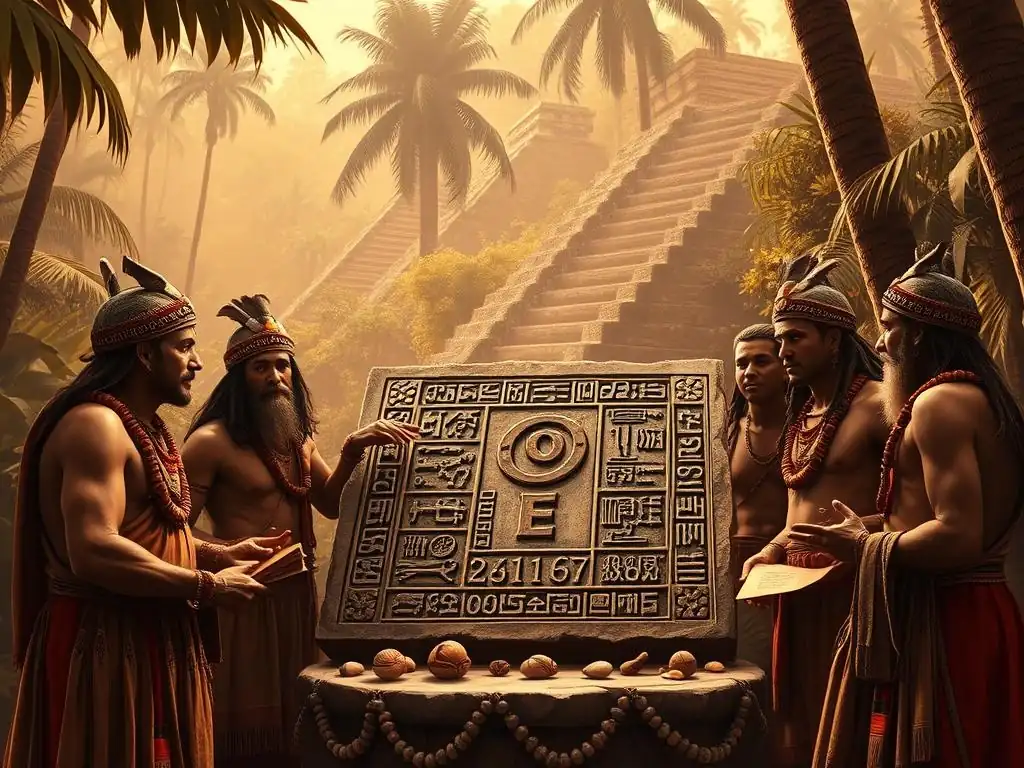
The mathematical concepts of the Maya civilization offer a fascinating glimpse into the intellectual achievements of ancient Mesoamerican cultures. While the Maya are often credited with the development of a sophisticated base-20 numeral system and the concept of zero, they were not alone in their mathematical pursuits. Other Mesoamerican civilizations, such as the Olmecs and the Zapotecs, also contributed to the region's mathematical heritage. Understanding the similarities and differences between these cultures can provide a deeper appreciation of how mathematical ideas evolved in this area.
In terms of similarities, many Mesoamerican cultures utilized a vigesimal (base-20) system, which is evident in their calendrical calculations and trade practices. Both the Maya and the Olmecs employed a positional notation system, allowing them to express larger numbers effectively. However, the distinction lies primarily in the Maya's formalization of the concept of zero, which was not as prominently featured in Olmec mathematics. This significant leap in conceptual understanding marked a turning point in mathematical thought within the region.
Similarities and Differences with Olmec Mathematical Systems
The Olmec civilization, often considered the "mother culture" of Mesoamerica, laid foundational elements for subsequent cultures, including the Maya. While the Olmecs did not explicitly develop the concept of zero, they had a complex numerical system that utilized a variety of symbols for counting and record-keeping. Their mathematical practices were likely focused on practical applications such as trade, agriculture, and astronomy.
In contrast, the Maya expanded upon these early concepts by introducing a true positional system that included zero as a placeholder. This innovation allowed for more complex calculations and a clearer representation of large numbers. The Maya's use of zero not only indicated the absence of a quantity but also facilitated advanced mathematical operations, such as addition and subtraction, which were crucial for their astronomical calculations and calendar systems. Ultimately, while both cultures engaged in mathematical practices, the Maya's unique contributions, particularly their formalization of zero, set them apart from the Olmecs.
Influence of Other Civilizations on Maya Numerical Concepts
The mathematical evolution of the Maya was not developed in isolation; it was influenced by interactions with other Mesoamerican civilizations. For instance, the Zapotecs, who flourished in the Oaxaca Valley, had their own numerical systems and calendrical calculations. Their innovations in mathematics, particularly in the realm of astronomy, were likely exchanged through trade and cultural interactions, leading to a cross-pollination of ideas.
Additionally, the Teotihuacan civilization, known for its significant urban and cultural developments, also played a role in shaping the mathematical landscape of Mesoamerica. The Maya may have adopted certain elements of Teotihuacan’s numeral systems or astronomical calculations, integrating them into their own practices. This blending of cultural influences contributed to the rich tapestry of mathematical thought in ancient Mesoamerica, illustrating how interconnected these civilizations were.
The Impact of the Maya Understanding of Zero on Mathematics
The Maya's formalization of zero had a profound impact on the field of mathematics, both in the context of their own civilization and beyond. By recognizing zero as a distinct number, the Maya were able to perform calculations with greater efficiency and accuracy, leading to advancements in various fields such as astronomy, agriculture, and trade. Their understanding of zero facilitated complex mathematical operations and laid the groundwork for later mathematical developments in the region.
Contributions to the Field of Mathematics
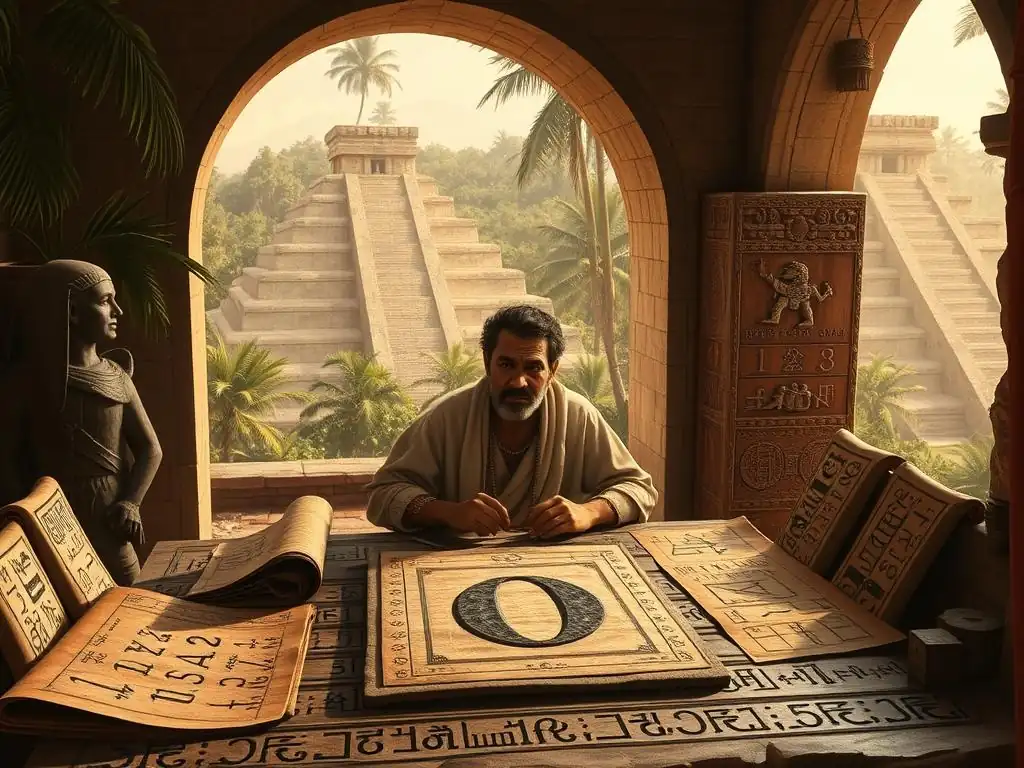
The contributions of the Maya to mathematics extend far beyond the invention of zero. They developed a base-20 numeral system that included a combination of dots and bars to represent numbers, allowing for the expression of large quantities and complex calculations. Their mathematical prowess is best exemplified in their calendar systems, which accurately tracked celestial events and seasonal changes, demonstrating an advanced understanding of timekeeping.
Additionally, the Maya's use of mathematical principles in architecture, such as the construction of pyramids and cities, showcases their practical application of mathematical concepts. This ability to integrate mathematics into daily life and ceremonial practices highlights the importance of numerical understanding in Maya culture.
Legacy of Maya Mathematical Innovations in Modern Mathematics
The legacy of Maya mathematical innovations, particularly their concept of zero, resonates in modern mathematics. The recognition of zero as both a number and a placeholder has been fundamental in the development of arithmetic, algebra, and calculus. The positional numeral systems that emerged from ancient Mesoamerican cultures, including that of the Maya, laid the groundwork for contemporary mathematical practices.
Moreover, the study of Maya mathematics continues to inspire researchers and mathematicians today. Their unique approaches to solving mathematical problems and their sophisticated understanding of numerical systems contribute to a broader appreciation of indigenous knowledge and its relevance in the history of mathematics. As we explore the achievements of the Maya civilization, it becomes evident that their mathematical innovations have left an indelible mark on the field, shaping the way we understand and utilize numbers in our modern world.
Conclusion: The Significance of Zero in Maya Civilization and Mathematics
The concept of zero is a profound and transformative idea that shaped not only the mathematical systems of the Maya civilization but also their broader understanding of the universe. The Maya's sophisticated use of zero allowed them to develop advanced mathematical concepts, enabling precise calculations in astronomy, architecture, and agriculture. This understanding of zero as both a placeholder and a number in its own right demonstrates the Maya's intellectual achievements and positions them among the early civilizations to grasp this complex concept.
The significance of zero transcends mere arithmetic; it reflects a philosophical understanding of nothingness that is deeply embedded in Maya culture. The ability to conceptualize the absence of a quantity indicates a level of abstraction that is crucial for higher mathematics and complex societal structures. As such, the Maya's development of zero not only facilitated practical applications but also contributed to their rich cultural and spiritual life, echoing through their calendars, rituals, and architectural designs.
Summary of Key Findings about Maya Mathematics
The exploration of Maya mathematics reveals several key findings:
- Numerical System: The Maya employed a vigesimal (base-20) numerical system, which included symbols for one, five, and zero, showcasing their advanced understanding of numerical representation.
- Concept of Zero: Evidence indicates that the Maya used a glyph for zero as early as the 4th century AD, making them one of the first civilizations to recognize and utilize this abstract mathematical concept.
- Astronomy and Calendars: Maya mathematics was intricately linked to their astronomical observations, allowing them to create complex calendar systems that required precise calculations of celestial events.
- Architectural Planning: The use of zero and advanced mathematics facilitated the planning and construction of monumental architecture, illustrating the practical applications of their mathematical knowledge.
These findings highlight the Maya civilization's remarkable contributions to mathematics, enabling them to achieve a level of sophistication not seen in many contemporary cultures.
Reflection on the Cultural Importance of Mathematical Concepts in the Maya Civilization
Mathematical concepts in the Maya civilization were not merely tools for calculation; they were deeply woven into the fabric of their culture and identity. Mathematics served as a means of understanding time, space, and the cosmos, reflecting the Maya's intricate relationship with nature and the divine. The development of a mathematical system that included zero allowed the Maya to articulate complex ideas about existence and the universe, demonstrating a philosophical depth that resonates through their art, architecture, and rituals.
Moreover, the cultural importance of mathematics is evident in the way it influenced Maya social organization. The ability to calculate agricultural cycles, predict celestial events, and maintain accurate records was essential for the survival and prosperity of their communities. Thus, mathematics was not only a scientific endeavor but also a key component of governance, religion, and daily life.
The Maya civilization's advancements in mathematics, particularly the concept of zero, exemplify a rich intellectual tradition that has left a lasting legacy. Their achievements in this field continue to inspire admiration and intrigue, shedding light on the complexities of their society and the universality of mathematical thought.
- Introduction to the Maya Civilization and Mathematics
- Historical Context of Mathematical Concepts in the Maya Civilization
- The Concept of Zero in Mathematics
- Evidence of Zero in Maya Mathematics
- Comparison of Maya and Other Mesoamerican Cultures' Mathematical Concepts
- Similarities and Differences with Olmec Mathematical Systems
- Influence of Other Civilizations on Maya Numerical Concepts
- The Impact of the Maya Understanding of Zero on Mathematics
- Contributions to the Field of Mathematics
- Legacy of Maya Mathematical Innovations in Modern Mathematics
- Conclusion: The Significance of Zero in Maya Civilization and Mathematics
- What is the significance of the Maya civilization in mathematics?
- Did the Maya invent the concept of zero?
- How did the Maya use mathematics in their society?
- What were some of the achievements of the Maya civilization related to mathematics?
- How did the Maya's mathematical advancements influence later cultures?
Frequently Asked Questions
What is the significance of the Maya civilization in mathematics?
The Maya civilization made significant contributions to mathematics, including the development of a vigorous numeral system that utilized zero, which was revolutionary for its time.
Did the Maya invent the concept of zero?
Yes, the Maya are credited with the independent invention of zero as a placeholder in their numerical system, which facilitated complex calculations and advanced astronomical observations.
How did the Maya use mathematics in their society?
The Maya employed mathematics for various purposes, including calendar calculations, agricultural planning, and in their architecture, demonstrating a sophisticated understanding of geometry.
The Maya civilization's achievements in mathematics include their calendar systems, which were based on complex mathematical concepts, and their building designs, which reflected advanced geometric principles.
How did the Maya's mathematical advancements influence later cultures?
The mathematical advancements of the Maya civilization laid a foundation for future civilizations in the Americas, influencing their astronomical and architectural practices, and showcasing the region's intellectual legacy long before European contact.
Final Reflection: The Legacy of the Maya and the Concept of Nothingness
The exploration of the Maya civilization's contributions to mathematics, particularly their innovative concept of zero, remains profoundly relevant today. As we navigate an increasingly complex world, understanding the foundations of mathematical thought and the philosophical implications of nothingness can reshape our perception of knowledge and existence. The Maya's pioneering work in mathematics not only advanced their civilization but also laid the groundwork for future generations to grapple with the abstract concept of nothingness—a notion that continues to challenge and inspire thinkers across disciplines.
Culture and society are deeply intertwined with the mathematical principles we often take for granted. The Maya civilization's approach to mathematics was not merely about numbers; it was a reflection of their worldview, emphasizing the importance of balance and the cyclical nature of life. This understanding has permeated various aspects of modern culture, reminding us that our interpretations of mathematics can influence our philosophical and existential inquiries. The greatest discoveries are often born from the simplest questions.
This quote encapsulates the essence of how the Maya's inquiry into nothingness has sparked a broader dialogue about the nature of existence and the significance of what is often overlooked.
As you reflect on the insights gained from the Maya's mathematical legacy, consider how the concept of zero and the idea of nothingness can inform your own life. Embrace the lessons of the past, and let them guide you in your pursuit of knowledge and understanding. Whether in your personal endeavors or professional aspirations, remember that even the absence of something can hold profound meaning. Challenge yourself to explore the spaces between ideas, and allow the wisdom of the Maya civilization to inspire you to think critically about the world around you.
Unveil the Secrets of Ancient Mathematics!
Thank you for diving into our exploration of the Maya's relationship with the concept of zero. We hope you found the intersection of mathematics and culture as fascinating as we do! Now is the time to take your newfound knowledge further.
Here are some meaningful steps you can take right now:
- Explore the significance of zero in other ancient civilizations by reading related articles on our site; you may uncover even more surprising connections!
- Share this article with friends or on social media to spark discussions about the incredible achievements of the Maya and other Indigenous cultures.
- Join our community: Subscribe to our newsletter for deeper insights into Indigenous histories and follow us on social media to stay updated and engaged!
What new perspective on mathematics have you gained from learning about the Maya? We invite you to share your thoughts in the comments below!