
Indigenous Responses to European Colonization: Adaptations in Governance Structures

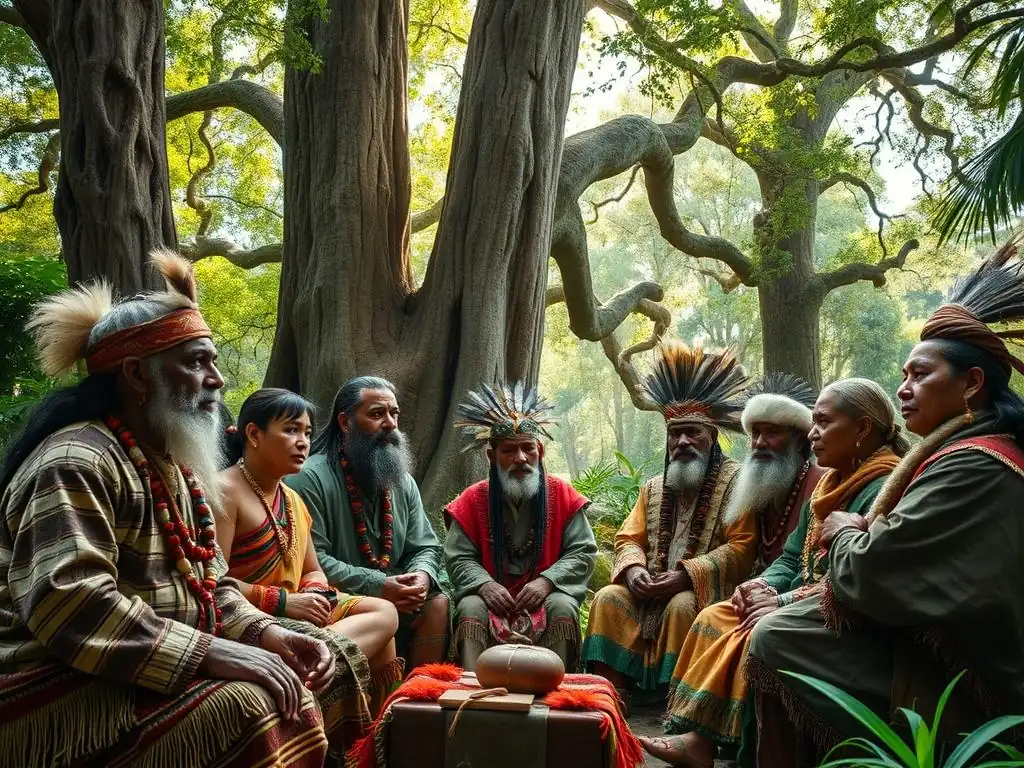
Welcome to Indigenous Civilizations of the Americas, where we invite you to embark on a journey through the rich tapestry of indigenous cultures that flourished long before European contact. Here, we delve into the intriguing adaptations in governance structures that these civilizations embraced in response to the challenges posed by colonization. Discover how these resilient communities navigated a rapidly changing world while preserving their identities and traditions.
Join us as we explore the profound achievements and societal innovations that continue to resonate today, and uncover the remarkable stories that shaped a continent. Are you ready to dive deeper into the indigenous governance adaptations that defined an era? Your exploration begins now!
-
Indigenous Governance Adaptations in the Americas: An Overview of Responses to European Colonization
- Historical Context of Indigenous Governance Before Colonization
- Impact of European Colonization on Indigenous Societies
- Indigenous Responses to European Colonization
- Case Studies of Indigenous Governance Adaptations
- Innovations in Indigenous Governance Post-Colonization
- Conclusion: The Legacy of Indigenous Governance Adaptations in the Americas
-
Frequently Asked Questions
- What are the main indigenous governance adaptations in the Americas?
- How did indigenous societies respond to European colonization?
- What role did traditional governance play in these adaptations?
- Were there examples of successful indigenous governance adaptations?
- How did these adaptations impact indigenous cultures?
- Final Reflection: Embracing Resilience in Indigenous Governance Adaptations
- Unveil the Resilience of Indigenous Governance!
Indigenous Governance Adaptations in the Americas: An Overview of Responses to European Colonization
Indigenous governance adaptations in the Americas represent a rich tapestry of responses to the profound challenges posed by European colonization. As diverse cultures encountered foreign powers, they demonstrated remarkable resilience and ingenuity in reorganizing their political systems and social structures. This article delves into the historical context of indigenous governance prior to European contact, highlighting how these societies managed their affairs and the key characteristics that defined their political systems.
Furthermore, we will explore the impacts of European colonization on these indigenous societies, examining the initial encounters with European powers and the subsequent disruption of traditional governance structures. Ultimately, this exploration seeks to illuminate the profound ways in which indigenous peoples adapted their governance in response to the complexities introduced by colonization.
Historical Context of Indigenous Governance Before Colonization
Overview of Pre-Columbian Governance Structures
Before the arrival of Europeans, indigenous societies across the Americas had established diverse and sophisticated governance structures. These systems varied widely depending on the geographical, cultural, and social contexts of the communities. For example:
- Confederacies: In the Northeast, the Iroquois Confederacy exemplified a sophisticated political alliance among multiple tribes, characterized by a council of leaders who made decisions through consensus.
- Empires: The Aztec and Inca empires showcased centralized political systems with complex bureaucracies, where a single ruler or emperor wielded significant power over vast territories.
- Tribal Governance: Many smaller tribes employed more decentralized forms of governance, where local chiefs or councils made decisions reflecting the community's needs.
These pre-Columbian governance structures were not only functional but also deeply intertwined with the cultural, spiritual, and social lives of the people.
Key Characteristics of Indigenous Political Systems
Indigenous political systems shared several key characteristics that distinguished them from European models:
- Collective Decision-Making: Many indigenous groups emphasized consensus over majority rule, valuing the input of all community members.
- Spiritual and Cultural Integration: Governance was often linked to spiritual beliefs and practices, with leaders viewed as custodians of the land and its resources.
- Fluidity and Adaptability: Indigenous governance structures were dynamic and could adapt to changing circumstances, such as environmental shifts or social upheavals.
These characteristics not only facilitated effective governance but also fostered strong community bonds and a deep connection to the land.
Impact of European Colonization on Indigenous Societies
Initial Encounters: European Arrival and Its Effects
The arrival of Europeans in the Americas marked a turning point for indigenous governance. Initial encounters were often marked by curiosity, trade, and cultural exchange. However, as European powers established colonies, the dynamics shifted dramatically, leading to significant challenges for indigenous societies:
- Disruption of Trade Networks: Traditional trade routes were altered or closed off, impacting the economic structures that many indigenous communities relied upon.
- Population Declines: Diseases brought by Europeans decimated indigenous populations, leading to power vacuums and instability within existing governance structures.
Disruption of Traditional Governance Structures
The disruption caused by European colonization had lasting effects on indigenous governance. Traditional structures faced unprecedented challenges, such as:
- Imposition of Foreign Laws: European powers often imposed their legal systems, undermining indigenous laws and customs.
- Loss of Sovereignty: Many indigenous nations were forced to cede land and autonomy, leading to the fragmentation of governance systems.
Despite these challenges, many indigenous groups exhibited remarkable resilience, adapting their governance structures to navigate the complexities of colonial rule while striving to maintain their cultural identities. This ongoing process of adaptation is a testament to the enduring strength of indigenous governance in the Americas.
Indigenous Responses to European Colonization
The arrival of Europeans in the Americas prompted a myriad of responses from Indigenous peoples, leading to significant adaptations in their governance structures. Rather than solely engaging in outright resistance, many Indigenous nations employed a range of strategies to navigate the complexities of colonization. These responses included innovative adaptations in their political systems, the formation of alliances, and the establishment of confederacies to bolster their collective strength. This multifaceted approach reflects the resilience and ingenuity of Indigenous cultures in the face of unprecedented challenges.
Resistance Through Adaptation: Governance Changes
Indigenous governance adaptations during colonization were not merely reactive; they were strategic and reflective of the changing dynamics of power. Many communities redefined their leadership structures, integrating European legal concepts while maintaining core cultural values. For instance, some tribes adopted a council system that included representatives from various clans, enabling a more democratic approach to governance that could address both internal issues and external pressures from colonial powers.
Moreover, these adaptations often involved a reinterpretation of traditional roles. Leaders who were once solely responsible for spiritual and communal guidance began to take on diplomatic roles, negotiating treaties and alliances with European powers to protect their lands and autonomy. This blending of traditional governance with new political realities exemplifies the adaptive strategies utilized by Indigenous nations.
The Role of Alliances and Confederacies
Alliances and confederacies emerged as vital mechanisms for Indigenous groups to enhance their political power and resist colonial encroachment. By forming alliances, tribes could pool their resources, share intelligence, and present a united front against European colonizers. These coalitions were not only strategic but also built upon existing relationships and kinship ties, reinforcing social cohesion among different groups.
One notable example is the formation of the Iroquois Confederacy, which brought together several nations, enabling them to coordinate their efforts and negotiate more effectively with European powers. Such alliances were essential in maintaining sovereignty and negotiating treaties that, although often violated by colonial powers, provided a framework for Indigenous governance during a time of upheaval.
Case Studies of Indigenous Governance Adaptations
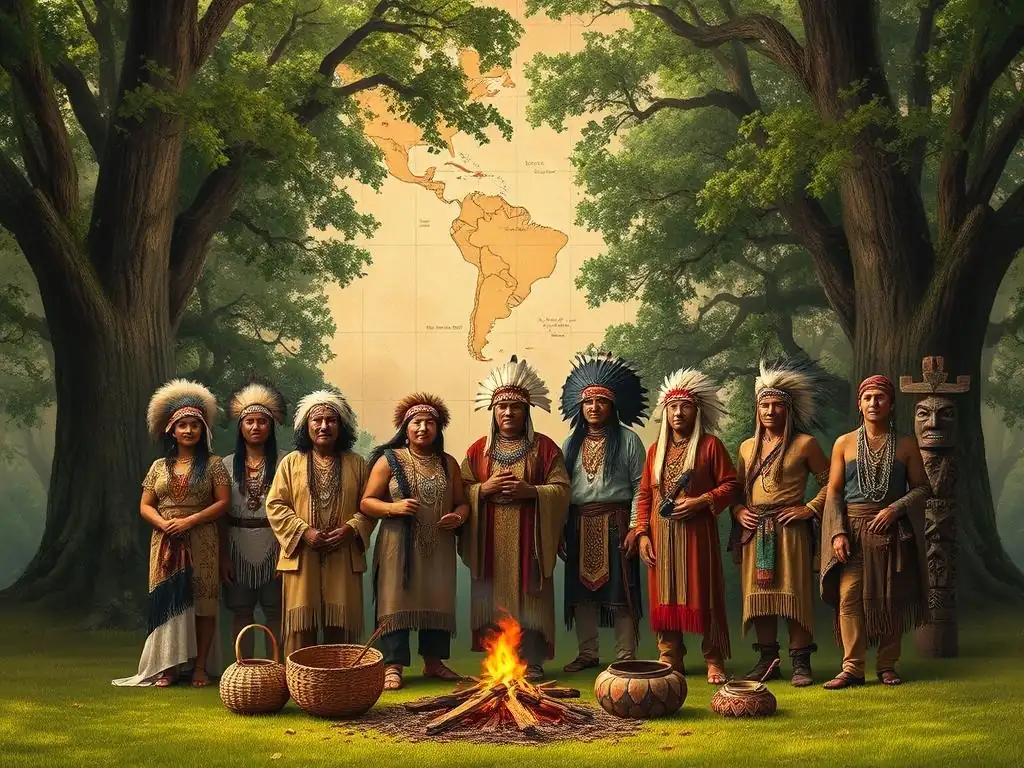
Examining specific case studies reveals the diverse ways in which Indigenous nations adapted their governance structures in response to European colonization. These examples highlight the resilience and creativity of Indigenous political systems in the face of external pressures.
The Iroquois Confederacy: A Model of Unity
The Iroquois Confederacy, also known as the Haudenosaunee, serves as a prominent example of Indigenous governance adaptation. Formed in the 15th century, this alliance included the Mohawk, Oneida, Onondaga, Cayuga, Seneca, and later the Tuscarora nations. The Confederacy established a sophisticated political system based on consensus decision-making and collective governance, which allowed member nations to maintain their autonomy while cooperating on common issues.
The Confederacy's Great Law of Peace outlined principles of democracy, mutual respect, and the importance of deliberation, setting a precedent for governance that influenced both Indigenous and colonial political thought. It exemplifies how robust political structures can evolve in response to external threats, promoting unity and resilience.
The Pueblo Peoples: Adaptive Strategies in Governance
The Pueblo peoples of the Southwest employed various adaptive strategies to maintain their governance in the face of Spanish colonization. They integrated elements of Spanish governance, such as the establishment of appointed officials, while also preserving their traditional councils and communal decision-making practices.
During the Pueblo Revolt of 1680, the Pueblo peoples united against Spanish oppression, showcasing their ability to mobilize and enact significant political change. Post-revolt, they adapted their governance further by re-establishing traditional practices and authority structures that had been suppressed, demonstrating their resilience and commitment to self-determination.
The Mapuche: Resilience and Political Organization
The Mapuche of southern Chile and Argentina exemplify a resilient response to European colonization through their political organization. Facing Spanish conquest in the 16th century, the Mapuche developed a decentralized yet cohesive governance structure that emphasized local autonomy and collective action.
They established a network of leaders known as "lonkos," who represented various communities and facilitated decision-making. This decentralized approach allowed the Mapuche to resist colonization effectively and maintain their cultural identity. The Mapuche's ongoing resistance against colonial powers and later the Chilean and Argentine states highlights their enduring commitment to self-governance and adaptation in the face of adversity.
Innovations in Indigenous Governance Post-Colonization
The arrival of European colonizers in the Americas prompted significant changes in the governance structures of Indigenous nations. Faced with the imposition of foreign systems and ideologies, many Indigenous communities sought innovative ways to adapt while retaining their cultural identities. These adaptations were not merely reactions but rather strategic responses that incorporated new political frameworks alongside traditional practices.
One notable innovation was the establishment of hybrid governance systems. Indigenous leaders began integrating European legal concepts, such as treaties and property rights, into their existing governance frameworks. This allowed them to negotiate more effectively with colonial powers and assert their sovereignty in a rapidly changing political landscape. Furthermore, the adaptation of European parliamentary and council structures facilitated greater representation of diverse community voices, leading to more inclusive decision-making processes.
In addition, some tribes developed alliances with European powers, utilizing diplomacy as a governance tool. By forming strategic partnerships, Indigenous groups could leverage the political dynamics between colonial forces to gain advantages for their communities. This adaptability showcased the resilience and ingenuity of Indigenous governance systems in the face of significant adversity.
Incorporation of European Elements into Indigenous Governance
As Indigenous communities encountered European colonization, many began to incorporate elements of European governance into their structures. This integration was not a wholesale adoption but rather a selective blending of practices that aligned with their values and traditions. For instance, some tribes adopted written legal codes, inspired by European legal systems, which helped formalize rules and regulations governing their societies.
Additionally, the concept of elected leadership gained traction among certain Indigenous groups. While traditional governance often relied on hereditary leadership or consensus-based decision-making, some communities experimented with electoral processes to choose representatives. This shift allowed for greater accountability and responsiveness to community needs, reflecting the influences of European political practices while still honoring Indigenous values.
Moreover, the use of treaties became a cornerstone of Indigenous governance adaptations. Many tribes engaged in diplomatic negotiations with colonial governments, establishing formal agreements that outlined rights, land use, and governance authority. These treaties often served as tools for preserving autonomy and asserting sovereignty, showcasing the strategic incorporation of European diplomatic practices into Indigenous governance.
Revitalization of Traditional Practices and Structures
Despite the pressures of colonization, many Indigenous communities worked diligently to revitalize their traditional governance practices. This resurgence involved re-emphasizing cultural values, rituals, and community involvement in decision-making processes. By reaffirming their historical governance structures, Indigenous groups aimed to maintain their identity and resist colonial assimilation.
Cultural ceremonies and gatherings played a crucial role in this revitalization effort. These events provided platforms for community members to discuss governance issues, share knowledge, and reinforce collective identities. Elders and traditional leaders often guided these processes, ensuring that decisions were rooted in cultural wisdom and historical continuity.
Furthermore, the preservation of ancestral governance structures became a form of resistance against colonial domination. By asserting their traditional systems, Indigenous communities not only honored their heritage but also challenged the legitimacy of colonial authorities. This revitalization of traditional governance practices illustrated the enduring strength of Indigenous cultures and their ability to adapt creatively in the face of adversity.
Conclusion: The Legacy of Indigenous Governance Adaptations in the Americas
The adaptations made by Indigenous communities in response to European colonization have left a profound legacy that continues to shape contemporary governance practices. The innovations and resilience displayed during this tumultuous period highlight the dynamic nature of Indigenous governance, which has always been characterized by adaptability and strength.
Lasting Impacts on Contemporary Indigenous Governance
Today, many Indigenous nations draw upon the lessons learned from their historical experiences with colonization. The hybrid governance models developed in the past have influenced modern systems, fostering a blend of traditional and contemporary practices. This integration has enabled Indigenous groups to reclaim their rights and assert their sovereignty within the broader context of national governments.
The emphasis on community participation and consensus-based decision-making, rooted in traditional practices, remains central to many Indigenous governance frameworks. Such approaches promote inclusivity and ensure that diverse voices are heard, reflecting a commitment to collective well-being and cultural integrity.
Understanding the Importance of Indigenous Resilience and Adaptation
The story of Indigenous governance adaptations in the Americas is one of resilience and innovation. The ability of Indigenous communities to navigate the challenges posed by European colonization while retaining core cultural values is a testament to their strength. Understanding these adaptations is crucial not only for recognizing the historical significance of Indigenous governance but also for supporting contemporary efforts toward self-determination and sovereignty.
As we reflect on the past, it’s essential to acknowledge that the journey of Indigenous governance is far from over. The ongoing adaptations and revitalizations serve as reminders of the enduring spirit of Indigenous peoples and their commitment to creating governance systems that honor their identities and promote their communities' welfare in a complex world.
Frequently Asked Questions
What are the main indigenous governance adaptations in the Americas?
Indigenous governance adaptations varied widely, but many cultures developed new political structures to respond to European colonization, often blending traditional practices with strategies for negotiation and resistance.
How did indigenous societies respond to European colonization?
Indigenous societies employed various strategies to cope with colonization, including forming alliances, engaging in trade, and adapting their governance structures to address new challenges posed by European powers.
What role did traditional governance play in these adaptations?
Traditional governance served as a foundation for adaptations, allowing indigenous peoples to maintain cultural identity while integrating new elements to enhance their political resilience against colonial forces.
Were there examples of successful indigenous governance adaptations?
Yes, some indigenous groups successfully adapted their governance by establishing coalitions and conferences to unify against European encroachment, demonstrating political ingenuity and resilience.
How did these adaptations impact indigenous cultures?
The adaptations led to significant changes within indigenous cultures, often resulting in hybrid governance systems that maintained core values while addressing the realities of colonization, thus influencing their long-term survival and identity.
Final Reflection: Embracing Resilience in Indigenous Governance Adaptations
The resilience of Indigenous communities in the face of European colonization is a testament to their enduring spirit and adaptability. As we explore the various governance adaptations that emerged in the Americas, it becomes clear that these responses were not mere reactions to external pressures but rather profound transformations that reflect the strength and ingenuity of Indigenous peoples. Today, as we grapple with the legacies of colonization, understanding these adaptations is crucial for fostering reconciliation and recognizing the sovereignty of Indigenous nations.
The ongoing influence of Indigenous governance adaptations is evident in contemporary discussions surrounding self-determination and cultural revitalization. These adaptations have not only shaped the political landscape but have also inspired movements for social justice and environmental stewardship. As Indigenous leaders advocate for their rights and sovereignty, they echo the wisdom of their ancestors who navigated the complexities of colonization with resilience and innovation. Indigenous peoples have always been the best stewards of their lands, and their governance systems reflect a deep understanding of the interconnectedness of all life.
As we reflect on the lessons of Indigenous governance adaptations, let us consider how we can apply these insights in our own lives and communities. We are called to honor the wisdom of Indigenous practices and to advocate for inclusive governance that respects the rights and voices of all peoples.
By engaging with these lessons, we can contribute to a more equitable future, one that acknowledges the past while striving for a harmonious coexistence. Embrace this call to action, and let us work together towards a world where Indigenous governance is not only recognized but celebrated as a vital part of our shared humanity.
Unveil the Resilience of Indigenous Governance!
Thank you for exploring the profound adaptations of Indigenous communities in response to European colonization. Your interest in understanding these vital transformations contributes to a richer perspective on history and resilience. Now, it’s time to take action!
Join the movement to celebrate and elevate Indigenous voices by:
- Engaging with your local Indigenous community: Attend meetings, workshops, or events to learn directly from those who uphold these governance traditions.
- Sharing your insights: Discuss what you learned in this article with friends and family, spreading awareness about the significance of Indigenous governance.
- Exploring further: Research local Indigenous governments and traditions, or volunteer your time to support initiatives that honor these rich cultural practices.
How can you actively contribute to supporting Indigenous governance in your community?