
Mapping the Heavens: The Andean Approach to Celestial Navigation

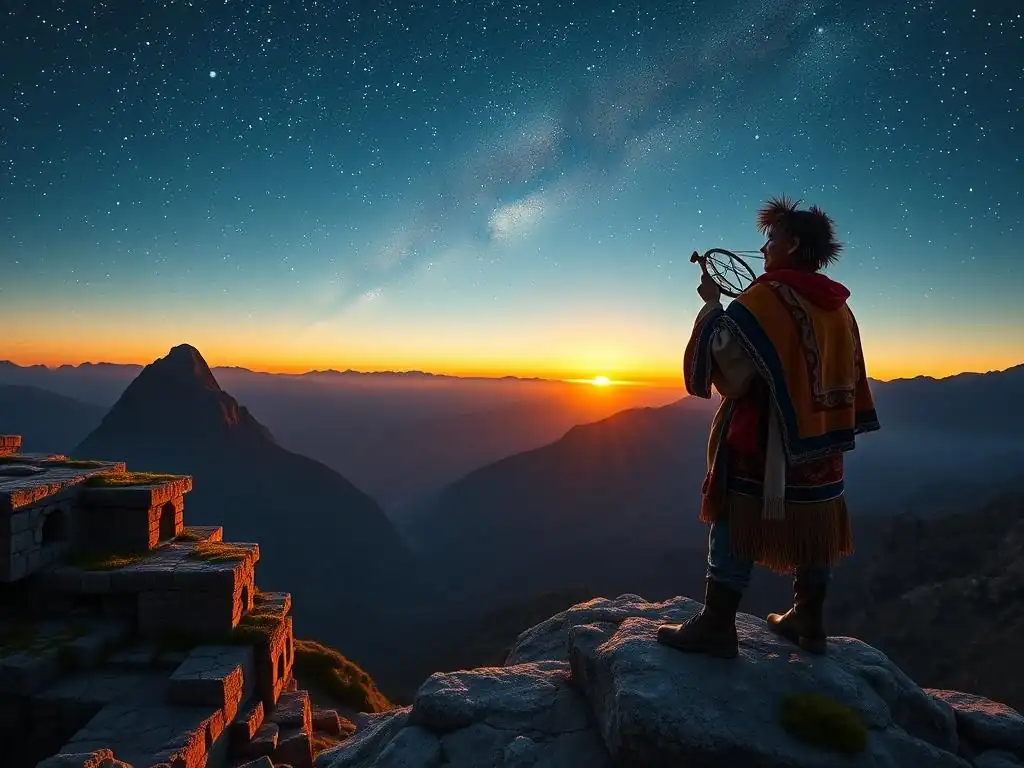
Welcome to Indigenous Civilizations of the Americas, where we embark on a fascinating journey through the rich tapestry of indigenous cultures that flourished long before European contact. Here, we delve into the extraordinary achievements and sophisticated societies that shaped the continent's history. In our featured article, “Mapping the Heavens: The Andean Approach to Celestial Navigation,” we uncover the remarkable Andean celestial navigation techniques that enabled these civilizations to chart their paths by the stars.
Prepare to be intrigued as we explore how these ancient knowledge systems not only guided their people but also left a lasting impact on our understanding of the cosmos. Join us as we illuminate the brilliance of the past and inspire your curiosity for what lies ahead!
The Andean civilizations, known for their rich cultural heritage and advanced understanding of the natural world, developed sophisticated techniques for celestial navigation that played a crucial role in their daily lives and spiritual practices. This article delves into the intricacies of Andean celestial navigation techniques, exploring how these indigenous peoples utilized the stars, the sun, and the moon to navigate their vast territories and to imbue their societies with meaning and purpose.
By examining the astronomical achievements of the Andean cultures, we gain insight into their profound relationship with the cosmos, which continues to inspire contemporary understanding of astronomy and navigation.
Andean celestial navigation techniques were not merely practical skills for travel and trade; they were also deeply rooted in the cosmological beliefs of the indigenous peoples of the Andes. These techniques encompassed a range of observational practices that allowed navigators to accurately determine their position relative to celestial bodies. By understanding the movements of stars and other celestial entities, Andean societies were able to establish agricultural calendars, organize ceremonial events, and facilitate trade across vast distances.
Overview of Andean Civilization and Astronomy
The Andean civilization, particularly during the periods of the Inca Empire and earlier cultures such as the Nazca and Moche, was marked by impressive achievements in architecture, agriculture, and astronomy. Notable features of their astronomical practices included:
- Observatories: Structures like the Intihuatana stones served as ceremonial and astronomical observatories.
- Calendrical Systems: Complex calendars based on lunar and solar cycles guided agricultural activities.
- Star Mapping: The Andean peoples had extensive knowledge of constellations, some of which played significant roles in their mythology.
The integration of astronomy into daily life highlights the importance of celestial navigation techniques in the Andean worldview.
Importance of Celestial Navigation in Andean Culture
Celestial navigation was essential for various aspects of Andean culture:
- Agriculture: Farmers relied on star patterns to determine the best planting and harvesting times.
- Trade Routes: Navigators used celestial cues to guide their journeys across rugged terrains and waterways.
- Religious Practices: Astronomical events were often tied to religious ceremonies, emphasizing the interconnectedness of the heavens and the earth.
This reliance on celestial navigation reflects a broader understanding of the universe, where the movements of celestial bodies were seen as a vital part of life on earth.
Understanding the historical context of Andean celestial navigation provides deeper insight into its development and significance. The relationship between ancient Andean societies and their cosmic environment evolved over centuries, influenced by various cultural and technological advancements.
Ancient Andean Societies and Their Relationship with the Cosmos
The Andean peoples viewed the cosmos as a living entity, where celestial bodies were believed to possess spiritual significance. Their societies developed a unique relationship with the cosmos characterized by:
- Mythological Narratives: Stories and legends that explained the origins and movements of celestial bodies.
- Rituals and Festivals: Events aligned with astronomical phenomena, such as solstices and equinoxes, which were celebrated with communal gatherings.
- Agricultural Practices: Seasonal agricultural cycles were closely tied to celestial observations, enhancing food security and harvest efficiency.
These elements underscore the deep-rooted connection between Andean societies and their celestial observations.
Key Periods of Astronomical Development in the Andes
Several key periods marked significant advancements in Andean astronomical practices, particularly in celestial navigation:
- Pre-Inca Cultures (2000 BCE - 1438 CE): Early civilizations like the Nazca and Moche laid the groundwork for astronomical knowledge and practices.
- Inca Empire (1438 CE - 1533 CE): The Incas refined celestial navigation techniques, utilizing them for expansive territorial control and agricultural management.
- Post-Conquest Adaptations (1533 CE onwards): Following European contact, indigenous astronomical practices were influenced by new ideas and technologies while maintaining their unique cultural significance.
These periods illustrate the evolution of Andean celestial navigation techniques and their enduring impact on indigenous cultures in the region.
Andean celestial navigation techniques were deeply rooted in the intricate relationship between the indigenous peoples of the Andes and their environment. These techniques relied heavily on natural phenomena, particularly celestial bodies, and their movements. The Andean navigators developed a sophisticated understanding of astronomy, enabling them to navigate vast distances across land and sea with remarkable precision. Key elements of these techniques included:
- Observational Precision: Skilled observers would track the positions of celestial bodies at different times of the year, creating a detailed understanding of their movements. This knowledge allowed navigators to determine direction and time based on the position of the sun, moon, and stars.
- Cultural Significance: The celestial bodies were not merely tools for navigation; they held immense cultural and spiritual significance. For instance, certain constellations were associated with myths, agricultural cycles, and seasonal changes, influencing not only navigation but also social activities and rituals.
- Integration with Geography: The techniques were adapted to the diverse geography of the Andean region, which included mountains, valleys, and coastlines. Navigators utilized local landmarks in conjunction with celestial observations to enhance their navigation skills, ensuring they could orient themselves accurately.
Observational Tools Used by Andean Navigators
The Andean navigators employed various observational tools and techniques that were integral to their celestial navigation practices. These tools were often simple yet effective, reflecting the ingenuity of the Andean cultures. Key tools included:
- Simple Gnomons: A gnomon is a vertical stick or pole that casts a shadow. By observing the length and direction of the shadow cast by the sun at different times of the day, navigators could ascertain the cardinal directions.
- Stone Alignments: Stone structures were sometimes erected to align with specific celestial events, such as solstices or equinoxes. These alignments served as markers for navigators, providing a visual reference for celestial bodies.
- Watercraft Techniques: For those navigating the waters, traditional rafts and boats were designed to be responsive to wind and currents, allowing navigators to make use of celestial cues while managing their vessels.
Significant Celestial Bodies in Andean Navigation
In Andean celestial navigation, several celestial bodies played pivotal roles. Understanding their significance helped navigators to orient themselves and make informed decisions during their journeys. The most notable celestial bodies included:
- The Sun: The sun was fundamental for navigation, particularly during the day. Its position in the sky indicated both time and direction, with the sun rising in the east and setting in the west.
- The Moon: The moon's phases were critical for marking time and influencing tides, which were especially important for coastal navigators. The full moon was often considered a favorable time for travel.
- Stars and Constellations: Specific stars, such as Polaris (the North Star), and key constellations, including the Southern Cross, were used for navigation at night. These celestial markers guided travelers during their nocturnal journeys.
Seasonal Changes and Their Impact on Navigation
The Andean navigators were acutely aware of seasonal changes and their impact on celestial navigation. The cyclical nature of the seasons dictated not only the behavior of celestial bodies but also influenced navigation practices:
- Seasonal Star Visibility: Different stars and constellations became prominent during different seasons. Andean navigators adjusted their celestial navigation techniques according to which stars were visible in the night sky.
- Weather Patterns: Seasonal weather changes, such as the rainy season, affected visibility and navigation conditions. Navigators had to adapt their routes and timing based on these environmental factors.
- Agricultural Cycles: The agricultural calendar was closely linked to celestial events, such as solstices and equinoxes. These events provided crucial information for planting and harvesting, which in turn influenced travel and trade routes.
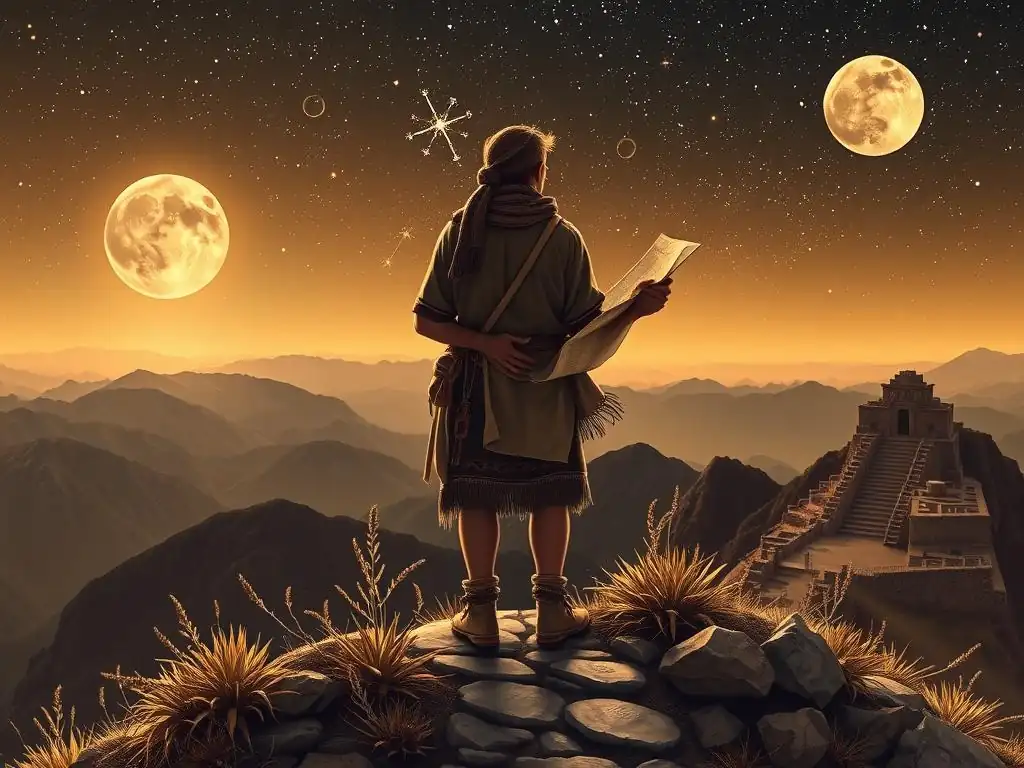
Andean celestial navigation techniques were not only innovative but also reflected a deep understanding of astronomy and the environment. The following techniques were central to their navigation practices:
The Role of the Sun in Andean Navigation
The sun served as a primary reference point for Andean navigators. Its daily movement across the sky provided essential information for orientation:
- Timekeeping: Navigators used the sun's position to estimate time during the day. The shadow cast by a gnomon could indicate the hour, allowing for the planning of travel.
- Directional Guidance: The sun's path helped navigators determine cardinal directions. By knowing the sun rises in the east and sets in the west, navigators could orient themselves accordingly.
- Seasonal Variations: Throughout the year, the sun's angle and position changed, marking the seasons. This understanding was crucial for planning voyages and agricultural activities.
Utilizing the Stars: Constellations and Their Meanings
Stars and constellations were integral to Andean navigation, serving both practical and cultural purposes:
- Guiding Lights: Specific constellations were used as navigational aids at night. For instance, the Southern Cross was a crucial reference for southward navigation.
- Cultural Significance: Many constellations were woven into the fabric of Andean mythology and spirituality. This cultural dimension added depth to the navigators' relationship with the stars, often intertwining navigation with ritual practices.
- Astronomical Calendars: The rise and setting of certain stars marked significant events in the agricultural calendar, guiding planting and harvesting activities.
The Moon's Influence on Andean Maritime Practices
The moon played a vital role in Andean maritime navigation, influencing both timekeeping and environmental conditions:
- Tidal Patterns: The moon's phases directly affected tidal movements, which were crucial for coastal navigation. Navigators had to plan their journeys around high and low tides for optimal sailing conditions.
- Nighttime Navigation: The moon illuminated the night sky, enabling navigators to travel after dark. Full moons were particularly valued for their bright light, enhancing visibility.
- Cultural Practices: The moon held significant cultural meaning, often associated with fertility and agriculture. Navigators might align their travel schedules with lunar phases to optimize their journeys.
Andean celestial navigation techniques exhibit unique characteristics that set them apart from other indigenous navigation methods employed across the Americas. While many indigenous cultures relied on environmental cues, such as the position of the sun, wind patterns, and coastal features, the Andean navigators developed a sophisticated understanding of celestial bodies, emphasizing the importance of stars and constellations for orientation and timing.
In comparative studies, it becomes evident that both Andean and Mesoamerican cultures utilized celestial observations but in distinct ways. The Andean method was often more integrated with agricultural practices, as celestial events directly influenced planting and harvesting cycles. This interconnectedness highlights a broader understanding of the cosmos as it relates to terrestrial life, contrasting with other navigation systems that may not have had such a direct agricultural impact.
Additionally, while some indigenous groups relied on oral traditions for navigation knowledge, Andean navigators often employed a more systematic approach, utilizing astronomical calendars and charts to document their findings. This structured methodology allowed for more precise navigation over vast distances, showcasing the advanced nature of Andean celestial navigation techniques.
Similarities with Mesoamerican Navigation Techniques
Both Andean and Mesoamerican cultures demonstrated a profound connection to the cosmos, utilizing celestial bodies for navigation and agricultural planning. For instance, both cultures observed the solstices and equinoxes, which held significant cultural importance and were celebrated through various rituals.
Furthermore, both civilizations recognized the importance of the Milky Way, often referred to as the "World Tree" in Mesoamerican cosmology, while Andean cultures viewed it as a path for the souls of the dead. This shared reverence for celestial phenomena reflects a common understanding of the universe's influence on earthly matters.
Interestingly, both cultures also developed star maps to aid in navigation, with Mesoamerican cultures creating intricate codices that depicted celestial events. Similar documentation practices can be observed in Andean societies, where knowledge was often transmitted through quipus and oral histories, illustrating the importance of celestial navigation in their respective cultures.
Differences in Techniques and Cultural Significance
The differences between Andean celestial navigation and Mesoamerican techniques lie primarily in their execution and cultural significance. Andean navigators utilized specific star formations, such as the Southern Cross and the Pleiades, to guide their journeys. These stars were not only used for navigation but also held mythological significance, embodying various deities and ancestral spirits.
In contrast, Mesoamerican navigation methods were heavily influenced by their geographical contexts, such as the coastal navigation of the Maya along the Caribbean and the Pacific. Their techniques often included knowledge of currents and tides, which were essential for maritime travel.
Furthermore, the Andean approach to celestial navigation was more closely tied to their agricultural calendar, impacting seasonal farming practices. The rise and setting of particular stars would herald important agricultural events, showcasing a deeply intertwined relationship between celestial observations and livelihood. This contrasts with Mesoamerican navigation, where celestial observations were more often tied to religious ceremonies and political power.
Andean celestial navigation is illustrated through the lives of several notable navigators who successfully traversed vast distances using their knowledge of the stars. These case studies highlight the practical application of their astronomical expertise and the cultural importance of navigation in Andean societies.
Notable Figures in Andean Celestial Navigation History
One of the most significant figures in Andean celestial navigation history is Tupac Inca Yupanqui, the 10th Sapa Inca of the Inca Empire. His extensive journeys across the Pacific Ocean and the establishment of trade routes exemplified the effective use of celestial navigation techniques. Yupanqui is said to have relied heavily on the positions of stars and constellations to guide his fleet, demonstrating the practical application of Andean astronomical knowledge in maritime exploration.
Another notable figure is the legendary navigator and explorer, Pachacuti, who is credited with expanding the Inca Empire significantly. His navigational skills were not only crucial in establishing the empire’s vast territory but also in facilitating trade and cultural exchanges with neighboring civilizations. The stories of these figures serve as a testament to the advanced nature of Andean celestial navigation techniques.
Documented Journeys and Their Navigation Techniques
Numerous documented journeys illustrate the effectiveness of Andean celestial navigation techniques. One notable journey is the expedition led by Tupac Inca Yupanqui to the islands of the Pacific, where he utilized the stars to navigate through open waters. His ability to read the night sky allowed him to find safe passages and return home successfully.
Additionally, the journey of the Inca fleet to the coast of Ecuador showcases the sophisticated understanding of Andean navigators. They used the position of the southern constellations to maintain direction, while also paying attention to ocean currents and winds. Such documented journeys highlight the reliance on celestial navigation not merely as a means of travel but as an essential aspect of Andean culture and identity, linking the terrestrial and celestial worlds in their navigational practices.
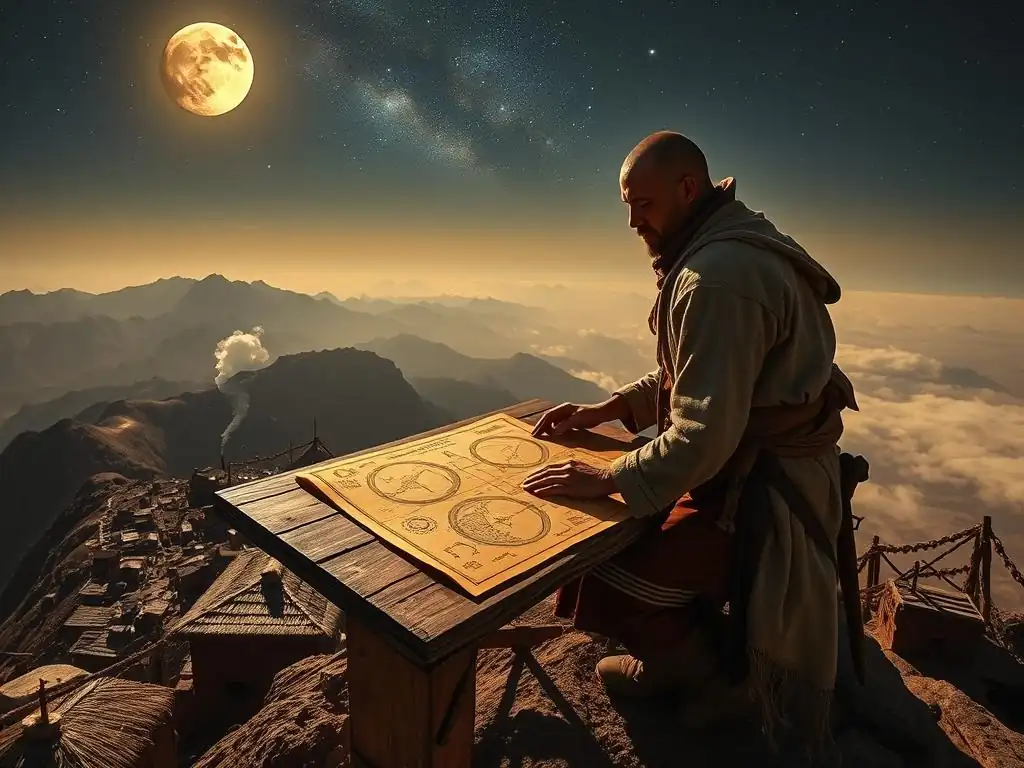
Andean celestial navigation techniques, rooted in the profound understanding of the cosmos by indigenous cultures, have found relevance in contemporary settings. As we explore the modern applications, it becomes evident that these ancient methods are not only valuable for historical insight but also offer practical solutions in today’s navigation and environmental practices.
Revitalization of Traditional Practices in Contemporary Contexts
In recent years, there has been a concerted effort to revitalize traditional Andean navigation techniques. Indigenous communities are increasingly recognizing the importance of their ancestral knowledge in the face of modern challenges such as climate change and the loss of biodiversity. Initiatives that incorporate traditional navigation methods, such as star-based orientation and seasonal astronomical observations, are being integrated into educational programs and community workshops.
These revitalization efforts serve multiple purposes:
- Cultural Preservation: They help maintain and transmit traditional knowledge to younger generations.
- Sustainable Practices: Many of these techniques emphasize a deep respect for nature and sustainability, offering insights into ecological balance.
- Community Cohesion: Engaging in traditional practices fosters a sense of identity and unity among community members.
Influence on Modern Navigation and Astronomy
The principles derived from Andean celestial navigation techniques have influenced modern navigation methodologies and astronomical studies. Researchers and navigators are increasingly acknowledging the effectiveness of using celestial bodies as navigational aids, particularly in remote areas where modern technology may fail or be unavailable.
Key areas of influence include:
- Astronomical Research: Scholars studying ancient Andean astronomy have contributed to a broader understanding of celestial patterns, influencing both historical and contemporary astronomical models.
- Navigation Systems: Modern navigational practices, particularly in maritime contexts, have drawn inspiration from the Andean methods, leading to the development of more sustainable and context-sensitive navigation strategies.
- Cultural Exchange: The sharing of Andean celestial navigation knowledge with other indigenous groups worldwide has fostered a global dialogue about traditional navigation practices, enriching the understanding of human interaction with the cosmos.
The legacy of Andean celestial navigation techniques continues to resonate within both indigenous and global communities. This intricate understanding of the stars and their movements has shaped not only the practical aspects of navigation but also the cultural identity of Andean peoples.
Lasting Impact on Indigenous Maritime Practices
The maritime practices of Andean communities have been significantly shaped by their celestial navigation techniques. The ability to navigate using the stars has allowed these communities to engage in fishing, trade, and exploration with a profound connection to their environment. Traditional methods of seafaring, guided by celestial observations, have equipped indigenous sailors with a unique skill set that remains relevant and respected today.
The lasting impact includes:
- Enhanced Navigation Skills: Continued reliance on celestial navigation ensures that indigenous navigators maintain a high level of skill and knowledge, enabling them to navigate effectively even in challenging conditions.
- Cultural Practices: Many maritime traditions are intertwined with celestial navigation, reinforcing cultural practices, storytelling, and communal gatherings centered around celestial events.
Preservation of Andean Astronomical Knowledge in Modern Times
Efforts to preserve Andean astronomical knowledge are critical in the modern context. Educational programs aimed at both indigenous and non-indigenous audiences are being developed to share the rich legacy of Andean astronomy. These initiatives not only serve to educate but also to inspire a renewed appreciation for the wisdom of ancient cultures.
Preservation efforts typically focus on:
- Documentation and Research: Scholars are documenting traditional knowledge through field studies, interviews, and community collaborations, ensuring that this information is not lost to time.
- Cultural Institutions: Museums and cultural centers are increasingly incorporating Andean astronomical knowledge into their exhibits, promoting awareness and understanding of these ancient techniques.
- Interdisciplinary Approaches: Collaboration between astronomers, anthropologists, and educators fosters a holistic understanding of Andean celestial navigation, bridging the gap between ancient practices and modern scientific inquiry.
Through these concerted efforts, the rich legacy of Andean celestial navigation techniques endures, providing valuable insights into the relationship between humanity and the cosmos.
To deepen your understanding of Andean celestial navigation techniques and the rich astronomical traditions of the Andean civilizations, various resources are available. These include books, academic articles, and online platforms that provide insights into the methods used by these ancient cultures to navigate and understand the cosmos.
Suggested Books and Articles
- "Inca Astronomy: The Celestial Observations of the Inca Empire" by William H. Isbell
- This book dives into the astronomical practices of the Inca civilization, detailing how they utilized celestial bodies for navigation and agriculture. Isbell provides a thorough analysis of Inca cosmology and its practical applications.
- "The Andean World" edited by Linda J. S. Pomeroy
- This anthology features a range of essays that explore different aspects of Andean culture, including the significance of astronomy in their societies. It offers a comprehensive overview of the Andean worldview and the role of celestial navigation within it.
- "Skywatchers: A Revised and Updated Version" by John A. Eddy
- Eddy's work presents an exploration of ancient astronomical practices across different cultures, with a significant focus on the Andean techniques. The book discusses how these practices reflect a deep understanding of the heavens.
- "Andean Cosmologies through Time: Persistence and Emergence" edited by Eduardo Kohn and Christine H. M. Peterson
- This collection examines the continuity and change in Andean cosmological beliefs and practices, including celestial navigation, from pre-Columbian times to the present.
- "The Cosmic Serpent: DNA and the Origins of Knowledge" by Jeremy Narby
- Although primarily focused on shamanistic practices, Narby's work touches on how indigenous knowledge systems, including astronomy, inform navigation and understanding of the natural world.
Online Resources for Further Exploration
- The Andean Astronomy Project
- This initiative focuses on researching and disseminating knowledge about the ancient astronomical practices of Andean cultures. Their website includes articles, images, and data related to celestial navigation techniques.
- NASA's Solar System Exploration: Indigenous Astronomy
- NASA provides resources that highlight the contributions of indigenous peoples to astronomy. This section includes links to various studies and articles concerning Andean celestial navigation methods.
- The Smithsonian National Museum of the American Indian
- Their online collections and exhibitions often feature aspects of Andean culture, including celestial navigation. Visitors can find multimedia resources and scholarly articles detailing the astronomical achievements of these civilizations.
- YouTube Educational Channels
- Channels such as "Ancient Civilizations" and "Elders of the Earth" offer documentaries and discussions about Andean cultures, including their celestial navigation techniques. Watching interviews with experts can provide an engaging perspective on these ancient practices.
By exploring these resources, readers can gain a well-rounded understanding of how Andean civilizations approached celestial navigation, revealing the depth of their astronomical knowledge and its significance in their daily lives.
- Introduction to Andean Celestial Navigation Techniques
- Historical Context of Andean Celestial Navigation
- Key Elements of Andean Celestial Navigation Techniques
- Techniques Employed in Andean Celestial Navigation
- Comparative Analysis: Andean Celestial Navigation vs. Other Indigenous Navigation Methods
- Case Studies of Successful Andean Navigators
- Modern Applications of Andean Celestial Navigation Techniques
- Conclusion: The Legacy of Andean Celestial Navigation Techniques
- References and Further Reading on Andean Celestial Navigation
- What are Andean celestial navigation techniques?
- How did the Incas utilize celestial navigation?
- What role did the Milky Way play in Andean navigation?
- Are there any surviving practices related to Andean celestial navigation today?
- How does understanding Andean navigation techniques benefit modern studies?
Frequently Asked Questions
Andean celestial navigation techniques refer to the methods used by indigenous cultures in the Andes mountains to navigate and understand the night sky, using stars and constellations for orientation and agricultural planning.
The Incas employed celestial navigation to align their architectural structures with celestial bodies, which helped them in agriculture, religious ceremonies, and seasonal changes.
The Milky Way was considered a vital guide for Andean navigators, often seen as a pathway that connected various constellations and served as a reference for seasonal activities and rituals.
Yes, some indigenous communities still practice traditional celestial navigation, incorporating ancient knowledge to guide their fishing, farming, and ritualistic activities in harmony with the cosmos.
Studying Andean celestial navigation techniques enriches our knowledge of ancient cultures, offering insights into their sophisticated understanding of astronomy and its integration into daily life and sustainability practices.
The exploration of Andean celestial navigation techniques reveals not only the ingenuity of ancient cultures but also their profound connection to the cosmos. In a world increasingly dominated by technology, the methods developed by the Andean civilizations remind us of the importance of understanding our environment and the natural rhythms that govern it. These techniques are not merely historical artifacts; they resonate with contemporary discussions about sustainability and our relationship with nature.
The influence of Andean celestial navigation extends far beyond its geographical origins, shaping cultural identities and fostering a deep respect for the universe. Today, as we grapple with the challenges of climate change and disconnection from our natural surroundings, the wisdom embedded in these ancient practices serves as a guiding light. To know the stars is to know oneself,
a sentiment echoed by many indigenous cultures, emphasizes the intrinsic link between humanity and the cosmos.
As we reflect on the lessons of Andean celestial navigation, I invite you to consider how these teachings can be woven into your own life. Take a moment to look up at the night sky and contemplate your place within it. Whether through mindfulness, exploration, or simply appreciating the beauty of the stars, let the wisdom of the Andean navigators inspire you to forge a deeper connection with the world around you. Embrace the journey of discovery, for in understanding the heavens, we may also find clarity in our own paths.
Embark on Your Celestial Journey Today!
Thank you for taking the time to explore the fascinating world of Andean celestial navigation. We hope you gained valuable insights into how ancient cultures recognized and utilized the stars in their lives. Now, it's time to put your newfound knowledge into action!
- Start your own stargazing adventure: Grab a blanket and head outside tonight! Spend some time observing the night sky and identifying constellations just as the Andean navigators did.
- Share your experience: Discuss your stargazing journey with friends or share it on social media! Encourage others to appreciate the beauty of the cosmos and the rich history behind it.
- Join a local astronomy group: Connect with fellow enthusiasts who can deepen your understanding of celestial navigation and enhance your stargazing sessions.
What constellations or celestial events have captured your imagination? We would love to hear your thoughts and experiences in the comments! 🌟