
The Influence of Geography on Andean Architectural Decisions: A Closer Look

Welcome to Indigenous Civilizations of the Americas, where we embark on a journey through the rich tapestry of indigenous cultures that flourished long before European contact. Here, you'll discover the profound achievements and unique societal structures that shaped their world. Our featured article, “The Influence of Geography on Andean Architectural Decisions: A Closer Look,” delves into the remarkable interplay between Andean architecture and geography impact, revealing how the environment influenced the innovative designs and functionality of these ancient structures. Prepare to be captivated as you explore the legacy of these civilizations and how their ingenuity continues to resonate today.
The architectural legacy of the Andean civilizations is a testament to the ingenuity and adaptability of the indigenous peoples who thrived in this diverse and challenging landscape. From the sophisticated stone structures of the Inca Empire to the serene adobe dwellings of pre-Columbian societies, Andean architecture reflects a deep understanding of the geography that shaped its development.
This article delves into how various geographical features influenced architectural decisions in the Andean region, examining the interplay between the natural environment and cultural expression. By exploring the intricate relationship between Andean architecture and its geographical context, we can gain insight into not only the structures themselves but also the societies that created them and their lasting impact on the region.
Understanding Andean Architecture
Definition of Andean Architecture
Andean architecture encompasses a variety of building styles and techniques developed by indigenous civilizations in the Andean region, primarily in present-day Peru, Bolivia, Ecuador, and northern Chile. Characterized by the use of local materials such as stone, adobe, and thatch, Andean architecture includes monumental structures like temples, palaces, and agricultural terraces, as well as residential buildings. These architectural forms often reflect the social, political, and spiritual values of the communities that constructed them, showcasing a rich tapestry of cultural expression.
Historical Context of Andean Architectural Developments
The evolution of Andean architecture can be traced back thousands of years, with significant advancements occurring during the formative periods of the region. Early architectural practices were influenced by the need for functionality and adaptation to the environment, which later evolved into the more complex and monumental constructions seen during the height of the Inca Empire (1438-1533 CE). This period marked a significant transformation in architectural techniques, characterized by precision stone masonry, urban planning, and the integration of agricultural terraces that maximized arable land in the rugged Andes.
The Role of Geography in Andean Architecture
Geographic Features of the Andean Region
The Andean region is marked by a diverse array of geographic features, including:
- Mountain Ranges: The Andes Mountains, one of the longest mountain ranges in the world, create a dramatic landscape that influenced settlement patterns and architectural styles.
- Valleys and Plateaus: Fertile valleys and high-altitude plateaus provided essential agricultural land, shaping the design and function of structures.
- Climate Zones: Variations in climate across the region, from arid desert to humid rainforest, dictated the choice of materials and construction techniques.
These features not only posed challenges but also offered unique opportunities for creative architectural solutions.
Accessibility and Resource Availability
The accessibility of resources significantly impacted architectural decisions in the Andes. The proximity to raw materials such as stone, clay, and timber determined where and how structures were built. For example:
- Stone Quarries: Many Andean civilizations utilized nearby quarries, leading to the construction of impressive stone structures that have withstood the test of time.
- Agricultural Resources: The integration of agriculture into architectural design, such as terracing, demonstrated a keen awareness of the landscape and climate, maximizing food production while minimizing erosion.
Understanding the geographical context of Andean architecture is crucial for appreciating the sophisticated ways in which these ancient civilizations adapted to their environment, leaving a legacy that continues to influence contemporary architectural practices and cultural identity in the region.
Architectural Styles and Geographic Adaptation
Andean architecture is a vivid reflection of the diverse geographical features that characterize the Andes Mountains and surrounding regions. The unique environmental conditions, including altitude, climate, and availability of resources, have significantly influenced the architectural styles developed by indigenous cultures. For instance, communities living at higher altitudes often utilized local stone materials, such as granite and limestone, which were abundant and durable, allowing for the construction of resilient structures capable of withstanding harsh weather conditions.
Moreover, the use of adobe bricks became prevalent in lower altitudes where clay was more accessible. This adaptability not only showcases the ingenuity of Andean architects but also illustrates how geography dictated material choice and construction techniques. The architectural styles seen in the Andes, from the expansive terraces of the Incas to the intricate stonework of the Tiwanaku, provide insight into how these societies harmonized their built environment with the natural landscape.
Regional Architectural Variations
The Andean region encompasses a variety of ecosystems, each fostering distinct architectural styles tailored to local conditions. For example, the coastal regions saw the development of structures built with mud and reeds, reflecting the availability of materials in arid environments. In contrast, the highland areas featured monumental stone constructions, such as Sacsayhuamán, which utilized massive limestone blocks to create impressive fortifications and ceremonial sites.
Additionally, the rainforest regions of the eastern Andes inspired the use of perishable materials like wood and palm leaves, leading to structures that were more ephemeral in nature. These regional variations not only demonstrate the adaptability of Andean architecture to different ecological zones but also reveal the cultural significance attached to the materials and techniques employed by different communities across the Andes.
Case Studies of Iconic Andean Structures
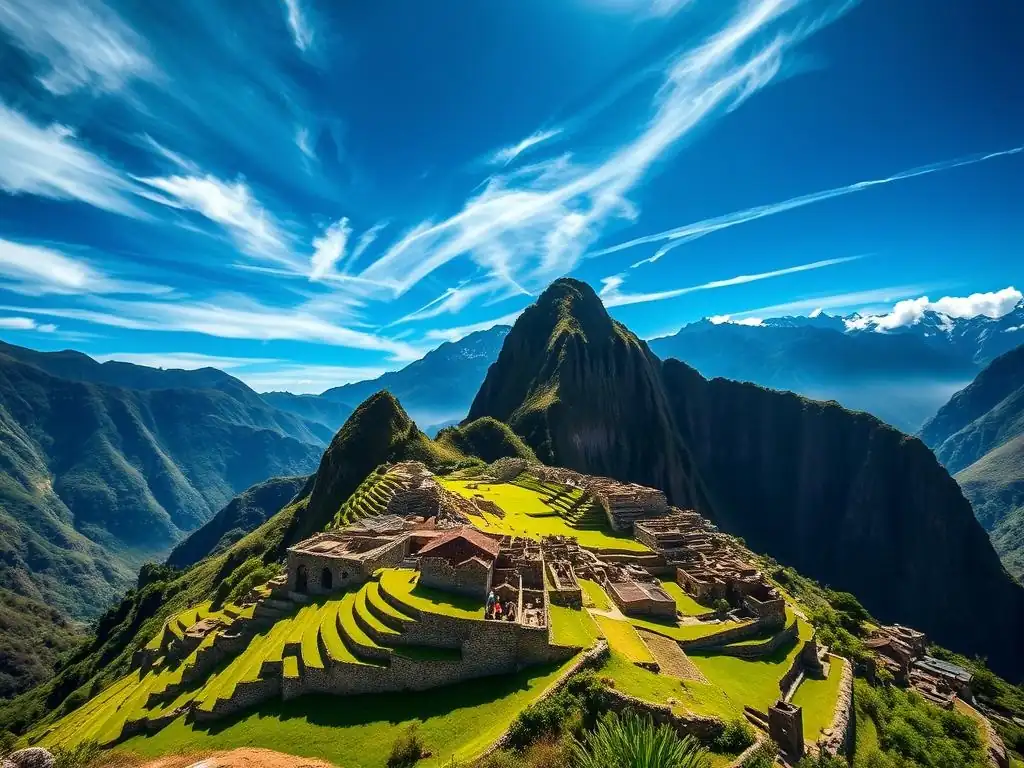
Several iconic structures exemplify the influence of geography on Andean architecture. Machu Picchu, perched high in the Andes, showcases techniques that allowed for its construction on steep terraces, demonstrating a deep understanding of the topography. This site reflects an integration of its natural landscape with sophisticated engineering solutions that ensured stability and sustainability.
Similarly, the city of Cusco serves as a prime example of urban planning influenced by geography. Its layout followed the natural contours of the land, and its buildings were strategically positioned to align with significant astronomical events, showcasing the interplay between architecture and the surrounding environment. These case studies highlight how Andean civilizations not only adapted their architectural practices to their geography but also incorporated their cultural beliefs into the very fabric of their structures.
The Socio-Cultural Impact of Geography on Architecture
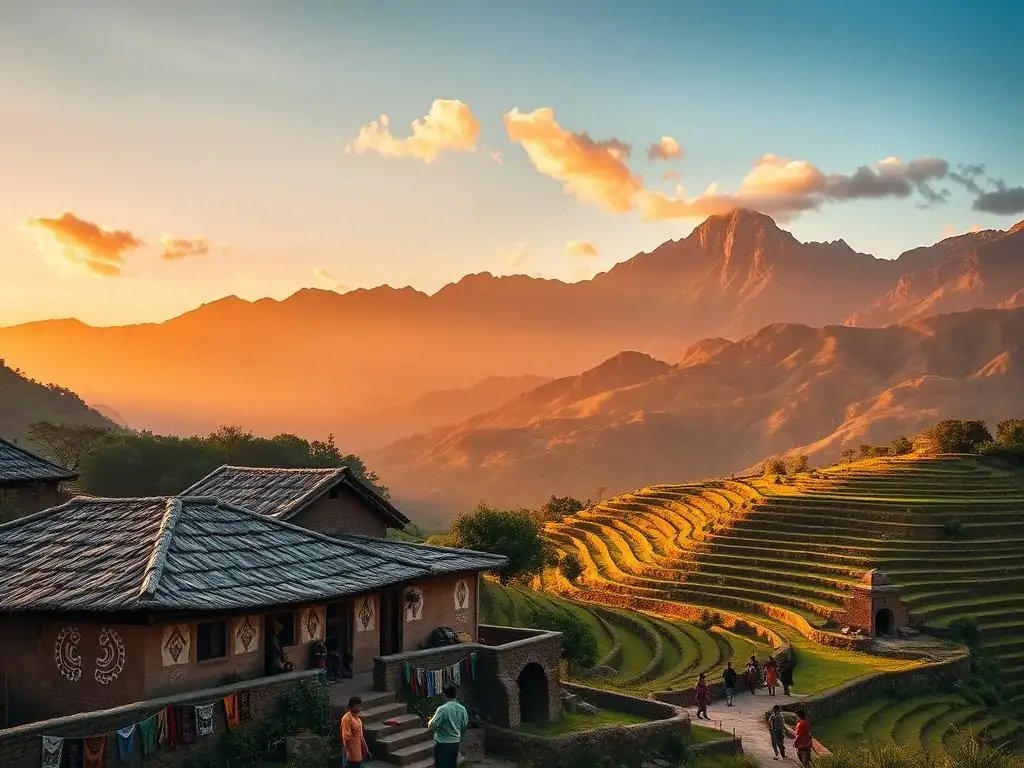
The geographical context of the Andes has profoundly shaped the socio-cultural landscape, influencing not just the physical structures but also the cultural practices and social organization of the communities. The relationship between geography and architectural decisions can be seen in how different communities utilized their environment to express identity, spirituality, and societal values through their buildings.
Spiritual and Cultural Significance of Geographic Features
In Andean culture, geographic features often held spiritual significance. Mountains, rivers, and valleys were viewed as sacred entities, which directly impacted architectural decisions. Many structures were built in alignment with significant geographic landmarks, reflecting a cosmological understanding of the world where the land was intimately connected to spiritual beliefs. For example, the prominent peaks surrounding Machu Picchu were revered as sacred, influencing the design and orientation of its temples and ceremonial spaces, which were constructed to honor both the land and the deities associated with it.
Additionally, the use of local materials not only served practical purposes but also embodied cultural narratives and identities. The choice of stone versus adobe might signify different cultural affiliations, reflecting the community's relationship with their environment and their heritage.
Community Needs and Geographic Influences
Geography also dictated the practical needs of Andean communities, shaping their architectural decisions based on the demands of their environment. For instance, in areas prone to seismic activity, such as the central Andes, structures were designed with flexibility and strength in mind. This led to innovations such as the trapezoidal shape of doorways and walls, which helped buildings withstand earthquakes.
Furthermore, agricultural practices influenced architectural designs; for example, terraces were constructed to maximize arable land on steep slopes, which in turn affected the layout of settlements. The integration of living spaces with agricultural fields demonstrated a sustainable approach to community planning, illustrating how geography not only influenced architecture but also the way communities interacted with their environment for survival and prosperity.
The rich interplay between geography and Andean architecture reveals a complex narrative of adaptation, identity, and resilience—a testament to the ingenuity of indigenous cultures in responding to their unique environments.
Conclusion: The Interplay Between Geography and Andean Architecture
The relationship between geography and Andean architecture is a profound testament to how environmental factors shape human ingenuity and cultural expression. The Andes Mountains, with their diverse ecosystems and climatic variations, have significantly influenced the architectural styles, materials, and urban layouts of the civilizations that flourished in this region. From the monumental stone structures of the Inca to the terraced fields that maximized agricultural output, the interplay between the natural landscape and architectural decisions is evident. This synergy not only highlights the adaptability of Andean societies but also underscores their deep understanding of and respect for their environment.
Summary of Key Influences
Several key geographical factors have influenced Andean architecture:
- Topography: The rugged terrain of the Andes necessitated the construction of structures that could withstand seismic activity and adapt to the steep hillsides. This led to the use of precise stone masonry techniques that are still admired today.
- Climate: Variations in climate from the high peaks to the valleys influenced building materials and designs. In areas with heavy rainfall, for instance, drainage systems were developed, while in arid regions, structures were designed to maximize ventilation.
- Resource Availability: The proximity to natural resources such as stone, clay, and timber dictated the types of materials used in construction. The Inca, for example, utilized local granite for their monumental buildings, reflecting both the aesthetic and functional qualities of the available resources.
These influences are not merely historical; they reflect a sophisticated understanding of how geography shapes human life and culture in the Andes.
The Lasting Legacy of Geography on Andean Architectural Practices
The architectural practices developed in the Andean region have left an indelible mark on the cultural landscape. The principles of construction that emerged from geographic considerations continue to inspire contemporary architecture in the region. Modern architects often draw upon traditional techniques, such as the use of local materials and sustainable practices that respect the natural environment.
Moreover, the legacy of Andean architecture can be seen in the preservation of archaeological sites and the ongoing interest in indigenous architectural traditions. The integration of environmental awareness in modern design echoes the ancestral knowledge passed down through generations, ensuring that the lessons learned from the Andean geography remain relevant today.
Future Research Directions
The study of the interplay between geography and Andean architecture opens several avenues for future research, which can deepen our understanding of indigenous practices and their significance.
Areas for Further Exploration in Andean Architecture and Geography
- Comparative Studies: Investigating how different Andean civilizations adapted their architectural styles to similar geographic challenges could reveal broader patterns of resilience and innovation.
- Impact of Climate Change: Exploring how contemporary Andean communities are responding to climate change can provide insights into the evolution of architectural practices in the face of environmental challenges.
- Material Science: Researching the properties of traditional building materials used in Andean architecture can uncover lost techniques and their potential applications in modern sustainable architecture.
- Cultural Significance: Examining the cultural narratives tied to specific architectural forms and their geographic contexts may enrich our understanding of identity and heritage among Andean peoples.
Implications for Understanding Indigenous Civilizations in the Americas
Understanding the geographical influences on Andean architecture enhances our overall comprehension of indigenous civilizations in the Americas. It emphasizes the importance of place in shaping cultural expressions and highlights the intricate relationship between environment and architecture.
This perspective can also foster a greater appreciation for the ingenuity of indigenous peoples, showcasing their ability to innovate and adapt to their surroundings. Recognizing these influences encourages a more nuanced view of pre-colonial societies, celebrating their contributions to architectural history and their enduring impact on contemporary practices. By bridging the past and present, we gain valuable insights into the legacy of indigenous civilizations and their ongoing relevance in today's world.
- Understanding Andean Architecture
- The Role of Geography in Andean Architecture
- Architectural Styles and Geographic Adaptation
- The Socio-Cultural Impact of Geography on Architecture
- Conclusion: The Interplay Between Geography and Andean Architecture
- Future Research Directions
- What is the main focus of the article on Andean architecture?
- How did geography affect Andean architectural styles?
- What are some key achievements of indigenous Andean architecture?
- How did Andean architecture adapt to challenging geographical conditions?
- What is the lasting impact of Andean architecture on modern society?
Frequently Asked Questions
What is the main focus of the article on Andean architecture?
The article explores how geography influenced architectural decisions in the Andean region, highlighting the relationship between the natural environment and cultural development.
How did geography affect Andean architectural styles?
Geographical factors such as topography, climate, and available materials played a significant role in determining the design and construction of Andean structures.
What are some key achievements of indigenous Andean architecture?
Indigenous Andean civilizations are known for their advanced engineering, including terracing, irrigation systems, and the construction of monumental structures like Machu Picchu.
How did Andean architecture adapt to challenging geographical conditions?
Andean architects utilized innovative techniques to build in mountainous terrains, employing local resources and adapting their designs to withstand earthquakes and weather variations.
What is the lasting impact of Andean architecture on modern society?
The legacy of Andean architecture is evident today in its influence on contemporary design principles, sustainable building techniques, and the preservation of cultural heritage in the region.
Final Reflection: The Interwoven Legacy of Geography and Andean Architecture
The intricate relationship between geography and Andean architecture remains profoundly relevant today, as it underscores the importance of environmental context in shaping cultural expressions. As we navigate a world increasingly influenced by climate change and urbanization, understanding how the Andean peoples adapted their architectural practices to their unique landscapes offers invaluable lessons on resilience and sustainability. The enduring beauty and functionality of Andean structures serve as a striking reminder of how geography can dictate not just the form, but the very essence of architectural identity.
Clearly, the influence of geography on Andean architecture has left an indelible mark on the cultural landscape, shaping not only the physical structures but also the communities that inhabit them. The architectural choices made by Andean civilizations reflect a deep understanding of their environment, fostering a sense of place and identity that resonates through generations. > “Architecture should speak of its time and place, but yearn for timelessness.” This sentiment captures the essence of how Andean architecture continues to inspire contemporary designs, urging us to consider our surroundings and the stories they tell.
As we reflect on the lessons drawn from Andean architecture, I invite you to consider how geography shapes your own life and decisions. What aspects of your environment influence your choices, your creativity, and your identity?
By embracing the lessons of adaptability and respect for our surroundings, we can forge a path toward a more sustainable future, honoring the legacy of those who came before us while crafting our own unique narratives. Let us carry forward the wisdom of the Andean peoples, recognizing that the landscapes we inhabit are not merely backdrops, but integral to our architectural and cultural expressions.
Explore the Connection: Act on Your Curiosity!
Thank you for diving into the fascinating relationship between geography and Andean architectural choices! You've gained valuable insights into how the environment has shaped these incredible structures. Now, it's time to take that knowledge and put it into action.
Here are some specific steps to deepen your understanding and share what you've learned:
- Research the unique architectural styles of various Andean cultures and identify how geography influenced their materials and designs.
- Visit a local museum or cultural center that focuses on Indigenous history to view artifacts and reconstructions that bring this story to life.
- Share this article with friends or community groups interested in Indigenous cultures, and spark engaging discussions about the impact of the environment on architecture!
What architectural processes or characteristics have you observed in your own surroundings that might be influenced by geography? Let's discuss!