
From Trade to Turmoil: The Economic Shifts After European Contact in Cahokia

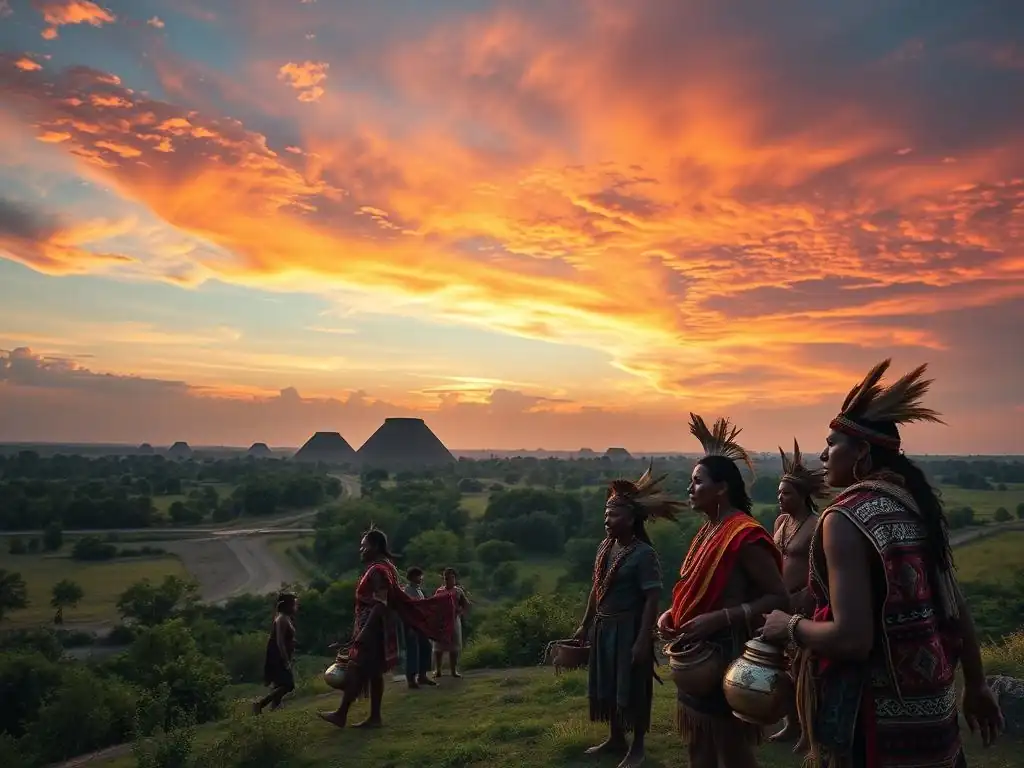
Welcome to Indigenous Civilizations of the Americas, where we invite you to embark on a fascinating journey through the rich tapestry of indigenous cultures that flourished long before European contact. In our featured article, “From Trade to Turmoil: The Economic Shifts After European Contact in Cahokia,” we delve into the profound economic changes that swept through this vibrant civilization. What drove these transformations, and how did they reshape the lives of the Cahokia people?
Join us as we uncover the intricate dynamics of trade, society, and resilience in a world forever altered by external forces. Your exploration begins here—dive deeper to discover the legacies that continue to resonate today!
- Introduction to Cahokia Indigenous Economic Changes
- The Arrival of Europeans and Initial Economic Interactions
- Economic Shifts Following European Contact
- Social and Economic Turmoil in Cahokia
- Resistance and Adaptation: Cahokia's Response to Economic Changes
- Long-term Effects of European Contact on Cahokia’s Economy
- Conclusion: Understanding Cahokia Indigenous Economic Changes
-
Frequently Asked Questions
- What were the main economic activities of the Cahokia indigenous people before European contact?
- How did European contact affect the economy of Cahokia?
- What role did trade play in Cahokia's economy before colonization?
- What were the lasting impacts of the economic changes in Cahokia?
- How can understanding Cahokia's economic shifts inform current discussions about indigenous cultures?
- Final Reflection: The Enduring Legacy of Cahokia's Economic Transformation
- Unveil the Untold Impact of Economic Shifts in Cahokia!
Introduction to Cahokia Indigenous Economic Changes
The story of Cahokia, one of the most significant indigenous civilizations in pre-Columbian North America, is a profound narrative filled with economic dynamism and cultural richness. Nestled near the confluence of the Mississippi, Missouri, and Illinois Rivers, Cahokia emerged as a vibrant urban center around 600 CE, boasting a population that may have exceeded 20,000 at its peak. The interactions and exchanges that took place within this sophisticated society laid the groundwork for a complex economic system that thrived long before European contact.
However, the arrival of Europeans in the early 17th century marked a pivotal turning point for Cahokian society, introducing a series of economic shifts that would reshape its landscape forever. In this article, we will explore the indigenous economic changes in Cahokia, focusing on the intricate trade networks that sustained the community and the subsequent turmoil that ensued following European contact.
Overview of Cahokia Culture Before European Contact
Before the arrival of Europeans, Cahokia was a flourishing hub of trade and culture. The inhabitants, known as the Cahokians, developed an intricate society characterized by impressive earthen mounds, sophisticated agricultural practices, and extensive trade networks that spanned vast distances.
- Social Structure: Cahokia's social hierarchy was complex, with a ruling elite overseeing the agricultural and trade activities. The population was organized into clans and kinship groups, each contributing to the community's economic and cultural life.
- Agriculture: The agricultural practices of the Cahokians were advanced for their time. Crops such as maize, beans, and squash formed the backbone of their diet, supported by a system of irrigation and crop rotation that allowed for sustained yields.
- Cultural Achievements: Cahokia was not only an economic center but also a cultural one. The construction of monumental earthworks, such as Monk's Mound, showcased their engineering prowess and served as ceremonial sites, reflecting the community's spiritual beliefs and social organization.
These elements combined to create a thriving society that was well-prepared for the challenges and opportunities that would arise with European contact.
Importance of Trade in Cahokia’s Economy
Trade was the lifeblood of Cahokia’s economy, facilitating the exchange of goods, ideas, and cultural practices among diverse indigenous groups across the region. The central location of Cahokia allowed it to act as a pivotal trade nexus, connecting the Great Lakes, the Gulf of Mexico, and the Atlantic Coast.
- Trade Networks: The Cahokians engaged in extensive trade, exchanging goods such as:
- Shells from the Gulf Coast
- Copper from the Great Lakes
- Obsidian and other stones from distant quarries
- Textiles and crafted items from neighboring tribes
- Economic Impact: The trade routes not only bolstered the economy of Cahokia but also fostered relationships with surrounding communities, promoting cultural exchange and cooperation. This economic interconnectedness was crucial in establishing Cahokia as a dominant power in the region.
- Ceremonial Exchanges: In addition to material goods, trade included the exchange of ceremonial items, which played a significant role in reinforcing social ties and cultural identity among the diverse tribes of the Americas.
As we delve deeper into the shifts that occurred post-European contact, it becomes evident that these economic foundations, built on trade and cooperation, were tested and transformed by the new encounters and challenges that arose with the arrival of European settlers.
The Arrival of Europeans and Initial Economic Interactions
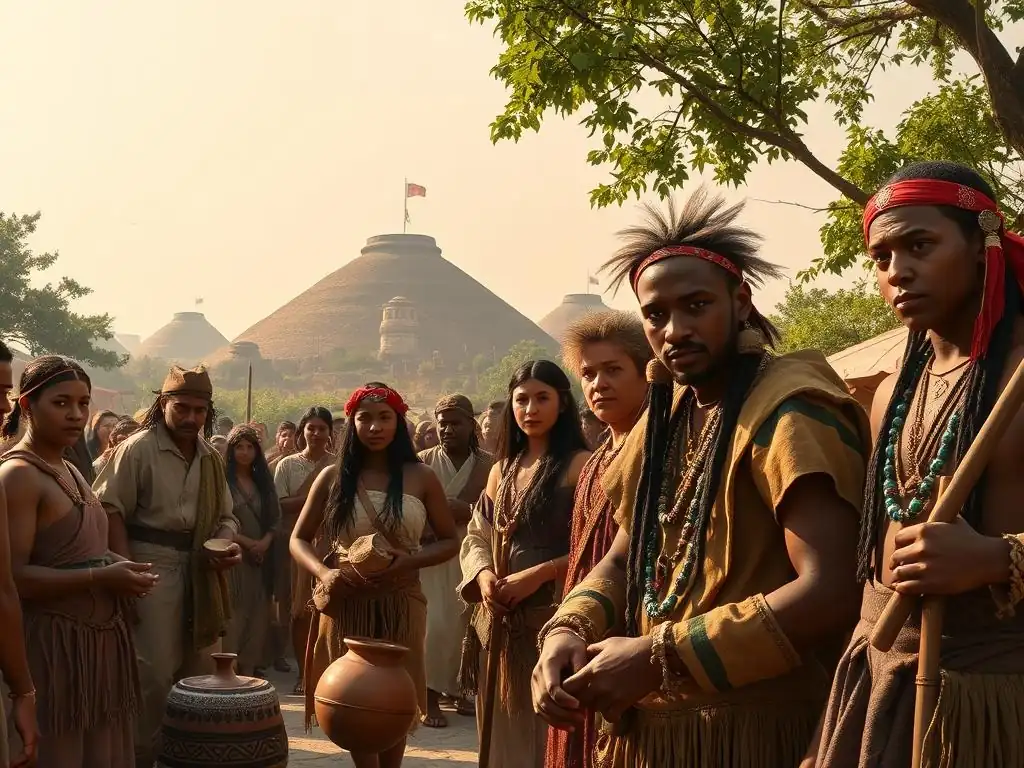
With the arrival of Europeans in the 16th century, Cahokia underwent significant economic changes that dramatically altered its trading practices and social structures. The initial interactions between European explorers and the Cahokian society were marked by a complex blend of curiosity, trade, and cultural exchange. These early encounters provided both opportunities and challenges for the Cahokia indigenous peoples as they navigated the shifting economic landscape.
Early Trade Relations with European Explorers
The first recorded European contact with the Cahokia civilization occurred in the late 1600s, when French explorers began to venture into the Mississippi River Valley. These explorers were drawn to the region due to its rich resources and strategic location. The Cahokians, already adept traders with a vast network that spanned the continent, were quick to recognize the potential benefits of engaging with these newcomers.
- Trade Commodities: Cahokia was known for its high-quality goods, such as pottery, textiles, and tools crafted from local materials. The Cahokians began to trade these items with European explorers in exchange for metal tools, firearms, and other European manufactured goods. This exchange marked a pivotal moment in Cahokia's economic evolution, as it introduced new materials that enhanced their daily lives and trade capabilities.
- Cultural Exchange: The initial trade relations facilitated a cultural interchange that allowed both Europeans and Cahokians to learn from one another. This included sharing agricultural techniques, such as the cultivation of corn and beans, which were staples in Cahokian society. However, the interactions were not solely beneficial; they also laid the groundwork for future conflicts over resources and territorial claims.
- Trade Networks: The Cahokians leveraged their existing trade networks to incorporate European goods, establishing new trade routes that extended their influence. The introduction of European goods sparked a shift in the economic dynamics of the region, leading to increased competition among indigenous groups as they sought to access these valuable items.
The Impact of European Goods on Cahokia’s Economy
The influx of European goods had profound implications for the economic landscape of Cahokia. As Cahokia indigenous economic changes unfolded, the community experienced both immediate advantages and long-term consequences.
- Material Transformation: One of the most significant impacts was the transformation of material culture. The introduction of iron tools, for instance, significantly improved agricultural efficiency and enabled the Cahokians to expand their farming activities. This shift not only increased food production but also allowed for the development of more complex societal structures as surplus goods became available for trade.
- Economic Dependency: Over time, Cahokia's reliance on European goods grew, leading to a gradual economic dependency. As the demand for European products increased, Cahokians began to prioritize the acquisition of these goods over traditional practices. This shift raised concerns about the sustainability of their economy and traditional ways of life.
- Social Hierarchies: The competition for European goods also contributed to the emergence of new social hierarchies within Cahokia. Those who were able to secure more valuable trade items gained power and influence, leading to a stratified society that contrasted with previous egalitarian structures. This change altered community dynamics and relationships, as access to European goods became a marker of status.
- Long-term Effects: The economic changes initiated by European contact ultimately set the stage for the decline of Cahokia. As European colonization expanded, pressure on indigenous resources intensified, leading to conflicts and disruptions in trade. The once-thriving economic landscape of Cahokia faced significant challenges, culminating in profound and lasting changes to its cultural identity and economic practices.
The arrival of Europeans catalyzed a series of economic transformations within Cahokia that reshaped its society. The early trade relations established a foundation for both cooperation and conflict, while the impact of European goods introduced new complexities that would reverberate through Cahokian culture for generations to come.
Economic Shifts Following European Contact
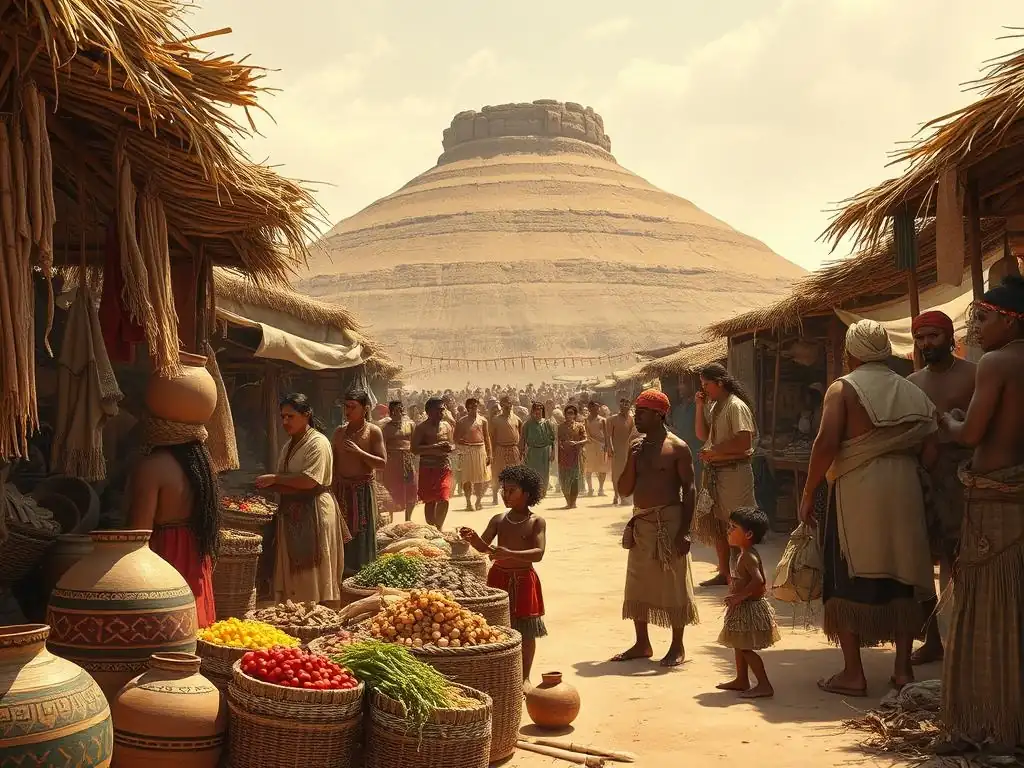
The contact between European explorers and the Cahokia indigenous community initiated a profound transformation in their economic practices. These shifts affected various aspects of their daily lives, social structures, and long-term sustainability. Understanding these economic changes is crucial to grasp the overall impact of European colonization on Cahokia and similar indigenous cultures.
Disruption of Traditional Trade Networks
The Cahokia civilization was known for its extensive trade networks prior to European contact, connecting various indigenous groups across the continent. These networks facilitated the exchange of goods such as:
- Copper tools and ornaments
- Shell beads
- Foodstuffs, including maize and squash
However, the arrival of Europeans disrupted these established trade routes. The introduction of new goods, diseases, and political dynamics significantly altered the landscape of trade.
- New Trade Dependencies:
- The Cahokians began to rely on European goods, such as metal tools and firearms, leading to a decline in the production and trade of traditional items.
- This shift created a dependency on foreign goods, undermining self-sufficiency.
- Decline in Intertribal Relations:
- Traditional alliances and trade partnerships between different indigenous groups were strained due to European influence.
- As Europeans manipulated these relationships for their gain, tensions escalated, leading to conflicts that disrupted trade.
- Impact of Disease:
- The introduction of European diseases devastated the Cahokian population, leading to a reduction in labor force and a breakdown of trade networks.
- As communities struggled to recover, the once vibrant trade systems faltered.
The combination of these factors led to a significant decline in the economic stability that Cahokia had enjoyed prior to European contact.
Changes in Agricultural Practices and Subsistence Strategies
The economic shifts following European contact also prompted changes in agricultural practices and subsistence strategies among the Cahokia. These changes can be categorized into several key areas:
- Adoption of New Crops:
- Europeans introduced new crops like wheat and barley, which began to supplement traditional maize agriculture.
- This diversification altered the dietary habits and agricultural focus of the Cahokians.
- Shifts in Land Use:
- Increased demand for land to cultivate European crops led to the overexploitation of resources.
- Traditional agricultural practices, which emphasized crop rotation and sustainability, were often abandoned.
- Changes in Social Structure:
- As agricultural practices shifted, so did the social organization of Cahokia.
- Increased reliance on European goods led to a stratification of wealth, with some families accumulating resources while others struggled.
- Impact of Climate and Environmental Changes:
- The introduction of European farming techniques sometimes conflicted with Cahokian practices, affecting soil health and agricultural yields.
- The modification of the landscape for European-style agriculture contributed to environmental degradation.
These shifts in agricultural practices not only altered the economy but also the very fabric of Cahokian society, leading to long-term consequences.
The Role of European Currency in Cahokia’s Economy
The introduction of European currency into the Cahokian economy marked a significant turning point in their economic practices. The use of currency brought both opportunities and challenges:
- Integration into a Global Economy:
- The use of European currency facilitated trade with European settlers, allowing Cahokians access to a wider range of goods.
- It also integrated Cahokia into a global economic system, shifting the focus from local bartering to currency-based transactions.
- Changes in Valuation Systems:
- Traditional systems of trade based on reciprocal exchanges and social relationships began to decline as monetary transactions gained prominence.
- This shift diminished the importance of community ties, as individual wealth became a more significant indicator of status.
- Economic Disparities:
- The introduction of currency created economic disparities within Cahokia, as those who could acquire European goods gained significant advantages over others.
- Wealth concentration among a few families often led to social unrest and conflicts.
- Dependency on External Markets:
- As the Cahokians became more dependent on European goods and currency, their economic resilience decreased.
- The reliance on external markets made the Cahokians vulnerable to fluctuations in trade and the whims of European traders.
The economic changes in Cahokia following European contact were multifaceted and had lasting impacts. These transformations not only reshaped their economic practices but also altered their social structures and cultural identities, leading to a profound legacy that continues to be studied today.
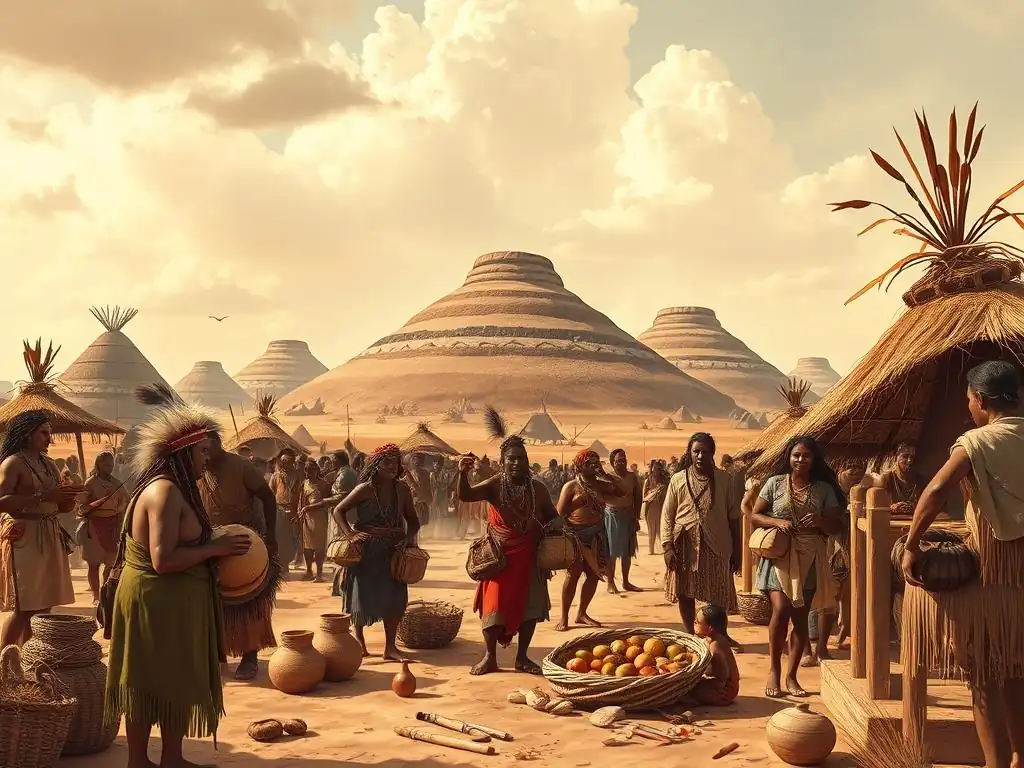
The arrival of Europeans in the early 17th century marked a significant turning point for the Cahokia civilization, leading to profound social and economic turmoil. As European powers began to explore and settle in the Americas, indigenous societies like Cahokia faced both direct and indirect impacts from these encounters. The traditional ways of life that had sustained the Cahokians for centuries were disrupted, leading to a cascade of changes that reshaped their economic landscape.
Population Decline and Its Economic Consequences
One of the most immediate effects of European contact in Cahokia was a drastic decline in population. This decline was primarily due to the introduction of new diseases brought by Europeans, such as smallpox and influenza, to which the indigenous population had no immunity. Historical estimates suggest that the Cahokian population may have decreased by as much as 70% in the decades following contact.
This significant population loss had dire economic consequences:
- Labor Shortages: With fewer people to engage in agriculture, construction, and trade, the labor force diminished, leading to decreased agricultural productivity.
- Trade Disruption: The decline in population also interrupted established trade networks. With fewer individuals to participate in trade, the flow of goods and resources diminished, weakening the economy.
- Resource Management: The remaining population struggled to manage the resources effectively, leading to potential over-exploitation of certain areas while other resources remained neglected.
As the Cahokian economy faltered, the social structures that had once defined the civilization underwent significant changes. The economic pressures following European contact led to the reorganization of social roles and hierarchies:
- Emergence of New Leadership: With the decline of traditional leadership and increased external pressures, new leaders emerged who were more adept at negotiating with European traders. These leaders often prioritized trade relationships over traditional social customs.
- Shift in Gender Roles: Economic necessity sometimes led to shifts in gender roles within Cahokian society. Women, who traditionally played key roles in agriculture, found their responsibilities expanding to include trade and negotiation with Europeans.
- Cultural Adaptation: To cope with the changing economic landscape, the Cahokians began to adopt some European economic practices. This included the integration of European goods into their daily life, which altered social dynamics and necessitated new forms of social organization.
Increased Dependency on European Trade Goods
As traditional economic systems faltered, the Cahokians increasingly relied on European trade goods, which dramatically changed their ways of life. This dependency on external goods can be illustrated through several key factors:
- Introduction of European Goods: Items such as metal tools, firearms, and textiles became increasingly available and desirable, leading to a shift in consumer behavior.
- Trade Relationships: Cahokians began to engage more actively in trade with European settlers, exchanging native goods such as furs and pottery for these new commodities. This relationship often placed them in a position of dependency, as their economy became increasingly oriented around European demands.
- Economic Vulnerability: This new reliance on European trade goods made Cahokia vulnerable to fluctuations in European markets. As demand for furs decreased or as trade relations soured, the Cahokians faced economic instability, further exacerbating their existing challenges.
The economic changes following European contact in Cahokia not only reshaped the indigenous economy but also led to a profound transformation in social structures and cultural practices. The legacy of these shifts continues to resonate through history, illustrating the complex interactions between indigenous civilizations and European colonizers.
Resistance and Adaptation: Cahokia's Response to Economic Changes
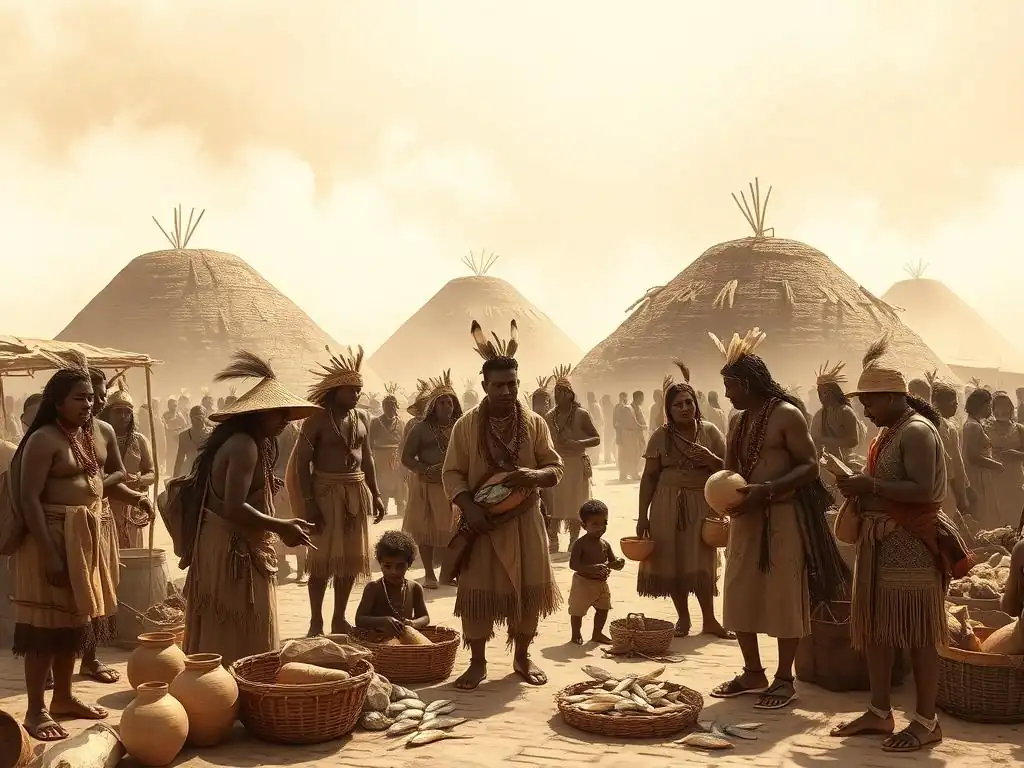
The arrival of Europeans in the Americas marked a significant turning point for many indigenous cultures, including the Cahokia civilization. Faced with dramatic shifts in their economic landscape, the Cahokians demonstrated remarkable resilience and adaptability. Their response to these changes was characterized by both resistance to external pressures and innovative adaptations that allowed them to navigate the new realities imposed by European contact.
Innovative Strategies for Economic Survival
As European traders and settlers began to encroach upon Cahokia's territory, the indigenous economy faced unprecedented challenges. Yet, the Cahokians employed a range of innovative strategies to sustain their economic viability.
- Diversification of Trade Goods:
- The traditional trade networks of Cahokia expanded to include new goods that were introduced by European colonizers. For instance, metal tools and firearms became highly sought after, prompting the Cahokians to adapt their production and trade strategies to incorporate these items into their economic framework.
- Utilization of Existing Resources:
- The Cahokians capitalized on their rich agricultural heritage. The cultivation of maize, beans, and squash not only sustained the local population but also became a trade commodity that appealed to European markets. The ability to produce surplus crops enabled them to engage in trade with Europeans while maintaining their traditional practices.
- Establishment of New Trade Routes:
- In response to shifts in demand and competition, the Cahokians modified their trade routes. By seeking connections with other tribes and forming alliances, they ensured a steady flow of goods and resources, which was vital for their economic resilience.
The Role of Indigenous Knowledge in Adapting to New Markets
The Cahokians possessed a wealth of indigenous knowledge that played a crucial role in their adaptation to the changes brought about by European contact. This knowledge encompassed various aspects of agriculture, trade, and cultural practices.
- Sustainable Agricultural Practices:
- Indigenous agricultural techniques, such as crop rotation and companion planting, helped the Cahokians optimize their yields. This knowledge allowed them to maintain food security even as European goods started to dominate the marketplace.
- Cultural Exchange and Hybridization:
- The encounter with European traders led to a cultural exchange that fostered hybrid economic practices. The Cahokians selectively integrated European goods into their economic system while retaining their cultural identity. This blending of traditions enabled them to create unique products that were appealing to both indigenous and European markets.
- Resilience through Adaptation:
- The ability to adapt their economic practices without losing sight of their cultural heritage illustrated the Cahokians' resilience. By leveraging their indigenous knowledge in response to new market demands, they not only survived but also thrived in a rapidly changing economic environment.
The Cahokia indigenous economic changes following European contact were marked by a dual approach of resistance and adaptation. Through innovative strategies and the application of indigenous knowledge, the Cahokians were able to navigate the tumultuous economic landscape, demonstrating their enduring strength and resourcefulness.
Long-term Effects of European Contact on Cahokia’s Economy
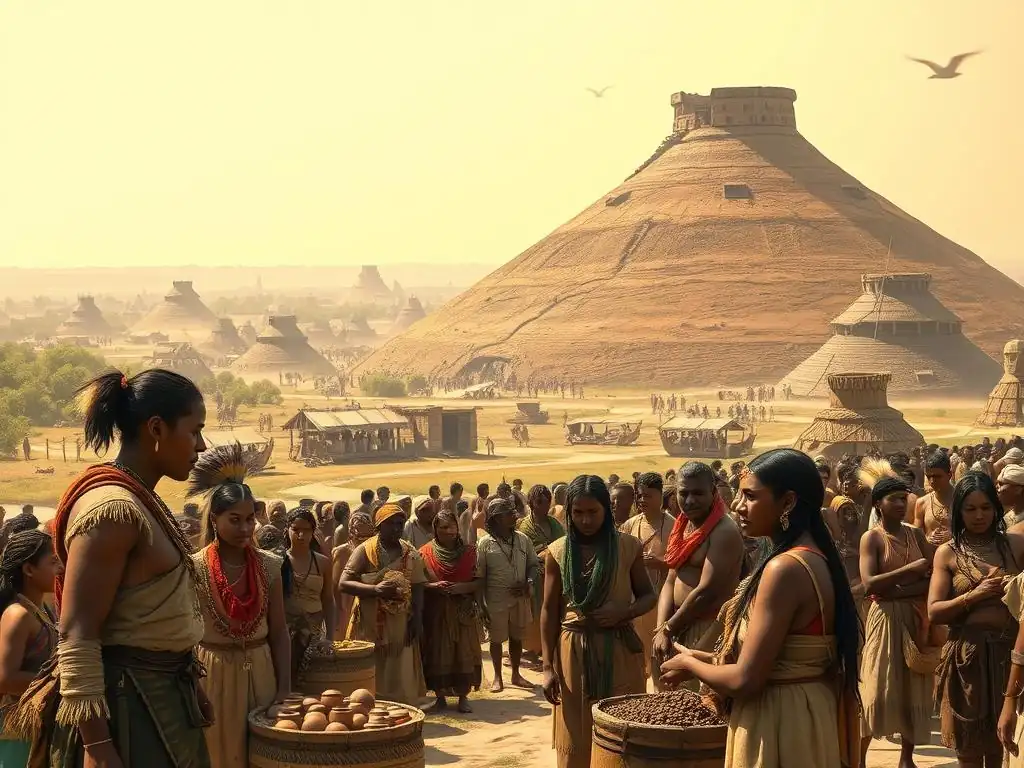
The arrival of Europeans in the Americas marked a significant turning point for the Cahokia civilization, leading to profound long-term effects on their economic practices. The interactions initiated a series of changes that would reshape not only trade networks but also the very fabric of Cahokian society.
Lasting Changes in Economic Practices and Trade
The economic landscape of Cahokia underwent dramatic transformations following European contact. Prior to this period, Cahokia was a thriving hub characterized by extensive trade networks that connected various indigenous societies across the continent. The city's strategic location near the confluence of the Mississippi, Missouri, and Illinois rivers facilitated access to a variety of resources and goods.
However, European arrival introduced new commodities, trade dynamics, and challenges. Notably:
- Introduction of European Goods: The influx of metal tools, firearms, and textiles altered traditional practices. For example, indigenous peoples began to incorporate metal tools into agriculture, enhancing productivity but also leading to dependency on European goods.
- Disruption of Trade Networks: European colonization efforts disrupted established trade routes. Indigenous groups were often forced to negotiate or compete with European traders, leading to shifts in power dynamics. As a result, some former trading partners became rivals, which further complicated economic relationships.
- Shifts in Resource Management: The overexploitation of local resources became apparent as demand for furs and other goods surged. The Cahokians, who once sustainably managed their environment, faced pressures that led to environmental degradation and depletion of vital resources.
- Emergence of New Economic Structures: The introduction of currency-like items, such as wampum and other trade goods, began to affect traditional barter systems. This shift towards a more commodified economy introduced the concept of private ownership, contrasting sharply with pre-contact communal practices.
The Legacy of Economic Turmoil in Cahokia Culture
The economic upheaval experienced by Cahokia did not merely alter trade; it also left a lasting imprint on Cahokian culture and identity. The turbulence brought forth by European contact can be understood through various dimensions:
- Cultural Adaptation: As Cahokians faced new economic realities, they adapted by incorporating European goods and practices into their daily lives. This blending of cultures led to the emergence of new artistic expressions, social structures, and religious practices that reflected both indigenous and European influences.
- Social Stratification: Economic changes contributed to the emergence of social hierarchies within Cahokia. Access to European goods created new classes based on wealth and trade influence, diverging from the previously egalitarian structures. This stratification often exacerbated tensions within communities, leading to conflict.
- Historical Memory and Identity: The experiences of economic disruption and adaptation became embedded in the cultural memory of Cahokians and their descendants. Oral histories and traditions evolved to encompass the challenges posed by European contact, underscoring resilience and the ability to adapt while maintaining core cultural values.
- Long-term Economic Challenges: The initial economic changes set the stage for ongoing challenges faced by Cahokians and their descendants. The shift towards a dependency on European goods has had lasting effects on indigenous economies, contributing to the socio-economic struggles many Native American communities continue to experience today.
The legacy of economic turmoil in Cahokia serves as a reminder of the complexities surrounding indigenous responses to European contact. Understanding these dynamics is crucial for grasping the broader implications of colonial encounters across the Americas, as they shaped the trajectories of countless indigenous cultures.
Conclusion: Understanding Cahokia Indigenous Economic Changes
The economic landscape of Cahokia underwent significant transformations following European contact, which reshaped various aspects of its indigenous society. This conclusion synthesizes the key findings regarding the economic changes that took place in Cahokia, emphasizing the lasting effects of these shifts on the indigenous populations and their cultural heritage.
Reflection on the Impact of European Contact on Indigenous Economies
The arrival of European settlers marked a pivotal moment for the Cahokia civilization. Pre-contact, Cahokia was a thriving metropolis characterized by complex trade networks, agricultural sophistication, and social stratification. The economy was primarily based on agriculture, with corn (maize) being the staple crop, supplemented by hunting, fishing, and trade.
With European contact, several profound changes emerged:
- Disruption of Trade Networks: The European settlers introduced new trade goods and altered existing trade routes. Indigenous peoples faced increased competition and disruption in their traditional trading practices, which had significant economic consequences.
- Introduction of New Diseases: The arrival of Europeans brought diseases such as smallpox, which devastated the Cahokia population. The loss of a large portion of the workforce disrupted agricultural production and trade, leading to economic decline.
- Cultural Exchange and Adaptation: Indigenous communities began to adopt European goods and technologies, which altered their economic practices. For example, the introduction of metal tools improved agricultural efficiency but also led to dependency on European trade.
- Land Dispossession: As European settlers expanded their territories, indigenous lands were increasingly encroached upon. This loss of land not only impacted agriculture but also dismantled the socio-economic structures that had supported Cahokia's population for centuries.
These factors collectively contributed to a reconfiguration of the Cahokian economy, transitioning from a self-sustaining, locally driven economy to one increasingly influenced by European markets and demands.
The Importance of Preserving Cahokia's Economic History
Understanding the economic changes in Cahokia is crucial for several reasons:
- Cultural Heritage: Preserving the economic history of Cahokia helps maintain the cultural identity of the indigenous peoples. It emphasizes their innovations, resilience, and adaptations in the face of external pressures.
- Educational Value: By studying the economic dynamics pre- and post-European contact, scholars and the public can gain insights into the complexities of indigenous economies and the impacts of colonization. This knowledge fosters a deeper appreciation for indigenous contributions to the Americas.
- Policy Implications: Recognizing the historical economic shifts can inform contemporary discussions on land rights, resource management, and indigenous sovereignty. It underscores the need for policies that respect and integrate indigenous perspectives in economic planning and development.
- Archaeological and Anthropological Research: Ongoing research into Cahokia's economic past can shed light on broader patterns of indigenous life across the Americas. It provides valuable context for understanding how indigenous societies adapted to changing circumstances throughout history.
The economic changes experienced by the Cahokia civilization after European contact serve as a poignant reminder of the resilience and adaptability of indigenous cultures. By preserving and studying this history, we not only honor the legacy of Cahokia but also contribute to a more nuanced understanding of the indigenous experience in the Americas.
Frequently Asked Questions
What were the main economic activities of the Cahokia indigenous people before European contact?
The Cahokia indigenous people primarily engaged in agriculture, particularly the cultivation of corn, beans, and squash. They also participated in extensive trade networks that connected them with other indigenous groups across the region.
How did European contact affect the economy of Cahokia?
After European contact, Cahokia experienced significant economic shifts due to factors like disease, resource depletion, and disruption of trade routes. This led to a decline in their once-thriving economy and altered their societal structures.
What role did trade play in Cahokia's economy before colonization?
Trade was a crucial component of Cahokia's economy, allowing them to acquire goods such as shells, copper, and pottery from distant regions. This facilitated cultural exchange and strengthened their political alliances with neighboring tribes.
What were the lasting impacts of the economic changes in Cahokia?
The economic changes in Cahokia resulted in a diminished population and a shift in social dynamics, which affected their cultural identity and reduced their influence in the region. These impacts are still studied by historians today.
How can understanding Cahokia's economic shifts inform current discussions about indigenous cultures?
Analyzing the economic shifts of Cahokia can provide insights into how colonization disrupted indigenous societies, helping to foster a deeper understanding of cultural resilience and the ongoing impacts of historical events on contemporary indigenous communities.
Final Reflection: The Enduring Legacy of Cahokia's Economic Transformation
The economic shifts experienced by the Cahokia indigenous community following European contact reveal a profound truth: the impact of external forces can reshape societies in ways that resonate through history. As we examine the intricate web of trade, cultural exchange, and eventual turmoil, it becomes evident that these changes are not merely relics of the past but rather foundational elements that continue to influence contemporary discussions about indigenous rights and economic sovereignty. The lessons learned from Cahokia's experience remind us that history is not static; it is a living narrative that informs our present and future.
Cahokia's journey from a thriving trade hub to a site of disruption underscores the resilience and adaptability of indigenous cultures. The echoes of this transformation can be felt today as indigenous communities strive to reclaim their economic agency and cultural identity in a world that often overlooks their contributions. As historian David Edmunds poignantly stated, History is not just about the past; it’s about how we understand ourselves in the present.
This perspective invites us to reflect on the ongoing influence of Cahokia's economic changes, as they serve as a reminder of the strength and resourcefulness inherent in indigenous communities facing adversity.
As we conclude our exploration of Cahokia's economic evolution, I invite you to reflect on the lessons embedded in this narrative. Consider how the resilience of the Cahokia people can inspire your own journey, whether in personal growth or community engagement.
Let us carry forward the understanding that economic shifts are not merely historical events but catalysts for change that can empower us to advocate for justice and equity in our own lives. Embrace the spirit of reflection and action, and let the story of Cahokia guide you toward a future that honors the past while forging new paths of opportunity and understanding.
Unveil the Untold Impact of Economic Shifts in Cahokia!
Thank you for delving into the fascinating world of Cahokia and its complex economic transformations following European contact! By exploring these pivotal shifts, you've gained valuable insights into how trade dynamics shaped Indigenous societies. Now, it's time to take this knowledge further and make a real difference.
Here are a few actionable steps you can take right now:
- Engage with Indigenous Narratives: Discover contemporary Indigenous perspectives on historical events by seeking out recommended readings or documentaries that highlight their voices.
- Share Your Insights: Discuss what you've learned with friends or on social media to spark conversations about the impacts of contact on Indigenous economies.
- Support Local Indigenous Economies: Explore and promote Indigenous-owned businesses or initiatives in your community; your support can empower ongoing cultural resilience.
How can your newfound understanding of Cahokia inspire actions that foster deeper connections with Indigenous communities today?