
From HunterGatherers to Urban Dwellers: The Evolution of Cahokia's Society

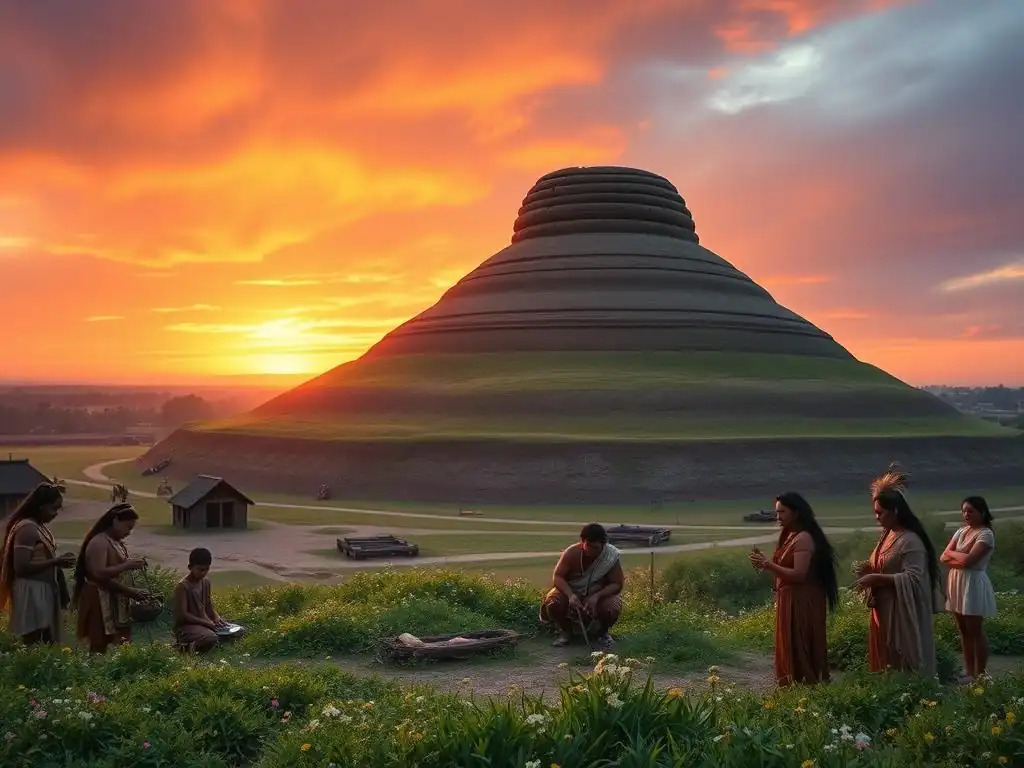
Welcome to Indigenous Civilizations of the Americas, where we invite you to embark on a journey through time to uncover the rich tapestry of indigenous cultures that flourished long before European contact. In our featured article, "From Hunter Gatherers to Urban Dwellers: The Evolution of Cahokia's Society," you'll discover the remarkable transformation of the Cahokia indigenous society, exploring their achievements and the intricate social structures that defined their existence.
What drove these early inhabitants to evolve from nomadic lifestyles to thriving urban centers? Join us as we delve into the past and reveal the profound legacy they left behind—an exploration that promises to ignite your curiosity and deepen your understanding of these extraordinary civilizations.
- Introduction to Cahokia Indigenous Society Evolution
- Origins of Cahokia: The Hunter-Gatherer Lifestyle
- Development of Agriculture in Cahokia
- The Rise of Cahokia as an Urban Center
- Cultural and Spiritual Life in Cahokia
- Cahokia’s Trade Networks and Economic Systems
- Decline of Cahokia: Factors and Consequences
- Legacy of Cahokia Indigenous Society
- Conclusion: Reflecting on the Evolution of Cahokia’s Society
- Frequently Asked Questions
- Final Reflection: Embracing the Evolution of Cahokia's Indigenous Society
- Unravel the Legacy and Embrace the Future!
Introduction to Cahokia Indigenous Society Evolution
The evolution of indigenous societies in the Americas is a captivating narrative that sheds light on the rich tapestry of cultures that flourished prior to European contact. Among these, Cahokia stands out as one of the most remarkable and complex urban centers of pre-Columbian North America. Nestled near present-day St. Louis, Missouri, Cahokia was not merely a settlement; it was a thriving metropolis that showcased sophisticated social structures, advanced agricultural practices, and monumental architecture.
This article delves into the evolution of Cahokia's society, tracing its journey from a network of hunter-gatherer communities to a bustling urban center. By exploring the intricate dynamics of this indigenous society, we gain valuable insights into their innovations and enduring legacy.
Overview of Cahokia’s Historical Significance
Cahokia, once the largest city in North America before European colonization, reached its peak during the Mississippian period around 1050-1350 CE. At its height, it is estimated to have housed between 10,000 and 20,000 inhabitants, making it an unparalleled hub of trade, culture, and governance. The city's layout was characterized by its impressive earthen mounds, the most famous being Monks Mound, which served as a ceremonial and political center. Archaeological evidence reveals that Cahokia was a melting pot of diverse indigenous cultures, fostering connections through trade networks that spanned vast distances.
The significance of Cahokia extends beyond its size; it represents a unique synthesis of agricultural innovation and social complexity. The inhabitants practiced sophisticated farming techniques, cultivating crops such as maize, beans, and squash, which supported their growing population. This agricultural prowess allowed them to establish a stable food supply, encouraging population growth and the development of specialized roles within their society. Furthermore, Cahokia's strategic location along the Mississippi River facilitated trade and interaction with neighboring communities, enriching its cultural landscape.
Importance of Studying Indigenous Societies
Understanding the evolution of indigenous societies like Cahokia is crucial for several reasons. First, it helps to dismantle stereotypes and misconceptions about pre-Columbian cultures, illustrating that they were not static or primitive but dynamic and innovative. By studying their achievements, we recognize the advanced societal structures and technological advancements that existed long before European colonization.
Additionally, examining the complexities of Cahokia's society provides insights into the broader patterns of human adaptation and resilience. The challenges they faced, from environmental changes to social conflicts, offer valuable lessons on sustainability and community organization that remain relevant today. Furthermore, acknowledging the rich history of indigenous cultures fosters a deeper appreciation for their contemporary descendants and their ongoing contributions to society.
The study of Cahokia's indigenous society evolution not only enriches our understanding of North American history but also underscores the importance of preserving indigenous narratives and recognizing their enduring impact on modern society. Through this exploration, we can celebrate the legacy of a culture that thrived in harmony with its environment and left an indelible mark on the historical landscape of the Americas.
Origins of Cahokia: The Hunter-Gatherer Lifestyle
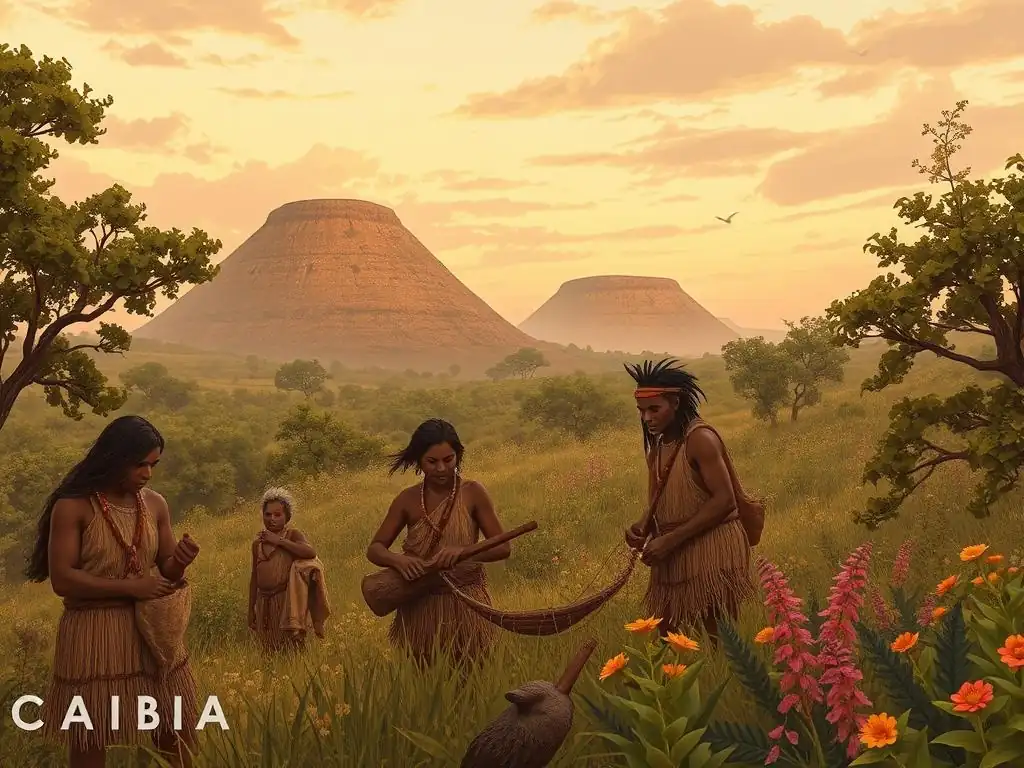
Cahokia, located near present-day St. Louis, Missouri, represents a significant chapter in the narrative of indigenous civilizations in the Americas. The origins of Cahokia trace back to a time when the inhabitants were primarily hunter-gatherers. This period was marked by a subsistence lifestyle deeply intertwined with the natural environment, which played a crucial role in shaping the early societal structures and cultural practices of the region.
The transition from hunter-gatherer lifestyles to more complex societal forms involved a variety of factors including climate change, resource availability, and social dynamics. Understanding these elements provides essential insight into how Cahokia evolved into one of the most sophisticated urban centers of its time.
Characteristics of Early Hunter-Gatherer Societies
Early hunter-gatherer societies around Cahokia exhibited several distinctive characteristics:
- Mobility: These societies were inherently mobile, moving in search of food sources, including game and wild plants. Their movements were generally dictated by seasonal changes and the availability of resources.
- Social Structure: Hunter-gatherer groups were typically small and egalitarian. Leadership was often informal, based on skill or experience rather than formal hierarchy. Decision-making was generally communal, with shared responsibilities.
- Resource Utilization: The diverse ecosystems surrounding Cahokia provided a rich array of resources. Communities engaged in foraging, fishing, and hunting, utilizing tools crafted from stone, bone, and wood.
- Cultural Practices: Spiritual beliefs and practices were closely linked to the natural world. Rituals often revolved around hunting success and seasonal changes, highlighting the interdependence of these societies with their environment.
- Artistic Expressions: Evidence of early artistic expressions, such as pottery and tools, reflects the cultural significance placed on craftsmanship and community identity.
The hunter-gatherer lifestyle laid the groundwork for social organization and cultural development, which would later influence the structure of Cahokia’s urban society.
Transition from Nomadic to Sedentary Living
The transition from a nomadic to a sedentary lifestyle in Cahokia was a pivotal moment in its evolution, characterized by several key developments:
- Agricultural Innovations: The introduction of agriculture, particularly the cultivation of maize, marked a significant turning point. This allowed communities to settle in one place, as they could produce a reliable food source. The domestication of plants led to surplus production, which supported larger populations.
- Population Growth: As food production stabilized, populations began to grow. Settled communities allowed for a more complex social organization, leading to the establishment of distinct social classes and specialized roles within society.
- Urban Development: With increased population density, the need for organized infrastructure arose. Cahokia began to develop urban characteristics, including the construction of large earthen mounds, which served religious, political, and ceremonial purposes.
- Trade Networks: Sedentary living fostered economic exchanges. Cahokia became a hub for trade, connecting various indigenous groups across the continent. This exchange of goods, ideas, and cultural practices contributed to the richness of Cahokian society.
- Cultural Complexity: The establishment of permanent settlements led to the development of more intricate cultural practices. The emergence of ceremonial centers and the construction of large public works reflected the society's growing complexity and the importance of collective identity.
The evolution of Cahokia from a hunter-gatherer society to a flourishing urban center exemplifies the dynamic nature of indigenous cultures in the Americas. This transformation not only highlights the adaptability of the Cahokians but also sets the stage for their lasting impact on subsequent generations and broader indigenous history.
Development of Agriculture in Cahokia
The evolution of Cahokia's society is intricately tied to the development of agriculture, which marked a significant transition from a nomadic lifestyle to a more settled way of life. This transformation enabled the Cahokians to cultivate crops, leading to an increase in population density, the establishment of complex social structures, and the creation of monumental architecture.
Introduction of Crop Cultivation
Around 600 CE, the Cahokia region, situated near present-day St. Louis, saw the introduction of agriculture, which fundamentally altered the local way of life. The primary crops cultivated by the Cahokia indigenous society included maize (corn), beans, and squash, often referred to as the "Three Sisters."
- Maize: This staple crop was integral to the Cahokian diet and agricultural practices. Evidence suggests that maize was selectively bred for higher yields, which contributed to the society's growth.
- Beans: These legumes fixed nitrogen in the soil, enhancing soil fertility and providing essential protein to the diet.
- Squash: Growing alongside maize and beans, squash provided additional nutrition and served as a natural mulch, helping to retain soil moisture.
The development of agriculture allowed the Cahokians to settle in more permanent communities. As they adopted farming techniques, they developed sophisticated methods of irrigation and soil management, which were essential for sustaining their crops in the floodplain of the Mississippi River. The ability to produce surplus food led to population growth and the establishment of larger, more complex societal structures.
The introduction of agriculture had profound implications for the social structure of Cahokia. As food production increased, so did the complexity of social organization, leading to the formation of a hierarchical society.
- Settlement Patterns: Increased agricultural productivity enabled the establishment of large urban centers. Cahokia itself emerged as a major hub, with an estimated population of 20,000 at its peak, making it one of the largest cities in pre-Columbian North America.
- Social Stratification: The surplus generated by agriculture allowed for specialization of labor. Different roles emerged, including farmers, artisans, and leaders, leading to a more stratified society. This specialization fostered trade, both within the community and with neighboring groups.
- Leadership and Governance: As societal complexity grew, so did the need for organized leadership. Cahokia developed a political structure that included chiefs and a ruling elite who oversaw agricultural production, trade, and religious practices. This governance was often linked to the construction of large earthen mounds, such as Monks Mound, which served as both ceremonial and political centers.
The evolution of agriculture played a pivotal role in shaping Cahokia's indigenous society. It not only supported population growth and urbanization but also facilitated the emergence of complex social hierarchies and governance structures. As a result, the Cahokian civilization became a defining feature of pre-Columbian North America, leaving a lasting legacy that persists in the cultural memory of the region.
The Rise of Cahokia as an Urban Center
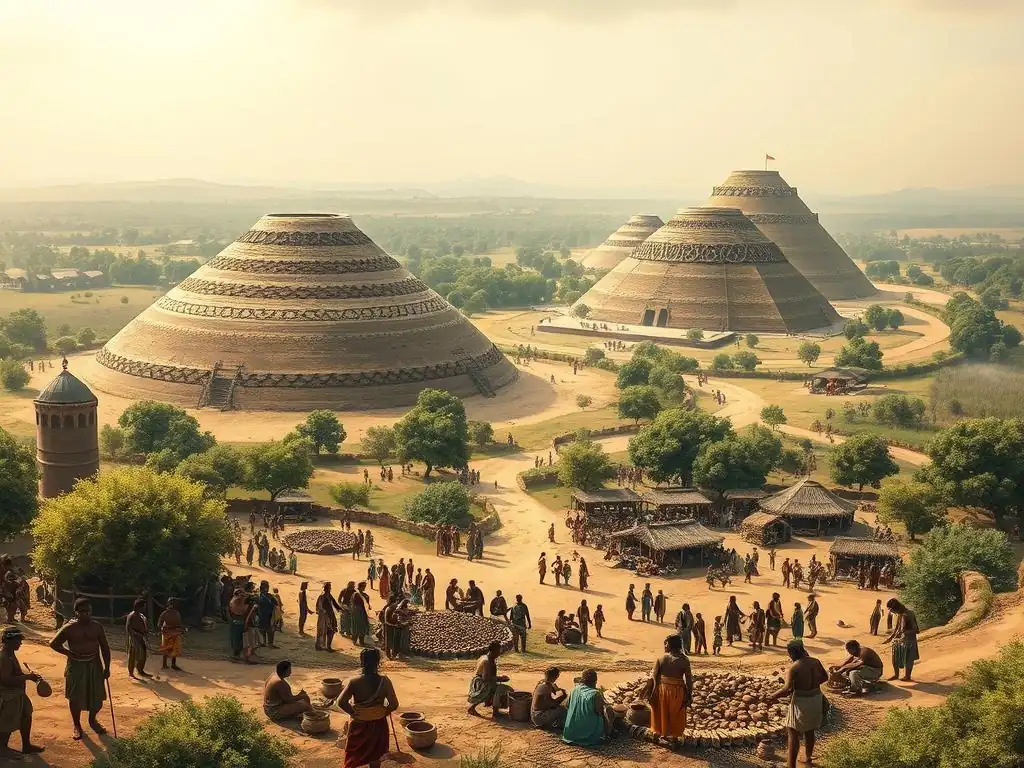
Cahokia, located near present-day St. Louis, Missouri, stands as a monumental testament to the evolution of indigenous societies in the Americas. At its peak around 1100 AD, it was one of the largest urban centers in the world, showcasing remarkable urban planning and societal organization. The rise of Cahokia as an urban center was facilitated by a confluence of agricultural advancements, trade networks, and social hierarchies that transformed a once-nomadic lifestyle into a complex, stratified society.
The strategic location of Cahokia, situated near the confluence of the Mississippi, Missouri, and Illinois rivers, provided fertile land for agriculture and ample resources for trade. This geographical advantage enabled its inhabitants to cultivate crops like maize, beans, and squash, which formed the backbone of their economy and supported a growing population. The development of surplus food production was a critical factor that allowed for the specialization of labor and the emergence of distinct social classes within Cahokian society.
Key Features of Cahokia’s Urban Development
Cahokia’s urban development was characterized by several key features that illustrated its sophistication:
- Monumental Architecture: The most iconic feature of Cahokia is Monk's Mound, a massive earthen structure that served as a ceremonial center and possibly the residence of the chief. This mound is the largest pre-Columbian earthwork in the Americas and reflects the extraordinary engineering capabilities of Cahokians.
- Planned Urban Layout: Cahokia was meticulously planned, with a layout that included plazas, residential areas, and specialized zones for crafts and trade. The central plaza, surrounded by mounds and structures, served as a focal point for social and religious gatherings.
- Extensive Trade Networks: Evidence of trade routes extending as far as the Gulf of Mexico and the Great Lakes indicates that Cahokia was an integral hub of regional commerce. Artifacts such as pottery, stone tools, and shells from distant locations have been discovered, highlighting the interconnected nature of Cahokian society with other indigenous cultures.
- Cultural and Religious Practices: Cahokia was not only a center of trade and governance but also a site of rich cultural and religious significance. Rituals, ceremonies, and the veneration of deities played a pivotal role in unifying the community and reinforcing social hierarchies.
- Defensive Structures: As Cahokia grew, so did the need for protection against potential conflicts. Archaeological evidence suggests the construction of palisades and other defensive features to safeguard the settlement from external threats.
The evolution of Cahokia’s society was marked by significant population growth, which necessitated the development of a structured social organization. Estimates suggest that at its height, Cahokia may have housed between 10,000 to 20,000 residents, making it the largest urban settlement north of Mexico.
- Social Stratification: The population of Cahokia was divided into distinct social classes, with a ruling elite that likely consisted of a chief and his advisors. This elite class was responsible for governance, religious practices, and the management of resources. Below them were skilled artisans, laborers, and farmers, each playing a vital role in the community's functioning.
- Labor Specialization: As a result of population density and the need for efficiency, labor specialization became prevalent. Artisans crafted intricate pottery, tools, and jewelry, while farmers utilized advanced agricultural techniques to sustain the community. This specialization fostered innovation and economic growth.
- Community Governance: The governance of Cahokia likely involved a combination of hereditary leadership and communal decision-making. Elders and chiefs made decisions regarding trade, resource allocation, and conflict resolution, ensuring the stability and continuity of Cahokian society.
- Gender Roles: While much of the leadership appeared to be male-dominated, women played essential roles in agriculture and household management. Their contributions were significant in maintaining the community's food supply and social fabric.
- Population Decline Factors: Despite its initial success, Cahokia eventually faced challenges leading to a decline in population and urban activity. Factors such as environmental changes, resource depletion, and social unrest may have contributed to this decline, resulting in the eventual abandonment of the site by the 14th century.
The evolution of Cahokia's indigenous society is a remarkable chapter in the history of the Americas, showcasing the complexities and achievements of a civilization that thrived long before European contact. Understanding this evolution offers valuable insights into the resilience and adaptability of indigenous cultures in the face of changing circumstances.
Cultural and Spiritual Life in Cahokia
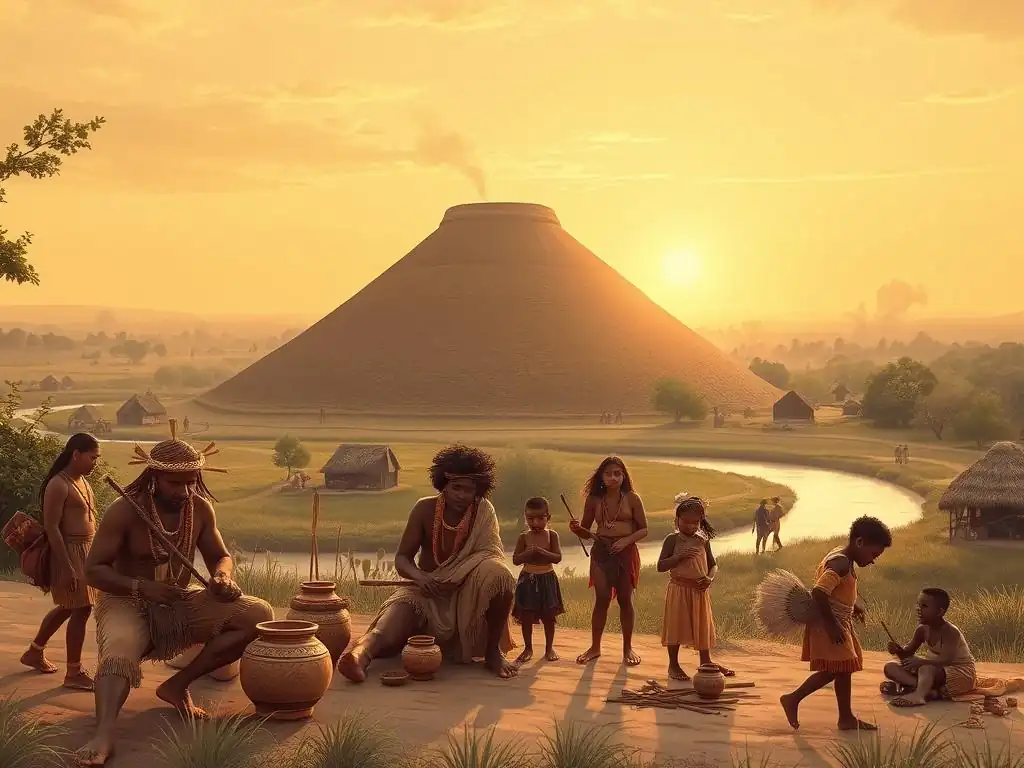
Cahokia, one of the most significant urban centers of indigenous North America, boasted a rich cultural and spiritual life that was integral to its society. This vibrant civilization, which thrived around 600 to 1400 CE, developed a complex social structure that influenced their daily lives and interactions with the world around them. The Cahokians’ cultural practices encompassed various dimensions, including their religious beliefs, artistic expressions, and architectural achievements.
Religious Practices and Beliefs
The religious framework of Cahokia was multifaceted, deeply intertwined with their understanding of the natural world. Cahokians practiced a form of animism, where natural elements such as rivers, animals, and plants were believed to possess spiritual significance.
- Key Deities: Central to Cahokian spirituality was the worship of various deities, often represented in ceremonial mounds. The most prominent figure was the "Sun God," associated with agricultural fertility and the well-being of the community.
- Rituals and Ceremonies: The community engaged in elaborate rituals, including the Green Corn Ceremony, which celebrated the maize harvest. This event included feasting, dancing, and offerings to the gods, reinforcing social cohesion and a collective identity.
- Burial Practices: The Cahokians also had distinctive burial traditions. High-status individuals were interred with grave goods, reflecting their social standing and the belief in an afterlife. The construction of mounds, such as Monk's Mound, served both as a burial site and a place for rituals.
The spiritual beliefs of Cahokia were not just practices; they were the lifeblood of the community, shaping their interactions and societal structures.
Art and Architecture of Cahokia Society
Cahokia's artistic and architectural achievements are testaments to their complex society and cultural sophistication. The city's layout, monumental structures, and artistic endeavors reflect a society that valued creativity and communal effort.
- Mound Construction: The most iconic aspect of Cahokia's architecture is the construction of earthen mounds. These structures served various purposes, including ceremonial sites, burial places, and platforms for important buildings.
- Monk’s Mound: Standing at approximately 100 feet tall, Monk’s Mound is the largest earthen structure in the Americas and exemplifies the engineering capabilities of Cahokians. Its construction required immense labor and coordination, highlighting the society's organizational skills.
| Mound Name | Purpose | Dimensions |
|---|---|---|
| Monk’s Mound | Ceremonial and political gatherings | 100 ft tall |
| Mound 72 | Burial site for elite individuals | 30 ft tall |
| Mound A | Platform for rituals and community events | 40 ft tall |
- Artistic Expression: Cahokian art was highly developed, encompassing pottery, shell carving, and intricate beadwork. Pottery often featured elaborate designs, reflecting both aesthetic values and practical needs.
- Symbolism in Art: Many artworks included motifs representing animals and celestial bodies, signifying the connection between the spiritual and natural worlds. These symbols played a crucial role in storytelling and cultural transmission.
The artistry of Cahokia was not merely decorative; it conveyed deep meanings and reflections of their worldviews.
Through their cultural and spiritual practices, the Cahokia indigenous society evolved into a complex urban center that showcased their achievements and lasting impact on the history of the Americas. The interplay between religion, art, and architecture solidified their identity and laid the foundations for future generations.
Cahokia’s Trade Networks and Economic Systems
Trade Routes and Exchanges with Neighboring Cultures
Cahokia, the largest pre-Columbian city north of Mexico, was not only a hub of cultural and social development but also a center for extensive trade networks. The strategic location of Cahokia, near the confluence of the Mississippi, Missouri, and Illinois rivers, facilitated robust interactions with neighboring cultures. These trade routes connected Cahokia to various indigenous societies across the Midwest, Southeast, and even regions as far as the Gulf Coast.
The trade routes can be classified into several categories:
- Riverine Trade: Utilizing the waterways, Cahokians transported goods such as pottery, tools, and food. The Mississippi River served as a major artery for commerce, allowing for easy navigation and exchange.
- Land Routes: Overland trails connected Cahokia to distant communities, enabling the movement of goods like obsidian, copper, and shells from the Great Lakes, which were highly valued for tool-making and decorative purposes.
- Interregional Exchanges: Cahokia engaged in long-distance trade, importing materials that were not locally available. For example, they traded for marine resources such as salt and shells from coastal areas, which were crucial for both dietary and ceremonial uses.
The exchanges were reciprocal; Cahokians exported local products such as maize, which was a staple crop, and ceramic goods, renowned for their intricate designs. This economic interdependence not only enriched Cahokia’s material culture but also solidified its status as a dominant power among indigenous societies.
Economic Impact on Cahokia's Society Evolution
The economic systems developed through trade had profound implications for the evolution of Cahokia's society. As trade flourished, so did the complexity of Cahokian society, leading to several key developments:
- Social Stratification: The wealth generated from trade contributed to the emergence of a hierarchical society. Elite classes, often involved in trade and governance, accumulated wealth and power, leading to pronounced social distinctions. This stratification is evident in archaeological findings, where elite burial sites show lavish goods not found in common burials.
- Urban Development: The influx of goods and wealth catalyzed urbanization within Cahokia. The city expanded significantly, with the construction of large-scale earthen mounds, residential areas, and public plazas. The iconic Monk's Mound, for example, reflects the architectural and social ambitions fueled by economic prosperity.
- Cultural Exchange and Innovation: Regular contact with diverse groups through trade routes facilitated cultural exchange. New ideas, agricultural techniques, and artistic styles flowed into Cahokia, enriching its cultural tapestry. Innovations in farming techniques, particularly in maize cultivation, were vital for sustaining a growing population.
- Political Organization: The need to manage trade relations and the complexities of a growing urban society led to the development of more sophisticated political structures. Leaders emerged to coordinate trade, oversee resource distribution, and engage in diplomacy with neighboring cultures, further solidifying Cahokia's influence in the region.
The trade networks and economic systems of Cahokia were fundamental to its societal evolution. They not only fostered wealth and urban development but also shaped the social, political, and cultural dynamics that characterized this remarkable indigenous civilization. The legacy of Cahokia's trade is still evident today, highlighting the interconnectedness of indigenous societies long before European contact.
Decline of Cahokia: Factors and Consequences
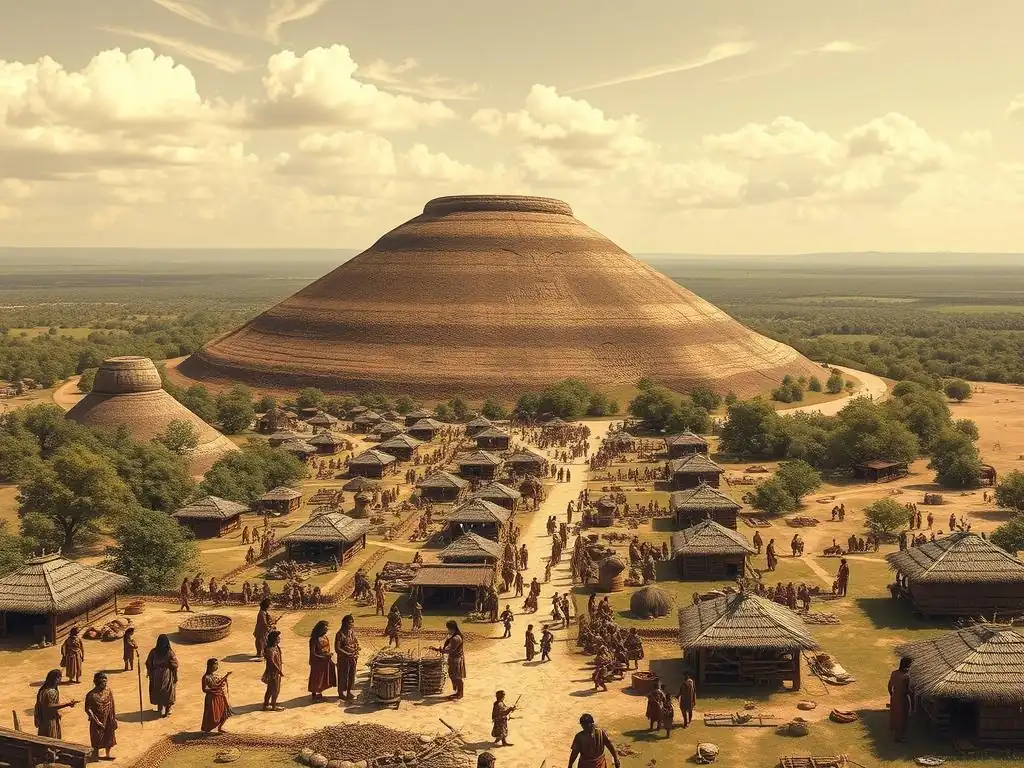
The decline of Cahokia, once a bustling urban center and a hallmark of pre-Columbian indigenous society, is a multifaceted phenomenon influenced by various interconnected factors. Understanding the decline of Cahokia not only sheds light on the dynamics of this specific civilization but also provides insights into broader themes of sustainability, social organization, and resilience in indigenous cultures.
Environmental Changes and Resource Management
One of the primary factors contributing to the decline of Cahokia's indigenous society was environmental change, particularly in the management of natural resources. As the population of Cahokia grew, so did the demand for resources. The area's rich alluvial soil was initially conducive to agriculture, allowing the Cahokians to cultivate crops like maize, beans, and squash effectively. However, the intense agricultural practices led to significant soil depletion over time.
Deforestation and Its Impact
- Deforestation: The expansion of agricultural fields necessitated the clearing of forests, which played a crucial role in maintaining the ecological balance of the region. Deforestation resulted in:
- Increased soil erosion
- Changes in local microclimates
- Reduced biodiversity
These changes compromised the agricultural productivity of the region, leading to food shortages that impacted the stability of Cahokia's society.
Water Management Issues
- Flooding and Drought: Cahokia was situated near the confluence of the Mississippi, Missouri, and Illinois Rivers, making it vulnerable to both flooding and drought. The construction of mounds and other earthworks altered natural water flow patterns, sometimes exacerbating flooding risks in certain areas while other regions faced drought conditions.
- Resource Scarcity: As the population grew and resource management became strained, competition for water and arable land increased, leading to conflicts among different groups within Cahokia.
The culmination of these environmental factors created a precarious situation for Cahokia's inhabitants, ultimately contributing to the societal changes that marked the city's decline.
In addition to environmental factors, social and political challenges played a significant role in the evolution of Cahokia's society and its eventual decline. The complexity of social relationships and governance structures that once supported Cahokia became strained under various pressures.
Leadership and Political Fragmentation
- Decentralization: As resources became scarce, the centralized power that characterized Cahokia's governance began to weaken. Leaders struggled to maintain control over an increasingly diverse and dispersed population. Political fragmentation emerged as various factions sought autonomy, leading to:
- Conflicts between different social groups
- A decline in communal projects, such as mound construction
Social Strain and Discontent
- Class Disparities: The rise of elite classes within Cahokia had created socio-economic disparities. As resources dwindled, dissatisfaction among lower classes grew. Increased social stratification contributed to unrest, leading to:
- Social revolts or challenges against the ruling elite
- A general decline in societal cohesion
External Pressures
- Interactions with Other Groups: Cahokia's interactions with neighboring cultures and tribes also influenced its decline. Trade routes that once brought prosperity began to shift, and emerging powers may have posed threats to Cahokia's dominance. Additionally, the influx of new cultural influences led to:
- Changes in social norms and practices
- Loss of cultural identity among certain groups
The interplay of these social and political challenges contributed to the fragmentation of Cahokia's society, marking a significant turning point in its evolution.
The decline of Cahokia's indigenous society was not the result of a single factor but rather a combination of environmental changes and socio-political challenges. By examining these elements, we can gain a deeper understanding of how this remarkable civilization adapted, struggled, and ultimately transformed over time. The legacy of Cahokia remains a testament to the resilience and complexity of indigenous cultures in the Americas.
Legacy of Cahokia Indigenous Society
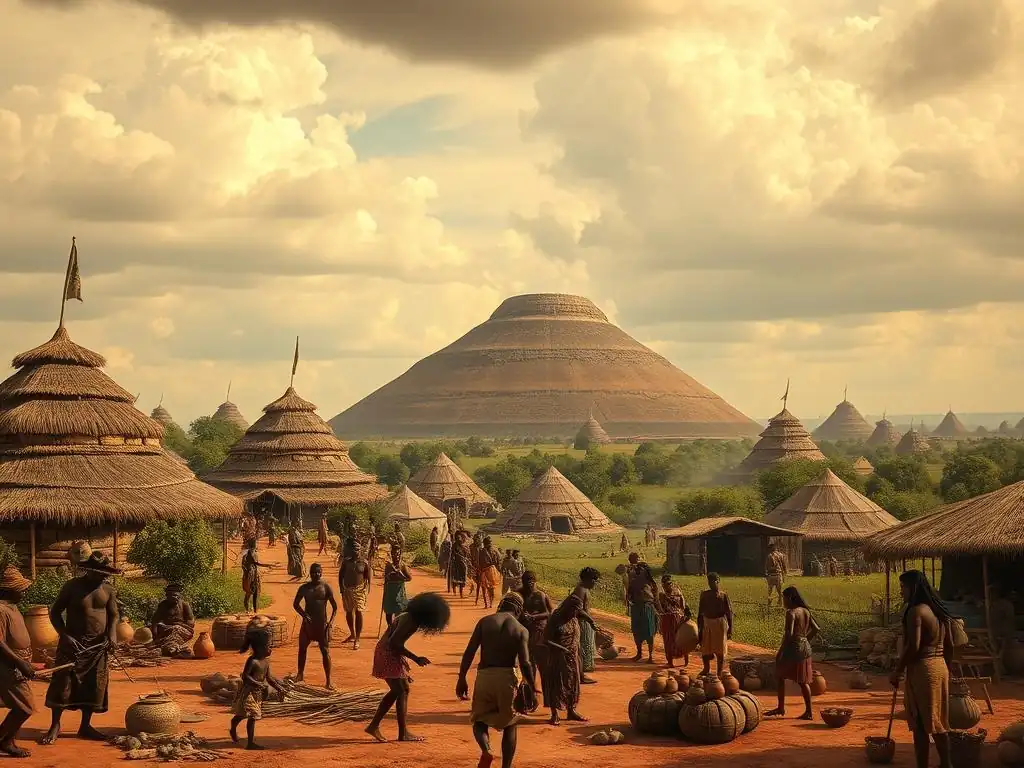
The Cahokia indigenous society, known for its remarkable urban development and complex social structure, left a profound legacy that continues to influence the cultural landscape of North America. Established around 600 CE near present-day St. Louis, Missouri, Cahokia was one of the largest pre-Columbian cities in what is now the United States. Its legacy can be explored through the lasting influence on subsequent indigenous cultures and the lessons learned from its evolution.
Lasting Influence on Subsequent Indigenous Cultures
Cahokia's advanced societal organization and architectural innovations had a significant impact on later indigenous cultures across the Americas. The city was characterized by its impressive earthen mounds, such as Monks Mound, which served as ceremonial and political centers.
- Cultural Exchange: The extensive trade networks established by Cahokia facilitated cultural exchanges with other tribes, spreading ideas, technologies, and materials. This network allowed for the dissemination of agricultural practices, particularly the cultivation of maize, which became a staple for many indigenous groups.
- Urban Planning: The urban layout of Cahokia, with its organized residential areas and public plazas, influenced the development of subsequent settlements. Many tribes adopted similar practices of urban planning, leading to the establishment of larger, more organized communities.
- Political Structures: The hierarchical political organization observed in Cahokia served as a model for other indigenous societies. The concept of leadership and governance seen in Cahokia's chiefdoms can be traced in the political systems of later tribes, including those in the Great Plains and the Eastern Woodlands.
- Religious Practices: The spiritual beliefs and practices of Cahokia, particularly their reverence for the natural world and ancestor worship, resonated with many later indigenous cultures. Rituals that involved mound-building and ceremonial gatherings became integral to the cultural identities of various tribes.
Lessons Learned from Cahokia’s Evolution
The rise and eventual decline of Cahokia provide vital lessons on sustainability, resource management, and societal resilience. Understanding these aspects can inform modern discussions about community development and environmental stewardship.
- Sustainability Practices: Cahokia's society thrived on intensive agriculture, yet they faced challenges due to over-reliance on specific farming practices. The lessons learned emphasize the importance of sustainable practices that balance agricultural productivity with environmental health.
- Social Cohesion: The evolution of Cahokia's society highlights the significance of social cohesion and collective action. As challenges arose, the community's ability to adapt and maintain unity was crucial for survival. This underscores the importance of strong social ties and cooperation in contemporary societies.
- Adaptability: Cahokia’s ability to innovate in response to changing environmental and social conditions speaks to the value of adaptability. The city evolved from a small settlement to a bustling urban center, showcasing the importance of flexibility in governance and resource management.
- Crisis Response: The eventual decline of Cahokia, linked to factors such as climate change and social strife, serves as a cautionary tale about the potential consequences of neglecting community well-being and environmental sustainability. Modern societies can learn from these historical crises to foster resilience against similar challenges.
The legacy of Cahokia indigenous society is multifaceted, influencing subsequent cultures while imparting valuable lessons on sustainability and community cohesion. The evolution of this remarkable civilization remains a testament to the ingenuity and adaptability of indigenous peoples in the Americas.
Conclusion: Reflecting on the Evolution of Cahokia’s Society
Summary of Key Points
The evolution of the Cahokia indigenous society is a testament to the ingenuity and adaptability of its people. Emerging from a hunter-gatherer lifestyle, Cahokia transitioned into a complex urban settlement characterized by sophisticated social structures and monumental architecture. Key points to consider include:
- Urban Development: Cahokia's population grew dramatically, reaching estimates of up to 20,000 inhabitants at its peak. The construction of large earthen mounds, like Monks Mound, showcased their architectural prowess and served as ceremonial and political hubs.
- Agricultural Advances: The introduction of intensive agriculture, particularly the cultivation of maize, fundamentally transformed Cahokian society. This agricultural surplus allowed for population growth and the specialization of labor, leading to a vibrant economy.
- Trade Networks: Cahokia developed extensive trade networks that facilitated the exchange of goods, ideas, and cultural practices with distant societies, demonstrating their influence across the continent.
- Social Hierarchy: A distinct social hierarchy emerged, with a ruling elite that wielded significant power and influence. The organization of labor and resources contributed to a stratified society where rituals and governance were intricately linked.
- Cultural Practices: Rituals, including those associated with burial mounds and offerings, reflect the rich spiritual life of the Cahokians. These practices played a role in reinforcing social cohesion and community identity.
The Importance of Remembering Indigenous Histories
Understanding the evolution of Cahokia’s society is crucial for recognizing the broader narrative of indigenous cultures in the Americas. As contemporary societies grapple with the legacy of colonization, there is a pressing need to honor and remember the histories of these civilizations.
- Cultural Heritage: Recognizing the achievements and contributions of Cahokia helps preserve indigenous heritage. It underscores the complexity of their societies and fosters appreciation for their resilience.
- Educational Impact: By including indigenous histories in educational curricula, we can challenge stereotypes and misconceptions about Native American cultures. This promotes a more nuanced understanding of their histories and contributions to global civilization.
- Community Empowerment: Acknowledging the past empowers indigenous communities today. It provides a foundation for cultural revitalization and strengthens their voices in contemporary discussions about identity, land rights, and sovereignty.
The Cahokia indigenous society evolution is not just a historical study; it is a reminder of the enduring legacies of indigenous cultures. By reflecting on their past, we can foster a more inclusive and informed future, honoring the rich tapestry of human civilization that includes the remarkable achievements of the Cahokians.
Frequently Asked Questions
What was the significance of Cahokia in indigenous history?
Cahokia was one of the largest urban centers in pre-Columbian America, showcasing the sophisticated societal structures and achievements of indigenous peoples before European contact.
How did the Cahokia indigenous society evolve over time?
Cahokia evolved from hunter-gatherer groups to a complex urban society, marked by the construction of mounds, agricultural advancements, and trade networks that facilitated cultural exchange.
What were the major achievements of Cahokia's society?
Cahokia is renowned for its massive earthen mounds, sophisticated agriculture, and extensive trade networks, reflecting its status as a cultural and political hub in the Americas.
How did the environment influence the evolution of Cahokia's society?
The rich Mississippi River Valley provided fertile land for agriculture, which allowed Cahokia's society to develop from small groups into a thriving urban center with a diverse economy.
What was the impact of European colonization on Cahokia?
European colonization led to the decline of Cahokia, disrupting trade, causing resource depletion, and introducing diseases that severely impacted the indigenous population and their societal structures.
Final Reflection: Embracing the Evolution of Cahokia's Indigenous Society
The evolution of Cahokia's indigenous society is not just a historical narrative; it is a profound reminder of how communities adapt and thrive amidst changing environments. Today, as we navigate the complexities of urbanization and globalization, the lessons from Cahokia resonate deeply, urging us to reflect on our own societal transformations. The resilience and ingenuity of the Cahokian people serve as a striking testament to the human spirit's capacity for adaptation and innovation.
Cahokia's journey from hunter-gatherers to a sophisticated urban society has left an indelible mark on our cultural and social landscape. The remnants of their achievements remind us that every society is shaped by its environment and the choices of its people. As we witness modern cities grappling with issues of sustainability and community, we can draw inspiration from Cahokia's legacy. The past is not dead; it is not even past,
as William Faulkner once said, emphasizing the ongoing influence of history on our present and future.
As we reflect on the evolution of Cahokia's society, I invite you to consider how these lessons apply to your own life and community. What can we learn from their adaptability and resilience? Let us strive to honor the legacy of those who came before us by fostering a sense of community, embracing change, and working towards a sustainable future. Together, we can create a society that not only remembers its past but also actively shapes a better tomorrow.
Unravel the Legacy and Embrace the Future!
Thank you for taking the time to explore the fascinating evolution of Cahokia's society with us. By delving into this ancient urban civilization, you’ve uncovered insights into how communities adapt and thrive. Now, it's time to apply those lessons in your own life!
Here are some actionable steps you can take right now:
- Engage with your local community: Join a historical society or participate in community events that celebrate the heritage and innovations of indigenous cultures.
- Share the knowledge: Discuss what you learned with friends or on social media; your voice can spark curiosity and foster appreciation for indigenous history.
- Explore further: Read more about various indigenous civilizations, and consider visiting nearby archaeological sites or museums to deepen your understanding.
What aspect of Cahokia's evolution resonated with you the most, and how can it inspire positive change in your own community today?