
Architectural Marvels of Tiahuanaco: A Journey Through Time and Space

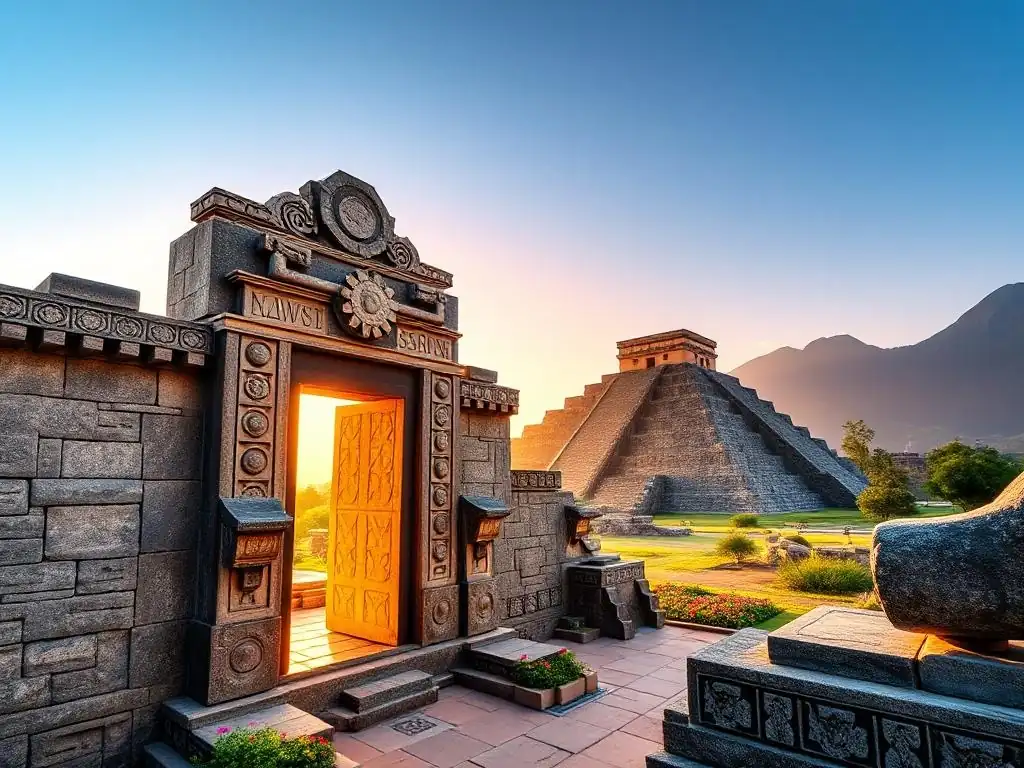
Welcome to Indigenous Civilizations of the Americas, where we invite you to embark on an enlightening journey through the rich tapestry of pre-colonial cultures. In today’s feature on Tiahuanaco architectural achievements, discover how this ancient civilization pushed the boundaries of engineering and artistry, leaving a lasting legacy that continues to inspire. What secrets do these monumental structures hold about the people who built them? Join us as we delve deeper into the marvels of Tiahuanaco, and uncover the stories that shaped an entire region's history. Your exploration begins here!
Introduction to Tiahuanaco Architectural Achievements
The architectural achievements of Tiahuanaco stand as a testament to the ingenuity and skill of one of the most influential indigenous civilizations in the Americas. Nestled in the highlands of present-day Bolivia, Tiahuanaco was not only a hub of cultural and religious activity but also a center for remarkable architectural innovation.
This article aims to explore the intricacies of Tiahuanaco's architectural marvels, examining how these structures reflect the civilization's sophisticated understanding of engineering, astronomy, and social organization. The legacy of Tiahuanaco's architecture continues to inspire awe, drawing visitors and scholars alike who seek to understand the profound impact this ancient culture had on subsequent civilizations in the region.
Overview of Tiahuanaco Culture and Its Significance
Tiahuanaco culture thrived between 400 and 1000 CE, marking a period of significant advancement in agricultural practices, trade, and societal structure. The city itself served as a political and religious center, where the integration of various cultural elements contributed to a unique identity. Key features of Tiahuanaco culture include:
- Religious Practices: The civilization was deeply spiritual, with deities often represented in monumental sculptures and architectural designs.
- Agricultural Innovations: Advanced farming techniques, including raised-field agriculture, supported a growing population.
- Artistic Expression: Tiahuanaco's art, seen in textiles, pottery, and stonework, reflects a rich cultural tapestry deeply connected to their environment and beliefs.
The significance of Tiahuanaco culture lies not only in its achievements but also in its influence on neighboring civilizations, which adopted and adapted various aspects of Tiahuanaco's culture, art, and architecture.
The Importance of Architecture in Indigenous Civilizations
Architecture played a crucial role in the identity and functionality of indigenous civilizations, serving as a medium through which cultural values and societal structures were expressed. In Tiahuanaco, architectural achievements were not merely about aesthetics; they embodied:
- Cultural Identity: Structures like the Akapana pyramid and the Gateway of the Sun symbolize the community's beliefs and values.
- Social Organization: The layout of the city reflects the complex social hierarchies and governance systems that were in place.
- Technological Advancements: The use of precise stonework and alignment with astronomical events showcases the civilization's advanced understanding of engineering and natural phenomena.
Historical Context of Tiahuanaco Architecture
To fully appreciate the architectural marvels of Tiahuanaco, it is essential to contextualize its development within the broader historical timeline of the civilization, as well as its interactions with neighboring cultures.
Timeline of Tiahuanaco Civilization
A brief timeline illustrates the key periods and milestones in Tiahuanaco civilization:
| Period | Key Events |
|---|---|
| 400 CE | Establishment of Tiahuanaco |
| 600-800 CE | Peak of architectural development |
| 1000 CE | Decline of the civilization |
This timeline highlights the flourishing of Tiahuanaco during the early centuries, which correlated with remarkable architectural advancements.
Influences from Neighboring Cultures
Tiahuanaco did not develop in isolation; its architectural styles and techniques were influenced by neighboring cultures, particularly:
- Wari Culture: Sharing similar religious beliefs and urban planning, the Wari influenced Tiahuanaco's architectural styles and agricultural practices.
- Aymara: The Aymara people, who inhabited the surrounding regions, contributed to the cultural exchange that enriched Tiahuanaco's architectural achievements.
Understanding these influences further emphasizes the interconnectedness of indigenous civilizations in the Americas and the shared heritage that shaped their architectural legacies.
Key Architectural Features of Tiahuanaco
The architectural achievements of Tiahuanaco are distinguished by their remarkable engineering prowess and intricate design elements. This ancient civilization, flourishing around Lake Titicaca in present-day Bolivia, developed an architectural style that reflected both their cultural values and their relationship with the environment. The key features include the use of colossal stone blocks, precise stone-cutting techniques, and a profound understanding of celestial alignments. These characteristics not only served functional purposes but also conveyed spiritual significance, showcasing the civilization's deep connection to their beliefs and the cosmos.
Monumental Structures: Temples and Pyramids
Tiahuanaco is renowned for its monumental structures, which served as centers of worship, social gatherings, and possibly even astronomical observations. The most notable among these are the temples and pyramids, which exemplify the civilization's architectural grandeur.
- The Temple of Kalasasaya: This expansive platform is believed to have been a ceremonial space, characterized by its large stone blocks, some weighing over 100 tons. The temple's design incorporates a series of altars and monolithic sculptures that demonstrate the community's religious practices.
- The Akapana Pyramid: This large step pyramid was likely used for rituals and held significant religious importance. Its terraced structure is a testament to the advanced engineering techniques employed by the Tiahuanaco builders.
These structures not only reflect the technical skills of their creators but also highlight the cultural importance of communal spaces in Tiahuanaco society.
Use of Stone: Techniques and Materials
The mastery of stonework is one of Tiahuanaco's most striking architectural features. The builders utilized local materials, primarily andesite and sandstone, which were abundant in the region.
- Stone-Cutting Techniques: The Tiahuanaco artisans employed precise cutting methods, allowing for the creation of interlocking stone blocks that fit together seamlessly without the use of mortar. This technique enhanced the durability of their constructions, enabling them to withstand the test of time and natural disasters such as earthquakes.
- Transportation of Stones: The transportation of these massive stones remains a subject of fascination and mystery. It is believed that they used a combination of sledges and rolling logs, along with a workforce organized into well-coordinated groups to move these hefty materials from quarries to construction sites.
The use of stone not only showcases the architectural skills of Tiahuanaco but also reflects their resourcefulness and adaptability to the mountainous landscape.
Symbolism in Tiahuanaco Architecture
Symbolism plays a crucial role in Tiahuanaco architecture, with many structures designed to reflect the civilization’s cosmology and beliefs. The layout of the city and its buildings often aligns with celestial events, emphasizing the importance of astronomy in their culture.
- Cultural Symbols: Many carvings and motifs found in Tiahuanaco architecture, such as the Staff God and various animal representations, symbolize fertility, power, and the connection between the earthly and spiritual realms. These symbols were not merely decorative; they served as visual expressions of the community's beliefs and values.
- Astronomical Alignments: Structures like the Temple of Kalasasaya are aligned with solstices and equinoxes, indicating that the Tiahuanaco people had a sophisticated understanding of astronomy. This alignment likely played a role in agricultural practices and religious ceremonies, integrating their architectural achievements with their daily lives.
Major Architectural Achievements of Tiahuanaco
Tiahuanaco's architectural achievements are not only impressive due to their scale but also because of their cultural significance. Each major structure reflects the civilization's ingenuity and religious devotion, contributing to our understanding of their societal organization and beliefs.
The Temple of Kalasasaya: A Sacred Space
The Temple of Kalasasaya is one of Tiahuanaco's most significant structures, serving as a ceremonial and religious center. Its expansive platform is surrounded by massive stone walls, providing a space for ritual activities and gatherings.
- Monolithic Statues and Altars: The temple houses several monolithic statues, intricately carved and symbolically significant. These statues likely depicted important deities or ancestral figures, emphasizing the spiritual connection the Tiahuanaco people felt toward their environment.
- Astronomical Significance: The temple's layout aligns with key astronomical events, highlighting its role in both religious practices and agricultural planning. This alignment reflects the civilization's deep respect for celestial cycles and their influence on daily life.
The Gateway of the Sun: Engineering Marvel
The Gateway of the Sun is a remarkable stone archway, celebrated for its intricate carvings and monumental scale.
- Architectural Design: Standing at about 3.6 meters tall and 4.8 meters wide, the gateway features elaborate reliefs depicting various deities, animal figures, and geometric patterns. Its precise construction demonstrates the advanced engineering capabilities of Tiahuanaco builders.
- Cultural Interpretation: Scholars believe the Gateway of the Sun served as a ceremonial entrance, possibly marking the transition between the earthly realm and the divine. Its symbolic significance is further underscored by its alignment with astronomical events, reinforcing the interconnectedness of Tiahuanaco architecture and spirituality.
The Puma Punku Complex: Mysteries of Construction
The Puma Punku complex is one of Tiahuanaco's most enigmatic sites, known for its massive stone blocks and peculiar architectural style.
- Intricate Stonework: The stones at Puma Punku are cut with remarkable precision, displaying a level of craftsmanship that has led to various theories regarding their construction. Some blocks weigh over 800 tons, raising questions about the techniques used to transport and position them.
- Unanswered Questions: Despite extensive research, many aspects of Puma Punku remain a mystery. The purpose of the complex and the methods employed in its construction continue to intrigue archaeologists and historians alike, highlighting the sophistication of Tiahuanaco's architectural achievements and the ongoing quest to understand this ancient civilization.
Tiahuanaco's Urban Planning and Design
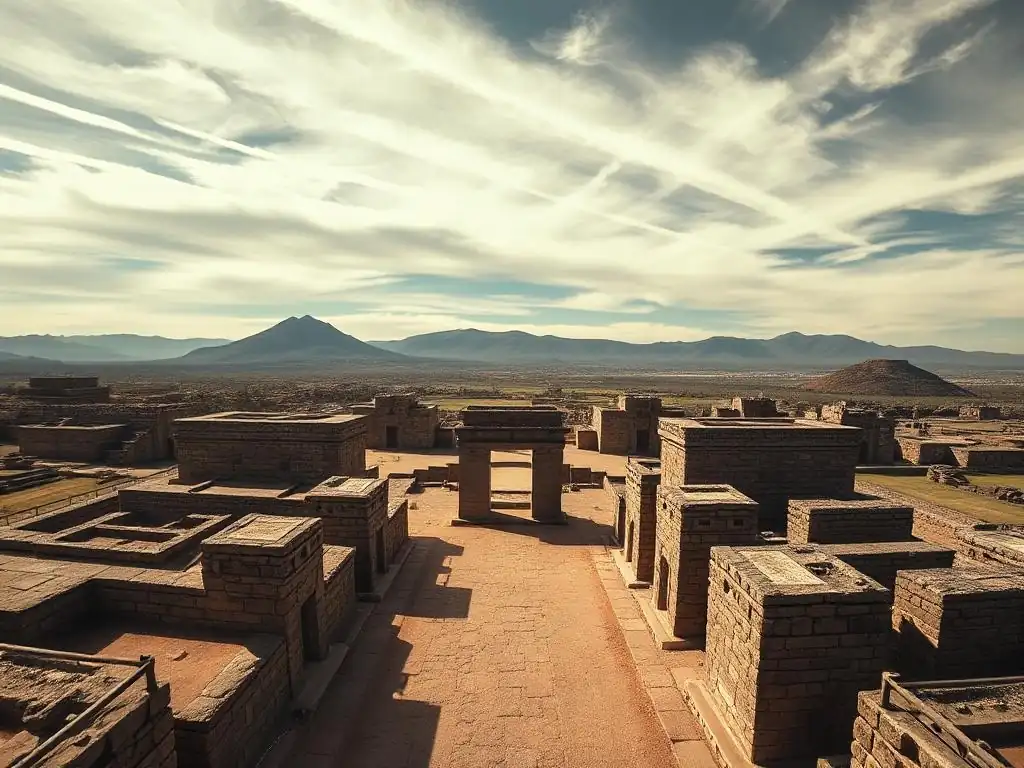
Tiahuanaco, located near the southern shore of Lake Titicaca in present-day Bolivia, stands as a testament to the sophisticated urban planning and architectural prowess of its ancient inhabitants. This pre-Columbian city flourished between 300 and 1000 CE, showcasing an intricate layout that reflects not only functional design but also an understanding of the environment and community needs. The meticulous organization of Tiahuanaco’s structures and spaces demonstrates a keen insight into urban design principles that are still studied by modern architects and urban planners today.
The city was laid out in a rectangular pattern that facilitated movement and access to key areas. Wide avenues connected major structures, promoting trade and interaction among inhabitants. Additionally, the placement of temples, residential areas, and agricultural zones indicates a thoughtful approach to zoning, which ensured that the city's population could thrive both socially and economically. The attention to detail in the urban layout underscores Tiahuanaco's significance as a cultural and political center in the Andean region.
Layout of the City: A Masterclass in Urban Design
The layout of Tiahuanaco is nothing short of remarkable, featuring well-planned streets, plazas, and monumental structures. The city’s core includes the impressive Akapana Pyramid and the semi-subterranean temple, both of which are strategically positioned to serve as focal points for religious and communal activities.
The Akapana Pyramid, an artificial mound, rises to a height of approximately 16 meters and is constructed from large stone blocks. Its terraced design not only adds to its aesthetic appeal but also reflects the importance of symbolism in Tiahuanaco architecture. Each terrace may have had specific ceremonial uses, emphasizing the connection between the physical structure and the spiritual beliefs of the people.
Moreover, the expansive plazas were designed to accommodate large gatherings, indicating that Tiahuanaco was a hub for social interaction, trade, and ceremonies. The city's layout also facilitated efficient water drainage, which is critical in managing the heavy rainfall typical of the region. This foresight in urban planning illustrates the advanced engineering capabilities of the Tiahuanaco civilization.
Water Management Systems: Ingenious Engineering
One of the standout features of Tiahuanaco's architectural achievements is its sophisticated water management system. The inhabitants developed an extensive network of canals, reservoirs, and drainage systems that not only provided water for agricultural purposes but also played a crucial role in the city's overall sanitation and environmental management.
The use of raised fields, known as "suka kollos," demonstrates an innovative agricultural technique that allowed for efficient irrigation while minimizing water loss. These raised fields were bordered by canals that helped in managing water flow and reducing flooding, showcasing an impressive understanding of hydrology.
Additionally, the semi-subterranean temple is believed to have had a water-related function, possibly serving as a ceremonial site where water was venerated. This highlights the cultural significance of water in Tiahuanaco society, underscoring their reverence for nature and the environment. The integration of these water management systems into urban design exemplifies the ingenuity and adaptability of the Tiahuanaco civilization.
Cultural Significance of Tiahuanaco Architecture
The architecture of Tiahuanaco is not only a reflection of its engineering achievements but also a vital component of its cultural identity. The monumental structures and urban design elements convey a deep connection to the beliefs, values, and social structures of the Tiahuanaco people. Each architectural feature carries symbolic meanings and serves specific cultural purposes that have contributed to the city’s enduring legacy.
Religious and Ceremonial Functions
Religious and ceremonial functions played a significant role in Tiahuanaco architecture. The city's prominent structures, such as the Kalasasaya Temple and the Gate of the Sun, were designed with religious significance in mind. The Kalasasaya Temple served as a ceremonial platform, where rituals and festivals took place, reinforcing the community’s spiritual connection to their deities.
The Gate of the Sun, adorned with intricate carvings and astronomical motifs, is thought to have been a place of pilgrimage and celestial observation. This architectural marvel highlights the Tiahuanaco civilization's deep understanding of astronomy and its connection to their spiritual beliefs. The alignment of structures with celestial events demonstrates the integration of religious practices with architectural design, emphasizing the importance of the cosmos in Tiahuanaco culture.
Reflection of Social Hierarchy and Power
Tiahuanaco's architecture also reflects the social hierarchy and power dynamics within the civilization. The scale and grandeur of the public buildings, such as temples and pyramids, signify the authority of the ruling elite and their role in maintaining social order. The strategic placement of these monumental structures within the city highlights the centralization of power and the importance of religious governance.
Furthermore, the varying sizes and complexities of residential areas indicate a stratified society where wealth and status influenced living conditions. The distinction between the common populace and the elite is evident in the architectural layout, reinforcing social divisions that were prevalent in Tiahuanaco society. This interplay between architecture and social structure illustrates how physical spaces can embody and perpetuate cultural values and social norms.
Tiahuanaco's architectural achievements provide invaluable insights into the urban planning, cultural significance, and social dynamics of this ancient civilization. Its legacy continues to inspire and inform our understanding of pre-Columbian cultures in the Americas.
Preservation and Legacy of Tiahuanaco Architectural Achievements
The architectural achievements of Tiahuanaco have not only stood the test of time but have also left a profound legacy that continues to influence contemporary architectural practices and cultural identities. Tiahuanaco, which flourished between 300 AD and 1000 AD, is known for its monumental structures, intricate stonework, and sophisticated urban planning. The preservation of these ruins is crucial, as they serve as a testament to the ingenuity and creativity of indigenous civilizations.
The legacy of Tiahuanaco can be seen in various aspects of modern architecture, particularly in the Andean region. The techniques used in Tiahuanaco, including precise stone cutting and alignment with astronomical events, have inspired countless architects and builders. Additionally, the cultural significance of these sites has fostered a sense of identity among indigenous communities, prompting efforts to maintain and protect their heritage.
Current State of Tiahuanaco Ruins
Today, the Tiahuanaco ruins remain an impressive site, attracting scholars and tourists alike. The most notable structures include the Akapana Pyramid, the Temple of the Sun, and the Gateway of the Sun. Despite facing challenges such as erosion, climate change, and human activity, many of these structures have retained their grandeur.
However, the site is not without its vulnerabilities. Environmental factors, including heavy rainfall and seismic activity, pose ongoing threats to the structural integrity of the ruins. Furthermore, increased tourism can lead to additional wear and degradation. As a result, understanding the current condition of Tiahuanaco is essential for implementing effective preservation strategies.
Efforts in Preservation and Archaeological Research
Significant efforts are underway to preserve the architectural marvels of Tiahuanaco. Local and international organizations, including UNESCO, have initiated preservation projects aimed at protecting and restoring the site. These efforts involve:
- Monitoring and Maintenance: Regular assessments are conducted to monitor the condition of the structures, allowing for timely interventions.
- Research Initiatives: Archaeological research continues to uncover insights into Tiahuanaco's construction methods and societal organization, enhancing our understanding of this ancient civilization.
- Community Engagement: Involving local indigenous communities in preservation efforts fosters a sense of ownership and responsibility towards their heritage.
Overall, these collaborative initiatives are vital for ensuring that the architectural achievements of Tiahuanaco are safeguarded for future generations.
Conclusion: The Lasting Impact of Tiahuanaco Architectural Achievements
The architectural achievements of Tiahuanaco are a remarkable testament to the sophistication and adaptability of indigenous cultures in the Americas. Their impact extends beyond mere construction; they reflect a deep understanding of the environment, astronomy, and social organization. The intricate designs and monumental scale of Tiahuanaco's architecture have continued to inspire admiration and respect across centuries.
Reflection on Tiahuanaco’s Influence on Later Civilizations
Tiahuanaco's architectural innovations laid the groundwork for subsequent cultures, notably the Inca civilization. The use of stone masonry, terracing techniques, and urban planning principles can be traced back to Tiahuanaco’s influence. Many elements of their architectural style were adopted and adapted by later civilizations, showcasing a continuity of cultural practices that shaped the region.
This influence is not limited to construction techniques; it also encompasses spiritual and cosmological beliefs that were integrated into architectural designs. The alignment of structures with celestial bodies reflects a shared understanding of the cosmos that transcended time and geography.
The Importance of Understanding Indigenous Architectural Heritage
Understanding the architectural heritage of Tiahuanaco is essential for appreciating the complexities and contributions of indigenous civilizations. This knowledge enables us to recognize the cultural significance of these structures and the stories they tell about the people who built them.
Moreover, studying these achievements fosters respect for indigenous knowledge systems and encourages a deeper engagement with history. By preserving and honoring the architectural legacies of Tiahuanaco and other indigenous cultures, we not only safeguard their past but also enrich our present and future narratives. The architectural marvels of Tiahuanaco serve as enduring symbols of human creativity and resilience, reminding us of the rich tapestry of cultural heritage that defines the Americas.
- Introduction to Tiahuanaco Architectural Achievements
- Historical Context of Tiahuanaco Architecture
- Key Architectural Features of Tiahuanaco
- Major Architectural Achievements of Tiahuanaco
- Tiahuanaco's Urban Planning and Design
- Cultural Significance of Tiahuanaco Architecture
- Preservation and Legacy of Tiahuanaco Architectural Achievements
- Conclusion: The Lasting Impact of Tiahuanaco Architectural Achievements
Frequently Asked Questions
What are the Tiahuanaco architectural achievements known for?
The Tiahuanaco architectural achievements are renowned for their advanced engineering techniques, monumental stone structures, and intricate carvings that reflect the sophistication of the civilization.
How did the Tiahuanaco civilization influence later cultures?
The Tiahuanaco civilization laid the groundwork for subsequent cultures in the Andes, particularly the Inca, by introducing architectural styles, agricultural techniques, and social structures that shaped the region's development.
What materials were primarily used in Tiahuanaco architecture?
Tiahuanaco architecture primarily utilized large stone blocks, often made from quarried volcanic rock, allowing for durable and monumental structures that have withstood the test of time.
What are some notable structures found in Tiahuanaco?
Notable structures include the Gateway of the Sun, the Temple of the Sun, and the Akapana Pyramid, each showcasing remarkable engineering and artistic expression.
How does Tiahuanaco's architecture reflect its culture?
The architecture of Tiahuanaco reflects its culture through symbolism, alignment with celestial events, and the integration of religious elements, illustrating the civilization's spiritual and societal values.
Final Reflection: The Timeless Legacy of Tiahuanaco's Architectural Achievements
The architectural achievements of Tiahuanaco stand as a testament to human ingenuity and resilience, echoing through the ages with profound relevance today. As we navigate a world increasingly defined by rapid technological advancements and urbanization, the remarkable structures of Tiahuanaco remind us of the enduring power of creativity and cultural expression. These ancient marvels not only showcase the sophistication of pre-Columbian civilizations but also challenge us to appreciate the wisdom embedded in our historical narratives.
The influence of Tiahuanaco's architectural legacy continues to resonate within contemporary society, inspiring architects and historians alike. The precision and artistry of these structures serve as a reminder of the importance of sustainable design and cultural heritage in our built environments. As we reflect on this, we can recall the words of renowned architect Frank Lloyd Wright: The mother art is architecture. Without an architecture of our own, we have no soul of our own civilization.
This sentiment underscores the significance of Tiahuanaco's achievements, urging us to honor and learn from our past as we shape the future.
As we conclude this journey through the architectural wonders of Tiahuanaco, I invite you to reflect on how these ancient achievements can inspire your own life and work. Consider how the principles of innovation, resilience, and cultural appreciation can be woven into your daily actions and decisions. Let the spirit of Tiahuanaco guide you in your quest for creativity and purpose, reminding you that the legacies of the past can illuminate the path forward. Embrace the lessons of history, and allow them to inspire your own architectural marvels in the world around you.
Unveil the Wonders of Tiahuanaco Today!
Thank you for taking the time to explore the incredible architectural feats of Tiahuanaco! You've journeyed through a rich tapestry of history and culture that highlights the ingenuity of ancient civilizations. Now, let’s translate that inspiration into action!
- Dive deeper into your knowledge by visiting local museums or exploring online exhibitions focused on indigenous architecture.
- Start a conversation! Share your favorite architectural marvels on social media and invite friends who appreciate history—let's celebrate these cultures together.
- Consider planning a visit to Tiahuanaco or other historical sites to immerse yourself in their stories firsthand.
What aspect of Tiahuanaco’s architecture sparks your curiosity the most—its purpose, engineering brilliance, or cultural significance?