
The Ingenious Agricultural Techniques of the Inca: How They Conquered the Andes

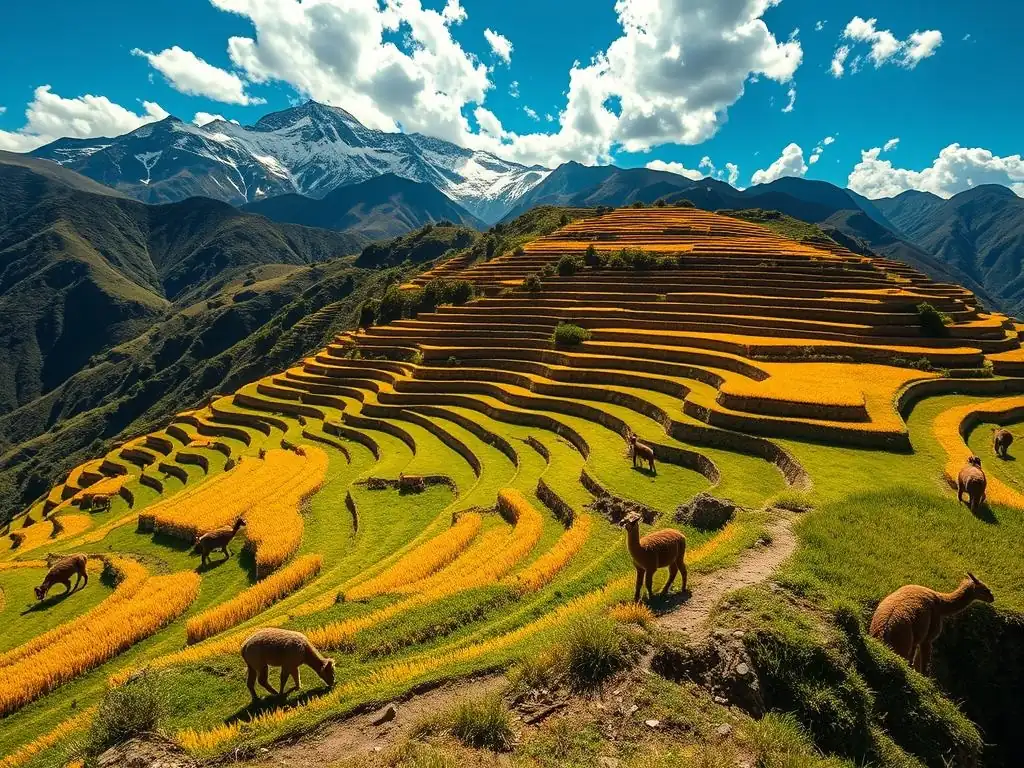
Welcome to Indigenous Civilizations of the Americas, where we delve deep into the rich tapestry of cultures that flourished long before European influence transformed the landscape. Today, we invite you to embark on a fascinating journey through the Inca agricultural techniques history, exploring how these ingenious practices allowed the Inca civilization to thrive in the challenging Andean environment. Discover the remarkable innovations and sustainable methods that not only sustained their society but also left a lasting legacy. Get ready to uncover the secrets behind the Inca's success and how their agricultural prowess continues to inspire us today!
- Introduction to Inca Agricultural Techniques History
- Unique Inca Agricultural Techniques
- The Role of Agriculture in Inca Society
- Technological Innovations in Inca Agriculture
- Legacy of Inca Agricultural Techniques
- Conclusion: The Enduring Impact of Inca Agricultural Techniques History
-
Frequently Asked Questions
- What were the main agricultural techniques used by the Inca?
- How did Inca agricultural techniques contribute to their society?
- What crops were primarily cultivated by the Inca?
- How did the Inca adapt to the diverse climates of the Andes?
- What is the lasting impact of Inca agricultural techniques today?
- Final Reflection: The Enduring Legacy of Inca Agricultural Ingenuity
- Unveil the Secrets of Sustainable Farming!
Introduction to Inca Agricultural Techniques History
The Inca civilization, which flourished in the Andean region of South America from the early 15th century until the Spanish conquest in the 16th century, is renowned for its remarkable advancements in various domains, particularly agriculture. The Inca agricultural techniques were not only pivotal for sustaining their vast empire but also showcased their ingenuity in adapting to a challenging environment characterized by rugged mountains, varying climates, and diverse ecosystems.
This article delves into the sophisticated farming practices that enabled the Incas to thrive in the Andes, examining their innovative methods, the crops they cultivated, and the lasting legacy of their agricultural achievements. By exploring the history of Inca agricultural techniques, we gain valuable insights into how these ancient peoples effectively managed their resources and laid the foundation for a resilient economy.
Overview of Inca Civilization and Agriculture
The Inca Empire, at its zenith, spanned over 2,500 miles along the western coast of South America, encompassing parts of modern-day Peru, Ecuador, Bolivia, Chile, and Argentina. Central to this empire was the capital city of Cusco, which served as a hub of culture, politics, and economic activity. The Incas were exceptional architects and engineers, creating an extensive network of roads and terraces that facilitated communication and trade across their mountainous terrain.
Agriculture was the backbone of the Inca economy, with the majority of the population engaged in farming. The Incas cultivated a variety of crops, including:
- Maize (corn): A staple food that played a vital role in their diet.
- Potatoes: Over 3,000 varieties of potatoes were grown, which became a key food source.
- Quinoa: This nutritious grain was essential for sustenance in the high-altitude regions.
- Coca: Used for both cultural rituals and as a stimulant to combat altitude sickness.
The Incas developed innovative farming techniques to maximize their agricultural output, such as the construction of terraces and irrigation systems, which allowed them to cultivate crops in otherwise inhospitable areas.
Importance of Agriculture in the Inca Empire
Agriculture was not merely a means of sustenance for the Incas; it was a vital component of their social and political structure. The surplus produced through advanced agricultural practices enabled the state to support a large population and maintain control over vast territories. Key aspects of the importance of agriculture in the Inca Empire include:
- Economic Stability: The ability to produce a surplus of food helped stabilize the economy and allowed for trade with neighboring cultures.
- Social Organization: Agricultural production was closely tied to the mita system, where communities provided labor in exchange for land usage rights, reinforcing social cohesion.
- Cultural Significance: Many agricultural activities were intertwined with religious beliefs and rituals, highlighting the spiritual connection the Incas had with the land.
The innovative agricultural techniques developed by the Incas not only fostered their growth as a civilization but also left a profound impact on agricultural practices in the region that can still be seen today. By understanding the history of Inca agricultural techniques, we can appreciate the sophisticated and adaptive methods employed by this remarkable civilization.
Unique Inca Agricultural Techniques
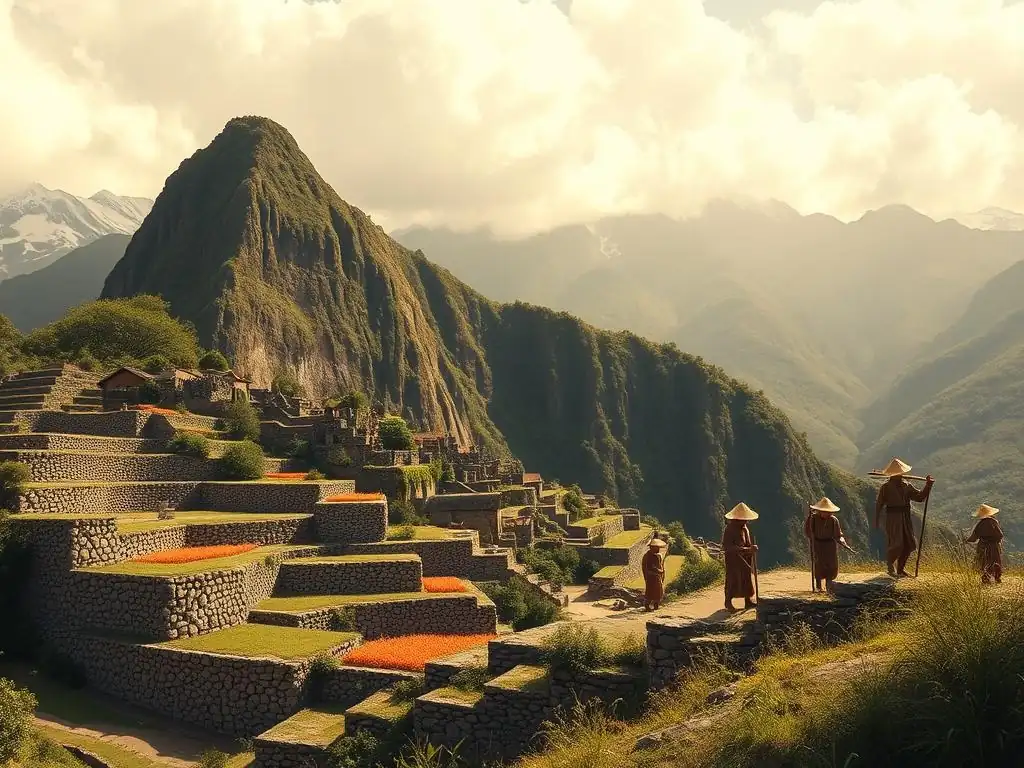
The Inca civilization, renowned for its remarkable achievements, developed unique agricultural techniques that allowed them to thrive in the challenging Andean environment. Their innovations in agriculture not only ensured food security for their large population but also laid the groundwork for sustainable practices that have influenced farming in the region even today. This section delves into two of the most significant agricultural innovations of the Inca: terracing and irrigation systems.
Terracing: A Revolutionary Farming Method
Terracing is one of the most iconic agricultural techniques employed by the Inca, transforming steep mountainous terrain into arable land. By creating flat, stepped surfaces along slopes, the Incas maximized their agricultural output while minimizing soil erosion.
Benefits of Terracing in the Andes
- Soil Conservation: Terracing significantly reduces the velocity of water runoff, allowing more water to infiltrate the soil. This is crucial in the Andes, where heavy rainfall can lead to soil erosion.
- Microclimate Creation: The terraces create various microclimates, enabling the cultivation of diverse crops at different altitudes. This variety helps sustain a balanced diet for the Inca population.
- Increased Arable Land: The terraced fields expanded the amount of land available for farming, enabling the Incas to cultivate staple crops like potatoes, maize, and quinoa.
By employing terracing, the Inca not only adapted to their environment but also enhanced their agricultural productivity significantly.
Case Studies of Terraced Agriculture in the Inca Region
Several notable examples illustrate the effectiveness of Inca terracing:
- Moray: This agricultural site features circular terraces that are believed to have been used for experimental farming, allowing the Incas to cultivate different crops in varying climatic conditions.
- Pisac: Located in the Sacred Valley, the Pisac terraces demonstrate the advanced engineering skills of the Incas. These terraces supported a variety of crops and are still visible today, showcasing the durability of Inca construction techniques.
The success of these terraced farming systems not only supported the Inca Empire but also influenced neighboring cultures and modern agricultural practices in the Andes.
Irrigation Systems: Engineering Marvels
In addition to terracing, the Inca developed sophisticated irrigation systems that were crucial for their agricultural success. These systems included aqueducts and canals designed to transport water from distant sources to their fields.
Construction of Aqueducts and Canals
The Inca were skilled engineers who constructed extensive networks of aqueducts and canals, allowing them to manage water resources effectively. Key features of these systems included:
- Gravity-Driven Flow: The aqueducts were designed to utilize gravity to move water efficiently across varying elevations, ensuring that even the most remote fields received adequate moisture.
- Stone and Earth Construction: The Inca used locally available materials, including stone and earth, to build durable channels that could withstand the test of time and environmental challenges.
These irrigation systems were vital in areas where rainfall was insufficient, enabling the Inca to cultivate crops in arid environments.
Impact of Irrigation on Crop Yields
The implementation of advanced irrigation techniques had a profound impact on Inca agriculture:
- Enhanced Crop Production: With reliable water sources, crop yields increased dramatically. This not only supported the local population but also allowed the Inca to sustain their vast empire.
- Diverse Crop Cultivation: The ability to irrigate allowed for the cultivation of a wide variety of crops, including not only staple grains but also fruits and vegetables, contributing to a balanced diet.
The sophisticated irrigation systems developed by the Inca were instrumental in their agricultural success, showcasing their ingenuity and adaptability in a challenging environment. These techniques laid the foundation for agricultural practices that continue to influence farming in the Andes today.
Crop Diversity: The Inca's Agricultural Palette
The Inca civilization, known for its remarkable adaptability to the challenging Andean environment, cultivated a diverse array of crops that contributed significantly to their economy and sustenance. This agricultural diversity was not merely for variety; it played a crucial role in promoting food security and coping with the variable climate of the highlands. The Inca utilized their knowledge of microclimates, altitude, and soil types to optimize the growth of various crops across different regions.
In the valleys, the Incas grew staple crops that could thrive in the cooler temperatures and less oxygen-rich air of the Andes. They practiced a form of agriculture known as vertical agriculture, which allowed them to cultivate crops at multiple elevations. This technique not only maximized land use but also ensured a steady supply of food year-round, which was vital for supporting their large population and the demands of their expansive empire.
Key Crops Cultivated by the Inca
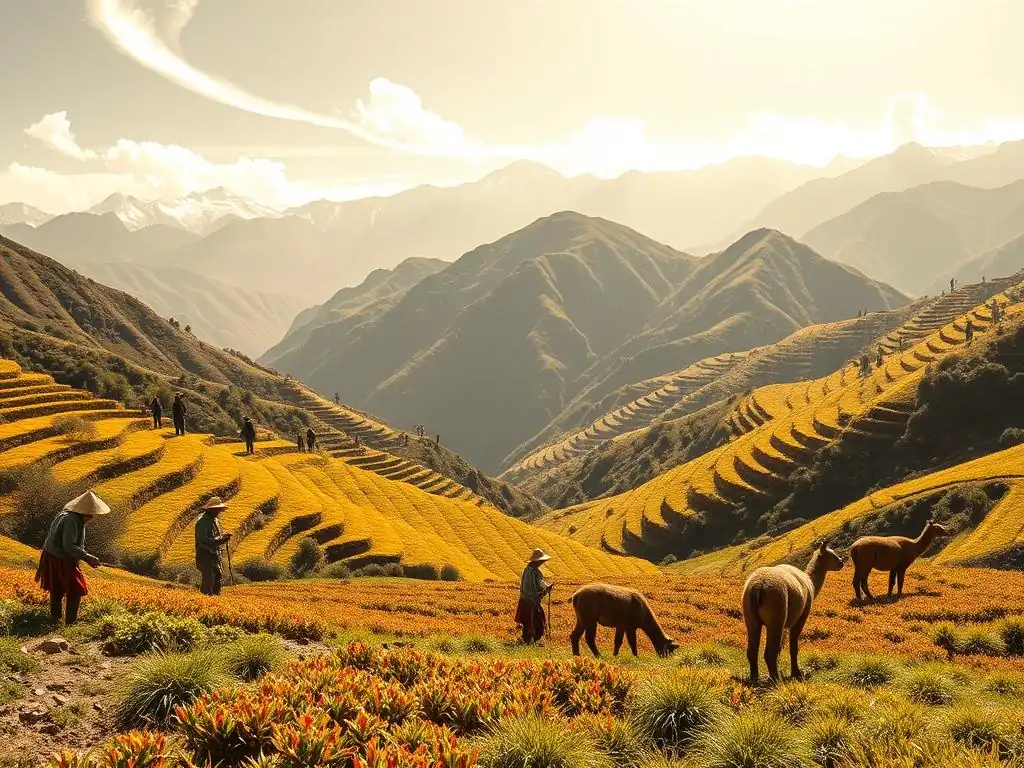
The Inca cultivated numerous crops, with some key varieties forming the backbone of their agricultural practices:
- Potatoes: Perhaps the most famous of Inca crops, potatoes were a staple food. The Inca developed thousands of varieties, some of which could withstand extreme conditions. The freeze-drying process known as chuño allowed them to store potatoes for extended periods.
- Maize (Corn): Another staple, maize was used not only as food but also for brewing chicha, a fermented beverage. The Inca cultivated different strains of maize suited to varying altitudes and climates.
- Quinoa: This nutritious grain was highly regarded by the Incas and formed an essential part of their diet. Quinoa's resilience in high-altitude farming made it a reliable crop.
- Beans: The Incas cultivated various types of beans, which were rich in protein and complemented their carbohydrate-rich diet.
- Squash and Pumpkins: These vegetables were grown alongside maize in a companion planting system, which enhanced growth through natural pest control and soil enrichment.
Importance of Native Plants in Inca Agriculture
Native plants played a significant role in Inca agriculture, not only as food sources but also in cultural and medicinal practices. The Inca had an intimate understanding of the flora in their environment, leading to sustainable agricultural practices that respected local ecosystems.
- Cultural Significance: Many native plants held spiritual significance for the Inca, being linked to agricultural rituals and ceremonies. Crops like maize were considered sacred and were often involved in offerings to the gods to ensure bountiful harvests.
- Biodiversity and Sustainability: By cultivating a variety of native plants, the Inca maintained biodiversity, which is crucial for ecosystem health. This diversity mitigated the risk of crop failure due to pests or disease, making their agricultural system more resilient.
- Medicinal Uses: The Inca utilized various native plants for their medicinal properties. For instance, certain herbs were used in traditional medicine to treat ailments, showcasing the Inca's comprehensive understanding of their agricultural resources.
The emphasis on crop diversity and the use of native plants demonstrate the Inca's sophisticated agricultural practices, which laid the foundation for their civilization's success and longevity in the Andes.
The Role of Agriculture in Inca Society
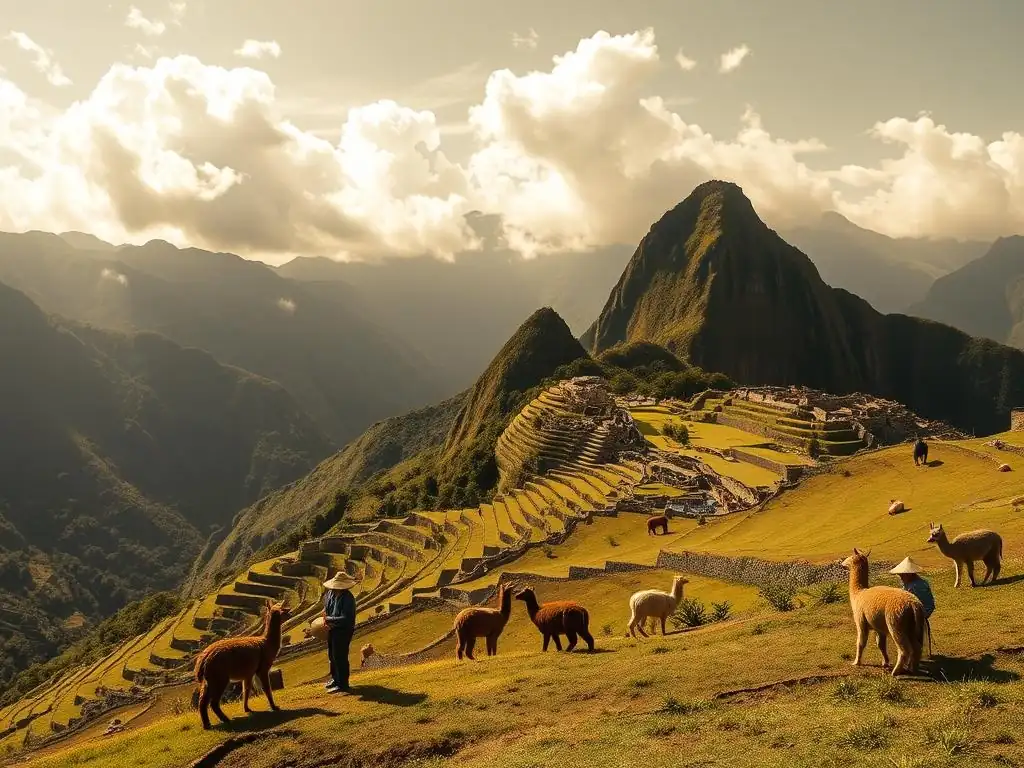
Agriculture played a pivotal role in the Inca civilization, serving not only as the backbone of their economy but also as a central component of their social structure and cultural identity. The Inca employed innovative agricultural techniques that enabled them to thrive in the challenging Andean environment, which included diverse climates and altitudes. Understanding the agricultural practices of the Inca provides valuable insight into how they managed to sustain a vast empire that extended over 2,500 miles along the western coast of South America.
Economic Impact of Agricultural Techniques
The agricultural techniques developed by the Inca were not merely practical; they were a key driver of the empire's economic prosperity. The ability to produce a surplus of crops allowed the Inca to support a complex society with diverse needs.
Trade and Surplus Production
The Inca mastered various agricultural methods, including terrace farming, which maximized arable land in mountainous regions. This technique enabled them to cultivate crops such as potatoes, maize, and quinoa, which were essential to their diet and economy.
- Terrace Farming: The Inca constructed large terraces on steep slopes, using stone walls to create flat surfaces. This minimized soil erosion and allowed for efficient irrigation.
- Crop Diversity: By cultivating a wide variety of crops, the Inca ensured food security. For instance, the potato was an essential staple, with over 3,000 varieties identified.
The surplus produced through these methods facilitated trade among different regions within the empire. Agricultural surplus allowed the Inca to engage in extensive trade networks, exchanging goods such as textiles and ceramics for food, thus fostering economic interdependence among various communities.
Agriculture's Influence on Inca Social Structure
Agriculture was deeply intertwined with the social hierarchy of the Inca Empire. The management of agricultural production was critical for maintaining social order and supporting the ruling elite.
- Labor Organization: The Inca implemented a system known as mita, which required communities to contribute labor to agricultural projects, creating a sense of communal responsibility and cooperation.
- Resource Distribution: Surplus crops were stored in qollqa, or storage facilities, which were strategically located throughout the empire. This allowed the Inca to redistribute food during times of famine or drought, reinforcing their control over the population.
The economic benefits derived from agriculture helped sustain the Inca's political power, allowing them to maintain a vast territory and a large population.
Cultural Significance of Agriculture
Agriculture in Inca society was not only an economic necessity but also held deep cultural significance. It was interwoven with their beliefs, rituals, and traditions, reflecting the people's connection to the land.
Rituals and Festivals Related to Agriculture
The Inca celebrated numerous agricultural festivals that honored the earth and their agricultural deities. These ceremonies were crucial for ensuring bountiful harvests and were often accompanied by elaborate rituals.
- Inti Raymi: One of the most important festivals, the Festival of the Sun, celebrated the sun god Inti. This event included offerings of food, music, and dance, and served as a way to thank the gods for agricultural abundance.
- Harvest Festivals: During harvest time, communities would come together to celebrate the successful gathering of crops, often involving communal feasting and sharing of food, reinforcing social bonds.
These rituals underscored the importance of agriculture within the Inca worldview, as they believed that honoring their deities was essential for ensuring future agricultural success.
Agricultural Practices and Indigenous Beliefs
The Inca's agricultural practices were deeply influenced by their spiritual beliefs. They viewed the earth as a living entity that required respect and care.
- Sacred Agriculture: Certain crops were considered sacred, and specific agricultural practices were imbued with spiritual significance. For instance, the chicha, a fermented beverage made from maize, was often used in rituals and offerings.
- Fertility Offerings: Before planting, farmers would perform rituals to ask for the land's fertility, often leaving offerings of llama fetuses or other goods in the fields.
The integration of agricultural practices with their beliefs illustrates how the Inca civilization viewed agriculture as a sacred duty, essential for both survival and spiritual fulfillment.
The Inca agricultural techniques were a remarkable blend of innovation and cultural significance, shaping their economy, social structure, and spiritual life. Understanding these practices offers a deeper appreciation for the Inca civilization and its lasting impact on the indigenous cultures of the Americas.
Technological Innovations in Inca Agriculture
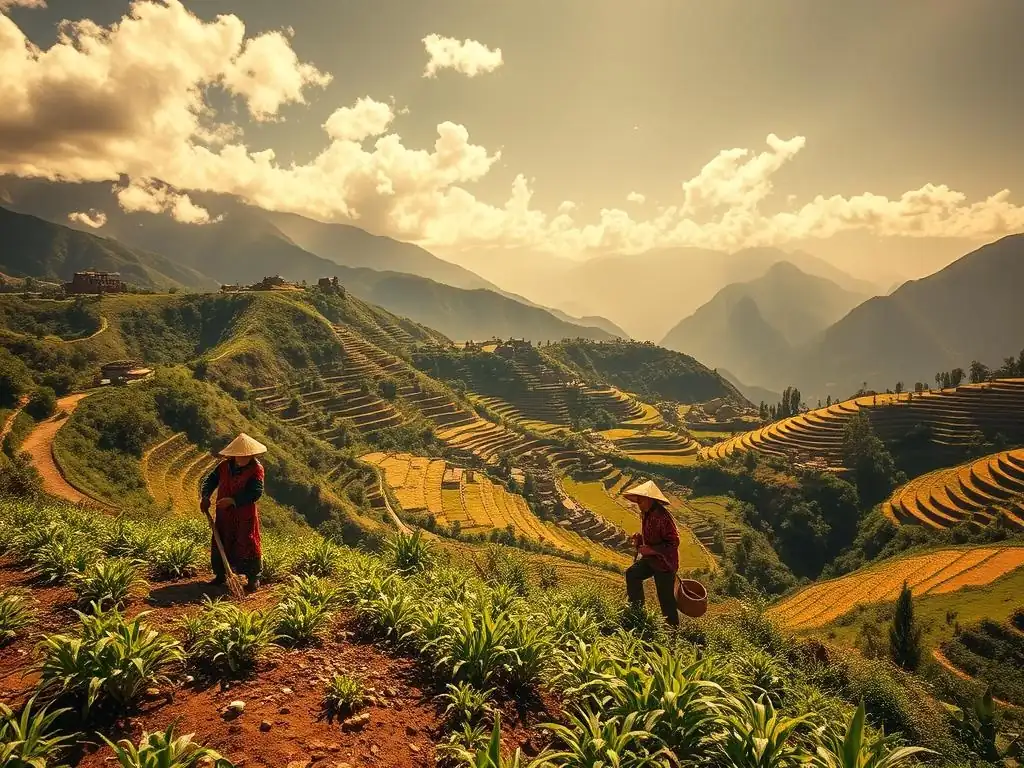
The Inca civilization, renowned for its remarkable achievements, developed a sophisticated agricultural system that enabled them to thrive in the challenging landscapes of the Andes. Their agricultural innovations were essential not only for sustaining their population but also for supporting the expansive Inca Empire. This section delves into the diverse tools and techniques employed by Inca farmers, their adaptive strategies in response to environmental challenges, and the lasting impact of these practices on agricultural history.
Tools and Techniques Used by the Inca Farmers
The Inca utilized a variety of tools and techniques that were well-suited to their mountainous terrain. These innovations played a crucial role in enhancing agricultural productivity.
Description of Farming Tools
Inca farmers crafted tools from available materials, primarily stone, wood, and metal. Some key tools included:
- Tupus: A type of digging stick used for planting seeds and tilling the soil.
- Chaki taklla: A foot plow that allowed farmers to cultivate steep slopes effectively.
- Hoes and sickles: Made from stone or metal, these tools were essential for weeding and harvesting crops.
These tools facilitated the development of terrace farming, which maximized arable land in the steep Andean mountains. The use of these implements was not only practical but also reflected a deep understanding of their environment.
Innovations in Crop Management
The Inca were pioneers in crop management, employing various techniques to ensure the health and productivity of their crops. Some notable practices included:
- Terracing: The construction of terraces on steep hillsides helped to reduce soil erosion and allowed for the cultivation of a variety of crops at different altitudes.
- Crop rotation: By alternating crops, the Inca could maintain soil fertility and reduce pest infestations.
- Companion planting: They strategically planted complementary species to enhance growth and deter pests, such as planting maize alongside beans and squash.
These innovations not only increased agricultural output but also contributed to the sustainability of their farming practices.
Adaptation to Environmental Challenges
The Andes presented numerous environmental challenges, including varying climates and limited arable land. The Inca's ability to adapt their agricultural practices was vital to their success.
Coping with Climate Variability
The Inca developed strategies to cope with the diverse climatic conditions across the Andes. Their techniques included:
- Microclimate utilization: Farmers took advantage of microclimates by planting crops suited to specific conditions, such as high-altitude varieties of potatoes and quinoa.
- Irrigation systems: The construction of extensive irrigation canals allowed for the efficient distribution of water, making it possible to cultivate land that would otherwise be too dry.
Such adaptive measures ensured a reliable food supply, even in the face of unpredictable weather patterns.
Soil Management Techniques
Maintaining soil health was crucial for sustaining agricultural productivity in the Andean environment. The Inca employed several effective soil management techniques:
- Fertilization: The use of organic fertilizers, such as llama dung, enriched the soil and promoted healthy crop growth.
- Soil conservation practices: Techniques like contour farming and the use of cover crops helped to prevent soil erosion and preserve soil structure.
Through these innovative approaches, the Inca not only enhanced their agricultural output but also laid the groundwork for sustainable practices that would influence future generations.
The ingenuity of Inca agricultural techniques showcases their ability to adapt and thrive in one of the most challenging environments on Earth. The legacy of these practices continues to be studied and admired by agricultural historians today, highlighting the significance of the Inca agricultural techniques history in understanding the broader narrative of human ingenuity and resilience.
Legacy of Inca Agricultural Techniques
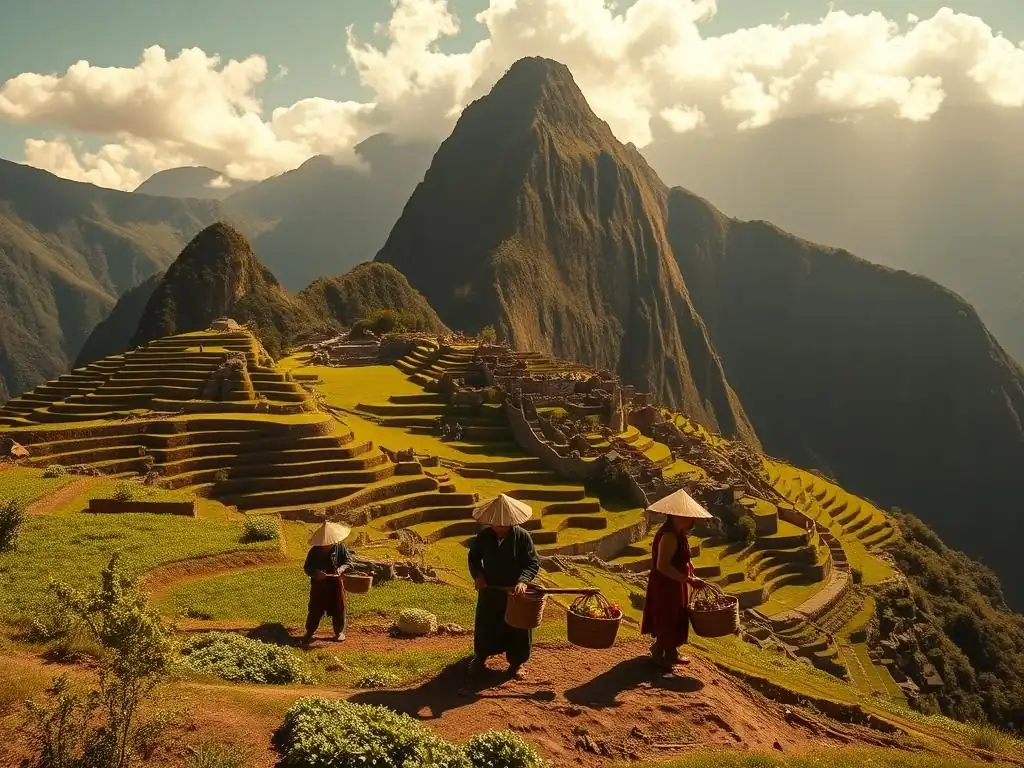
The agricultural techniques developed by the Inca civilization have left a profound legacy that continues to influence contemporary practices. The Inca Empire, which thrived in the Andes from the early 15th century until the Spanish conquest in the 16th century, showcased remarkable agricultural innovations tailored to their challenging environment. These developments not only ensured food security but also facilitated the growth of one of the largest empires in pre-Columbian America.
Influence on Modern Agricultural Practices
The Inca's sophisticated understanding of agriculture is evident in several modern agricultural practices. Among the most noteworthy contributions are:
- Terracing: The Incas utilized terraced farming to maximize arable land on steep mountain slopes. This method involves creating flat areas on sloped terrains, which helps manage water runoff and soil erosion. Today, terracing is still employed in various parts of the world, particularly in regions with similar topographies.
- Crop Rotation and Biodiversity: The Incas practiced crop rotation and cultivated a diverse array of crops, such as quinoa, potatoes, and maize, to maintain soil fertility and resilience against pests. This approach aligns closely with modern sustainable agriculture, emphasizing biodiversity to enhance ecosystem health.
- Irrigation Systems: Ingenious irrigation techniques, including the construction of canals and aqueducts, allowed the Incas to channel water from rivers to farmlands. These practices are mirrored in contemporary agricultural engineering, where efficient water management remains crucial for crop production.
Lessons Learned from Inca Techniques
The Inca agricultural techniques provide critical insights into sustainability and resilience in agriculture. Their holistic approach to farming, which integrated environmental considerations, showcases several lessons:
- Adaptation to Environment: The Incas tailored their farming methods to local conditions, illustrating the importance of adapting agricultural practices to specific environmental contexts.
- Community Involvement: Agriculture in Inca society was often a communal effort, reinforcing the value of cooperation and shared knowledge among farming communities.
- Resource Management: By optimizing land use and implementing practices such as fallowing (leaving land uncultivated to regain fertility), the Incas demonstrated effective resource management that can inform modern practices in sustainability.
Sustainable Practices Inspired by Inca Agriculture
The sustainable practices of the Inca civilization are increasingly relevant today as societies grapple with the impacts of climate change and food security challenges. Current agricultural movements often look to the past for inspiration, adopting techniques such as:
- Agroecology: This approach emphasizes ecological principles and incorporates traditional knowledge, reflecting Inca practices that harmonized agriculture with the surrounding ecosystem.
- Permaculture: Inspired by the Inca's efficient land use and biodiversity, permaculture promotes sustainable land management and encourages self-sufficiency in food production.
- Soil Conservation: Techniques derived from Inca practices, such as contour farming and cover cropping, aim to protect and enhance soil health, ensuring long-term agricultural productivity.
Preservation of Inca Agricultural Knowledge
Efforts to preserve the agricultural knowledge of the Inca civilization are critical in maintaining cultural heritage and enhancing modern agricultural practices. Various initiatives are underway to document and revitalize these ancient techniques.
Current Efforts to Revive Inca Farming Techniques
Organizations and researchers are actively working to revive Inca agricultural practices through:
- Education Programs: Workshops and courses are being offered to educate farmers on traditional Inca methods, fostering a connection between the past and present.
- Cultural Heritage Projects: Initiatives aimed at documenting Inca farming techniques help preserve knowledge and promote its application in contemporary agriculture.
- Research Collaborations: Partnerships between universities and indigenous organizations are exploring the viability and application of Inca agricultural methods in modern contexts.
The Role of Indigenous Communities in Agriculture Today
Indigenous communities continue to play a vital role in agriculture, embodying the legacy of Inca practices. Their contributions include:
- Traditional Knowledge: Indigenous farmers maintain a wealth of knowledge about local ecosystems, crop varieties, and sustainable practices that can enhance modern agricultural systems.
- Cultural Preservation: By practicing traditional farming techniques, these communities help preserve their cultural identity and heritage, which is intricately linked to their agricultural practices.
- Advocacy for Sustainable Practices: Indigenous communities advocate for sustainable agriculture, emphasizing the need for practices that respect the environment and promote biodiversity, drawing from their historical experiences, including those of the Inca civilization.
The agricultural techniques of the Inca civilization are not just historical artifacts; they offer valuable insights and practices that can enhance modern agriculture, promote sustainability, and preserve cultural heritage. By understanding and integrating these ancient practices, contemporary societies can contribute to a more resilient and food-secure future.
Conclusion: The Enduring Impact of Inca Agricultural Techniques History
Summary of Inca Agricultural Innovations
The Inca civilization is renowned for its sophisticated agricultural techniques, which were crucial for thriving in the challenging terrain of the Andes. These techniques not only ensured food security for the Inca population but also laid the groundwork for sustainable agricultural practices that are still relevant today. Some of the most significant innovations include:
- Terracing: The Incas developed extensive terraced fields that maximized arable land on steep slopes. By creating flat surfaces with stone walls, they reduced soil erosion and improved irrigation.
- Irrigation Systems: Ingenious aqueducts and canals were constructed to transport water from rivers to fields, enabling farming in arid regions. This sophisticated water management system allowed for the cultivation of diverse crops.
- Crop Diversification: The Incas cultivated a wide variety of crops, including potatoes, maize, quinoa, and beans, which not only provided a balanced diet but also reduced the risk of famine.
- Soil Fertility Techniques: They utilized organic fertilizers, such as llama manure, and practiced crop rotation to maintain soil health and enhance productivity.
- Seed Selection and Preservation: The Inca farmers practiced selective breeding to improve crop resilience and yield, ensuring their agricultural practices adapted to the diverse climates of the Andes.
These innovations contributed to the Inca Empire's ability to support a large population and maintain stability over vast territories. The legacy of these agricultural techniques can be seen in modern Andean farming practices, demonstrating their enduring impact.
Reflection on the Importance of Understanding Inca Agriculture
Understanding the agricultural techniques of the Inca civilization is vital for several reasons. Firstly, it highlights the ingenuity and adaptability of indigenous peoples in response to their environment. The Inca successfully transformed the harsh Andean landscape into a productive agricultural hub, showcasing their deep understanding of local ecosystems.
Moreover, studying Inca agricultural practices provides valuable insights into sustainable farming methods that can inform contemporary agricultural challenges. With increasing concerns about food security and environmental sustainability, the lessons learned from the Incas can inspire modern practices, particularly in high-altitude farming and water conservation.
Additionally, recognizing the significance of Inca agriculture helps to preserve the cultural heritage of indigenous peoples in the Americas. By acknowledging their contributions to agriculture, we can foster greater appreciation for their knowledge and traditions, which have often been overlooked in historical narratives.
The exploration of Inca agricultural techniques not only enhances our understanding of their civilization but also emphasizes the importance of sustainable practices that continue to resonate in today's world.
Frequently Asked Questions
What were the main agricultural techniques used by the Inca?
The Inca employed various innovative techniques such as terrace farming, irrigation systems, and crop rotation, which allowed them to maximize productivity in the challenging Andean environment.
How did Inca agricultural techniques contribute to their society?
These techniques enabled the Inca civilization to support large populations, promote trade, and sustain their empire, ultimately leading to significant social and economic development.
What crops were primarily cultivated by the Inca?
The Inca cultivated a variety of crops, including potatoes, maize, quinoa, and beans, all of which were essential for their diet and agricultural economy.
How did the Inca adapt to the diverse climates of the Andes?
The Inca developed specific farming methods tailored to the varied altitudes and climates, such as using microclimates to grow different crops effectively across their territory.
What is the lasting impact of Inca agricultural techniques today?
Many of the Inca agricultural practices are still relevant and used in modern agriculture, particularly in sustainable farming methods and the cultivation of native crops in the Andes.
Final Reflection: The Enduring Legacy of Inca Agricultural Ingenuity
The remarkable agricultural techniques of the Inca civilization not only enabled them to thrive in the challenging Andean environment but also serve as a profound reminder of humanity's capacity for innovation in the face of adversity. Today, as we confront the pressing challenges of climate change and food security, the lessons from the Inca's sustainable practices resonate more than ever. Their ability to adapt and optimize their agricultural methods in such a harsh landscape is a testament to the ingenuity that can emerge from necessity.
The influence of Inca agricultural techniques extends far beyond their historical context; it continues to shape modern agricultural practices and inspire sustainable farming initiatives worldwide. The principles of crop rotation, terrace farming, and the use of diverse crops are increasingly recognized as vital strategies for maintaining soil health and biodiversity. As the renowned agriculturalist Masanobu Fukuoka once said, The ultimate goal of farming is not the growing of crops, but the cultivation and perfection of human beings.
This perspective highlights the interconnectedness of agriculture and society, reminding us that the wisdom of the past can guide our future.
As you reflect on the ingenuity of the Inca agricultural techniques, consider how these ancient practices can inform your own relationship with food and the environment. How can you apply the principles of sustainability and innovation in your daily life? Whether it's supporting local farmers, reducing waste, or exploring new gardening techniques, each small action contributes to a larger movement towards a more sustainable future. Embrace the legacy of the Inca and let it inspire you to cultivate not just crops, but a deeper connection to the earth and your community.
Unveil the Secrets of Sustainable Farming!
Thank you for exploring the remarkable agricultural techniques of the Inca! You've uncovered how these ingenious methods helped them thrive in the challenging Andes, and now it's time to take that inspiration into your own life.
Here are some actionable steps you can take right now:
- Start your own small garden using terrace farming techniques, just like the Incas did, to maximize your space and resources.
- Share your newfound knowledge with friends and family — inspire them to learn about sustainable practices and the incredible legacy of the Inca!
- Research modern innovations that build on ancient techniques. Discover how you can integrate these practices into your personal or community gardening efforts.
As you think about your next steps, consider this: How can you adopt ancient wisdom to improve sustainability in your own life or community? We encourage you to share your ideas and insights in the comments below!