
Discovering LesserKnown Andean Sites: Hidden Architectural Gems of the Past

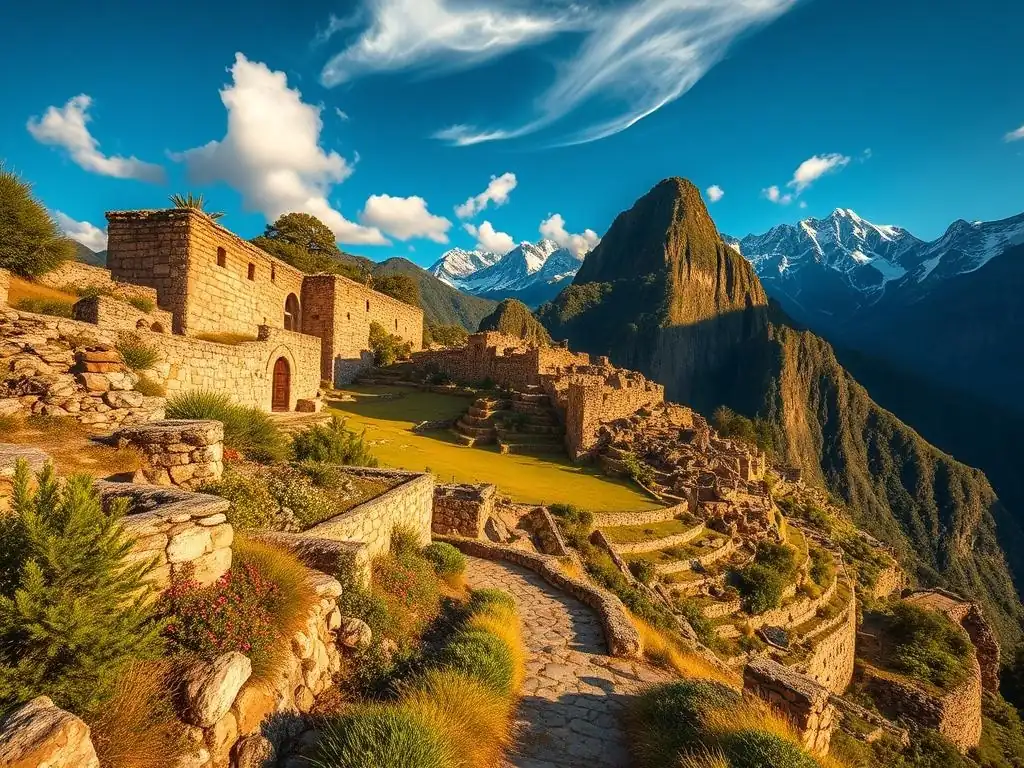
Welcome to Indigenous Civilizations of the Americas, where we invite you to embark on a journey through the rich tapestry of indigenous cultures that flourished long before European contact. In our featured article, Discovering Lesser-Known Andean Sites: Hidden Architectural Gems of the Past, we unveil the stunning Andean indigenous architectural sites that stand as testaments to the ingenuity and resilience of these remarkable societies. As you delve deeper, prepare to uncover the secrets of these lesser-known masterpieces and their enduring legacy that still resonates today. Your exploration of the past begins now—let curiosity lead the way!
The Andean region, rich in cultural heritage and historical significance, is home to a myriad of indigenous architectural sites that tell the story of civilizations that thrived long before European colonization. While many of us are familiar with the iconic structures like Machu Picchu, the Andes hold a treasure trove of lesser-known sites that showcase the ingenuity, artistry, and societal complexities of the Andean peoples. These hidden gems not only reflect the architectural prowess of their creators but also offer insights into their social, religious, and economic practices.
In this article, we will embark on a journey to uncover some of these remarkable Andean indigenous architectural sites. We will explore their historical context, architectural features, and the cultural significance they hold today. From ancient temples to agricultural terraces, these sites are a testament to the rich tapestry of Andean civilization, inviting us to appreciate their contributions to humanity's architectural heritage. Join us as we delve into the past and discover these hidden architectural wonders that continue to inspire and educate us about the Andean indigenous cultures.
- Introduction to Andean Indigenous Architectural Sites
- Historical Context of Andean Indigenous Architecture
- Exploring Hidden Architectural Gems of the Andes
- The Role of Geography in Andean Architecture
- Preservation and Challenges of Andean Architectural Sites
- Conclusion: The Importance of Rediscovering Hidden Architectural Gems
- Call to Action for Further Exploration
-
Frequently Asked Questions
- What are some notable Andean indigenous architectural sites?
- How did Andean indigenous cultures influence modern architecture?
- What resources are available for learning about lesser-known Andean sites?
- Why is it important to explore hidden architectural gems?
- What impact did European colonization have on Andean indigenous architecture?
- Final Reflection: Unearthing the Hidden Treasures of Andean Indigenous Architecture
- Unveil the Wonders: Explore Hidden Andean Treasures!
Introduction to Andean Indigenous Architectural Sites
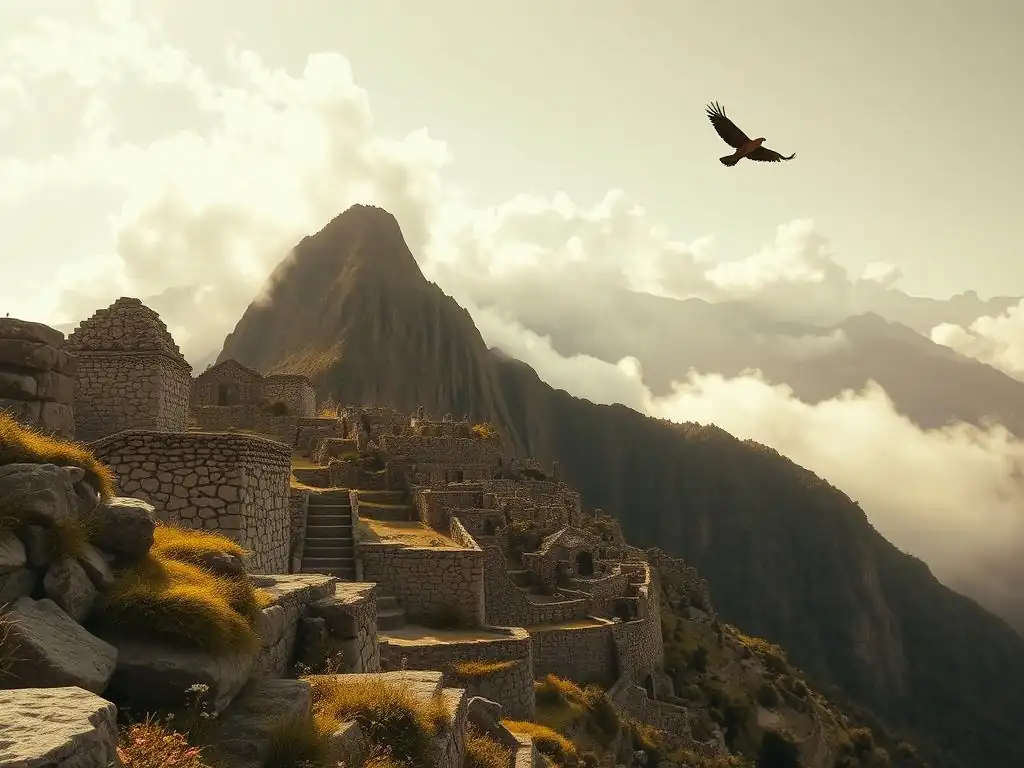
The Andean region, encompassing parts of modern-day Peru, Bolivia, Ecuador, and northern Chile, is renowned for its rich tapestry of indigenous cultures and their remarkable architectural achievements. Before European colonization, various civilizations thrived in this mountainous terrain, leaving behind a legacy of impressive structures that reflect their social, political, and religious dynamics. The exploration of lesser-known Andean indigenous architectural sites offers a unique perspective on these cultures, highlighting not just their grandeur but also the intricate details that speak to their ingenuity and adaptability in response to their environment.
Importance of Andean Architecture in Indigenous Civilizations
Andean architecture is a vital component of the cultural heritage of indigenous civilizations, representing their technological advancements, artistic expression, and societal organization. The architectural styles varied significantly among different groups, influenced by factors such as geography, climate, and available resources. Key features of Andean architecture include:
- Materials: Indigenous builders utilized local materials like stone, adobe, and clay, showcasing their understanding of the environment. For example, the use of ashlar masonry in Incan structures illustrates their sophisticated stone-cutting techniques that allowed for durable and earthquake-resistant buildings.
- Construction Techniques: Techniques such as the dry stone method, which involved stacking stones without mortar, enabled structures to withstand seismic activity—a common phenomenon in the Andes. This method is evident in sites like Sacsayhuamán in Cusco.
- Cultural Significance: Many structures served not only as functional spaces but also as symbols of power and spirituality. Temples, ceremonial centers, and agricultural terraces reveal how architecture was intertwined with the beliefs and daily lives of the Andean peoples.
- Urban Planning: The layout of Andean cities reflects advanced urban planning, with considerations for agriculture, water management, and trade routes. Sites like Tiwanaku and Chan Chan illustrate the complexity of these urban centers and their roles in regional economies.
By examining these architectural marvels, we gain insight into the values, technologies, and social structures of the indigenous populations that shaped the Andean landscape long before European contact.
Overview of Lesser-Known Sites in the Andes
While many are familiar with iconic sites such as Machu Picchu and Cusco, the Andes are home to numerous lesser-known architectural gems that deserve attention. These sites offer a glimpse into the diverse cultural expressions and innovations of the Andean peoples. Here are a few notable examples:
- Wari Site (Huari, Peru)
- Overview: The Wari civilization, predating the Inca, established a significant urban center characterized by complex architectural designs, including massive stone buildings and extensive road networks.
- Significance: It is believed to have influenced subsequent cultures, including the Inca, in terms of urban planning and administrative organization.
- Pikillacta (Peru)
- Overview: This pre-Inca site showcases a sprawling urban layout with well-planned streets and impressive stone structures, demonstrating advanced engineering techniques.
- Significance: Pikillacta is a testament to the development of urban centers prior to Incan dominance, providing valuable insights into the social organization of the time.
- Chavín de Huantar (Peru)
- Overview: A ceremonial center renowned for its unique architectural style and intricate stone carvings. The site features a complex of temples and plazas, all interconnected by a sophisticated drainage system.
- Significance: Chavín de Huantar played a crucial role in the religious and cultural life of the Andean people, influencing various other cultures that arose in the region.
- Kuelap (Peru)
- Overview: This fortress-like structure perched high in the mountains was built by the Chachapoya culture and features massive stone walls and circular buildings.
- Significance: Kuelap's architecture reflects the defensive strategies of the Chachapoya, as well as their community-oriented lifestyle, differing significantly from the Incan approach.
- Kotosh (Peru)
- Overview: Known for its unique temple complex, Kotosh is famous for its "Temple of the Crossed Hands," an early indication of organized religious practices in the Andes.
- Significance: This site exemplifies the early development of religious architecture and the importance of ritual in Andean societies.
These lesser-known sites not only enrich our understanding of Andean indigenous architectural practices but also highlight the diversity and complexity of the civilizations that flourished in the region. Each site tells a story of cultural resilience and innovation, inviting further exploration and appreciation of the Andean architectural heritage.
Historical Context of Andean Indigenous Architecture
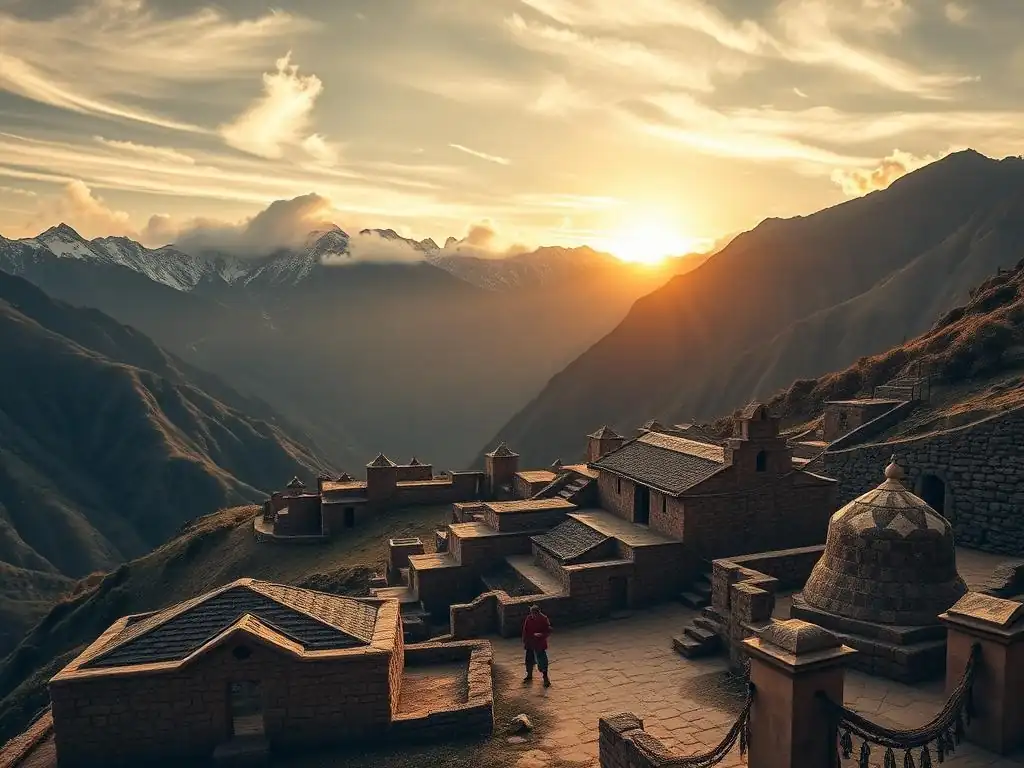
Andean indigenous architecture is a remarkable testament to the ingenuity and adaptability of the civilizations that flourished in the Andean region of South America. Spanning several millennia, the architectural practices in this area were influenced by diverse environmental conditions, cultural exchanges, and technological advancements.
This architectural evolution can be traced back to pre-Columbian times when early Andean societies began to establish permanent settlements. The transition from nomadic lifestyles to sedentary agricultural communities paved the way for constructing more sophisticated structures. These early buildings served not only functional purposes but also reflected the social and spiritual beliefs of the people.
The Andean mountains presented both challenges and opportunities for architectural development. Communities had to develop techniques that could withstand seismic activity while utilizing local materials, such as stone, adobe, and wood. This led to the emergence of distinctive styles that characterized various cultures across the region.
The Evolution of Architectural Techniques in the Andes
The evolution of architectural techniques in the Andes is marked by several key phases, each contributing to the rich tapestry of Andean indigenous architectural sites:
- Prehistoric Structures: Early inhabitants constructed simple, functional dwellings primarily using natural materials. These structures were often circular or rectangular, designed to accommodate the needs of small family units.
- The Development of Adobe Construction: With the rise of agriculture, communities began experimenting with adobe, a mixture of clay and straw. This resulted in sturdier and more insulated structures, allowing for larger and more complex buildings.
- Inca Innovations: The Inca Empire (1438-1533 CE) brought significant advancements in architecture. Their mastery of stone masonry led to the construction of monumental structures, such as temples, fortresses, and administrative buildings. The use of precise stone-cutting techniques ensured that structures were not only durable but also aesthetically pleasing. The famous Sacsayhuamán fortress exemplifies this architectural prowess.
- Terracing and Agricultural Architecture: To adapt to the Andean topography, civilizations developed terracing techniques that maximized arable land. These terraces were often integrated with agricultural buildings, showcasing the interconnectedness of architecture and sustainable practices.
- Ritual and Ceremonial Architecture: Religious beliefs heavily influenced architectural designs. Structures such as the Templo del Sol in Cusco and various huacas (sacred sites) were built to honor deities and serve as centers for worship. These sites often featured intricate stone carvings and alignments with celestial events.
- Colonial Influences: Following European colonization, Andean architecture underwent significant changes. Many indigenous structures were repurposed, and new styles emerged that blended European and indigenous elements. This period marked a complex evolution of architectural identity in the Andes.
Key Civilizations and Their Contributions to Architecture
Several key civilizations in the Andean region made substantial contributions to indigenous architecture, each leaving a distinct mark on the landscape:
- Norte Chico Civilization (Circa 3000-1800 BCE): Often regarded as one of the earliest urban centers in the Americas, Norte Chico featured large ceremonial complexes such as Caral. Their use of monumental architecture set a precedent for future Andean societies.
- Moche Civilization (100-800 CE): Renowned for their adobe brick construction, the Moche built impressive pyramids, such as the Huaca del Sol and Huaca de la Luna. Their intricate pottery and murals also served to decorate these structures, depicting their rich mythology.
- Nazca Culture (100 BCE-800 CE): Famous for the Nazca Lines, this civilization also constructed substantial underground aqueducts (puquios) that showcased their advanced engineering skills and understanding of hydrology.
- Tiwanaku Civilization (Circa 300-1000 CE): Located near Lake Titicaca, Tiwanaku is known for its monumental stone architecture, including the Gateway of the Sun and the Akapana pyramid. Their use of finely cut stones without mortar demonstrates advanced masonry techniques.
- Inca Empire (1438-1533 CE): The Inca are perhaps the most recognized for their architectural achievements, with sites like Machu Picchu and the extensive road systems. Their construction techniques, which included trapezoidal doorways and careful stone placement, allowed buildings to withstand earthquakes.
Each of these civilizations contributed to the rich architectural legacy of the Andean region, resulting in a diverse array of sites that continue to captivate scholars and visitors alike. The architectural practices developed by these cultures not only reflect their societal structures but also their profound connection to the environment and spirituality.
Site 1: Kuelap
Kuelap, often referred to as the "Machu Picchu of the North," is an impressive fortress located in the cloud forests of northern Peru. This ancient site, built by the Chachapoya culture, showcases the remarkable architectural prowess of the Andean indigenous peoples.
Unique Features of Kuelap
Kuelap is characterized by its massive stone walls, which reach heights of up to 20 meters (65 feet) and enclose an area of approximately 40 acres. The site features over 400 circular structures, many of which were used for habitation. Notably, the walls are constructed using a technique called “ashlar masonry,” where stones are cut and fitted together without mortar, enhancing the durability of the structures.
A few unique features include:
- Circular Architecture: The circular design of buildings, which is distinctive to the Chachapoya, is thought to be influenced by the natural environment, allowing for better drainage and stability.
- El Tintero: A prominent structure within Kuelap, El Tintero is believed to have served a ceremonial purpose, possibly as a lookout point or religious site.
- Intricate Carvings: Some walls exhibit carvings of animals and geometric patterns, reflecting the artistic expression of the Chachapoya.
Historical Significance of Kuelap
Kuelap holds immense historical significance as it provides insight into the societal structure and cultural practices of the Chachapoya civilization, which thrived in the Andes before the Inca expansion. The site is believed to have been a stronghold during times of conflict and showcases the advanced engineering skills of its builders.
Research indicates that Kuelap was occupied from around 500 AD until the Spanish conquest in the 16th century, making it a vital link to understanding pre-Columbian history in the Andes. The fortification served not only as a defensive structure but also as a center for trade and cultural exchange among various Andean communities.
Site 2: Chan Chan
Chan Chan, located near the coastal city of Trujillo in Peru, is the largest adobe city in the world and was once the capital of the Chimú Kingdom. This remarkable site is a testament to the architectural ingenuity of the Andean indigenous peoples and their ability to adapt to their environment.
Distinctive Characteristics of Chan Chan
Chan Chan is predominantly constructed from adobe bricks, which were made from clay and straw, allowing for effective insulation against the harsh desert climate. The city covers an area of nearly 20 square kilometers (7.7 square miles) and is characterized by its intricate layout and monumental structures.
Key distinctive characteristics include:
- Walled Enclosures: The city is divided into ten walled citadels, each serving different functions, including administrative, religious, and residential purposes.
- Decorative Reliefs: The walls of Chan Chan are adorned with bas-reliefs depicting various motifs, such as fish, birds, and geometric patterns, symbolizing the deep connection of the Chimú people with nature.
- Extensive Water Management: The site features an advanced system of canals and reservoirs that enabled the inhabitants to cultivate crops in an otherwise arid environment.
Cultural Relevance of Chan Chan
Chan Chan is culturally significant not only as a monumental architectural achievement but also as a reflection of the social organization of the Chimú civilization. The site embodies a complex society with specialized labor, trade networks, and religious practices.
As a UNESCO World Heritage site, Chan Chan is recognized for its contributions to understanding pre-Columbian architecture and urban planning. The city played a crucial role in the history of the Andes, demonstrating the resilience and adaptability of Andean indigenous cultures in the face of environmental challenges and social change.
Both Kuelap and Chan Chan stand as hidden architectural gems of the Andes, offering profound insights into the ingenuity and cultural richness of Andean indigenous architectural sites. These sites not only highlight the technological advancements of their creators but also their enduring impact on the landscape and cultural heritage of the region.
Site 3: Pucará de Tilcara
Pucará de Tilcara is one of the most significant archaeological sites in Argentina, nestled in the Quebrada de Humahuaca, a UNESCO World Heritage site. This pre-Hispanic fortification dates back to the 10th century and demonstrates the remarkable ingenuity of the Andean indigenous peoples. The site not only served as a defensive structure but also played a vital role in the social and political organization of the communities that inhabited the region.
The layout of Pucará de Tilcara is characterized by its strategic position atop a hill, which offers a commanding view of the surrounding valley. This vantage point was essential for monitoring potential threats and controlling trade routes. The site encompasses a series of rectangular buildings, terraces, and agricultural fields that reflect the advanced architectural and agricultural practices of the Tilcara people. The preservation of these structures provides invaluable insights into the daily lives and cultural practices of Andean societies.
Architectural Style of Pucará de Tilcara
The architectural style of Pucará de Tilcara is a fascinating blend of functionality and aesthetics, representative of the broader Andean architectural traditions. The structures are primarily constructed from locally sourced materials, such as stone and adobe, showcasing a deep connection to the environment. The walls are built using a technique known as "tapial," where clay, sand, and straw are compacted to create durable, insulated surfaces.
One notable feature of the architecture is the use of terraces, which were essential for maximizing arable land in the steep mountainous terrain. These terraces facilitated effective water management and soil conservation, allowing the inhabitants to cultivate a variety of crops, including maize and quinoa. Additionally, the site includes ceremonial structures, such as temples, which were integral to the spiritual practices of the community.
The layout of Pucará de Tilcara reflects a well-planned urban design, with communal spaces that fostered social interaction and collective activities. The orientation of the buildings often aligns with astronomical events, indicating the significance of celestial bodies in the indigenous worldview.
Impact on Andean Indigenous Communities
The impact of Pucará de Tilcara on Andean indigenous communities is profound, both historically and culturally. As a center of defense and habitation, it played a crucial role in the survival of local populations during periods of conflict and change. The site is a testament to the resilience and adaptability of the Andean peoples, who developed sophisticated strategies to cope with their environment and external pressures.
Moreover, Pucará de Tilcara is emblematic of cultural continuity in the Andes. The architectural techniques and agricultural practices developed at this site have influenced subsequent generations, contributing to the rich tapestry of Andean heritage. Today, the site serves as a focal point for cultural revitalization and education, attracting visitors who seek to understand the depth of indigenous history and its relevance in contemporary society.
The preservation and study of Pucará de Tilcara also foster a sense of identity among modern Andean communities, reinforcing their connection to their ancestors and encouraging pride in their cultural heritage. As such, Pucará de Tilcara stands not only as an architectural gem but also as a symbol of the enduring legacy of Andean indigenous peoples.
The Role of Geography in Andean Architecture
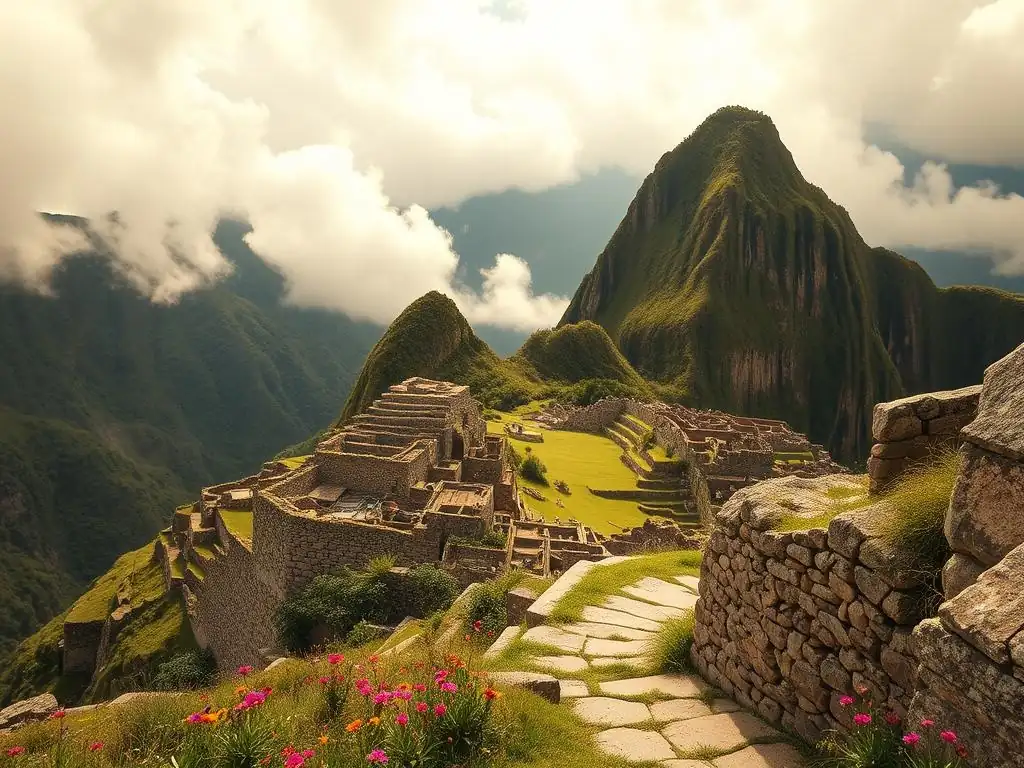
Andean indigenous architecture is profoundly influenced by the diverse geography of the Andes Mountains, which stretches along the western edge of South America. This mountainous region presents unique challenges and opportunities that have shaped the construction techniques, materials, and overall design of architectural sites. The interplay between the rugged terrains, varying climates, and elevation has led to the development of distinctive architectural practices that are closely tied to the local environment.
How Geography Influenced Building Techniques
The geography of the Andes has necessitated innovative building techniques tailored to local conditions. The steep slopes, high altitudes, and seismic activity of the region have all played a critical role in determining how structures were designed and constructed.
- Terracing: To cope with the mountainous terrain, Andean cultures employed terracing. This technique involves creating flat areas on steep slopes, which not only facilitated agriculture but also provided stable foundations for buildings. Terraced structures can be seen in sites like Moray, where circular agricultural terraces were designed for experimental farming.
- Stone Construction: The abundant availability of stone in the Andean region led to its predominant use in architecture. Builders adapted their techniques to create tight-fitting stone walls that could withstand earthquakes, a common occurrence in the area. The Incas, for instance, are renowned for their dry-stone construction, which utilized the natural shape of the stones to create interlocking structures without the need for mortar.
- Adaptive Roof Designs: The varying climatic conditions, from arid deserts to high-altitude cold, influenced roof designs. Many Andean structures featured thatched roofs made from local materials like straw and reeds, which provided insulation and protection from precipitation. In contrast, in wetter regions, sloped roofs were favored to facilitate water runoff.
These techniques reflect a deep understanding of the environment, showcasing the ingenuity of Andean indigenous peoples in creating functional and resilient architectural sites.
Natural Materials Used in Andean Indigenous Architecture
The use of natural materials in Andean architecture is a testament to the resourcefulness of its indigenous cultures. The availability of local resources dictated the materials used in construction, leading to a diverse array of building styles and techniques.
- Stone: As previously mentioned, stone was a primary material due to its durability and abundance. Different types of stone, such as granite, limestone, and volcanic rock, were utilized depending on the region. The iconic site of Machu Picchu exemplifies the use of finely cut granite blocks that have withstood centuries of weathering.
- Adobe: In areas where clay is prevalent, adobe bricks made from sun-dried earth were commonly used. These bricks provided excellent thermal insulation, keeping interiors cool during hot days and warm at night. Sites like Tiahuanaco showcase the use of adobe in combination with stone, highlighting the versatility of materials in Andean architecture.
- Wood: Although less abundant in the high Andes, wood was still utilized, especially in the construction of roofs and interior spaces. Local species such as cedar and pine were favored for their strength and resistance to decay. The use of wooden beams in structures like Qorikancha demonstrates the integration of wood with stone, creating harmonious and robust designs.
- Textiles: While not a structural material, textiles played a significant role in Andean architecture. Woven materials were often used for decorative purposes, as well as to create functional elements such as sunshades and insulation for buildings. The intricate designs and vibrant colors of Andean textiles reflect the cultural identity and artistry of indigenous peoples.
The natural materials used in Andean indigenous architecture are closely tied to the geographical context, showcasing a profound connection between the environment and the architectural practices of these remarkable cultures.
Preservation and Challenges of Andean Architectural Sites
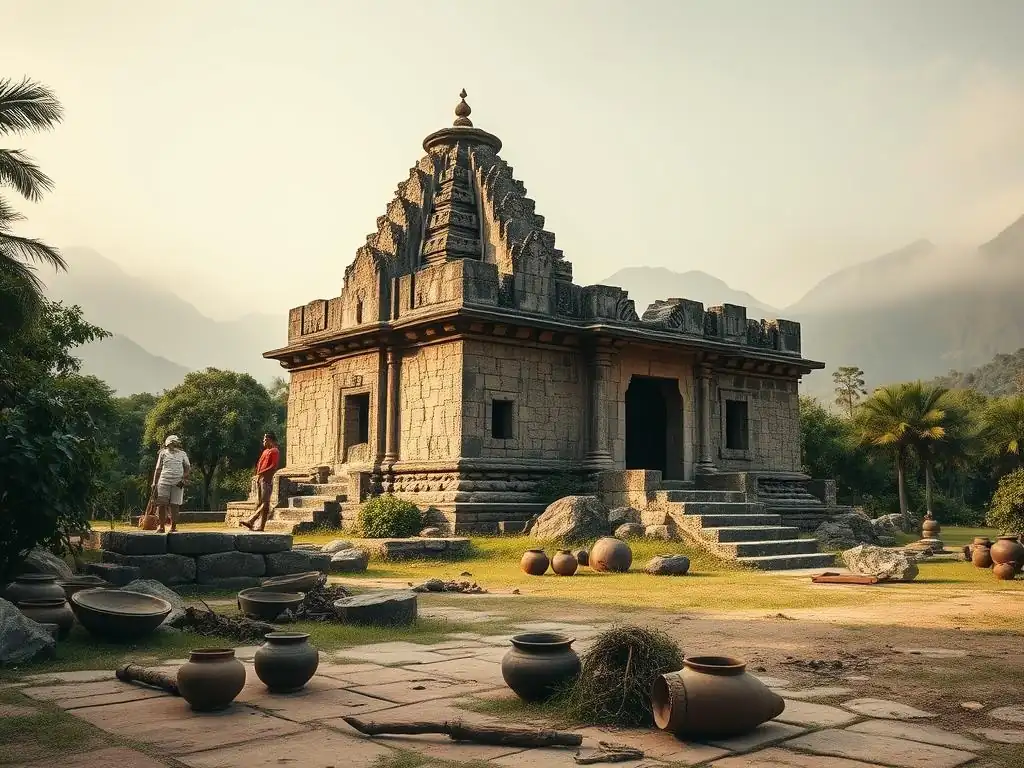
Current Efforts to Preserve Lesser-Known Sites
In recent years, there has been a growing awareness of the need to preserve lesser-known Andean indigenous architectural sites. Various organizations, both governmental and non-governmental, are actively engaged in preservation efforts aimed at safeguarding these historical treasures.
- Documentation and Research: Initiatives involve detailed documentation of architectural features, materials, and construction techniques. Researchers collaborate with local communities to gather oral histories and traditional knowledge that inform preservation strategies.
- Community Engagement: Local communities play a vital role in these efforts. By involving indigenous people in the preservation process, organizations can ensure that restoration efforts respect cultural values and practices. This engagement fosters a sense of ownership and pride among community members, encouraging them to maintain their heritage.
- Funding and Resources: Several international bodies, including UNESCO and various heritage conservation organizations, have begun to allocate funds specifically for the preservation of lesser-known Andean sites. These funds are often used for training local craftsmen in traditional building techniques, ensuring that restoration work is carried out using authentic methods.
- Sustainable Tourism: There is a growing trend towards sustainable tourism that highlights lesser-known sites. By promoting responsible tourism, these efforts aim to generate revenue that can be reinvested into preservation projects. Visitors are encouraged to respect the sites and learn about their significance, which helps raise awareness about the need for conservation.
Threats to Andean Indigenous Architectural Heritage
Despite the ongoing preservation efforts, Andean indigenous architectural sites face numerous threats that can undermine their integrity and existence. Understanding these challenges is crucial for developing effective strategies to protect these invaluable cultural resources.
- Urbanization: Rapid urban expansion in Andean regions often leads to the encroachment of modern infrastructure on ancient sites. Construction projects may inadvertently damage or completely destroy these architectural gems. The pressure to develop land for housing and commercial purposes often overshadows the need to preserve historical sites.
- Climate Change: The impacts of climate change, including increased rainfall, temperature fluctuations, and natural disasters such as landslides, pose significant risks to Andean sites. Many structures built with local materials are vulnerable to these environmental changes, requiring urgent adaptation and reinforcement measures.
- Neglect and Lack of Awareness: Many lesser-known sites suffer from neglect due to a lack of awareness about their cultural significance. With limited funding and resources allocated for their upkeep, these sites can deteriorate over time. Education campaigns are essential to inform local populations and visitors about the importance of these architectural treasures.
- Tourism Pressure: While sustainable tourism can benefit preservation efforts, uncontrolled tourism can also threaten the integrity of architectural sites. Overcrowding, litter, and vandalism can lead to irreversible damage. Striking a balance between accessibility and preservation is a challenge that conservationists must navigate carefully.
The preservation of Andean indigenous architectural sites is a multifaceted endeavor that involves a combination of community engagement, sustainable practices, and awareness-raising. While challenges persist, concerted efforts can help protect these hidden architectural gems for future generations to appreciate and learn from.
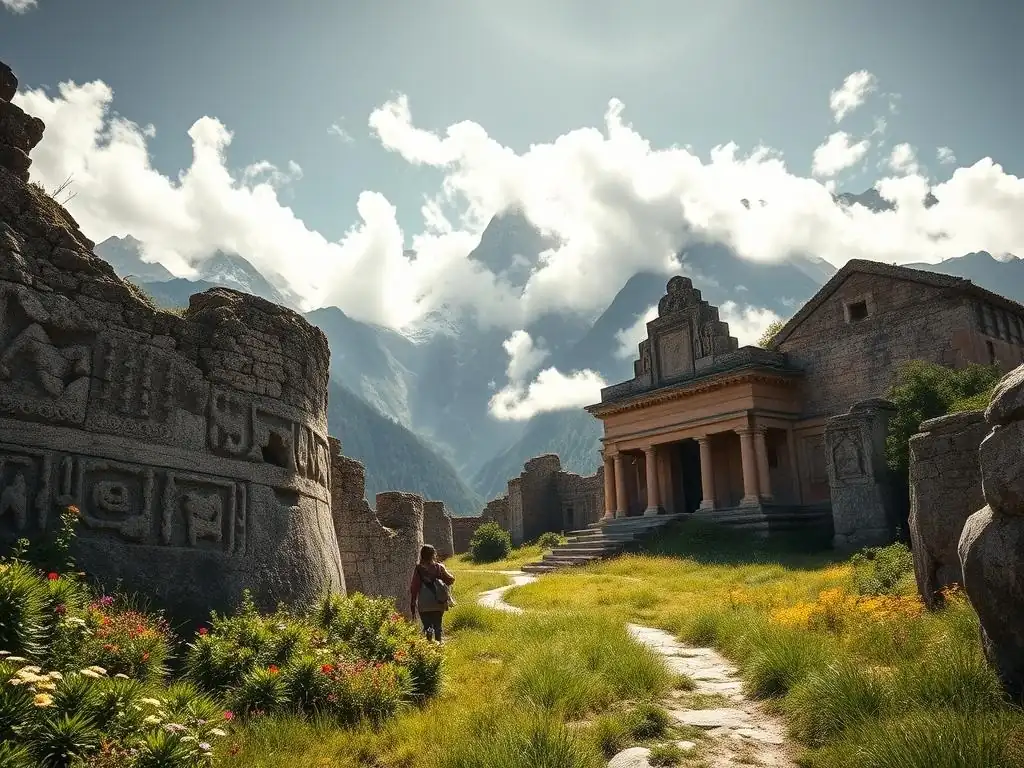
The architectural marvels of the Andean civilizations are not only a testament to their ingenuity but also a vital part of the historical and cultural fabric of the Americas. As we shift our focus toward lesser-known Andean sites, we uncover hidden gems that showcase unique styles and techniques, reflecting the diversity of indigenous architectural practices. These sites, often overshadowed by more famous landmarks like Machu Picchu, deserve recognition and appreciation for their contributions to our understanding of Andean culture.
Rediscovering these lesser-known sites not only enhances our knowledge of Andean indigenous architectural sites but also promotes a deeper appreciation for the cultural heritage of these communities. These sites can serve as focal points for cultural revival and education, helping to foster pride among local populations and ensuring that traditional practices are preserved for future generations.
Encouraging Exploration of Lesser-Known Andean Sites
Exploration of these hidden architectural wonders can be a transformative experience for travelers and scholars alike. Engaging with lesser-known sites provides opportunities to:
- Experience Authenticity: Visiting off-the-beaten-path locations allows visitors to engage with local cultures in a more genuine manner, fostering respectful interactions and cultural exchange.
- Support Local Economies: Lesser-known sites often rely on tourism for economic sustainability. By choosing to visit these locations, travelers can contribute to local communities and help sustain traditional practices.
- Broaden Historical Knowledge: Exploring a variety of sites enhances the understanding of Andean history and architecture, revealing the complexity and sophistication of indigenous engineering and design.
By promoting awareness and interest in these lesser-known architectural gems, we can encourage a more comprehensive appreciation of Andean indigenous architecture and its impact on contemporary society.
The Lasting Legacy of Andean Indigenous Architecture
The legacy of Andean indigenous architecture extends far beyond the physical structures that remain today. It encompasses a rich tapestry of cultural narratives, social organization, and environmental adaptation that continues to resonate within modern Andean communities. Some key aspects of this legacy include:
- Innovative Engineering: The Andean civilizations, such as the Inca, demonstrated remarkable engineering prowess through their use of local materials and techniques suited for the challenging mountainous terrain. Their construction methods have influenced modern architecture and engineering practices.
- Cultural Significance: Many structures served not only functional purposes but also held spiritual and ceremonial importance. This connection to the land and the cosmos reflects a deep understanding of their environment and the interrelationship between people and nature.
- Preservation of Knowledge: The architectural principles established by Andean civilizations have been passed down through generations, influencing contemporary architecture and revitalizing interest in indigenous practices. This preservation of knowledge is crucial in the face of globalization and modernization.
- Tourism and Education: As interest in Andean indigenous architectural sites grows, these locations can serve as educational resources, helping to teach future generations about the rich history and cultural heritage of the Andes.
Recognizing and exploring lesser-known Andean architectural sites is vital for both preserving the legacy of indigenous cultures and enriching our understanding of human achievement. Each site encapsulates stories of resilience, innovation, and artistry that deserve to be celebrated and remembered. By doing so, we contribute to a broader narrative that honors the profound impact of Andean indigenous architecture on our world today.
Call to Action for Further Exploration
As you delve into the rich tapestry of Andean architecture, we encourage you to take the next step in your journey. The Andes are home to a plethora of architectural marvels, each telling a unique story of the indigenous cultures that once thrived there. Whether you are planning a visit or simply wish to learn more, there are numerous resources available to guide you.
Explore lesser-known sites that often escape the attention of mainstream tourism. Engage with local communities to gain insight into the cultural significance of these architectural gems. By immersing yourself in these experiences, you not only enrich your understanding but also contribute to the preservation of these invaluable historical treasures.
Resources for Visiting and Learning About Andean Architectural Sites
When planning your exploration of Andean indigenous architectural sites, consider utilizing the following resources:
- Official Tourism Websites: Many countries in the Andean region maintain tourism websites that provide valuable information on sites, guided tours, and cultural events.
- Local Guides: Hiring a knowledgeable local guide can enhance your experience. They can offer insights into the history, architecture, and cultural practices tied to the sites.
- Books and Documentaries: Numerous publications and documentaries delve into Andean architecture and its significance. Consider titles such as:
- "The Architecture of the Inca" by John Hyslop
- "Lost Cities of the Incas" by Hiram Bingham
- Cultural Organizations: Organizations dedicated to Andean heritage often host events and exhibitions that can deepen your understanding. Examples include:
- The Andean Studies Association
- The International Council on Monuments and Sites (ICOMOS)
By utilizing these resources, you can enhance your appreciation of Andean architectural sites and their historical context.
Ways to Support Preservation Efforts of Andean Heritage
Preserving the rich architectural heritage of the Andes is crucial for maintaining the cultural identity of indigenous communities. Here are several ways you can contribute to these preservation efforts:
- Donations to Preservation Organizations: Support NGOs and cultural organizations focused on the conservation of Andean sites. Your financial contributions can help fund restoration projects and community education programs.
- Responsible Tourism: When visiting these sites, practice responsible tourism. Respect local customs, minimize environmental impact, and support local artisans by purchasing handmade crafts.
- Volunteer Opportunities: Look for volunteering opportunities with organizations dedicated to the preservation of Andean heritage. This hands-on experience can be both rewarding and impactful.
- Advocacy and Awareness: Use your voice to advocate for the protection of endangered sites. Share information on social media, participate in community discussions, and support policies that promote heritage conservation.
By taking these steps, you not only enrich your personal experience but also play a vital role in ensuring that future generations can appreciate the architectural wonders of the Andean indigenous cultures.
Frequently Asked Questions
What are some notable Andean indigenous architectural sites?
Many Andean indigenous architectural sites include Machu Picchu, Sacsayhuamán, and Tiwanaku, showcasing the advanced engineering and cultural significance of these civilizations.
How did Andean indigenous cultures influence modern architecture?
The innovative techniques and design elements from Andean indigenous cultures have inspired contemporary architects, emphasizing the importance of sustainability and harmony with nature.
What resources are available for learning about lesser-known Andean sites?
Numerous resources, including scholarly articles, documentaries, and travel guides, provide insights into lesser-known Andean sites, highlighting their historical context and architectural significance.
Exploring hidden architectural gems helps to preserve cultural heritage, promote cultural understanding, and recognize the achievements of indigenous peoples in the Andean region.
What impact did European colonization have on Andean indigenous architecture?
European colonization led to the destruction and alteration of many Andean indigenous architectural sites, but it also resulted in a fusion of styles that can be seen in modern constructions.
The exploration of lesser-known Andean indigenous architectural sites is not just a journey through history; it is a vital connection to our cultural roots that resonates powerfully today. As we navigate an increasingly globalized world, the significance of preserving and honoring these architectural gems becomes ever more critical. The stories embedded in these sites remind us of the rich tapestry of human experience and the importance of recognizing the diverse narratives that shape our identities.
The influence of Andean indigenous architecture extends far beyond its physical structures; it serves as a testament to the resilience and ingenuity of the cultures that created them. These sites are not merely relics of the past; they continue to inspire contemporary discussions about sustainability, community, and heritage. As we reflect on their ongoing impact, we are reminded of the words of renowned architect and historian, Kenneth Frampton: The architecture of a place is a reflection of its people, their values, and their aspirations.
This sentiment underscores the importance of engaging with these sites, as they offer profound insights into the lives and philosophies of the Andean peoples.
As we conclude this exploration, I invite you to embark on your own journey of discovery. Take a moment to reflect on how the stories of these hidden architectural gems can inspire your understanding of culture and history. Consider visiting these sites, supporting preservation efforts, or simply sharing what you’ve learned with others. By doing so, you contribute to a broader appreciation of Andean indigenous architecture, ensuring that these treasures are not forgotten but celebrated for generations to come.
Thank you for immersing yourself in the captivating world of lesser-known Andean sites! Your newfound appreciation for these hidden architectural gems is a testament to the richness of Indigenous civilizations. Now, it’s time to take the excitement further and turn inspiration into action!
Here are some practical steps you can take to deepen your exploration:
- Plan your next adventure: Consider visiting an overlooked Andean site on your next trip. Research local tours that focus on these hidden gems and connect with knowledgeable Indigenous guides who can offer unique insights.
- Share your discovery: Tell your friends and family about these architectural wonders you’ve come across. Sharing knowledge not only enriches your community but also raises awareness about these significant cultural sites.
- Join a community: Engage in discussions on social media or online forums dedicated to archaeological discoveries and Indigenous cultures. Your contributions can help preserve and celebrate these remarkable legacies.
What lesser-known Andean site are you excited to explore or learn more about next? Share your thoughts and join the conversation below!