
The Role of Mathematics in the Construction of Indigenous Stargazing Structures

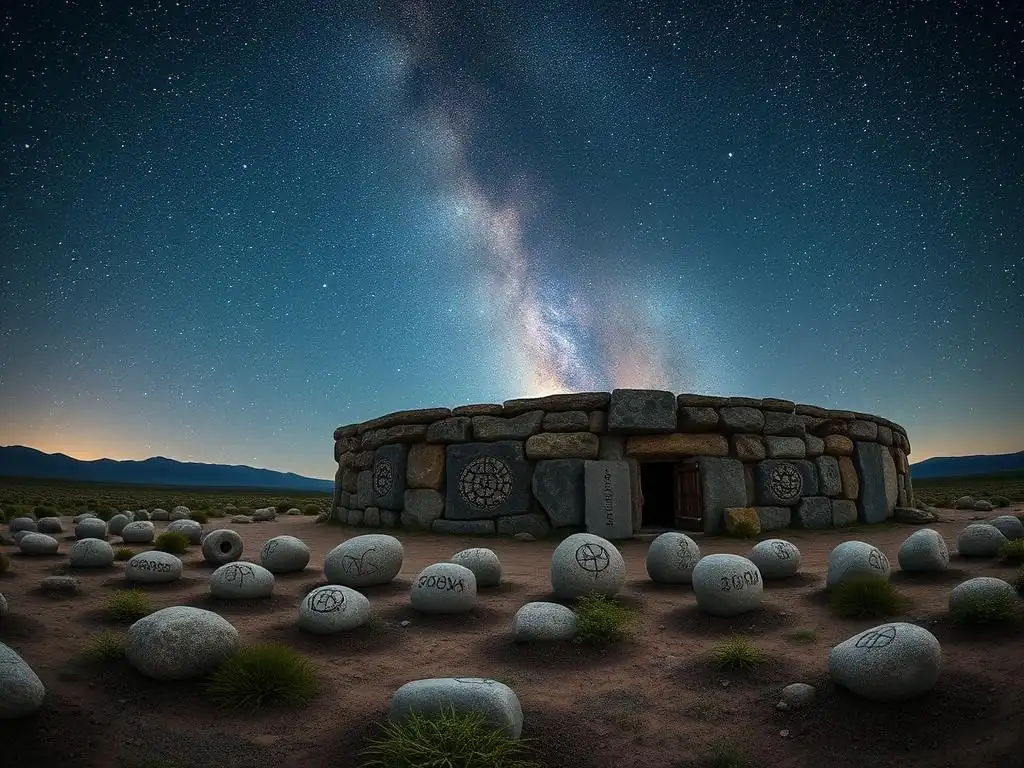
Welcome to Indigenous Civilizations of the Americas, where we delve deep into the rich tapestry of cultures that flourished long before European contact. In our exploration, we uncover the remarkable mathematics behind indigenous stargazing structures, revealing the sophisticated knowledge and skills that these civilizations employed to navigate the cosmos. Join us on this enlightening journey as we celebrate their achievements and understand the profound impact they have had on our world today. Prepare to be captivated by the ingenuity of the past and discover how these ancient practices continue to inspire modern understanding.
Indigenous cultures across the Americas have long been recognized for their profound understanding of astronomy and their remarkable ability to construct stargazing structures that reflect their sophisticated mathematical knowledge. These structures, ranging from ancient observatories to ceremonial sites, were not merely architectural feats; they were deeply intertwined with the spiritual and practical lives of indigenous peoples.
By examining the mathematical foundations behind these stargazing structures, we can gain insight into how indigenous civilizations utilized mathematics to enhance their understanding of the cosmos and integrate it into their daily and ceremonial practices. This article will explore the interplay between mathematics and indigenous stargazing structures, highlighting the geometric, arithmetic, and symmetrical principles that shaped their construction and significance.
Introduction to Indigenous Stargazing Structures
Indigenous stargazing structures serve as a testament to the rich astronomical traditions that flourished in various cultures before European contact. These sites, often aligned with celestial events, reveal a deep connection to the natural world and the cosmos. The construction of these structures required not only an understanding of the stars and their movements but also a sophisticated use of mathematical principles. By studying these structures, we can uncover the remarkable achievements of indigenous peoples in the field of astronomy.
Overview of Indigenous Astronomy Practices
Indigenous astronomy is characterized by its comprehensive and practical approach to observing celestial phenomena. Many cultures developed intricate calendars based on lunar and solar cycles, which were essential for agricultural planning and ceremonial events. For instance, the Maya civilization utilized a complex calendar system that incorporated mathematics to track celestial movements, while the Inca aligned their agricultural practices with the solstices and equinoxes.
- Key practices include:
- Celestial Navigation: Using stars for navigation and orientation.
- Calendar Systems: Developing detailed calendars based on astronomical observations.
- Cultural Narratives: Integrating celestial events into myths and storytelling.
Importance of Stargazing in Indigenous Cultures
Stargazing held immense significance in indigenous cultures, often serving as a spiritual guide and a practical tool. The stars were not just distant objects; they represented ancestors, deities, and natural cycles. By observing the heavens, indigenous peoples could predict seasonal changes, determine the best times for planting and harvesting, and make sense of their place in the universe.
Mathematical Foundations of Indigenous Stargazing Structures
The construction of stargazing structures was grounded in various mathematical principles. Indigenous peoples employed geometry, arithmetic, and a keen sense of symmetry to create these sites, which not only served functional purposes but also reflected their cosmological beliefs.
Geometry in Stargazing Structures
Geometry played a crucial role in the design and alignment of stargazing structures. Many indigenous sites were constructed with specific geometric shapes that corresponded to celestial patterns. For example, the layout of the ancient Maya observatories often featured circular arrangements that facilitated observations of solar and lunar events.
- Examples of geometric applications:
- Circles: Used to represent the cyclical nature of time and celestial movements.
- Triangles and Squares: Incorporated into the design of structures for stability and alignment.
Use of Arithmetic in Astronomical Measurements
Arithmetic was essential for making precise astronomical measurements. Indigenous astronomers utilized counting systems to track the cycles of the moon and sun, allowing them to predict eclipses and other celestial events with remarkable accuracy.
- Applications of arithmetic include:
- Counting Days: Developing calendars based on lunar cycles.
- Measuring Distances: Calculating the angles between celestial bodies.
Symmetry and Patterns in Indigenous Designs
Symmetry and patterns were integral to the aesthetics and functionality of stargazing structures. Indigenous designers often employed symmetrical layouts to reflect the balance observed in nature and the cosmos. These patterns were not only visually appealing but also served to enhance the site’s alignment with celestial events.
- Significant aspects of symmetry and patterns:
- Reflective Designs: Mirroring natural landscapes and celestial phenomena.
- Cultural Symbolism: Incorporating motifs that held spiritual significance.
Exploring the mathematical foundations of indigenous stargazing structures reveals a rich tapestry of knowledge that highlights the remarkable achievements of these cultures in astronomy and mathematics. The interplay between these disciplines not only underscores the sophistication of indigenous practices but also their profound connection to the cosmos.
Cultural Significance of Mathematics in Indigenous Astronomy
Mathematics played a pivotal role in the development and construction of indigenous stargazing structures across the Americas. For many indigenous cultures, mathematics was not merely a tool for calculation; it was deeply intertwined with their cosmological beliefs, rituals, and societal organization. The alignment of structures with celestial bodies often reflected the community's understanding of time, seasons, and agricultural cycles.
Indigenous astronomers utilized geometry and arithmetic to design structures that facilitated astronomical observations, enabling them to track celestial movements with precision. This mathematical expertise allowed them to create calendars, predict eclipses, and determine the optimal times for planting and harvesting. Moreover, the cultural significance of these mathematical practices extended beyond mere survival; they were integral to the spiritual life of communities, reinforcing their connection to the cosmos and their ancestral traditions.
The Relationship Between Mathematics and Cosmology
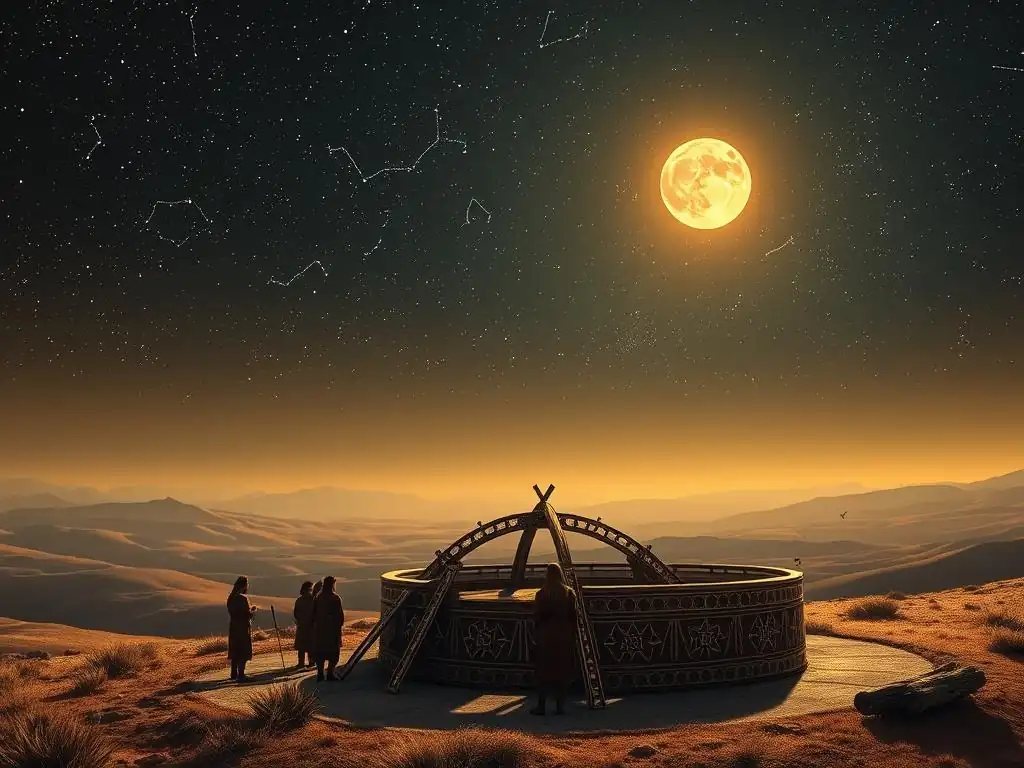
The relationship between mathematics and cosmology in indigenous cultures is profound and multifaceted. Many indigenous peoples viewed the universe as a living entity, with celestial bodies representing deities or ancestral spirits. As such, their understanding of the cosmos was deeply rooted in their mathematical knowledge, which they employed to construct narratives about creation and existence.
For instance, the positioning of stars and planets was often reflected in the layout of stargazing structures. The use of geometric principles allowed indigenous astronomers to encode cosmological beliefs into their architectural designs. The mathematics of symmetry, angles, and alignments was crucial for ensuring that these structures served their intended astronomical purposes, allowing for accurate observations of celestial events.
Indigenous Knowledge Systems and Mathematical Traditions
Indigenous knowledge systems encompass a wide array of philosophical and practical understandings of the world, including mathematics. These systems often involve oral traditions, which have preserved complex mathematical concepts over generations. The integration of mathematics within these knowledge systems highlights how indigenous peoples approached problem-solving and understanding their environment.
For instance, many indigenous cultures developed sophisticated counting systems, which were essential for trade, resource management, and social organization. The mathematical principles embedded within these systems reflect a deep engagement with the natural world, showing how indigenous peoples used mathematics to navigate their surroundings and maintain harmonious relationships with their environment.
Case Studies of Indigenous Stargazing Structures
Example 1: The Medicine Wheel
The Medicine Wheel is a notable example of an indigenous stargazing structure that embodies mathematical principles. Found predominantly in the Plains tribes of North America, these stone constructions often consist of a circular arrangement of stones radiating from a central hub. The layout of the Medicine Wheel is not arbitrary; it is aligned with cardinal directions and significant celestial events, such as solstices and equinoxes.
The geometric shape of the Medicine Wheel serves as a practical tool for astronomical observation, allowing indigenous peoples to mark the positions of celestial bodies throughout the year. Additionally, the structure holds cultural significance, symbolizing the interconnectedness of life, the earth, and the cosmos, reflecting the mathematical harmony inherent in the universe.
Example 2: The Mound Builders' Observatories
The Mound Builders, particularly the ancient cultures of the Mississippi River Valley, constructed large earthen mounds that served as observatories for stargazing. These mounds were often built with precise geometrical shapes and alignments, enabling the observation of celestial events with great accuracy.
One prominent site, Cahokia, features mounds that align with the rising and setting of specific stars and the solstices. The mathematical calculations involved in the construction of these mounds demonstrate the advanced understanding of geometry and spatial awareness possessed by the Mound Builders. Their observatories not only facilitated astronomical observations but also played a crucial role in their agricultural practices and religious ceremonies, illustrating the profound connection between mathematics, astronomy, and indigenous culture.
Techniques and Methods in Indigenous Astronomy
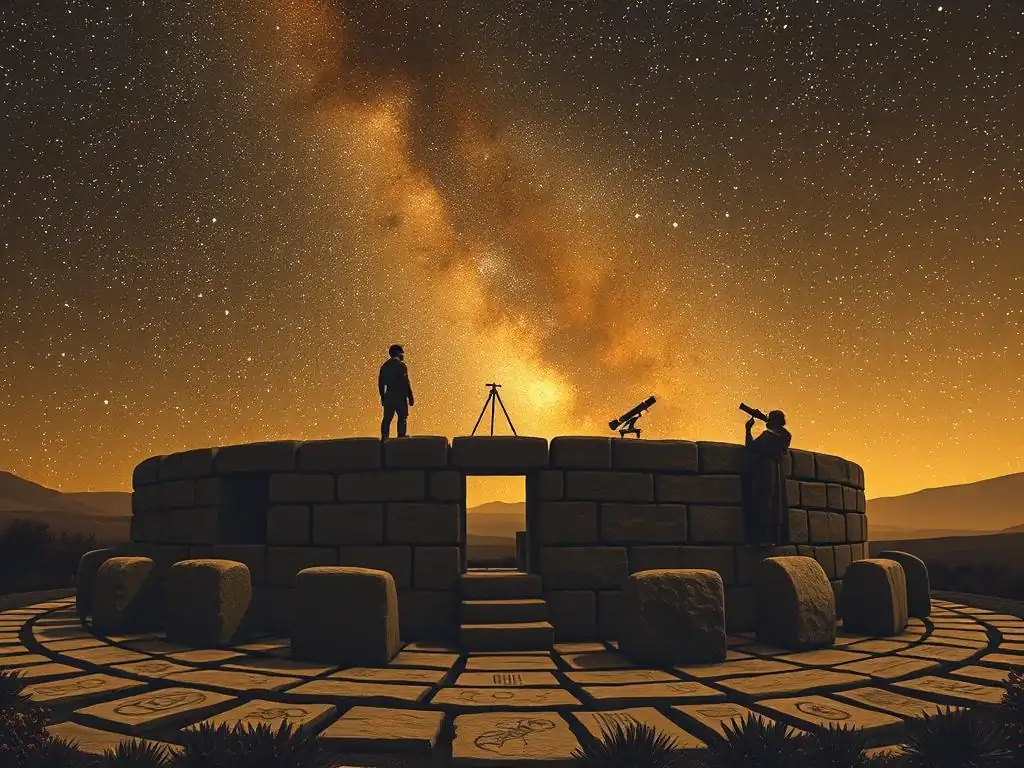
Indigenous cultures across the Americas employed a variety of techniques and methods in astronomy that were deeply intertwined with their daily lives, spiritual practices, and agricultural cycles. These methods were not only practical but also sophisticated, reflecting a profound understanding of the cosmos. The indigenous peoples observed celestial bodies and their movements meticulously, developing systems of knowledge that informed their navigation, calendar systems, and agricultural practices.
Observational Techniques for Stargazing
Indigenous astronomers utilized keen observational techniques, often relying on the naked eye to track the movements of stars, planets, and celestial events. They positioned themselves in locations that provided unobstructed views of the night sky, such as elevated terrains or clearings.
Key observational techniques included:
- Star Paths: Indigenous astronomers mapped the paths of stars across the sky, noting their positions at different times of the year. They created star maps that were used for navigation and timing agricultural activities.
- Solstice and Equinox Markers: Many cultures built structures aligned with the sun's position during solstices and equinoxes, using these events to mark seasonal changes and agricultural cycles. For instance, the Inca constructed the Intihuatana stone to track solar movements.
- Lunar Observations: The phases of the moon were carefully monitored, leading to the development of lunar calendars that guided planting and harvesting activities.
Mathematical Calculations for Celestial Events
Mathematics played a crucial role in the calculations required for predicting celestial events. Indigenous mathematicians developed methods to estimate the timing of solar and lunar eclipses, planetary alignments, and other astronomical phenomena.
Key calculations involved:
- Circular Geometry: Many indigenous cultures understood concepts of circular geometry to calculate the movements of celestial bodies. They used this knowledge to determine angles and distances between stars.
- Cycles of Celestial Bodies: Cultures such as the Maya developed complex calendars that included cycles of the moon, sun, and planets. Their calculations allowed them to accurately predict eclipses and other significant celestial events.
- Trigonometric Principles: Some indigenous groups employed principles akin to trigonometry to assess celestial angles, facilitating navigation and timekeeping.
Tools and Instruments Used in Indigenous Astronomy
Indigenous peoples created various tools and instruments to aid in their astronomical observations and calculations. These tools were often made from locally available materials and reflected the ingenuity of indigenous engineers and mathematicians.
Notable instruments included:
- Gnomons: Simple sticks or poles were used to cast shadows, allowing indigenous astronomers to measure the sun's position and track time based on the shadow's length.
- Stone Circles and Alignments: Many cultures built stone structures, such as the medicine wheels of the Plains Indigenous cultures, which served as astronomical observatories, allowing for the tracking of solstices and equinoxes.
- Calendrical Devices: The Maya created intricate calendrical systems using carved stones and other markers to keep track of celestial events, showcasing their advanced understanding of mathematics and astronomy.
The Impact of Indigenous Stargazing Structures on Modern Astronomy
The indigenous stargazing structures and the mathematical systems they developed have significantly influenced modern astronomy. The integration of indigenous knowledge into contemporary astronomical practices highlights the importance of recognizing and valuing these ancient contributions.
Contributions of Indigenous Mathematics to Contemporary Astronomy
Indigenous mathematics provides a rich foundation for modern astronomical practices by offering unique perspectives on celestial navigation and timekeeping. Many contemporary astronomers are now acknowledging the complex mathematical understanding that indigenous peoples had regarding celestial movements.
Examples of contributions include:
- Calendrical Systems: Modern researchers study indigenous calendars to enhance our understanding of astronomical cycles, influencing agricultural practices and environmental management.
- Navigation Techniques: Techniques developed by indigenous navigators, such as using constellations for direction, are being revisited in modern navigation technology, enhancing our understanding of celestial navigation.
- Astronomical Models: Indigenous models of the universe, which often incorporate spiritual and cultural dimensions, challenge contemporary astronomers to broaden their perspectives on the cosmos.
Preservation of Indigenous Knowledge and Its Relevance Today
The preservation of indigenous astronomical knowledge is crucial for both cultural heritage and scientific advancement. This knowledge is not only a testament to ancient achievements but also holds relevance in today’s world, especially in discussions of sustainability and environmental stewardship.
Key aspects of preservation include:
- Cultural Revitalization: Many indigenous communities are actively working to revitalize their astronomical traditions through education, storytelling, and cultural events, ensuring that these practices are passed down to future generations.
- Integration into Education: Incorporating indigenous astronomical knowledge into educational curricula fosters a deeper appreciation for the contributions of indigenous cultures to science and mathematics.
- Collaborative Research: Ongoing collaborations between indigenous knowledge holders and scientists are creating opportunities to blend traditional knowledge with modern scientific approaches, leading to innovative solutions for contemporary challenges.
The role of mathematics in the construction of indigenous stargazing structures serves as a powerful reminder of the sophistication of ancient civilizations and their lasting impact on both astronomy and cultural heritage today.
Conclusion
The construction of indigenous stargazing structures is a testament to the advanced mathematical knowledge possessed by various indigenous cultures across the Americas. These structures, ranging from simple stone arrangements to intricate ceremonial observatories, were not merely functional but also embedded with deep cosmological significance. The precise alignments to celestial bodies, the geometric configurations, and the mathematical principles used in their design reveal a sophisticated understanding of mathematics that was deeply interwoven with their cultural practices and astronomical observations.
Through the study of these stargazing structures, we gain insight into how indigenous peoples perceived and interacted with the cosmos. Their ability to create these structures, often with limited technology, highlights their ingenuity and the importance of mathematics as a tool for understanding their environment. This knowledge not only facilitated agricultural practices and navigational strategies but also fostered a profound spiritual connection to the universe.
Summary of Key Points on Indigenous Stargazing Structures Mathematics
- Mathematical Precision: Indigenous cultures utilized geometry and arithmetic to design stargazing structures, ensuring accurate alignments with celestial events such as solstices and equinoxes.
- Cultural Significance: The structures were not only astronomical tools but also held cultural and religious importance, reflecting the societies' beliefs and traditions.
- Diverse Techniques: Different indigenous groups employed unique mathematical methods tailored to their specific environments and astronomical needs, demonstrating a rich diversity in mathematical systems.
- Interdisciplinary Knowledge: The construction of these structures involved a blend of mathematics, astronomy, architecture, and environmental science, illustrating the interconnectedness of these fields within indigenous knowledge systems.
- Influence on Modern Practices: The mathematical principles used in indigenous stargazing structures continue to influence contemporary astronomical practices and underscore the enduring relevance of indigenous knowledge in today's scientific discourse.
The Lasting Legacy of Indigenous Mathematical Systems in Astronomy
The mathematical systems developed by indigenous cultures in relation to astronomy have left an indelible mark on our understanding of mathematics and science. These systems were often holistic, integrating observations of the cosmos with practical applications in agriculture, navigation, and timekeeping. The legacy of these mathematical practices is evident in several key areas:
- Cultural Resilience: The enduring knowledge of indigenous astronomical practices showcases the resilience of these cultures in maintaining their mathematical traditions despite the challenges posed by colonization and modernization.
- Scientific Contributions: Indigenous mathematical systems contribute valuable perspectives to contemporary astronomical research, offering alternative methods of understanding celestial phenomena that may differ from Western scientific paradigms.
- Educational Frameworks: The integration of indigenous mathematical knowledge into educational systems can enrich STEM (science, technology, engineering, and mathematics) curricula, promoting a more inclusive understanding of mathematics and its diverse applications.
- Cultural Heritage: Recognizing and preserving the mathematical achievements of indigenous cultures fosters a greater appreciation for their contributions to global knowledge. It also encourages respect for their cultural heritage and promotes awareness of the importance of indigenous wisdom in contemporary society.
The role of mathematics in the construction of indigenous stargazing structures not only highlights the intellectual achievements of these civilizations but also serves as a crucial reminder of the importance of preserving and valuing diverse knowledge systems in our understanding of the universe.
- Introduction to Indigenous Stargazing Structures
- Mathematical Foundations of Indigenous Stargazing Structures
- Cultural Significance of Mathematics in Indigenous Astronomy
- The Relationship Between Mathematics and Cosmology
- Indigenous Knowledge Systems and Mathematical Traditions
- Case Studies of Indigenous Stargazing Structures
- Techniques and Methods in Indigenous Astronomy
- The Impact of Indigenous Stargazing Structures on Modern Astronomy
- Conclusion
Frequently Asked Questions
What are indigenous stargazing structures?
Indigenous stargazing structures are architectural designs created by native cultures to observe celestial bodies. They often reflect a deep understanding of astronomy and the mathematical principles behind celestial movements.
How did mathematics play a role in these structures?
Mathematics was essential in designing stargazing structures as it helped in calculating alignments with celestial phenomena. Indigenous people utilized geometry and astronomical calculations to enhance their understanding of the universe.
Which indigenous cultures are known for their stargazing structures?
Several indigenous cultures, including the Maya, Inca, and various North American tribes, built sophisticated structures for stargazing. Each culture incorporated their unique mathematical knowledge and cosmological beliefs into these designs.
What is the significance of these structures today?
These structures hold cultural significance, showcasing the advanced mathematics and astronomical knowledge of indigenous civilizations. They continue to inspire contemporary archaeological studies and astronomy education.
How can I learn more about indigenous mathematics and stargazing?
To explore more about indigenous mathematics and stargazing, you can visit dedicated websites, museums, and educational platforms that focus on indigenous cultures and their scientific achievements in astronomy.
Final Reflection: The Interwoven Legacy of Mathematics and Indigenous Stargazing
The exploration of indigenous stargazing structures reveals a profound connection between mathematics and cultural heritage that remains strikingly relevant today. As we navigate an increasingly technology-driven world, the ancient wisdom embedded in these structures serves as a reminder of the sophisticated understanding of the cosmos that indigenous peoples possessed long before modern scientific advancements. This intersection of mathematics and cultural identity not only enriches our appreciation of indigenous knowledge but also challenges us to rethink our relationship with the universe.
The influence of indigenous stargazing structures extends beyond mere historical significance; it continues to shape our cultural and social landscape. By recognizing the mathematical principles that underpin these celestial observatories, we can foster a deeper respect for indigenous cultures and their contributions to astronomy. As noted by renowned astronomer Dr. Linda Billings, Indigenous knowledge systems offer unique insights into the cosmos, reminding us that science is not solely a product of the Western world.
This perspective encourages us to embrace a more inclusive understanding of knowledge, one that honors diverse ways of knowing and being.
As we reflect on the lessons learned from the mathematics of indigenous stargazing structures, let us take this opportunity to engage with the world around us more thoughtfully. I invite you to explore the cosmos through the lens of indigenous wisdom, to appreciate the intricate mathematics that informs not only their stargazing practices but also our own understanding of the universe. By doing so, we can cultivate a sense of connection to the past while inspiring future generations to honor and preserve the rich tapestry of knowledge that exists within indigenous cultures.
Unveil the Secrets of Indigenous Stargazing!
Thank you for taking the time to explore the fascinating connection between mathematics and indigenous stargazing practices. You've gained valuable insights into how ancient civilizations utilized these mathematical principles to connect with the universe. Ready to dive even deeper? Here’s how you can take your newfound knowledge to the next level!
- Explore local indigenous history: Visit museums or cultural centers dedicated to indigenous astronomy and discover more about their celestial practices.
- Share your enthusiasm: Discuss your learnings with friends or engage in online communities; let's spread awareness of these incredible achievements!
- Create your own stargazing chart: Use traditional indigenous techniques to map the stars from your own backyard, deepening your connection with nature and history.
Have you ever considered how these mathematical principles might influence modern architecture in your community?