
The Impact of Climate on Indigenous Irrigation Practices: Adapting to Nature's Challenges

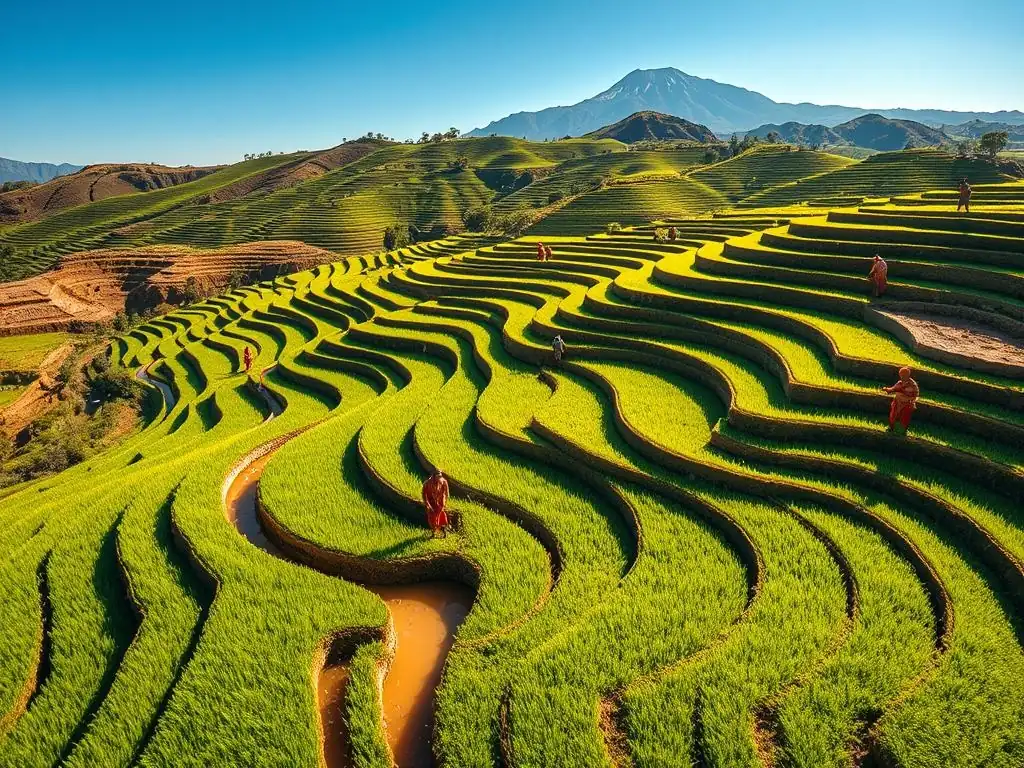
Welcome to Indigenous Civilizations of the Americas, where we invite you to embark on a journey through the rich tapestry of indigenous cultures that flourished long before European contact. In our featured article, "The Impact of Climate on Indigenous Irrigation Practices: Adapting to Nature's Challenges," we delve into the innovative irrigation techniques developed by these remarkable societies, showcasing their resilience and adaptability to the shifting climate.
Discover how these ancient practices not only shaped their communities but also left a lasting legacy that continues to influence contemporary environmental stewardship. Prepare to be inspired as you explore the profound wisdom embedded in these traditions and their relevance in today's world.
Introduction to Indigenous Irrigation Practices
Indigenous irrigation practices have long been a vital aspect of agricultural development within diverse cultures across the Americas. These practices not only reflect the ingenuity and adaptability of indigenous peoples but also reveal how closely intertwined their agricultural systems are with the climate.
This article delves into the intricate relationship between climate and indigenous irrigation methods, exploring how these communities have learned to harness and adapt to environmental challenges over centuries. By examining the various systems in use and their evolution in response to climate variability, we can gain a deeper appreciation for the resilience and innovation inherent in these practices.
Overview of Indigenous Irrigation Systems
Indigenous peoples across the Americas developed a wide array of irrigation systems tailored to their unique environments. From the advanced aqueducts of the Hohokam in present-day Arizona to the intricate terrace farming of the Inca in the Andes, these systems were designed to maximize water use efficiency and enhance crop yields.
Key features of these systems include:
- Canals and Ditches: Many cultures constructed elaborate networks of canals to divert water from rivers and streams to their fields.
- Terracing: In mountainous regions, terraces were built to reduce soil erosion and optimize rainfall capture.
- Water Storage: Techniques such as using cisterns or ponds allowed communities to store water during dry spells.
These innovations underscore the deep understanding indigenous peoples had of their local ecosystems and the climatic conditions that influenced their agricultural practices.
Importance of Climate in Agricultural Success
Climate plays a crucial role in determining agricultural success, influencing factors such as water availability, soil fertility, and growing seasons. Indigenous irrigation practices were often developed in direct response to climatic conditions, allowing communities to thrive in areas that may have otherwise been inhospitable for farming.
- Water Management: Effective irrigation systems allowed for the management of water resources, crucial in regions with irregular rainfall patterns.
- Crop Selection: Indigenous farmers tailored their crop choices based on climate, selecting varieties that would thrive in their specific environments.
Understanding this relationship between climate and agriculture is essential for appreciating the sustainability and resilience of indigenous irrigation practices.
Understanding Climate Variability
Definition of Climate Variability
Climate variability refers to the fluctuations in climate conditions over time, which can significantly impact agricultural practices. These variations can occur on various time scales, from seasonal changes to longer-term shifts associated with climate change. Recognizing these patterns is vital for understanding how indigenous communities have adapted their irrigation practices over generations.
Historical Climate Patterns in the Americas
Throughout history, the Americas have experienced a range of climate patterns that have influenced indigenous agricultural practices. Events such as the Little Ice Age or prolonged droughts have necessitated adaptations in irrigation. For example, the Ancestral Puebloans in the Southwest developed sophisticated methods to manage water scarcity during periods of drought, showcasing their resilience.
| Historical Event | Impact on Indigenous Irrigation Practices |
|---|---|
| Little Ice Age | Shift towards more water-efficient crops |
| Prolonged Droughts | Development of advanced water conservation techniques |
Effects of Climate Change on Traditional Practices
Today, climate change poses new challenges for indigenous irrigation practices. Rising temperatures, altered precipitation patterns, and increased frequency of extreme weather events threaten the sustainability of these systems. Many indigenous communities are now facing the daunting task of adapting their age-old techniques to a rapidly changing environment.
- Altered Water Availability: Changes in snowmelt and rainfall can disrupt traditional irrigation schedules.
- Crop Viability: Shifts in temperature and precipitation can render traditional crops less viable, necessitating a reevaluation of agricultural practices.
Indigenous knowledge systems and practices are crucial for adapting to these challenges, emphasizing the importance of maintaining traditional ecological knowledge in the face of climate impacts. By exploring these themes, this article aims to shed light on the resilience and adaptability of indigenous irrigation practices amidst nature's challenges.
Indigenous Irrigation Practices and Their Adaptations
Indigenous peoples across the Americas developed a wide range of irrigation practices that were intricately adapted to their local environments and the climatic conditions they faced. These practices were not merely a means of agricultural production; they represented profound knowledge of the ecosystems in which these civilizations existed. From the arid deserts of the Southwest to the lush river valleys of Mesoamerica, indigenous irrigation systems showcased innovative techniques that allowed communities to thrive despite the challenges posed by nature.
The adaptability of these irrigation practices was crucial for sustaining crops and ensuring food security. Indigenous farmers utilized a variety of methods, including the construction of terraces, canals, and aqueducts, as well as the implementation of seasonal planting strategies that aligned with climatic cycles. By observing weather patterns and soil conditions, they could optimize their agricultural output, demonstrating a deep connection to their land and a remarkable understanding of ecological balance.
Overview of Various Irrigation Techniques
Indigenous irrigation techniques varied widely across different regions, reflecting local geography, climate, and cultural practices. Some notable methods include:
- Terracing: In the Andes, the Inca civilization developed extensive terracing to cultivate steep slopes. This technique minimized soil erosion and allowed for efficient water management.
- Canal Systems: The Hohokam people in present-day Arizona constructed sophisticated canal systems that diverted water from rivers to fields, enabling agriculture in an otherwise arid landscape.
- Raised Field Agriculture: In the Amazon basin, certain groups built raised fields to manage flooding and improve drainage, which enhanced crop resilience and productivity.
- Floodplain Farming: Indigenous communities along rivers utilized floodplain farming, where crops were planted in areas that would be naturally irrigated by seasonal floods, ensuring a reliable water source.
These diverse techniques highlight the ingenuity of indigenous cultures in responding to their environmental conditions and underscore their ability to innovate and adapt.
Impact of Climate on Irrigation Practices
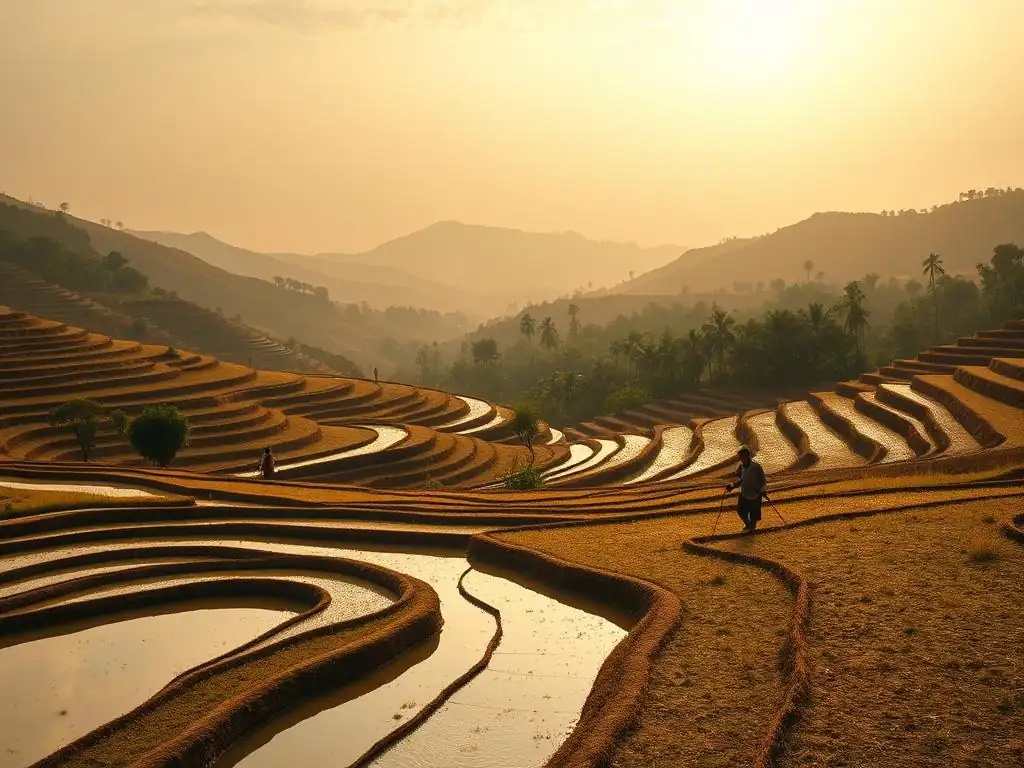
Climate has always played a pivotal role in shaping indigenous irrigation practices. Variability in precipitation, temperature, and seasonal patterns directly influenced how communities managed water resources. As climate conditions shifted over time, indigenous peoples had to adjust their irrigation strategies to ensure agricultural sustainability. This adaptability not only reflects their resilience but also their deep understanding of the natural world.
How Drought Affects Water Management
Drought is one of the most significant climatic challenges faced by indigenous communities, particularly in arid regions. Prolonged periods of low rainfall can lead to water scarcity, which in turn forces communities to adapt their irrigation practices. Indigenous farmers often employed several strategies to cope with drought:
- Rainwater Harvesting: Many groups developed techniques for capturing and storing rainwater to use during dry spells.
- Crop Rotation and Diversity: By rotating crops and planting drought-resistant varieties, they minimized the risk of total crop failure.
- Soil Conservation Practices: Techniques such as mulching and using organic matter helped retain soil moisture and improve fertility, making crops more resilient to drought conditions.
These adaptations highlight the proactive measures taken by indigenous cultures to mitigate the impacts of drought on their agricultural systems.
Flooding and Its Influence on Irrigation Strategies
Conversely, flooding can also significantly impact indigenous irrigation practices. While seasonal floods can provide necessary irrigation, excessive flooding can damage crops and erode soil. Indigenous communities developed a variety of strategies to manage these conditions:
- Building Levees and Canals: Many societies constructed levees to protect fields from flooding and canals to redirect excess water.
- Floodplain Management: By understanding the seasonal patterns of flooding, farmers could time their planting to coincide with natural irrigation while avoiding the most vulnerable periods.
- Cultivating Flood-Resistant Crops: Some communities selected crops that could thrive in wetter conditions, thus ensuring food production even in adverse weather.
These strategies demonstrate the resilience and ingenuity of indigenous irrigation practices in the face of climate variability.
Temperature Changes and Crop Yield Variability
Changes in temperature can dramatically affect crop yields, influencing planting schedules, growth rates, and the overall productivity of indigenous agriculture. Temperature fluctuations can lead to several challenges, including:
- Altered Growth Cycles: Warmer temperatures may accelerate plant growth, but they can also shorten the growing season if conditions become too extreme.
- Increased Pest and Disease Pressure: Higher temperatures can create favorable conditions for pests and diseases, posing additional risks to crop yields.
- Shifts in Crop Viability: As temperature ranges change, some traditional crops may become less viable, prompting communities to adapt by introducing new varieties that can withstand altered conditions.
Indigenous farmers have historically responded to temperature changes by diversifying their crops, adjusting planting schedules, and employing agricultural techniques that promote resilience. This adaptability underscores the intricate relationship between climate and indigenous irrigation practices, showcasing how these cultures have continually evolved in response to the challenges posed by their environment.
Indigenous Knowledge Systems and Climate Adaptation
Indigenous knowledge systems have long served as vital resources for understanding and adapting to the complexities of climate and environmental change. These systems encompass a wealth of information accrued over generations, reflecting a deep connection to local ecosystems. Indigenous peoples have developed intricate methods of irrigation that are finely attuned to their specific environmental conditions, enabling them to cultivate crops efficiently even in challenging climates.
Through observations of natural patterns, weather phenomena, and soil conditions, indigenous communities have been able to devise irrigation techniques that are sustainable and resilient. This adaptive capacity is rooted in a holistic understanding of the interrelationships between water, land, and local flora and fauna. By integrating traditional ecological knowledge (TEK) with modern scientific insights, indigenous practices can contribute to effective climate adaptation strategies, reinforcing food security and biodiversity.
Role of Traditional Ecological Knowledge (TEK)
Traditional Ecological Knowledge (TEK) plays a crucial role in how indigenous communities adapt their irrigation practices to changing climate conditions. TEK encompasses the cumulative body of knowledge, practices, and beliefs concerning the relationship of living beings with their environment. It includes understanding seasonal changes, water cycles, and the behavior of plant and animal species, which are essential for effective agricultural management.
Indigenous farmers often rely on TEK to make informed decisions about crop selection, planting times, and irrigation techniques. For example, in the arid regions of the southwestern United States, Pueblo farmers have utilized TEK to develop sophisticated floodwater harvesting systems that maximize water retention and minimize soil erosion. This knowledge is not only practical but also culturally significant, as it embodies the values and worldviews of indigenous communities.
Furthermore, TEK is dynamic and evolves in response to new environmental conditions, including climate change. As indigenous peoples observe shifts in weather patterns, they adapt their practices accordingly, demonstrating resilience and innovation rooted in their historical experiences.
Case Studies of Successful Adaptations
Several case studies exemplify how indigenous communities have successfully adapted their irrigation practices in response to climate challenges.
- The Hohokam Civilization: In present-day Arizona, the Hohokam developed an extensive network of canals to irrigate their crops. These canals were adapted over time to accommodate changing water availability due to climate variability. The Hohokam's ability to manage water resources effectively allowed them to thrive in a desert environment.
- The Quechua People of the Andes: The Quechua have employed a variety of terrace farming techniques that optimize water use and minimize runoff. By constructing terraces along the steep slopes of the Andes, they have reduced soil erosion and preserved moisture, enabling them to cultivate a diverse array of crops even in harsh conditions.
- The Inuit of the Arctic: While often associated with cold climates, some Inuit communities have adapted their traditional hunting and fishing practices to account for changing ice conditions due to climate change. Innovations in tracking animal migration patterns and adjusting fishing methods reflect their resilience in the face of environmental shifts.
These case studies illustrate the effectiveness of indigenous irrigation practices as adaptive strategies that not only support food production but also sustain cultural identities.
Challenges Faced by Indigenous Communities
Despite their resilience and adaptability, indigenous communities face numerous challenges related to climate change that threaten their irrigation practices and overall livelihoods.
Socioeconomic Impacts of Climate Change
Climate change has exacerbated existing socioeconomic vulnerabilities among indigenous populations. Many indigenous communities depend heavily on agriculture and natural resources for their livelihoods. Changes in temperature and precipitation patterns can lead to crop failures, reduced yields, and increased competition for water resources.
Additionally, socioeconomic factors such as poverty, limited access to markets, and inadequate infrastructure hinder the ability of indigenous farmers to adapt effectively. As a result, these communities may experience food insecurity, loss of income, and increased health risks, which can further entrench cycles of poverty.
Loss of Traditional Knowledge and Practices
The erosion of traditional knowledge and practices poses a significant threat to indigenous irrigation systems. Factors such as globalization, urbanization, and the migration of younger generations to urban areas contribute to a decline in the transmission of TEK. As elders, who are the primary holders of this knowledge, pass away, invaluable insights about local ecosystems, irrigation techniques, and sustainable practices risk being lost.
Moreover, the assimilation of indigenous peoples into dominant cultures often leads to the devaluation of traditional practices. This loss not only undermines agricultural resilience but also affects the cultural identity and social cohesion of indigenous communities.
Policy and Environmental Challenges
Indigenous communities frequently encounter policy and environmental challenges that complicate their ability to implement effective irrigation practices. Many governments prioritize industrial agriculture and large-scale water management projects, which can diminish traditional water rights and access for indigenous peoples. This marginalization often results in conflicts over land and water resources, further exacerbating the vulnerabilities of these communities.
Additionally, environmental degradation, driven by factors such as deforestation, pollution, and climate change, reduces the availability and quality of water resources. As indigenous peoples rely on healthy ecosystems for their irrigation practices, the degradation of these environments poses a direct threat to their agricultural sustainability and cultural heritage.
While indigenous irrigation practices have proven adaptable in the face of climate challenges, the ongoing threats posed by socioeconomic factors, loss of traditional knowledge, and policy constraints require urgent attention and support to ensure their survival and resilience.
Future Prospects for Indigenous Irrigation Practices
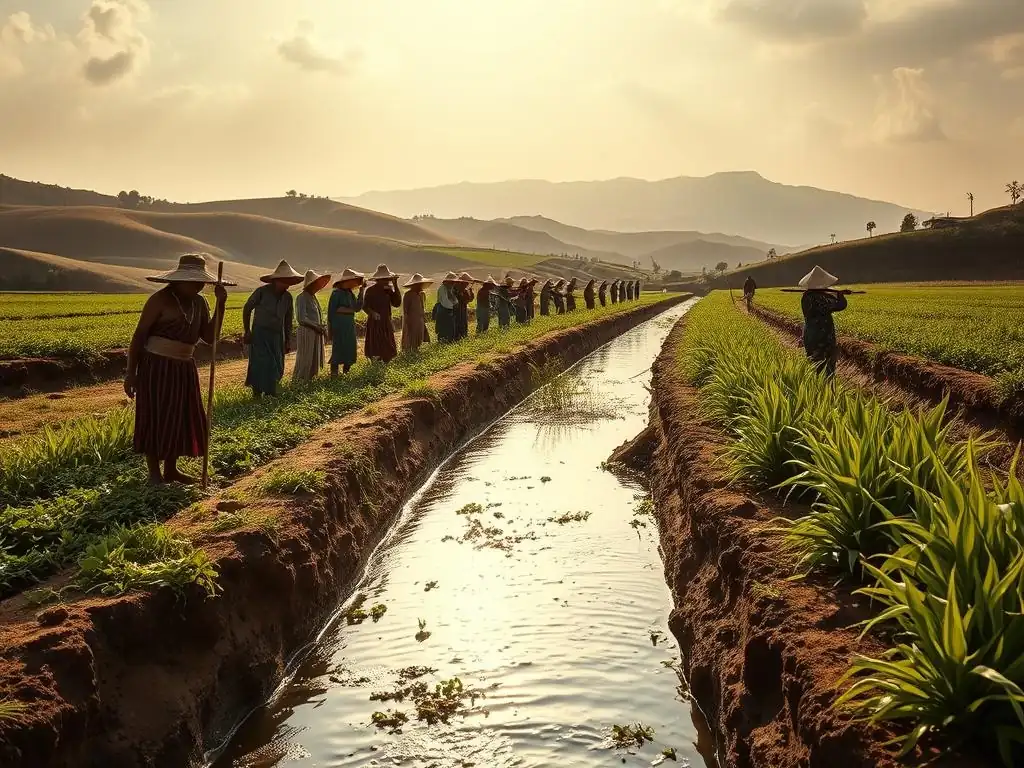
The future of indigenous irrigation practices is intrinsically linked to the evolving challenges posed by climate change. As weather patterns become increasingly unpredictable, indigenous communities, known for their deep understanding of local ecosystems, are poised to adapt their time-honored techniques to meet new environmental conditions. This adaptability highlights an invaluable reservoir of knowledge that can inform modern agricultural practices, creating a bridge between traditional wisdom and contemporary needs.
The integration of indigenous irrigation methods with advanced climate resilience strategies will be essential. By leveraging ancient techniques such as terrace farming, check dams, and the use of native plant species, these practices can help mitigate the impacts of droughts and floods. Furthermore, communities are looking forward to enhancing their irrigation systems with modern technologies, ensuring that their traditional methods remain relevant and effective in the face of climate change.
Sustainable Practices for Climate Resilience
Indigenous irrigation practices are inherently sustainable, as they often utilize local resources and promote biodiversity. For instance, methods such as the use of contour plowing and agroecology not only enhance soil health but also conserve water by reducing runoff and evaporation. These practices foster resilience against climate variations by maintaining ecological balance and supporting diverse crops that can withstand changing conditions.
Moreover, many indigenous communities have successfully implemented water management systems that are both efficient and adaptive. Techniques like rainwater harvesting and the construction of small, localized water reservoirs allow for the storage and meticulous distribution of water during dry spells. These sustainable practices not only ensure food security but also empower communities to thrive despite climate challenges, making them a model for resilience in agriculture globally.
Importance of Preservation and Education
Preserving indigenous irrigation practices is crucial not only for cultural heritage but also for ecological sustainability. The knowledge embedded in these practices reflects centuries of adaptation to environmental changes and should be recognized as a vital part of global agricultural innovation. Educational initiatives that promote the understanding and application of these methods can help ensure their continued relevance.
Partnerships between indigenous communities and educational institutions can foster a new generation of practitioners who appreciate the significance of traditional techniques. Workshops, cultural exchanges, and mentorship programs can facilitate the transmission of knowledge, ensuring that these practices are not lost to time. By valuing and integrating indigenous wisdom into contemporary education, society can cultivate a deeper respect for the environment and promote sustainable agricultural practices.
Collaboration with Modern Agricultural Techniques
The collaboration between indigenous irrigation practices and modern agricultural techniques promises to produce innovative solutions to contemporary challenges. By integrating traditional knowledge with cutting-edge technology, such as precision irrigation systems and soil moisture sensors, farmers can maximize efficiency and minimize resource waste.
For example, the use of drones for monitoring crop health can complement indigenous methods of observation and seasonal planning, leading to a more comprehensive approach to farming. This synergy can enhance crop yields and increase resilience to climate change, benefiting both indigenous and non-indigenous farmers alike. Establishing collaborative networks that encourage the sharing of knowledge and resources will be crucial in fostering sustainable agricultural practices that honor the past while addressing future challenges.
Conclusion
Summary of the Impact of Climate on Indigenous Irrigation Practices
The impact of climate on indigenous irrigation practices is profound and multifaceted. As indigenous communities face the challenges posed by climate change, their traditional techniques offer invaluable insights into sustainable agriculture. These practices, rooted in a deep understanding of local ecosystems, not only promote resilience but also contribute to biodiversity and environmental stewardship.
The ongoing adaptation of these methods in response to changing climate conditions showcases the ingenuity and resourcefulness of indigenous cultures. As they continue to innovate and preserve their heritage, the knowledge they hold can provide critical solutions for modern agricultural challenges.
Call to Action for Support and Research in Indigenous Technologies
To support the future of indigenous irrigation practices, it is imperative that we invest in research and initiatives that promote their preservation and application. Funding programs aimed at documenting and revitalizing traditional irrigation methods can ensure that these practices are not only preserved but also adapted for contemporary use.
Additionally, fostering partnerships between indigenous communities, researchers, and agricultural organizations can lead to innovative solutions that benefit all. By advocating for policies that recognize and support indigenous knowledge systems, we can contribute to a more sustainable agricultural future that honors the rich heritage of indigenous civilizations while addressing the pressing challenges of climate change.
References
Cited Works and Further Reading on Indigenous Irrigation Practices and Climate Impact
-
"The Inca Empire: A Multidisciplinary Approach to the Study of the Inca Civilization"
This comprehensive work by various authors explores the advanced agricultural techniques of the Inca civilization, including their sophisticated irrigation systems designed to adapt to the diverse climates of the Andes. It highlights how these practices enabled them to cultivate crops in challenging environments.
-
"Desert Agriculture: A Historical Perspective"
This book delves into the agricultural practices of indigenous peoples in arid regions, particularly focusing on the innovative irrigation methods developed by groups such as the Hohokam in the American Southwest. The authors analyze how climate influenced these practices and their sustainability over time.
-
"Water and the Indigenous Peoples of North America"
This edited volume provides insights into various indigenous water management strategies across North America, emphasizing the relationship between climate and irrigation practices. It includes case studies that showcase how indigenous communities have historically adapted their agricultural techniques to changing environmental conditions.
-
"Ancient Agriculture: A History and Overview of Pre-Columbian Farming Practices"
This work offers a detailed examination of pre-Columbian agricultural systems across the Americas, highlighting the impact of regional climates on irrigation. The book discusses the diversity of crops cultivated and the irrigation technologies employed by various cultures.
-
Scholarly Articles and Journals
- “Irrigation and Climate Adaptation: Indigenous Practices in the Great Basin”: – This article discusses how indigenous tribes adapted their irrigation methods in response to climate variability in the Great Basin region.
- “The Role of Indigenous Knowledge in Sustainable Water Management” – This paper highlights the importance of indigenous knowledge systems in developing sustainable irrigation practices that are resilient to climate change.
-
Online Resources
- National Park Service: Indigenous Agricultural Practices:
This resource provides an overview of indigenous agricultural practices, including irrigation, and their relation to the environment, with a focus on how climate has historically influenced these practices.
-
Documentaries and Videos
- "Water is Life: Indigenous Wisdom on Water Management": – This documentary emphasizes the importance of indigenous irrigation practices and their adaptation to climatic challenges, featuring interviews with community leaders and elders.
These references not only underscore the significance of indigenous irrigation practices but also illustrate the profound impact of climate on these systems throughout history. For anyone interested in understanding the intricate relationship between climate and indigenous agricultural techniques, these works provide invaluable insights and perspectives.
- Introduction to Indigenous Irrigation Practices
- Understanding Climate Variability
- Indigenous Irrigation Practices and Their Adaptations
- Overview of Various Irrigation Techniques
- Impact of Climate on Irrigation Practices
- Indigenous Knowledge Systems and Climate Adaptation
- Challenges Faced by Indigenous Communities
- Future Prospects for Indigenous Irrigation Practices
- Conclusion
- References
Frequently Asked Questions
What are indigenous irrigation practices?
Indigenous irrigation practices refer to the traditional methods developed by indigenous cultures in the Americas to manage water resources for agriculture, adapting to local climatic conditions.
How did climate impact these irrigation techniques?
Climate impacts indigenous irrigation techniques by influencing water availability and soil conditions, prompting communities to innovate and create systems that maximize efficiency and sustainability.
What are some examples of indigenous irrigation systems?
Examples include the inca's terrace farming in the Andes and the Hohokam's canal systems in the Southwest, both of which showcase advanced understanding of environmental adaptability.
Why is understanding these practices important today?
Studying indigenous irrigation practices provides valuable insights into sustainable agriculture and resource management, which are crucial as we face contemporary climate challenges.
How can modern societies learn from these practices?
Modern societies can learn from indigenous irrigation practices by adopting their sustainable techniques and understanding the importance of adapting to local climatic conditions for resilience against environmental changes.
Final Reflection: Embracing Resilience in Indigenous Irrigation Practices
The intricate relationship between climate and Indigenous irrigation practices is more relevant today than ever, as communities worldwide face the escalating challenges of climate change. The resilience demonstrated by Indigenous peoples in adapting their irrigation methods serves as a powerful reminder of the ingenuity and wisdom rooted in traditional ecological knowledge. As we navigate an era marked by environmental uncertainty, understanding these practices offers invaluable insights into sustainable living and resource management.
The ongoing influence of Indigenous irrigation practices extends beyond agricultural techniques; it embodies a profound connection to the land and a commitment to stewardship that resonates within our cultural and social landscapes. The wisdom of these practices teaches us that adaptation is not merely a response to change but a way of life that honors the intricate balance between humanity and nature. Indigenous knowledge is not just about the past; it is a living, evolving practice that can guide us toward a sustainable future.
As we reflect on the lessons drawn from Indigenous irrigation practices, I invite you to consider how you can incorporate these principles of resilience and adaptability into your own life. What steps can you take to honor the wisdom of those who have thrived in harmony with nature? Whether it’s advocating for sustainable practices in your community or simply being more mindful of your environmental impact, every action counts. Let us embrace the spirit of collaboration and learning from Indigenous cultures as we work together to face the challenges of our changing climate.
Embrace Change: Transform Your Understanding of Indigenous Wisdom!
Thank you for joining us on this journey exploring the intricate relationship between climate and Indigenous irrigation practices. By expanding your awareness of these adaptive strategies, you’ve gained invaluable insights into sustainable living rooted in deep cultural knowledge. Now, it's time to take the next step in linking this wisdom to your actions.
Here’s how you can get involved:
- Learn More: Dive deeper into Indigenous practices by exploring our collection of articles. Discover how these time-tested methods can inspire modern agricultural solutions!
- Engage with the Community: Share your thoughts and ideas by leaving a comment below. Let’s create a dialogue that fosters respect and understanding for Indigenous knowledge!
- Support Indigenous Initiatives: Find local programs that promote Indigenous agricultural practices and consider how you can contribute, whether through volunteering or spreading awareness.
As you reflect on your next steps, consider this: How can you incorporate Indigenous wisdom into your daily choices to contribute to a more sustainable future?