
Sacred Spaces: The Spiritual Significance of Maya Architecture

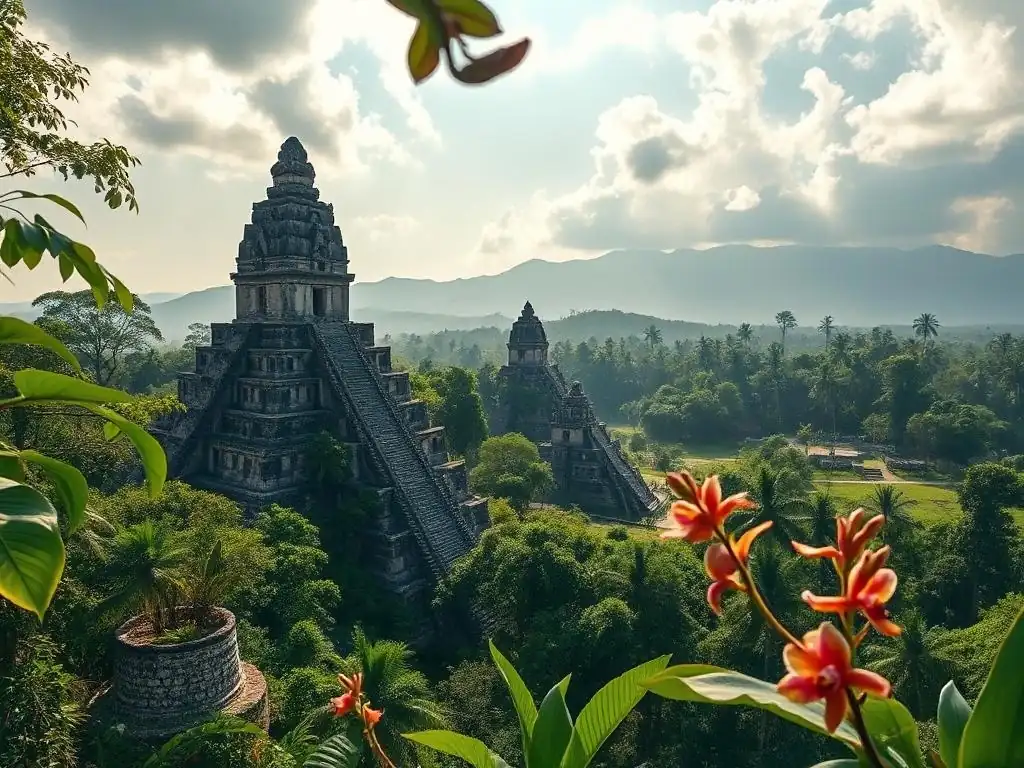
Welcome to Indigenous Civilizations of the Americas, where we embark on an enlightening journey through the rich tapestry of indigenous cultures that flourished across the Americas long before European contact. Our exploration begins with the Maya architecture spiritual significance, delving into the sacred spaces that reflect the profound beliefs and societal values of the Maya civilization.
Prepare to uncover the intricate connections between their architectural marvels and spiritual life, inviting you to discover the legacy that continues to inspire awe today. Join us as we unlock the mysteries and meanings behind these sacred structures—your adventure into the heart of indigenous history starts here!
- Introduction to Maya Architecture and Spiritual Significance
- Historical Context of Maya Architecture
- Key Elements of Maya Architecture with Spiritual Significance
- Sacred Spaces in Maya Architecture
- Spiritual Practices and Rituals Associated with Maya Architecture
- The Legacy of Maya Architecture and Its Spiritual Impact
- Conclusion: Understanding the Spiritual Significance of Maya Architecture
-
Frequently Asked Questions
- What is the spiritual significance of Maya architecture?
- How did Maya architecture reflect their societal structure?
- What are some examples of Maya architectural achievements?
- How did the Maya use their architecture for astronomical purposes?
- In what ways does Maya architecture impact modern culture?
- Final Reflection: The Enduring Legacy of Maya Architecture's Spiritual Significance
- Unveil the Mysteries of Maya Architecture!
Introduction to Maya Architecture and Spiritual Significance
Maya architecture is a profound testament to the spiritual and cultural richness of one of the most advanced civilizations in the Americas. This article delves into the intricate relationship between Maya architecture and its spiritual significance, showcasing how these structures were not merely functional but also served as vital expressions of the Maya worldview. By exploring the architectural achievements of the Maya, we can gain insight into their religious practices, cosmology, and the societal values that shaped their communities long before European contact.
In this journey, we will uncover the multifaceted aspects of Maya civilization, emphasizing the importance of their architectural feats in reflecting their spiritual beliefs. From grand temples to ceremonial plazas, the enduring legacy of Maya architecture continues to intrigue scholars and enthusiasts alike, offering a glimpse into a world where the sacred and the everyday were deeply intertwined.
Overview of Maya Civilization
The Maya civilization, flourishing from approximately 2000 BCE to the arrival of Europeans in the 16th century, is renowned for its remarkable achievements in various fields, including agriculture, mathematics, astronomy, and, notably, architecture. The Maya inhabited regions that are now part of Mexico, Guatemala, Belize, Honduras, and El Salvador, developing a complex society characterized by city-states, each with its own rulers and deities.
Maya society was hierarchically structured, with a clear division of roles and responsibilities. At the top were the nobility and priests, who not only governed but also acted as intermediaries between the gods and the people. The artisans and laborers played crucial roles in constructing the monumental architecture that defined Maya cities. This civilization is particularly acclaimed for its pyramids, palaces, and observatories, which were often adorned with intricate carvings and murals depicting religious narratives and historical events.
Importance of Architecture in Maya Culture
Architecture in Maya culture was far more than an aesthetic endeavor; it was a manifestation of their spiritual beliefs and social order. Each structure was meticulously designed, reflecting the Maya's understanding of the cosmos and their place within it. The alignment of buildings with celestial bodies, such as the sun and the stars, underscores the significance of astronomy in Maya spirituality.
Key aspects of Maya architecture include:
- Temples and Pyramids: These served as places of worship and were often built to honor specific deities. The towering pyramids, such as those found in Tikal and Chichen Itza, symbolize the connection between the earthly and the divine.
- Sacred Landscapes: The layout of cities was often influenced by the natural environment, incorporating elements such as cenotes (natural sinkholes) that were believed to be gateways to the underworld.
- Ceremonial Spaces: Open plazas and ball courts played critical roles in community gatherings and religious rituals, fostering a sense of collective identity among the Maya.
Through these architectural elements, the Maya articulated their beliefs and expressed their reverence for the sacred, creating spaces that were imbued with spiritual significance.
Purpose of the Article: Exploring Spiritual Significance
This article aims to provide a comprehensive exploration of the spiritual significance inherent in Maya architecture. By examining specific structures and their intended purposes, we will uncover how the Maya infused their built environment with meaning, reflecting their cosmological views and societal values.
The exploration will include:
- Analyzing notable architectural sites and their spiritual functions.
- Discussing the symbolism embedded in architectural design and decoration.
- Highlighting the enduring legacy of Maya architecture in contemporary understanding of indigenous spirituality.
Through this lens, we hope to illuminate how Maya architecture serves as a bridge connecting the physical realm with the spiritual, offering insights into a civilization that revered its connection to the cosmos and the divine.
Historical Context of Maya Architecture
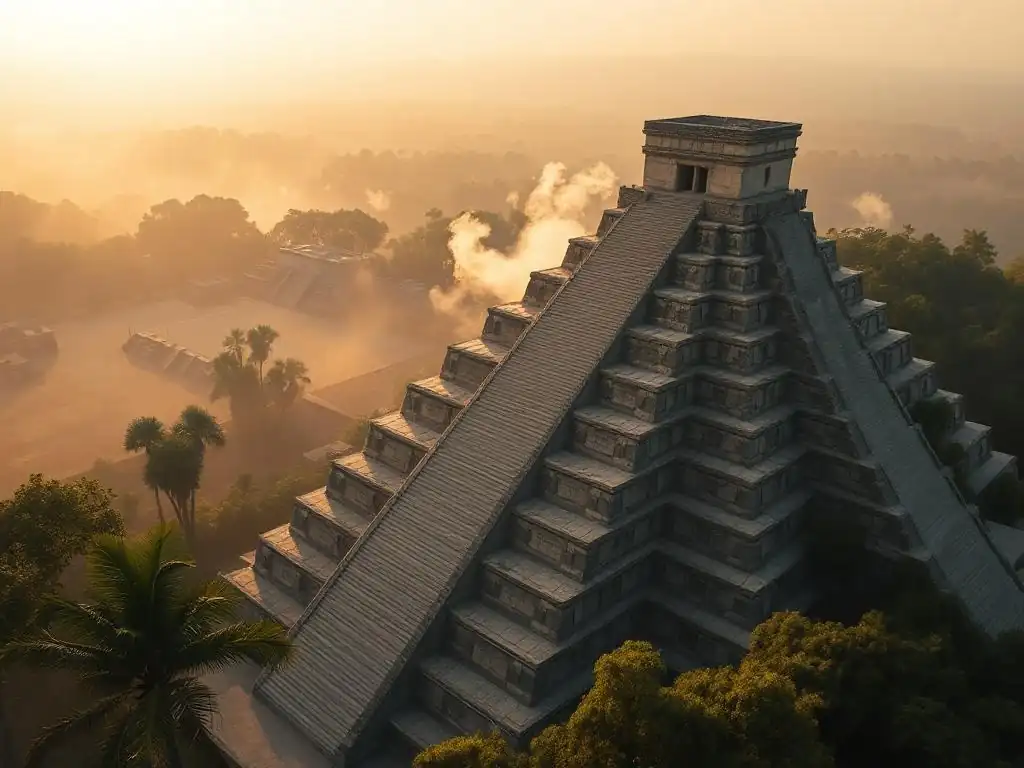
The historical context of Maya architecture is crucial for understanding the spiritual significance it held within the ancient Maya civilization. This context is marked by the interplay of social, political, and religious elements that shaped the design and function of monumental structures.
Evolution of Maya Architectural Styles
Maya architecture evolved significantly over the centuries, reflecting changes in societal structure, religious beliefs, and environmental adaptations. The timeline of this evolution can be categorized into several periods:
- Preclassic Period (c. 2000 BCE - 250 CE):
- Early Maya settlements featured simple structures made from perishable materials.
- Notable sites like Nakbé in Guatemala exhibited early monumental architecture, including large platforms and ceremonial centers.
- Classic Period (c. 250 - 900 CE):
- This period is marked by the flourishing of city-states and the development of intricate temple complexes.
- Architectural styles became more sophisticated, with the use of locally sourced limestone and advanced construction techniques.
- Key examples include Tikal and Palenque, showcasing towering pyramids and elaborate stelae.
- Postclassic Period (c. 900 - 1500 CE):
- Architectural styles diversified, influenced by various regional interactions and the decline of traditional Maya city-states.
- Structures became more utilitarian, yet retained significant religious and ceremonial functions.
- Noteworthy sites from this era include Chichen Itza, characterized by its iconic El Castillo pyramid.
The evolution of Maya architectural styles is not just a reflection of artistic expression but also a testament to the spiritual beliefs that permeated each phase. Architectural innovations often coincided with significant religious transitions, emphasizing the relationship between the physical structure and its metaphysical significance.
Geographic Distribution of Sacred Sites
The geographic distribution of sacred sites across the Maya region highlights the civilization's deep connection to the landscape and the cosmos. Sacred spaces were strategically placed to align with natural features and celestial events, reinforcing their spiritual importance.
- Northern Yucatán Peninsula:
- Home to ceremonial centers like Chichen Itza and Uxmal, which feature architectural elements aligned with astronomical events.
- These sites were often built near cenotes, which were considered sacred water sources.
- Guatemala:
- The highlands and lowlands of Guatemala showcase important sites such as Tikal and Quiriguá.
- The towering temples of Tikal are oriented toward the setting sun during solstices, illustrating the integration of spirituality and nature.
- Belize:
- Sites like Caracol and Xunantunich reflect the integration of religious significance with the surrounding environment, including rivers and hills.
- The architecture here often features elaborate carvings depicting gods and mythology, emphasizing the connection between the physical and spiritual worlds.
The distribution of these sacred sites demonstrates the Maya's profound reverence for their environment and the ways in which their architectural choices facilitated spiritual practices and community gatherings.
Influence of Religion on Architectural Development
Religion played a pivotal role in the development of Maya architecture, guiding the design and purpose of structures throughout the civilization's history. The following aspects illustrate this influence:
- Temples as Cosmic Representations:
- Temples were often designed to symbolize the axis mundi, the connection between the earth and the heavens. For example, the pyramid at El Castillo in Chichen Itza is a visual representation of this cosmological belief.
- The layout of many temple complexes reflects the Maya understanding of the universe, with specific alignments correlating to celestial events.
- Ritual Spaces:
- Many structures served as sites for rituals, including ball courts and altars. The architecture of these spaces was designed to facilitate religious ceremonies that involved offerings, bloodletting, and other acts meant to appease deities.
- The presence of carved stelae and altars in public plazas indicates the integration of governance and spirituality, as rulers often performed rituals to legitimize their authority.
- Symbolism in Design:
- Architectural features often contained intricate iconography and symbolism associated with Maya mythology and religious beliefs. For instance, serpent motifs frequently adorned temple facades, representing the connection to the underworld and the deity Kukulkan.
- The use of colors, materials, and spatial arrangements all held spiritual significance, further embedding religious beliefs into the very fabric of Maya architecture.
The spiritual significance of Maya architecture is deeply rooted in its historical context, evolution, geographic distribution, and religious influences. The intricate designs and purposeful alignments of structures not only served practical functions but also embodied the cosmological beliefs of the Maya civilization, making their architectural legacy a profound testament to their spiritual worldview.
Key Elements of Maya Architecture with Spiritual Significance
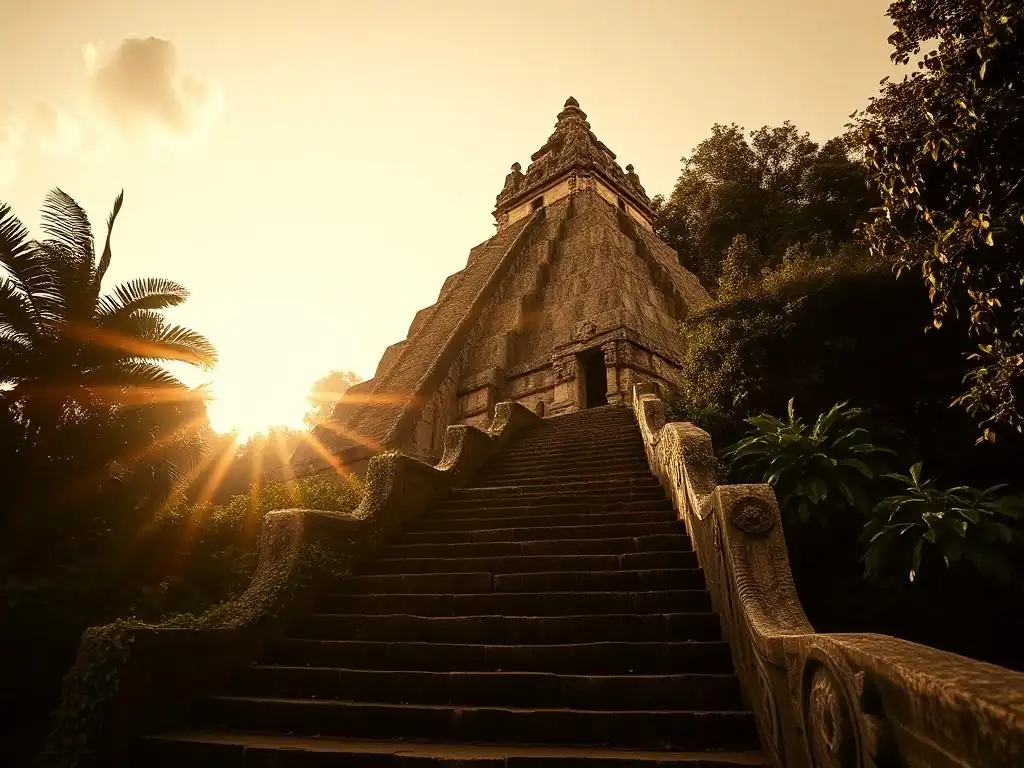
Maya architecture is not only a testament to the civilization's engineering prowess but also a reflection of their spiritual beliefs and practices. The layout, design, and orientation of structures were imbued with meaning, making them vital components of their religious and cultural identities. Below, we explore the key elements of Maya architecture that hold significant spiritual importance.
Temples: Centers of Worship and Rituals
Temples in Maya civilization served as the primary centers of worship, playing a crucial role in their spiritual lives. These structures were meticulously designed to align with celestial events, reflecting the Maya's deep connection to astronomy and the cosmos.
- Design and Orientation: Many temples were constructed on elevated platforms, symbolizing a connection between the earth and the divine. The orientation of these temples often aligned with important astronomical events, such as solstices and equinoxes. For instance, the Temple of Kukulcán at Chichén Itzá is famous for its architectural design that casts a serpent shadow during the equinox, signifying the deity's presence.
- Ritual Practices: Temples were not just architectural feats; they were sites of significant rituals and ceremonies. Offerings, including food, incense, and even human sacrifices, were made to appease the gods and ensure agricultural fertility, health, and prosperity. The rituals conducted in these sacred spaces were believed to maintain cosmic order and balance.
- Symbolism of Structures: The intricate carvings and sculptures adorning temple facades often depicted gods, mythological narratives, and important historical events. This artistry served to educate the populace about their spiritual beliefs and the significance of their rulers, reinforcing the social hierarchy and the divine right of kings.
Pyramids: Symbolism and Structure
Pyramids are perhaps the most iconic structures associated with Maya architecture, serving both practical and symbolic purposes within their societies.
- Cosmic Representation: The pyramid shape itself is symbolic, representing the sacred mountain, a common theme in many indigenous cultures. The Maya believed that mountains were the dwelling places of gods, making pyramids essential in bridging the earthly realm with the divine.
- Multi-Layered Construction: Maya pyramids, such as El Castillo in Tikal, often feature multiple layers, each representing different aspects of their mythology and cosmology. The layers symbolize the different realms of existence—sky, earth, and underworld—reflecting the Maya's understanding of the universe.
- Functionality: Beyond their spiritual significance, pyramids also served as tombs for elite individuals, further intertwining the concepts of death and the afterlife with their architectural expressions. The burial chambers within these structures were often richly adorned with grave goods, indicating the importance of the deceased in the spiritual hierarchy.
Altars and Stelae: Markers of Spiritual Importance
Altars and stelae played a pivotal role in the religious practices of the Maya, serving as physical markers of spiritual significance and historical memory.
- Purpose of Altars: Altars were often situated at the base of pyramids or temples, serving as platforms for offerings and rituals. These structures were integral to ceremonies, where priests would conduct rites to honor the gods and ancestors, thus maintaining the spiritual health of the community.
- Stelae as Historical Records: Stelae, tall stone monuments often carved with hieroglyphics, commemorated significant events, such as the ascension of rulers, military victories, and religious ceremonies. They served not only as markers of spiritual importance but also as historical records that linked the past with the present.
- Cultural Continuity: The practice of erecting altars and stelae exemplifies the Maya's commitment to their spiritual beliefs, showcasing how architecture served as a medium for cultural continuity. These elements remained central to Maya identity, reinforcing community ties and shared beliefs throughout generations.
The spiritual significance of Maya architecture is deeply embedded in its key elements—temples, pyramids, altars, and stelae—each serving as a testament to the civilization's intricate relationship with their beliefs, the cosmos, and the natural world. The architectural legacy of the Maya continues to inspire awe and curiosity, highlighting the profound impact of their spiritual practices on their built environment.
Sacred Spaces in Maya Architecture
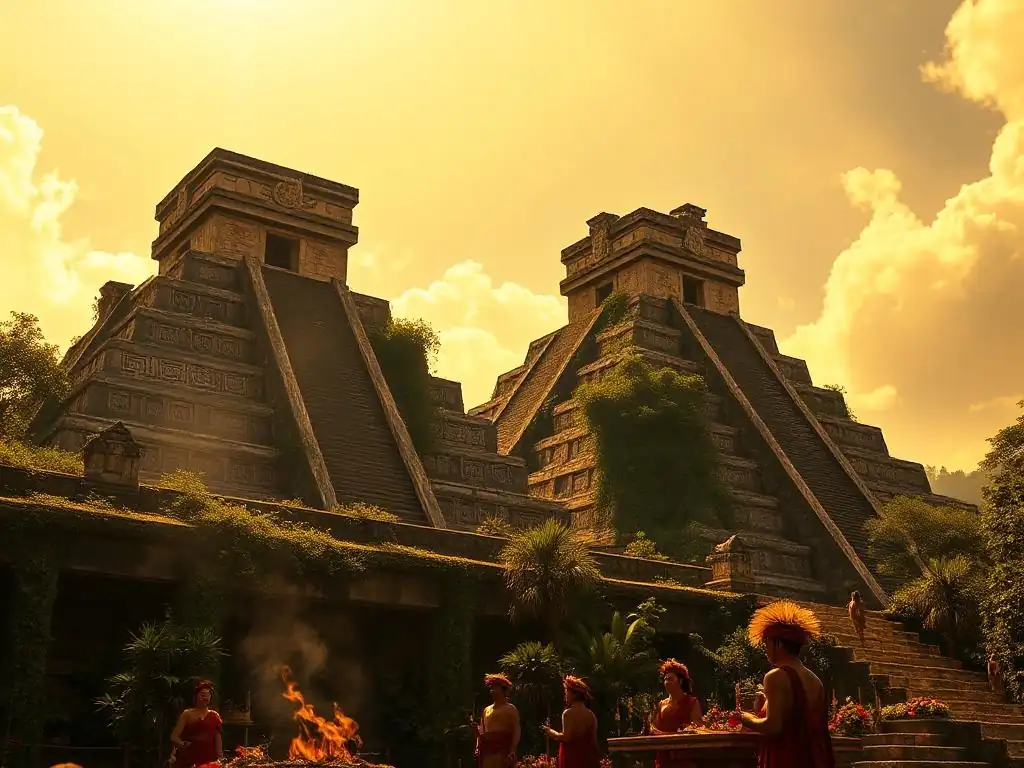
The Maya civilization is renowned for its intricate and monumental architecture, which served not only as physical structures but also as sacred spaces that reflected their deep spiritual beliefs. These spaces were carefully designed to resonate with the natural environment and align with celestial events, reinforcing the connection between the Maya people and their gods. In exploring the spiritual significance of Maya architecture, we uncover how these sacred spaces were integral to their cosmology, rituals, and community life.
The Role of Sacred Landscapes
Maya architecture is deeply intertwined with the concept of sacred landscapes, where natural features such as mountains, rivers, and caves held profound spiritual meaning. The Maya viewed their environment as a living entity imbued with the presence of divine forces.
- Sacred Mountains: Often seen as the dwelling places of gods, mountains were central to Maya cosmology. They were considered the axis mundi or the center of the world, connecting the heavens and the underworld.
- Caves and Cenotes: These natural formations were sites of ritual and offerings, believed to be portals to the underworld. Caves served as sacred spaces for ceremonies, while cenotes, or natural sinkholes, were often used for water-related rituals and sacrifices.
The integration of these landscapes into the architectural design was crucial. Structures like temples and pyramids were often built on elevated terrain to symbolize their connection to the divine. The careful placement of buildings within the landscape created a harmonious relationship between the architecture and the natural world.
Significance of Orientation and Alignment
The orientation and alignment of Maya structures held significant spiritual meaning, reflecting the civilization's advanced understanding of astronomy and geography.
- Astronomical Alignments: Many Maya temples were aligned with celestial events, such as solstices and equinoxes. For instance, the Temple of Kukulcán at Chichen Itza is famously known for its shadow effect during the equinoxes, resembling a serpent descending the pyramid.
- Cardinal Directions: The Maya placed considerable importance on the cardinal directions, which were often incorporated into the planning of cities and temples. Each direction was associated with different deities and had distinct spiritual implications.
The careful consideration of orientation not only enhanced the aesthetic appeal of the structures but also reinforced their spiritual functions. This alignment served as a reminder of the interconnectedness between the cosmos and the earthly realm, guiding the Maya in their rituals and daily lives.
Notable Sacred Sites: Tikal, Chichen Itza, and Palenque
Several iconic sites epitomize the spiritual significance of Maya architecture, showcasing the civilization's architectural prowess and religious devotion.
- Tikal: As one of the largest Maya cities, Tikal features impressive temples and pyramids, including Temple I and Temple II, which were aligned with astronomical events. The city was a political and spiritual center, where rituals and ceremonies were conducted to honor the gods.
- Chichen Itza: This site is renowned for its architectural wonders, particularly the Temple of Kukulcán. The structure's design reflects the Maya's deep understanding of astronomy and their reverence for the feathered serpent god. The equinox phenomenon, where shadows create the illusion of a serpent slithering down the pyramid, highlights the temple's spiritual significance.
- Palenque: Known for its intricate carvings and inscriptions, Palenque is another vital site that showcases the spiritual connection between architecture and the Maya belief system. The Temple of the Inscriptions, which houses the tomb of the ruler Pakal, serves as a testament to the importance of ancestor worship and the afterlife in Maya spirituality.
| Site | Notable Features | Spiritual Significance |
|---|---|---|
| Tikal | Temple I and II, astronomical alignments | Center for rituals and political power |
| Chichen Itza | Temple of Kukulcán, equinox shadow effect | Reverence for the feathered serpent god |
| Palenque | Temple of the Inscriptions, intricate carvings | Focus on ancestor worship and afterlife |
These sacred sites not only illustrate the architectural ingenuity of the Maya but also highlight the profound spiritual significance embedded within their designs. By examining these spaces, we gain insight into the rich spiritual life of the Maya civilization and their enduring legacy in the landscapes of the Americas.
Spiritual Practices and Rituals Associated with Maya Architecture
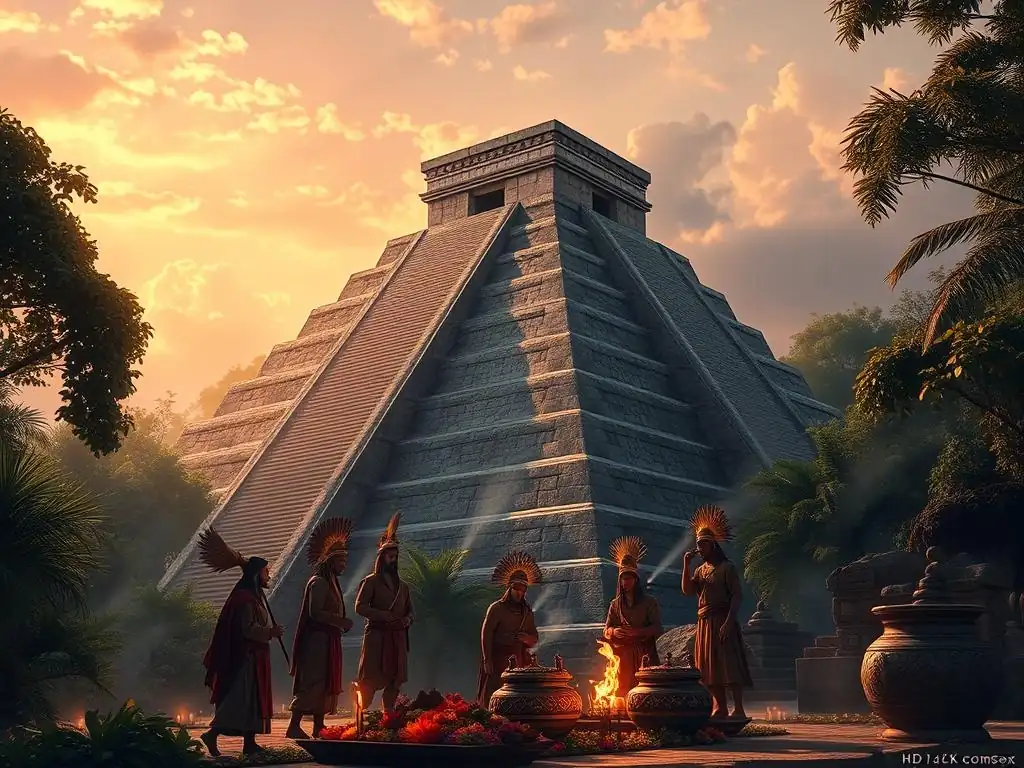
Maya architecture is not only an embodiment of the civilization's technical prowess but also a profound reflection of its spiritual practices and rituals. The sacred spaces crafted by the Maya served as conduits between the earthly realm and the divine, where religious and ceremonial activities were intricately intertwined with their built environment. Understanding these spiritual practices provides invaluable insight into the Maya worldview and their connection to the cosmos.
Ceremonial Activities in Sacred Spaces
The Maya constructed various sacred sites, such as pyramids, temples, and altars, specifically designed for ceremonial activities. These structures were often located at the center of their urban layouts, symbolizing their significance in community life.
- Rituals and Festivals: Major ceremonies, such as the Pakal and Kukulkan festivals, were held in these sacred spaces. These festivals often involved:
- Processions: Pilgrimages to sacred sites that included dance and music.
- Sacrifice: Offerings of animals, food, and sometimes human sacrifices, to appease deities.
- Prayer and Meditation: Individuals would engage in personal rituals, seeking guidance or blessings.
- Astronomical Alignments: Many Maya structures were oriented with astronomical events, such as solstices and equinoxes. This alignment not only underscored the importance of celestial bodies in Maya spirituality but also facilitated the timing of agricultural activities and religious observances.
The Connection Between Architecture and Cosmology
Maya architecture is steeped in cosmological significance, embodying their beliefs about the universe's structure and the interplay between different realms.
- Symbolism of the World Tree: The Maya believed in a cosmic tree connecting the underworld, the earth, and the heavens. Many temples and pyramids are thought to represent this tree, symbolizing the connection between the divine and the mortal. The ascent of the structure was seen as a journey towards the gods.
- Sacred Geometry: The proportions and dimensions of Maya buildings often reflect their cosmological beliefs. For instance, the use of specific numbers, such as 4 (representing the cardinal directions) and 13 (representing the heavens), can be observed in the layout of major sites like Tikal and Chichen Itza.
- Cenotes as Sacred Spaces: Natural features like cenotes (natural sinkholes) were integrated into the architectural landscape, viewed as portals to the underworld and essential for rituals. Offerings were often deposited in these waters, reinforcing their connection to the spiritual world.
The Role of Offerings and Ancestor Worship
Offerings played a critical role in Maya architecture, serving as a means to honor deities and ancestors.
- Burials within Sacred Structures: Many Maya pyramids and temples served as burial sites for elites, indicating the importance of ancestor worship. The act of interring a leader or an important figure within these structures allowed the living to maintain a connection with their ancestors.
- Offerings to Deities: The placement of offerings—such as pottery, jade, and food—within specific architectural contexts was a common practice. These offerings were believed to nourish the gods and ensure the community's prosperity.
- Rituals of Remembrance: Maintaining the memory of ancestors was a significant aspect of Maya spirituality. Ceremonies held at these sites often involved recounting the deeds of ancestors, reinforcing their legacy and the community's identity.
The spiritual significance of Maya architecture is deeply rooted in their practices and beliefs. The ceremonial activities, cosmological connections, and the role of offerings all contribute to a rich tapestry that illustrates how the Maya viewed their world, their gods, and their ancestors. Understanding these elements provides a deeper appreciation for the intricate relationship between their architectural feats and their spiritual life.
The Legacy of Maya Architecture and Its Spiritual Impact
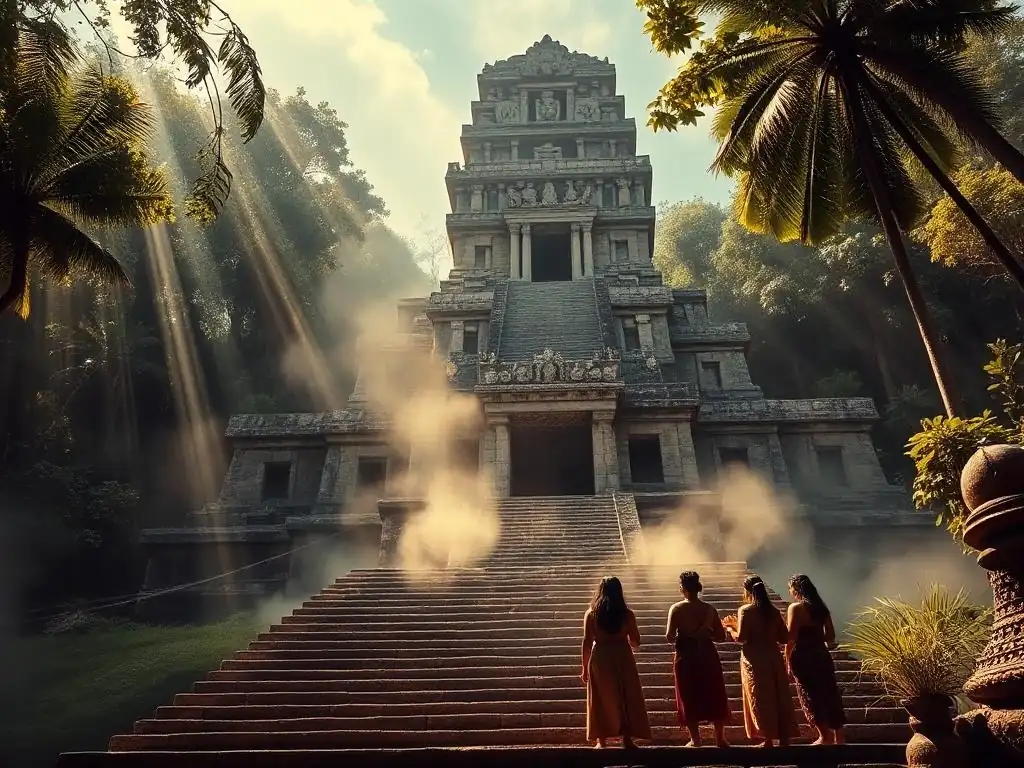
Preservation of Sacred Sites Today
The preservation of sacred sites within Maya architecture is vital for understanding the spiritual significance these structures held in ancient times. Many of these sites, such as Tikal, Palenque, and Chichen Itza, not only served as architectural marvels but were also central to the religious and cultural practices of the Maya civilization. Today, these sites are recognized by UNESCO as World Heritage Sites, emphasizing their importance in global heritage.
Efforts to preserve these sacred spaces often involve collaboration between local communities, governments, and international organizations. For example, in Guatemala, community-led initiatives have been crucial in maintaining the integrity of sites like Tikal. These efforts include:
- Restoration Projects: Focused on maintaining the structural integrity of temples, pyramids, and plazas.
- Cultural Education Programs: Aimed at teaching younger generations about the historical and spiritual significance of these sites.
- Sustainable Tourism Practices: Ensuring that tourism does not harm the delicate ecosystems surrounding these sacred spaces.
These initiatives highlight the ongoing connection between the Maya people and their ancestral sites, allowing them to serve as living symbols of their rich spiritual heritage.
Influence on Modern Spiritual Practices
The spiritual significance of Maya architecture extends into contemporary practices, influencing various aspects of modern spirituality. Many Maya descendants continue to perform rituals and ceremonies in alignment with the astronomical alignments of ancient structures. For instance, the Temple of Kukulkan at Chichen Itza is renowned for its alignment with the equinox, attracting thousands who celebrate the seasonal changes through traditional ceremonies.
Modern practitioners often incorporate elements of Maya architecture into their spiritual practices, including:
- Ceremonial Gatherings: Using restored sites for rituals that honor ancestors and nature.
- Pilgrimages: Many individuals embark on journeys to sacred sites, seeking to reconnect with their cultural and spiritual roots.
- Holistic Practices: Integrating traditional Maya cosmology into contemporary spiritual frameworks, emphasizing harmony with the natural world.
These modern adaptations demonstrate the enduring influence of Maya architectural principles on spiritual practices, blending ancient wisdom with contemporary beliefs.
Continued Relevance of Maya Architecture in Contemporary Culture
Maya architecture remains a powerful symbol in contemporary culture, representing not only historical significance but also cultural identity and resilience. The aesthetic and functional aspects of these structures continue to inspire artists, architects, and cultural practitioners around the globe. Some examples include:
- Architectural Design: Modern buildings often draw inspiration from the geometric shapes and intricate carvings of Maya structures, merging them with contemporary styles.
- Art and Literature: The themes found in Maya mythology and architecture are frequently explored in modern art and literature, connecting past beliefs with present narratives.
- Cultural Festivals: Events celebrating Maya history and achievements often showcase traditional music, dance, and art, reinforcing cultural pride and unity amongst Maya communities.
The resurgence of interest in Maya architecture serves as a reminder of the civilization’s profound spiritual significance, ensuring that their legacy continues to inspire future generations. Through education, preservation, and cultural expression, the spiritual essence of Maya architecture remains a vital part of both indigenous identity and global heritage.
Conclusion: Understanding the Spiritual Significance of Maya Architecture
Summary of Key Points
Maya architecture is not merely an aesthetic achievement; it is deeply intertwined with the spiritual beliefs and practices of the Maya civilization. The analysis of significant structures, such as temples, pyramids, and ceremonial plazas, reveals a profound connection to the cosmos and the natural world. Key points include:
- Cosmology Reflected in Architecture: The layout and orientation of many Maya structures are aligned with celestial bodies, emphasizing their connection to the universe and the divine. For instance, temples often align with the rising sun during solstices, marking important agricultural and religious events.
- Symbolism in Design: Architectural elements, including carvings and sculptures, often depict deities, ancestors, and mythological scenes, serving both decorative and ritual purposes. These symbols communicate the spiritual beliefs and narratives central to Maya culture.
- Ritual Spaces: Sacred spaces within Maya architecture, such as altars and plazas, were designed for ceremonial activities that reinforced community bonds and spiritual connections. These spaces facilitated interactions between the physical and spiritual realms.
- Community and Identity: Maya architecture served as a focal point for community gatherings, reinforcing cultural identity and social hierarchy. The shared experience of participating in rituals at these sites fostered a sense of belonging among the Maya people.
The Importance of Preserving Maya Architectural Heritage
Preserving the architectural heritage of the Maya is crucial for several reasons:
- Cultural Identity: The remnants of Maya architecture are vital to the cultural identity of contemporary Maya communities. Maintaining these sites helps to sustain traditions, languages, and practices that have been passed down through generations.
- Historical Insight: These structures provide invaluable insights into the socio-political, economic, and spiritual life of the Maya civilization. Archaeological studies of these sites contribute to our understanding of human history and the development of complex societies.
- Tourism and Education: Preserved sites attract tourists, generating revenue that can be reinvested into local economies and conservation efforts. Education about the spiritual significance of these structures can raise awareness of the Maya's historical achievements and contemporary challenges.
- Environmental Sustainability: Many Maya architectural sites are integrated into the surrounding landscape. Preserving these sites can encourage sustainable land use practices that respect both cultural heritage and ecological balance.
Final Thoughts on the Spiritual Legacy of the Maya
The spiritual significance of Maya architecture extends beyond its physical structures; it embodies a worldview that harmonizes human existence with the cosmos. The temples, pyramids, and ceremonial centers stand as testaments to the Maya’s deep reverence for the divine and the natural world.
As we continue to explore and understand these sacred spaces, it is essential to recognize their role in shaping not only Maya culture but also our broader appreciation for the intricate relationship between architecture and spirituality. By valuing and preserving these sites, we honor the legacy of the Maya and ensure that their profound spiritual insights continue to inspire future generations.
The appreciation of Maya architecture’s spiritual significance is a vital aspect of understanding the rich tapestry of indigenous cultures in the Americas, reminding us of the enduring connections between people, place, and the divine.
Frequently Asked Questions
What is the spiritual significance of Maya architecture?
Maya architecture is deeply intertwined with spiritual beliefs and cosmology, serving as sacred spaces for rituals and ceremonies that connect the physical and spiritual worlds.
How did Maya architecture reflect their societal structure?
Maya architectural designs often showcased the hierarchical nature of their society, with structures like temples and palaces indicating the status and power of elite members and rulers.
What are some examples of Maya architectural achievements?
Remarkable examples include the pyramids of Tikal, the palaces of Palenque, and the stunning observatories at Uxmal, all showcasing advanced engineering and artistry in their designs.
How did the Maya use their architecture for astronomical purposes?
The Maya incorporated astronomical alignments into their architecture, allowing them to track celestial events, which played a crucial role in their agricultural and ritual calendars.
In what ways does Maya architecture impact modern culture?
The legacy of Maya architecture continues to influence contemporary art, design, and cultural identity, inspiring a renewed interest in indigenous heritage and sustainable practices.
Final Reflection: The Enduring Legacy of Maya Architecture's Spiritual Significance
The spiritual significance of Maya architecture resonates deeply in today's world, reminding us of the profound connection between humanity and the sacred. As we navigate an increasingly fast-paced and materialistic society, the intricate designs and purposeful layouts of ancient Maya structures invite us to pause and reflect on our own spiritual journeys. The temples, pyramids, and ceremonial spaces of the Maya civilization serve as powerful reminders of the importance of creating environments that foster connection, reverence, and community.
Maya architecture has not only shaped the cultural landscape of Central America but continues to influence contemporary spirituality and architectural practices around the globe. The reverence for nature and the cosmos embedded in these structures encourages us to seek harmony within ourselves and our surroundings. As the renowned architect Frank Lloyd Wright once said, The mother art is architecture. Without an architecture of our own, we have no soul of our own civilization.
This sentiment underscores the idea that the spaces we inhabit can profoundly impact our spiritual well-being and sense of identity.
As you reflect on the lessons drawn from the sacred spaces of the Maya, consider how you might incorporate their principles into your own life. Take a moment to create your own sacred space, whether it's a corner in your home, a garden, or a quiet place in nature. Embrace the opportunity to cultivate an environment that nurtures your spirit and fosters a deeper connection to the world around you. By honoring the spiritual significance of architecture, we can all contribute to a more mindful and harmonious existence, echoing the wisdom of the ancient Maya for generations to come.
Unveil the Mysteries of Maya Architecture!
Thank you for exploring the intricate beauty and spiritual significance of Maya architecture with us. We hope you found inspiration in the rich history and cultural depth of these sacred spaces. Now, it's time to take that inspiration further!
Here are some actionable steps to deepen your connection with Maya culture and architecture:
- Visit a local museum that showcases exhibits on Maya civilization to gain firsthand experience of their artistry and ingenuity.
- Engage in discussions with friends or join online communities to share your insights about the spiritual significance of these remarkable spaces.
- Plan a future trip to an archaeological site in the Maya region to witness the majesty of these structures for yourself!
What aspect of Maya architecture resonates most with you, and how do you plan to incorporate that inspiration into your own life?