
Toltec Civilization: A Tapestry of History Woven from Myth and Reality

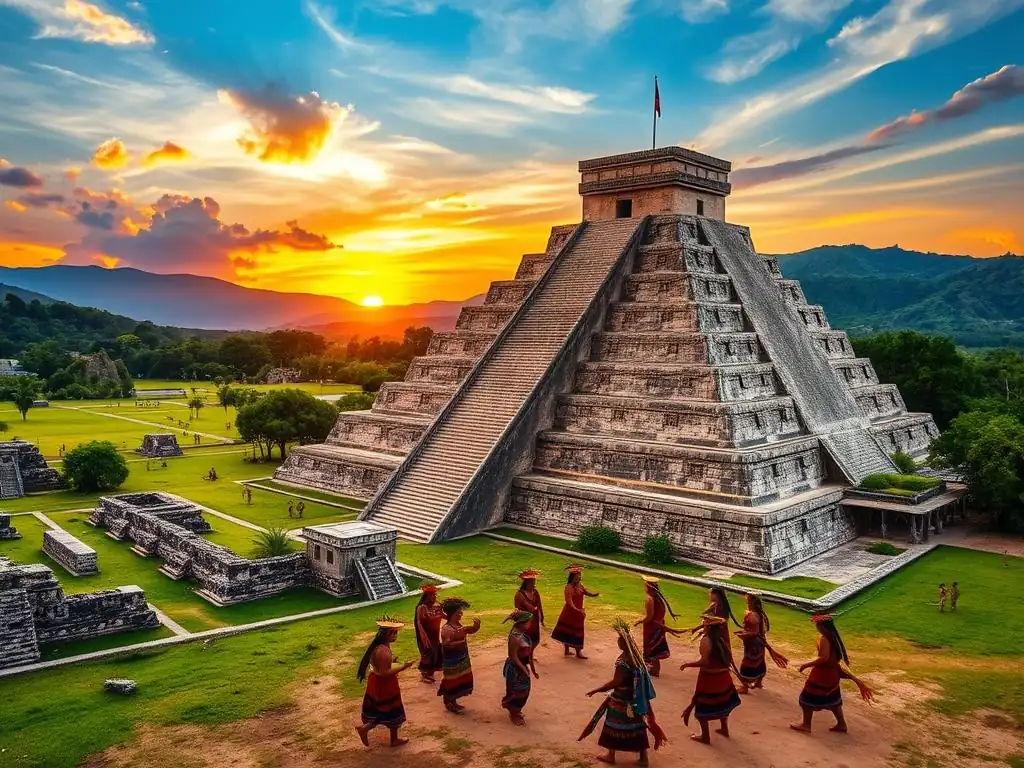
Welcome to Indigenous Civilizations of the Americas—your gateway to the rich tapestry of cultures that flourished long before European contact. Here, we delve into the intricate narratives of diverse indigenous societies, celebrating their remarkable achievements and enduring legacies. In our featured article, “Toltec Civilization: A Tapestry of History Woven from Myth and Reality,” we invite you to uncover the mysteries of the Toltec civilization indigenous culture, exploring how myth and history intertwine to shape our understanding of this fascinating society. Join us on this journey and discover the profound impact these civilizations have left on the world!
- Introduction to the Toltec Civilization Indigenous Culture
- Historical Context of the Toltec Civilization
- Mythology and Religion in Toltec Civilization
- Achievements of the Toltec Civilization
- Social Structure and Daily Life in Toltec Society
- Decline of the Toltec Civilization
- The Lasting Impact of the Toltec Civilization
- Conclusion: The Toltec Civilization as a Blend of Myth and Reality
-
Frequently Asked Questions
- What is the Toltec civilization known for?
- How did the Toltec civilization influence other indigenous cultures?
- What are some key achievements of the Toltec civilization?
- How does the Toltec civilization fit into the broader context of indigenous cultures in the Americas?
- What legacy did the Toltec civilization leave behind?
- Final Reflection: The Enduring Legacy of the Toltec Civilization
- Unveil the Rich Legacy of the Toltec Civilization!
Introduction to the Toltec Civilization Indigenous Culture
The Toltec civilization stands as one of the most fascinating and complex cultures in pre-Columbian Mesoamerica. Emerging around the 10th century CE, this indigenous culture is often characterized by its rich tapestry of mythology intertwined with historical realities, leaving a profound legacy that continues to capture the imagination of scholars and enthusiasts alike.
The Toltecs, known for their architectural prowess and artistic achievements, flourished in what is now central Mexico, primarily around the ancient city of Tula. Their influence extended far beyond their geographical boundaries, shaping the cultures that followed and contributing significantly to the broader narrative of indigenous civilizations in the Americas.
This article delves into the intricacies of the Toltec civilization, highlighting its achievements, societal structures, and enduring impact on indigenous history. By exploring their notable contributions and the myths that surround them, we aim to provide a comprehensive understanding of the Toltec culture and its relevance within the rich mosaic of the indigenous peoples of the Americas.
Overview of Toltec Civilization
The Toltec civilization is often described as a cultural and political entity that emerged after the decline of the Teotihuacan city-state. The term "Toltec" itself derives from the Nahuatl word toltecatl, meaning "artisan" or "craftsman," reflecting the civilization's emphasis on craftsmanship and artistic expression. The Toltecs are credited with significant advancements in various fields, including architecture, art, and agricultural practices.
- Key Features:
- Architecture: The Toltecs are renowned for their impressive architectural structures, particularly the pyramids and temples at Tula. The Pyramid of Quetzalcoatl, adorned with intricate stone carvings, showcases their architectural prowess.
- Artistic Expression: Toltec artistry is characterized by its unique symbolism and meticulous craftsmanship, seen in their sculptures and pottery, which often depict deities and mythological themes.
- Societal Structure: The Toltec society was hierarchical, with a ruling elite overseeing a labor force that contributed to agriculture, trade, and construction.
The combination of these elements created a vibrant culture that not only thrived during its time but also laid the groundwork for future civilizations, particularly the Aztecs, who revered the Toltecs as a model of cultural excellence.
Significance of the Toltec Culture in Indigenous History
The significance of the Toltec civilization extends beyond its immediate geographical and temporal confines. Their contributions to indigenous culture are manifold and can be categorized into several key areas:
- Cultural Influence: The Toltecs are often viewed as cultural predecessors to the Aztecs, who adopted many of their religious beliefs, artistic styles, and political structures. This cultural transmission helped shape the identity of subsequent civilizations in Mesoamerica.
- Religious Practices: The Toltec pantheon of gods and their associated rituals played a crucial role in the spiritual life of the region. Deities such as Quetzalcoatl became central figures in Mesoamerican mythology, influencing religious practices long after the civilization's decline.
- Technological Advances: The Toltecs made significant strides in agriculture, including the development of irrigation techniques and the cultivation of staple crops, which supported their growing population and facilitated trade with neighboring cultures.
- Artistic Legacy: The artistic achievements of the Toltecs, particularly in sculpture and mural painting, are considered foundational to the artistic traditions of later Mesoamerican cultures. Their distinctive style is evident in the works of the Aztecs and other indigenous groups.
The Toltec civilization is a pivotal chapter in the annals of indigenous history, embodying a blend of myth and reality that resonates through the ages. Their enduring legacy serves as a testament to the richness and diversity of indigenous cultures in the Americas, inviting continued exploration and appreciation.
Historical Context of the Toltec Civilization
Geographical Origins of the Toltec People
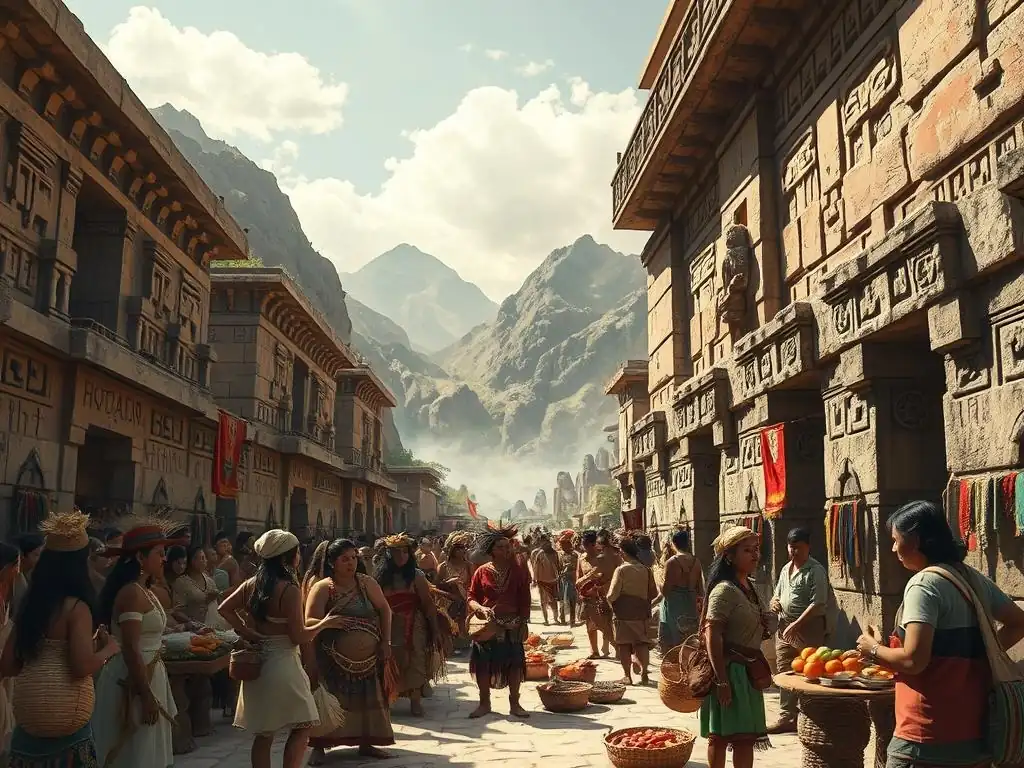
The Toltec civilization flourished in central Mexico, primarily in the region known today as the State of Hidalgo, particularly around the city of Tula (Tollan). This area is characterized by its rich volcanic soil, which was conducive to agriculture, and its strategic location near important trade routes. The Toltecs, often regarded as a cultural and political predecessor to the Aztecs, emerged around the 10th century AD, following the decline of the Teotihuacan civilization.
The geographical spread of the Toltecs extended beyond Tula, influencing surrounding regions through trade and cultural exchange. The civilization's reach included areas such as:
- Valley of Mexico: A hub of trade and cultural interaction, where the Toltecs engaged with various other indigenous groups.
- Gulf Coast: The Toltecs traded goods and ideas with coastal societies, enhancing their economic power.
- Oaxaca and Puebla: The Toltec influence is evident in the architectural and artistic styles found in these regions, showcasing a blend of indigenous cultures.
The unique geographic features of central Mexico, coupled with the Toltecs' adeptness in agriculture and trade, set the stage for their rise as a dominant force in pre-Columbian Mesoamerica.
Timeline of the Toltec Civilization Development
The development of the Toltec civilization can be divided into several key phases, each marked by significant cultural and political milestones. Below is a timeline highlighting these critical periods:
| Period | Event/Development |
|---|---|
| c. 900 AD | Emergence of the Toltec civilization in Tula. |
| c. 950 AD | Tula becomes a major cultural and political center. |
| c. 1000 AD | Expansion of trade networks across Mesoamerica. |
| c. 1100 AD | Construction of significant architectural structures, including pyramids and temples. |
| c. 1200 AD | Peak of Toltec influence; cultural exchanges with neighboring civilizations. |
| c. 1300 AD | Decline of the Toltec civilization due to internal strife and external pressures. |
| c. 1500 AD | The rise of the Aztec Empire, which inherits many Toltec cultural elements. |
This timeline highlights the dynamic nature of the Toltec civilization, revealing how their advancements in architecture, trade, and cultural practices laid the groundwork for future indigenous cultures in the Americas.
Influences on and by Other Indigenous Cultures
The Toltec civilization was not an isolated entity; rather, it was deeply intertwined with other indigenous cultures, both influencing and being influenced by them. This interconnectedness can be observed through various aspects:
- Cultural Exchange: The Toltecs played a significant role in disseminating architectural styles and artistic traditions across Mesoamerica. For instance, their pyramidal structures and intricate stone carvings were later adopted and adapted by the Aztecs.
- Religious Practices: The Toltecs had a profound impact on the religious beliefs of subsequent cultures. Their pantheon included gods such as Quetzalcoatl, who later became central to Aztec mythology. The reverence for this deity illustrates the transmission of religious concepts across civilizations.
- Trade Networks: The Toltecs established extensive trade routes that facilitated the exchange of goods, such as obsidian, textiles, and ceramics, with neighboring cultures like the Mixtecs and Zapotecs. This economic interdependence fostered cultural interactions that enriched their societies.
- Military Influence: The Toltec military strategies and organization influenced various groups, including the Aztecs, who adopted certain practices that contributed to their own conquests and territorial expansions.
The reciprocal relationships between the Toltecs and other indigenous cultures highlight the complexity of historical interactions in pre-Columbian America, showcasing a rich tapestry of shared knowledge, beliefs, and traditions that shaped the region's history.
Mythology and Religion in Toltec Civilization
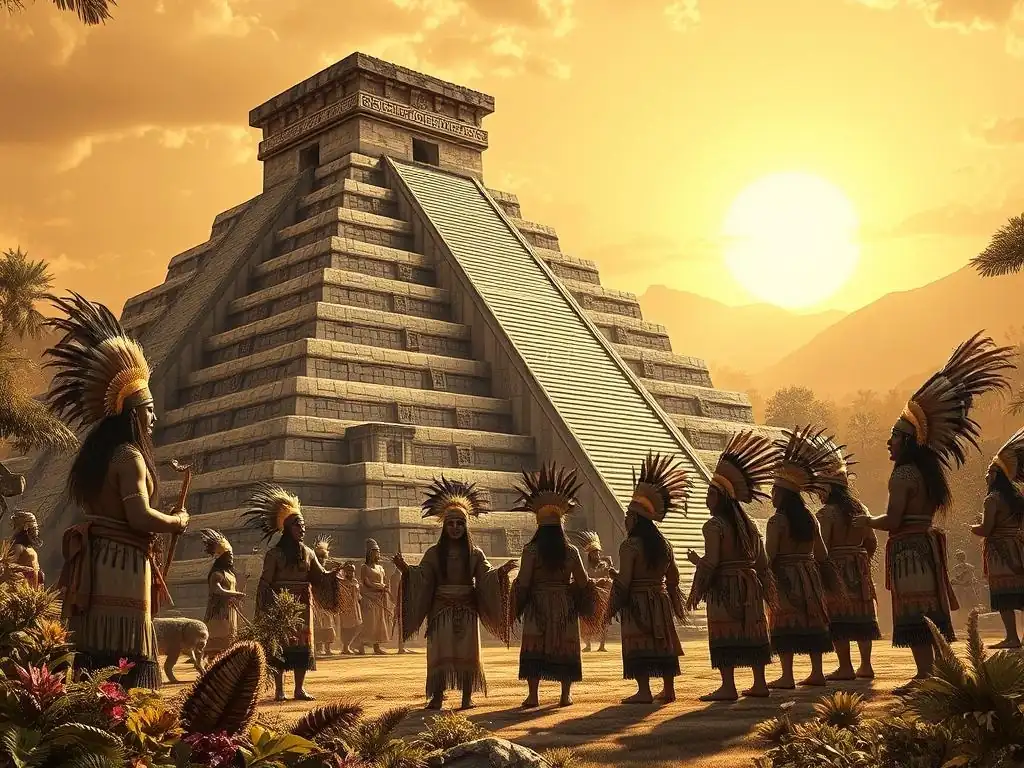
The Toltec civilization, known for its profound influence on Mesoamerican cultures, had a rich tapestry of mythology and religious practices that shaped their worldview and societal structures. The intertwining of myth and reality in Toltec spirituality not only defined their religious practices but also reflected their understanding of the cosmos and humanity's place within it.
Key Deities and Their Roles in Toltec Beliefs
The pantheon of the Toltec civilization is complex, featuring a multitude of deities, each embodying various aspects of life, nature, and the cosmos. Some of the key deities include:
- Tezcatlipoca: Often referred to as the "Smoking Mirror," Tezcatlipoca was a god of the night sky, war, and destiny. He played a dual role as both a creator and destroyer, symbolizing the balance of chaos and order.
- Quetzalcoatl: The "Feathered Serpent" was a central figure in Toltec mythology, representing wisdom, wind, and life. Quetzalcoatl was associated with the arts, agriculture, and the morning star, embodying the ideal of civilization.
- Tlaloc: As the rain god, Tlaloc was crucial for agricultural prosperity. The Toltecs believed that ceremonies dedicated to Tlaloc were essential for ensuring fertile crops and successful harvests.
These deities were often depicted in Toltec art and architecture, reinforcing their importance in the daily lives of the people. The Toltecs practiced a form of polytheism, where each god was revered and worshipped through various rituals, offerings, and artistic expressions.
The Interplay of Myth and Reality in Toltec Spirituality
In Toltec culture, mythology was not merely a collection of stories but a framework for understanding the world. The interplay of myth and reality manifested in several ways:
- Creation Myths: The Toltecs believed in multiple creation cycles, where the gods shaped the world through their actions and sacrifices. These myths provided explanations for natural phenomena and the human experience, illustrating a profound connection to the divine.
- Symbolism and Art: The use of symbols in Toltec art, such as the representation of deities through intricate carvings and murals, bridged the gap between the tangible and the spiritual. These artworks served as both religious icons and historical records, conveying the beliefs and values of the Toltec people.
- Moral Lessons: Myths often conveyed moral and ethical lessons, teaching the Toltecs the values of courage, honor, and respect for nature. This storytelling tradition was vital for the transmission of knowledge across generations, linking the past with the present.
The Toltec mythology functioned as a guide for individuals and the society as a whole, helping to navigate the complexities of life and establish a sense of identity rooted in both myth and reality.
Rituals and Ceremonies of the Toltec Culture
Rituals and ceremonies were integral to the Toltec civilization, reflecting their deep spirituality and connection to the divine. These practices served to honor the gods, seek guidance, and ensure harmony within the community. Key aspects of Toltec rituals include:
- Sacrificial Offerings: The Toltecs engaged in various forms of sacrifice, including offerings of food, flowers, and sometimes blood. These acts were seen as vital to appease the gods and maintain cosmic order.
- Ceremonial Festivals: Special festivals were held throughout the year, coinciding with agricultural cycles and religious observances. These gatherings often included music, dance, and feasting, fostering community bonds and spiritual renewal.
- Ritual Games: The Mesoamerican ballgame was not only a sport but also a ritualistic event imbued with religious significance. Victories were often attributed to divine favor, and the games served as a form of tribute to the gods.
Through these practices, the Toltecs expressed their reverence for the divine and their commitment to maintaining balance within their society and environment. The rituals and ceremonies of the Toltec civilization illustrate the profound connection between their spirituality and daily life, ensuring that their culture thrived long before the arrival of Europeans.
Achievements of the Toltec Civilization
The Toltec civilization, often regarded as a cultural and historical bridge between earlier Mesoamerican societies and later civilizations such as the Aztecs, made significant strides in various fields. Their achievements reflect a complex society that thrived in central Mexico between the 10th and 12th centuries. Below, we delve into some of the most notable accomplishments of the Toltecs, highlighting their architectural, artistic, and technological advancements.
Architectural Marvels: Pyramids and Temples
The Toltec civilization is renowned for its impressive architectural feats, particularly the construction of pyramids and temples that served both religious and ceremonial purposes. The most famous site, Tula (or Tollan), showcases the grandeur of Toltec architecture.
- Pyramids of Tula: These structures, including the Pyramid of Quetzalcoatl, exemplify the Toltec's engineering prowess. The pyramids are characterized by their stepped designs, which not only served aesthetic purposes but also reflected the cultural significance of elevation in their spiritual practices.
- Temple Complexes: The Toltecs constructed vast temple complexes that were central to their religious life. These complexes often featured:
- Ball courts, where the Mesoamerican ballgame was played, symbolizing the dualities of life and death.
- Altars dedicated to their deities, showcasing intricate carvings and inscriptions detailing their mythology.
The architectural innovations of the Toltecs influenced subsequent civilizations, particularly the Aztecs, who adopted and adapted many elements of Toltec design in their own monumental architecture.
Contributions to Art and Sculpture in Toltec Culture
Art and sculpture were vital components of the Toltec civilization, reflecting their beliefs, values, and societal structure. The craftsmanship displayed in Toltec art is notable for its complexity and beauty.
- Sculptural Works: The Toltecs are known for their large stone sculptures, including the iconic Atlantean figures, massive statues that served as columns in the Temple of Tula. These figures represent warriors and deities, showcasing the importance of military and religious themes in their culture.
- Decorative Arts: Toltec artisans excelled in various decorative arts, including:
- Pottery: Distinguished by intricate designs and colors, Toltec pottery often depicted scenes from mythology and daily life.
- Textiles: The weaving of complex patterns in textiles demonstrated their sophisticated craftsmanship and was integral to their trade and economy.
The artistic expressions of the Toltec civilization not only served decorative purposes but also acted as a medium for storytelling, preserving their rich history and cultural identity.
Advances in Agriculture and Technology
The agricultural practices of the Toltec civilization were pivotal to its economic stability and growth. Through innovations in farming techniques, the Toltecs cultivated a variety of crops that supported their population.
- Chinampas and Irrigation: The Toltecs utilized chinampas, or floating gardens, which allowed for year-round cultivation of crops. This technique maximized agricultural output and showcased their understanding of the local environment. Additionally, they developed advanced irrigation systems to manage water resources effectively.
- Crop Diversity: The Toltecs cultivated staple crops such as maize, beans, and squash, which formed the foundation of their diet. The ability to produce diverse crops not only ensured food security but also facilitated trade with neighboring cultures.
- Technological Innovations: The Toltecs were adept at creating tools and agricultural implements that enhanced their farming efficiency. For instance, they crafted plows and sickle-like tools, which allowed for more effective harvesting and soil management.
These advancements in agriculture and technology significantly contributed to the sustainability and prosperity of the Toltec civilization, allowing it to flourish during its peak.
The achievements of the Toltec civilization are a testament to their ingenuity and adaptability. Their architectural, artistic, and agricultural innovations laid the groundwork for future Mesoamerican cultures, ensuring that their legacy continues to be a significant part of the indigenous history of the Americas.
The Class System: Nobility, Warriors, and Commoners
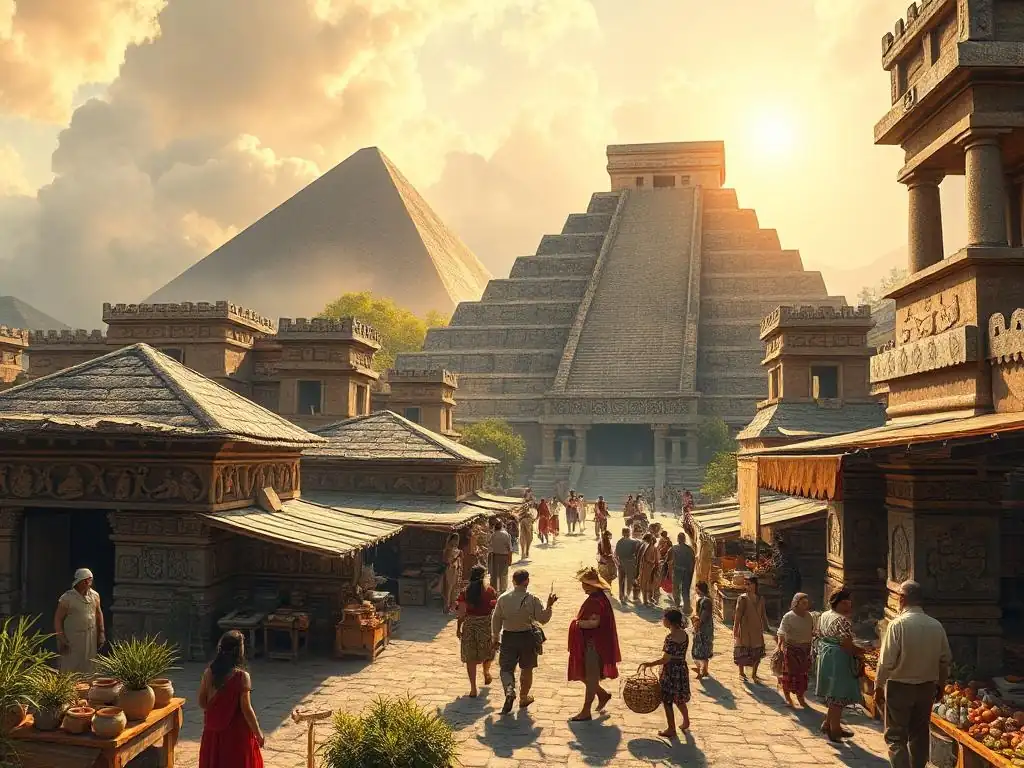
The Toltec civilization was characterized by a well-defined social hierarchy that played a crucial role in shaping its cultural and political landscape. At the top of this hierarchy were the nobility, who held significant power and influence within Toltec society. This elite class was composed of rulers, priests, and high-ranking officials, who often claimed divine ancestry, thereby legitimizing their authority. They were responsible for making critical decisions regarding governance, religion, and military campaigns.
Beneath the nobility were the warriors, who were esteemed for their bravery and skill in battle. They not only served as protectors of the state but also played a vital role in the expansion of Toltec territories through military conquests. Warrior status was often achieved through personal valor in combat, which could elevate an individual’s social standing.
The largest group in Toltec society consisted of the commoners, who engaged in various trades, agriculture, and artisanal crafts. This class was essential for sustaining the economy and supporting the elite. Commoners could improve their social status by excelling in their trades or through military service, although the opportunities for upward mobility were limited.
| Class | Responsibilities | Status |
|---|---|---|
| Nobility | Governance, religious rituals | Highest social status |
| Warriors | Military protection and expansion | Respected and honored |
| Commoners | Agriculture, trade, craft production | Largest and least privileged |
Family Life and Gender Roles within Toltec Culture
Family life played a central role in the daily existence of the Toltec civilization. The family unit was typically structured around a patriarchal model, where men held authority over household matters, property, and the upbringing of children. However, women also had significant responsibilities and roles within the household, contributing to economic activities such as weaving, pottery, and food preparation.
Gender roles were quite distinct, with men primarily engaged in public life, warfare, and trade, while women managed domestic affairs. That said, women could acquire property and engage in trade, which provided them with a degree of economic independence unusual for many contemporary societies. This balance of roles indicates that while the Toltec culture embraced a patriarchal structure, women still played a pivotal part in the economic and social fabric of the civilization.
Children were educated within the family, with boys often being trained in warfare and trades, while girls learned domestic skills. The education of children was essential for maintaining the cultural and societal norms of the Toltec civilization.
Trade and Economy of the Toltec Civilization
The economy of the Toltec civilization was diverse and sophisticated, relying heavily on agriculture, trade, and craftsmanship. The Toltecs were skilled agriculturalists, cultivating crops such as maize, beans, and squash, which formed the backbone of their diet. The surplus produced allowed for trade with neighboring cultures, enhancing their economic stability.
Trade routes extended throughout Mesoamerica, linking the Toltecs with various civilizations, including the Maya and the Aztecs. This commerce was not only limited to agricultural products but also included precious materials such as obsidian, jade, and textiles. The Toltec civilization became known for its high-quality craftsmanship, particularly in the production of intricate pottery and decorative items, which were sought after in trade networks.
In addition to material goods, the exchange of ideas and cultural practices flourished through these trade networks, contributing to the rich tapestry of Toltec indigenous culture. The economic prosperity fostered by trade and agriculture allowed the Toltecs to invest in monumental architecture, religious practices, and the arts, further cementing their legacy in the history of the Americas.
The social structure, family roles, and economic practices of the Toltec civilization illustrate a complex and vibrant society that thrived long before European contact, leaving a lasting impact on the cultural landscape of the Americas.
Decline of the Toltec Civilization
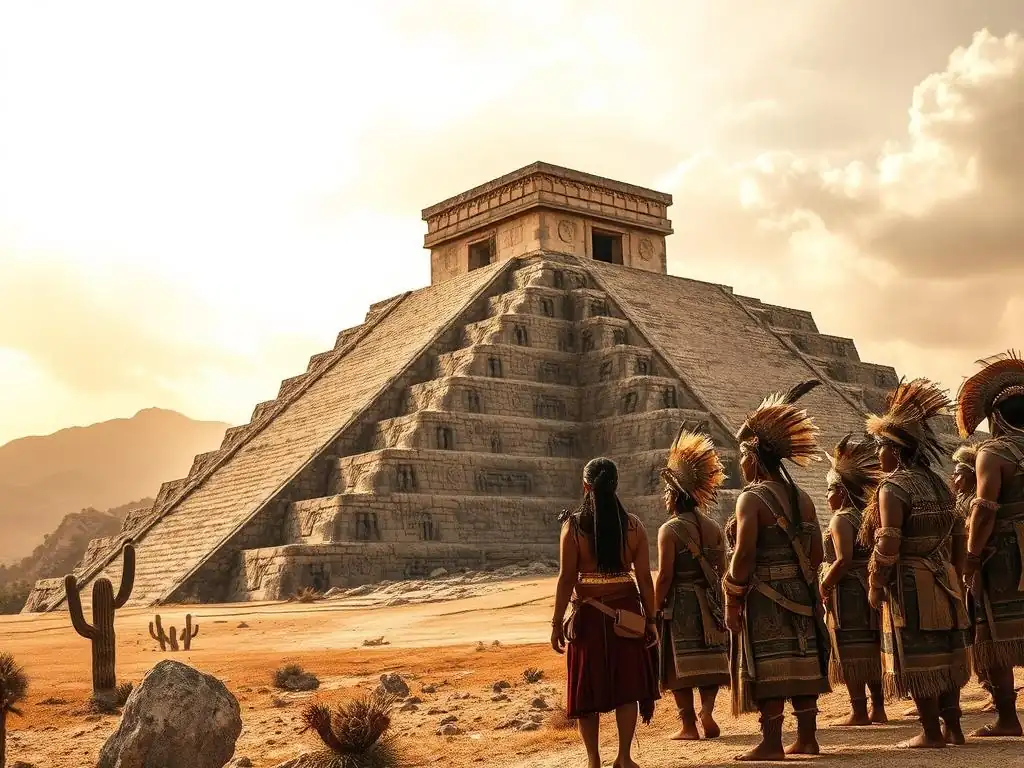
Factors Leading to the Fall of the Toltec Empire
The decline of the Toltec civilization, a prominent Mesoamerican culture known for its advancements in art, architecture, and social organization, can be attributed to multiple interrelated factors. Each of these elements contributed to the gradual disintegration of their once-flourishing empire.
-
Environmental Changes
The Toltec civilization thrived in the arid regions of central Mexico, particularly around Tula. However, evidence suggests that significant environmental changes, such as prolonged droughts, may have severely impacted agricultural productivity. With the primary agricultural system under strain, food scarcity likely led to social unrest and weakened the Toltec economy.
-
Internal Strife and Social Upheaval
As resources became scarce, social tensions within the Toltec society intensified. The rigid class structure, which included a ruling elite, artisans, and commoners, may have led to dissatisfaction among lower classes. This internal discord could have sparked uprisings or fragmentation within the empire, undermining the central authority.
-
Military Conflicts and External Pressures
The Toltecs were involved in various military conflicts with neighboring tribes and cultures, including the Chichimecas and the Mexica (later known as the Aztecs). These external pressures drained resources and military strength. The loss of key territories in battle would have further destabilized their control over the region.
-
Cultural and Political Fragmentation
The Toltec civilization was characterized by a highly stratified society with a strong political and religious framework. Over time, as the central authority weakened, local leaders may have gained more autonomy, leading to a fragmentation of the Toltec identity. This decentralization made it challenging to maintain a cohesive cultural narrative and governance structure.
The Legacy of the Toltec Civilization in Subsequent Cultures
The legacy of the Toltec civilization is profound, influencing various aspects of Mesoamerican cultures that followed. Despite their decline, the remnants of Toltec society contributed significantly to the cultural mosaic of the region.
-
Cultural Integration
Following the fall of the Toltecs, the Mexica, or Aztecs, adopted many elements of Toltec culture. This integration included religious practices, artistic styles, and architectural techniques. The Aztecs revered the Toltecs as cultural predecessors, often associating them with wisdom and civilization.
-
Architectural Influence
The Toltec architectural style, characterized by monumental structures and the use of colonnades, had a lasting impact on subsequent civilizations. Temples and pyramids constructed by the Aztecs often reflected Toltec designs, showcasing their advanced engineering and artistic skills.
-
Mythology and Religion
Toltec mythology and religious beliefs continued to resonate in the narratives of later cultures. Deities such as Quetzalcoatl, who was central to Toltec religion, were adapted and incorporated into the pantheon of the Aztec gods. This continuity of mythological themes illustrates the enduring influence of Toltec spirituality.
-
Artistic Legacy
The distinctive artistry of the Toltecs, evident in their stone carvings and pottery, also influenced the artistic expressions of subsequent civilizations. The combination of realistic and abstract forms in Toltec art can be seen in later Mesoamerican artifacts, highlighting a shared cultural heritage.
While the Toltec civilization faced significant challenges leading to its decline, its cultural contributions and legacies continued to shape the identity and practices of later societies in Mesoamerica. The interplay between myth and reality within Toltec history serves as a testament to the resilience and adaptability of indigenous cultures in the Americas.
The Lasting Impact of the Toltec Civilization
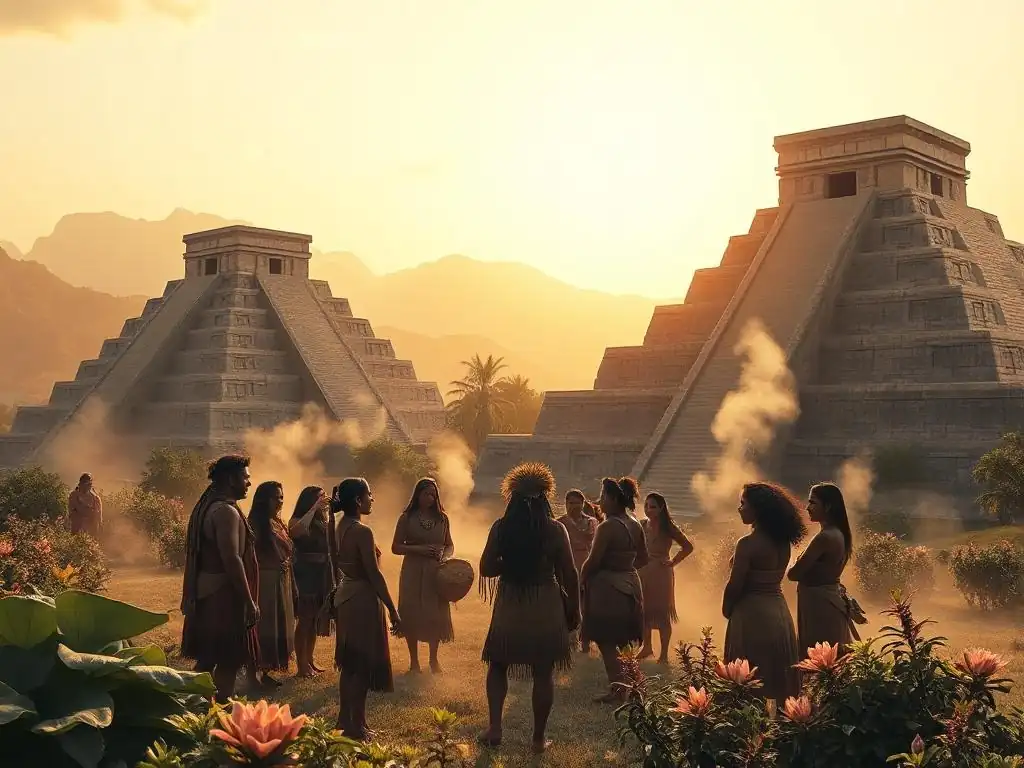
The Toltec civilization, which flourished in central Mexico from approximately the 10th to the 12th centuries, left an indelible mark on the cultural landscape of Mesoamerica. Their influence reverberated through subsequent civilizations, shaping social structures, artistic expression, and religious practices for generations to come. This impact is evident in various aspects of later indigenous cultures, particularly the Aztecs, who regarded the Toltecs as a foundational civilization.
Influence on Later Indigenous Cultures in Mesoamerica
The Toltec civilization is often credited with several key innovations that significantly influenced subsequent Mesoamerican societies. Among these, the following stand out:
- Art and Architecture:
- The Toltecs were master builders and artisans, renowned for their impressive stonework and monumental architecture, particularly at their capital, Tula. Structures like the Pyramid of Quetzalcoatl illustrate their advanced engineering techniques and distinct artistic style.
- Aztec architecture and sculpture drew heavily from Toltec designs, integrating similar motifs and structural elements that would become hallmarks of Mesoamerican architecture.
- Religious Practices:
- The Toltec pantheon included deities such as Quetzalcoatl, who would be revered in later cultures, especially by the Aztecs. This god became a central figure in Mesoamerican mythology, symbolizing wind, air, and learning.
- Ritual practices, including human sacrifice and offerings, were also inherited and adapted by cultures that followed, reflecting a continuity of belief systems rooted in Toltec traditions.
- Political Organization:
- The concept of the city-state, a vital political structure among the Toltecs, influenced the governance of later civilizations. The Aztecs, in particular, adopted and modified this model, leading to the establishment of a vast empire based on tribute and alliances.
- The Toltec system of governance, which emphasized military prowess and religious authority, set a precedent for the centralized power structures that characterized the Aztec Empire.
- Mythology and Literature:
- Toltec legends and narratives permeated the folklore of later cultures, intertwining history and mythology. The tales of Toltec hero-figures, such as Topiltzin Quetzalcoatl, served as moral and cultural touchstones for subsequent generations.
- The reverence for the Toltecs as "civilized" people became a point of pride and identity for later indigenous groups, particularly the Aztecs, who sought to emulate and connect with their predecessors.
Modern Perspectives on Toltec Heritage and Identity
Today, the legacy of the Toltec civilization continues to resonate within contemporary indigenous identities and cultural expressions. Scholars, artists, and community leaders engage with Toltec history in various ways:
- Cultural Revival:
- Many modern indigenous groups in Mexico and Central America are reclaiming Toltec heritage through cultural festivals, traditional crafts, and educational programs that celebrate their ancestry.
- The revival of Toltec-inspired art forms and practices serves to reinforce cultural identity and pride among descendants of these ancient peoples.
- Historical Research and Interpretation:
- Ongoing archaeological research and interdisciplinary studies contribute to a deeper understanding of Toltec civilization, challenging previous narratives that often marginalized indigenous perspectives.
- Modern scholarship emphasizes the complexity and sophistication of Toltec society, highlighting their contributions to Mesoamerican civilization as a whole.
- Spiritual and Philosophical Influence:
- The teachings attributed to the Toltec tradition, particularly in spiritual and philosophical realms, are experiencing a resurgence in interest. Concepts related to living harmoniously with nature, personal growth, and community solidarity echo in contemporary indigenous worldviews.
- New Age movements have also appropriated aspects of Toltec philosophy, sometimes leading to a blend of ancient wisdom with modern spiritual practices, which can both empower and complicate the understanding of true Toltec heritage.
The lasting impact of the Toltec civilization is evident in the cultural fabric of Mesoamerica and continues to inspire modern indigenous identities. Their achievements in art, governance, and spirituality not only shaped their own society but also left an enduring legacy that resonates through history, enriching the cultural tapestry of the Americas.
Conclusion: The Toltec Civilization as a Blend of Myth and Reality
The Toltec civilization stands as a remarkable testament to the complexity and depth of indigenous cultures in the Americas. Emerging around the 10th century and flourishing until the 12th century, the Toltecs created a rich tapestry of art, architecture, and spirituality that intertwines with the myths and legends of their time.
Reflecting on the Importance of Toltec Culture in Indigenous History
The significance of the Toltec civilization extends beyond their historical timeline; it has profoundly influenced various Mesoamerican cultures that followed. The Toltecs are often regarded as cultural and intellectual predecessors to the Aztecs, who revered them as masters of art and warfare. This connection underscores the Toltec civilization's indigenous culture as a foundational pillar in the narrative of indigenous history across the Americas.
- Cultural Influence:
- The Toltecs are credited with advancing architectural techniques, as seen in their monumental structures at Tula, which served as a model for subsequent civilizations. The stepped pyramids and intricate stone carvings reflect a sophisticated understanding of aesthetics and engineering.
- Their religious practices, centered around a pantheon of deities, laid the groundwork for later rituals and beliefs that permeated Mesoamerican societies.
- Artistic Legacy:
- The artistic achievements of the Toltecs, particularly in sculpture and pottery, highlight their skill and creativity. The famous Atlantean figures of Tula are not only architectural supports but also powerful symbols of Toltec identity and mythology.
- The blending of art with spirituality in Toltec culture illustrates how indigenous peoples imbued their creations with meaning that transcended mere aesthetics.
- Historical Narratives:
- Myths surrounding the Toltecs, including tales of Quetzalcoatl, reflect the intricate relationship between history and storytelling in indigenous societies. These narratives served not only as entertainment but also as moral lessons and reflections on the human condition.
- The interplay between myth and reality in Toltec civilization encourages a deeper understanding of how indigenous cultures constructed their identities and societal values.
Encouraging Further Exploration of Indigenous Civilizations of the Americas
Understanding the Toltec civilization is just the beginning of a broader journey into the rich tapestry of indigenous cultures across the Americas. Each civilization, with its unique contributions and experiences, offers insights into the resilience and creativity of indigenous peoples.
- Key Areas for Exploration:
- Comparative Studies: Investigating how the Toltec civilization influenced and was influenced by contemporaneous cultures like the Maya and Aztecs can reveal interconnectedness in indigenous histories.
- Archaeological Discoveries: Ongoing excavations and research continue to uncover new information about the Toltecs, providing opportunities for enthusiasts and scholars alike to engage with the past.
- Cultural Revitalization: Many indigenous communities today are reclaiming and revitalizing their heritage, offering a contemporary perspective on ancient practices and beliefs.
The Toltec civilization serves as a poignant reminder of the intricate and multifaceted nature of indigenous cultures in the Americas. By delving deeper into their history, achievements, and ongoing legacy, we gain a richer appreciation of the diverse tapestry that constitutes the indigenous civilizations of the Americas.
Frequently Asked Questions
What is the Toltec civilization known for?
The Toltec civilization is recognized for its advanced architecture, intricate artistry, and significant contributions to Mesoamerican culture, particularly in the areas of religion and governance.
How did the Toltec civilization influence other indigenous cultures?
The Toltec civilization played a crucial role in shaping later Mesoamerican cultures, notably the Aztecs, who adopted many Toltec religious practices and architectural styles, showcasing their lasting impact.
What are some key achievements of the Toltec civilization?
Key achievements include the construction of elaborate pyramids, advancements in agriculture, and the development of a rich mythological tradition that influenced various aspects of life and spirituality.
How does the Toltec civilization fit into the broader context of indigenous cultures in the Americas?
The Toltec civilization represents a vital link in the cultural tapestry of indigenous cultures, illustrating the diversity and complexity of societies that existed in the Americas before European colonization.
What legacy did the Toltec civilization leave behind?
The Toltec civilization left a profound legacy through its art, architecture, and philosophy, which continue to be studied and revered, highlighting the rich history of indigenous cultures in the Americas.
Final Reflection: The Enduring Legacy of the Toltec Civilization
The Toltec civilization stands as a testament to the intricate interplay between myth and reality, showcasing how indigenous cultures can shape and define the human experience. Today, as we navigate a world increasingly disconnected from its roots, the lessons of the Toltecs remind us of the importance of honoring our heritage and understanding the narratives that have shaped our identities. Their rich tapestry of history invites us to explore the depths of our own cultures and the stories that bind us together.
The influence of the Toltec civilization extends far beyond its historical timeline, resonating within the cultural and social landscapes of contemporary society. From art and architecture to spiritual practices, the echoes of Toltec wisdom can be felt in various aspects of modern life. As we strive for a deeper understanding of our own identities, we are reminded of the words of a Toltec sage: We are the creators of our own reality.
This powerful statement encourages us to reflect on how our perceptions and beliefs shape our world, urging us to embrace the wisdom of those who came before us.
As you close this chapter on the Toltec civilization, I invite you to reflect on the lessons embedded within their story. Consider how the principles of resilience, creativity, and interconnectedness can inspire your own journey. Let the legacy of the Toltecs serve as a guiding light, encouraging you to weave your own narrative with intention and purpose. Embrace the richness of your heritage and the stories that shape your identity, for in doing so, you contribute to the vibrant tapestry of human history.
Unveil the Rich Legacy of the Toltec Civilization!
Thank you for diving into the fascinating world of the Toltec civilization with us! You’ve explored the rich tapestry of myths and realities that shaped a culture full of wisdom and artistry. Now, it’s time to take your newfound knowledge and transform it into action!
Here are a few ways you can continue your journey:
- Explore Further: Delve deeper into the study of Toltec mythology and its profound influence on subsequent Mesoamerican cultures to enhance your understanding.
- Engage with Community: Participate in online forums or social media groups dedicated to indigenous civilizations—share your insights and learn from the diverse perspectives of others!
- Visit a Museum: Look for exhibitions or local museums that display Toltec artifacts—immerse yourself in their history and culture firsthand!
What aspect of the Toltec civilization resonates with you the most, and how do you plan to explore it further? We’d love to hear your thoughts!