
The Role of the Nobility: Power Dynamics in Mesoamerican Societies

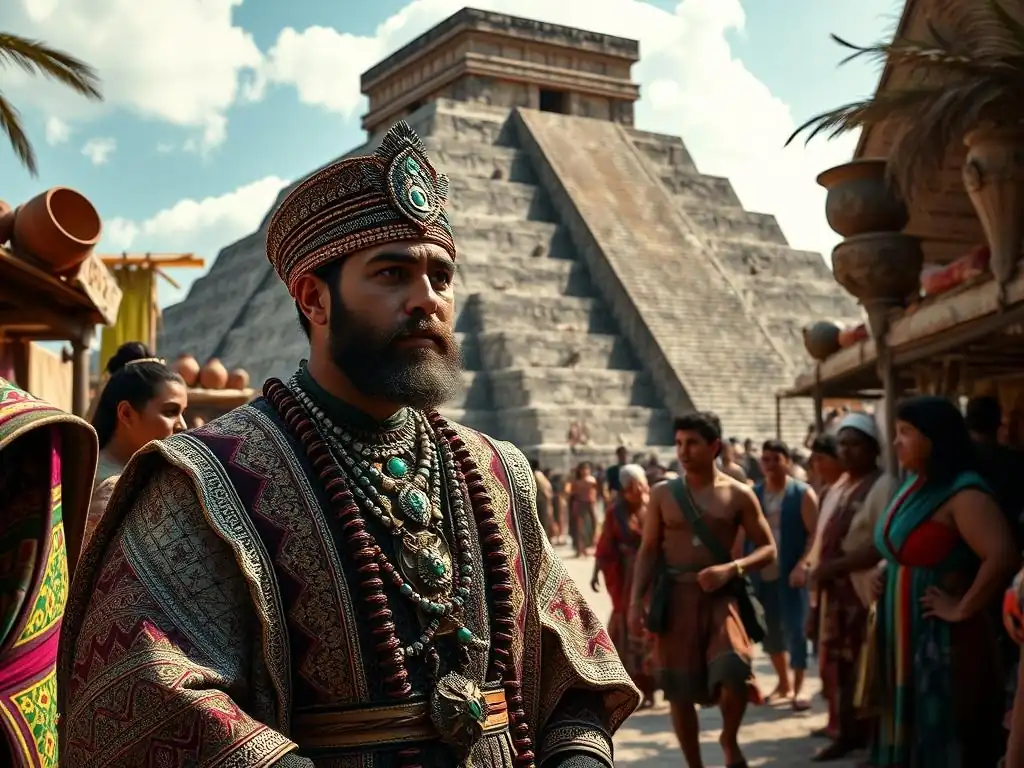
Welcome to Indigenous Civilizations of the Americas, where we embark on a captivating journey through the rich tapestry of cultures that flourished long before European contact. In our featured article, “The Role of the Nobility: Power Dynamics in Mesoamerican Societies,” we delve into the intricate relationships and hierarchies that defined Mesoamerican nobility. Discover how power was wielded, challenged, and transformed within these vibrant societies. Join us as we unlock the secrets of their achievements and explore the profound legacy they left behind, inviting you to dive deeper into the fascinating world of indigenous cultures.
- Introduction to Mesoamerican Nobility Power Dynamics
- Historical Context of Mesoamerican Nobility
- Structure of Mesoamerican Nobility
- Functions of Nobility in Mesoamerican Societies
- Nobility and Religion in Mesoamerica
- Power Dynamics Among Nobles
- The Decline of Nobility Power Dynamics
- Conclusion: Legacy of Mesoamerican Nobility Power Dynamics
- Frequently Asked Questions
- Final Reflection: Understanding Mesoamerican Nobility Power Dynamics
- Unveil the Secrets of Mesoamerican Power Dynamics!
Introduction to Mesoamerican Nobility Power Dynamics
The intricate tapestry of Mesoamerican societies was woven with complex power dynamics, where nobility played a pivotal role in the governance and cultural development of these civilizations. Understanding the Mesoamerican nobility power dynamics is essential to grasp how these societies functioned and thrived long before European contact. This article delves into the multifaceted structures of power, examining how the nobility influenced political decisions, religious practices, and social hierarchies. By exploring the achievements and roles of noble classes within various Mesoamerican cultures, we can appreciate their lasting impact on the region's historical narrative and cultural legacy.
Overview of Mesoamerican Societies
Mesoamerican civilizations, which include the Olmec, Maya, Aztec, and others, were characterized by their advanced systems of governance, intricate social hierarchies, and rich cultural practices. These societies shared several common features:
- Urban Centers: Major cities such as Tenochtitlan, Teotihuacan, and Chichen Itza served as political, economic, and religious hubs.
- Agricultural Innovations: Advanced agricultural techniques, including terrace farming and chinampas, supported large populations and complex societies.
- Religious Systems: Polytheistic beliefs and rituals played a significant role in governance and societal cohesion.
The nobility in these societies often held significant power, acting as intermediaries between the ruling elite and the common populace. Their authority was derived from both lineage and the divine, reinforcing their status through religious and cultural practices.
Importance of Nobility in Governance
The nobility was central to the governance structures of Mesoamerican societies, serving various critical functions:
- Political Leadership: Nobles often held titles that conferred authority over specific regions or city-states. They were responsible for maintaining order, collecting tribute, and enforcing laws.
- Religious Authority: Many nobles served as priests or religious leaders, intertwining governance with spirituality. This dual role allowed them to legitimize their authority and maintain social control.
- Economic Control: Nobility managed resources and trade, ensuring the wealth of their city-states. Their control over land and labor was crucial for economic stability and growth.
The complex interplay of these roles highlights the significance of nobility in shaping the political landscape of Mesoamerican societies, ultimately influencing their historical trajectories and cultural evolution. Understanding these dynamics provides valuable insights into the broader context of indigenous governance systems in the Americas.
Historical Context of Mesoamerican Nobility
Origins of Nobility in Mesoamerican Civilizations
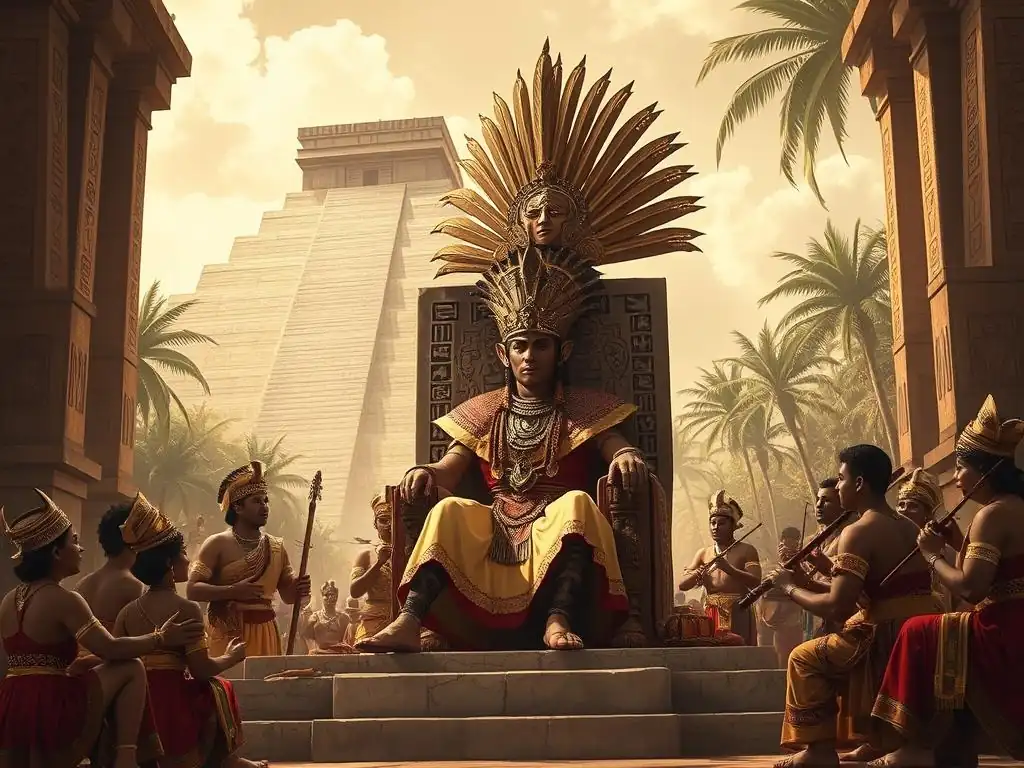
The concept of nobility in Mesoamerican civilizations emerged as societies became increasingly complex and stratified, particularly during the Preclassic and Classic periods. The formation of agricultural surpluses allowed for population growth and the development of specialized roles within communities, leading to the establishment of leadership hierarchies. Nobility in these societies often comprised individuals who held significant land, resources, and power, enabling them to wield influence over both their peers and the general populace.
Nobility was frequently justified through divine right or lineage, with elite families claiming descent from gods or legendary figures. This connection to the sacred not only legitimized their authority but also reinforced social hierarchies. The nobility played a crucial role in governance, military leadership, and religious practices, acting as intermediaries between the gods and the people.
Key Mesoamerican Cultures and Their Nobility Systems
Mesoamerican societies, such as the Maya, Aztec, and Olmec, each developed unique systems of nobility that reflected their cultural values and social structures. Below is a detailed examination of these systems.
The Maya Nobility
The Maya civilization, known for its impressive city-states and sophisticated culture, had a well-defined nobility that was integral to its governance. The Maya elite, or ajaw, held political and religious authority, often serving as rulers of city-states. Nobles were distinguished by their access to luxury goods, elaborate clothing, and exclusive burial practices, which signified their high status.
- Social Stratification: The Maya nobility was divided into several ranks, with the ajaw at the top, followed by lesser nobles who served as advisors, military leaders, and priests. This hierarchical system ensured that political power remained concentrated among a few elite families.
- Political Role: Nobles were responsible for maintaining order in their city-states, collecting tribute from commoners, and leading military campaigns. Their power was often intertwined with religion, as many nobles also acted as high priests, conducting ceremonies to appease the gods.
- Cultural Influence: The Maya nobility played a significant role in the arts and sciences, commissioning monumental architecture, codices, and astronomical observations that reflected their cultural achievements and religious beliefs.
The Aztec Nobility
The Aztec Empire, known for its militaristic expansion and centralized governance, featured a complex nobility system that was pivotal to its power dynamics. The nobility, or pipiltin, was primarily composed of individuals related to the ruling family or those who had demonstrated exceptional service to the empire.
- Elite Class Structure: The Aztec nobility was characterized by a strict hierarchy, with the tlatoani (emperor) at the apex, followed by noble warriors and priests. This structure not only facilitated governance but also reinforced loyalty to the ruling class.
- Military and Economic Power: Nobles were often given control over vast lands and resources, which they managed through a system of tribute and labor from commoners. Their military prowess was crucial in expanding the empire and maintaining its dominance over subjugated territories.
- Religious Authority: Aztec nobles were integral to religious life, often serving as high priests or conducting major ceremonies. They believed that their actions directly influenced the favor of the gods, further entrenching their authority within society.
The Olmec Nobility
The Olmec civilization, recognized as one of the earliest complex societies in Mesoamerica, had a unique system of nobility that laid the groundwork for future Mesoamerican cultures. Although less documented than the Maya and Aztec systems, the Olmec nobility was influential in shaping governance and religious practices.
- Ruling Elite: The Olmec were governed by a class of elite leaders, who likely derived their power from both military prowess and control of trade routes. These leaders were essential in organizing large-scale construction projects, such as the colossal heads and ceremonial centers.
- Cultural Significance: The nobility of the Olmec also played a vital role in the development of religious iconography and practices, which influenced later civilizations. Their societal structure emphasized the importance of divine kingship, linking rulers to spiritual authority.
- Legacy: The Olmec nobility's practices and governance models had a lasting impact on subsequent Mesoamerican cultures, particularly in the realms of religion, art, and social organization, setting a precedent for the complex hierarchies that characterized later societies.
By analyzing the origins and systems of nobility in Mesoamerican societies, we can better understand the intricate power dynamics that shaped their governance and cultural legacies. The interplay between political authority, military power, and religious influence established a framework that would influence generations to come.
Structure of Mesoamerican Nobility
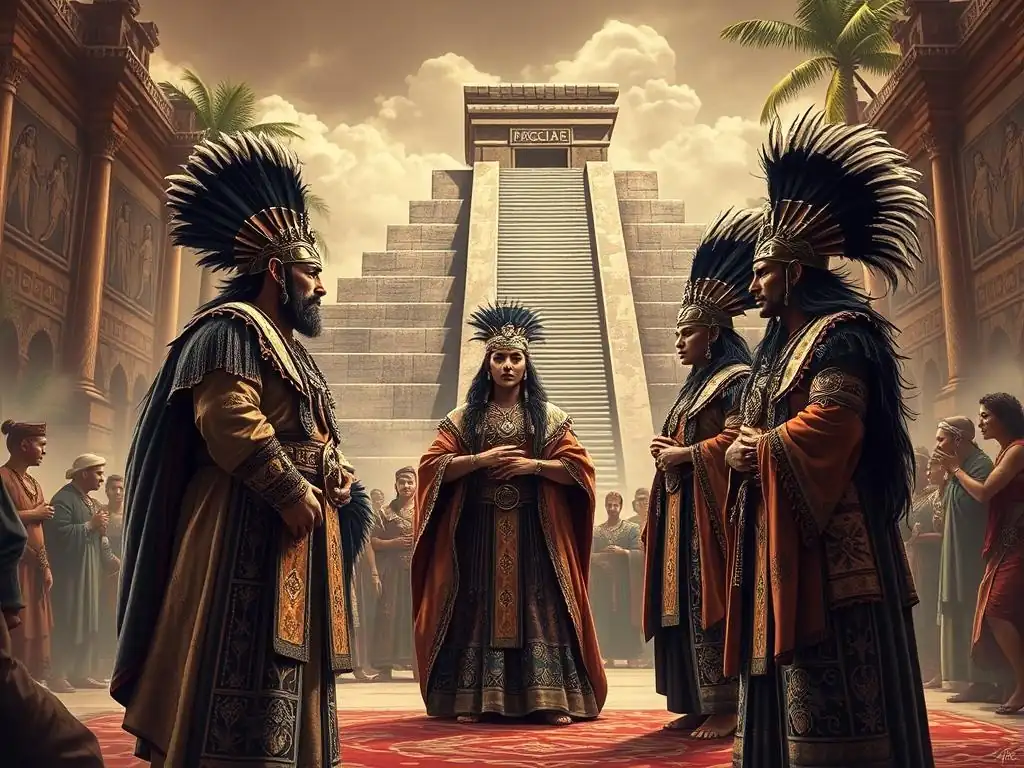
The structure of Mesoamerican nobility was complex and varied across different civilizations, such as the Aztecs, Maya, and Zapotecs. These layered hierarchical systems were integral to the governance and social organization of these societies, influencing power dynamics significantly. The nobility played a crucial role in administration, religious practices, and military leadership, often acting as intermediaries between the common people and the ruling elite.
Hierarchical Organization of Nobility
Mesoamerican nobility was characterized by a strict hierarchical organization that dictated roles, responsibilities, and privileges. At the top of this hierarchy were the high-ranking nobles, often referred to as tlatoani in Aztec society, who served as rulers of city-states. Below them were lesser nobles, known as pipiltin, who held significant power over regional territories and were responsible for local governance.
The hierarchy can be summarized as follows:
- High Nobility (Tlatoani)
- Rulers of city-states
- Controlled large territories and resources
- Engaged in diplomacy and warfare
- Lower Nobility (Pipiltin)
- Local leaders and military commanders
- Managed day-to-day affairs of their regions
- Acted as advisors to the high nobility
- Noble Families (Cihuacoatl and Others)
- Held land and titles passed through generations
- Participated in religious and ceremonial functions
- Often intermarried to maintain power within a select group
This hierarchical structure not only reinforced the power dynamics within Mesoamerican societies but also established a clear distinction between the roles of nobles and commoners, shaping the social fabric of these civilizations.
Roles and Titles within the Nobility
The roles and titles within the Mesoamerican nobility were diverse and often intertwined with religious and military duties. Nobles were not just political leaders; they were also key figures in the spiritual and cultural life of their communities. Some notable roles included:
- Tlatoani: The supreme leader of a city-state, responsible for governance, military decisions, and ritual practices.
- Cihuacoatl: Often translated as "female serpent," this title was usually held by a high-ranking woman who played a vital role in governance and religious activities.
- Military Leaders: Nobles frequently led armies into battle, earning titles based on their achievements and conquests.
- Priests: Nobles often served as priests, conducting rituals and maintaining the religious calendar, which was central to Mesoamerican life.
These roles highlight the multifaceted nature of nobility in Mesoamerican societies, emphasizing their influence across various aspects of life, from governance to spirituality.
Nobles vs. Commoners: Social Stratification
The distinction between nobles and commoners in Mesoamerican societies was stark and had profound implications for social stratification. Nobility enjoyed privileges that were not available to commoners, including:
- Land Ownership: Nobles typically controlled vast territories and resources, while commoners worked the land and paid tribute.
- Political Power: Nobles were the decision-makers in government, whereas commoners had limited political representation.
- Access to Education: Nobles often received formal education, which was largely inaccessible to commoners, allowing them to maintain their status and influence.
This social stratification was reinforced by cultural beliefs that viewed nobility as divinely ordained. The nobility's role as intermediaries between the gods and the people further entrenched their privileged position, allowing them to control resources and maintain power.
The Mesoamerican nobility power dynamics were defined by a hierarchical structure, diverse roles within the nobility, and a clear division between nobles and commoners. Understanding these dynamics is crucial for comprehending the governance systems that shaped the rich tapestry of Mesoamerican civilizations.
Functions of Nobility in Mesoamerican Societies
Political Power and Governance
The Mesoamerican nobility played a pivotal role in the governance systems of their societies, wielding substantial political power that shaped the course of their civilizations. The nobility was often composed of elite families who traced their lineage to divine or semi-divine origins, which provided them with not only legitimacy but also a mandate to rule. Their authority was reinforced through rituals, military prowess, and alliances with other noble families, allowing them to maintain control over vast territories and populations.
Nobility's Role in Decision-Making Processes
Noble individuals frequently acted as advisors to kings and high priests, contributing to critical decision-making processes that affected the entire society. For instance, in the Aztec Empire, the pilli (noble class) were integral to governance, serving as military commanders, judicial authorities, and administrators. Their input was essential in matters of war, diplomacy, and resource allocation.
The nobility also participated in councils where laws were discussed and enacted. These councils were vital for maintaining social order, as the nobility used their influence to ensure that decisions aligned with the interests of their class while also addressing the needs of commoners to some extent. This duality often helped to prevent dissent and maintain stability within the empire.
Influence on Law and Order
Mesoamerican nobility had a significant impact on the legal framework of their societies. They were responsible for the creation and enforcement of laws, which not only governed their own conduct but also established the social order among commoners. Nobles were often the judges in legal disputes, and their decisions could reflect both the laws of the land and the prevailing social norms.
Moreover, the nobility's influence over law was demonstrated through the implementation of punishments and rewards that reinforced their authority. For example, nobles could impose fines or grant privileges based on their discretion. Their power to interpret laws often resulted in a system that favored the elite, thereby perpetuating their dominance over lower classes.
Economic Control and Resource Management
The economic power of the Mesoamerican nobility was deeply intertwined with their political authority. Control over land, resources, and trade routes allowed them to accumulate wealth and maintain their status within society. This economic dominance was crucial for funding military campaigns and supporting the religious institutions that further legitimized their rule.
Land Ownership and Agricultural Production
Land ownership was one of the most significant aspects of noble power in Mesoamerican societies. Nobles held large estates that were worked by peasants, who provided labor in exchange for protection and a share of the harvest. This system created a dependency that reinforced the nobility's status and wealth.
In societies like the Maya and the Aztecs, agricultural production was paramount. Nobles often controlled the most fertile lands, enabling them to produce surplus crops. This surplus was not only vital for sustaining their own households but also for supporting the economy through trade and tribute systems. The ability to manage agricultural resources effectively was a key factor in the nobility's power dynamics.
Trade and Wealth Accumulation
Trade was another avenue through which Mesoamerican nobles accrued wealth and influence. They controlled key trade routes and established markets that facilitated the exchange of goods, both locally and over long distances. Nobles often acted as intermediaries in trade, acquiring luxury items, such as cacao, textiles, and precious metals, which further enhanced their status.
Additionally, the nobility's involvement in trade allowed them to create economic alliances with other regions, solidifying their power. Wealth accumulation was not only a means of personal enrichment but also a way to reinforce their position within the broader social hierarchy. The intricate relationship between trade and nobility exemplified the complex Mesoamerican nobility power dynamics, where economic control was as significant as political authority.
Nobility and Religion in Mesoamerica
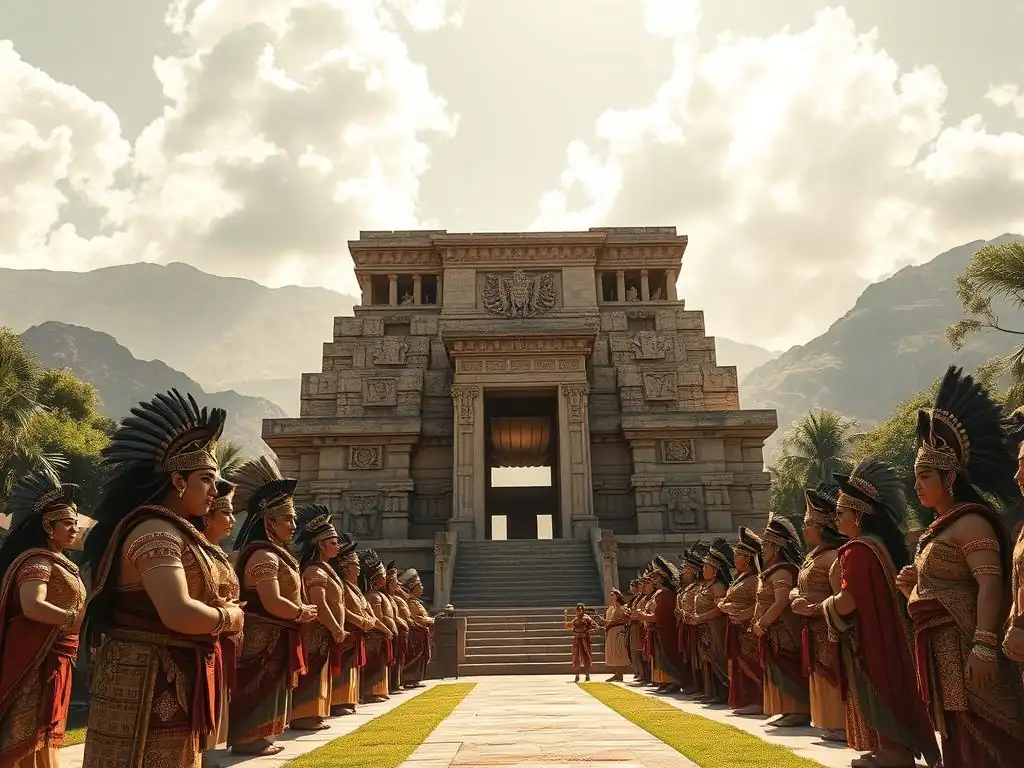
In Mesoamerican societies, the interplay between nobility and religion was a fundamental aspect of governance and social structure. Nobles not only wielded political power but also held significant spiritual authority, which reinforced their status and influence within the community. This symbiotic relationship between the elite class and religious practices was crucial in maintaining societal order and cultural continuity.
The spiritual authority of the Mesoamerican nobility was deeply intertwined with the religious beliefs and practices of various civilizations, such as the Aztecs, Maya, and Mixtecs. Nobles were often viewed as intermediaries between the gods and the common people. Their ability to communicate with deities was believed to be essential for ensuring agricultural fertility, successful warfare, and overall prosperity.
- Divine Right to Rule: Nobles were often considered to be of divine descent or chosen by the gods. This belief was pivotal in legitimizing their authority and justifying their power over the populace.
- Role in Governance: Nobles played a crucial role in governance by overseeing religious rituals that were believed to maintain cosmic order. Their involvement in these practices reinforced their political power and societal status.
Nobles as Religious Leaders
Mesoamerican nobles frequently assumed roles as religious leaders within their communities, which allowed them to wield additional influence. These leaders were responsible for conducting important rituals, overseeing temples, and ensuring that the community adhered to religious customs.
- Priestly Functions: Many nobles were trained as priests, possessing intricate knowledge of sacred texts and rituals. Their dual role as both political and religious leaders enabled them to consolidate power.
- Ceremonial Duties: Nobles participated in various ceremonies that were vital to the community's spiritual life. These included rites for the agricultural calendar, such as planting and harvest festivals, as well as ceremonies dedicated to the gods of war and rain.
Rituals and Ceremonies Involving Nobility
Rituals and ceremonies involving the nobility were integral to Mesoamerican culture, bridging the gap between the sacred and the secular. These events not only served religious purposes but also reinforced the social hierarchy and the nobility's role within it.
- Human Sacrifice: Perhaps one of the most notable practices was the ritual of human sacrifice, which was believed to be necessary to appease the gods and ensure the continuation of the world. Nobles often presided over these ceremonies, further entrenching their power.
- Festivals and Offerings: Festivals such as the Aztec "Tlacaxipehualiztli," which honored the god of vegetation, involved elaborate displays of nobility and included offerings to the deities. Nobles would often participate in these rituals as both benefactors and leaders, showcasing their wealth and status.
Through these spiritual roles and the execution of religious rituals, Mesoamerican nobility not only reinforced their power dynamics but also ensured that their societies remained interconnected through shared beliefs and cultural practices. This relationship between nobility and religion was a cornerstone of Mesoamerican governance systems, highlighting the complexity of their social structures.
Power Dynamics Among Nobles
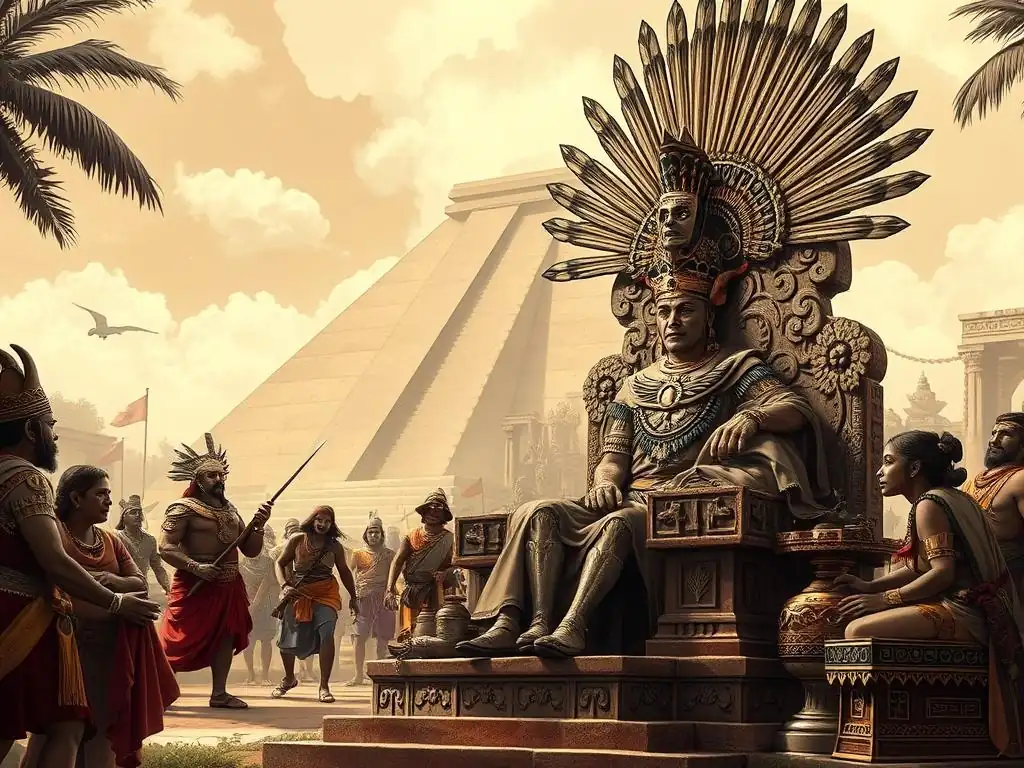
In Mesoamerican societies, the nobility played a pivotal role in shaping the political landscape and influencing the power dynamics within their communities. These power dynamics were characterized by a complex interplay of rivalries, alliances, and social hierarchies that defined the relationships among the elite.
The nobility was not a monolithic group; rather, it comprised various ranks and lineages, each vying for power and influence. This competition often manifested in inter-noble rivalries, where noble families would engage in conflicts over territory, resources, and prestige. Such rivalries were not only a matter of personal ambition but were deeply intertwined with the larger socio-political fabric of Mesoamerican civilization.
Inter-Noble Rivalries and Alliances
Inter-noble rivalries were a significant aspect of Mesoamerican nobility power dynamics. For instance, during the height of the Aztec Empire, noble families within the city-states often competed against one another for favor with the emperor. This competition could lead to military conflicts, as nobles sought to expand their influence through conquest.
- Military Conflicts: Nobles would form alliances to wage war against rival factions, leading to a cycle of warfare that could destabilize regions.
- Strategic Marriages: To solidify power, nobles frequently arranged marriages with other noble families. Such unions aimed to forge alliances and consolidate power, creating a network of interdependencies among the elite.
- Political Intrigue: Nobles often engaged in espionage and political maneuvering, attempting to undermine their rivals while enhancing their own status.
These rivalries and alliances were not merely personal disputes but were reflective of the broader societal structure that placed immense importance on noble lineage and status.
The Relationship between Nobility and Common People
The relationship between the nobility and common people in Mesoamerican societies was characterized by a mutual dependence that shaped the community's overall governance. The nobility wielded significant power, but their authority was often contingent on their ability to maintain the support of the common populace.
Nobility's Responsibilities to the Community
The nobility in Mesoamerican cultures was expected to uphold certain responsibilities to their communities. These duties included:
- Protection: Nobles were tasked with defending their territories against external threats. This often involved leading military campaigns or organizing local defense forces.
- Resource Management: Nobles managed the distribution of land and resources, ensuring that agricultural production met the needs of both the nobility and the common people.
- Religious Leadership: Many nobles also served as priests or religious leaders, mediating between the gods and the community. Their role in religious ceremonies was crucial for maintaining social cohesion and cultural identity.
Through these responsibilities, the nobility sought to cultivate loyalty and support from the common people, recognizing that their power was intrinsically linked to the well-being of the wider community.
Commoners' Role in Supporting the Nobility
While the nobility held most of the power, commoners played an essential role in sustaining the social order and supporting the elite. Their contributions included:
- Labor and Tribute: Commoners provided agricultural produce and tribute, which were vital for the sustenance of the nobility. This labor was often a significant part of the economic system, with commoners working the land owned by nobles.
- Military Service: In times of conflict, commoners were called upon to serve as soldiers or support personnel for noble-led campaigns. Their involvement was critical for the success of military endeavors.
- Cultural Practices: Commoners participated in rituals and festivals that reinforced the nobility's status, ensuring the continuation of cultural traditions that celebrated the elite's power.
This complex relationship underscored the interdependent nature of Mesoamerican society, where the power dynamics of the nobility could not exist without the support and cooperation of the common people. The balance of these dynamics was crucial for the stability and longevity of Mesoamerican civilizations.
The Decline of Nobility Power Dynamics
Impact of European Colonization on Mesoamerican Nobility
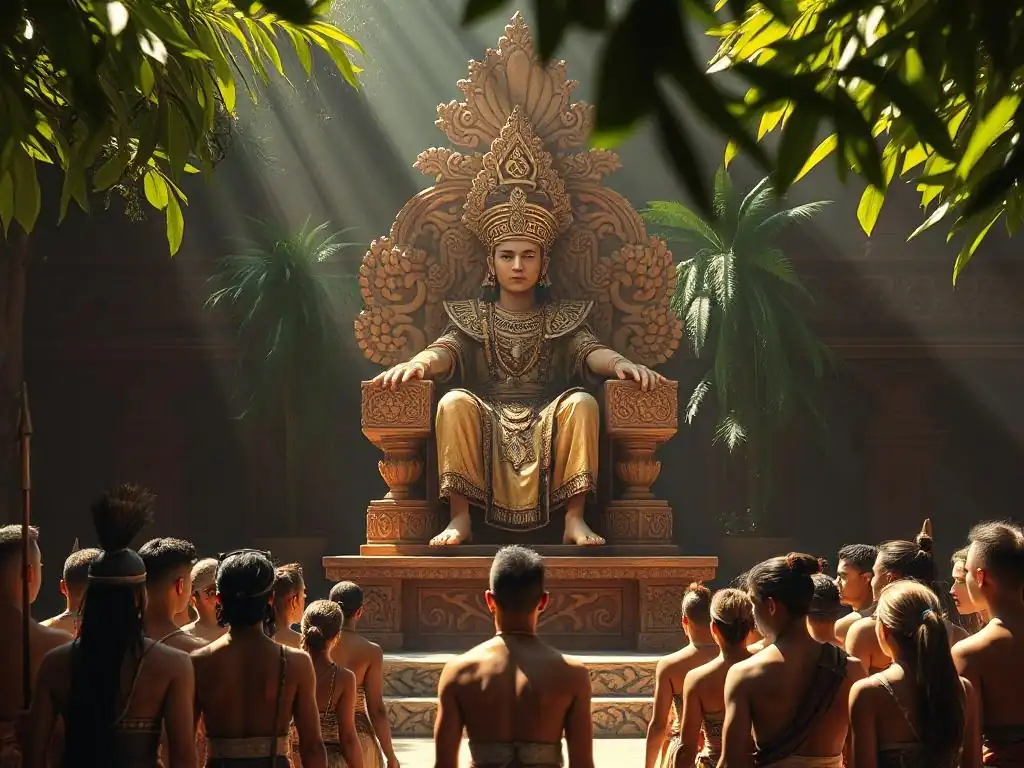
The arrival of Europeans in the early 16th century marked a turning point for the Mesoamerican nobility. The Spanish conquest disrupted the established social and political structures that had defined indigenous societies for centuries. The following factors contributed significantly to the decline of nobility power dynamics during this tumultuous period:
- Military Conquest:
- The Spanish, equipped with advanced weaponry and military tactics, overthrew powerful city-states such as the Aztec Empire and the Maya. The fall of Tenochtitlan in 1521 is a prime example, where the Spanish, led by Hernán Cortés, defeated the Aztec ruler Moctezuma II, leading to a rapid collapse of noble authority.
- Cultural Imposition:
- European colonizers imposed their own governance systems and social hierarchies. The introduction of Spanish laws and customs marginalized the indigenous elite, who struggled to maintain their influence in the face of foreign governance.
- Economic Exploitation:
- The encomienda system, which granted Spanish settlers the right to extract labor and tribute from indigenous peoples, severely undermined the economic base of Mesoamerican nobility. Nobles who once controlled vast resources found themselves displaced and economically disenfranchised.
- Religious Transformation:
- The spread of Christianity and the establishment of the Catholic Church led to a decline in the traditional religious authority of the nobility. Nobles who had once been seen as spiritual leaders found their roles diminished as European missionaries sought to convert indigenous populations.
Changes in Governance Post-Conquest
The decline of Mesoamerican nobility power dynamics resulted in significant changes in governance structures after the conquest. These transformations can be understood through several key developments:
- Spanish Colonial Administration:
- The establishment of viceroyalties and direct rule by Spanish authorities fundamentally altered governance. The Viceroyalty of New Spain became the administrative center for Mesoamerican territories, replacing indigenous governance with a system that prioritized Spanish interests.
- Creation of New Social Hierarchies:
- A caste system emerged, placing Spaniards at the top, followed by mestizos (people of mixed European and indigenous descent), and relegating indigenous peoples to the lowest social strata. This new hierarchy further marginalized the former nobility, stripping them of their status and influence.
- Representation of Indigenous Peoples:
- Although some indigenous leaders were allowed to retain limited authority as local governors or tribute collectors, their power was often constrained by Spanish oversight. This led to a hybrid governance model where indigenous customs were incorporated superficially, but real power remained in the hands of the colonizers.
- Resistance and Adaptation:
- In response to these drastic changes, some members of the Mesoamerican nobility adapted by collaborating with the Spanish or integrating into the new social order. Others led resistance movements, seeking to reclaim their lost power and influence, which would shape ongoing conflicts in the region.
The European colonization had a profound effect on Mesoamerican nobility power dynamics, leading to significant shifts in governance and social structures that would redefine indigenous societies for centuries to come.
Conclusion: Legacy of Mesoamerican Nobility Power Dynamics
The legacy of Mesoamerican nobility power dynamics is profound, as it laid the groundwork for the social hierarchies and governance structures that continue to influence modern indigenous cultures. The intricate systems of power established by the nobility, characterized by their roles as leaders, priests, and landowners, shaped not only the political landscape of ancient Mesoamerica but also the cultural identity of its peoples.
The hierarchical nature of Mesoamerican societies, where nobility held significant influence over economic, religious, and military affairs, fostered a complex relationship between rulers and the populace. This dynamic often revolved around reciprocity and obligation, where the nobility provided protection and resources in exchange for loyalty and tribute from the commoners. Such interactions created a robust framework that allowed these societies to thrive for centuries, and remnants of these practices persist in various forms today.
Lasting Impact on Modern Indigenous Cultures
The influence of Mesoamerican nobility extends into contemporary indigenous cultures, where traditional leadership roles and community governance structures reflect historical practices. For instance, many modern indigenous communities in Mexico and Central America still honor traditional leaders who embody the values and responsibilities of their ancestors. These leaders often mediate conflicts, enforce cultural norms, and represent their communities in broader political contexts.
Key aspects of this lasting impact include:
- Cultural Identity: The nobility's historical practices contribute to a strong sense of identity among modern indigenous groups. Rituals, festivals, and governance styles often draw from ancient traditions, reinforcing cultural continuity.
- Political Structure: Some contemporary indigenous governance models incorporate elements of the past, where councils of elders or elected leaders are reminiscent of noble roles, reflecting a blend of tradition and modernity.
- Social Hierarchies: While the explicit power of nobility may have diminished, social stratification persists in various forms, influenced by historical patterns of land ownership, wealth distribution, and access to resources.
The power dynamics established by Mesoamerican nobility have had a lasting impact on the cultural, political, and social frameworks of modern indigenous societies, illustrating the resilience and adaptability of these communities.
Reflection on Power Structures in Contemporary Mesoamerican Societies
Contemporary Mesoamerican societies continue to navigate the legacies of historical nobility power dynamics, leading to an intricate interplay between traditional authority and modern governance. As indigenous groups assert their rights and seek autonomy, they often draw upon historical precedents to inform their struggles for recognition and empowerment.
Considerations regarding contemporary power structures include:
- Indigenous Rights Movements: Many indigenous communities advocate for rights that echo historical claims to land and autonomy, often invoking the traditions of their noble predecessors as a basis for legitimacy.
- Political Representation: The participation of indigenous leaders in national politics often reflects a re-evaluation of traditional roles, where former nobility may influence contemporary governance and policy-making.
- Cultural Revitalization: Efforts to revive indigenous languages, customs, and governance practices signal a reclaiming of power that resonates with the historical legacy of Mesoamerican nobility.
Understanding the role of Mesoamerican nobility power dynamics not only sheds light on the past but also provides critical insights into the ongoing evolution of power structures in modern indigenous societies. The enduring influence of these dynamics is evident in the resilience, adaptability, and cultural richness of indigenous peoples today.
Frequently Asked Questions
What were the main roles of the Mesoamerican nobility?
The Mesoamerican nobility played crucial roles in governance, religion, and warfare, often acting as advisors to rulers and overseeing various aspects of societal organization.
How did the power dynamics work among the noble classes?
Power dynamics among the noble classes were often characterized by alliances, rivalries, and the control of resources, which shaped the political landscape of Mesoamerican societies.
What impact did the nobility have on Mesoamerican culture?
The nobility significantly influenced cultural practices, religious rituals, and the promotion of the arts, ensuring their legacy and the continuity of Mesoamerican traditions.
How did European colonization affect Mesoamerican nobility?
European colonization disrupted the established power dynamics by undermining the authority of nobility, leading to a reconfiguration of societal structures and loss of traditional roles.
Are there any remnants of Mesoamerican nobility in modern cultures?
Yes, some modern communities in regions like Mexico and Central America continue to acknowledge the historical significance of nobility, preserving certain traditions and cultural practices.
Final Reflection: Understanding Mesoamerican Nobility Power Dynamics
The exploration of Mesoamerican nobility power dynamics reveals a complex interplay of authority, culture, and societal structure that remains strikingly relevant today. As we navigate contemporary discussions about power and privilege, the historical context of Mesoamerican societies offers profound insights into how hierarchical systems shape our world. The legacies of these ancient power dynamics continue to influence modern social structures, reminding us that the past is not merely a record of events but a living narrative that informs our present.
The impact of Mesoamerican nobility on cultural and social landscapes is undeniable, as their influence extended beyond mere governance to encompass religion, art, and identity. Understanding these dynamics allows us to appreciate the rich tapestry of Mesoamerican history and its ongoing relevance in discussions about social stratification. As the historian Miguel León-Portilla once stated, The past is not dead; it is not even past.
This sentiment resonates deeply as we recognize that the power dynamics of the nobility in Mesoamerican societies continue to echo in our contemporary world, shaping our perceptions of leadership, authority, and community.
As we reflect on the lessons learned from the study of Mesoamerican nobility, I invite you to consider how these historical insights can inform your own understanding of power and responsibility in today's society. What can we learn from the past to create a more equitable future? Embrace the opportunity to engage with history, challenge existing power structures, and foster a deeper awareness of the dynamics that govern our lives. By doing so, we not only honor the complexities of Mesoamerican societies but also empower ourselves to effect meaningful change in our communities.
Unveil the Secrets of Mesoamerican Power Dynamics!
Thank you for exploring the intricate role of nobility within Mesoamerican societies. You've delved into the fascinating interplay of power, tradition, and culture that shaped these civilizations. Now it’s time to transform your newfound knowledge into action!
Here are some engaging steps you can take right now:
- Dive Deeper: Research and read further about one of the Mesoamerican cultures discussed in the article. Examine their unique systems of governance and how the nobility influenced daily life.
- Share & Discuss: Initiate a conversation about your discoveries. Share this article with friends or on social media—your insights can inspire others!
- Engage with the Community: Join an online forum or a local group focused on Indigenous history. Participate in discussions to enhance your understanding and exchange ideas with fellow enthusiasts.
What surprising insights have you uncovered about the role of nobility in Mesoamerican societies that you’d love to share with others?