
Ancient Andean Observatories: Discovering the Sites of Astronomical Significance

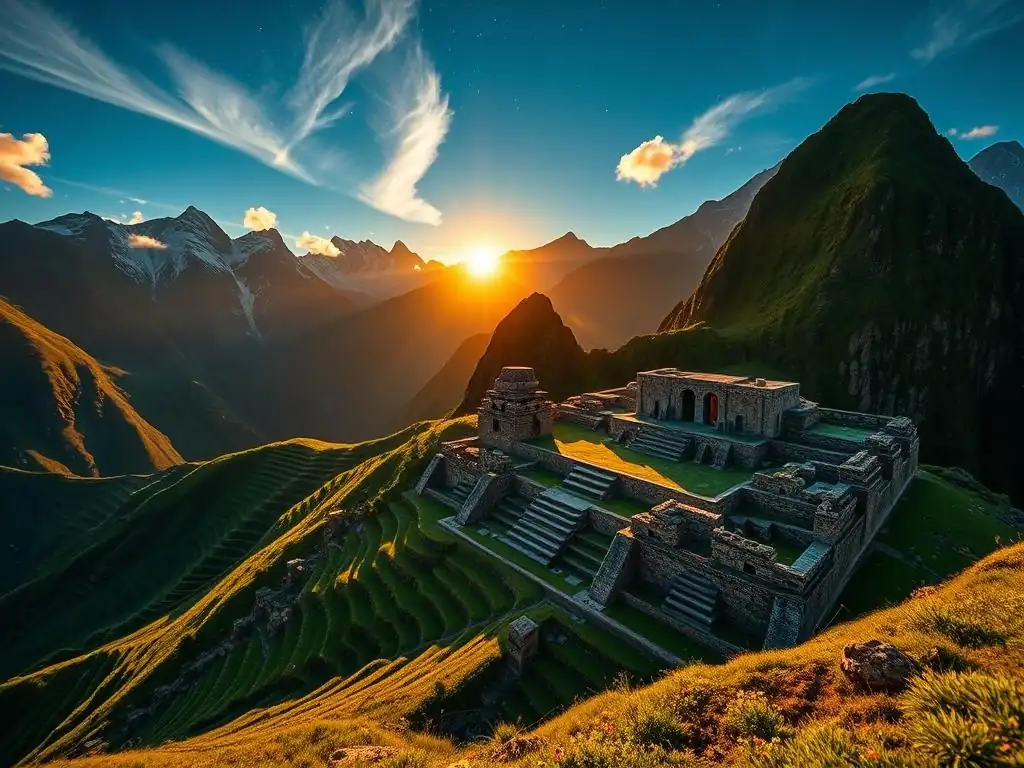
Welcome to Indigenous Civilizations of the Americas, where we invite you to embark on an enlightening journey through the rich tapestry of indigenous cultures that flourished long before European contact. In our featured article, "Ancient Andean Observatories: Discovering the Sites of Astronomical Significance," we delve into the remarkable Ancient Andean astronomical sites—wondrous achievements that reveal a sophisticated understanding of the cosmos. As you explore these ancient observatories, you'll uncover the profound knowledge and innovations that shaped the lives of the Andean peoples. Prepare to be captivated and inspired as you dive deeper into their extraordinary legacy!
- Introduction to Ancient Andean Astronomical Sites
- Key Characteristics of Ancient Andean Astronomical Sites
- Notable Ancient Andean Astronomical Sites
- The Role of Astronomy in Andean Society
- Archaeological Discoveries and Research
- Challenges and Preservation of Ancient Astronomical Sites
- Conclusion: The Legacy of Ancient Andean Astronomical Sites
- Frequently Asked Questions
- Final Reflection: Embracing the Wisdom of Ancient Andean Astronomical Sites
- Unveil the Stars of the Ancients
Introduction to Ancient Andean Astronomical Sites
The ancient Andean civilizations, renowned for their remarkable achievements, also possessed a profound understanding of astronomy that shaped their cultures and societies. These Ancient Andean astronomical sites are not only architectural wonders but also testament to the sophisticated knowledge of celestial movements held by these indigenous peoples. This article delves into the significance of these observatories, exploring their role in agricultural practices, religious ceremonies, and societal organization. By examining these astronomical sites, we gain insight into how the Andean cultures utilized their observations of the heavens to influence daily life and long-term planning.
Understanding the Importance of Astronomy in Andean Cultures
Astronomy played a crucial role in the daily lives of ancient Andean civilizations, such as the Incas, Nazcas, and Tiwanakus. Their understanding of celestial phenomena was intricately linked to agricultural cycles, religious beliefs, and social organization.
- Agricultural Practices: The Andean peoples relied heavily on agriculture, and their ability to predict seasonal changes was vital for successful crop cultivation. They observed the movements of the sun, moon, and stars to determine the best times for planting and harvesting. For instance, the summer solstice was celebrated as a time to sow crops, while the winter solstice marked the period for harvesting.
- Religious Significance: Many Andean cultures viewed celestial bodies as deities or symbols of divine influence. The sun god, Inti, was particularly revered, and astronomical events such as eclipses were interpreted as omens. Rituals and ceremonies were often aligned with celestial events, underscoring the spiritual connection between the heavens and earth.
- Social Organization: The Andean peoples used their astronomical knowledge to establish a calendar system that organized their society. This calendar helped coordinate agricultural activities, festivals, and communal events, thereby reinforcing social cohesion.
Overview of Ancient Andean Astronomical Sites
The ancient Andean astronomical sites are a testament to the ingenuity and sophistication of these cultures. Some of the most notable sites include:
- Intihuatana (Sacred Stone): Located at Machu Picchu, this ritual stone is believed to be an astronomical observatory. It served as a calendar that marked the solstices and equinoxes, guiding agricultural practices.
- Nazca Lines: While primarily known for their geoglyphs, some of the lines and figures align with celestial events, suggesting they served an astronomical purpose as well.
- Coricancha: The Temple of the Sun in Cusco, which housed important solar observations, played a pivotal role in Incan cosmology and rituals connected to the sun.
- Chankillo: An ancient solar observatory located in northern Peru, notable for its thirteen towers that align with the sun's path, allowing for precise solar tracking throughout the year.
These sites not only reflect the technological advancements of the Andean civilizations but also highlight their profound relationship with the cosmos. The study of these astronomical observatories continues to reveal the intricacies of Andean culture and their remarkable achievements in understanding the universe.
Key Characteristics of Ancient Andean Astronomical Sites
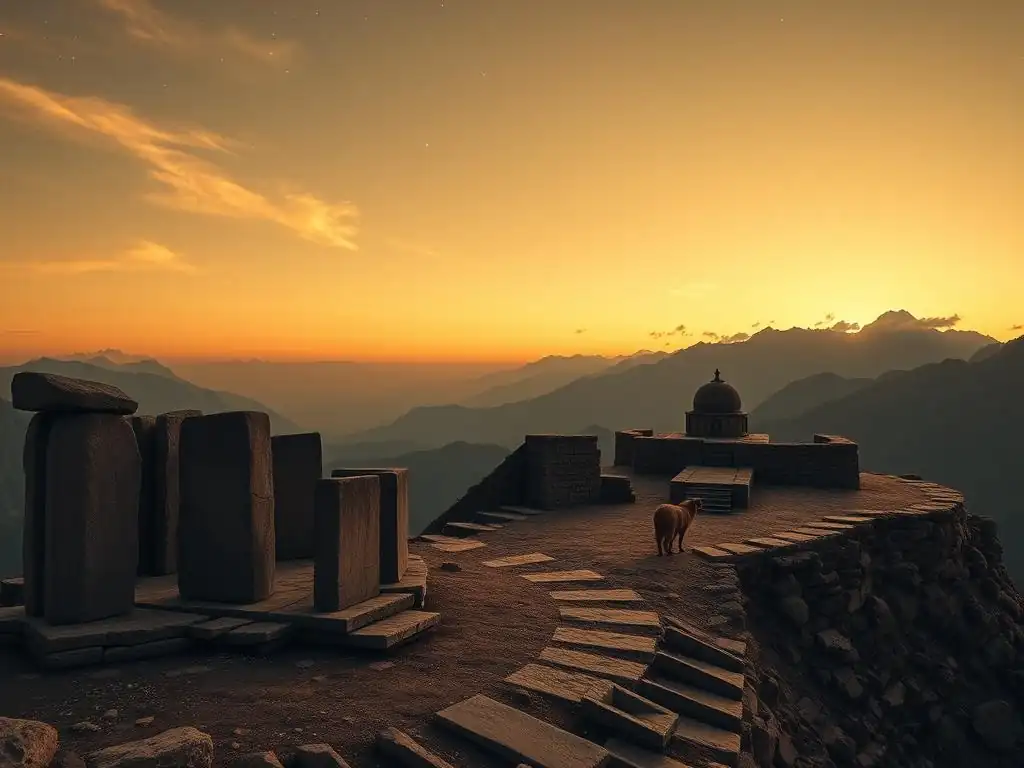
The ancient Andean civilizations, particularly the Incas and their predecessors, built remarkable astronomical sites that played a crucial role in their understanding of celestial phenomena. These sites were not merely observatories; they were complex structures designed with a deep understanding of astronomy, architecture, and the natural environment. Below, we explore some of the key characteristics that define these ancient Andean astronomical sites.
Unique Architectural Features of Observatories
The architectural ingenuity of the Andean astronomical sites is evident in their design and construction. Key features include:
- Stone Construction: Many observatories were built using precisely cut stone blocks, showcasing advanced masonry techniques. These stones were often sourced from local quarries and transported with great effort to their final locations.
- Circular and Rectangular Layouts: Observatories often featured circular or rectangular layouts, which facilitated the observation of celestial movements. The circular structures, in particular, were believed to symbolize the cyclical nature of time and the cosmos.
- Viewing Platforms: Elevated platforms were common, allowing astronomers to gain a clearer view of the horizon and celestial bodies. These platforms often had multiple vantage points for observing different celestial events.
- Symbolic Artifacts: Many sites contained ceremonial objects, such as altars and sculptures, which were not only functional but also held spiritual significance. These artifacts often depicted celestial motifs, reinforcing the connection between the heavens and Andean culture.
Alignment with Celestial Bodies and Events
A defining characteristic of ancient Andean astronomical sites is their precise alignment with celestial bodies and events. This alignment is evident in several ways:
- Solar Alignments: Many observatories were strategically positioned to track the sun's movement, particularly during solstices and equinoxes. Structures such as the Intihuatana stone at Machu Picchu served as markers for solar events, helping to regulate agricultural calendars.
- Lunar Observations: The Andean cultures also placed significant importance on lunar cycles. Sites were often aligned to observe the moon's phases, which played a role in religious and agricultural practices.
- Astronomical Calendars: The positioning of structures allowed for the development of complex astronomical calendars. These calendars were critical for timing agricultural activities, religious ceremonies, and other seasonal events.
Use of Natural Landscapes in Site Selection
The selection of locations for ancient Andean astronomical sites was influenced by the surrounding natural landscapes. Key considerations included:
- Geographical Features: Many sites were chosen for their elevated positions, providing unobstructed views of the horizon. Mountains and valleys often acted as natural observatories, enhancing visibility of celestial events.
- Accessibility to Resources: Proximity to water sources, fertile land, and materials for construction were critical factors. The choice of location often reflected a balance between astronomical functionality and practical needs.
- Cultural Significance of Landscapes: The Andean peoples held deep spiritual connections to their landscapes. Sites were often located in areas that were considered sacred, enhancing their significance as places of astronomical observation and ritual.
The ancient Andean astronomical sites exemplify a sophisticated understanding of architecture, celestial mechanics, and environmental integration. Their enduring legacy reflects the remarkable achievements of the Andean civilizations in the realm of astronomy and their profound connection to the natural world.
Notable Ancient Andean Astronomical Sites
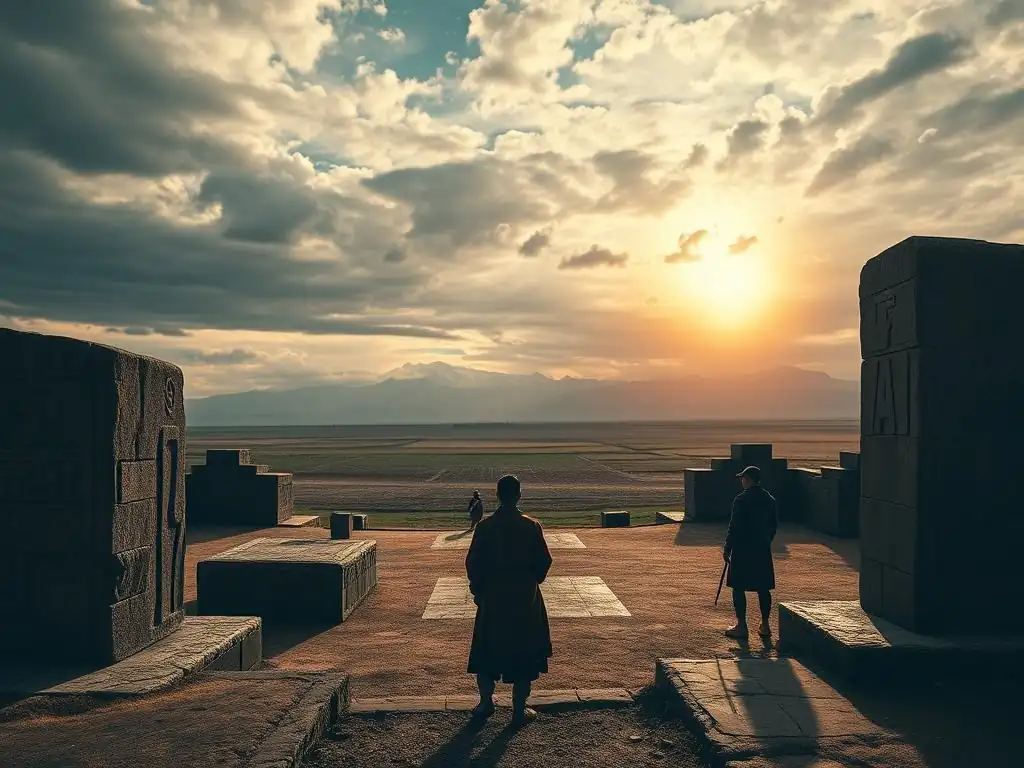
Machu Picchu: The Iconic Observatory
Machu Picchu, often referred to as the "Lost City of the Incas," is not only a remarkable archaeological site but also a significant ancient Andean astronomical site. Built in the 15th century, this iconic citadel is strategically located at a height of 2,430 meters (7,970 feet) in the Andes Mountains. The layout of Machu Picchu reveals a deep understanding of astronomical alignments, particularly with the sun.
Key Features of Machu Picchu's Astronomical Significance
- Sun Temple: The Sun Temple, or Intihuatana, is a central feature of Machu Picchu where the Incas performed rituals to honor the sun, reflecting their reliance on solar cycles.
- Astronomical Alignments: The site is oriented to align with sunrises and sunsets on key dates, such as solstices and equinoxes. During the winter solstice, the sun rises directly over the peak of Huayna Picchu, illuminating the temple.
- Intihuatana Stone: This ritual stone, often referred to as a "hitching post of the sun," is believed to have been used for astronomical observations and rituals. Its placement suggests it was a key tool in the Inca's agricultural calendar.
The careful design and placement of these structures illustrate the Incas’ advanced understanding of astronomy, which played a crucial role in their agricultural practices and societal organization.
Intihuatana: The Ritual Stone of the Inca
The Intihuatana stone is a pivotal element in the study of ancient Andean astronomical sites. Located at Machu Picchu, this ritual stone was not merely a ceremonial object; it served practical astronomical functions that were vital to Inca society.
Functions of the Intihuatana
- Astronomical Calendar: The Intihuatana was likely used to mark the solstices and equinoxes, enabling the Incas to plan agricultural activities effectively. The Incas understood the importance of aligning their planting and harvesting with celestial events.
- Ceremonial Significance: This stone played a central role in rituals, believed to connect the physical world with the spiritual. The Incas viewed the sun as a deity, and the Intihuatana was a focal point for offerings and prayers.
- Symbolic Representation: Its name translates to "the place where the sun is tied," indicating its significance in the Inca worldview. The stone's precise carvings and orientation suggest a sophisticated understanding of astronomy.
The Intihuatana highlights the integral role of astronomy in the Inca civilization, serving as a testament to their advanced knowledge and cultural practices.
Chankillo: The Ancient Solar Observatory
Chankillo is another remarkable ancient Andean astronomical site, often considered the oldest solar observatory in the Americas. Located in coastal Peru, this site dates back to around 400 BC and showcases the ingenuity of pre-Columbian cultures in astronomical observation.
Key Aspects of Chankillo
- Thirteen Towers: The most distinctive feature of Chankillo is its thirteen stone towers, which are strategically placed on a ridge. These towers were used to track the movement of the sun across the horizon, particularly during solstices and equinoxes.
- Solar Alignment: The layout of the towers allows observers to align the sun's rising and setting points. This alignment enabled the ancient inhabitants to create a solar calendar, critical for agricultural cycles.
- Cultural Significance: Chankillo was not just an observatory; it played an important role in the community's spiritual and agricultural life. The ability to predict solar events would have been crucial for farming and ceremonial activities.
Chankillo exemplifies the sophistication of ancient Andean astronomical sites, demonstrating the critical link between celestial observation and daily life in pre-Columbian societies. Each of these sites—from Machu Picchu to the Intihuatana and Chankillo—illustrates the remarkable achievements of the Andean civilizations in understanding and utilizing astronomy.
Other Significant Sites of Astronomical Interest
In addition to the well-known astronomical observatories such as Machu Picchu and Intihuatana, the Andean region is home to several other significant sites that reveal the advanced understanding of astronomy possessed by ancient Andean civilizations. These sites served not only as observatories but also as ceremonial centers, reflecting the deep connection between astronomy, agriculture, and spirituality in Andean culture.
1. Chankillo
Located in the coastal region of Peru, Chankillo is famed for its unique solar observatory, which dates back to around 300 BCE. This site features a series of thirteen towers arranged along a ridge, which align with the sunrise and sunset during solstices and equinoxes. The careful positioning of these towers allowed ancient inhabitants to track the solar calendar, crucial for agricultural planning. The precision of the structure indicates a sophisticated understanding of solar movements, marking it as one of the earliest known astronomical observatories in the Americas.
2. Puma Punku
Situated near Tiwanaku in Bolivia, Puma Punku is part of a larger ceremonial complex that showcases remarkable architectural achievements. While primarily known for its impressive stonework, Puma Punku also features structures aligned with cardinal directions and celestial events. Some researchers suggest that certain stones were purposefully placed to reflect the movement of the sun and stars, indicating a sophisticated knowledge of astronomy among the Tiwanaku civilization.
3. Coricancha
The Coricancha, or Temple of the Sun, located in Cusco, Peru, was one of the most important religious sites for the Inca civilization. Although primarily a temple, its construction reflects astronomical significance. The temple's walls aligned with solar events, and rituals conducted here were closely tied to the agricultural calendar. The Coricancha served as the Inca's primary observatory for tracking celestial phenomena, further emphasizing the integration of astronomy into daily life and governance.
4. El Torno
Near the town of Tarija in southern Bolivia, El Torno is an archaeological site featuring a series of stone structures believed to function as an astronomical observatory. Researchers have identified alignments with the sun, particularly during solstices. The site is thought to have played a role in the agricultural practices of the region, demonstrating the importance of celestial observations in ensuring successful harvests.
5. Cahuachi
Located in the Nazca Desert, Cahuachi is an ancient ceremonial center that includes various structures believed to have served astronomical purposes. The site features geoglyphs, some of which may have been used to mark celestial events. While the primary focus of Cahuachi was likely religious, the alignment of its structures with the stars and the sun suggests that the Nazca people incorporated astronomical observations into their spiritual practices.
Conclusion
These significant sites of astronomical interest across the Andean region highlight the advanced understanding of astronomy that ancient civilizations possessed. Through their observations and constructions, they not only tracked celestial movements but also integrated this knowledge into their agricultural and ceremonial practices, revealing the profound relationship between the cosmos and everyday life in the Andes. The continued study of these sites offers valuable insights into the scientific achievements and cultural richness of ancient Andean societies.
The Role of Astronomy in Andean Society
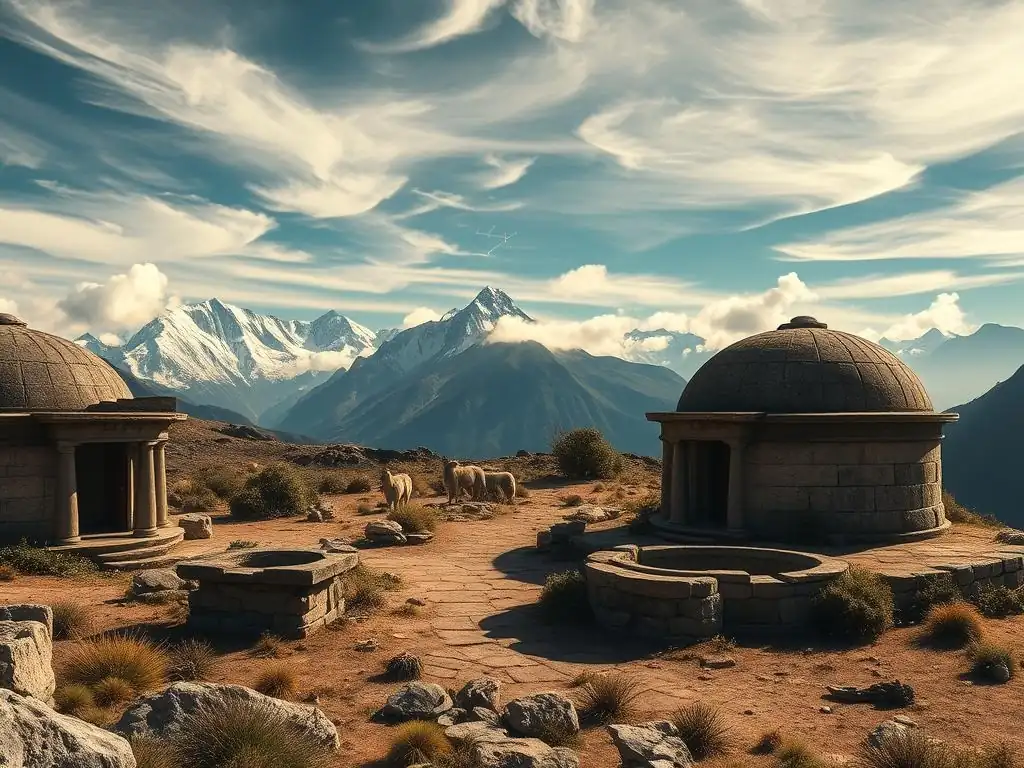
The ancient Andean civilizations, particularly the Inca and their predecessors, placed immense importance on astronomy, integrating celestial observations into various facets of their society. These societies viewed the cosmos not only as a source of knowledge but also as a guiding force in their agricultural, religious, and daily practices. Their advanced understanding of celestial phenomena allowed them to thrive in the challenging Andean environment.
Agricultural Practices and Celestial Observations
Agriculture was the backbone of Andean civilizations, and astronomical observations played a crucial role in agricultural practices. The Andean people developed a sophisticated calendar based on the cycles of the sun, moon, and stars, which dictated their farming activities. Key celestial events, such as solstices and equinoxes, were vital for determining planting and harvesting times.
- Planting Schedules: The Andean farmers meticulously observed the position of the sun and stars to establish optimal planting times. For instance, the winter solstice marked the beginning of the sowing season for crops like potatoes and quinoa.
- Harvesting Indicators: The appearance of certain constellations, such as the Pleiades, signaled the time for harvesting crops. This astronomical knowledge directly influenced food production and, consequently, the survival of these civilizations.
| Celestial Event | Agricultural Activity |
|---|---|
| Winter Solstice | Beginning of sowing season |
| Pleiades Rising | Time for harvesting |
| Spring Equinox | Preparation for planting |
The integration of astronomy into agricultural practices not only ensured food security but also reinforced the community's connection to the natural world.
Religious Significance of Astronomical Events
Astronomy held profound religious significance for the Andean civilizations. Celestial bodies were often personified as deities, reflecting the intricate relationship between the cosmos and their spiritual beliefs. Major astronomical events were seen as manifestations of divine will and were thus celebrated through rituals and ceremonies.
- Worship of Sun and Moon: The sun (Inti) was revered as the most important deity, believed to bring life and prosperity. The Inca constructed temples, such as the Coricancha in Cusco, dedicated to solar worship, where astronomical observations were conducted to align religious practices with celestial events.
- Rituals and Festivals: Events such as solstices were marked by elaborate festivals, including the Inti Raymi, which celebrated the winter solstice and the return of the sun. These rituals reinforced the community's identity and fostered social cohesion.
For the Andean people, the cosmos was not just a backdrop but an active participant in their lives, guiding their agricultural cycles and spiritual practices.
Integration of Astronomy into Daily Life
In addition to agriculture and religion, astronomy permeated the daily lives of the Andean people. Their understanding of celestial movements influenced various aspects of social organization and cultural practices.
- Timekeeping: The Andean civilizations developed intricate systems for timekeeping based on celestial observations. They utilized the position of the sun and stars to create calendars that structured daily life, from work schedules to social events.
- Navigation and Architecture: The knowledge of stars and constellations aided in navigation, essential for trade and communication across the vast Andean terrain. Moreover, many Andean structures, such as observatories and temples, were aligned with celestial events, showcasing the integration of astronomy into architecture.
- Cultural Expressions: Astronomy also inspired art and mythology, with celestial themes reflected in textiles, pottery, and oral traditions. The stories told about the stars and their movements became an integral part of Andean cultural heritage, passed down through generations.
The ancient Andean astronomical sites exemplify the profound relationship between these civilizations and the cosmos, illustrating how astronomy shaped their agricultural practices, religious beliefs, and daily lives. The legacy of these ancient astronomical observations continues to influence Andean culture and identity today.
Archaeological Discoveries and Research
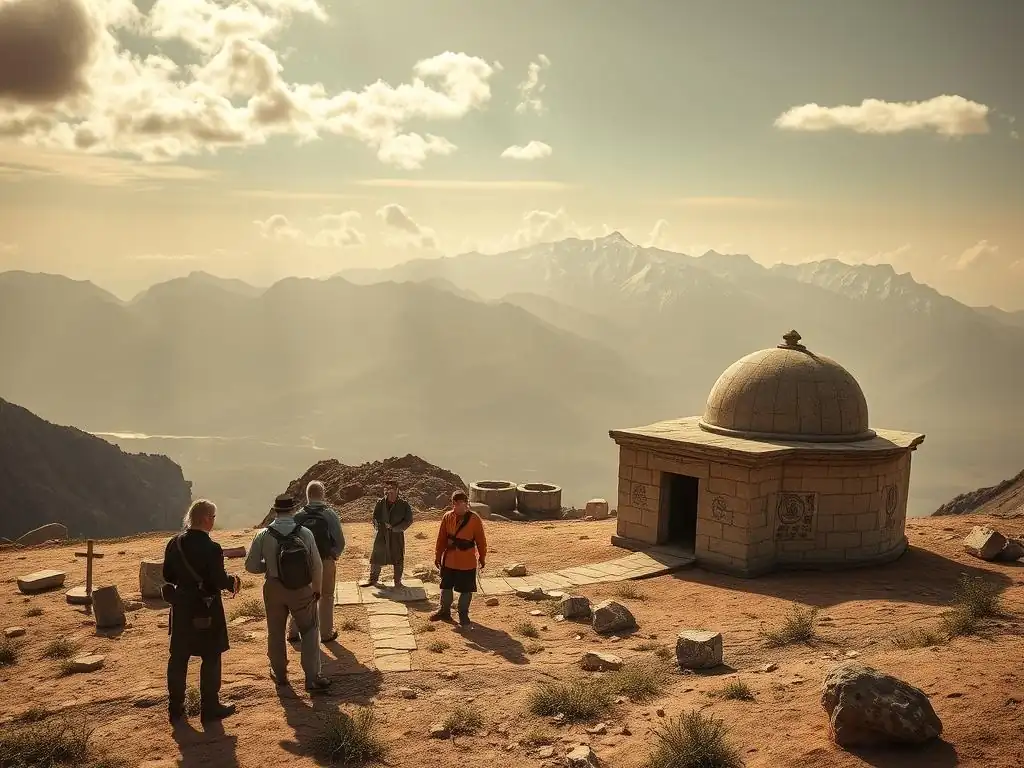
The archaeological discoveries related to Ancient Andean astronomical sites have significantly enhanced our understanding of pre-Columbian societies in the Andes. These sites, often characterized by their intricate stone structures and alignments, reveal the advanced astronomical knowledge possessed by indigenous civilizations like the Incas and their predecessors. Recent research has unearthed not only physical structures but also artifacts that denote the cultural importance of astronomy in their daily lives and rituals.
Recent Excavations of Ancient Andean Astronomical Sites
Recent excavations have uncovered various Ancient Andean astronomical sites, providing insight into how these cultures observed celestial events. Notable discoveries include:
- Intihuatana Stones: These ritual stones, typically found at significant sites like Machu Picchu, are believed to have served as astronomical markers, allowing ancient astronomers to track solar movements.
- Solar Alignments: Sites like Chankillo, featuring a series of towers aligned with the sunrise during solstices, illustrate the advanced understanding of solar cycles. Excavations have revealed that these towers were part of a larger ceremonial complex, emphasizing the integration of astronomy into spiritual practices.
- Ceremonial Platforms: Platforms used for astronomical observations have been discovered at sites such as Pukara and Sillustani, where researchers found evidence of rituals timed to celestial events.
The findings from these excavations not only highlight the architectural prowess of these civilizations but also their deep-rooted connection to the cosmos, suggesting that astronomy was integral to their societal structure.
Technological Advances in Studying Andean Astronomy
Technological advancements have revolutionized the study of Ancient Andean astronomical sites, allowing researchers to explore these sites with unprecedented precision. Some of the key technologies include:
- GIS Mapping: Geographic Information Systems (GIS) have enabled archaeologists to create detailed maps of ancient sites, facilitating the analysis of spatial relationships and site layouts.
- Drones and Aerial Photography: The use of drones to capture aerial images has proven invaluable in surveying and documenting large archaeological sites, revealing hidden structures and alignments that may have been missed from the ground.
- Radiocarbon Dating: This technique has allowed for more accurate dating of artifacts and structures, helping researchers to construct timelines of astronomical practices and their evolution over centuries.
These technological innovations have not only enhanced our understanding of Ancient Andean astronomical sites but have also opened new avenues for research, enabling scientists to test hypotheses regarding their purpose and significance.
Contributions of Indigenous Knowledge to Modern Research
The contributions of Indigenous knowledge are crucial in understanding Ancient Andean astronomical sites. Indigenous communities possess a wealth of traditional knowledge about celestial events, passed down through generations. This knowledge can significantly enrich modern research in the following ways:
- Cultural Context: Indigenous perspectives provide cultural context to archaeological findings, helping researchers appreciate the significance of astronomical observations in rituals and agriculture.
- Oral Histories: Many Indigenous communities maintain oral traditions that recount historical astronomical practices. These narratives can offer insights into how ancient peoples interpreted celestial events and integrated them into their daily lives.
- Collaborative Research: Increasingly, archaeologists are collaborating with Indigenous scholars, leading to a more holistic understanding of ancient astronomical practices. This collaboration fosters respect for traditional knowledge and encourages a more inclusive approach to research.
The integration of Indigenous knowledge into modern research enhances our comprehension of Ancient Andean astronomical sites, emphasizing the importance of honoring these perspectives in the study of history. The combined efforts of technological advancements and traditional wisdom continue to illuminate the remarkable achievements of Indigenous civilizations in the Americas.
Challenges and Preservation of Ancient Astronomical Sites
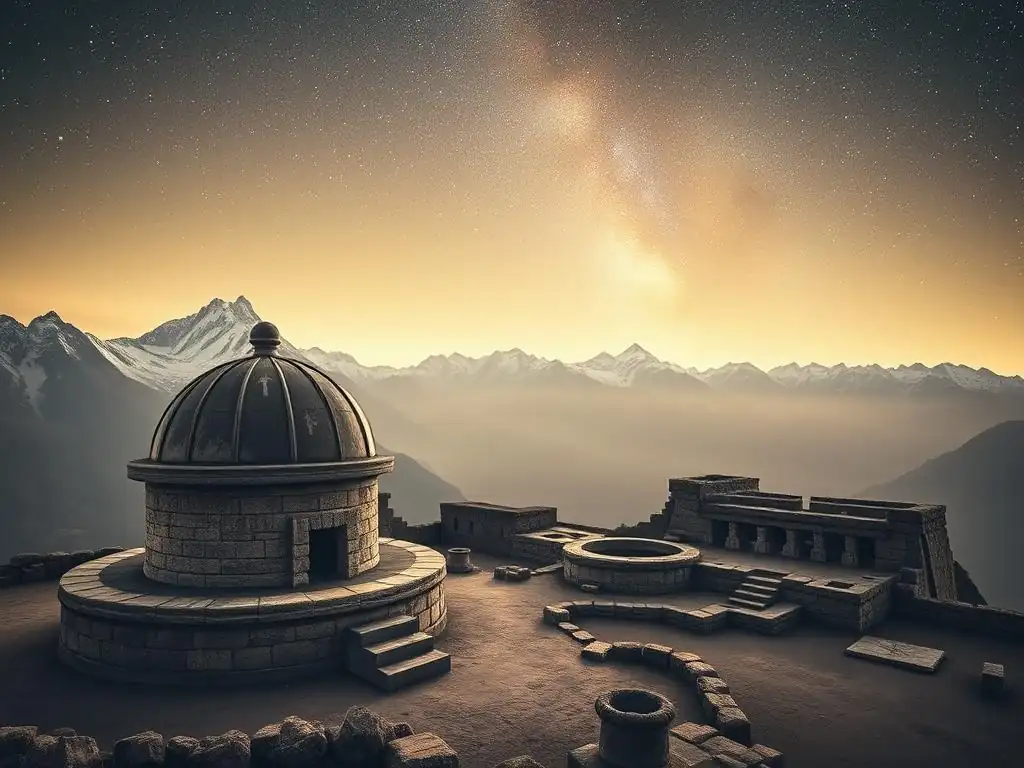
Threats to Ancient Andean Astronomical Sites
The ancient Andean astronomical sites, pivotal in understanding the celestial observations and agricultural practices of pre-Columbian civilizations, face numerous threats today. These threats can be classified into several categories:
- Environmental Degradation:
- Climate Change: Altered weather patterns are affecting the structural integrity of these sites. Increased rainfall can lead to erosion, while droughts can cause vegetation loss around these sites, destabilizing them.
- Natural Disasters: Earthquakes and landslides are prevalent in the Andean region, further endangering these historical sites.
- Commercial Development: The expansion of urban areas and infrastructure projects often encroach on ancient astronomical sites. These developments can lead to:
- Physical damage through construction activities.
- Alteration of the landscape, which diminishes the sites' astronomical alignments and significance.
- Tourism Pressure: While tourism can provide funding for preservation, uncontrolled tourist activity can cause significant wear and tear on these fragile sites. Common issues include:
- Vandalism and graffiti.
- Littering and disturbances to the natural environment surrounding the sites.
- Lack of Awareness:
- Cultural Disconnection: Many indigenous communities may not have a strong connection to these sites due to historical disruptions. This can lead to neglect in their preservation.
- Educational Gaps: Insufficient promotion of the historical significance of these astronomical sites can result in a lack of public interest in their preservation.
The combination of these threats poses a critical challenge to the sustainability and integrity of ancient Andean astronomical sites.
Efforts in Conservation and Education
In response to the myriad threats facing ancient Andean astronomical sites, various conservation and educational efforts have been initiated. These efforts encompass a range of strategies aimed at safeguarding the cultural heritage represented by these sites:
- Collaborative Preservation Initiatives:
- Partnerships between governmental organizations, NGOs, and local communities are crucial. For instance, programs that train local inhabitants in site management and conservation techniques can empower communities and ensure sustainable practices.
- Legal Protections:
- Governments in countries such as Peru and Bolivia have established laws to protect archaeological sites. The designation of these sites as cultural heritage can provide legal frameworks for their preservation.
- Public Awareness Campaigns:
- Educational programs aimed at both locals and tourists are essential. These campaigns often utilize workshops, guided tours, and media to spread knowledge about the significance of these sites.
- Initiatives like school programs that integrate local history and astronomy can foster a sense of pride and responsibility in preserving these sites.
- Research and Documentation:
- Ongoing archaeological research is crucial for understanding the historical context and significance of these sites. Detailed documentation helps in creating preservation plans and can support advocacy for legal protections.
- Sustainable Tourism Practices:
- Implementing guidelines for responsible tourism can reduce the negative impact on these sites. Techniques like limiting visitor numbers, establishing designated paths, and promoting eco-friendly practices can mitigate damage.
Through these efforts, the hope is to create a sustainable framework for the preservation of ancient Andean astronomical sites, ensuring they can be appreciated by future generations.
The Importance of Protecting Cultural Heritage
Protecting ancient Andean astronomical sites is not only crucial for preserving history but also for maintaining the cultural identity and knowledge systems of indigenous peoples. The importance of safeguarding these sites can be emphasized through several key points:
- Cultural Identity:
- These sites are integral to the cultural heritage of Andean communities. They embody centuries of astronomical knowledge and practices that are vital to understanding their historical identity.
- Scientific Knowledge:
- Ancient Andean astronomical sites offer invaluable insights into the astronomical practices of pre-Columbian civilizations. Research conducted at these sites can enhance our understanding of ancient observations of celestial bodies and their influence on agricultural cycles.
- Intergenerational Learning:
- Preserving these sites allows for the transmission of knowledge from one generation to the next. This connection to the past fosters a sense of pride and continuity within indigenous communities, encouraging younger generations to engage with their heritage.
- Global Significance:
- Ancient Andean astronomical sites contribute to the broader narrative of human civilization's relationship with astronomy. Protecting these sites helps to preserve diverse perspectives and approaches to understanding the cosmos.
- Tourism and Economy:
- Sustainable heritage tourism can provide economic benefits to local communities while promoting awareness and appreciation of their cultural heritage. This economic incentive can motivate communities to engage in preservation efforts.
The protection of ancient Andean astronomical sites is essential for cultural, scientific, and economic reasons. By addressing the challenges they face and investing in preservation initiatives, we can ensure that these remarkable sites remain a testament to the ingenuity and knowledge of ancient Andean civilizations.
Conclusion: The Legacy of Ancient Andean Astronomical Sites
The ancient Andean astronomical sites represent a remarkable legacy of indigenous cultures, showcasing their advanced understanding of celestial phenomena. These observatories, such as those found in Tiwanaku and Machu Picchu, were not merely architectural feats; they served as crucial tools for agricultural planning, ritual practices, and community organization. By meticulously observing the movements of celestial bodies, these cultures were able to create calendars that governed agricultural cycles, thus ensuring their survival and prosperity.
Lasting Impact on Indigenous Cultures and Modern Astronomy
The influence of ancient Andean astronomical sites extends far beyond their original cultural contexts. The methods and observations made by Andean civilizations have had a profound effect on both their descendants and contemporary scientific practices.
- Cultural Continuity:
- Many indigenous communities in the Andes still utilize traditional astronomical knowledge in their agricultural practices. Rituals are often timed according to celestial events, reflecting a deep-rooted connection to their ancestors' methods.
- Modern Astronomy:
- Scholars and astronomers today are increasingly recognizing the sophistication of Andean astronomical practices. Studies show that ancient Andean cultures developed complex systems of observation that rival those of other ancient civilizations. This recognition has led to a resurgence of interest in Andean astronomy within academic circles.
- Integration into Educational Curricula:
- Educational institutions are beginning to incorporate Andean astronomical knowledge into their curricula, emphasizing the significance of these ancient practices in the broader context of global astronomy. This integration helps to honor and preserve indigenous knowledge systems while educating new generations about their historical importance.
Encouraging Future Study and Exploration of Andean Astronomy
The rich legacy of ancient Andean astronomical sites calls for ongoing study and exploration.
- Research Initiatives:
- Academics and archaeologists are encouraged to conduct interdisciplinary research that combines archaeology, anthropology, and astronomy to further understand the significance of these sites. Collaborative projects that involve indigenous communities can foster a deeper appreciation and understanding of Andean astronomical knowledge.
- Preservation Efforts:
- Protecting these ancient sites from environmental degradation and modern encroachment is crucial. Conservation initiatives should focus on both preserving the physical structures and promoting educational programs that raise awareness about their significance.
- Public Engagement:
- Museums and cultural centers can play a pivotal role in educating the public about ancient Andean astronomical practices. By hosting exhibitions and workshops, they can encourage a greater appreciation for the astronomical achievements of Andean civilizations and their relevance today.
The ancient Andean astronomical sites are not only a testament to the ingenuity of pre-Columbian cultures but also a vital part of our shared human heritage. Their study offers essential insights into the ways in which ancient peoples interacted with the cosmos, and it underscores the importance of preserving and understanding these remarkable achievements for future generations.
Frequently Asked Questions
What are Ancient Andean astronomical sites?
Ancient Andean astronomical sites are archaeological locations in the Andes region, notable for their alignments with celestial bodies and use in astronomical observations by indigenous cultures.
Why were these sites important to indigenous civilizations?
These sites played a crucial role in agricultural planning, religious ceremonies, and timekeeping, helping cultures like the Inca understand seasonal changes and celestial events.
How do archaeologists study these observatories?
Archaeologists utilize survey techniques, astronomical alignments, and satellite imagery to uncover and analyze the geometric layouts and functions of these ancient sites.
What are some notable Ancient Andean astronomical sites?
Prominent sites include Intihuatana at Machu Picchu, Chankillo, and the Nazca Lines, each showcasing unique features related to astronomy and cultural practices.
How have these sites influenced modern astronomy?
These ancient observatories have provided insights into early astronomical knowledge and techniques, influencing contemporary understanding of how ancient civilizations interpreted the cosmos.
Final Reflection: Embracing the Wisdom of Ancient Andean Astronomical Sites
The exploration of Ancient Andean astronomical sites reveals a profound connection between humanity and the cosmos that resonates strongly in our modern world. As we navigate an era dominated by technology and rapid change, the wisdom embedded in these ancient observatories serves as a reminder of our intrinsic desire to understand the universe. The meticulous observations made by the Andean civilizations not only shaped their agricultural practices and cultural narratives but also laid the groundwork for a deeper appreciation of celestial phenomena that continues to inspire us today.
The legacy of these ancient astronomical sites is woven into the fabric of contemporary society, influencing not only our scientific pursuits but also our cultural identity. The stories of the Andean peoples and their celestial observations remind us of the importance of place and perspective in our understanding of the universe. As we stand beneath the same stars that guided their lives, we are invited to reflect on our own relationship with the cosmos. The stars are not just points of light; they are the stories of our ancestors, guiding us through the ages.
As we conclude our journey through the ancient Andean observatories, I encourage you to take a moment to reflect on your own connection to the universe. Consider how the lessons from these astronomical sites can inspire you to cultivate a deeper awareness of the natural world around you. Whether through stargazing, studying the sciences, or simply appreciating the beauty of the night sky, let the wisdom of the ancients guide your exploration. Embrace the opportunity to connect with the cosmos and carry forward the legacy of curiosity and wonder that has shaped human history for millennia.
Unveil the Stars of the Ancients
Thank you for exploring the remarkable world of Ancient Andean observatories with us! By delving into these sites, you've uncovered the profound astronomical knowledge and cultural significance they held for Indigenous civilizations. Now, let’s turn that inspiration into action!
- Schedule a visit to a local planetarium or attend an astronomy event to deepen your understanding of celestial navigation.
- Share your newfound knowledge about Ancient Andean observatories on social media—spark curiosity among your friends and family!
- Consider joining or forming a local astronomy club to explore the skies together and learn more about how various cultures interpret the universe.
What fascinating insights about our universe do you think the ancient peoples of the Andes could impart to us today?