
The Intersection of Myth and Faith: Syncretism in Postcolonial Religious Narratives

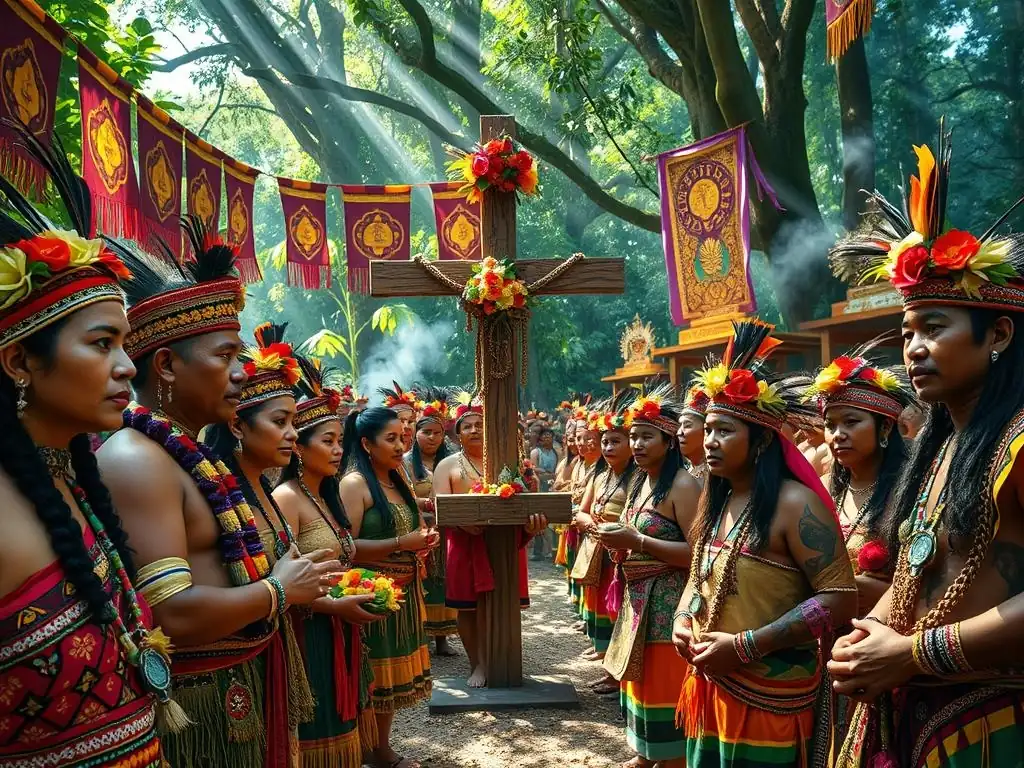
Welcome to Indigenous Civilizations of the Americas, where we invite you to embark on an enlightening journey through the rich tapestry of indigenous cultures and syncretism. Our latest article, "The Intersection of Myth and Faith: Syncretism in Postcolonial Religious Narratives," delves into the fascinating ways these vibrant societies merged their ancestral beliefs with new influences, creating a unique blend that continues to shape cultural identities today.
As you navigate through the depths of history and spirituality, prepare to uncover stories of resilience and innovation that challenge conventional narratives. Join us as we explore the profound legacy of indigenous peoples and the intricate dance of tradition and transformation.
Introduction to Indigenous Cultures and Syncretism
The rich tapestry of indigenous cultures in the Americas is woven from a multitude of beliefs, practices, and narratives that have evolved over centuries. These cultures, which thrived long before European contact, are characterized by their deep connection to land, spirituality, and community. However, the encounter with European colonizers profoundly transformed these indigenous societies, leading to a complex interplay between traditional beliefs and newly introduced religious elements.
This interplay, known as syncretism, represents a fascinating phenomenon where distinct cultural and religious traditions merge to create new narratives and practices. In examining the intersection of myth and faith within postcolonial contexts, we uncover the resilience of indigenous cultures and their ability to adapt and survive amidst profound change.
Defining Syncretism in the Context of Indigenous Cultures
Syncretism can be understood as the blending of different religious and cultural traditions, often resulting from contact between distinct groups. In the context of indigenous cultures and syncretism, this merging is particularly significant due to the ways in which indigenous peoples have navigated the challenges posed by colonization.
- Key Aspects of Syncretism:
- Cultural Adaptation: Indigenous groups often incorporated elements of European religions, such as Christianity, into their traditional practices.
- Preservation of Identity: Despite external pressures, many communities maintained core beliefs while adapting their expressions in response to new influences.
- Creation of New Narratives: The fusion of mythologies from both indigenous and European traditions led to unique religious practices that reflect the complexities of postcolonial identities.
By understanding syncretism not merely as a dilution of indigenous beliefs, we can appreciate it as a dynamic process that illustrates cultural resilience and innovation.
The Role of Myth in Postcolonial Religious Narratives
Mythology serves as a foundational element in the religious landscape of indigenous cultures, providing frameworks for understanding the world, community values, and individual identity. In postcolonial contexts, myths have taken on new meanings, often reflecting the ongoing struggles and aspirations of indigenous peoples.
- Functions of Myth in Postcolonial Narratives:
- Reinforcement of Identity: Myths help to reinforce a sense of belonging and cultural identity in the face of colonial legacies.
- Narrative Resilience: Indigenous myths adapt to incorporate elements from other traditions, creating a rich narrative landscape that honors both past and present.
- Spiritual Resistance: Many contemporary indigenous movements utilize myth as a form of spiritual and cultural resistance against colonial narratives and practices.
The intertwining of myth and faith in these narratives underscores the importance of storytelling in indigenous cultures, allowing communities to navigate complex realities while honoring their ancestral legacies.
Historical Background of Indigenous Cultures in the Americas
To fully grasp the nuances of syncretism, it is essential to explore the historical context of indigenous cultures prior to European colonization. This background provides critical insights into how these societies developed their unique belief systems and how they responded to colonization.
Overview of Pre-Colonial Indigenous Beliefs and Practices
Indigenous cultures across the Americas exhibited a diverse array of belief systems, each deeply rooted in their respective environments and social structures. Common themes include:
- Nature and Spirituality: Many indigenous belief systems are characterized by a profound connection to the natural world, viewing land, animals, and celestial bodies as imbued with spiritual significance.
- Community and Rituals: Collective rituals and ceremonies played a vital role in reinforcing social cohesion and cultural identity, often centered around agricultural cycles, seasonal changes, and life transitions.
- Ancestral Reverence: Ancestors hold a prominent place in indigenous spirituality, with many cultures believing in their ongoing presence and influence within the community.
This rich tapestry of beliefs laid the groundwork for the complex interactions that would follow European colonization.
Impact of European Colonization on Indigenous Religions
The arrival of European colonizers marked a pivotal turning point for indigenous cultures, leading to significant disruption and transformation of their religious practices. The impact of colonization can be outlined as follows:
- Imposition of New Religions: European powers, particularly Spain and Portugal, sought to convert indigenous populations to Christianity, often employing coercive measures.
- Suppression of Indigenous Beliefs: Traditional practices were frequently outlawed, leading to the erosion of indigenous knowledge systems and spiritual practices.
- Emergence of Syncretic Practices: As indigenous peoples grappled with the loss of their traditional beliefs, many began to blend these with Christian elements, creating new forms of worship that reflect their unique cultural heritage.
The legacy of colonization continues to shape the religious landscape of indigenous cultures today, highlighting the importance of understanding syncretism as a vital aspect of their ongoing cultural evolution.
The Dynamics of Syncretism in Postcolonial Contexts
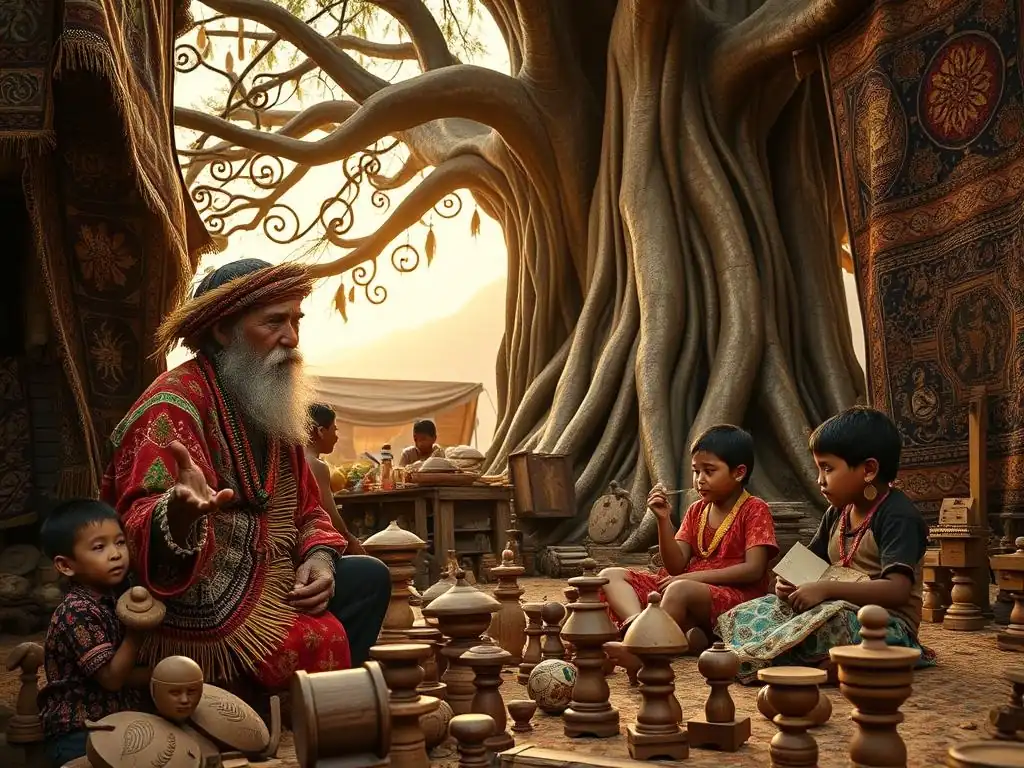
Syncretism refers to the blending of different religious beliefs and practices, often occurring in the wake of colonialism when diverse cultures come into contact. In postcolonial contexts, this process is particularly dynamic, as indigenous cultures strive to retain their identities while navigating the influences of colonial religions. The result is a rich tapestry of faith that reflects both resistance and adaptation.
One of the primary dynamics of syncretism is the negotiation of power. Indigenous communities often face the challenge of asserting their spiritual practices against the backdrop of dominant colonial ideologies. This struggle can lead to the recontextualization of beliefs, where elements of indigenous religion are infused with aspects of colonial faiths, creating hybrid practices that honor both traditions.
Additionally, syncretism serves as a form of cultural resilience. By integrating new elements into their spiritual frameworks, indigenous peoples not only preserve their traditions but also demonstrate their capacity for innovation. This blending process can lead to the emergence of new religious movements that encapsulate the essence of both indigenous and colonial beliefs, thus enriching the religious landscape.
Mechanisms of Cultural Exchange Between Indigenous and Colonial Religions
Cultural exchange between indigenous and colonial religions occurs through various mechanisms, including trade, intermarriage, missionary activities, and the establishment of colonial administrations. These interactions facilitate the sharing of ideas, rituals, and beliefs, leading to the hybridization of spiritual practices.
- Trade and Commerce: Trade routes often served as conduits for cultural exchange. As indigenous peoples engaged in trade with European colonizers, they encountered new religious artifacts, symbols, and practices, which they sometimes incorporated into their own belief systems.
- Intermarriage: Relationships between indigenous individuals and colonizers led to the blending of cultural practices, including religious beliefs. Children born from these unions often became cultural intermediaries, navigating both worlds and fostering syncretic practices.
- Missionary Activities: Missionaries played a significant role in the spread of colonial religions. However, their efforts were not solely one-directional; indigenous peoples often adapted Christian teachings to align with their own spiritual beliefs. This adaptation sometimes led to the creation of unique religious expressions that retained indigenous elements.
- Colonial Administration: The establishment of colonial governments often involved the imposition of new laws and regulations that affected indigenous spiritual practices. In response, many indigenous communities creatively navigated these restrictions, incorporating colonial elements into their rituals to maintain cultural relevance.
Case Studies: Examples of Syncretism in Various Indigenous Cultures
Syncretism manifests uniquely across different indigenous cultures, each responding to colonial influences in distinct ways. Here are several notable case studies:
- The Virgin of Guadalupe in Mexico: This iconic figure represents a syncretic blend of Catholicism and indigenous spirituality. The Virgin, considered an apparition of the Virgin Mary, is often viewed as a manifestation of the Aztec goddess Tonantzin, symbolizing the merging of two faiths.
- Santería in Cuba: Santería emerged from the fusion of Yoruba religious practices brought by enslaved Africans and Catholicism. Practitioners honor both African deities, known as Orishas, and Catholic saints, creating a vibrant spiritual tradition that reflects both African heritage and colonial influence.
- Candomblé in Brazil: Similar to Santería, Candomblé combines African religious elements with Christianity. Rituals often incorporate Catholic saints alongside African deities, showcasing the resilience and adaptability of cultural practices in the face of colonial oppression.
- Native American Church: This movement integrates elements of Christianity with traditional Native American spiritual practices. The use of peyote, a sacred plant, in rituals underscores the synthesis of indigenous beliefs with new religious contexts.
The Influence of Indigenous Mythology on Postcolonial Faiths
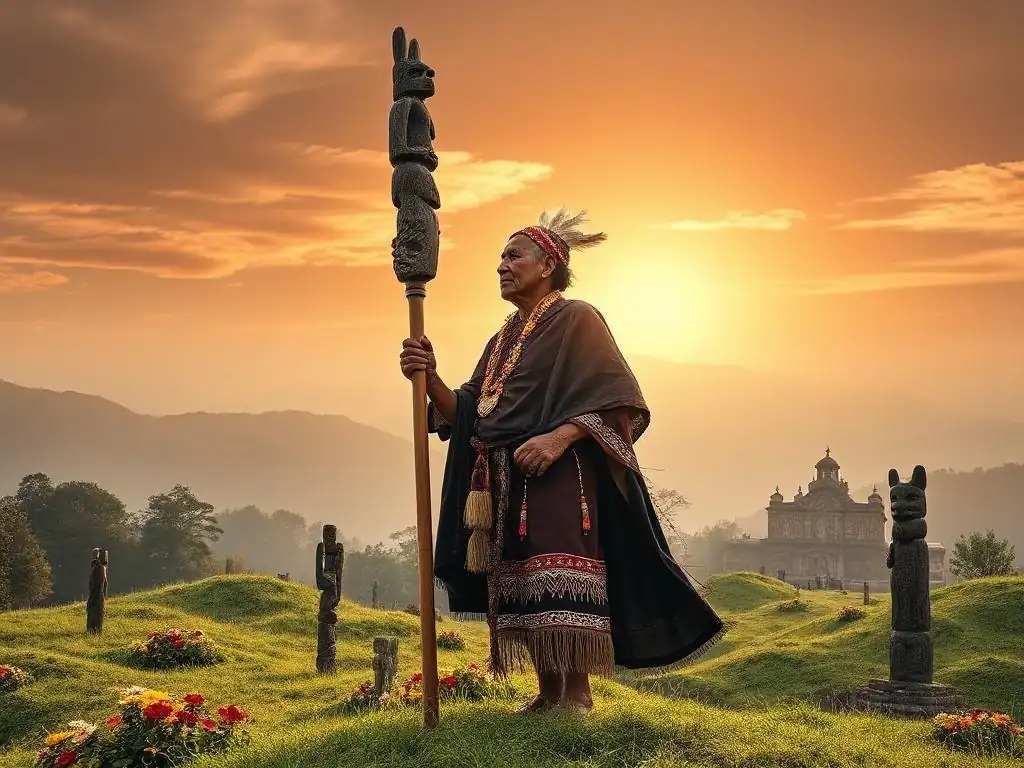
Indigenous mythology plays a significant role in shaping postcolonial faiths, serving as a reservoir of cultural knowledge and spiritual wisdom. These mythological narratives often provide a framework for understanding the world, guiding moral behavior, and explaining the human experience.
Key Mythological Themes in Indigenous Cultures
Several key themes are prevalent in the mythologies of indigenous cultures, often influencing postcolonial religious practices:
- Creation and Origin Stories: Many indigenous cultures possess rich narratives about the creation of the world, humanity, and the cosmos. These stories often serve as a foundation for spiritual beliefs and practices, informing the values and ethics of the community.
- Nature and Spirituality: Indigenous myths frequently emphasize the interconnectedness of nature and spirituality. This relationship is often mirrored in postcolonial faiths, where reverence for the earth and its elements becomes a central tenet of belief.
- Heroic Journeys and Transformation: Themes of personal and communal transformation are common in indigenous mythology. These narratives can inspire contemporary religious practices that focus on healing, resilience, and the journey of self-discovery.
- Cycles of Life and Death: Many indigenous myths explore the cycles of life, death, and rebirth. These concepts often find resonance in postcolonial faiths, influencing beliefs about the afterlife and spiritual continuity.
How Indigenous Myths Shape Contemporary Religious Practices
The influence of indigenous mythology on contemporary religious practices is evident in various ways:
- Rituals and Ceremonies: Many rituals incorporate mythological elements, such as storytelling and dance, that reflect indigenous narratives. These practices help to preserve cultural heritage while adapting to new spiritual contexts.
- Symbolism and Iconography: Indigenous myths often provide rich symbols that can be integrated into new religious frameworks. For example, animals, natural elements, and ancestral figures often appear in postcolonial religious art and iconography, serving as reminders of cultural identity.
- Moral and Ethical Guidelines: Indigenous myths frequently carry moral teachings that inform contemporary religious practices. These teachings can provide guidance on ethical living, community relations, and environmental stewardship.
- Community Identity: The retelling of indigenous myths in contemporary contexts helps to foster a sense of community and belonging. By honoring these narratives, individuals can connect with their heritage while navigating the complexities of postcolonial identity.
The interplay of indigenous mythology and postcolonial faiths illustrates the resilience and adaptability of indigenous cultures in the face of colonial influences. This syncretism not only enriches contemporary religious practices but also highlights the enduring significance of indigenous narratives in shaping spiritual landscapes.
The Role of Faith in Shaping Indigenous Identities Postcolonization
Postcolonization, the role of faith in shaping indigenous identities has been profound and multifaceted. Indigenous cultures, which were deeply interwoven with spiritual beliefs prior to European contact, experienced significant transformations as they encountered new religious paradigms. The introduction of Christianity did not merely supplant existing beliefs; rather, it led to a complex interplay of indigenous spirituality and Christian doctrine, giving rise to unique syncretic practices that reflect the resilience and adaptability of these cultures.
Faith served as a cornerstone for many indigenous communities, providing a framework through which they could navigate the challenges posed by colonization. For instance, many groups integrated elements of Christian teachings with their traditional beliefs, creating a hybrid spiritual practice that honors both their ancestral heritage and the new influences. This syncretism enabled indigenous peoples to maintain a sense of cultural identity and continuity, even in the face of oppressive colonial forces.
Furthermore, faith became a means of resistance. Indigenous leaders often utilized religious narratives to assert autonomy and reclaim agency within their communities. This blending of faith and identity has not only shaped individual experiences but has also fostered collective movements aimed at cultural revitalization and political empowerment.
The Spiritual Resilience of Indigenous Communities
The spiritual resilience of indigenous communities is evident in their ability to adapt and thrive despite historical traumas. Many indigenous groups have developed unique spiritual frameworks that incorporate both traditional beliefs and new religious elements. This resilience is often manifested through rituals, ceremonies, and community gatherings that celebrate their heritage while also embracing aspects of borrowed faith.
For example, in regions like Mexico and Peru, indigenous communities have blended Catholic celebrations with indigenous rituals, resulting in vibrant festivals that honor both their ancestral gods and Christian saints. Such practices not only affirm cultural identity but also serve as a testament to the enduring spirit of these communities in the face of adversity.
Moreover, the revival of traditional spiritual practices can be observed as indigenous peoples reclaim their identities and assert their rights. This revival often includes a resurgence of interest in languages, oral histories, and traditional ecological knowledge, all of which are deeply intertwined with spiritual beliefs. The ongoing connection to land and nature is also a critical aspect of spiritual resilience, as it reinforces an understanding of the sacredness of the earth and the interconnectedness of all living beings.
The Interplay Between Faith and Indigenous Cultural Preservation
The interplay between faith and indigenous cultural preservation is a dynamic process that highlights how spiritual beliefs can act as a vehicle for maintaining cultural heritage. Faith traditions often encapsulate a wealth of knowledge, stories, and practices that are essential for the transmission of cultural identity across generations.
Indigenous spiritualities frequently emphasize the importance of community and collective memory, serving as a repository for cultural practices and beliefs. This is particularly evident in oral traditions, where storytelling not only conveys spiritual teachings but also preserves historical narratives that are crucial for cultural identity.
Moreover, the integration of faith into cultural preservation efforts can be witnessed in the revitalization of traditional ceremonies and practices. Many indigenous communities are increasingly engaging in efforts to restore and celebrate their cultural heritage, which is often framed within a spiritual context. This resurgence fosters a sense of pride and unity among community members, reinforcing their connection to both their past and their future.
Challenges and Controversies Surrounding Syncretism
Despite the rich tapestry of syncretic practices that have emerged, challenges and controversies surrounding syncretism persist. One significant issue is the misinterpretation of these blended faiths as a sign of cultural dilution or loss. Critics often view syncretism as a form of compromise that undermines the authenticity of indigenous beliefs, failing to recognize the agency of indigenous peoples in reshaping their spiritual landscapes.
Misinterpretations of Syncretism in Academic Discourse
In academic discourse, syncretism is often framed within a colonial narrative that assumes a linear progression from "pure" indigenous beliefs to "contaminated" forms influenced by colonial religions. This perspective can perpetuate stereotypes and misunderstandings about indigenous cultures, reducing them to mere victims of colonialism rather than acknowledging their active role in shaping their spiritual narratives.
Such misinterpretations can lead to a lack of appreciation for the complexity and richness of syncretic practices. For many indigenous communities, these blended beliefs represent a conscious choice to incorporate elements of different faiths while retaining core aspects of their identity. This understanding challenges the notion of authenticity, revealing that cultural practices are not static but rather evolve in response to social, political, and historical contexts.
The Tension Between Authenticity and Adaptation in Indigenous Faith Practices
The tension between authenticity and adaptation in indigenous faith practices is a critical discourse within the study of syncretism. Many indigenous communities grapple with the challenge of maintaining traditional practices in a rapidly changing world while also adapting to new influences. This struggle raises important questions about what constitutes an "authentic" practice and who gets to define it.
For some, the adaptation of faith practices may be seen as a betrayal of ancestral traditions, while others view it as a necessary evolution that allows for survival and relevance in contemporary society. This divergence in perspectives can lead to internal conflicts within communities as differing opinions on faith and cultural identity emerge.
Ultimately, the negotiation between authenticity and adaptation is a testament to the resilience of indigenous cultures. It reflects their capacity to honor their heritage while also engaging with the complexities of the modern world. By embracing this dynamic process, indigenous communities continue to develop vibrant spiritual practices that are both rooted in tradition and responsive to contemporary realities, ensuring the ongoing vitality of their cultural identities in a postcolonial context.
Conclusion: The Legacy of Indigenous Cultures and Syncretism
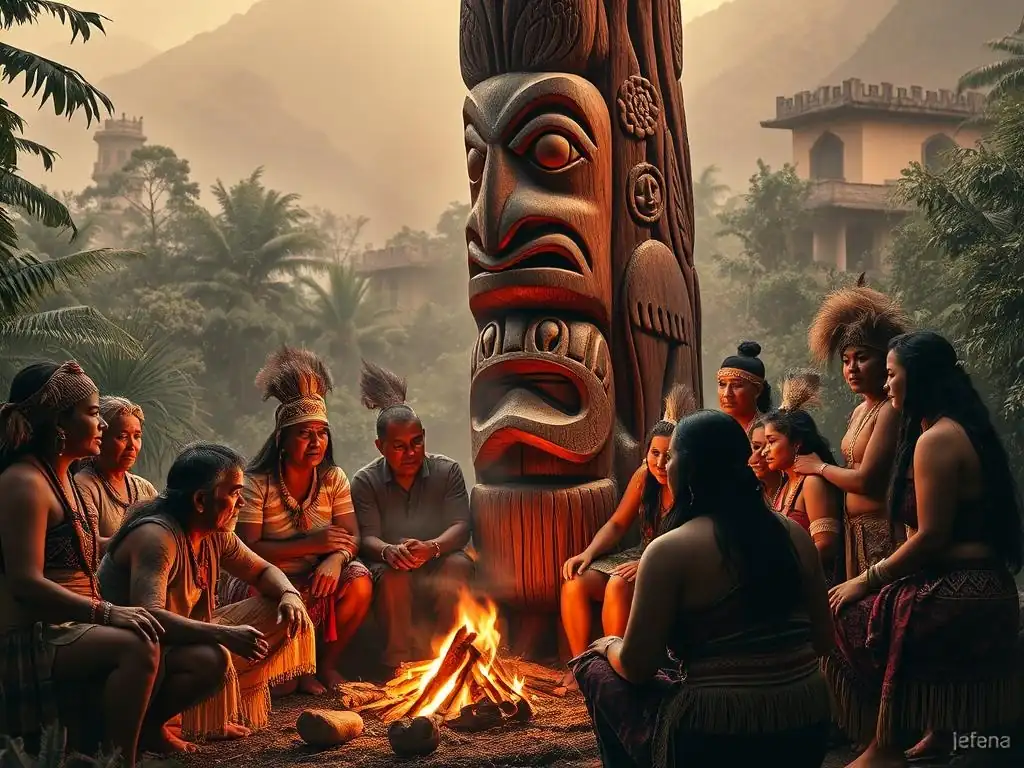
The legacy of indigenous cultures and their syncretic practices is a profound testament to resilience and adaptation in the face of colonial challenges. The interplay of pre-colonial beliefs with introduced religions has given rise to a rich tapestry of spiritual narratives that reflect both continuity and change. These syncretic systems are not merely a blending of old and new; they symbolize the survival and transformation of identity, showcasing how indigenous peoples have maintained their cultural integrity while navigating the complexities of imposed belief systems.
Moreover, the syncretism observed in various indigenous cultures serves as a lens through which to understand broader societal dynamics, where cultural exchange and adaptation create new forms of expression and belief. This legacy is evident in art, music, rituals, and community practices that continue to thrive today. By recognizing and valuing these syncretic narratives, we gain insight into the lived experiences of indigenous peoples and their ongoing relationship with their historical and contemporary realities.
The Continuing Evolution of Religious Narratives in Indigenous Communities
Religious narratives within indigenous communities are not static; they evolve continually in response to changing social, political, and environmental contexts. This evolution is influenced by various factors, including globalization, urbanization, and inter-community interactions. As indigenous cultures engage with modernity, they often reinterpret traditional beliefs and practices, incorporating elements from contemporary spiritual movements or popular religions.
For instance, many indigenous groups in the Americas have integrated aspects of Christianity with their ancestral beliefs, leading to unique expressions of faith that resonate with both their historical roots and present-day experiences. Such adaptations can be seen in practices like the Day of the Dead in Mexico, where indigenous ritual blends with Catholic elements, fostering a rich cultural celebration that honors ancestors while embracing the spiritual significance of life and death.
This dynamic nature of religious narratives highlights the agency of indigenous peoples in shaping their spiritual landscapes, affirming their identity and resilience in a world that often seeks to homogenize cultural expressions. As these narratives continue to evolve, they serve not only as a means of spiritual expression but also as a vehicle for social cohesion and cultural revitalization.
Implications for Future Research on Indigenous Cultures and Syncretism
Future research on indigenous cultures and syncretism holds significant implications for understanding both historical and contemporary social dynamics. Scholars are encouraged to adopt interdisciplinary approaches that consider anthropology, religious studies, history, and cultural studies to provide a more nuanced understanding of how syncretism functions within indigenous communities.
One key area for exploration is the role of oral traditions in preserving and transmitting syncretic beliefs. This research could uncover how stories, songs, and rituals evolve over time and how they reflect the ongoing negotiation of identity within indigenous cultures. Additionally, examining the impact of digital media on the dissemination and transformation of religious narratives can shed light on contemporary practices and the ways in which younger generations engage with their heritage.
Moreover, studying the implications of policy and development on indigenous spiritual practices can reveal the challenges and opportunities faced by these communities in maintaining their cultural expressions amid external pressures. By addressing these areas, future research can contribute to a deeper appreciation of the complexities of indigenous cultures and the significance of syncretism in fostering resilience and adaptation in an ever-changing world.
- Introduction to Indigenous Cultures and Syncretism
- Defining Syncretism in the Context of Indigenous Cultures
- The Role of Myth in Postcolonial Religious Narratives
- Historical Background of Indigenous Cultures in the Americas
- The Dynamics of Syncretism in Postcolonial Contexts
- Mechanisms of Cultural Exchange Between Indigenous and Colonial Religions
- Case Studies: Examples of Syncretism in Various Indigenous Cultures
- The Influence of Indigenous Mythology on Postcolonial Faiths
- The Role of Faith in Shaping Indigenous Identities Postcolonization
- Challenges and Controversies Surrounding Syncretism
- Conclusion: The Legacy of Indigenous Cultures and Syncretism
- The Continuing Evolution of Religious Narratives in Indigenous Communities
- Implications for Future Research on Indigenous Cultures and Syncretism
- What is syncretism in the context of indigenous cultures?
- How did indigenous cultures influence postcolonial religious narratives?
- What are some key achievements of indigenous civilizations before colonization?
- How does the website address the impact of colonization on indigenous cultures?
- Why is understanding indigenous cultures important today?
Frequently Asked Questions
What is syncretism in the context of indigenous cultures?
Syncretism refers to the blending of different religious and cultural beliefs, often seen in how indigenous cultures adapted to or merged with European influences after colonization.
How did indigenous cultures influence postcolonial religious narratives?
Indigenous cultures contributed to postcolonial religious narratives by integrating their traditional beliefs and practices with new religious elements, creating unique forms of worship and spirituality.
What are some key achievements of indigenous civilizations before colonization?
Indigenous civilizations thrived in various areas, showcasing advanced agricultural practices, sophisticated political systems, and rich artistic traditions that significantly influenced their societies.
How does the website address the impact of colonization on indigenous cultures?
The website explores the lasting impact of colonization, highlighting how indigenous cultures adapted, resisted, and transformed their practices in response to European influence.
Why is understanding indigenous cultures important today?
Understanding indigenous cultures is essential for recognizing their contributions to global heritage, fostering respect for diversity, and promoting the preservation of their rich traditions in the face of ongoing challenges.
Final Reflection: Embracing the Tapestry of Syncretism in Indigenous Cultures
**The exploration of syncretism in postcolonial religious narratives reveals a profound truth: **the blending of indigenous cultures and faiths is not merely a historical phenomenon but a living testament to resilience and adaptation. In today's globalized world, where cultural exchanges are more prevalent than ever, understanding the intricate dance between myth and faith becomes essential. This interplay not only shapes identities but also fosters a deeper appreciation for the diverse tapestry of human experience.
Cultures are not static; they evolve, intertwining with one another to create rich, multifaceted narratives. The impact of syncretism on contemporary society is undeniable, as it challenges us to reconsider rigid boundaries between belief systems. As we witness the resurgence of indigenous voices and practices, we are reminded that these narratives are not relics of the past but vibrant expressions of identity and spirituality. In the midst of chaos, there is also opportunity,
a saying that resonates deeply in the context of cultural syncretism, highlighting the potential for growth and understanding in our interconnected world.
As you reflect on the themes of this article, I invite you to consider your own beliefs and the influences that shape them. How can you embrace the lessons of syncretism in your life? Let us honor the rich traditions of indigenous cultures while recognizing the beauty that emerges from their intersections with other faiths. By fostering an open heart and mind, we can contribute to a more inclusive and harmonious world, where diverse narratives coexist and thrive.
Unveil New Perspectives on Faith and Myth!
Thank you for diving into the fascinating world of syncretism in postcolonial religious narratives. Your engagement with this topic not only enriches your understanding but also fosters meaningful reflection on the intricate tapestry of cultures. Now, let’s take the next step together!
- Explore deeper: Delve into indigenous narratives and research how these stories shape contemporary spiritual practices in your community.
- Engage with others: Share your thoughts and insights with friends or on social media. Let’s spread awareness and appreciation for the rich dialogue between mythology and faith!
- Join the conversation: Consider hosting or participating in discussions or workshops focused on the interplay between religion and mythology, inviting diverse voices and perspectives.
What surprising connections between myth and faith have you discovered in your own journey? We’d love to hear your thoughts!