
The Power of Music and Dance: Enacting the Divine in Mesoamerican Ceremonies

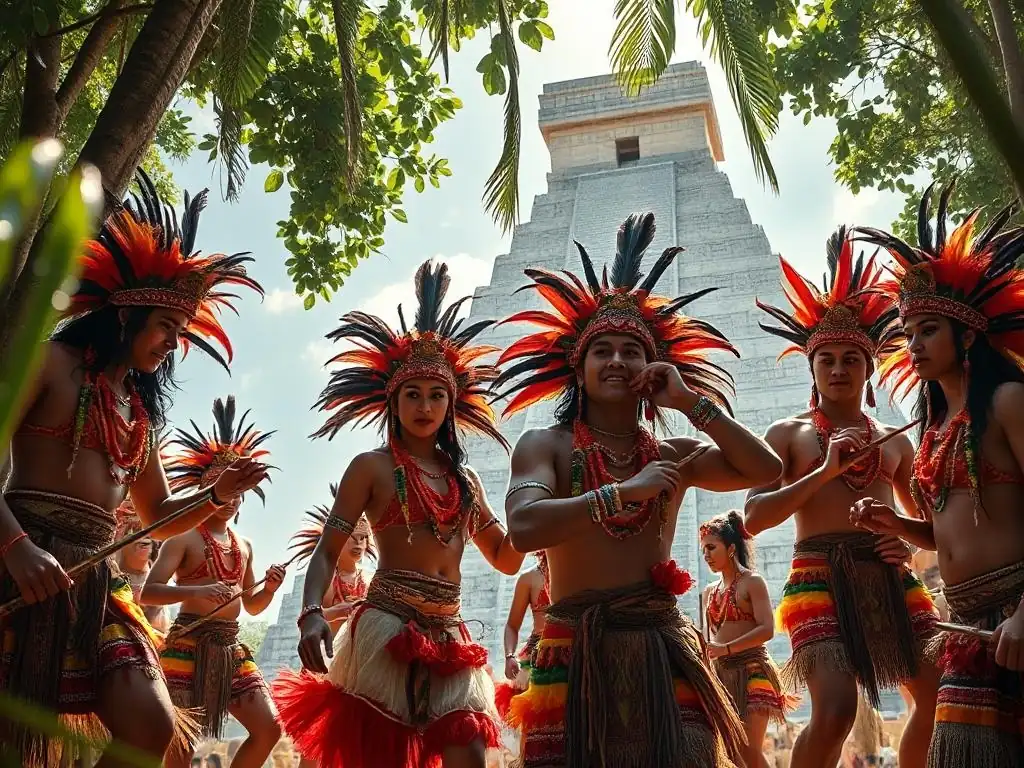
Welcome to Indigenous Civilizations of the Americas, where we invite you to journey through the rich tapestry of indigenous cultures that flourished long before European contact. Here, you’ll discover the profound legacy of achievements and vibrant societies that shaped the American landscape.
Today, we delve into the mesmerizing world of Mesoamerican music and dance traditions, exploring how these artistic expressions played a crucial role in enacting the divine during sacred ceremonies. Prepare to be captivated by the rhythms and movements that resonate with the spirit of a civilization, and let your curiosity guide you deeper into this fascinating exploration of society and culture.
Introduction to Mesoamerican Music and Dance Traditions
Mesoamerican music and dance traditions are more than just artistic expressions; they are essential elements of the spiritual and cultural fabric of indigenous societies that flourished in the Americas long before European colonization. These traditions, rich in history and significance, served as a means of connecting the earthly realm with the divine, allowing communities to enact their beliefs and honor their deities through rhythmic sound and movement.
From the ceremonial gatherings of the Aztec and Maya to the intricate rituals of the Zapotec and Mixtec, music and dance played pivotal roles in various aspects of life, including religion, agriculture, and communal identity.
As we delve deeper into the unique characteristics of Mesoamerican music and dance, we uncover a vibrant tapestry woven from diverse cultural influences, historical narratives, and spiritual practices. This article seeks to explore these dynamic traditions, shedding light on their enduring impact and the ways they continue to resonate within indigenous communities today.
Overview of Mesoamerican Cultural Heritage
Mesoamerican cultures, encompassing civilizations such as the Maya, Aztec, Olmec, and Totonac, are renowned for their rich heritage that encompasses not only music and dance but also art, architecture, and complex societal structures.
- Key Aspects of Mesoamerican Cultural Heritage:
- Religious Practices: Rituals that blended music and dance to honor gods and ancestors.
- Artistic Expression: Use of vibrant colors and symbols in murals and sculptures that often depicted musical and dance scenes.
- Community Bonding: Festivals centered around agricultural cycles where music and dance were integral.
This cultural framework set the stage for the development of unique music and dance traditions that were deeply embedded in the societal norms and values of Mesoamerican peoples.
Significance of Music and Dance in Indigenous Rituals
Music and dance in Mesoamerican rituals served multiple purposes, acting as powerful tools for spiritual connection and community engagement. These performances were not merely entertainment; they were sacred acts that facilitated communication with the divine and reinforced social cohesion.
- Functions of Music and Dance in Rituals:
- Spiritual Connection: Offering prayers and gratitude to deities.
- Cultural Identity: Reinforcing community bonds and shared beliefs.
- Historical Narratives: Preserving stories and traditions through song and movement.
Through these rituals, indigenous peoples articulated their worldview, celebrating life events such as births, weddings, and harvests, while also marking significant transitions and honoring the cycles of nature.
Historical Context of Mesoamerican Music and Dance
To fully appreciate the richness of Mesoamerican music and dance traditions, it is essential to explore their historical context. The evolution of these practices reflects broader societal changes, interactions between cultures, and the resilience of indigenous communities in the face of external influences.
Evolution of Mesoamerican Music Traditions
The musical traditions of Mesoamerica have roots in ancient practices that date back thousands of years. Over time, these practices evolved, influenced by various factors including trade, conquest, and cultural exchange.
- Key Phases in the Evolution of Music:
- Pre-Columbian Era: Development of instruments such as flutes, drums, and rattles, integral to early rituals.
- Post-Conquest Adaptations: Integration of European musical elements following the arrival of Spanish colonizers.
- Contemporary Revitalization: Modern efforts to preserve and revive traditional music forms within indigenous communities.
This historical journey illustrates how Mesoamerican music has continuously adapted while maintaining its core spiritual significance.
The Role of Dance in Mesoamerican Societies
Dance in Mesoamerican cultures was not only a form of artistic expression but also a crucial element of social life. It served various functions, from religious ceremonies to community celebrations, reflecting the values and beliefs of the society.
- Key Roles of Dance:
- Ritualistic Practice: Integral to ceremonies that invoked the gods and celebrated agricultural cycles.
- Social Structure: Often performed by specific groups or classes within society, reinforcing social hierarchies.
- Cultural Transmission: A means of passing down stories, beliefs, and traditions from one generation to the next.
By understanding the multifaceted role of dance, we gain insight into its importance as a cultural cornerstone in Mesoamerican civilizations.
In exploring the power of music and dance in Mesoamerican ceremonies, we uncover the profound connections these traditions fostered between communities and the divine, offering a glimpse into a world where every beat and movement held sacred meaning.
Spiritual and Religious Significance of Music and Dance
In Mesoamerican cultures, music and dance were not merely forms of entertainment; they were profound expressions of spirituality and integral to religious practices. These traditions served as conduits for communicating with the divine, allowing practitioners to engage with their gods and ancestors. Music and dance rituals were often woven into the fabric of communal life, encompassing agricultural cycles, rites of passage, and seasonal celebrations. They served to invoke blessings, express gratitude, and maintain the cosmic balance essential for the sustenance of life.
The spiritual significance of these traditions can be observed in the way they were embedded within various ceremonial contexts. Elaborate festivals, often dedicated to specific deities, featured music and dance as central components, demonstrating the belief that these practices could directly influence the favor of the gods. Thus, the rhythmic sounds and movements were perceived not only as art forms but as sacred acts that reinforced the connection between the earthly and divine realms.
Music as a Medium for Divine Connection
Music in Mesoamerican societies was considered a sacred language, capable of bridging the gap between the mortal and the divine. Specific melodies, chants, and rhythms were believed to resonate with the energies of the cosmos, facilitating communication with the gods. Different deities were associated with distinct musical styles, which were meticulously crafted to reflect their attributes and powers. For instance, the music played during rituals to honor Tlaloc, the rain god, would often include vibrant, lively rhythms to invoke the life-giving rains.
In ceremonial contexts, priests and musicians often engaged in improvisation, a practice that allowed for spontaneous expressions of devotion and creativity. This improvisational aspect was essential in creating a dynamic atmosphere that encouraged participants to connect deeply with the spiritual experience. The use of sacred texts and prayers set to music further amplified this connection, allowing worshippers to articulate their supplications in a form that transcended mere words, thereby enhancing the emotional and spiritual impact of the rituals.
Dance as a Form of Worship in Mesoamerican Ceremonies
Dance in Mesoamerican cultures was an essential form of worship, characterized by intricate movements that conveyed deep spiritual meanings. Each gesture and posture was imbued with symbolism, often representing mythological narratives, natural elements, or the attributes of specific deities. Dancers would often wear elaborate costumes adorned with feathers, beads, and other materials that reflected their connection to the divine and their cultural heritage.
During ceremonial events, dance was performed not only as a form of tribute but also as a means of liberating energy and invoking the presence of the gods. The collective aspect of dance fostered a sense of community, as participants unified their intentions and energies toward a common goal. Ritual dances, such as the "Danza de los Voladores" (Dance of the Flyers), were particularly significant, symbolizing the power of transformation and renewal, a direct plea for fertility and prosperity from the divine.
Key Elements of Mesoamerican Music Traditions
The music traditions of Mesoamerica were rich and varied, characterized by unique instruments, vocal styles, and rhythmic patterns. These elements played a crucial role in not only religious contexts but also in everyday life, reflecting the diverse cultural identities of the indigenous peoples.
Instruments and Their Cultural Importance
Mesoamerican music utilized a wide range of instruments, each with its own cultural significance. Among the most prominent were percussion instruments like drums, which served as the heartbeat of ceremonies, providing a rhythmic foundation that guided dancers and singers. The huehuetl, a large drum made from a hollowed tree trunk, was particularly revered, often used in sacred rituals to invoke the spirits.
Wind instruments, such as flutes and conch shells, were also integral to musical traditions. The sound of the flute, for instance, was believed to mimic the cries of nature, enchanting listeners and evoking a sense of harmony with the environment. Moreover, rattles and shakers, made from materials like gourds and clay, added texture to the music, enhancing its spiritual potency. Each instrument was carefully crafted, often decorated with symbols and motifs that reflected the cultural beliefs and cosmology of the community.
Vocal Styles and Their Spiritual Functions
Vocal traditions within Mesoamerican music were as diverse as the cultures themselves, characterized by unique styles that served various spiritual functions. Chants and songs often incorporated call-and-response structures, allowing for communal participation and enhancing the sense of collective devotion. Vocals could range from soft, melodic singing to powerful, rhythmic chants, each tailored to the specific context of the ceremony.
In many cases, vocal performances were believed to channel the voices of ancestors or deities, creating a direct line of communication with the spiritual world. The use of specific vocal techniques, such as throat singing or the incorporation of ululations, added layers of complexity and emotional depth to the performances. This emphasis on vocal expression highlighted the belief that sound itself could invoke divine presence, making the act of singing a sacred ritual in its own right.
Dance Styles in Mesoamerican Cultures
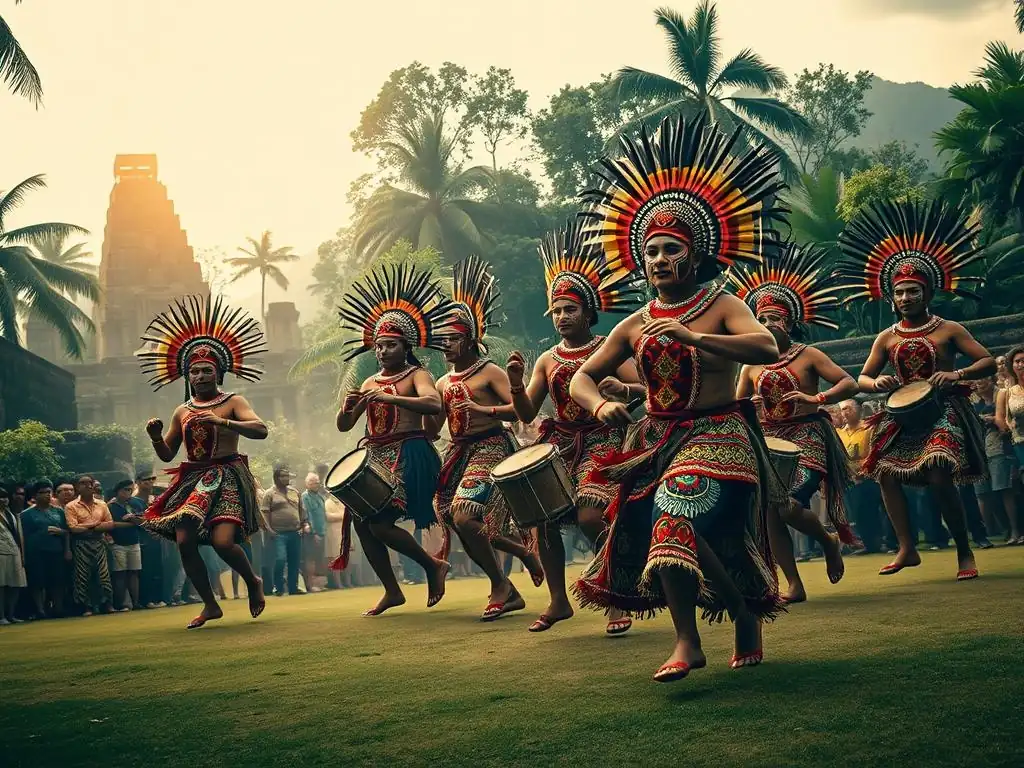
Mesoamerican music and dance traditions are rich and diverse, embodying the spiritual and cultural identities of various indigenous groups. Each culture developed unique dance styles that were integral to their social and religious practices. These styles often reflect the cosmovision of the people, where the movements and rhythms serve as a form of communication with the divine and the natural world.
Traditional Dance Forms and Their Symbolism
Traditional dance forms in Mesoamerica can be categorized into several types, each with its distinct symbolism and purpose. For instance, the Danze de los Voladores (Dance of the Flyers) from the Totonac culture symbolizes the connection between the earth and the sky. In this ceremony, performers climb a tall pole and, while playing flutes and drums, descend gracefully, representing the cycle of life and the importance of the sun.
Similarly, the Huehuecoyotl dance, often performed during various festivals, honors the trickster god of music and dance. Participants wear elaborate costumes, often adorned with feathers and mirrors, reflecting their respect for the gods and the natural elements. Each movement is intentional, conveying messages of gratitude, reverence, and celebration.
The Role of Dance in Festivals and Ceremonies
Dance plays a crucial role in Mesoamerican festivals and ceremonies, serving as a medium to enact the divine and reinforce community bonds. Through rhythmic movements, participants express their collective identity and cultural heritage, often invoking ancestral spirits. Festivals such as Tlacololero celebrate agricultural cycles, where dance is used to ensure a bountiful harvest. The choreography often mimics the movements of animals and plants, emphasizing the interconnectedness of life.
Moreover, during rituals, specific dances are performed to invite blessings from deities. For example, the Mictlantecuhtli dance, honoring the god of the underworld, is performed during the Day of the Dead celebrations, allowing participants to remember and celebrate their ancestors. These performances are not merely entertainment; they are vital expressions of spirituality and cultural continuity.
Case Studies of Mesoamerican Ceremonies
Mesoamerican ceremonies are vibrant showcases of music and dance traditions, often deeply rooted in the region's spiritual beliefs. Let's explore two significant examples that illustrate the power of these art forms in enacting the divine.
The Day of the Dead: Music and Dance in Remembrance
The Day of the Dead (Día de los Muertos) is one of the most prominent ceremonies in Mesoamerican culture, particularly celebrated in Mexico. This annual tradition merges indigenous beliefs with Catholic practices, creating a unique cultural tapestry. Music and dance are essential components of the festivities, serving to honor deceased loved ones and celebrate their lives.
During this celebration, families create altars adorned with offerings, including food, flowers, and photographs. Dance performances, such as the La Catrina, often involve vibrant costumes and lively music, symbolizing the joy of life and the acceptance of death. Participants engage in dances that narrate stories of the departed, utilizing instruments like mariachis and traditional flutes to create a festive atmosphere that both honors and entertains.
The Spring Equinox: Celebrations Through Movement and Sound
The Spring Equinox marks a significant time for many Mesoamerican cultures, particularly the Maya and Aztecs. This event is celebrated with rituals that honor the renewal of life and the balance between light and darkness. Music and dance play pivotal roles in these ceremonies, reflecting the community's connection to the seasons and agricultural cycles.
At the Pyramid of Kukulcán in Chichen Itza, for instance, thousands gather to witness the phenomenon where the setting sun casts a shadow that resembles a serpent slithering down the steps. To celebrate this celestial event, traditional dances are performed, accompanied by the sounds of drums and flutes. These dances symbolize the fertility of the earth and the importance of celestial bodies in agricultural success.
Through these vibrant expressions of music and dance, Mesoamerican cultures continue to enact the divine, preserving their traditions and reinforcing their communal identities.
The Influence of Mesoamerican Music and Dance on Contemporary Practices
Mesoamerican music and dance traditions have left an indelible mark on contemporary practices, shaping not only indigenous communities but also influencing broader cultural landscapes. These traditions, deeply rooted in spiritual and communal life, serve as a conduit for storytelling, history, and identity, echoing through generations. Today, many indigenous communities actively engage in these practices, ensuring that their cultural heritage is preserved and celebrated.
Modern performances often incorporate traditional instruments such as the tlapitzalli (flute) and teponaztli (drum), alongside contemporary genres, creating a rich tapestry of sound that reflects both historical significance and current realities. These performances are not merely artistic expressions; they are acts of cultural resistance and revitalization, emphasizing the importance of heritage in a rapidly changing world.
Moreover, the influence of Mesoamerican music and dance extends beyond indigenous communities. Collaborations with mainstream artists and incorporation into popular music genres have brought these traditions to a wider audience, fostering appreciation and dialogue about indigenous cultures. Festivals and events celebrating these art forms attract diverse participants, bridging cultural gaps and promoting understanding.
Preservation of Traditions in Modern Indigenous Communities
In modern indigenous communities, the preservation of Mesoamerican music and dance is a vital aspect of cultural identity. Initiatives aimed at revitalizing traditional practices are often led by elders and cultural leaders who serve as custodians of knowledge, passing down their skills to younger generations. These practices are frequently integrated into educational programs within communities, emphasizing the importance of cultural heritage.
Community gatherings and celebrations provide opportunities for people to engage in traditional music and dance, reinforcing social bonds and a collective sense of identity. Events such as Día de Muertos (Day of the Dead) exemplify how these traditions are maintained, with music and dance playing crucial roles in honoring ancestors and celebrating life. Through these communal experiences, individuals foster a connection to their roots, ensuring that the vibrancy of their cultural heritage endures.
Additionally, the use of technology has emerged as a powerful tool for preservation. Online platforms and social media allow indigenous artists to showcase their music and dance, reaching global audiences while sharing their stories and perspectives. This digital presence not only promotes cultural awareness but also encourages the participation of those outside the community, fostering a greater appreciation for Mesoamerican traditions.
Fusion of Traditional and Contemporary Styles in Today’s World
The fusion of traditional and contemporary styles in Mesoamerican music and dance reflects the dynamic nature of cultural expression. Artists today are increasingly blending traditional rhythms and melodies with modern genres like hip-hop, electronic music, and pop, creating innovative sounds that resonate with younger audiences. This fusion not only revitalizes traditional art forms but also ensures their relevance in contemporary society.
Collaborations between indigenous musicians and mainstream artists have become more common, leading to the creation of hybrid genres that celebrate Mesoamerican heritage while appealing to a broader audience. For example, the incorporation of traditional instruments into contemporary tracks can introduce listeners to Mesoamerican sounds, fostering curiosity and appreciation for the culture.
Furthermore, dance styles have also evolved, combining traditional movements with modern choreography. This blend allows performers to express their cultural identity while engaging with contemporary themes, making their performances accessible and relatable to a diverse audience. Such adaptations demonstrate the resilience of Mesoamerican music and dance traditions, showcasing their ability to evolve while retaining their core essence.
Conclusion: The Enduring Legacy of Mesoamerican Music and Dance
The enduring legacy of Mesoamerican music and dance is evident in the ways these traditions continue to shape identities and foster community cohesion. These art forms serve not only as expressions of cultural heritage but also as powerful tools for storytelling and spiritual connection. The influence of Mesoamerican music and dance traditions can be seen in various contemporary practices, highlighting their relevance in today's society.
Reflection on the Importance of Cultural Practices
Reflecting on the importance of cultural practices, it becomes clear that Mesoamerican music and dance are not merely entertainment; they are essential components of cultural identity and continuity. They provide a means for individuals to connect with their ancestry, express their beliefs, and engage with their communities. The act of enacting these traditions serves as a reminder of the resilience and richness of indigenous cultures, showcasing the importance of preserving these practices for future generations.
Moreover, cultural practices foster a sense of belonging and pride among community members. They create spaces where individuals can celebrate their heritage, share their stories, and educate others about their history. In this way, Mesoamerican music and dance traditions play a crucial role in promoting cultural dialogue and understanding in a diverse world.
The Future of Mesoamerican Music and Dance Traditions in a Globalized World
As Mesoamerican music and dance traditions navigate the complexities of a globalized world, their future appears promising yet challenging. The ongoing fusion of traditional and contemporary styles suggests a vibrant evolution, allowing these traditions to resonate with new audiences while remaining rooted in their cultural significance. However, the risk of cultural appropriation and dilution remains a concern, necessitating a careful balance between innovation and preservation.
To ensure the future of Mesoamerican music and dance traditions, it is essential to empower indigenous communities to lead their artistic expressions. Support for local artists, educational programs, and cultural initiatives can foster a deeper appreciation for these traditions and promote their continued relevance. By nurturing and celebrating these practices, society can work towards a future where the rich legacy of Mesoamerican music and dance thrives, inspiring generations to come.
- Introduction to Mesoamerican Music and Dance Traditions
- Historical Context of Mesoamerican Music and Dance
- Spiritual and Religious Significance of Music and Dance
- Key Elements of Mesoamerican Music Traditions
- Dance Styles in Mesoamerican Cultures
- Case Studies of Mesoamerican Ceremonies
- The Influence of Mesoamerican Music and Dance on Contemporary Practices
- Conclusion: The Enduring Legacy of Mesoamerican Music and Dance
- What are the main themes of Mesoamerican music and dance traditions?
- How did music and dance influence Mesoamerican societies?
- What instruments were commonly used in Mesoamerican music?
- How did European colonization affect Mesoamerican music and dance traditions?
- What is the significance of dance in Mesoamerican ceremonies?
Frequently Asked Questions
What are the main themes of Mesoamerican music and dance traditions?
Mesoamerican music and dance traditions are centered around ceremonial practices, religious rituals, and community celebrations, emphasizing their spiritual significance and role in cultural identity.
How did music and dance influence Mesoamerican societies?
Music and dance played a crucial role in social cohesion and cultural expression, helping to unite communities and reinforce social hierarchies within Mesoamerican civilizations.
What instruments were commonly used in Mesoamerican music?
Mesoamerican music featured a variety of traditional instruments such as drums, flutes, and rattles, which were essential for creating the rhythmic patterns that accompanied dance and ritual.
How did European colonization affect Mesoamerican music and dance traditions?
European colonization led to a fusion of indigenous and European musical styles, resulting in hybrid forms that transformed traditional practices while also threatening the preservation of original traditions.
What is the significance of dance in Mesoamerican ceremonies?
Dance in Mesoamerican ceremonies served as a means to enact the divine, allowing participants to connect with spiritual realms and invoke the presence of gods during important rituals and celebrations.
Final Reflection: The Enduring Legacy of Mesoamerican Music and Dance Traditions
Mesoamerican music and dance traditions are not merely relics of the past; they are vibrant expressions of cultural identity that resonate deeply in today's world. As we navigate an increasingly globalized society, the significance of these traditions becomes even more pronounced, reminding us of the profound connections between art, spirituality, and community. The rhythms and movements that once echoed through ancient temples continue to inspire and unite people across generations, illustrating the timeless power of artistic expression.
The influence of Mesoamerican music and dance extends far beyond the confines of history; it shapes contemporary cultural landscapes and fosters a sense of belonging. These traditions serve as a bridge between the past and the present, allowing individuals to connect with their heritage and share it with others. As noted by the renowned anthropologist, "Music and dance are the languages of the soul, transcending barriers and uniting us in our shared humanity." > This sentiment captures the essence of how these art forms continue to inspire and uplift communities, fostering a collective identity that honors ancestral legacies.
As we reflect on the importance of Mesoamerican music and dance traditions, let us embrace the opportunity to engage with these rich cultural practices in our own lives. I invite you to explore and celebrate the rhythms that resonate within you, whether through participation in local ceremonies, learning traditional dances, or simply appreciating the music that speaks to your spirit. By doing so, we not only honor the past but also contribute to the ongoing narrative of cultural resilience and creativity, ensuring that these powerful traditions continue to thrive for generations to come.
Unleash Your Rhythm and Connection!
Thank you for exploring the rich tapestry of Mesoamerican ceremonies with us! We hope you’ve discovered the profound power that music and dance hold in connecting with the divine. Now, it’s time to take that inspiration and put it into action!
Here are a few steps you can take right now to deepen your connection to the themes explored in this article:
- Join a local dance or music workshop to experience the joy of movement and rhythm firsthand, reflecting the traditions we’ve discussed.
- Share this article with friends or family who appreciate culture, encouraging them to explore this vibrant aspect of Mesoamerican heritage.
- Create your own ceremonial playlist inspired by the music highlighted in the article, and dedicate time for a personal or communal dance to feel that divine energy in your life.
How do you envision incorporating the rhythms of Mesoamerican music into your own life or community?