
The Great Floods: How Waterways Influenced Indigenous Settlement Patterns

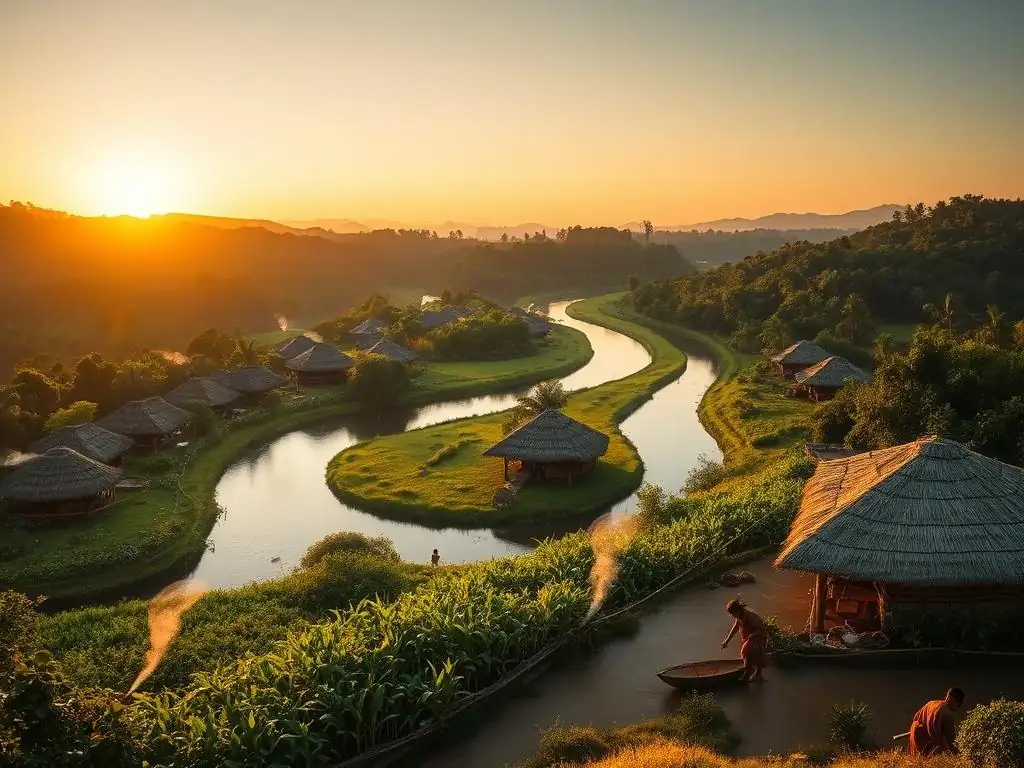
Welcome to Indigenous Civilizations of the Americas, where we invite you to embark on a journey through the rich tapestry of indigenous cultures that flourished long before European contact. In our featured article, "The Great Floods: How Waterways Influenced Indigenous Settlement Patterns," we delve into the intricate relationship between these vibrant societies and the waterways that shaped their lives.
Discover how rivers and lakes were not just sources of sustenance, but also pivotal in determining where communities chose to settle and thrive. Prepare to uncover the remarkable achievements and societal structures of these civilizations, igniting your curiosity to explore the profound legacy they’ve left behind.
Introduction to Indigenous Settlement Patterns in the Americas
Indigenous settlement patterns in the Americas were intricately linked to the natural environment, with waterways playing a pivotal role in shaping the locations, lifestyles, and cultures of these diverse communities. From the vast river systems of the Mississippi and Amazon to the coastal estuaries of the Pacific and Atlantic, water not only provided essential resources but also acted as a vital transportation network that facilitated trade, communication, and cultural exchange.
Understanding these intricate relationships helps illuminate how indigenous peoples adapted to their environments, illustrating their resilience and ingenuity in the face of climatic challenges, including the great floods that periodically reshaped landscapes and lifestyles.
Overview of Indigenous Cultures in Pre-Colonial Times
Before European colonization, the Americas were home to a rich tapestry of cultures, each with unique societal structures, belief systems, and technologies. Indigenous peoples such as the Maya, Aztec, and Inca developed sophisticated urban centers, while nomadic tribes roamed the vast plains and forests. Cultural practices, social hierarchies, and economic systems varied widely, yet all were influenced by their surroundings.
- Maya Civilization: Known for their advanced mathematics and astronomy, the Maya thrived in the tropical rainforests of Mesoamerica, relying heavily on the rivers for agriculture and trade.
- North American Tribes: Tribes such as the Iroquois and the Sioux adapted their lifestyles to the resources available in their regions, with rivers serving as crucial sources for fishing and agriculture.
- Andean Cultures: The Inca civilization developed extensive irrigation systems to manage water in the arid regions of the Andes, demonstrating their mastery over the environment.
Understanding these cultures' historical contexts provides insight into their settlement patterns and their responses to environmental changes.
Importance of Waterways in Indigenous Societies
Waterways served multifaceted roles in indigenous societies, acting as lifelines that sustained both their physical and cultural existence. The significance of waterways can be outlined as follows:
- Resource Provision: Rivers and lakes were vital for fishing, drinking water, and irrigation, directly supporting agriculture and trade.
- Transportation Networks: Waterways facilitated the movement of people and goods, creating interconnected trade routes that fostered cultural exchange and economic prosperity.
- Cultural Significance: Many indigenous cultures viewed rivers and lakes as sacred, often incorporating them into their spiritual beliefs, ceremonies, and oral traditions.
The impact of waterways on indigenous settlement patterns cannot be overstated; they were central to the development and sustainability of communities throughout the Americas.
The Role of Waterways in Shaping Settlement Patterns
The settlement patterns of indigenous peoples were deeply influenced by geographic features, particularly the availability and characteristics of waterways. These patterns reveal how closely communities were tied to their environments and how they adapted to changing climatic conditions.
Geographic Features and Their Influence on Indigenous Communities
The geography of the Americas is as diverse as its cultures, with landscapes ranging from mountainous regions to expansive river valleys. The interplay between these geographic features and water resources significantly influenced where communities settled:
- River Valleys: Fertile floodplains along rivers like the Nile and Mississippi supported agriculture, leading to the establishment of permanent settlements.
- Coastal Areas: Access to the ocean provided indigenous peoples with abundant marine resources and trade opportunities, shaping coastal settlements.
- Highlands and Plateaus: In regions where rivers flowed through mountainous terrains, communities developed innovative irrigation techniques to harness water for agriculture.
These geographic considerations demonstrate how indigenous settlement patterns were not arbitrary but rather a reflection of the environmental resources available to them.
Types of Waterways: Rivers, Lakes, and Coastal Areas
Different types of waterways had distinct impacts on indigenous settlement patterns:
- Rivers: Major rivers served as highways for trade and communication, while their flood cycles provided nutrient-rich soil for agriculture, attracting populations to settle nearby.
- Lakes: Lakes offered rich fishing grounds and fresh water, often becoming focal points for communities to gather and thrive.
- Coastal Areas: Coastal settlements benefitted from trade with other regions, utilizing the ocean for fishing, transportation, and even as a boundary for resource management.
By analyzing the various types of waterways and their influence on indigenous settlement patterns, we gain a clearer understanding of how these communities thrived in harmony with their environments, navigating the challenges posed by both nature and climate.
Historical Context: Great Floods and Their Impact
The historical context of great floods in the Americas reveals a significant relationship between water and the indigenous settlement patterns that emerged over centuries. Many indigenous cultures developed along rivers and coastlines, where the accessibility to water not only provided sustenance but also shaped their societal structures and agricultural practices. The interplay between natural water systems and human habitation was critical, as floods could either enrich the land through sediment deposits or devastate communities when they became too severe.
Throughout pre-colonial history, climatic variations led to periods of intense flooding across various regions, influencing migration patterns, agricultural cycles, and even trade routes. Indigenous peoples had to adapt to these changes, developing a profound understanding of their environments and implementing strategies for survival. The cyclical nature of flooding taught these communities resilience, fostering a deep connection to their waterways which served as both lifelines and challenges.
Major Flood Events in the Americas
Several notable flood events have been recorded in the Americas, each leaving a distinct mark on the indigenous populations.
- The Great Mississippi Flood of 1927: Although more recent, this catastrophic event had lasting effects on the descendants of indigenous cultures in the region, displacing communities and altering land use.
- The floods of the Amazon Basin: Historically, seasonal flooding in the Amazon has shaped the way indigenous communities interact with their environment, influencing the locations of settlements and agricultural practices.
- The Pacific Northwest floods: Indigenous tribes in this region have long adapted to seasonal flooding, which has affected their fishing practices and settlement locations.
Understanding these events helps illustrate how indigenous communities responded to environmental challenges, thereby shaping their unique cultures and settlement patterns.
Indigenous Responses to Flooding and Water Management
Indigenous peoples across the Americas developed diverse strategies to manage water and mitigate the impact of floods. These strategies were closely tied to their cultural practices and belief systems.
- Flood control structures: Many cultures constructed levees, dikes, and canals to manage water flow, particularly in riverine settlements. For example, the Mississippian culture utilized earthen mounds to elevate their crops above seasonal floods.
- Crop rotation and diversification: To cope with unpredictable flooding, indigenous farmers often practiced crop rotation and cultivated diverse species that thrived in varying conditions. This method not only maximized yield but also ensured food security during flood years.
- Cultural rituals and practices: Many indigenous groups incorporated water management practices into their spiritual beliefs, performing rituals to honor the spirits of the rivers and ensure favorable conditions for their crops.
These responses reflect a profound understanding of ecological balance and resource management that has been passed down through generations.
Case Studies of Indigenous Settlement Patterns Influenced by Waterways
Examining specific case studies of indigenous settlement patterns reveals the intricate ways in which waterways influenced their development and sustainability.
The Mississippian Culture and River Systems
The Mississippian culture, flourishing from around 800 CE to 1600 CE, exemplifies the profound impact of river systems on indigenous settlement patterns. Centered along the Mississippi River and its tributaries, this civilization developed complex societies characterized by large earthen mounds, extensive trade networks, and sophisticated agricultural practices.
- Settlement locations: Major cities such as Cahokia, located near present-day St. Louis, Missouri, thrived due to their proximity to the river, which provided fertile land and a means of transportation.
- Agriculture: The Mississippians relied heavily on maize cultivation, which flourished in the nutrient-rich floodplains. This reliance on the river for irrigation and agriculture illustrates the interconnectedness of their culture with the waterways.
The strategic use of river systems played a crucial role in the Mississippian culture's economic and social development.
The Ancestral Puebloans and Their Water Management Techniques
The Ancestral Puebloans, known for their intricate cliff dwellings and advanced agricultural techniques, adapted to the arid landscapes of the Southwestern United States, where water scarcity posed significant challenges.
- Water conservation methods: They developed sophisticated techniques such as rainwater harvesting and the construction of check dams to capture and retain moisture, allowing them to cultivate crops in harsh conditions.
- Terracing and irrigation: The use of terraced farming and irrigation channels enabled the Ancestral Puebloans to maximize arable land, demonstrating their ingenuity in water management.
These practices not only supported their agricultural needs but also fostered a deep relationship with their environment, reflecting their resilience and adaptability.
Coastal Indigenous Peoples and Marine Resources
Coastal indigenous peoples across the Americas, such as the Tlingit, Haida, and various tribes of the Pacific Northwest, developed unique settlement patterns heavily influenced by marine resources and tidal systems.
- Settlements near shorelines: These communities often established their settlements close to the ocean, utilizing the abundant resources for sustenance, trade, and cultural practices. The proximity to water allowed for fishing, hunting, and gathering, which were central to their diets.
- Sustainable practices: Coastal tribes practiced sustainable fishing techniques, such as fish traps and seasonal harvesting, which ensured the longevity of marine resources. Their cultural practices often revolved around the rhythms of the tides and the seasons, highlighting a deep respect for the natural world.
The adaptability of coastal indigenous peoples to their aquatic environments illustrates the diversity of indigenous settlement patterns influenced by waterways across the Americas.
Adaptation Strategies to Waterway Changes
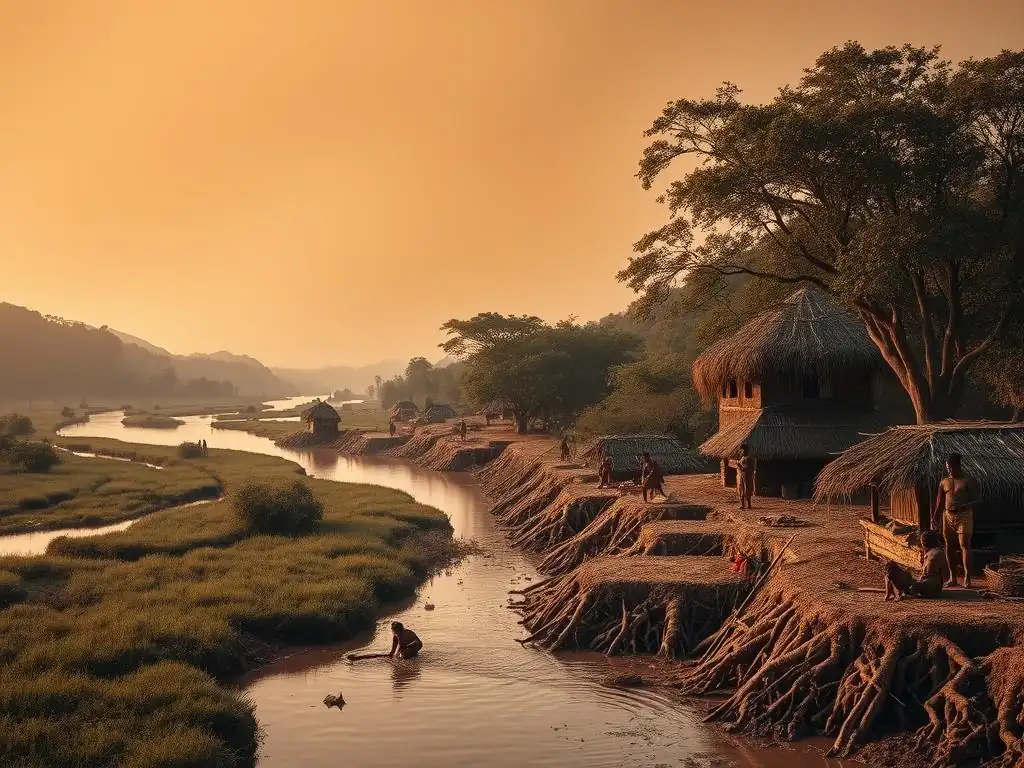
Indigenous communities across the Americas developed a variety of adaptation strategies in response to the dynamic nature of waterways and the challenges posed by flooding. These strategies were instrumental in ensuring their survival and prosperity in often unpredictable environments. Among these strategies, the construction of elevated dwellings, such as stilt houses, was common in flood-prone areas. This architectural innovation allowed communities to remain safe during seasonal flooding, while also providing versatility in living arrangements.
Moreover, many indigenous groups implemented intricate systems of water management, including the use of canals and dikes. Such systems facilitated the control of water flow, enabling them to divert excess water away from settlements during floods, and to irrigate agricultural fields in drier periods. This dual-purpose approach not only mitigated the immediate impacts of flooding but also maximized agricultural productivity, demonstrating a deep understanding of the local ecology.
Additionally, communal decision-making processes played a crucial role in fostering resilience. Communities often engaged in collective planning to address waterway changes, sharing knowledge and resources to enhance their adaptability. This emphasis on cooperation and communal resilience contributed significantly to the sustainability of indigenous settlement patterns in the face of fluctuating water levels.
Building Resilient Communities: Flood Prevention and Management
Flood prevention and management were essential components of indigenous settlement patterns, particularly in regions susceptible to flooding. Various cultures developed localized strategies that reflected their unique environmental contexts and cultural practices. For example, the Mississippian culture, known for its mound-building, constructed large earthen mounds that not only served as ceremonial centers but also as elevated platforms to avoid floodwaters. This architectural ingenuity not only protected the communities but also reinforced social hierarchies and cultural identities.
In addition to physical structures, many indigenous groups relied on traditional ecological knowledge (TEK) to inform their flood management practices. TEK encompasses the understanding of weather patterns, seasonal changes, and the behavior of local flora and fauna. By observing these natural indicators, indigenous communities could anticipate floods and prepare accordingly. This proactive approach was critical in minimizing damage and maintaining community stability.
Governance structures often included roles specifically focused on environmental stewardship, where leaders were tasked with overseeing water management efforts. These leaders worked to ensure that the community adhered to sustainable practices, such as maintaining water quality and protecting surrounding ecosystems. This governance model not only facilitated effective flood management but also fostered a sense of responsibility for the land and water resources among community members.
Agricultural Practices Adapted to Flood Zones
Agricultural practices among indigenous communities were intricately linked to the presence and behavior of waterways. In flood-prone areas, cultivation methods were adapted to align with the seasonal cycles of flooding. For instance, the cultivation of crops such as maize, beans, and squash—often referred to as the "Three Sisters"—was common among many indigenous groups. These crops were planted in raised beds or mounds to prevent waterlogging during floods, ensuring higher yields regardless of environmental challenges.
In the Amazon Basin, indigenous peoples practiced floodplain agriculture, utilizing the nutrient-rich silt deposited by seasonal floods to enhance soil fertility. This practice allowed them to cultivate a diverse array of crops that thrived in the nutrient-laden soils, demonstrating a sophisticated understanding of ecological systems. Additionally, the use of agroforestry techniques, where crops were grown alongside trees, helped stabilize the soil and provided further protection against erosion caused by flooding.
Moreover, the timing of planting and harvesting was often synchronized with local hydrological patterns, utilizing traditional calendars that reflected seasonal changes. This synchronization enhanced food security and allowed communities to maximize their agricultural output while minimizing the risks associated with flooding.
The Lasting Legacy of Waterways on Indigenous Cultures
The influence of waterways on indigenous cultures in the Americas extends far beyond immediate survival strategies; it profoundly shaped their social structures, economic systems, and spiritual beliefs. The legacy of these waterways can be seen in the enduring cultural practices and identities of indigenous peoples, as well as in the historical narratives that continue to be passed down through generations.
Influence on Trade Routes and Economic Networks
Waterways served as vital trade routes that connected different indigenous communities, facilitating the exchange of goods, ideas, and cultural practices. Rivers and lakes allowed for efficient transportation of resources, including food, ceramics, textiles, and tools, which were essential to the economies of various indigenous societies. The establishment of trade networks contributed to the development of complex social relationships and fostered interdependence among different groups.
For instance, the Ohio River Valley was a significant trade hub, where various indigenous groups exchanged goods such as salt, pottery, and agricultural products. The interconnectedness of these trade routes not only bolstered local economies but also enriched cultural diversity, as communities adopted and integrated practices from one another.
Furthermore, the presence of waterways often dictated the location of settlements, leading to the emergence of urban centers, such as Cahokia, which thrived on the convergence of trade routes. These economic hubs became focal points for cultural exchange and innovation, leaving a lasting imprint on the social fabric of indigenous civilizations.
Cultural Significance of Rivers and Lakes in Indigenous Beliefs
Rivers and lakes held profound spiritual and cultural significance for many indigenous communities across the Americas. These bodies of water were often viewed as sacred entities imbued with life and power, shaping religious practices and cosmologies. Many indigenous cultures believed that rivers served as pathways to the spirit world, and rituals were frequently conducted to honor these waterways and seek their blessings.
For example, the Lakota people view the Missouri River as a vital source of life and a spiritual symbol, reflected in their oral traditions and ceremonies. This reverence for water is evident in their creation stories, which often emphasize the role of rivers in shaping the land and sustaining life.
Additionally, waterways were central to communal gatherings and social cohesion. Festivals and ceremonies often took place along riverbanks and lake shores, reinforcing communal identities and shared values. These gatherings fostered a sense of belonging and continuity, linking individuals with their ancestors and the natural world.
The lasting legacy of waterways on indigenous cultures is multifaceted, encompassing economic, social, and spiritual dimensions. The intricate relationships that indigenous peoples cultivated with their environments continue to resonate in contemporary cultural practices, underscoring the significance of understanding indigenous settlement patterns in the context of environmental influences.
Conclusion: Waterways as Central to Indigenous Settlement Patterns
The impact of waterways on indigenous settlement patterns in the Americas is profound and multifaceted. Rivers, lakes, and coastal regions served not only as vital sources of freshwater but also as highways for trade, communication, and cultural exchange. Indigenous groups, such as the Mississippians and the Puebloans, strategically settled along these waterways, taking advantage of the rich ecosystems they supported. The availability of fish, fertile soil, and abundant plant life facilitated agriculture and sustenance, shaping the very foundations of their societies.
Moreover, the seasonal floods and climate characteristics of these water-rich areas played a significant role in determining the timing and methods of agricultural practices. Flooding cycles influenced crop rotation and planting schedules, demonstrating an intricate relationship between climate patterns and human adaptation. Understanding these dynamics is essential in appreciating how indigenous peoples thrived and developed complex societies in harmony with their environments.
Summary of Key Points on Indigenous Settlement Patterns in the Americas
- Geographic Distribution: Indigenous groups often settled near major rivers, lakes, and coastal areas to access resources and maintain trade routes. This geographic preference established vibrant communities with rich cultural practices.
- Agricultural Practices: Waterways provided fertile grounds for agriculture, enabling groups to cultivate crops such as maize, beans, and squash. The flooding of riverbanks enhanced soil fertility, which was crucial for food production.
- Adaptation to Environment: Indigenous peoples displayed remarkable adaptability to their environments, utilizing the seasonal changes of waterways to optimize their agricultural output and hunting strategies.
- Cultural Significance: Waterways were more than just physical features; they held spiritual and cultural significance for many indigenous groups, often featuring prominently in their myths, rituals, and social organization.
Reflection on the Importance of Understanding Historical Context
Understanding the historical context of indigenous settlement patterns in relation to waterways allows for a deeper appreciation of their cultural heritage and resilience. By examining how these communities adapted to environmental changes and utilized natural resources, we can gain insights into their social structures, economies, and belief systems. This knowledge is crucial not only for historical accuracy but also for contemporary discussions surrounding indigenous rights, land management, and environmental stewardship. Recognizing the sophisticated relationship that indigenous peoples had with their ecosystems helps to challenge misconceptions and highlights the need for sustainable practices today.
Further Reading on Indigenous Societies and Climate Impact
Exploring the intricate connections between indigenous cultures and climate impact opens up a vast landscape of knowledge. For readers interested in deepening their understanding of these topics, various resources offer valuable insights into indigenous societies and their relationship with environmental changes, particularly concerning waterways.
Recommended Resources on Indigenous Cultures and Flood Events
- Books: Titles such as "The River of Life: Indigenous Cultures and Their Landscapes" provide compelling narratives on the interdependence between indigenous cultures and their environments.
- Academic Journals: Peer-reviewed articles in journals like American Antiquity frequently discuss archaeological findings related to indigenous settlement patterns and climate impacts.
- Documentaries: Visual storytelling through documentaries can vividly illustrate the lives of indigenous peoples, showcasing their adaptations to flooding and environmental changes.
- Online Databases: Websites dedicated to indigenous studies often curate collections of historical documents, oral histories, and research articles that further elaborate on these themes.
Related Topics: Climate Change and Indigenous Adaptation Strategies
Indigenous adaptation strategies in response to climate change are crucial topics for contemporary discourse. As many indigenous communities face the ongoing impacts of climate change, including altered weather patterns and increased flooding, their traditional knowledge and practices become invaluable. Exploring how these societies historically adapted to environmental shifts can inform modern strategies for resilience and sustainability.
Key areas of exploration include:
- Traditional Ecological Knowledge (TEK): Understanding how indigenous peoples utilize TEK to manage natural resources sustainably in the face of changing climates.
- Modern Adaptation Techniques: Examining current practices among indigenous communities that blend traditional knowledge with modern innovations to mitigate climate impacts.
- Policy Implications: Investigating how recognizing indigenous rights and knowledge can enhance environmental policies and promote sustainable practices that benefit both indigenous and broader communities.
Through these lenses, we can better appreciate the ongoing legacy of indigenous cultures and their adaptive strategies in the face of climate challenges.
- Introduction to Indigenous Settlement Patterns in the Americas
- The Role of Waterways in Shaping Settlement Patterns
- Historical Context: Great Floods and Their Impact
- Case Studies of Indigenous Settlement Patterns Influenced by Waterways
- Adaptation Strategies to Waterway Changes
- The Lasting Legacy of Waterways on Indigenous Cultures
- Conclusion: Waterways as Central to Indigenous Settlement Patterns
- Further Reading on Indigenous Societies and Climate Impact
- What were the primary waterways that influenced indigenous settlement patterns in the Americas?
- How did the Great Floods impact indigenous communities?
- What are some examples of indigenous cultures affected by waterways?
- How did indigenous peoples adapt to changing water levels?
- What lasting impacts did indigenous settlement patterns have on modern society?
Frequently Asked Questions
What were the primary waterways that influenced indigenous settlement patterns in the Americas?
The major rivers and coastal areas played a crucial role in shaping indigenous settlement patterns by providing resources and transportation routes for various cultures.
How did the Great Floods impact indigenous communities?
The Great Floods led to significant changes in landforms and ecosystems, prompting indigenous communities to adapt their settlement strategies and relocate to more sustainable areas.
What are some examples of indigenous cultures affected by waterways?
Cultures such as the Mississippians, Hohokam, and Inca developed complex societies around river systems that facilitated agriculture, trade, and cultural exchange.
How did indigenous peoples adapt to changing water levels?
Indigenous peoples utilized innovative agricultural techniques and engineering to create irrigation systems and maintain their settlements amid fluctuating water levels due to floods.
What lasting impacts did indigenous settlement patterns have on modern society?
The settlement patterns established by indigenous cultures laid the foundation for modern cities, infrastructure, and a deep understanding of sustainable resource management in many regions of the Americas.
Final Reflection: The Enduring Legacy of Waterways on Indigenous Settlement Patterns
The intricate relationship between waterways and indigenous settlement patterns in the Americas remains profoundly relevant today. As we confront the realities of climate change and its impact on our natural landscapes, understanding how indigenous communities historically adapted to and thrived alongside these waterways offers invaluable insights. The lessons learned from their resilience and ingenuity are more crucial than ever as we navigate our own environmental challenges.
The influence of waterways on indigenous settlement patterns has shaped not only the physical landscape but also the cultural and social dynamics of these communities. The interconnectedness of water and life is a theme that resonates deeply within many indigenous cultures, emphasizing sustainability and respect for nature. As noted by environmental historian William Cronon, The land is not merely a backdrop for human activity; it is a living entity that shapes our lives and identities.
This perspective invites us to reflect on our own relationship with the environment and the ways in which we can honor and learn from the practices of those who came before us.
As we move forward, I encourage you to take a moment to reflect on your own connection to waterways and the natural world around you. Consider how the lessons of indigenous settlement patterns can inspire your actions today. Whether it's advocating for sustainable practices, supporting indigenous rights, or simply appreciating the beauty and importance of our waterways, each of us has a role to play in fostering a more harmonious relationship with the environment. Let us carry forward the wisdom of the past as we forge a path toward a more sustainable future.
Embrace Your Connection to Waterways and Indigenous Heritage!
Thank you for exploring the profound relationship between waterways and Indigenous settlement patterns. Your interest in this important topic not only enhances your understanding but also honors the cultural legacies of these communities. Now, it's time to take meaningful action!
- Explore your local waterways and investigate how they have shaped Native cultures in your region—consider visiting nearby museums or cultural sites for deeper insights.
- Share your newfound knowledge! Engage in discussions with friends and family to inspire conversations about Indigenous heritage and its significance today.
- Engage with Indigenous voices by following local organizations or attending community events that highlight their stories and experiences related to waterways.
What local waterway has shaped your community, and how can its history inspire a greater appreciation for Indigenous cultures?