
The Inca Road System: A Marvel of Connectivity and Administrative Control

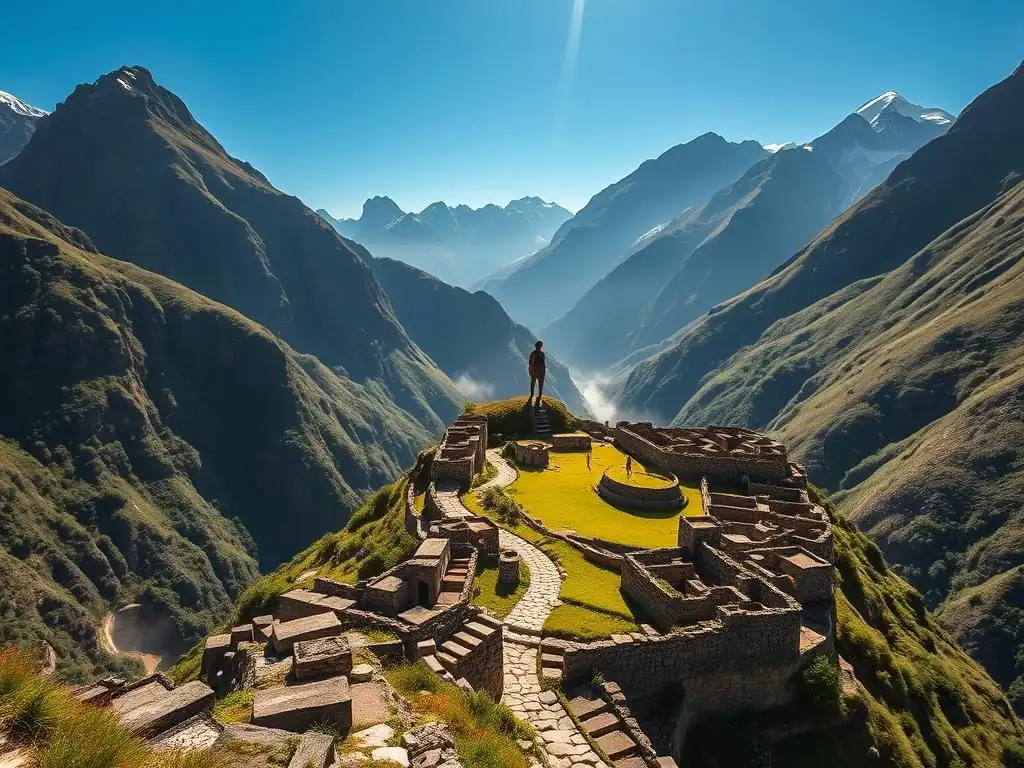
Welcome to Indigenous Civilizations of the Americas, where we embark on a fascinating journey through the rich tapestry of cultures that flourished long before European contact. Dive deep into the Inca Road System history, a remarkable feat of engineering that not only connected vast territories but also served as a testament to the ingenuity and sophistication of Incan society.
As you explore the intricate networks and the profound administrative control they enabled, you'll uncover the stories and innovations that continue to shape our understanding of the Americas' past. Get ready to be inspired by the achievements of these vibrant civilizations and discover how their legacies endure today!
The Inca Road System stands as one of the most impressive feats of engineering and organization in pre-Columbian America, showcasing the Inca Empire's remarkable ability to connect vast territories and manage diverse populations. This extensive network of roads, which spanned over 25,000 miles across rugged terrains, played a crucial role in facilitating trade, transportation, and communication throughout the empire.
The history of the Inca Road System is not merely a chronicle of paths and trails; it embodies the intricate administrative control and cultural cohesion that characterized the Inca civilization, which flourished in the Andean region of South America from the early 15th century until the Spanish conquest in the 16th century. As we delve into the history of the Inca Road System, we will explore its origins, significance, and the profound impact it had on the Inca Empire and its legacy in contemporary society.
Introduction to the Inca Road System History
Overview of the Inca Empire's Connectivity
The Inca Empire, known as Tawantinsuyu, was the largest empire in pre-Columbian America, stretching from modern-day Colombia to Chile. At the heart of this vast empire was the Inca Road System, which served as the arteries of communication and commerce. These roads connected not only the capital city of Cusco but also various provinces, facilitating the movement of armies, officials, and goods across difficult terrains such as mountains and deserts.
- Key Features of the Road System:
- Paved Paths: Many roads were constructed with stone paving, ensuring durability and ease of travel.
- Suspension Bridges: Ingenious suspension bridges allowed for crossing deep valleys and rivers, further enhancing connectivity.
- Way Stations: Rest areas, known as tambos, provided shelter and supplies for travelers and messengers.
The road network was more than a physical infrastructure; it was a symbol of Inca authority, enabling efficient administrative control and cultural exchange throughout the empire.
Significance of the Road System in Inca Society
The Inca Road System was vital for several reasons:
- Transportation and Trade:
- Enabled the movement of agricultural products, textiles, and other goods across vast distances.
- Facilitated the exchange of resources between different ecological zones, enhancing regional economies.
- Military Coordination:
- Allowed for rapid deployment of troops to quash rebellions or respond to external threats.
- The roads served as strategic pathways for the Inca military, ensuring security across the empire.
- Cultural Exchange:
- Promoted interaction among diverse indigenous groups, fostering a sense of unity under Inca rule.
- Enabled the spread of Inca culture, language, and religion throughout the empire.
The Inca Road System was, therefore, an essential element that supported the empire's administrative efficiency and cultural cohesion.
The Origins of the Inca Road System
Historical Context of the Inca Empire
The origins of the Inca Road System can be traced back to the early development of the Inca Empire in the early 15th century. The Incas initially inhabited a small region in the highlands of Peru, but through a combination of military conquests and strategic alliances, they expanded their territory significantly.
- Rise of the Inca Empire:
- Pachacuti: The ninth Sapa Inca (emperor), Pachacuti, is credited with transforming the Inca state into a powerful empire. His military campaigns laid the groundwork for the network of roads that would later be established.
- Integration of Cultures: As the Incas conquered new territories, they integrated local customs and peoples, creating a diverse but unified society.
Development Timeline of the Inca Road System
The development of the Inca Road System was a gradual process that evolved alongside the empire itself:
- 15th Century: Initial phases of road construction began as the Incas expanded their territory under Pachacuti.
- Mid 15th Century: Significant expansion of the road network occurred, connecting key administrative centers and provinces.
- 16th Century: At its peak, the road system reached its maximum extent, allowing for efficient governance and control over the vast empire.
The Inca Road System's history is a testament to the engineering prowess and administrative acumen of the Inca Empire, reflecting its complexity and the vital role it played in shaping the civilization that once dominated the Andes.
Structure and Design of the Inca Roads
The Inca Road System, known as Qhapaq Ñan, was an impressive feat of engineering that spanned over 25,000 miles across the diverse landscapes of the Andes Mountains. This intricate network was not merely a series of paths; it was a well-planned system of roads that connected various regions of the Inca Empire. The design of these roads featured a combination of straight and winding routes, which allowed for efficient travel and transportation.
The roads were typically constructed using local materials, such as stone, gravel, and earth, tailored to the geographical conditions of each area. In mountainous regions, the roads were often carved directly into rock faces, while in flatter areas, they were built with a solid foundation to withstand heavy traffic. Some roads even included drainage systems to manage rainwater and prevent erosion, demonstrating the Incas' foresight and understanding of environmental challenges.
Moreover, the Inca Road System was characterized by its strategic placement of rest areas, known as tambos, which provided shelter and provisions for travelers and messengers. These rest stops were critical for maintaining the flow of communication and goods throughout the empire, reinforcing the road network's role as a central artery of Inca administration.
Engineering Innovations in Road Construction
The construction of the Inca roads involved several engineering innovations that set them apart from previous road systems. One of the most notable techniques was the use of stone masonry, which provided durability and stability to the roads. The Incas often employed a method called ashlar masonry, where stones were cut to fit together tightly without the use of mortar, creating strong, weather-resistant surfaces.
Additionally, the Incas utilized a sophisticated understanding of surveying and alignment. They implemented tools like the plumb bob and level, allowing them to create straight lines over long distances and navigate the challenging topography of the Andes. This precision in construction ensured that the roads could accommodate the heavy loads carried by llamas, the primary means of transportation in the empire.
The use of bridges also showcased Inca ingenuity. They constructed suspension bridges using natural fibers and grasses, allowing for safe passage over rivers and deep gorges. These bridges were vital for maintaining connectivity between different regions, especially in areas where the terrain posed significant obstacles.
Geographic Adaptations: From Mountains to Valleys
The Inca Road System was remarkable not only for its extent but also for its adaptability to various geographic conditions. The Incas faced a range of environments, from the arid coastal plains to the rugged Andean peaks and lush Amazonian valleys. Each section of the road was constructed with careful consideration of the local geography.
In mountainous regions, the roads often featured switchbacks and terraced pathways that allowed for more gradual ascents and descents. This design minimized the risk of landslides and erosion while facilitating easier travel for pedestrians and pack animals. In contrast, in the valley regions, the roads were broader and more straightforward, accommodating the heavier loads transported through agricultural lands.
The adaptability of the Inca Road System is further exemplified by its use of natural landforms. The Incas skillfully integrated rivers, hills, and existing trails into their road network, making the most of the landscape while ensuring efficient connectivity. This approach not only showcased their engineering prowess but also their deep understanding of environmental stewardship.
The Role of the Inca Road System in Administrative Control
The Inca Road System played a crucial role in the administration of the vast Inca Empire, serving as the backbone for governance, communication, and trade. The roads facilitated the movement of officials, military troops, and goods, allowing the centralized government to exert control over its distant territories.
Facilitating Communication Across the Empire
One of the primary functions of the Inca Roads was to enhance communication throughout the empire. The Incas utilized a system of runners known as chasquis, who could travel along the roads at remarkable speeds, delivering messages and important information between regions. These runners were strategically stationed at intervals along the roads, allowing for rapid relay of messages across long distances.
The road system also enabled the efficient transfer of information regarding agricultural production, resource availability, and potential unrest in distant provinces. This flow of information was vital for the Inca rulers to make informed decisions and maintain authority over their subjects.
The Impact on Trade and Resource Distribution
The Inca Road System significantly impacted trade and resource distribution within the empire. By connecting diverse regions, it facilitated the exchange of goods, including agricultural products, textiles, and precious metals. The roads allowed for the movement of surplus resources from agricultural areas to urban centers, ensuring that populations received necessary supplies.
Moreover, the road network provided access to remote areas rich in resources, such as silver mines in present-day Bolivia and highland pastures. This access was crucial for the empire's economic sustainability, as it enabled the Incas to extract and distribute valuable commodities efficiently.
The integration of trade routes within the road system also helped to solidify Inca power. By controlling trade and movement along these roads, the Incas could regulate commerce, collect tribute, and foster economic dependency among conquered peoples, reinforcing their administrative control over the vast and diverse territories of the empire.
Connectivity and Cultural Exchange Along the Inca Roads
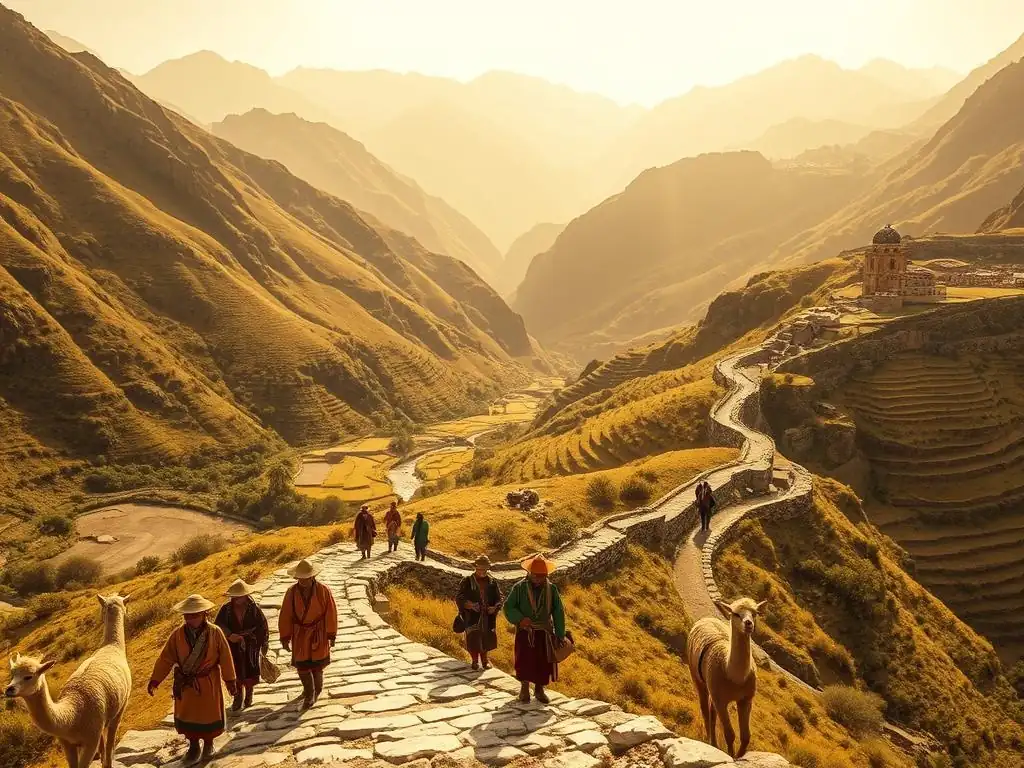
The Inca Road System was not merely a network of pathways; it was a vital infrastructure that facilitated connectivity across the expansive Inca Empire, which stretched over 2,500 miles along the western coast of South America. This intricate system enabled the movement of people, goods, and information, fostering cultural exchange among the diverse communities within the empire. The roads connected cities, agricultural areas, and resource-rich regions, creating a cohesive societal fabric that allowed for the sharing of customs, languages, and traditions.
The roads served as conduits for trade, allowing local artisans to exchange their goods with distant communities. Items such as textiles, pottery, and food products flowed freely, enhancing the cultural landscape of the Inca Empire. The exchange was not limited to material goods; it also included ideas and practices, enriching the cultural identity of the various ethnic groups that interacted along these routes. The Inca Road System thus played a crucial role in promoting understanding and collaboration among the diverse populations within the empire.
Promoting Interaction Between Diverse Cultures
One of the remarkable features of the Inca Road System was its ability to promote interaction between various cultures and ethnic groups. The Incas were known for their inclusivity; they often integrated conquered peoples into their empire while respecting their traditions and customs. This policy was facilitated by the road system, which allowed for easier access to different regions and communities.
Inhabitants of remote areas could travel to the administrative centers to participate in events, festivals, and trade fairs, where they could showcase their unique cultural practices. This interaction fostered a spirit of unity and shared identity among the different ethnic groups, despite the vast geographical distances. Additionally, the regular movement of Inca officials and messengers along the roads ensured that cultural and administrative messages were effectively communicated, further strengthening the ties between diverse populations.
The Role of Waystations and Rest Areas
Integral to the functionality of the Inca Road System were the waystations, known as tambos. These rest areas were strategically located along the roads to provide shelter, food, and supplies for travelers, messengers, and military personnel. The presence of tambos ensured that individuals could complete their journeys efficiently, without the burden of carrying excessive provisions.
Each tambo was typically staffed by local inhabitants who were tasked with providing assistance to travelers. This not only promoted hospitality but also facilitated cultural exchange, as individuals from different regions interacted within these communal spaces. The tambos served as hubs of communication and trade, where information about local customs, news, and agricultural practices could be exchanged. As a result, these rest areas were essential for fostering connectivity and maintaining the administrative control of the Inca Empire.
The Inca Road System and Military Strategy
The Inca Road System was crucial for military strategy, enabling rapid movement and communication across the empire. The roads allowed the Inca military to deploy forces quickly in response to threats, ensuring the security of their vast territories. This strategic advantage was vital for maintaining control over conquered areas and deterring potential uprisings.
By facilitating the swift transport of troops and resources, the road system played a key role in the Inca Empire's military successes. The ability to mobilize forces quickly and efficiently allowed the Incas to assert their dominance over rival groups, reinforcing their power and influence throughout the region.
Enhancing Military Mobility and Response
Military mobility was significantly enhanced by the Inca Road System, which provided a direct and efficient means of transportation. The roads were designed to accommodate the movement of not only foot soldiers but also supply caravans and cavalry units. This capability allowed the Inca military to respond swiftly to invasions or internal rebellions, maintaining the stability of the empire.
In addition to facilitating troop movements, the roads enabled effective communication among military leaders stationed in various regions. The use of chasquis, or relay runners, who traveled the roads to deliver messages, ensured that commanders received timely updates about enemy movements and strategic developments. This quick relay of information was crucial for coordinating military operations and ensuring a unified response to threats.
Key Routes Used for Defense and Expansion
Certain routes within the Inca Road System were pivotal for defense and military expansion. The most significant of these included the roads leading to the empire's northern and southern borders, which were frequently monitored to deter potential invasions from neighboring tribes.
Additionally, the roads to the eastern slopes of the Andes facilitated expeditions into the Amazon basin, allowing the Incas to expand their territory and influence into new regions. These strategic routes were not only essential for military maneuvers but also played a role in establishing control over newly incorporated territories, allowing for the integration of diverse cultures and resources into the Inca Empire.
The Inca Road System was a multifaceted marvel of connectivity and military strategy, shaping the sociopolitical landscape of the Inca Empire and leaving a lasting legacy on the region's history.
Preservation and Legacy of the Inca Road System
The Inca Road System, known as Qhapaq Ñan, is a remarkable testament to the engineering prowess and organizational capabilities of the Inca civilization. Stretching over 25,000 miles, this extensive network of roads facilitated not only trade and communication but also the movement of armies and the administration of the vast Inca Empire. The preservation of these roadways is crucial for historical, cultural, and scientific studies, as they provide insight into the sophisticated methods the Incas employed to manage their empire.
Today, various sections of the Inca Road System have been preserved and designated as UNESCO World Heritage Sites. These efforts aim to protect the roads from modern encroachment while promoting tourism and education about the Inca civilization. Local communities have also engaged in preserving these historic paths, recognizing their significance as part of their cultural heritage.
Modern Recognition of Inca Roadways
The modern recognition of the Inca Road System is reflected in both academic and public spheres. Scholars have conducted extensive research on the roadways, utilizing archaeological evidence to reconstruct their original paths and understand their applications in daily life during the Inca Empire. This research not only highlights the engineering ingenuity involved but also emphasizes the socio-political implications of such a comprehensive infrastructure.
In recent years, initiatives have been launched to promote the Inca Road System as an essential part of South America's cultural identity. Museums, educational programs, and guided tours have helped raise awareness about the historical significance of these roads. Moreover, various documentaries and publications have contributed to a broader understanding of how the road system supported the empire's economy and governance.
Lasting Influence on Contemporary Infrastructure
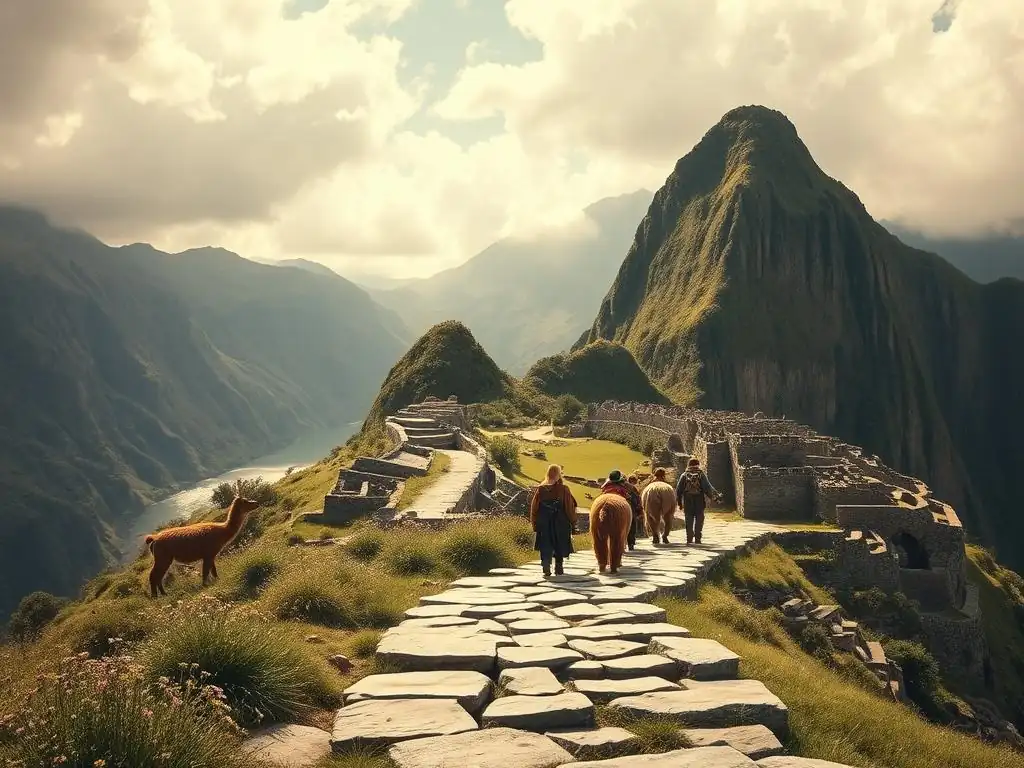
The influence of the Inca Road System can still be felt in contemporary infrastructure, particularly in the Andean region. Modern roadways often follow the routes established by the Incas, showcasing the exceptional foresight of their engineering. The principles of connectivity and accessibility that the Inca roads embodied continue to inform current transportation planning in mountainous terrains.
Moreover, the Inca approach to road construction, which prioritized durability and adaptability to the landscape, has inspired modern civil engineering projects. Techniques such as terracing and the use of local materials reflect the sustainable practices that the Incas employed, making their legacy relevant to today's discussions on sustainable infrastructure development.
Conclusion: The Inca Road System's Impact on Civilization
The Inca Road System stands as a monumental achievement in the history of human civilization. Its intricate design and extensive reach not only facilitated the efficient management of the Inca Empire but also fostered cultural exchange and economic prosperity. Understanding its historical significance provides valuable insights into the complexities of pre-Columbian societies and their innovative solutions to governance and connectivity.
Reflecting on the Importance of Connectivity in the Inca Empire
The connectivity established by the Inca Road System was fundamental to the empire’s success. It enabled rapid movement across diverse terrains, allowing for swift communication between distant regions. This level of connectivity was crucial for maintaining control over such a vast territory and for integrating various cultures and communities within the empire. The roads facilitated not just trade and resource distribution but also the dissemination of information and administrative directives, thus enhancing the cohesion of the Inca state.
The Inca Road System as a Model of Administrative Excellence
The administrative excellence of the Inca Empire is epitomized by the Inca Road System. The careful planning and execution of this network showcased a sophisticated understanding of logistics, geography, and human resource management. The roads were strategically placed to connect key administrative centers, military outposts, and agricultural regions, illustrating an advanced level of governance that prioritized efficiency and control. By studying the Inca Road System, we gain insights into the principles of administration that can still be applied in contemporary governance and infrastructure development.
References and Further Reading on Inca Road System History
The Inca Road System is not only a testament to the engineering prowess of the Inca civilization but also a crucial part of their administrative and cultural fabric. To gain a deeper understanding of this remarkable network and its significance, the following resources provide valuable insights and detailed information.
Suggested Books and Articles
-
"The Incas: A Very Short Introduction" by David J. Robinson
This concise book offers a broad overview of the Inca Empire, including discussions on the road system and its role in administration and connectivity.
-
"The Inca Road System" by John Hyslop
This extensive work delves into the construction, purpose, and impact of the Inca roads, supported by archaeological evidence and historical context.
-
"Inca Empire: The Formation and Disintegration of a Civilization" by José Antonio del Buey
Del Buey’s analysis covers various aspects of Incan society, with dedicated sections on the road network's strategic importance in governance and trade.
-
"The Great Inca Road: The Inca Trail to Machu Picchu" by Steven D. T. Ziegler
Ziegler provides an exploration of the Inca Trail, examining its history and function within the broader road system, as well as its significance for modern tourism.
-
"Incas: The Story of a Great Civilization" by Charles D. Stansfield
This book offers a comprehensive look at the Incas, featuring their infrastructure, including the road system that enabled effective administration across vast territories.
Online Resources for Inca Civilization Studies
-
The Machu Picchu Museum's Website
This resource offers a wealth of information on Inca history, including dedicated sections on the road system and its significance in connecting various regions.
-
The Inca Trail: A UNESCO World Heritage Site
This official page discusses the cultural and historical significance of the Inca Trail within the larger context of the Inca Road System.
-
Online Exhibits by the Smithsonian Institution
The Smithsonian provides access to various exhibits that focus on the Inca civilization, including its engineering achievements and the road network.
-
"Inca Roads: A Network of Inca Engineering" by National Geographic
This article explores the engineering marvels of the Inca roads and their role in connecting the vast empire, highlighting their importance in trade and communication.
-
Academia.edu and ResearchGate
These platforms feature numerous scholarly articles and research papers focused on the Inca Road System, offering in-depth studies and discussions by historians and archaeologists.
These resources will greatly enrich your understanding of the Inca Road System and its profound impact on the Inca Empire's administration, culture, and connectivity.
- Introduction to the Inca Road System History
- The Origins of the Inca Road System
- Structure and Design of the Inca Roads
- The Role of the Inca Road System in Administrative Control
- Connectivity and Cultural Exchange Along the Inca Roads
- The Inca Road System and Military Strategy
- Preservation and Legacy of the Inca Road System
- Modern Recognition of Inca Roadways
- Lasting Influence on Contemporary Infrastructure
- Conclusion: The Inca Road System's Impact on Civilization
- References and Further Reading on Inca Road System History
Frequently Asked Questions
What was the significance of the Inca Road System?
The Inca Road System was crucial for administrative control and connectivity across the vast Incan Empire, facilitating communication, trade, and military movement.
How did the Inca Road System impact the economy?
The road system enhanced the economic prosperity of the Inca Empire by enabling efficient transport of goods, allowing for easier access to resources and markets throughout the region.
What engineering techniques were used in the Inca Road System?
The Incas employed advanced engineering techniques, including the use of suspension bridges and terracing, which helped them navigate diverse terrains and maintain the roads effectively.
How did the Inca Road System contribute to cultural exchange?
The road system served as a cultural conduit, allowing for the exchange of ideas, traditions, and technologies among different indigenous groups, enriching the cultural landscape of the Americas.
What is the legacy of the Inca Road System today?
Today, the Inca Road System is recognized for its historical significance and is a UNESCO World Heritage site, highlighting its role in the cultural heritage of the Americas and inspiring modern infrastructure projects.
Final Reflection: The Inca Road System – A Testament to Connectivity and Control
The Inca Road System stands as a remarkable example of how infrastructure can shape civilizations and foster connectivity. In today's world, where communication and transportation are more crucial than ever, the lessons from the Inca Road System resonate profoundly. The intricate network of roads not only facilitated trade and military movement but also unified a vast empire, showcasing the power of connectivity in governance and cultural exchange. This historical marvel reminds us that effective infrastructure can transform societies and influence their trajectories.
Culture and society are continuously shaped by the legacies of the past, and the Inca Road System is no exception. Its influence can still be felt today in the ways we build and maintain our own roads and networks. The principles of connectivity and administrative control that the Incas mastered have laid the groundwork for modern infrastructure. As historian John Hemming aptly stated, The Inca roads were the arteries of the empire, vital for communication and control.
This enduring legacy prompts us to reflect on how we can apply these lessons to our contemporary challenges, ensuring that our own systems promote unity and efficiency.
As we contemplate the significance of the Inca Road System, I invite you to consider how connectivity plays a role in your own life. How can you foster connections within your community or organization? Embrace the spirit of the Incas by recognizing the value of collaboration and communication in achieving shared goals. Let the history of the Inca Road System inspire you to build bridges—both literal and metaphorical—that enhance connectivity and strengthen the bonds within your own networks. The past teaches us that through unity and effective systems, we can create a more cohesive and resilient future.
Discover the Wonders of the Inca Road System!
Thank you for diving into the fascinating world of the Inca Road System with us! You've learned how this remarkable feat of engineering connected diverse communities and enhanced administrative control. Now, it’s time to take action and continue exploring this incredible history.
Here’s how you can further connect with the legacy of the Incas:
- Plan your own adventure: Research a local historical site or museum that features Indigenous cultures in your area and visit it in person. Engage with the stories and structures that resonate with the Inca legacy.
- Share your insights: Start a conversation with friends or family about what you learned. Consider writing a short post on social media to raise awareness of this extraordinary achievement and inspire others to learn.
- Explore deeper: Find a documentary or book about the Inca civilization to engage with the broader context of their history. This will help expand your understanding of their influence on modern societies.
As you reflect on the impressive connectivity achieved by the Inca Road System, what element of their infrastructure do you believe had the greatest impact on their society? We invite you to share your thoughts in the comments below!