
Women in Mesoamerican Astronomy: Contributions and Recognition

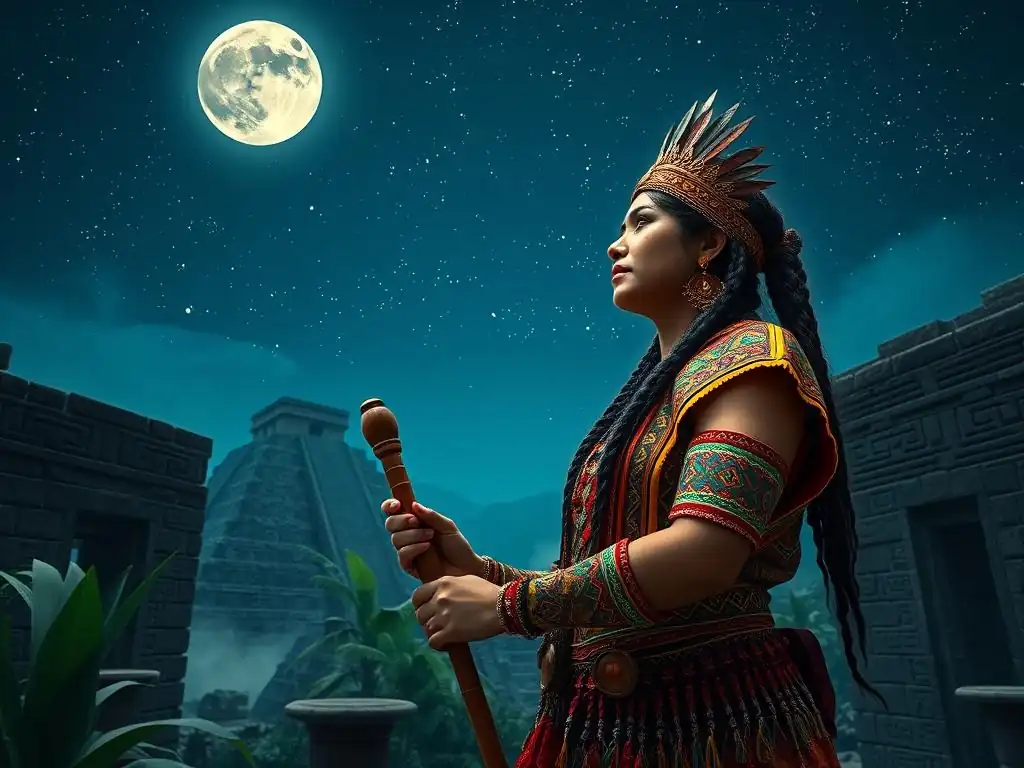
Welcome to Indigenous Civilizations of the Americas, where we delve into the rich tapestry of cultures that flourished across the continent long before European arrival. In our featured article, “Women in Mesoamerican Astronomy: Contributions and Recognition,” we illuminate the often-overlooked achievements of Mesoamerican women who played pivotal roles in the realms of science and astronomy. Prepare to be captivated by their stories and discover how their legacies continue to influence our understanding of the cosmos today. Join us on this journey of exploration and uncover the remarkable contributions that shaped the ancient world!
- Introduction to Mesoamerican Women in Astronomy
- Historical Context of Mesoamerican Astronomy
- Notable Mesoamerican Women in Astronomy
- The Role of Women in Astronomical Knowledge Transmission
- Recognition of Mesoamerican Women in Astronomy
- Challenges Faced by Women in Mesoamerican Astronomy
- The Impact of Mesoamerican Women on Contemporary Astronomy
- Conclusion: The Legacy of Mesoamerican Women in Astronomy
-
Frequently Asked Questions
- What contributions did Mesoamerican women make to astronomy?
- How were women recognized in Mesoamerican astronomy?
- Did Mesoamerican cultures have specific roles for women in astronomy?
- What challenges did Mesoamerican women face in astronomy?
- How can we learn more about Mesoamerican women in astronomy today?
- Final Reflection: Celebrating the Legacy of Mesoamerican Women in Astronomy
- Celebrate and Elevate Women in Mesoamerican Astronomy!
Introduction to Mesoamerican Women in Astronomy
Mesoamerican cultures were marked by their profound understanding of celestial phenomena, as evidenced by their intricate calendars, observatories, and mythologies related to the cosmos. Within this rich tapestry of astronomical knowledge, women played a pivotal yet often overlooked role. The contributions of Mesoamerican women in astronomy extend beyond mere observation; they were vital to the transmission of knowledge, rituals, and practices that shaped their societies. This article delves into the significant yet frequently marginalized contributions of women in Mesoamerican astronomy, highlighting their achievements and the recognition they deserve in the historical narrative of these ancient civilizations.
Overview of Mesoamerican Astronomy
Mesoamerican astronomy is characterized by its sophisticated understanding of celestial bodies, including the sun, moon, and stars. Cultures such as the Maya, Aztec, and Olmec made remarkable advancements in this field, leading to:
- Calendrical Systems:
- The Maya developed the Tzolk'in (260-day calendar) and the Haab' (365-day calendar), reflecting their intricate knowledge of celestial cycles.
- The Aztecs also utilized a similar system, aiding in agricultural and ceremonial planning.
- Observatories and Structures:
- The El Caracol at Chichen Itza served as an observatory, allowing priests and astronomers to track celestial events.
- Other sites, like Teotihuacan, featured alignments with astronomical events, showcasing the cultural significance of astronomy.
- Mythological Interpretations:
- Celestial events were often woven into the mythology and cosmology of Mesoamerican cultures, influencing religious practices and societal norms.
The collective astronomical knowledge of these civilizations was not merely academic; it was a fundamental aspect of their daily lives, underpinning agricultural practices, religious ceremonies, and social organization.
Importance of Women in Ancient Astronomical Practices
Women in Mesoamerican societies were integral to the preservation and advancement of astronomical knowledge. Their roles often went unrecognized in historical texts, yet evidence suggests their contributions were substantial. Some key aspects include:
- Cultural Transmission:
- Women served as educators, passing down astronomical knowledge through generations, particularly in oral traditions.
- Many rituals associated with celestial events were led by women, signifying their important roles in cosmological practices.
- Participation in Observations:
- Historical accounts suggest that women participated in celestial observations and ceremonies, contributing to community understanding of astronomy.
- Some women may have held positions as priestesses or shamans, where their astrological insights were vital to their communities.
- Recognition in Art and Literature:
- Artistic depictions in codices and pottery occasionally featured women engaged in astronomical activities, hinting at their involvement and significance in these practices.
Despite the challenges in recovering detailed records of women's contributions, the evidence underscores the essential roles that Mesoamerican women played in astronomy, both in practice and in the transmission of knowledge. Their legacy is a testament to the importance of recognizing diverse voices in the history of science.
Historical Context of Mesoamerican Astronomy
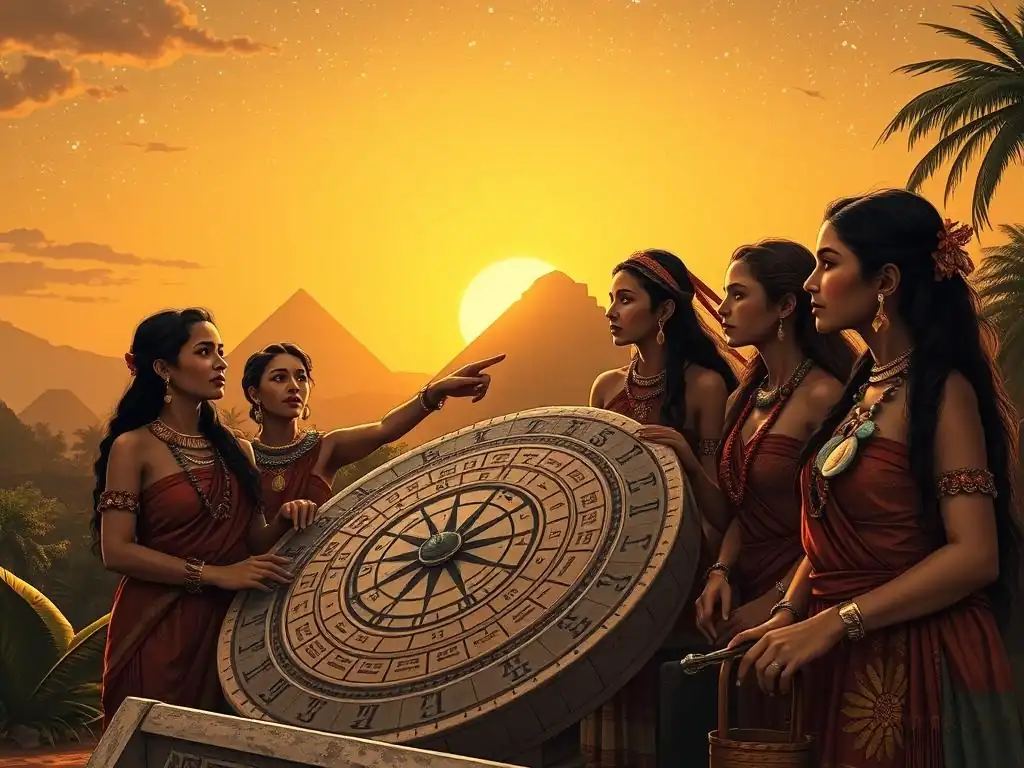
Mesoamerican astronomy is a rich and complex field that reflects the profound relationship between the indigenous cultures of the Americas and the cosmos. Long before European contact, civilizations such as the Maya, Aztec, and Olmec developed sophisticated astronomical systems. These systems were not merely for navigation or agricultural purposes; they were deeply intertwined with religious practices, societal organization, and cultural identity.
The study of celestial bodies played a crucial role in the daily lives of Mesoamerican people. They created intricate calendars based on lunar and solar cycles, which were vital for agricultural planning, ritual ceremonies, and political governance. The Maya civilization, for example, is renowned for its Long Count calendar, which accurately recorded astronomical events over thousands of years. This calendar was essential for predicting solar eclipses and other celestial phenomena, showcasing the advanced understanding of astronomy that these cultures possessed.
In addition to calendars, Mesoamerican astronomers constructed observatories and conducted observations that demonstrated a remarkable awareness of the movements of planets, stars, and other celestial entities. This knowledge was often recorded in codices, which served as both historical records and instructional texts for future generations.
Major Mesoamerican Civilizations and Their Astronomical Contributions
Mesoamerican civilizations made significant contributions to astronomy, with each culture adding unique insights and practices to the field. Here are a few notable examples:
- Maya Civilization: Renowned for their sophisticated mathematical and astronomical systems, the Maya developed the concept of zero and excelled in calculating celestial cycles. Their observatories, such as those found in Uxmal and Palenque, were instrumental in tracking planetary movements and eclipses.
- Aztec Civilization: The Aztecs integrated astronomy into their mythology and rituals, using it to determine the timing of agricultural activities and religious ceremonies. They created the Tonalpohualli, a 260-day ritual calendar that was closely linked to their understanding of celestial events.
- Olmec Civilization: Often regarded as the "mother culture" of Mesoamerica, the Olmecs laid the groundwork for future astronomical studies. Their colossal heads and other monumental art may have had cosmological significance, reflecting their early engagement with celestial themes.
These civilizations not only advanced astronomical knowledge but also influenced each other through trade and cultural exchange, leading to a rich tapestry of astronomical understanding that permeated Mesoamerican life.
Gender Roles in Mesoamerican Societies
The role of women in Mesoamerican societies was multifaceted, and their contributions to astronomy, though often overlooked, were significant. In many Mesoamerican cultures, women held important positions within religious and societal structures, which often intersected with astronomical knowledge.
- Religious Leaders: Women often served as priestesses and spiritual leaders, roles that frequently involved astronomical knowledge. They participated in rituals that were tied to celestial events, thereby influencing agricultural practices and community calendars.
- Healers and Knowledge Keepers: Many women were involved in herbal medicine and natural sciences, which included an understanding of the seasons and celestial cycles essential for agricultural success. Their knowledge was critical for the survival of their communities.
- Astronomical Observations: While formal astronomical roles were typically dominated by men, women participated in observation and interpretation, especially within domestic spheres. Their contributions were often oral and communal, passed down through generations, highlighting a collaborative nature in the transmission of knowledge.
- Art and Symbolism: Women also played a vital role in the creation of artistic representations of celestial bodies, which were often used in ceremonial contexts. Their artistic expressions not only reflected astronomical themes but also conveyed cultural narratives intertwined with the cosmos.
Mesoamerican women in astronomy had a pivotal yet often unrecognized role in the development and transmission of astronomical knowledge. Their contributions, whether through religious duties, agricultural practices, or artistic expressions, illustrate the diverse ways in which women shaped the astronomical landscapes of their civilizations. Recognizing these contributions is essential for a comprehensive understanding of Mesoamerican astronomy and its lasting impact on the world.
Notable Mesoamerican Women in Astronomy
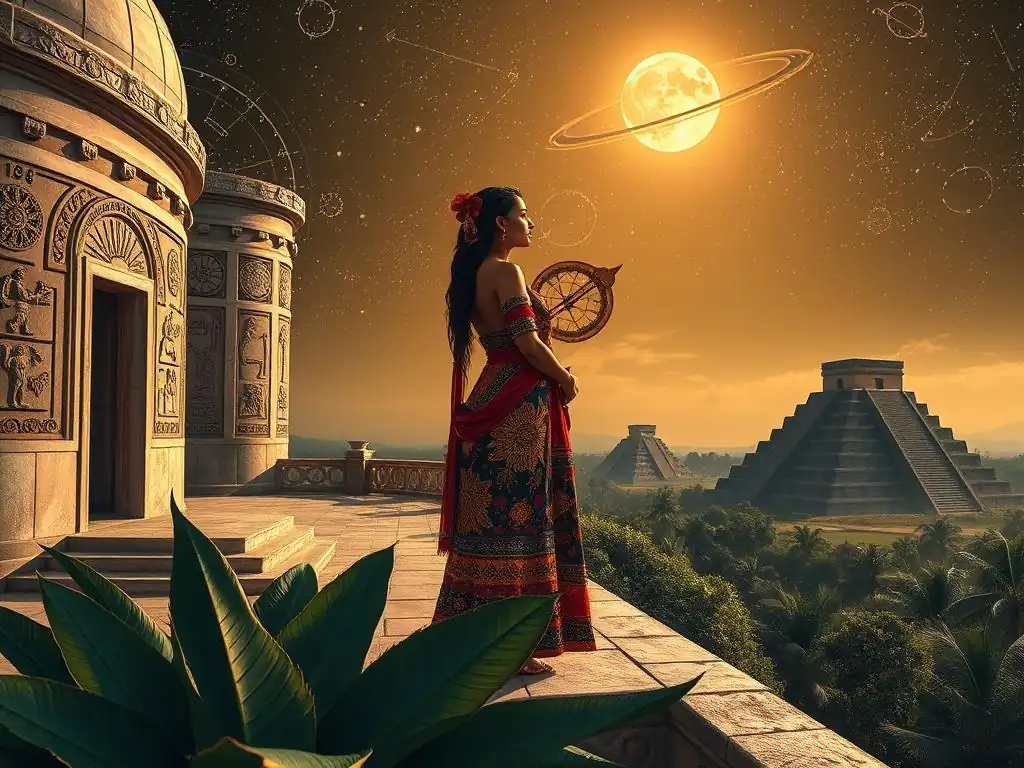
Mesoamerican societies were rich in cultural practices, scientific knowledge, and astronomical observations. Among these, women played a crucial role as astronomers, contributing significantly to the understanding of celestial bodies and their movements. Their insights and knowledge were often intertwined with agricultural practices, religious ceremonies, and community governance. This section highlights some notable Mesoamerican women in astronomy and their impactful contributions.
Profiles of Influential Women Astronomers
Mesoamerican women in astronomy have often been overshadowed by their male counterparts. However, recent research and historical analysis have begun to shed light on their vital roles. Below, we explore the lives and achievements of three extraordinary women whose legacies continue to influence contemporary understanding of astronomy.
Xihuitl: Contributions and Legacy
Xihuitl, often associated with the concept of time and seasons, was a key figure in the astronomical calendars of the Aztec civilization.
- Contributions:
- Xihuitl was known for her expertise in interpreting celestial events, especially those related to the solar calendar.
- She contributed to the development of the Tonalpohualli, a 260-day ritual calendar that allowed for the precise timing of religious ceremonies and agricultural activities.
- Her observations of the movements of Venus were particularly significant, as they guided farming practices and ritualistic celebrations.
- Legacy:
- The astronomical knowledge attributed to Xihuitl laid the groundwork for subsequent generations of women and men in the field.
- Her ability to integrate astronomy with agricultural cycles exemplifies the interconnectedness of science and daily life in Mesoamerican cultures.
Citlali: Contributions and Legacy
Citlali is often regarded as a prominent astronomer among the Mixtecs, where her contributions focused on the identification and tracking of celestial bodies.
- Contributions:
- She is credited with the creation of star charts that helped her community navigate and plan activities based on celestial observations.
- Citlali's work included the identification of constellations relevant to seasonal changes, which were crucial for agricultural planning.
- She also played a role in ritualistic practices, where her knowledge of astronomy was used to align ceremonies with cosmic events.
- Legacy:
- Citlali’s influence extended beyond her lifetime, as her star charts became part of the oral tradition within her community, ensuring that future generations would understand the importance of astronomy.
- Her contributions are a testament to the vital role women played in preserving and transmitting knowledge across generations.
Iztac: Contributions and Legacy
Iztac, a lesser-known figure, made remarkable contributions to the understanding of lunar cycles and their significance in Mesoamerican culture.
- Contributions:
- Iztac was instrumental in observing and documenting the lunar phases, which were essential for agricultural and ceremonial scheduling.
- She developed methods to predict lunar eclipses, an achievement that showcased her advanced understanding of celestial mechanics.
- Her contributions also included the application of lunar cycles to agricultural planting and harvesting, maximizing crop yields and food security for her community.
- Legacy:
- Iztac’s work on lunar cycles has been recognized as foundational to the agricultural practices of her time, influencing not just her immediate community but also neighboring regions.
- The techniques and methods she developed have been referenced by later scholars and astronomers, highlighting the enduring impact of her contributions.
These profiles illustrate that Mesoamerican women in astronomy were not only knowledgeable but also pivotal to the societies they belonged to. Their contributions to astronomical practices, agricultural planning, and cultural traditions reflect a rich legacy that deserves recognition and celebration. By bringing these stories to light, we gain a deeper understanding of the integral role women played in the advancement of astronomy within Mesoamerican civilizations.
The Role of Women in Astronomical Knowledge Transmission
Oral Traditions and Women as Knowledge Keepers
In Mesoamerican cultures, women played a pivotal role as custodians of astronomical knowledge, chiefly through oral traditions. These traditions were not merely narratives; they were complex systems of knowledge that encompassed celestial events, agricultural cycles, and seasonal changes.
Women, often regarded as the primary educators within their families and communities, transmitted this knowledge to younger generations. Their storytelling included detailed observations of celestial bodies—such as the movements of the sun, moon, and stars—and their correlations with agricultural practices. For instance, women might share stories during planting seasons that highlighted the importance of certain constellations as indicators of the right time to sow crops.
Moreover, women were central figures in the preservation of myths and legends that explained astronomical phenomena. These stories often intertwined with the spiritual and cultural identities of the communities. For example, the Zapatista women in Chiapas have been known to recount tales that include the moon's phases and their significance in daily life.
The role of women as knowledge keepers extended beyond mere storytelling; it involved active participation in rituals that reinforced their status as guardians of wisdom. This multifaceted approach to knowledge transmission ensured that crucial astronomical information was preserved and adapted over generations, thereby illustrating the integral role women played in the broader Mesoamerican understanding of astronomy.
Rituals and Ceremonies Involving Women and Astronomy
Rituals and ceremonies in Mesoamerican societies often highlighted the significant contributions of women to astronomical practices. From the Olmecs to the Aztecs, celestial events were intricately linked with agricultural cycles, and women frequently participated in—or led—ceremonial events that honored these connections.
For instance, during the spring equinox, women would gather to celebrate the return of fertility to the earth, performing rituals that acknowledged the sun's role in agricultural productivity. These gatherings were not just acts of devotion; they were essential for reinforcing the community's shared understanding of astronomy and its impact on their daily lives.
In many cultures, women were also involved in creating and maintaining calendars based on celestial observations. The Tonalpohualli, a 260-day calendar used by the Nahua, relied heavily on astronomical knowledge that women helped preserve and interpret. The role of women in maintaining this calendar was vital, as it guided agricultural practices and various social activities.
Furthermore, women often engaged in ritualistic practices that included offerings to celestial deities, which were believed to influence the heavens. The act of making these offerings was not only a spiritual act but also a demonstration of their knowledge of astronomical cycles and their significance to the community's survival.
Through these rituals and ceremonies, Mesoamerican women not only contributed to the understanding of astronomy but were also instrumental in fostering a culture that revered celestial bodies and their influence on human life. Their active participation ensured that the astronomical knowledge they possessed was recognized as vital to the community's wellbeing and continuity.
Recognition of Mesoamerican Women in Astronomy
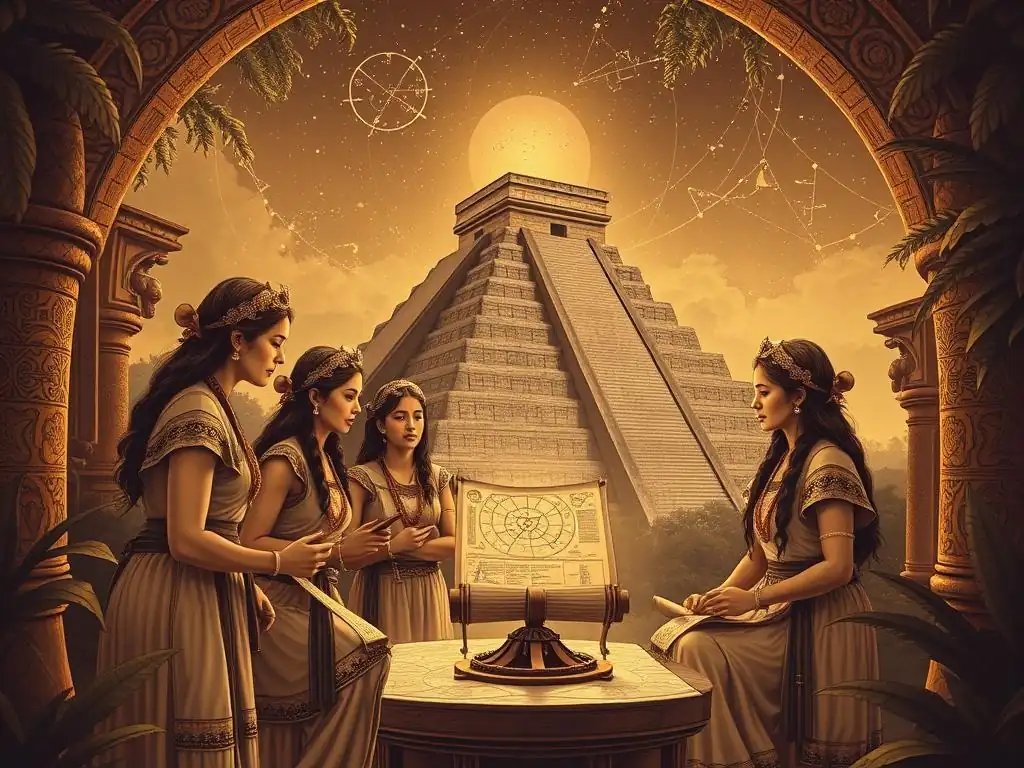
Historical Records and Archaeological Evidence
The recognition of Mesoamerican women in astronomy is often obscured by historical narratives that predominantly feature male figures. However, archaeological evidence and historical records reveal that women played a significant role in the astronomical practices of various Mesoamerican cultures, including the Maya and Aztec civilizations.
- Maya Civilization:
- Codices: The Dresden Codex, one of the most important pre-Columbian texts, contains astronomical tables and predictions. Research indicates that women were likely involved in the creation and interpretation of such codices, as they were custodians of knowledge and traditions.
- Roles in Rituals: Women participated in ritualistic practices that aligned with celestial events. Their involvement in ceremonies, such as those during the solstices and equinoxes, suggests a deep understanding of celestial cycles.
- Aztec Civilization:
- Priestly Class: Women could hold positions within the priestly class, particularly in roles that involved the veneration of deities associated with the heavens. This included the worship of Tlazolteotl, the goddess of purity and fertility, who was also connected to cycles of the moon.
- Cultural Artifacts: Artifacts such as pottery and stone carvings depict women observing the stars, which indicates their participation in astronomical activities. These visual records highlight the recognition of women as key figures in their societies' understanding of the cosmos.
- Oral Histories:
- Passing Down Knowledge: Oral traditions have preserved the knowledge of women astronomers, who contributed to calendrical systems and agricultural cycles. Elders often shared stories that emphasized women's roles in maintaining harmony with celestial rhythms, showcasing their importance in community life.
Modern Perspectives on Women's Contributions to Astronomy
In recent years, scholars have begun to reassess the contributions of Mesoamerican women in astronomy, highlighting their essential roles in both historical and contemporary contexts. This renewed focus has sparked discussions around gender dynamics in ancient civilizations and the need for inclusive narratives.
- Re-evaluation of Historical Texts:
- Modern historians and archaeologists are re-examining colonial-era texts that often downplayed or ignored women's contributions. By analyzing these sources with a critical lens, researchers are uncovering evidence of women's involvement in astronomical practices that were previously overlooked.
- Interdisciplinary Approaches:
- Anthropology and Astronomy: By combining anthropology with astronomy, researchers are uncovering the sophisticated knowledge systems developed by Mesoamerican women. This interdisciplinary approach allows for a deeper understanding of how gender roles shaped astronomical practices and the transmission of knowledge.
- Cultural Resurgence:
- Contemporary indigenous movements are increasingly recognizing and celebrating the contributions of women in astronomy. This resurgence of interest is reflected in community-led educational initiatives that aim to revive traditional astronomical knowledge and empower women as leaders in these fields.
- Contributions to Modern Astronomy:
- The legacy of Mesoamerican women in astronomy can also be seen today, with women from indigenous communities actively participating in modern astronomical research and education. Their experiences and insights continue to enrich the field, bridging ancient wisdom with contemporary practices.
The recognition of Mesoamerican women in astronomy is essential for understanding the full scope of astronomical achievements in these ancient cultures. By acknowledging their contributions and integrating diverse perspectives, we can appreciate the complexity and richness of Mesoamerican astronomical traditions.
Challenges Faced by Women in Mesoamerican Astronomy
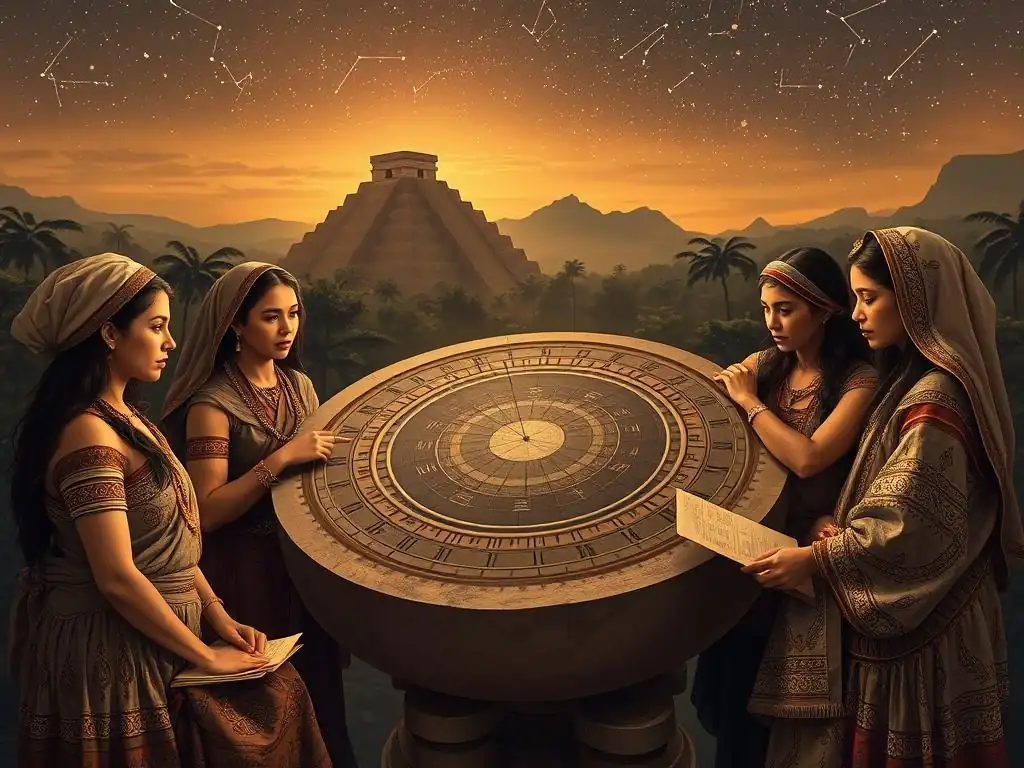
Societal Limitations and Gender Inequality
Mesoamerican women in astronomy encountered numerous societal limitations rooted in deeply ingrained gender roles and cultural expectations. These societal structures often relegated women to subordinate positions, severely restricting their access to education and participation in scientific disciplines, including astronomy.
Gender Roles
In many Mesoamerican cultures, traditional gender roles dictated that women were primarily responsible for domestic duties, such as child-rearing and household management. This focus on domesticity often overshadowed their potential contributions to fields like astronomy. As a result, women frequently faced barriers when seeking roles as astronomers or scholars.
Educational Access
Access to formal education was a significant hurdle for Mesoamerican women. While some elite women received education, this was not the norm. The majority of women had limited opportunities to learn about astronomy, mathematics, or related sciences. This educational disparity meant that the achievements of potential female astronomers were often overlooked or unrecognized by their male counterparts.
Cultural Perceptions
Cultural perceptions of women also played a critical role in shaping their participation in astronomy. In some societies, women were viewed as less capable of understanding complex scientific concepts, which further diminished their roles in academic and spiritual practices involving astronomy. Such perceptions not only affected women's self-esteem but also reinforced the notion that their contributions were less valuable.
Overcoming Barriers: Case Studies
Despite the significant challenges, there are inspiring case studies of Mesoamerican women who made notable contributions to astronomy, showcasing their resilience and determination.
The Case of Acalan
One prominent figure is Acalan, a Mixtec woman known for her knowledge of celestial movements. Acalan not only observed the stars but also utilized her astronomical knowledge in agricultural practices, guiding her community in optimal planting and harvesting times based on lunar cycles. Her expertise earned her respect, transcending societal limitations, and illustrating that women could effectively engage in scientific pursuits.
The Role of Women in Codex Production
Mesoamerican women also played a crucial role in the creation of codices, which documented astronomical knowledge. Women like Tlazolteotl, a goddess associated with fertility and purification, were often depicted alongside celestial symbols in these documents. These codices were not only scientific records but also spiritual texts, suggesting that women's contributions to astronomy were intertwined with cultural and religious significance.
Modern Recognition
In contemporary discussions about Mesoamerican astronomy, the contributions of women are gradually gaining recognition. Scholars are now revisiting historical texts and artifacts to highlight the roles that women played in astronomical practices, thus paving the way for a more inclusive understanding of Mesoamerican science. This shift not only acknowledges past injustices but also inspires future generations of women to pursue careers in STEM fields.
By analyzing these case studies, it becomes evident that while societal barriers were significant, the achievements of Mesoamerican women in astronomy demonstrate their vital role in shaping the astronomical heritage of the Americas. Their stories serve as powerful reminders of the importance of recognizing and valuing diverse contributions to science and culture.
The Impact of Mesoamerican Women on Contemporary Astronomy
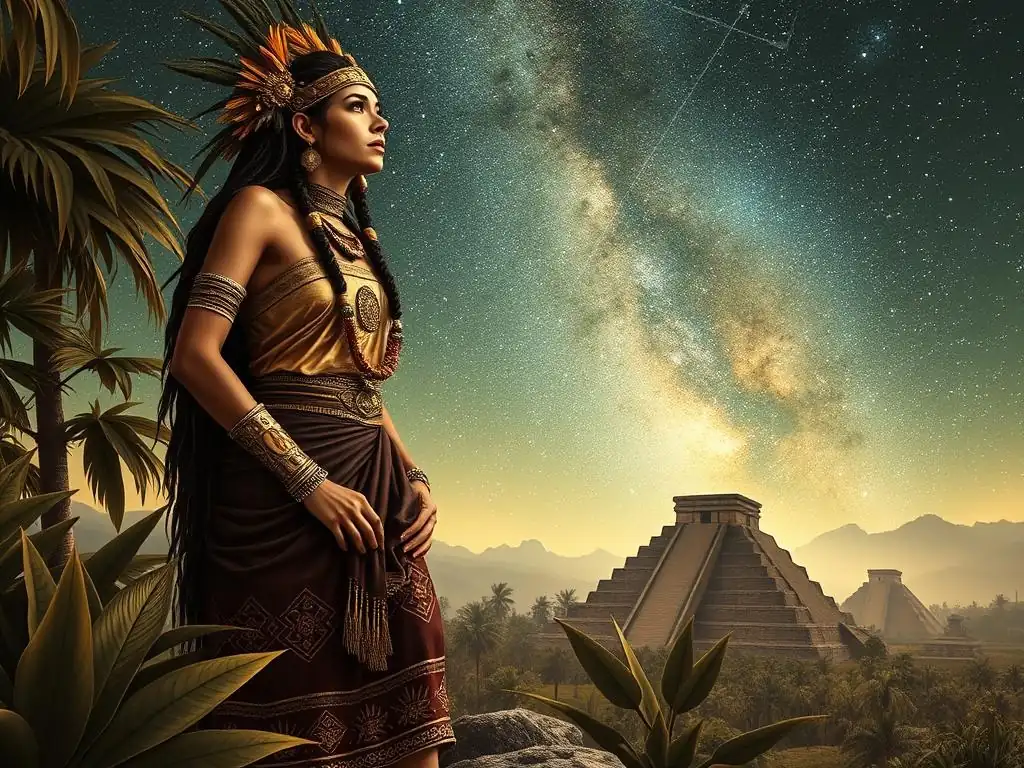
Influence on Modern Astronomers and Astrophysicists
The contributions of Mesoamerican women in astronomy have had a profound impact on contemporary astronomers and astrophysicists, inspiring a new generation of scientists. Women such as Aztec astronomer Tlazolteotl and the Maya astronomer Yaxkin were pivotal in developing complex celestial calendars and understanding celestial phenomena. Their work has not only been recognized in historical contexts but has also become a source of inspiration for modern scholars.
Key Contributions:
- Celestial Calendars: Mesoamerican women were instrumental in creating and interpreting calendars based on astronomical observations, which are now studied by modern astrophysicists to understand ancient celestial mechanics.
- Cultural Narratives: The integration of mythology and astronomy in Mesoamerican cultures provides rich narratives that contemporary scientists draw upon to explain complex astronomical concepts. These stories offer alternative perspectives that challenge traditional Eurocentric narratives in science.
Moreover, as modern scholars explore the historical roles of women in science, Mesoamerican women are increasingly seen as pivotal figures. This recognition has led to a resurgence of interest in their contributions to astronomy, encouraging more diverse voices in contemporary scientific discourse.
Reviving Interest in Women’s Contributions to Science
In recent years, there has been a growing movement to revive interest in the contributions of Mesoamerican women to astronomy. This movement is fueled by a combination of academic research, cultural initiatives, and educational programs aimed at highlighting the achievements of these women.
Efforts to Highlight Contributions:
- Academic Research: Scholars are conducting extensive research into historical texts and artifacts that document the contributions of Mesoamerican women in astronomy. This work often reveals previously overlooked figures and their significant roles in the development of astronomical knowledge.
- Cultural Exhibitions: Museums and cultural institutions are organizing exhibitions that focus on the achievements of Mesoamerican women, providing a platform to educate the public about their contributions and the importance of diversity in science.
- Educational Programs: Initiatives aimed at young girls in STEM fields now include curricula that highlight historical figures such as Mesoamerican women in astronomy. By showcasing these role models, educators hope to inspire a new generation to pursue careers in science and technology.
Impact on Society:
The revival of interest in Mesoamerican women in astronomy is not just about recognition; it is about reshaping the narrative surrounding science and its history. By acknowledging the diverse contributions to astronomy, society can foster a more inclusive understanding of science and encourage a broader range of voices in the field.
The legacy of Mesoamerican women in astronomy continues to inspire and influence contemporary practices in science. Their achievements serve as a reminder of the importance of inclusivity and diversity in the pursuit of knowledge, encouraging ongoing recognition and engagement with the rich history of women in astronomy.
Conclusion: The Legacy of Mesoamerican Women in Astronomy
The contributions of Mesoamerican women in astronomy represent a profound legacy that extends beyond their historical context. These women played a pivotal role in the development of astronomical knowledge and practices within their cultures, often working alongside men or even leading initiatives in observation and celestial interpretation. Their work was deeply intertwined with agricultural cycles, religious practices, and social structures, which underscores the importance of their contributions to Mesoamerican societies.
Reflection on Their Contributions and Recognition
Mesoamerican women in astronomy were not merely passive observers; they were active participants in a field that demanded both intellectual rigor and practical application. Women like Elena Pacheco and Xochiquetzal, though less documented than their male counterparts, contributed significantly to the understanding of celestial phenomena. They often used their knowledge to influence agricultural practices, calendar systems, and ritual observances, showcasing their integral role in the community.
However, despite their achievements, the recognition of these women has historically been limited. The patriarchal structures that dominated Mesoamerican societies often overshadowed women's contributions, leading to a lack of historical documentation. Recent efforts by scholars and advocates aim to unearth these narratives, emphasizing the need for a more inclusive historical account that honors the roles women played in the astronomical sciences.
To foster a greater appreciation of Mesoamerican women's contributions to astronomy, it is crucial to engage in a multi-faceted approach that includes:
- Research and Documentation: Conducting comprehensive studies that focus on women's roles in astronomy and related fields.
- Education and Outreach: Implementing educational programs that highlight the achievements of Mesoamerican women in astronomy in schools and communities.
- Cultural Preservation: Supporting initiatives that aim to preserve indigenous knowledge and narratives that celebrate women's contributions.
By recognizing the significant role of Mesoamerican women in astronomy, we not only honor their legacy but also enrich our understanding of the broader historical context of scientific advancement in the Americas.
Call to Action: Promoting Awareness and Research on Women in Mesoamerican Astronomy
To promote awareness and further research on the contributions of Mesoamerican women in astronomy, we encourage individuals and organizations to take action in the following ways:
- Support Academic Research: Advocate for funding and resources aimed at researching the contributions of women in Mesoamerican astronomy. This can include grants for scholars focusing on this area and incentives for interdisciplinary studies that connect anthropology, history, and astronomy.
- Host Workshops and Seminars: Organize events that bring together historians, astronomers, and indigenous communities to discuss and share knowledge about women's roles in Mesoamerican astronomy. These gatherings can serve as platforms for collaboration and knowledge exchange.
- Create Educational Materials: Develop and distribute materials that highlight the achievements of Mesoamerican women in astronomy. These resources can be used in schools, museums, and cultural centers to educate the public and inspire future generations.
- Utilize Digital Platforms: Leverage social media and online platforms to share stories, research findings, and educational content related to Mesoamerican women in astronomy. Engaging visuals and narratives can help reach a wider audience and spark interest in this important topic.
By taking these steps, we can contribute to a more equitable representation of history that honors the vital contributions of Mesoamerican women in astronomy and encourages continued exploration and recognition of their enduring legacy.
Frequently Asked Questions
What contributions did Mesoamerican women make to astronomy?
Mesoamerican women significantly contributed to astronomical knowledge and practices, often serving as healers or spiritual leaders who utilized celestial observations in their rituals and agriculture.
How were women recognized in Mesoamerican astronomy?
Women were sometimes recognized for their astrological insights and roles in community rituals, though historical records often overlook their contributions compared to their male counterparts.
Did Mesoamerican cultures have specific roles for women in astronomy?
Yes, in various Mesoamerican cultures, women held important roles in astronomical practices, including as priestesses who interpreted celestial events and their meanings for the community.
What challenges did Mesoamerican women face in astronomy?
Mesoamerican women faced societal barriers and gender biases that often limited their recognition and opportunities in the field of astronomy, despite their knowledge and contributions.
How can we learn more about Mesoamerican women in astronomy today?
To learn more, one can explore academic publications, museum exhibits, and cultural resources that highlight the often-overlooked contributions of women in Mesoamerican astronomy.
Final Reflection: Celebrating the Legacy of Mesoamerican Women in Astronomy
The contributions of Mesoamerican women in astronomy are not just historical footnotes; they are vital threads in the rich tapestry of our understanding of the cosmos. Today, as we navigate through a world increasingly reliant on scientific literacy and cultural appreciation, recognizing the achievements of these women becomes essential. Their knowledge and insights not only shaped ancient civilizations but also offer us a profound perspective on the intersection of gender and science that remains relevant in our ongoing quest for equality and recognition in all fields.
Mesoamerican women have long been overlooked in the narrative of astronomy, yet their influence resonates through time, inspiring future generations. The stories of these remarkable women remind us that knowledge is not confined to a single narrative or gender. Their contributions challenge us to rethink the historical context of science and the diverse voices that have shaped it. When we acknowledge the past, we empower the future.
This quote encapsulates the essence of our journey toward inclusivity in science and the importance of recognizing those who have paved the way for us.
As we reflect on the significant yet often unrecognized role of Mesoamerican women in astronomy, I invite you to explore how their legacy can inspire your own journey. Consider how you can contribute to a more inclusive narrative in your own life, whether through education, advocacy, or simply by sharing their stories. Let us honor these pioneers by ensuring their contributions are celebrated and remembered, fostering a future where every voice is valued in the pursuit of knowledge and discovery.
Celebrate and Elevate Women in Mesoamerican Astronomy!
Thank you for exploring the remarkable contributions of women in Mesoamerican astronomy! Your interest is crucial in recognizing the invaluable roles these pioneers played in shaping our understanding of the cosmos. Now, let’s take the next step together to honor and amplify their legacies.
- Engage with the Community: Share your thoughts on social media about the impact women have had on astronomy. Connect with others interested in this subject by using the hashtag #WomenInAstronomy.
- Explore Local Resources: Visit a nearby museum or library that showcases exhibits on Mesoamerican cultures and their astronomical achievements. Learning more about this history can lead to enriching discussions, so consider inviting friends to join you.
- Read and Share: Delve into literature that highlights these important contributions. Recommend a book or article that resonates with you to a friend or post it in an online forum to help spread awareness.
What aspect of Mesoamerican astronomy captivates you the most, and how can we further acknowledge the often-overlooked contributions of women in this field?