
The Significance of Rituals in Indigenous Warfare and Military Culture

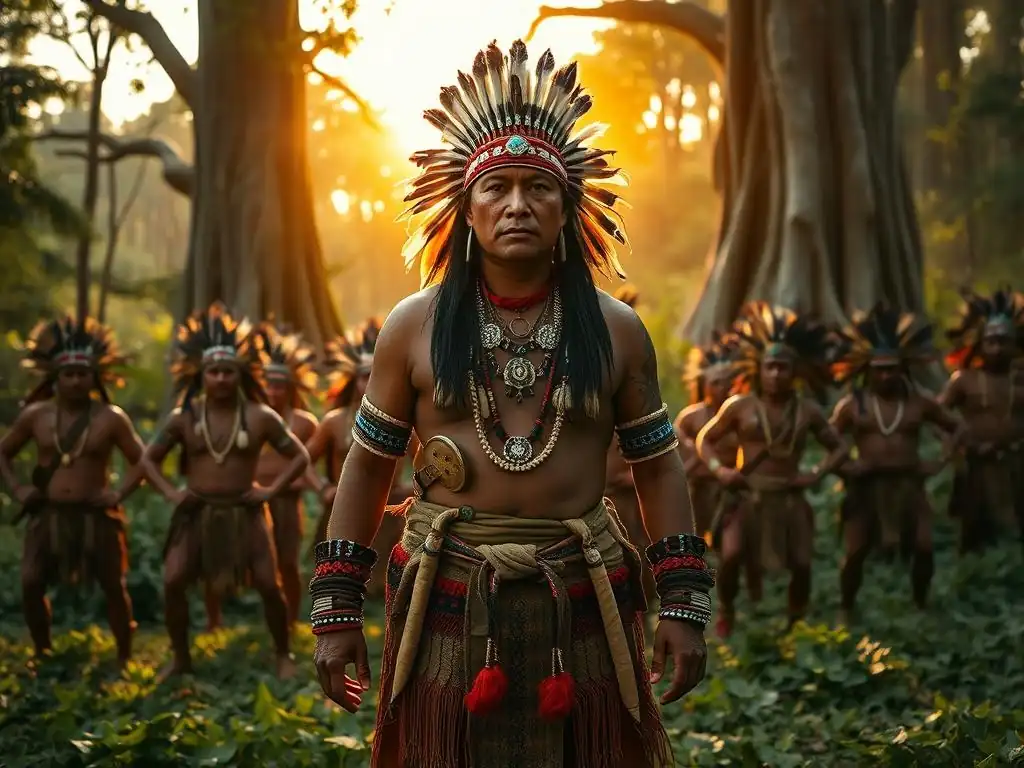
Welcome to Indigenous Civilizations of the Americas, where we invite you to journey through the rich tapestry of cultures that flourished long before European contact. In this exploration, we delve into the often-overlooked significance of rituals in indigenous warfare—a topic that reveals the profound connections between spirituality, community, and military practices. What roles did these rituals play in shaping societies and their responses to conflict?
As you navigate through our content, prepare to uncover the intricate web of customs and beliefs that not only defined indigenous military culture but also left a lasting legacy on the continent. Join us, and let your curiosity lead you deeper into understanding these remarkable civilizations and their enduring impact.
Indigenous warfare in the Americas was not merely a series of conflicts; it was deeply intertwined with cultural practices, spirituality, and societal norms. The significance of rituals in indigenous warfare and military culture highlights how these ceremonies served both practical and symbolic purposes, shaping the identities and practices of various indigenous groups long before European colonization.
Understanding these rituals provides insight into the complexities of indigenous societies, their values, and the ways in which they organized and conducted warfare. This article explores the multifaceted nature of indigenous warfare rituals, examining their historical context, the unique practices of different groups, and the lasting impact of these traditions on indigenous identity and resilience.
Introduction to Indigenous Warfare and Rituals
Overview of Indigenous Warfare in the Americas
Indigenous warfare in the Americas was characterized by a diverse array of practices, strategies, and purposes that varied widely among different cultures. These conflicts were often about more than mere territorial disputes; they involved maintaining social order, demonstrating bravery, and securing resources. Indigenous groups engaged in warfare for reasons that included:
- Territorial expansion: Securing land for hunting, agriculture, and settlement.
- Resource competition: Controlling access to vital resources such as water, food, and trade routes.
- Revenge or retribution: Responding to grievances or previous conflicts.
- Symbolic dominance: Establishing power and influence over neighboring groups through displays of strength.
Understanding the role of rituals in these conflicts reveals how indigenous peoples integrated their cultural beliefs into the fabric of warfare, often viewing it as a sacred duty.
Importance of Rituals in Military Culture
Rituals played a crucial role in indigenous military culture, serving multiple purposes that went beyond the battlefield. Some key aspects include:
- Preparation and Training: Rituals often preceded battles, serving as a means of preparing warriors physically and spiritually. This could involve ceremonies to honor ancestors or invoke the favor of deities.
- Psychological Warfare: Rituals could intimidate the enemy. Displays of strength, such as war dances or elaborate costumes, not only boosted the morale of the warriors but also instilled fear in opponents.
- Community Cohesion: Engaging in rituals fostered a sense of unity and purpose among warriors and the larger community, reinforcing social bonds and collective identity.
- Post-Battle Practices: Following conflicts, rituals were essential for mourning lost warriors, celebrating victories, and restoring balance within the community. These practices highlighted the interconnectedness of life and death in indigenous cosmologies.
Historical Context of Indigenous Warfare Rituals
Pre-Colonial Warfare Practices
Before European contact, indigenous warfare was highly ritualized and varied greatly across different regions. For instance, the Plains tribes engaged in counting coup, a practice where warriors would earn prestige by touching an enemy rather than killing them, emphasizing bravery over mere lethality. Similarly, the Aztecs conducted elaborate flower wars, which were ritualized battles meant to capture prisoners for sacrifice, blending warfare with religious devotion.
Major Indigenous Groups and Their Unique Rituals
Different indigenous groups developed distinct rituals that reflected their cultural values and societal structures:
- Navajo: The Navajo engaged in rituals like the War Dance, which was performed to honor warriors and seek protection in battle.
- Iroquois: The Iroquois practiced the Great Law of Peace, which included rituals that emphasized diplomacy and consensus, showcasing a unique approach to conflict resolution.
- Maya: The Maya conducted rituals that involved the use of bloodletting and offerings to their gods to ensure victory in warfare.
These examples illustrate how deeply embedded rituals were in the military practices of various indigenous groups, emphasizing their significance in shaping their approaches to warfare and their broader cultural narratives.
The Role of Rituals in Indigenous Warfare
Rituals played a crucial role in shaping indigenous warfare practices across the Americas, providing a framework that integrated spiritual, psychological, and communal elements into military actions. These rituals were not merely ceremonial but were deeply embedded in the cultural identity of various tribes, serving to unify warriors and reinforce their commitment to their community and beliefs. By incorporating rituals into warfare, indigenous peoples were able to channel their emotions, enhance their courage, and prepare their minds for the realities of battle.
Understanding the significance of these rituals reveals how indigenous cultures viewed warfare—not just as a means of survival or conquest, but as a profound experience that involved the entire community and their connection to the spiritual world. The incorporation of rituals into military culture also served to convey messages of strength, resilience, and honor, essential components of indigenous identity.
Rituals as a Means of Psychological Preparation
Psychological preparation was a vital aspect of indigenous warfare rituals, helping warriors mentally and emotionally ready themselves for the battle ahead. These rituals often included chants, dances, and other performance arts designed to invoke courage and strength while dispelling fear. For instance, some tribes would engage in group dances that emphasized unity and collective strength, allowing warriors to feel a bond with one another and a sense of purpose.
Additionally, rituals often involved storytelling, where elders would recount tales of past victories and heroic deeds. This not only provided motivation but also instilled a sense of pride in the warriors, reminding them of their historical significance and responsibilities as protectors of their people. Through these collective experiences, warriors were able to cultivate a warrior ethos that emphasized bravery, loyalty, and honor.
Spiritual Significance of Warfare Rituals
The spiritual significance of warfare rituals is profound, as many indigenous cultures believed that success in battle was intrinsically linked to divine favor. Rituals often included invocations to spirits or ancestors, seeking blessings and guidance for the warriors. This spiritual connection created a heightened sense of purpose, as warriors felt they were not only fighting for their tribe but also for the will of the spirits or gods.
Moreover, many tribes performed purification rituals to cleanse themselves of any negative energies or bad omens before entering battle. This spiritual preparation was crucial, as it aligned the warriors with the natural and supernatural worlds, reinforcing their belief in their ability to triumph over adversaries. The relationship between warfare and spirituality thus underscored the importance of rituals as a means of ensuring not just physical readiness but also spiritual alignment.
Community Involvement in Military Rituals
Community involvement was a hallmark of indigenous military rituals, reflecting the collective nature of warfare in these cultures. Rituals were not solely the domain of warriors; rather, entire communities participated in the preparation for battle. Elders, women, and children often had roles in these rituals, showcasing the interconnectedness of the tribe and emphasizing that warfare was a communal effort.
For example, women frequently engaged in preparation activities such as crafting weapons, preparing food, and performing rituals to bless the warriors. Such participation reinforced the idea that all members of the community had a stake in the outcome of warfare, fostering solidarity and shared responsibility. The involvement of the community in military rituals also served to strengthen social bonds and cultural identity, ensuring that the values and traditions surrounding warfare were passed down through generations.
Types of Indigenous Warfare Rituals
Indigenous warfare rituals were varied and diverse, reflecting the rich tapestry of cultures across the Americas. These rituals can be categorized into several types, each serving a distinct purpose within the context of warfare.
Ceremonial Practices Before Battle
Ceremonial practices before battle were essential for preparing warriors both mentally and spiritually. These rituals often included purification ceremonies, where warriors would cleanse themselves with water or smoke to remove impurities and negative energies. Additionally, rituals such as the "war dance" were performed to invoke strength and unite the warriors in a shared purpose.
During these pre-battle ceremonies, offerings might be made to deities or ancestors, seeking their protection and guidance. Such practices emphasized the importance of spiritual favor in ensuring success on the battlefield, reinforcing the belief that the outcome of conflict was influenced by divine forces.
Post-Battle Rituals and Their Significance
Post-battle rituals held significant importance in many indigenous cultures, serving to honor the fallen, celebrate victories, and facilitate the healing process for survivors. These rituals often included mourning ceremonies, where the community would come together to grieve for those lost in battle, ensuring that their sacrifices were remembered and honored.
Celebratory rituals were also common, where victorious warriors were recognized and rewarded for their bravery. Such practices not only served to reinforce social hierarchies and honor individual accomplishments but also acted as a means of communal healing, allowing the tribe to process the emotional and physical toll of warfare collectively.
Use of Symbolism in Military Rituals
Symbolism played a vital role in indigenous military rituals, with various symbols representing strength, courage, and protection. Tattoos, body paint, and ceremonial regalia were often used to visually communicate a warrior's status and accomplishments, as well as their connection to spiritual forces.
For example, certain animal symbols might be employed to invoke the traits associated with that creature, such as the bravery of a lion or the cunning of a fox. The use of these symbols served not only to empower the individual warrior but also to convey shared cultural values and beliefs about warfare, reinforcing the idea that the warrior’s actions were part of a larger narrative that defined their community's identity.
Case Studies: Indigenous Warfare Rituals in Different Cultures
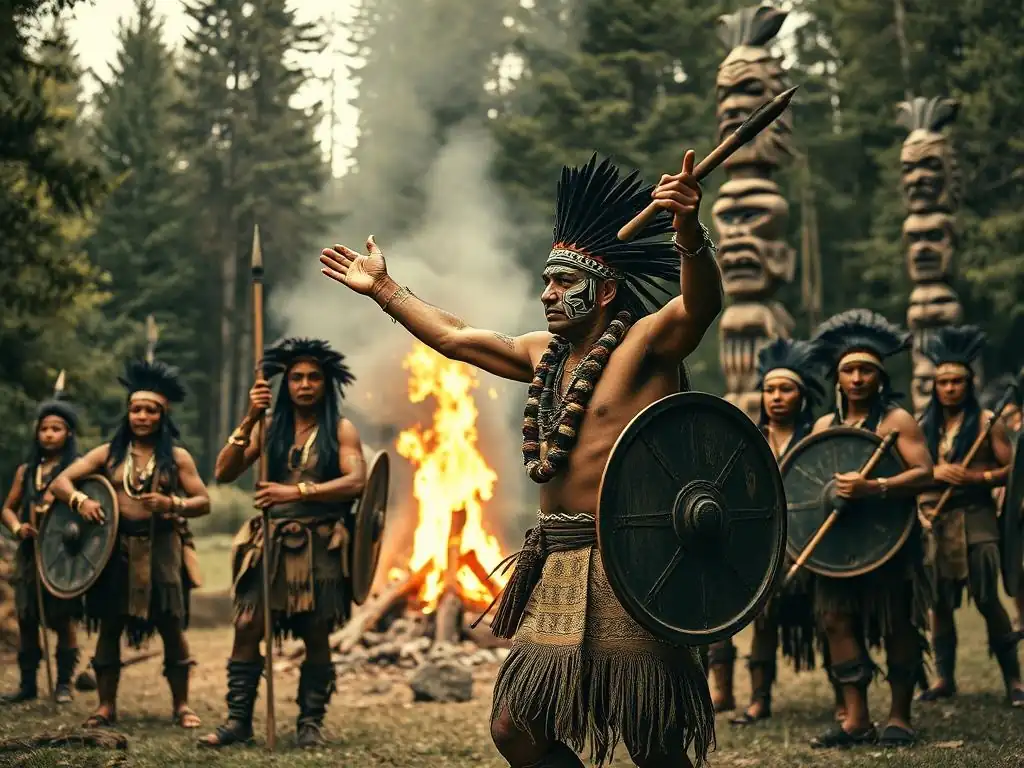
Indigenous warfare rituals were not only essential for preparing warriors for battle but also served to reinforce communal ties and cultural identity. Various indigenous cultures across the Americas showcased unique approaches to warfare rituals, each embedded with profound significance and diverse practices that reflected their values and worldviews. Here, we explore case studies from the Plains Nations, the Aztec civilization, and the Iroquois Confederacy to illustrate the significance of these rituals in indigenous warfare.
The Plains Nations: Rituals of the Lakota
The Lakota people, part of the larger Plains Nations, engaged in a complex system of warfare rituals that were deeply intertwined with their cultural spirituality. One of the most notable practices was the Sun Dance, a sacred ceremony that involved fasting, dancing, and physical endurance. This ritual was not only a form of spiritual preparation for warriors but also served to invoke the favor of the spirits in battle. Participants would pierce their skin and endure pain as a demonstration of strength and commitment to their community.
Additionally, the Lakota employed the Counting Coup system, where warriors would gain honor by touching an enemy rather than killing them. This act was often preceded by rituals that emphasized bravery and skill. Counting Coup was celebrated through storytelling and communal gatherings, solidifying its significance as a rite of passage and a demonstration of courage.
The Aztec Rituals and Their Military Significance
The Aztec civilization had a highly organized military structure, and their warfare rituals were pivotal in sustaining their empire. One of the most significant rituals was the Flower Wars, which were ceremonial battles fought to capture prisoners for sacrifice. These battles had strict rules and were seen as a means to honor the gods rather than merely to conquer territory.
The Aztecs believed that the success of their military endeavors depended on the appeasement of their deities, particularly Huitzilopochtli, the god of war. Rituals included sacrificial ceremonies, where captured warriors were offered to the gods, symbolizing the cycle of life and death. These practices reinforced the notion that warfare was a sacred duty, and through these rituals, warriors were imbued with a sense of purpose and divine backing in their military campaigns.
The Iroquois Confederacy: Rituals in Strategic Warfare
The Iroquois Confederacy, a sophisticated alliance of six nations, had a distinctive approach to warfare that emphasized collective decision-making and strategic planning. The Great Law of Peace, a foundational document of the Confederacy, outlined not only governance but also the conduct of war. Before engaging in warfare, the Iroquois held council meetings where leaders would invoke the Elders’ wisdom and seek guidance from the spiritual realm.
A significant ritual involved the War Dance, which served to rally warriors and build communal spirit before battle. The dance was performed to drumbeats and featured songs that recounted past victories, instilling courage in participants. Moreover, the Iroquois practiced Adoption Rituals, where captives could be integrated into the tribe, emphasizing the importance of forming alliances over mere conquest.
The Impact of European Conquest on Indigenous Warfare Rituals
The arrival of European colonizers drastically transformed indigenous warfare rituals, leading to significant changes in practices and cultural perceptions. The introduction of European technologies and military strategies altered the dynamics of conflict and the ways in which indigenous peoples engaged in warfare.
Changes in Ritual Practices Post-Colonization
Following European colonization, many indigenous communities faced the challenge of adapting their warfare rituals to new realities. The introduction of firearms and other European military technologies rendered traditional battle practices less effective and often led to the abandonment of certain rituals. Many indigenous groups began to incorporate European elements into their warfare strategies, which diminished the emphasis on traditional rituals.
Additionally, as indigenous populations were decimated through warfare, disease, and displacement, the communal aspect of warfare rituals suffered. The loss of warriors and leaders disrupted the transmission of cultural practices, leading to a significant decline in ritual participation and the spiritual significance of these practices.
Loss of Cultural Significance in Warfare Rituals
As indigenous warfare rituals transformed due to European influence, many communities experienced a loss of cultural significance associated with these practices. The spiritual and communal components that once characterized warfare were overshadowed by the immediate necessities of survival in a rapidly changing environment.
The sacredness of warfare that was prevalent in indigenous cultures was replaced by a focus on individual survival and adaptation. Many traditional practices were either abandoned or altered to fit new circumstances, leading to a disconnect from the original meanings and values attached to warfare rituals. This loss represented not only a change in military culture but also a broader erosion of indigenous identity and heritage in the face of colonization.
The Modern Relevance of Indigenous Warfare Rituals
Indigenous warfare rituals, historically significant in shaping the military strategies and social structures of various indigenous cultures, continue to hold relevance in contemporary society. These rituals not only reflect a deep connection to ancestral traditions but also serve as a means of cultural expression and community cohesion. As indigenous communities face ongoing challenges, the revival and adaptation of these rituals can play a vital role in preserving their cultural identity and asserting their sovereignty.
In modern contexts, indigenous warfare rituals may be adapted to address contemporary issues, such as land rights, environmental stewardship, and social justice. This adaptation showcases the resilience of indigenous cultures and their capacity to evolve while maintaining ties to their past. By recognizing the significance of these rituals, both indigenous peoples and wider society can foster a greater understanding of indigenous perspectives and values.
Revitalization of Rituals in Contemporary Indigenous Communities
The revitalization of indigenous warfare rituals is an essential aspect of cultural reclamation in many contemporary indigenous communities. As younger generations seek to connect with their heritage, traditional rituals are being reintroduced and reinterpreted. This revitalization often involves community gatherings, educational workshops, and collaborative ceremonies that engage both indigenous and non-indigenous participants.
For example, some tribes in North America have reintegrated traditional war dances and storytelling as part of their cultural events, utilizing these practices to educate others about their historical significance and the values they embody. These rituals serve not only as a means of honoring ancestors but also as a platform for raising awareness about the ongoing struggles faced by indigenous communities today.
The Significance of Rituals in Modern Indigenous Identity
Rituals play a crucial role in shaping modern indigenous identity, serving as symbols of resilience and continuity amidst the challenges posed by colonization and cultural assimilation. By engaging in warfare rituals, indigenous peoples reaffirm their unique identities and strengthen their communal bonds. These practices can foster a sense of belonging and pride, especially among younger generations.
Moreover, the significance of these rituals extends beyond individual communities; they can also influence broader social movements advocating for indigenous rights and recognition. The incorporation of traditional warfare symbols and practices into contemporary activism highlights the enduring legacy of indigenous cultures and their fight for justice, sovereignty, and self-determination.
Conclusion: The Lasting Significance of Indigenous Warfare Rituals
The enduring significance of indigenous warfare rituals in contemporary society underscores their role as vital expressions of cultural identity and resilience. As these rituals are revitalized and adapted, they continue to serve as a bridge connecting past and present, fostering a deeper appreciation for the diverse histories and cultures of indigenous peoples.
Summary of Key Points on Indigenous Warfare Ritual Significance
- Cultural Preservation: Indigenous warfare rituals play a crucial role in preserving cultural heritage and identity amidst ongoing challenges.
- Community Cohesion: These rituals foster community bonds and promote social cohesion within indigenous communities.
- Modern Adaptations: Contemporary adaptations of warfare rituals allow for addressing current issues while honoring ancestral traditions.
- Influence on Identity: Such rituals significantly shape modern indigenous identities and contribute to broader movements advocating for indigenous rights.
Final Thoughts on the Cultural Importance of Rituals in Military Contexts
The cultural importance of indigenous warfare rituals cannot be overstated. They represent a rich tapestry of history, values, and identity that continues to inspire and empower indigenous communities. Recognizing and respecting these rituals is essential for understanding the complexities of indigenous cultures and their ongoing contributions to the social landscape. By engaging with these traditions, society can foster a more inclusive and respectful dialogue about the past and present of indigenous peoples in the Americas.
- Introduction to Indigenous Warfare and Rituals
- Historical Context of Indigenous Warfare Rituals
- The Role of Rituals in Indigenous Warfare
- Types of Indigenous Warfare Rituals
- Case Studies: Indigenous Warfare Rituals in Different Cultures
- The Impact of European Conquest on Indigenous Warfare Rituals
- The Modern Relevance of Indigenous Warfare Rituals
- Conclusion: The Lasting Significance of Indigenous Warfare Rituals
Frequently Asked Questions
What are indigenous warfare rituals?
Indigenous warfare rituals are ceremonial practices that tribes performed before, during, and after conflicts, serving to prepare warriors and invoke spiritual support.
Why were these rituals significant in indigenous cultures?
These rituals held significant cultural meanings, reinforcing social cohesion, establishing spiritual connections, and ensuring the well-being of the community during warfare.
How did warfare rituals impact indigenous societies?
Warfare rituals influenced social structures, as they often involved the entire community, fostering a sense of identity and shared purpose among members.
Were there variations in warfare rituals among different tribes?
Yes, various tribes had distinct rituals based on their unique beliefs, environments, and historical contexts, highlighting the diversity among indigenous cultures.
What is the lasting impact of these rituals today?
The legacy of indigenous warfare rituals continues to influence modern perspectives on military culture, spirituality, and the importance of tradition in indigenous communities.
Final Reflection: The Enduring Significance of Indigenous Warfare Rituals
The exploration of Indigenous warfare rituals reveals their profound significance in shaping not only military culture but also the identity and resilience of Indigenous communities today. In a world increasingly marked by conflict and division, understanding these rituals offers invaluable insights into the values of honor, community, and spirituality that underpin Indigenous warfare. The lessons learned from these practices remind us that warfare is not merely a physical confrontation but a complex interplay of cultural narratives and collective memory.
The impact of these rituals extends far beyond the battlefield, influencing contemporary social dynamics and cultural expressions. They serve as a reminder of the deep-rooted traditions that foster unity and strength among Indigenous peoples. As we witness a resurgence of interest in Indigenous rights and cultural preservation, it becomes clear that these rituals are not relics of the past but living practices that continue to inspire and empower communities. Rituals are the threads that weave the fabric of our identity, connecting us to our ancestors and guiding our future.
As we reflect on the significance of Indigenous warfare rituals, I invite you to consider how these lessons can resonate in your own life. Embrace the power of rituals, whether in your personal or communal practices, to foster connection, resilience, and understanding. By honoring the traditions of Indigenous cultures, we can cultivate a deeper appreciation for the diverse ways in which humanity navigates conflict and seeks harmony. Let us carry forward the wisdom of these rituals, allowing them to guide us in our quest for peace and understanding in an ever-changing world.
Embrace the Power of Indigenous Rituals Today!
Thank you for exploring the fascinating world of Indigenous warfare and military culture! The insights you've gained illuminate the profound significance of rituals in shaping identity, belief, and community strength. Are you ready to take your newfound understanding a step further? Here’s how you can continue your journey:
- Engage with Local Communities: Attend cultural events or workshops that celebrate Indigenous traditions in your area; it’s a powerful way to connect and learn directly from community members.
- Share Your Knowledge: Initiate discussions with friends and family about the importance of these rituals—your voice can inspire others to appreciate and respect Indigenous cultures.
- Dive Deeper: Explore literature and documentaries that highlight the impact of rituals in various Indigenous societies, allowing you to broaden your perspective and understanding.
How will you incorporate the lessons learned about rituals into your own practices or conversations?