
Resilience and Recognition: How Indigenous Achievements Are Embraced in National Narratives

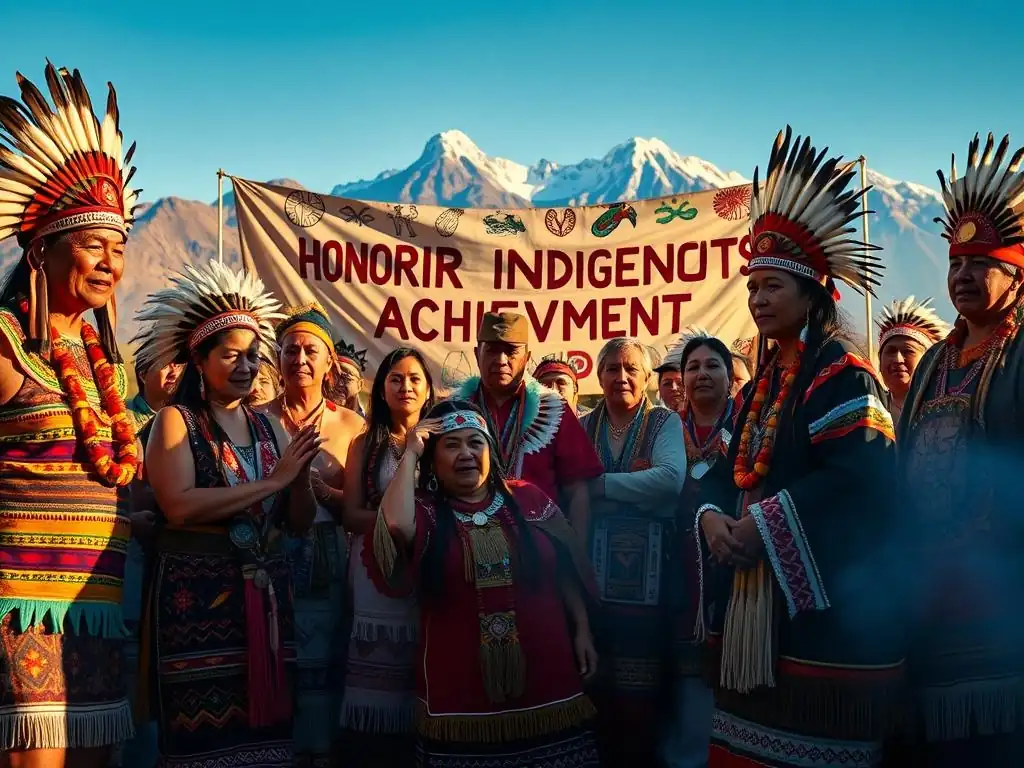
Welcome to Indigenous Civilizations of the Americas, where we invite you to journey through the rich tapestry of cultures that flourished long before European eyes set upon these lands. In our featured article, "Resilience and Recognition: How Indigenous Achievements Are Embraced in National Narratives," we delve into the profound indigenous achievements in history that have shaped societies and continue to echo through time. Discover how these remarkable cultures not only survived but thrived, and learn how their legacies are woven into the very fabric of national identities.
Join us in uncovering the stories that deserve to be told and celebrated. Your exploration begins now!
- Introduction to Indigenous Achievements in History
- Historical Context of Indigenous Civilizations
- The Impact of European Conquest on Indigenous Recognition
- Resilience of Indigenous Cultures
- Integration of Indigenous Achievements into National Narratives
- Challenges in Acknowledging Indigenous Achievements
- Future Directions for Indigenous Recognition
- Conclusion: Embracing Indigenous Achievements for a United Future
-
Frequently Asked Questions
- What are some key indigenous achievements in history?
- How have indigenous cultures influenced modern societies?
- Why is it important to recognize indigenous achievements?
- How do contemporary societies embrace indigenous narratives?
- What challenges do indigenous achievements face in historical narratives?
- Final Reflection: Celebrating Indigenous Achievements in History
- Embrace and Elevate Indigenous Stories Today!
Introduction to Indigenous Achievements in History
The history of the Americas is rich and diverse, marked by the incredible achievements of indigenous civilizations that flourished long before European contact. Understanding these Indigenous achievements in history is crucial, not only for acknowledging the profound impact these cultures had on the continent but also for reshaping modern narratives that often overlook their contributions.
This article delves into the resilience and recognition of indigenous accomplishments, exploring how they are increasingly embraced in national identities and narratives across the Americas. By examining the innovations, governance systems, and cultural practices of indigenous peoples, we can appreciate the depth of their legacy and the significance of integrating these achievements into broader historical accounts.
Overview of Indigenous Contributions to Civilization
Indigenous civilizations of the Americas were not mere footnotes in history; they were dynamic societies that made significant contributions across various fields, including agriculture, governance, architecture, and art. Some notable achievements include:
- Agriculture: Indigenous peoples developed sophisticated agricultural techniques, including the cultivation of staple crops such as maize, potatoes, and beans. The Three Sisters planting method, which involves growing corn, beans, and squash together, exemplifies their understanding of sustainable farming practices.
- Architecture: The architectural marvels of indigenous cultures, such as the Maya pyramids, Incan terraces, and Ancestral Puebloan cliff dwellings, showcase their advanced engineering skills and aesthetic sensibilities. These structures reflect a deep connection with their environment and community.
- Governance: Many indigenous societies established complex governance systems that emphasized consensus-building and community involvement. For example, the Iroquois Confederacy is often cited as a precursor to democratic principles, influencing the development of political systems in North America.
- Cultural Practices: Indigenous cultures contributed richly to the arts, spiritual beliefs, and languages. Their storytelling, music, and visual arts continue to inspire and influence contemporary culture.
These contributions have not only shaped the development of the Americas but have also laid the foundation for future advancements in various fields.
Importance of Recognizing Indigenous Achievements in National Narratives
Recognizing indigenous achievements is essential for several reasons:
- Cultural Appreciation: Understanding the accomplishments of indigenous peoples fosters respect and appreciation for their cultures. This recognition helps combat stereotypes and misconceptions that have persisted through colonization.
- Historical Accuracy: Integrating indigenous achievements into national narratives provides a more accurate and comprehensive understanding of history. It challenges the Eurocentric perspectives that have dominated historical accounts and acknowledges the diverse voices that contributed to the fabric of society.
- Social Justice: Acknowledging and celebrating indigenous achievements can play a vital role in the broader movement for social justice. It empowers indigenous communities by validating their histories and contributions, which have often been marginalized or erased.
- National Identity: Incorporating indigenous narratives into national identities enriches the cultural tapestry of a nation. It highlights the shared history and interconnectedness of all peoples, fostering a more inclusive understanding of what it means to be part of that nation.
Recognizing indigenous achievements is not just a matter of historical accuracy; it is a crucial step towards healing, reconciliation, and building a more inclusive future. As we explore the resilience and recognition of these achievements, we gain a deeper understanding of their enduring impact on national identities across the Americas.
Historical Context of Indigenous Civilizations

Understanding the historical context of Indigenous civilizations is essential to appreciating the resilience and achievements of these cultures prior to European colonization. The Americas were home to a multitude of diverse societies, each with distinct languages, traditions, and innovations. These civilizations thrived for thousands of years, developing complex social structures, trade networks, and cultural practices that not only shaped their identities but also laid the groundwork for future generations.
Pre-Colonization Societies and Their Innovations
Before the arrival of European explorers, Indigenous societies in the Americas displayed remarkable adaptability and ingenuity. They developed sophisticated governance systems, oral traditions, and technologies that allowed them to flourish in various environments, from the Arctic tundra to the tropical rainforests.
- Social Structures: Indigenous communities often operated under intricate social hierarchies, with leadership roles defined by wisdom, experience, and communal respect. For instance, the Iroquois Confederacy established a democratic form of governance that influenced modern democratic principles.
- Trade Networks: Extensive trade routes connected different tribes, facilitating the exchange of goods, ideas, and cultural practices. The Mississippian culture, known for its mound-building, engaged in trade with distant regions, highlighting their economic prowess.
- Cultural Practices: Oral traditions were vital for preserving history and knowledge. Storytelling, music, and dance played a crucial role in education and the transmission of cultural values, reflecting the unique identities of each community.
- Technological Innovations: Indigenous peoples were adept at utilizing their environments for survival. They created tools and techniques, such as the development of the kayak by the Inuit and the intricate weaving of textiles by the Navajo, which showcased their resourcefulness.
These innovations and societal structures underscore the complexity of Indigenous civilizations, challenging the often simplistic narratives imposed by colonial perspectives.
Indigenous Achievements in Agriculture, Architecture, and Art
Indigenous achievements in agriculture, architecture, and art are testament to their profound understanding of the land and their creativity. These accomplishments not only supported their communities but also contributed significantly to the cultural heritage of the Americas.
- Agriculture: Indigenous peoples were pioneers in agricultural practices, developing techniques such as milpa (slash-and-burn) and terracing that adapted to various ecosystems. The cultivation of staple crops like maize, beans, and squash—often referred to as the "Three Sisters"—demonstrates a sophisticated understanding of companion planting. The Inca developed extensive terrace farming in the Andes, allowing them to maximize arable land in mountainous terrains.
- Architecture: Indigenous architectural achievements are evident in structures ranging from the earthen mounds of the Mississippian culture to the intricate stone cities of the Maya and the monumental architecture of the Inca, such as Machu Picchu. These constructions reflect not only functional needs but also deep spiritual and cultural significance. The Pueblo peoples of the Southwest built multi-storied adobe dwellings that exemplified their resourcefulness and adaptability to the harsh desert environment.
- Art: Indigenous art forms, including pottery, weaving, and sculpture, are rich in symbolism and often convey stories and spiritual beliefs. For example, the intricate pottery of the Pueblo peoples showcases both functional and artistic prowess, while Totem poles of the Pacific Northwest serve as historical records and cultural expressions. The diverse art forms reflect the unique identities and histories of Indigenous groups, emphasizing their creativity and resilience.
In sum, Indigenous achievements in agriculture, architecture, and art are not merely remnants of the past; they continue to influence contemporary culture and identity. Recognizing these contributions is crucial for integrating Indigenous narratives into national identities, fostering a deeper appreciation for their enduring legacy in history.
The Impact of European Conquest on Indigenous Recognition
The European conquest of the Americas had profound effects on the recognition of Indigenous achievements in history. This invasion not only led to significant loss of life and territory but also to the systematic erasure of Indigenous cultures from the historical narrative. As colonial powers established dominance, the contributions of Indigenous peoples were often marginalized or entirely omitted from the broader story of national identity.
Displacement and Erasure of Indigenous Contributions
The initial encounters between Indigenous civilizations and European colonizers marked the beginning of a long and painful process of displacement. Indigenous peoples faced forced migrations, loss of land, and the destruction of their social structures. This displacement was not merely physical; it manifested as an erasure of their contributions to society.
- Cultural Suppression: Many European settlers imposed their own cultural values, leading to the suppression of Indigenous languages, traditions, and practices. The loss of language is particularly significant, as it is a vessel for cultural heritage and history. For example, the numerous Indigenous languages spoken across the Americas, such as Nahuatl and Quechua, were often deemed inferior, leading to their decline and loss.
- Historical Neglect: Indigenous achievements in areas such as agriculture, architecture, and governance were frequently overlooked. Civilizations like the Maya, known for their advanced understanding of astronomy and mathematics, were often dismissed as primitive. This neglect perpetuated a narrative that did not recognize the complexity and sophistication of Indigenous societies.
- Narrative Control: The historical narrative was largely controlled by European colonizers, who depicted themselves as the "civilizers" of a "backward" continent. This created a skewed perspective that ignored the rich histories and achievements of Indigenous peoples. The framing of history favored European perspectives, diminishing the role of Indigenous contributions in shaping the Americas.
The Shift in National Narratives Post-Conquest
In recent decades, there has been a notable shift in how national narratives incorporate Indigenous achievements. This transformation reflects a broader movement towards recognizing the importance of Indigenous contributions to history and culture.
- Cultural Revitalization: Indigenous communities have engaged in revitalization efforts to reclaim their culture and history. This includes language preservation programs, cultural education initiatives, and the celebration of traditional practices. By asserting their identity and achievements, Indigenous peoples challenge the historical narratives that have marginalized them.
- Inclusion in Education: A growing number of educational curriculums are beginning to integrate Indigenous history and achievements into their content. This shift is critical in fostering a more inclusive understanding of history that acknowledges the contributions of Indigenous peoples, such as the development of sustainable agricultural practices and sophisticated governance systems.
- Recognition by National Governments: Some national governments are starting to recognize the contributions of Indigenous peoples formally. This includes the establishment of national holidays, the inclusion of Indigenous perspectives in historical accounts, and public acknowledgment of the injustices faced by Indigenous communities throughout history.
- Cultural Collaborations: Increased collaborations between Indigenous groups and mainstream institutions have led to a richer dialogue surrounding Indigenous achievements. These partnerships promote visibility and respect for Indigenous narratives, allowing for a more comprehensive understanding of history.
As national identities evolve, the recognition of Indigenous achievements in history becomes essential in forming a more accurate and inclusive narrative that honors the contributions of all peoples in the Americas. The journey towards this recognition is ongoing, as societies work to reconcile the past with a more equitable future.
Resilience of Indigenous Cultures
The resilience of Indigenous cultures across the Americas is a testament to their enduring legacies and adaptive strategies. Despite centuries of colonization, oppression, and cultural erasure, Indigenous peoples have maintained their identities, languages, and traditions. This resilience is not merely a survival tactic but a dynamic process that involves the active preservation, adaptation, and revitalization of cultural practices.
Preservation of Traditions and Knowledge
One of the most significant aspects of Indigenous resilience is the preservation of traditions and knowledge. Indigenous communities have long relied on oral traditions, storytelling, and cultural practices to pass down vital information about their history, spirituality, and connection to the land. This oral history is rich and diverse, encompassing a wide array of narratives that reflect the unique experiences and wisdom of different tribes and nations.
- Language Revitalization: Many Indigenous groups are actively working to revitalize their languages, which are critical to their cultural identity. For instance, programs aimed at teaching Indigenous languages in schools and community centers have been implemented, fostering a new generation of speakers. According to the 2016 Census, over 300 Indigenous languages are still spoken in Canada, highlighting the diverse linguistic heritage.
- Cultural Practices: Traditional practices such as hunting, fishing, and agriculture are being revived. These practices are not only essential for sustenance but also serve as a means of cultural expression. The agricultural techniques of the Three Sisters (corn, beans, and squash) exemplify sustainable farming practices that have been used by various Indigenous groups for centuries.
- Art and Craftsmanship: Indigenous art forms, including pottery, weaving, and beadwork, are crucial for cultural expression and economic empowerment. Artists often draw upon traditional methods while incorporating contemporary themes, thus creating a dialogue between past and present. These art forms are recognized not only for their beauty but also for the stories they tell about Indigenous peoples.
Modern Movements for Recognition of Indigenous Achievements
In recent decades, there has been a notable shift towards recognizing Indigenous achievements in history within national narratives. This movement is fueled by both Indigenous activism and a growing awareness of the importance of inclusive historical accounts.
- Cultural Celebrations and Events: Many countries now celebrate Indigenous Peoples' Day or similar observances that honor Indigenous history, culture, and contributions. These celebrations often include community festivals, educational workshops, and cultural performances that highlight the achievements of Indigenous peoples.
- Educational Reforms: There is a growing movement to incorporate Indigenous history and perspectives into national curricula. Educational institutions are beginning to recognize the importance of teaching students about Indigenous achievements, contributions, and the ongoing impact of colonialism. This shift aims to foster a more inclusive understanding of history.
- Recognition in Policy and Governance: Some governments are taking steps to formally recognize Indigenous rights and achievements. This includes land acknowledgments, treaties, and partnerships that honor the sovereignty of Indigenous nations. For example, the United Nations Declaration on the Rights of Indigenous Peoples (UNDRIP) emphasizes the need to respect Indigenous cultures and their right to self-determination.
The acknowledgment of Indigenous achievements in history is not only a matter of justice but also enriches national identities. By embracing Indigenous contributions, societies can move toward a more holistic understanding of their histories, acknowledging the complexity and richness of the past. This recognition fosters a sense of pride among Indigenous peoples and promotes reconciliation efforts between Indigenous and non-Indigenous communities.
Integration of Indigenous Achievements into National Narratives
The integration of Indigenous achievements into national narratives is a crucial aspect of reclaiming history and fostering a more inclusive understanding of the past. In many countries, Indigenous histories have been marginalized or omitted from mainstream narratives, leading to a lack of recognition of their significant contributions. As nations strive for reconciliation and a more accurate portrayal of their history, acknowledging Indigenous achievements becomes essential.
This integration can take many forms, including the inclusion of Indigenous perspectives in textbooks, the celebration of Indigenous historical figures, and the recognition of traditional practices as valuable components of national identity. By weaving Indigenous achievements into the larger tapestry of national history, countries not only honor the past but also promote a better understanding of the diverse cultures that have shaped their identity.
Case Studies of Indigenous Contributions Celebrated in National Histories
Several nations have made strides in recognizing Indigenous achievements within their historical narratives. Here are a few notable case studies:
- United States: The U.S. has seen a growing recognition of Indigenous achievements, particularly in the realm of environmental stewardship and governance. For example, the contributions of Native American tribes in sustainable land management practices are increasingly acknowledged in discussions about conservation and climate change. The National Museum of the American Indian highlights Indigenous innovations, such as advanced agricultural techniques and the development of unique crops like maize.
- Canada: Canada has made significant efforts to incorporate Indigenous histories into the national narrative, especially through the Truth and Reconciliation Commission. Initiatives such as National Indigenous Peoples Day celebrate the contributions of First Nations, Inuit, and Métis peoples. The government has also supported educational programs that highlight Indigenous achievements in various fields, including art, science, and politics.
- Mexico: The rich history of Indigenous civilizations, such as the Aztecs and Maya, is a fundamental part of Mexico's national identity. The government promotes Indigenous achievements through cultural festivals, archaeological preservation, and education. The recognition of the contributions of these civilizations to architecture, astronomy, and agriculture is evident in both academic discourse and popular media.
- Peru: In Peru, the legacy of the Inca Empire is celebrated as a source of national pride. The country promotes Indigenous achievements in engineering, agriculture, and textiles. The celebration of Inti Raymi, the Festival of the Sun, is a prime example of how Indigenous cultural practices are integrated into national identity, showcasing the historical significance of the Inca civilization.
These case studies illustrate a broader trend of recognizing Indigenous achievements as integral to the national fabric. By celebrating these contributions, nations can foster a more inclusive narrative that honors the diverse cultures that have shaped their histories.
The Role of Education in Shaping National Identity
Education plays a pivotal role in shaping national identity, particularly regarding the inclusion of Indigenous achievements in history curricula. By re-evaluating how history is taught, educators can significantly influence students' understanding of their country's past. Here are some key aspects to consider:
- Curriculum Development: Incorporating Indigenous perspectives into history curricula ensures that students receive a balanced view of their nation's past. This includes teaching about Indigenous governance systems, cultural practices, and technological innovations that have contributed to society.
- Textbook Representation: The representation of Indigenous peoples in textbooks is crucial. Textbooks that celebrate Indigenous achievements alongside European contributions help validate the experiences of Indigenous students and foster a sense of belonging in all students.
- Teacher Training: Educators need training to effectively teach Indigenous histories and achievements. Professional development programs that emphasize cultural competency and the importance of Indigenous perspectives can empower teachers to present these narratives authentically.
- Community Engagement: Partnering with Indigenous communities in educational initiatives enhances the learning experience. Inviting Indigenous elders and knowledge keepers to share their stories and teachings can provide students with firsthand accounts of history, enriching their understanding.
- Promoting Critical Thinking: Encouraging students to critically analyze historical narratives fosters a deeper understanding of the complexities of history. Discussing the impact of colonization and the resilience of Indigenous peoples can lead to meaningful conversations about identity and belonging.
By prioritizing education that reflects Indigenous achievements, nations can cultivate a more inclusive and accurate understanding of their history. This not only honors the contributions of Indigenous peoples but also empowers future generations to appreciate the rich tapestry of their national identity.
Challenges in Acknowledging Indigenous Achievements
The journey toward recognizing Indigenous achievements in history is fraught with challenges that stem from deeply entrenched stereotypes, misconceptions, and systemic inequalities. These challenges not only hinder the accurate portrayal of Indigenous cultures and histories but also affect the broader societal understanding of their contributions to national identities.
Overcoming Stereotypes and Misconceptions
One of the foremost challenges in acknowledging Indigenous achievements is the prevalence of stereotypes and misconceptions that have persisted over centuries. These often reductive views categorize Indigenous peoples as primitive or static, ignoring the rich and dynamic histories that encompass sophisticated societal structures, advanced agricultural practices, and innovative technologies.
Common Stereotypes Include:
- The "Noble Savage": This stereotype romanticizes Indigenous peoples as living in harmony with nature, downplaying their complex relationships with their environments and the developments they made in agriculture and resource management.
- Historical Erasure: Many narratives portray Indigenous cultures as relics of the past, dismissing their continuity and the evolution of their societies over time.
- Cultural Homogeneity: Indigenous peoples are often inaccurately lumped together, overlooking the diversity of languages, traditions, and achievements across different tribes and nations.
To combat these misconceptions, it is essential to promote education and awareness that highlight the specific achievements of Indigenous cultures. This includes showcasing their contributions to fields such as:
- Agriculture: The domestication of plants like maize, beans, and squash, which are now staples in diets worldwide.
- Architecture: The construction of complex urban centers, such as Cahokia and Tenochtitlán, exemplifying advanced engineering and urban planning skills.
- Governance: Systems of governance such as the Iroquois Confederacy, which influenced modern democratic practices.
The Ongoing Struggle for Recognition and Respect
Despite advancements in awareness and advocacy, the struggle for recognition of Indigenous achievements remains ongoing. Indigenous communities continue to fight for their rightful place in national narratives, challenging historical injustices, and advocating for a more inclusive understanding of their contributions.
Key Aspects of This Struggle Include:
- Cultural Revitalization: Many Indigenous groups are engaged in efforts to revive their languages, traditions, and practices, countering the effects of colonization and cultural assimilation.
- Legal and Political Advocacy: Indigenous leaders are increasingly asserting their rights through legal channels, seeking recognition of treaties and land rights that acknowledge their historical significance and ongoing contributions.
- Education Reform: Advocating for the incorporation of Indigenous histories and achievements into school curricula is vital for reshaping public perceptions. This effort aims to ensure that future generations understand the depth and richness of Indigenous cultures.
- Media Representation: There is a push for more accurate representation of Indigenous peoples in film, literature, and other media. This includes highlighting contemporary Indigenous voices and narratives that reflect their ongoing achievements and contributions.
Acknowledging Indigenous achievements in history is a multifaceted challenge that requires a concerted effort to overcome stereotypes, promote accurate representations, and advocate for the recognition and respect that Indigenous cultures rightfully deserve. By actively engaging with these issues, society can work towards a more inclusive narrative that honors the resilience and accomplishments of Indigenous peoples throughout history.
Future Directions for Indigenous Recognition
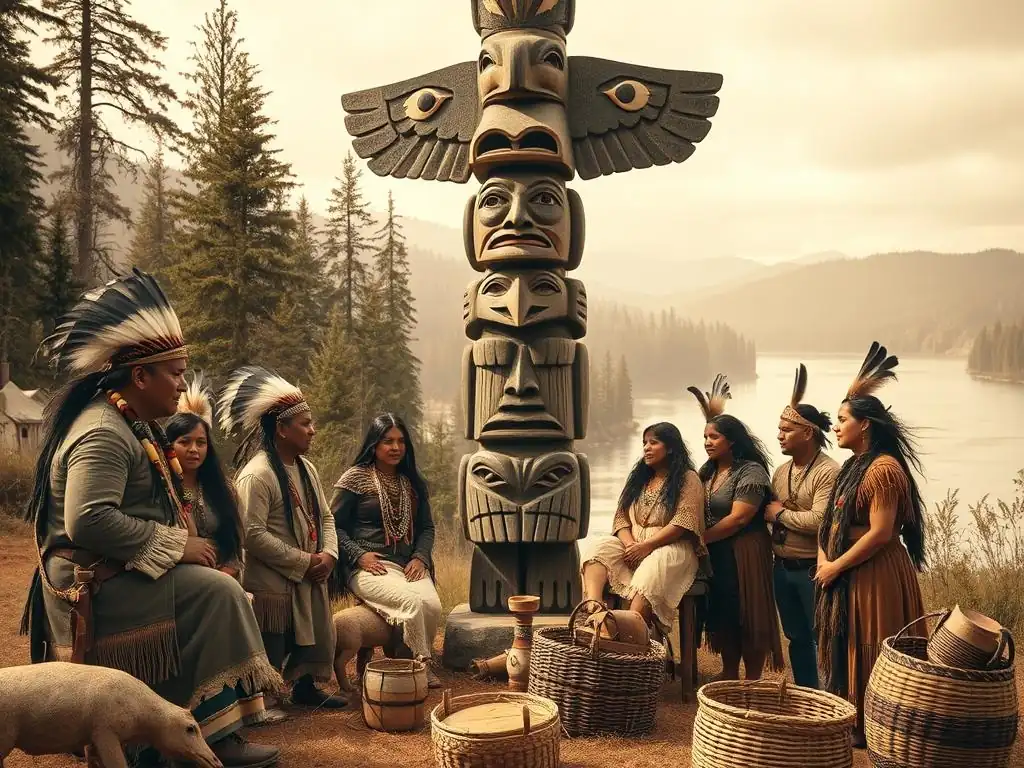
The journey toward recognizing Indigenous achievements in history continues to evolve, shaped by ongoing dialogues between Indigenous communities, historians, and national institutions. This section explores the future initiatives aimed at enhancing the visibility and appreciation of Indigenous contributions to history and culture.
Initiatives to Highlight Indigenous Achievements in History
Several initiatives are underway globally to ensure that Indigenous achievements are integrated into national narratives. These initiatives focus on education, cultural preservation, and public acknowledgment of Indigenous contributions. Some key efforts include:
- Educational Reform: Many educational institutions are revising their curricula to include Indigenous history, perspectives, and achievements. This involves:
- Developing comprehensive resources that reflect Indigenous knowledge systems.
- Training educators to teach Indigenous narratives with accuracy and respect.
- Cultural Heritage Programs: Governments and organizations are investing in programs that support the preservation of Indigenous languages, arts, and traditions. Examples include:
- Funding for language revitalization projects that aim to recover endangered languages.
- Support for cultural festivals that celebrate Indigenous arts and heritage.
- Public Awareness Campaigns: Initiatives aimed at raising awareness about Indigenous achievements often include:
- Media projects, such as documentaries and podcasts that highlight significant figures and events in Indigenous history.
- Community events that showcase Indigenous innovations, such as agricultural practices and ecological knowledge.
These initiatives not only celebrate Indigenous achievements but also foster greater understanding and respect among broader society.
Collaborations Between Indigenous Communities and National Institutions
Collaboration between Indigenous communities and national institutions is crucial for effective recognition of Indigenous achievements in history. Such partnerships can take various forms, including:
- Advisory Councils: Many countries are establishing advisory councils that involve Indigenous leaders in decision-making processes regarding historical narratives. These councils can:
- Provide insights into the significance of particular achievements and events.
- Ensure that Indigenous perspectives are authentically represented in museums and educational materials.
- Joint Research Projects: Collaborative research initiatives between Indigenous scholars and academic institutions aim to document and promote Indigenous history. This includes:
- Co-authoring research papers that highlight Indigenous achievements, ensuring that Indigenous voices are central to the narrative.
- Archiving oral histories that might otherwise be overlooked by conventional historical records.
- Cultural Exchange Programs: Programs that facilitate cultural exchange between Indigenous communities and the broader population can lead to mutual understanding and recognition. These may involve:
- Workshops where Indigenous artisans teach traditional crafts to non-Indigenous participants.
- Events that invite community members to engage with Indigenous storytelling and performances.
Through these collaborations, Indigenous communities can assert their place in national narratives, ensuring that their achievements are recognized and celebrated as an integral part of history.
Conclusion: Embracing Indigenous Achievements for a United Future
As the world continues to evolve, the recognition of Indigenous achievements in history becomes increasingly important in shaping modern national identities. This acknowledgment not only highlights the rich tapestry of cultural heritage but also fosters a deeper understanding of the contributions that Indigenous peoples have made to society. Embracing these achievements is essential for creating inclusive national narratives that honor the past while paving the way for a unified future.
The Importance of Inclusive National Narratives
Inclusive national narratives play a crucial role in redefining how societies perceive their history. By integrating Indigenous achievements into these narratives, nations can:
- Enhance Cultural Identity: Acknowledging the contributions of Indigenous peoples allows for a broader, more accurate representation of a nation's identity. This recognition affirms the significance of Indigenous cultures and their role in shaping the present.
- Foster Reconciliation: Inclusive narratives can serve as a foundation for reconciliation between Indigenous and non-Indigenous populations. By recognizing historical injustices and celebrating Indigenous achievements, societies can begin to heal and build stronger connections.
- Promote Education: A comprehensive understanding of Indigenous history encourages educational institutions to include diverse perspectives in their curricula. This, in turn, cultivates respect and appreciation among younger generations for the rich cultural heritage that Indigenous peoples offer.
- Catalyze Social Change: When Indigenous achievements are celebrated, it can lead to greater advocacy for Indigenous rights and issues. This recognition can empower Indigenous communities, encouraging them to assert their rights and preserve their cultures.
By weaving Indigenous achievements into the fabric of national narratives, societies can create a more complete and truthful historical account that reflects the diversity of their citizens.
Encouraging Continued Recognition of Indigenous Contributions
To ensure that Indigenous achievements remain a significant part of national conversations, several strategies can be adopted:
- Policy Reforms: Governments can implement policies that promote the inclusion of Indigenous histories in educational systems and public discourse. This may include funding for Indigenous programs, scholarships, and partnerships with Indigenous organizations.
- Public Awareness Campaigns: Raising awareness through campaigns that celebrate Indigenous cultures and achievements can promote understanding and appreciation among the broader population. Events, exhibitions, and digital platforms can serve as powerful tools for storytelling.
- Cultural Preservation Initiatives: Supporting initiatives aimed at preserving Indigenous languages, traditions, and practices is vital. These efforts not only honor the past but also ensure that future generations can connect with their cultural heritage.
- Collaboration with Indigenous Leaders: Engaging with Indigenous leaders and communities in discussions about their history and achievements fosters a sense of ownership and empowerment. Collaborative projects can lead to authentic representation and celebration of Indigenous contributions.
By actively encouraging the recognition of Indigenous achievements in history, societies can work towards a more inclusive future that acknowledges the resilience and richness of Indigenous cultures. Such efforts not only honor the past but also inspire a collective identity that embraces diversity and unity.
Frequently Asked Questions
What are some key indigenous achievements in history?
Indigenous peoples made significant contributions in areas such as agriculture, architecture, and governance, with innovations like maize cultivation and advanced urban planning in cities like Tenochtitlán.
How have indigenous cultures influenced modern societies?
Many aspects of modern life, including agricultural practices and sustainable living principles, are rooted in indigenous knowledge and traditions that emphasize harmony with nature.
Why is it important to recognize indigenous achievements?
Recognizing indigenous achievements is crucial for acknowledging their historical significance and contributions, fostering greater cultural respect and understanding in national narratives.
How do contemporary societies embrace indigenous narratives?
Contemporary societies are increasingly integrating indigenous perspectives into educational curricula, public policies, and cultural programs, promoting awareness and celebration of their histories and achievements.
What challenges do indigenous achievements face in historical narratives?
Despite their contributions, indigenous achievements are often underrepresented or misrepresented in mainstream histories, necessitating ongoing efforts to amplify their voices and stories.
Final Reflection: Celebrating Indigenous Achievements in History
The recognition of Indigenous achievements in history is not just a matter of acknowledgment; it is a vital step toward healing and reconciliation. As we navigate the complexities of our national narratives, it becomes increasingly clear that embracing these achievements enriches our collective identity and fosters a deeper understanding of our shared past. The stories of resilience and triumph among Indigenous communities are not merely historical footnotes; they are powerful testaments to the enduring spirit of those who have shaped our nation.
Cultural narratives are continuously evolving, and the inclusion of Indigenous achievements plays a crucial role in this transformation. The impact of recognizing these contributions extends beyond historical accounts; it influences contemporary society by fostering respect, understanding, and collaboration among diverse communities. As we reflect on the words of Indigenous leader and activist Winona LaDuke, The future will be about the stories we tell ourselves.
This highlights the importance of integrating Indigenous perspectives into our national dialogue, ensuring that their voices are heard and celebrated in the broader context of history.
As we move forward, I invite you to reflect on how you can contribute to the recognition of Indigenous achievements in your own life. Consider engaging with Indigenous narratives, supporting Indigenous artists and leaders, and advocating for inclusive education that honors their history. By doing so, you not only enrich your understanding but also participate in a collective movement toward a more equitable and respectful society. Let us commit to celebrating the resilience and achievements of Indigenous peoples, ensuring their stories are woven into the fabric of our national identity for generations to come.
Embrace and Elevate Indigenous Stories Today!
Thank you for joining us on this journey through the exploration of Indigenous achievements and their vital role in shaping our national narratives. You have gained insights into the resilience and rich contributions of Indigenous cultures—now it's time to take action!
Here’s how you can help foster this meaningful dialogue:
- Join the conversation: Share this article with your friends and on social media to raise awareness about the impact of Indigenous achievements on our society.
- Dive deeper: Investigate local Indigenous resources, attend community events, or read more about Indigenous cultures to enhance your understanding.
- Be an ally: Support Indigenous artists, businesses, and initiatives in your community to directly contribute to the empowerment of these groups.
What steps will you take to ensure that Indigenous stories continue to thrive and be recognized in our shared history?