
From HunterGatherers to Agrarian Society: The Early Days of the Maya

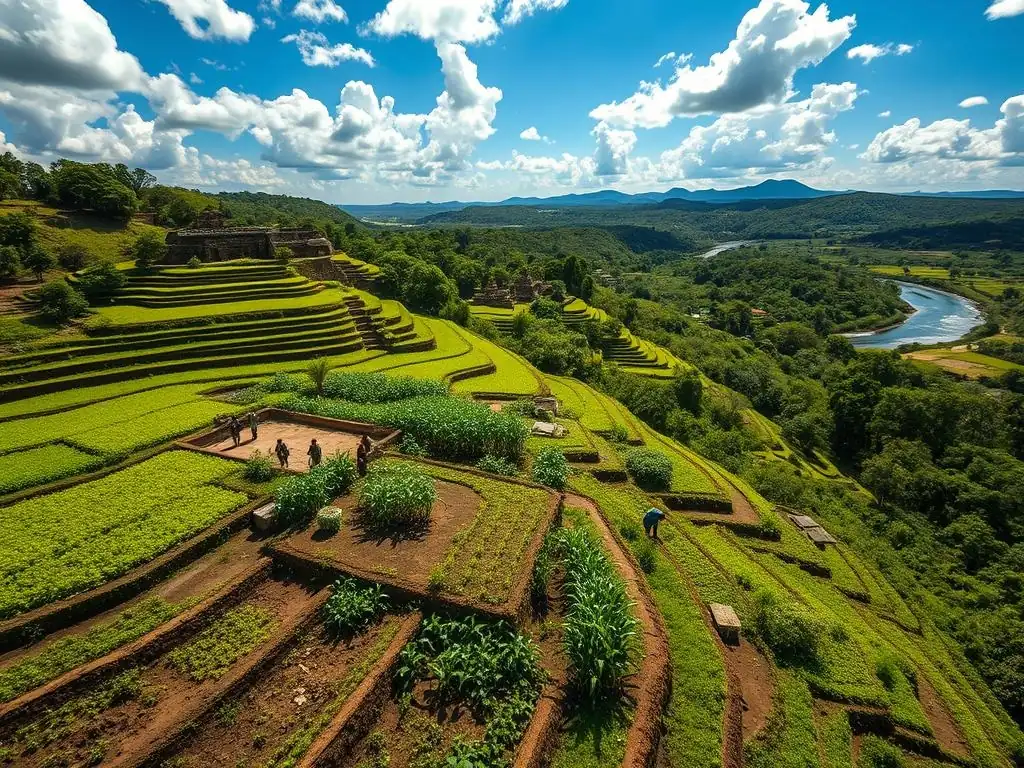
Welcome to Indigenous Civilizations of the Americas, where we take you on a journey through the rich tapestry of indigenous cultures that flourished long before European contact. Here, you will uncover the remarkable achievements and intricate societies that laid the foundation for future generations. Dive into our featured article, “From Hunter-Gatherers to Agrarian Society: The Early Days of the Maya,” and discover how the Maya early agrarian society transformed their way of life and influenced the landscape of the Americas. Prepare to be captivated by the stories and legacies of these vibrant civilizations—your exploration begins now!
- Introduction to the Maya Early Agrarian Society
- Understanding Hunter-Gatherer Societies in Mesoamerica
- The Shift to Agrarian Society in Maya Civilization
- The Emergence of the Maya Early Agrarian Society
- The Impact of Agriculture on Maya Societal Development
- The Cultural and Technological Innovations of the Early Maya
- Conclusion: The Legacy of the Early Agrarian Society of the Maya
-
Frequently Asked Questions
- What were the key characteristics of the Maya early agrarian society?
- How did the transition from hunter-gatherers to agrarian societies affect the Maya?
- What agricultural techniques did the Maya employ in their early society?
- How did the achievements of the Maya influence later cultures?
- What is the lasting impact of the Maya civilization today?
- Final Reflection: Embracing the Legacy of the Maya Early Agrarian Society
- Unveil the Legacy: Connect with Maya Heritage Today!
Introduction to the Maya Early Agrarian Society
The transition from a hunter-gatherer lifestyle to an agrarian society marks a pivotal moment in the history of the Maya civilization. This evolution not only transformed the daily lives of the Maya people but also laid the foundation for one of the most sophisticated cultures in the Americas. Understanding the early agrarian society of the Maya provides insights into their social structures, economic practices, and cultural developments that flourished long before European contact. This article delves into the complexities of this transformation, exploring how the Maya adapted to their environment and the subsequent impact on their civilization.
Overview of the Maya Civilization
The Maya civilization, known for its rich cultural heritage, advanced knowledge of astronomy, and intricate writing systems, emerged in what is now Mexico, Guatemala, Belize, and parts of Honduras and El Salvador. Key features of the Maya civilization include:
- City-States: The Maya formed numerous city-states, each with its own political structure and social hierarchy. Notable cities such as Tikal, Palenque, and Copán served as cultural and economic centers.
- Agricultural Innovations: The Maya developed sophisticated agricultural techniques, including slash-and-burn farming and terracing, which allowed them to cultivate a variety of crops such as maize, beans, and squash.
- Cultural Achievements: The Maya are renowned for their achievements in art, architecture, mathematics, and astronomy. Their iconic pyramids and temples are testaments to their engineering prowess and spiritual beliefs.
The emergence of agrarian society was a crucial turning point that enabled the Maya to sustain larger populations and develop complex social structures.
Significance of the Transition from Hunter-Gatherers to Agrarian Society
The shift from a hunter-gatherer lifestyle to an agrarian society was significant for the Maya for several reasons:
- Population Growth: With the advent of agriculture, the Maya could support larger communities, leading to increased population densities. This growth facilitated the rise of urban centers and a more complex societal organization.
- Economic Stability: Agriculture provided a more reliable food source compared to hunting and gathering. As a result, the Maya were able to establish trade networks and economic systems that supported diverse crafts and goods.
- Cultural Development: The security afforded by agrarian society allowed for advancements in arts, religion, and science. The Maya could invest time in their cultural practices, leading to the development of a unique identity that emphasized their connection to the land and the cosmos.
- Social Hierarchies: As agrarian societies grew, social stratification emerged. Leaders and elites began to arise, often linked to religious authority, which played a crucial role in the governance and rituals of Maya society.
The transition to an agrarian society was not merely a change in subsistence strategies; it represented a profound transformation that shaped the Maya civilization's trajectory for centuries to come. By examining this shift, we gain a deeper understanding of the resilience and adaptability of the Maya people as they navigated their environment and created a lasting legacy.
Understanding Hunter-Gatherer Societies in Mesoamerica
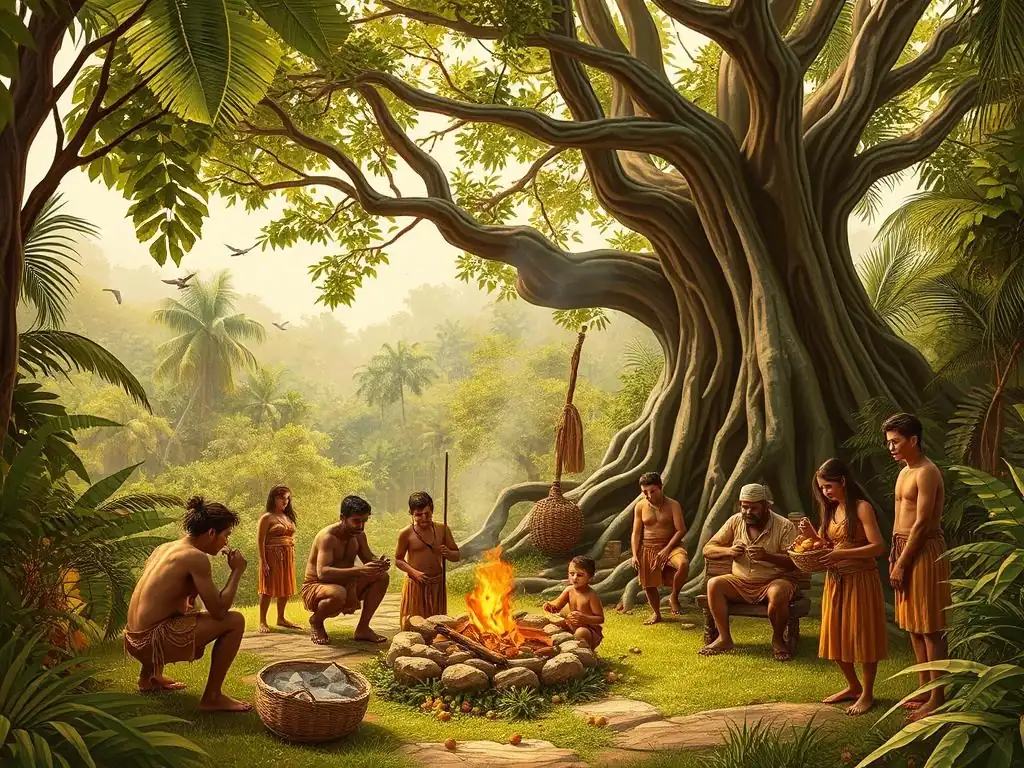
The hunter-gatherer societies that populated Mesoamerica laid the foundational social and economic structures that would later evolve into more complex agrarian societies, such as the Maya early agrarian society. These groups relied on a combination of foraging, hunting, and gathering to meet their subsistence needs, adapting to the diverse environments of the region.
Characteristics of Hunter-Gatherer Lifestyles
Hunter-gatherer societies in Mesoamerica were characterized by their mobility, social organization, and resource utilization. Here are some key characteristics:
- Mobility: These societies were generally nomadic or semi-nomadic, moving in search of resources. Seasonal migration patterns were common, as groups followed the availability of game and plant resources.
- Social Structure: Social organization was often egalitarian, with kinship ties playing a significant role in group dynamics. Leadership typically emerged based on skill sets rather than formal hierarchies. Decisions were made collectively, reflecting the communal nature of these societies.
- Subsistence Strategies: Hunter-gatherers utilized a diverse range of resources. They hunted animals such as deer, rabbits, and birds, while also gathering wild fruits, nuts, seeds, and tubers. This varied diet was crucial for their survival and adaptability.
- Material Culture: Tools and technologies were primarily made from stone, bone, and wood. The creation of tools such as projectile points and digging sticks facilitated hunting and foraging, while decorative items indicated social status and cultural identity.
- Cultural Practices: Spiritual beliefs and practices were deeply intertwined with the natural world. Rituals often revolved around hunting and gathering, emphasizing the relationship between humans and the environment.
The Role of Environment in Maya Hunter-Gatherer Communities
The environment played a pivotal role in shaping the lifestyles of Maya hunter-gatherer communities. Their adaptation to different ecological zones influenced their subsistence strategies, social organization, and eventual transition to agrarian societies.
- Ecological Diversity: Mesoamerica features a range of ecosystems, including tropical rainforests, arid regions, and highlands. This diversity allowed hunter-gatherers to exploit various resources. For instance, those in the lowland areas focused on fishing and gathering tropical fruits, while highland communities hunted game and foraged for wild tubers.
- Climate Influence: Climatic conditions affected resource availability. Seasonal changes dictated migration patterns and foraging strategies. During dry seasons, groups might have moved to areas with more abundant water sources or food supplies.
- Development of Local Knowledge: Over time, hunter-gatherer societies accumulated extensive knowledge about their environment. This understanding included the identification of edible plants, animal behavior, and seasonal patterns, which became essential for survival and laid the groundwork for agricultural practices.
- Transition to Agriculture: As climatic conditions shifted towards the end of the Archaic period, hunter-gatherer groups began to experiment with the domestication of certain plants and animals. This gradual transition marked the early stages of the Maya early agrarian society, where cultivation became increasingly central to their way of life.
The hunter-gatherer societies of Mesoamerica were dynamic and adaptive, with their lifestyles deeply influenced by their environment. This adaptability not only ensured their survival but also set the stage for the emergence of the sophisticated agrarian societies that would follow, including the Maya civilization.
The Shift to Agrarian Society in Maya Civilization
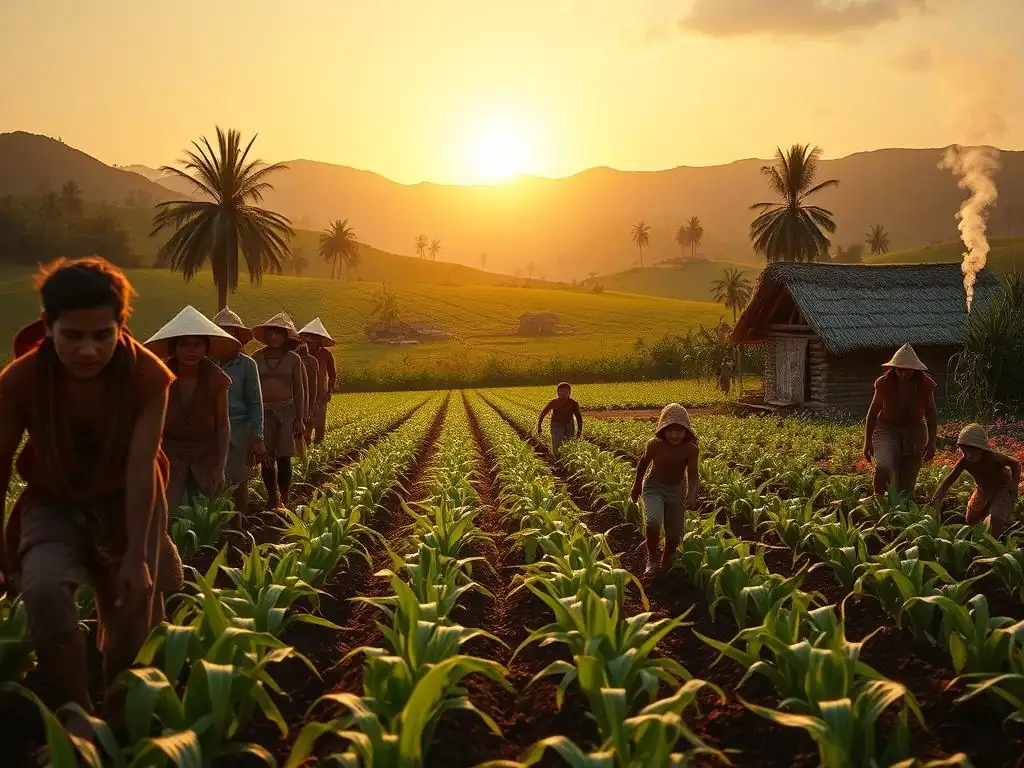
The transition from a hunter-gatherer lifestyle to an agrarian society marked a pivotal moment in the development of Maya civilization. This shift, occurring around 2000 BCE, involved the domestication of plants and animals, leading to significant changes in social structure, economy, and culture. As the Maya began to cultivate crops, they laid the groundwork for complex societies that would flourish for centuries.
Factors Leading to the Development of Agriculture
Several key factors contributed to the emergence of agriculture in Maya society:
- Environmental Conditions:
- The diverse ecosystems in the region, including tropical forests and fertile river valleys, provided ideal conditions for growing crops.
- The Maya utilized the unique characteristics of their environment, such as the rainy season, to optimize agricultural production.
- Population Growth:
- As populations began to increase, the demand for more reliable food sources intensified.
- Settlements grew larger, and the need for sustainable practices became essential for maintaining community health and stability.
- Cultural Practices:
- The Maya had a rich cultural tradition that included rituals and beliefs surrounding agriculture.
- Farming became intertwined with their spiritual practices, promoting a deeper connection to the land.
- Technological Innovations:
- The development of tools and techniques like slash-and-burn agriculture and the use of raised fields allowed the Maya to enhance their agricultural efficiency.
- Innovations in irrigation and crop management further supported the transition to agrarian practices.
- Social Organization:
- The shift to agriculture prompted changes in social structures, as communities began to organize labor for farming and food production.
- Hierarchies emerged, leading to the establishment of leadership roles that facilitated the management of resources and agricultural activities.
Early Agricultural Practices of the Maya
The early agricultural practices of the Maya were characterized by several distinct methods and crops:
- Key Crops:
- The Maya primarily cultivated maize (corn), beans, and squash, which formed the basis of their diet. These crops were often referred to as the "Mesoamerican triad."
- Other important crops included chili peppers, tomatoes, and various fruits, which contributed to the diversity of their agricultural output.
- Agricultural Techniques:
- Slash-and-Burn Farming: This method involved clearing land by cutting down vegetation and burning it to enrich the soil with nutrients. After a few years of cultivation, the land would be left fallow to recover.
- Terracing: In hilly areas, the Maya constructed terraces to maximize arable land and prevent soil erosion, allowing them to cultivate crops on steep slopes.
- Crop Rotation and Intercropping:
- To maintain soil fertility and reduce pests, the Maya practiced crop rotation and intercropping, planting different crops in proximity to one another for mutual benefit.
- Community Involvement:
- Farming was often a communal effort, with families and neighbors working together to plant, tend, and harvest crops. This collaboration fostered a strong sense of community and interdependence.
- Storage and Preservation:
- The Maya developed techniques for storing surplus crops, such as drying and smoking, to ensure food availability during lean seasons. Granaries and storage pits were common features in Maya settlements.
The evolution of early agrarian society among the Maya not only transformed their daily lives but also set the stage for the emergence of one of the most sophisticated civilizations in the Americas. The agricultural advancements they made were crucial in supporting larger populations and the development of complex societal structures.
The Emergence of the Maya Early Agrarian Society
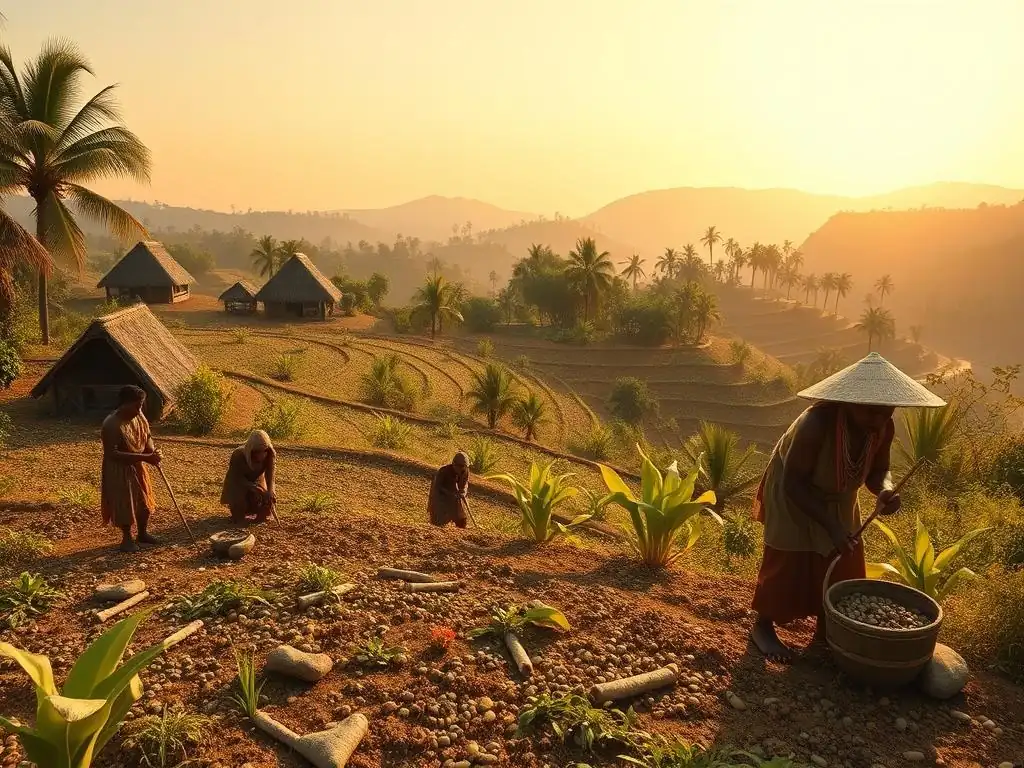
The transition from hunter-gatherer lifestyles to agrarian societies marked a pivotal moment in the development of the Maya civilization. This transformation, occurring around 2000 BCE, was driven by a variety of environmental, social, and technological factors that enabled the Maya to cultivate the land efficiently.
The introduction of agriculture allowed the Maya to settle in one place, leading to the establishment of permanent communities and the growth of complex societies. This shift not only improved food security but also facilitated population growth and the development of social hierarchies. The agrarian society encouraged specialization of labor, which led to advancements in crafts, trade, and governance.
The agricultural practices of the Maya were closely tied to their understanding of the natural world, incorporating elements such as the calendar and celestial observations into their farming methods. The Maya developed innovative techniques such as slash-and-burn agriculture and terracing, which maximized their agricultural output in the diverse environments of Mesoamerica.
Key Crops Cultivated by the Maya
The Maya cultivated a variety of crops that were essential for their sustenance and cultural practices. The most significant crops included:
- Maize (Corn): The staple food of the Maya, maize was utilized in numerous forms, from tortillas to beverages.
- Beans: Often grown alongside maize, beans provided essential proteins and nutrients, creating a complementary food system.
- Squash: This versatile crop was grown for its flesh and seeds, contributing to the Maya diet.
- Chili Peppers: Widely used in Maya cuisine, chili peppers added flavor and spice to their dishes.
- Cacao: Highly valued, cacao was used both as a food source and in ceremonial contexts, often associated with wealth and status.
The cultivation of these crops was not just about sustenance; it was deeply embedded in the Maya's cultural and spiritual life. Agricultural rituals were common, as the Maya sought to ensure favorable conditions for their crops.
The Importance of Maize in Maya Culture
Maize held a central place in Maya culture and mythology. It was not only the basis of their diet but also a symbol of life and fertility. The significance of maize is reflected in various aspects of Maya life:
- Cultural Identity: Maize was considered a gift from the gods, and many creation myths revolve around its origins. The Maya believed they were made from maize, which reinforced its importance in their identity.
- Rituals and Ceremonies: The planting and harvesting of maize were accompanied by rituals to honor the gods, ensuring a bountiful harvest. Festivals celebrating maize were integral to Maya society.
- Economic Trade: Maize served as a form of currency and a trade commodity, highlighting its economic importance in the region.
The reverence for maize within Maya culture illustrates how agriculture shaped their worldview, social structures, and interactions with the environment.
Community Structures in Agrarian Societies
As the Maya transitioned into agrarian societies, their community structures evolved significantly. The shift from nomadic to settled lifestyles allowed for the development of more complex social organizations:
- Villages and City-States: Permanent settlements grew into villages and, eventually, city-states, each with its own governance and social hierarchy.
- Social Stratification: The development of agriculture led to wealth accumulation, resulting in distinct social classes, including elites, artisans, and laborers.
- Religious Leaders: With agriculture's significance in daily life, religious leaders often played key roles in community governance, overseeing rituals and agricultural practices.
- Trade Networks: Agrarian surplus allowed the Maya to establish extensive trade networks, facilitating the exchange of goods and ideas with other cultures.
These community structures were crucial in shaping the Maya civilization's political, economic, and social landscapes, ultimately contributing to its lasting legacy in Mesoamerican history.
The emergence of the Maya early agrarian society marked a transformative period that laid the foundation for one of the most sophisticated civilizations in the Americas. Through the cultivation of key crops, the cultural significance of maize, and the development of complex community structures, the Maya adapted to their environment and thrived for centuries.
The Impact of Agriculture on Maya Societal Development
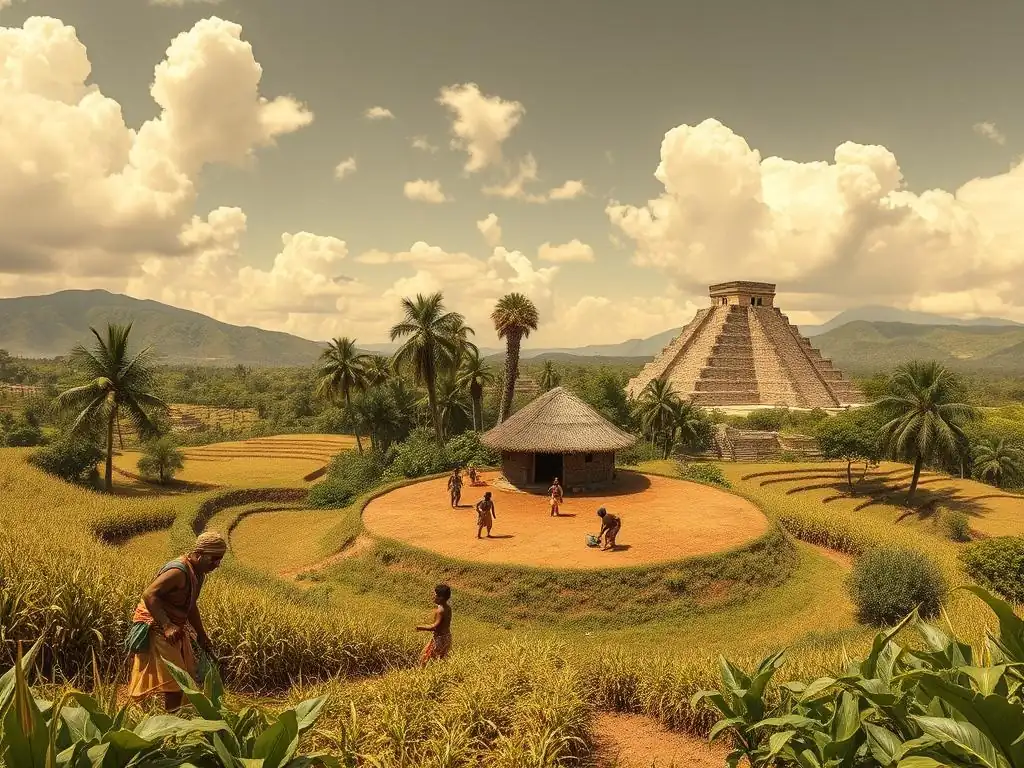
Agriculture played a transformative role in the development of Maya society, fundamentally altering their way of life from nomadic hunting and gathering to a more structured agrarian existence. This transition provided the foundation for the establishment of complex societies, marked by advances in social organization, urbanization, and economic systems.
The adoption of agriculture allowed the Maya to cultivate staple crops such as maize, beans, and squash, leading to increased food security. This reliable food source contributed to population growth and the ability to support larger communities, ultimately paving the way for the emergence of sophisticated city-states.
The shift to an agrarian society initiated significant changes in the social organization of the Maya. Prior to agriculture, the Maya were primarily nomadic, moving in bands to follow game and gather wild plants. With the establishment of agricultural practices, social structures became more hierarchical and complex.
- Emergence of Social Classes: As agricultural productivity increased, so did the differentiation of roles within communities. A class of elites emerged, consisting of leaders, priests, and landowners, while the majority of the population became skilled laborers and farmers. This stratification laid the groundwork for a more organized society.
- Increased Collaboration: Agricultural practices required cooperation among community members for tasks such as planting, harvesting, and irrigation management. This collaboration fostered a sense of unity and led to the establishment of communal decision-making processes, which were essential for managing resources and planning for the future.
- Religious and Ceremonial Roles: The agrarian lifestyle also influenced the religious practices of the Maya. Agricultural cycles became intertwined with spirituality, leading to the establishment of religious leaders who oversaw rituals aimed at ensuring bountiful harvests. These practices reinforced the social hierarchy, as the elite often controlled religious ceremonies.
Rise of Permanent Settlements and Urbanization
The establishment of agriculture directly contributed to the rise of permanent settlements, marking a significant shift in the Maya way of life.
- Construction of Villages: As communities settled to farm, they began to construct permanent structures, leading to the development of villages. These early settlements featured homes made from local materials and communal spaces for gatherings.
- Urban Centers: Over time, some of these villages evolved into urban centers, characterized by monumental architecture, plazas, and ceremonial sites. The most notable examples include cities like Tikal and Copán, which emerged as social, political, and economic hubs.
- Infrastructure Development: The need for efficient transportation and trade routes prompted the construction of roads and canals, facilitating movement and communication between settlements. This infrastructure supported the growing population and interconnected communities, further promoting urbanization.
Trade and Economy in Early Agrarian Maya Society
The agrarian lifestyle also led to the development of complex trade networks and economic systems within Maya society.
- Surplus Production: With the introduction of agriculture, the Maya were able to produce surplus food, which became a key driver of trade. Communities began exchanging excess crops for goods they could not produce themselves, such as obsidian, textiles, and luxury items.
- Marketplaces: The rise of permanent settlements and urban centers fostered the creation of marketplaces, where goods could be traded. These marketplaces became vital for economic exchange and social interaction, enhancing the overall prosperity of Maya society.
- Specialization of Labor: As trade expanded, so did the specialization of labor. Artisans and craftsmen emerged, producing goods for trade, which further stimulated economic growth. This specialization allowed for greater innovation in tools, pottery, and textiles, reflecting the sophistication of Maya society.
The transition to an early agrarian society had a profound impact on the Maya civilization, reshaping their social organization, promoting urbanization, and facilitating the development of trade and economic systems. These changes laid the groundwork for the rich and complex culture that characterized the Maya during their peak.
The Cultural and Technological Innovations of the Early Maya
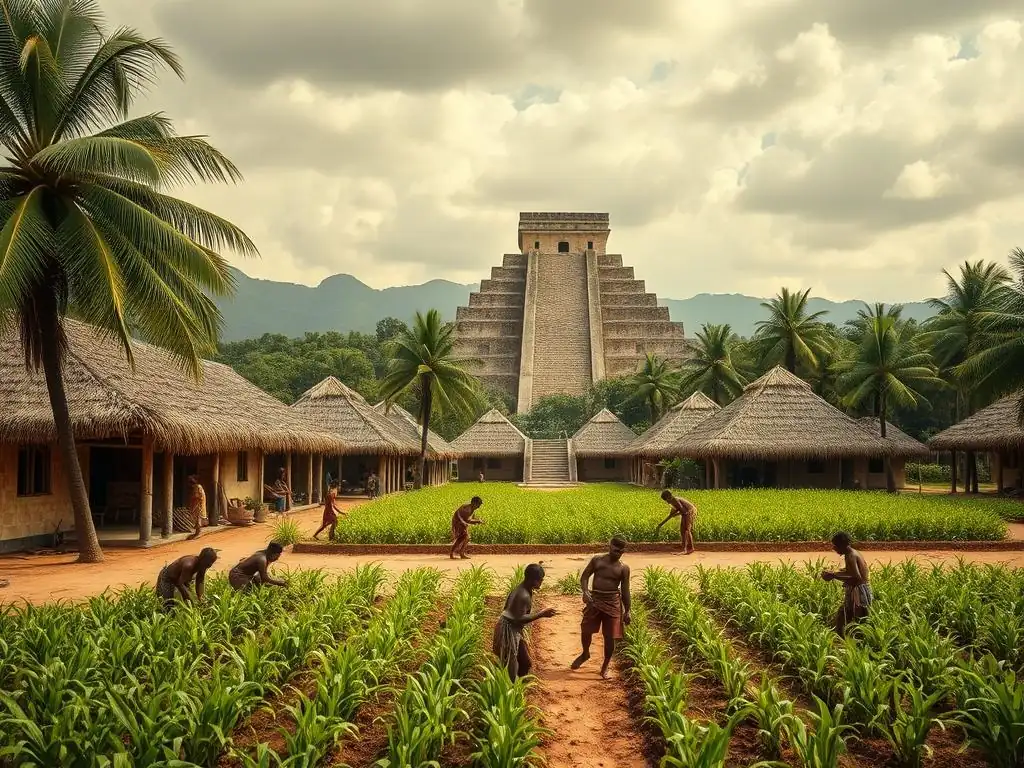
The early Maya civilization is renowned for its remarkable cultural and technological innovations that laid the foundation for a complex society. These advancements not only facilitated their transition from hunter-gatherer communities to a thriving agrarian society but also contributed significantly to their urban development and cultural identity.
Advances in Agricultural Techniques
One of the most critical factors in the emergence of the Maya early agrarian society was the development of sophisticated agricultural techniques. The Maya adopted various methods to cultivate their land effectively, ensuring a stable food supply that supported population growth and urbanization.
- Milpa System: The Maya practiced a form of shifting cultivation known as the milpa system, which involved clearing a patch of forest, planting crops like maize, beans, and squash, and then allowing the land to rest. This method enhanced soil fertility and biodiversity, allowing for sustainable farming practices.
- Terracing: In hilly areas, the Maya constructed terraces to optimize arable land. These terraces reduced soil erosion and improved water retention, enabling them to cultivate crops in otherwise challenging terrains.
- Irrigation: The development of irrigation systems, including canals and reservoirs, was crucial for managing water resources. By controlling water flow to their fields, the Maya could cultivate crops during the dry season, significantly increasing their agricultural output.
- Crop Diversity: The Maya cultivated a wide variety of crops, which not only provided balanced nutrition but also mitigated the risks associated with crop failure. This agricultural diversity included staples such as maize, beans, and sweet potatoes, along with cacao and cotton, which were vital for trade.
These techniques exemplify the Maya's deep understanding of their environment and their ability to innovate in response to agricultural challenges, ultimately supporting a complex agrarian society.
Contributions to Architecture and Urban Planning
As the early Maya transitioned to an agrarian society, their architectural and urban planning innovations became increasingly significant. This period saw the rise of impressive city-states characterized by monumental architecture, reflecting their social organization and cultural values.
- City Layout: The Maya established city layouts that featured central plazas surrounded by temples, palaces, and administrative buildings. This organization not only facilitated governance and social interaction but also emphasized the importance of ceremonial life.
- Pyramids and Temples: The construction of step pyramids, such as those found in Tikal and Calakmul, showcased the Maya's architectural prowess. These structures served both religious and political purposes, symbolizing the connection between the divine and the ruling elite.
- Stelae and Altars: The Maya erected stelae—tall stone monuments inscribed with hieroglyphic texts—along with altars to commemorate rulers and significant events. These features played a crucial role in the political and religious landscape, reinforcing the power of the elite.
- Urban Centers: The emergence of urban centers like Copán and Palenque marked the height of Maya civilization during the Classic period. These cities became hubs of trade, culture, and governance, showcasing the intricate social hierarchies and cultural achievements of the Maya.
The cultural and technological innovations of the early Maya, particularly in agricultural techniques and architectural contributions, were instrumental in shaping a society that would flourish for centuries. Their advancements not only facilitated their transition to an agrarian lifestyle but also established a legacy of cultural richness and architectural brilliance that continues to captivate scholars and enthusiasts today.
Conclusion: The Legacy of the Early Agrarian Society of the Maya
The early agrarian society of the Maya represents a pivotal transformation in the history of Mesoamerica, laying the groundwork for the complexities of later Maya civilizations. This shift from a predominantly hunter-gatherer lifestyle to an agrarian society was not merely a change in subsistence patterns but a profound societal evolution that influenced various aspects of Maya life, including social structure, economy, and culture.
The cultivation of crops such as maize, beans, and squash allowed for a more stable food supply, which enabled the Maya to establish permanent settlements. These early agrarian communities became the nucleus of Maya civilization, fostering advancements in architecture, art, and governance. The legacy of this agrarian foundation is evident in the sophisticated city-states that emerged, characterized by monumental architecture, elaborate trade networks, and rich cultural expressions.
Lasting Impact on Later Maya Civilizations
The agrarian practices established during the early days of the Maya had a lasting impact on subsequent Maya civilizations. The techniques developed for farming, such as slash-and-burn agriculture and terracing, were refined over centuries and became integral to sustaining large populations. This agricultural prowess facilitated the rise of powerful city-states like Tikal, Calakmul, and Palenque, each with intricate political structures and cultural achievements.
Moreover, the social organization that emerged from these agrarian societies laid the groundwork for the hierarchical structures seen in later Maya cultures. As agriculture thrived, it allowed for the emergence of specialized roles within society, including artisans, priests, and rulers. This specialization not only fostered economic growth but also contributed to the rich tapestry of Maya mythology and religion, where agricultural cycles were deeply intertwined with spiritual beliefs.
The impact of early agrarian society is also reflected in the Maya's impressive achievements in mathematics, astronomy, and writing. The need to manage agricultural production and predict seasonal changes led to advancements in these fields, culminating in one of the most developed civilizations of the ancient Americas.
Reflections on the Importance of Agrarian Development in Indigenous Cultures
The transition to agrarian society among the Maya is a significant illustration of the broader trends observed in indigenous cultures worldwide. Agrarian development played a crucial role in the evolution of complex societies, demonstrating the ingenuity and adaptability of indigenous peoples in response to their environments.
The ability to cultivate land not only transformed the Maya's subsistence strategies but also fostered communal ties and cultural identities. As families and communities settled around agricultural practices, they developed systems of governance, trade, and social organization that were essential for their survival and prosperity.
Furthermore, the agrarian foundation of Maya society highlights the importance of sustainability and ecological knowledge in indigenous cultures. The Maya's deep understanding of their environment enabled them to cultivate crops in harmony with their surroundings, a practice that offers valuable lessons for contemporary agricultural practices and environmental stewardship.
The early agrarian society of the Maya was not just a phase of development; it was a transformative era that shaped the trajectory of one of the most remarkable civilizations in the history of the Americas. The legacy of this agrarian society continues to resonate, emphasizing the importance of agriculture in the formation of complex societies and the enduring impact of indigenous cultures on our understanding of human history.
Frequently Asked Questions
What were the key characteristics of the Maya early agrarian society?
The Maya early agrarian society was marked by advanced agricultural practices, including the cultivation of maize, beans, and squash, which supported larger populations and complex social structures.
How did the transition from hunter-gatherers to agrarian societies affect the Maya?
The shift allowed the Maya to establish permanent settlements, leading to the development of cities, sophisticated political systems, and cultural achievements that laid the groundwork for their civilization.
What agricultural techniques did the Maya employ in their early society?
The Maya utilized slash-and-burn agriculture, terracing, and irrigation systems to enhance crop production, which were critical for sustaining their growing population and communities.
How did the achievements of the Maya influence later cultures?
The Maya early agrarian society contributed significantly to later cultures through their advancements in mathematics, astronomy, and architecture, which shaped the cultural landscape of Mesoamerica.
What is the lasting impact of the Maya civilization today?
The Maya civilization's legacy endures through their cultural practices, languages, and historical contributions, which continue to influence modern Indigenous communities in the Americas.
Final Reflection: Embracing the Legacy of the Maya Early Agrarian Society
The transition from hunter-gatherers to an agrarian society marked a pivotal moment in human history, and the Maya exemplified this transformation with remarkable ingenuity and resilience. Today, as we navigate the complexities of modern life, understanding the foundations laid by the Maya early agrarian society can provide us with valuable insights into sustainability, community, and the interconnectedness of our existence. The lessons learned from their agricultural practices and social structures resonate now more than ever, reminding us of the importance of nurturing our environment and each other.
The influence of the Maya's agrarian lifestyle extends far beyond their historical context; it continues to shape our cultural and social landscapes today. The principles of cooperation, resource management, and respect for nature that the Maya embodied serve as a blueprint for contemporary societies grappling with environmental challenges and social disparities. As we reflect on their legacy, we are reminded of the words of Maya scholar David Freidel: The ancient Maya were not just builders of cities; they were architects of a sustainable future.
This perspective invites us to recognize the enduring impact of their innovations and the potential for our own societies to learn from their example.
As we conclude our exploration of the Maya early agrarian society, I invite you to reflect on how these ancient practices can inspire your own life. Consider the ways in which you can cultivate sustainability in your daily routines, foster community connections, and honor the lessons of the past. Each small action contributes to a larger narrative, echoing the resilience and creativity of the Maya. Let us carry forward their legacy, not just as a historical curiosity, but as a guiding light for a more harmonious and sustainable future.
Unveil the Legacy: Connect with Maya Heritage Today!
Thank you for diving into the fascinating journey of the Maya from hunter-gatherers to an agrarian society! We hope you gained valuable insights into their vibrant culture and the innovations that shaped their civilizations. Now it's time to take that knowledge and engage with Maya heritage in meaningful ways.
Here are some actionable steps you can take:
- Explore local museums or cultural events that showcase the rich history and artifacts of the Maya, deepening your understanding and appreciation.
- Join or support organizations dedicated to indigenous rights and the preservation of Maya culture, ensuring that these legacies continue for future generations.
- Start a conversation with friends or family about your newfound knowledge; sharing insights ignites curiosity and fosters connections to diverse histories.
What aspect of Maya culture captivates you the most, and how can you incorporate that interest into your everyday life?