
The Evolution of Maize: A Journey Through Indigenous Agricultural Mastery

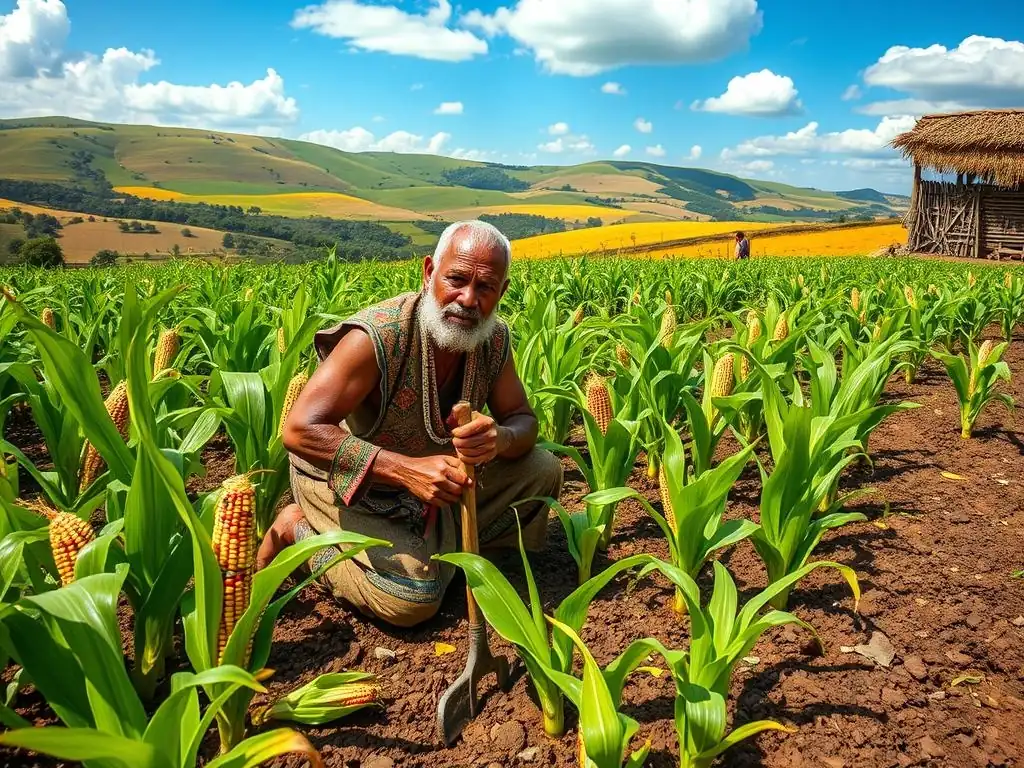
Welcome to Indigenous Civilizations of the Americas, where we embark on an enlightening journey through the rich tapestry of cultures that flourished long before European contact. Here, you’ll uncover the remarkable Indigenous maize agricultural techniques that not only sustained communities but revolutionized farming practices across the continent. Delve into our featured article, The Evolution of Maize: A Journey Through Indigenous Agricultural Mastery, and discover how these ancient innovations continue to influence modern agriculture. Join us as we celebrate the ingenuity and enduring legacy of indigenous peoples and their contributions to our world today.
The story of maize is not just a tale about a crop; it is a profound journey that reflects the ingenuity and resilience of Indigenous cultures across the Americas. Before European colonization, Indigenous peoples developed sophisticated agricultural techniques that transformed maize into a staple food, shaping their societies, economies, and spiritual practices.
This article delves into the rich history of Indigenous maize agricultural techniques, highlighting their significance and the remarkable journey of maize from its wild ancestors to the diverse varieties we see today. By exploring the evolution of maize, we can better understand the complex relationship between Indigenous civilizations and their environment, as well as the enduring impact of these agricultural practices on contemporary society.
Introduction to Indigenous Maize Agricultural Techniques
Indigenous maize agricultural techniques encompass a wide array of practices that reflect a deep understanding of local ecosystems and sustainable farming methods. These techniques were not only about cultivation but also involved intricate knowledge of soil health, crop rotation, and companion planting. Indigenous farmers employed diverse methods to ensure high yields and resilience against pests and diseases, which were crucial for sustaining their communities.
- Key Techniques:
- Intercropping: Growing maize alongside beans and squash, known as the "Three Sisters," to promote biodiversity and nutrient exchange.
- Terracing: Constructing terraces in hilly regions to prevent soil erosion and to manage water runoff effectively.
- Crop Rotation: Alternating different crops to maintain soil fertility and disrupt pest cycles.
These practices highlight the sustainable approaches that Indigenous peoples implemented, which can inform modern agricultural methods in the face of contemporary environmental challenges.
Importance of Maize in Indigenous Cultures
Maize held immense significance in the lives of Indigenous peoples, serving not only as a primary food source but also as a cultural symbol. It played a crucial role in rituals, ceremonies, and social cohesion. The cultivation of maize was often intertwined with spiritual beliefs, as many Indigenous communities viewed it as a gift from the gods.
- Cultural Significance:
- Mythology and Religion: Maize is central to many creation myths, symbolizing life and sustenance.
- Festivals and Rites: Celebrations such as harvest festivals are deeply rooted in maize cultivation, highlighting its importance in community life.
- Economic Impact: Maize was a key trade commodity, fostering economic relationships between different tribes and regions.
Overview of Maize Domestication History
The domestication of maize is a remarkable tale that spans thousands of years. It began from the wild grass teosinte, which underwent significant changes through selective breeding by Indigenous peoples. This process not only transformed the plant's physical characteristics but also its role within various societies.
- Timeline of Domestication:
- 9000 BCE: Evidence of early teosinte cultivation in southern Mexico.
- 3000 BCE: Maize becomes a staple crop in Mesoamerica, with significant agricultural advancements.
- 1500 CE: The spread of maize throughout North America, becoming integral to various Indigenous cultures.
The success of maize as a domesticated crop illustrates the profound agricultural knowledge possessed by Indigenous civilizations, which continues to inspire modern agricultural practices.
The Origins of Maize Cultivation
The origins of maize cultivation can be traced back to the early interactions between humans and the wild grasses of the Americas. Understanding this journey sheds light on the innovative techniques developed by Indigenous peoples to cultivate maize successfully and sustainably.
The Ancestral Grains: Teosinte and Early Maize
Teosinte, the wild ancestor of maize, is a key player in the narrative of agricultural evolution. Its transformation into the maize we recognize today involved complex processes of selection and cultivation by Indigenous farmers.
- Characteristics of Teosinte:
- Physical Features: Smaller ears and fewer kernels compared to modern maize.
- Genetic Diversity: A rich source of genetic material that contributed to the development of numerous maize varieties.
The transition from teosinte to early maize demonstrates the ingenuity of Indigenous peoples in manipulating their environment to enhance food security.
Geographic Spread of Maize in Ancient Americas
As maize cultivation expanded throughout the Americas, it adapted to diverse climates and ecosystems, becoming a fundamental crop for various Indigenous cultures.
- Regions of Cultivation:
- Mesoamerica: The heart of maize domestication, where it became a dietary staple.
- North America: Gradual adoption by tribes across the continent, integrating maize into their agricultural systems.
The spread of maize not only transformed diets but also influenced social structures, trade networks, and cultural exchanges among Indigenous peoples, forming a rich tapestry of agricultural history that continues to resonate today.
Indigenous Agricultural Mastery: Techniques and Innovations
Indigenous peoples of the Americas demonstrated remarkable ingenuity in agricultural practices, particularly in the cultivation of maize. Their mastery over the land and crops was characterized by a deep understanding of local ecosystems, which they utilized to develop sophisticated farming techniques. Innovations such as crop rotation, companion planting, and the creation of diverse agricultural systems allowed for sustainable maize production. These practices not only ensured food security but also fostered rich agricultural biodiversity.
The process of domesticating maize itself is a testament to indigenous agricultural mastery. Through selective breeding, early farmers transformed the wild grass teosinte into the nutrient-rich and high-yielding maize varieties we recognize today. This transformation involved generations of knowledge passed down through oral traditions, enabling communities to adapt and refine their agricultural techniques over time.
Traditional Farming Methods
Traditional farming methods among indigenous peoples varied widely across regions but commonly included practices such as slash-and-burn agriculture, where patches of forest were cleared and burned to enrich the soil with nutrients. This technique not only promoted the growth of maize and other crops but also facilitated the regeneration of forests, contributing to ecosystem health.
Another prevalent method was the use of raised beds or mounds, known as milpas, which were designed to improve drainage and maintain soil temperature. These mounds often supported the cultivation of multiple crops, including beans and squash, alongside maize, creating a sustainable agricultural system known as the "Three Sisters." This method not only maximized land use but also enhanced soil fertility through the complementary growth of these plants.
Irrigation Techniques and Water Management
The development of irrigation techniques was crucial for maize cultivation in regions with variable rainfall. Indigenous communities constructed elaborate canal systems, particularly in areas such as the American Southwest and Mesoamerica. These systems allowed for the efficient distribution of water to maize fields, significantly increasing yields.
In addition to canals, indigenous farmers employed techniques such as terracing on hilly or mountainous terrains, which minimized soil erosion and allowed for better water retention. The careful management of water resources demonstrated a sophisticated understanding of hydrology, enabling communities to thrive in challenging environments.
Seed Selection and Preservation Methods
Seed selection and preservation were fundamental aspects of indigenous agricultural practices. Farmers engaged in meticulous selection processes to identify the most resilient and productive maize varieties. This practice not only enhanced crop yields but also ensured that maize could adapt to changing climatic conditions.
Indigenous peoples also developed various methods for seed preservation. Techniques such as drying seeds, storing them in cool, dry places, and using clay pots helped maintain seed viability over long periods. This knowledge ensured that communities could replant crops year after year, fostering agricultural sustainability.
The Role of Maize in Indigenous Societies
Maize was not merely a staple food for indigenous peoples; it played a pivotal role in the social, cultural, and economic fabric of their societies. Its cultivation and consumption were deeply intertwined with spiritual beliefs, community identity, and social practices.
Cultural Significance of Maize
Maize held profound cultural significance for many indigenous groups. It was often regarded as a gift from the gods and featured prominently in religious ceremonies, rituals, and myths. For instance, the Hopi people of the Southwest celebrate the "Maize Ceremony," which honors the plant's life cycle and its importance for sustenance.
Moreover, many indigenous languages incorporated terms related to maize, reflecting its centrality in daily life and cultural expression. The act of maize cultivation was often accompanied by songs and storytelling, further embedding its significance within community traditions.
Economic Impact of Maize Production
The economic impact of maize production was substantial within indigenous societies. As a primary food source, maize supported population growth and allowed for the establishment of complex societies. The surplus produced through advanced agricultural techniques enabled trade between different communities, fostering economic networks that spanned vast distances.
Additionally, maize became a critical component in various indigenous economies. It was not only consumed but also processed into diverse products such as tortillas, tamales, and beverages like atole and chicha. This versatility increased its economic value, ensuring that maize remained at the heart of indigenous culinary traditions and trade practices.
Through these multifaceted roles, maize solidified its status as a vital crop within indigenous cultures, reflecting the intricate relationship between agriculture, economy, and identity.
Sustainable Practices in Indigenous Maize Agriculture
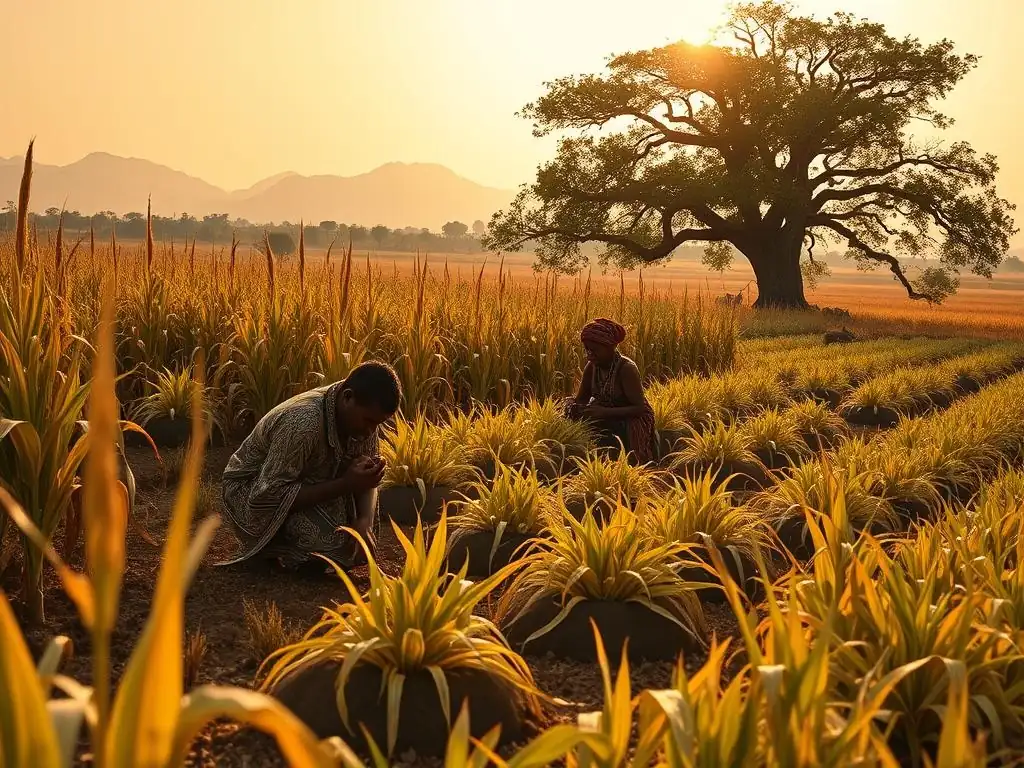
Indigenous maize agricultural techniques are often rooted in sustainable practices that prioritize environmental balance and community well-being. These practices have evolved over thousands of years, allowing indigenous communities to optimize maize production while respecting ecological limits.
One prominent approach is the practice of crop rotation, where maize is alternated with other crops such as beans and squash. This method not only helps replenish soil nutrients but also reduces pest populations. Additionally, intercropping is commonly used, where maize is grown alongside companion plants. This not only maximizes land use but also enhances biodiversity and minimizes the need for chemical fertilizers.
Moreover, indigenous farmers often employ natural pest control strategies, utilizing local flora and fauna to manage pests. For instance, planting marigolds alongside maize can deter harmful insects due to their natural repellent properties. These practices reflect a deep understanding of ecological interdependence and the importance of maintaining healthy ecosystems.
Agroecological Principles in Maize Cultivation
Agroecological principles are fundamental to indigenous maize cultivation, emphasizing the integration of ecological health, social equity, and economic viability. Central to this approach is the recognition of local ecosystems and the adaptation of farming techniques to fit specific environmental conditions. Indigenous farmers have traditionally selected maize varieties that are well-suited to their local climate, soil types, and water availability, ensuring resilience against changing environmental factors.
The principle of diversity is also paramount. Indigenous maize agriculture thrives on cultivating a variety of maize strains, each with unique traits such as flavor, color, and resistance to pests. This genetic diversity not only increases agricultural resilience but also contributes to food security within communities.
Additionally, indigenous farmers often engage in community-based resource management, where agricultural practices are shared and developed collectively. This fosters a sense of stewardship over the land, as communities work together to uphold sustainable maize farming practices that are both economically viable and environmentally sound.
Biodiversity and Ecosystem Management
Biodiversity plays a crucial role in indigenous maize agricultural techniques, providing a foundation for sustainable ecosystem management. Indigenous communities have historically cultivated maize in conjunction with a variety of other crops, enhancing the resilience of their agricultural systems.
Polyculture, the practice of growing multiple crops in the same space, allows for a more balanced ecosystem. By planting maize alongside beans, squash, and other plants, indigenous farmers create a synergistic environment where crops benefit from one another. For example, beans can fix nitrogen in the soil, benefiting maize growth, while squash can cover the ground, reducing weeds and retaining soil moisture.
Furthermore, the conservation of traditional maize varieties contributes significantly to biodiversity. These heirloom strains, often adapted over generations, are better suited to withstand local pests and diseases, thereby reducing the need for external inputs like pesticides. This biodiversity is not just crucial for agricultural stability; it also plays a vital role in cultural identity and heritage, as many indigenous communities hold deep spiritual and practical connections to the varieties they cultivate.
Case Studies: Indigenous Communities and Maize Agriculture
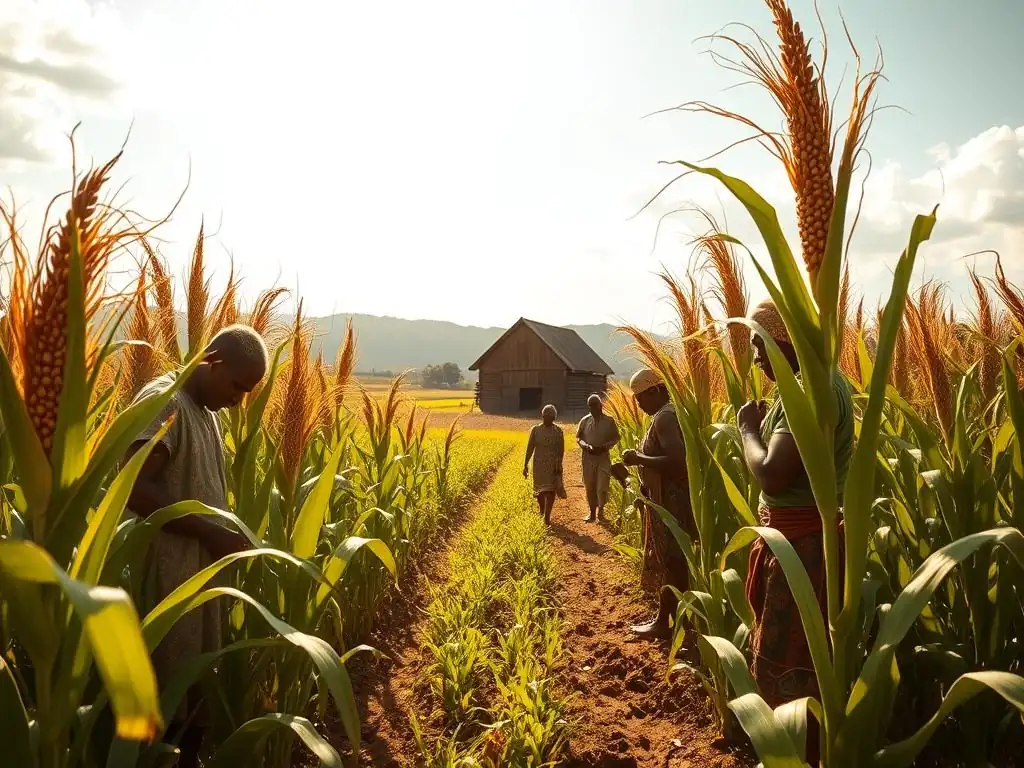
The Hopi Tribe and Their Unique Maize Varieties
The Hopi Tribe, residing in the northeastern region of Arizona, is notable for its unique and diverse maize varieties, which are integral to their cultural identity and agricultural practices. The Hopi have cultivated distinct types of maize, including blue, white, and yellow corn, each with its own significance in ceremonies and daily life.
The Hopi approach to agriculture emphasizes the importance of traditional knowledge passed down through generations. Their farming techniques include dry farming methods that are particularly suited to the arid environment of the Southwest. By planting maize in rows and utilizing techniques like mulching to retain moisture, the Hopi maximize their yields despite limited water resources.
In addition to agricultural practices, maize plays a significant role in Hopi culture, symbolizing sustenance and community. The Hopi hold festivals and ceremonies centered around maize, celebrating its growth and harvest, which reinforces the connection between their agricultural practices and cultural identity.
The Maya Civilization and Maize as a Cornerstone of Society
The Maya civilization, which flourished in Central America, placed maize at the very heart of their society. For the Maya, maize was not only a staple food but also a vital element of their cosmology, mythology, and daily life. The term "maize" is derived from the word "Zea mays," which the Maya considered sacred, linking it to their gods and creation stories.
Mayan agricultural techniques included slash-and-burn farming, also known as shifting cultivation, where forested areas were cleared and burned to enrich the soil with nutrients. This method allowed for the cultivation of maize in rotation with other crops, maintaining soil fertility over time. The Maya also developed sophisticated irrigation systems to optimize water use, showcasing their advanced understanding of hydrology and environmental management.
Moreover, maize production was intricately woven into the social fabric of the Maya civilization, with various rituals and ceremonies dedicated to the maize harvest. The Maya’s reliance on maize contributed to their economic systems, trade networks, and ultimately, their cultural legacy, demonstrating the profound impact of indigenous agricultural techniques on societal development.
The Legacy of Indigenous Maize Agricultural Techniques
The legacy of indigenous maize agricultural techniques is profound, underscoring the ingenuity and adaptability of indigenous civilizations across the Americas. Maize, or corn, was not merely a staple food source; it was deeply interwoven into the cultural, spiritual, and economic fabric of numerous societies. Indigenous peoples cultivated a remarkable diversity of maize varieties, each adapted to specific ecological niches and climatic conditions.
Through techniques such as selective breeding, intercropping, and the development of sophisticated irrigation systems, indigenous farmers maximized yields while maintaining soil fertility. This agricultural mastery allowed them to create thriving communities that could support large populations. The methods developed over centuries reflect a profound understanding of the environment and sustainable practices that have influenced agricultural systems globally.
Additionally, the cultivation of maize brought about significant social changes, facilitating trade networks and the establishment of complex societies. These advancements laid the groundwork for the emergence of powerful civilizations, such as the Maya, Aztec, and Inca, each of which celebrated maize in their mythology, rituals, and daily life. The legacy of their agricultural techniques continues to inspire modern practices and highlights the importance of indigenous knowledge in contemporary agriculture.
Influence on Modern Agriculture
The influence of indigenous maize agricultural techniques on modern agriculture is significant and far-reaching. Many contemporary farming practices can trace their roots back to the innovations developed by indigenous peoples. Techniques such as crop rotation, polyculture, and organic fertilization have their origins in these ancient agricultural systems.
For instance, the practice of intercropping—growing multiple crops in proximity—was utilized by indigenous maize farmers to enhance biodiversity and resilience against pests and diseases. This technique is now being revisited by modern agronomists seeking sustainable solutions to food production challenges.
Moreover, the genetic diversity of maize cultivated by indigenous farmers has contributed to the development of hybrid varieties that are more resilient to climate change. Researchers and agriculturalists are increasingly recognizing the value of these heirloom varieties, not only for their adaptability but also for their nutritional benefits. As the global agricultural community grapples with food security issues, the lessons learned from indigenous maize cultivation are proving invaluable.
Preservation of Indigenous Knowledge and Practices
The preservation of indigenous knowledge and practices regarding maize agriculture is crucial for future sustainability. This knowledge encompasses not only farming techniques but also the cultural significance of maize, which plays a central role in the identity and traditions of many indigenous communities.
Efforts to document and revitalize these practices have gained momentum in recent years. Organizations focused on indigenous rights and sustainable agriculture are working to ensure that traditional knowledge is not lost but rather integrated into modern agricultural practices.
Educational programs, cultural exchanges, and community-led initiatives are essential for fostering a deeper appreciation of indigenous agricultural wisdom. By prioritizing these practices, we contribute to the resilience of ecosystems and the empowerment of indigenous communities, ensuring that their invaluable contributions to agriculture are recognized and respected.
Conclusion: The Lasting Impact of Indigenous Maize Agricultural Mastery
The lasting impact of indigenous maize agricultural mastery is a testament to the deep-rooted connection between culture, agriculture, and sustainability. The techniques developed by indigenous peoples not only shaped their societies but also laid the groundwork for the global agricultural systems we rely on today.
Understanding the historical context of maize cultivation enriches our appreciation of food sovereignty and encourages us to adopt practices that honor the earth and its resources. The legacy of indigenous maize agriculture serves as a reminder of the importance of diversity in our food systems and the need to respect traditional knowledge.
Reflection on Sustainability and Future Practices
Reflecting on sustainability, the principles embedded in indigenous maize agricultural techniques offer valuable insights for contemporary farming. By embracing biodiversity, understanding local ecosystems, and prioritizing sustainable practices, modern agriculture can learn from the past to cultivate a more resilient future.
Sustainable farming practices inspired by indigenous methods promote soil health, enhance food security, and reduce dependence on chemical inputs. As we face challenges such as climate change and resource depletion, the integration of indigenous wisdom into agricultural policies and practices can pave the way for more sustainable food systems.
Call to Action: Recognizing Indigenous Contributions to Agriculture
It is crucial to recognize and celebrate the contributions of indigenous peoples to agriculture, particularly in the realm of maize cultivation. Acknowledging their expertise not only honors their heritage but also illuminates pathways towards more sustainable agricultural practices.
As consumers, policymakers, and educators, we should advocate for the inclusion of indigenous knowledge in agricultural research and development. Supporting indigenous rights and ensuring equitable access to land and resources is vital for the preservation of these invaluable agricultural techniques.
By actively promoting and integrating indigenous agricultural practices into modern systems, we can honor the legacy of indigenous maize mastery and work towards a more sustainable and equitable future for all. 🌽
- Introduction to Indigenous Maize Agricultural Techniques
- The Origins of Maize Cultivation
- Indigenous Agricultural Mastery: Techniques and Innovations
- The Role of Maize in Indigenous Societies
- Sustainable Practices in Indigenous Maize Agriculture
- Agroecological Principles in Maize Cultivation
- Biodiversity and Ecosystem Management
- Case Studies: Indigenous Communities and Maize Agriculture
- The Legacy of Indigenous Maize Agricultural Techniques
- Conclusion: The Lasting Impact of Indigenous Maize Agricultural Mastery
Frequently Asked Questions
What are indigenous maize agricultural techniques?
Indigenous maize agricultural techniques refer to the diverse methods developed by native cultures in the Americas for planting, cultivating, and harvesting maize, which were tailored to local environments and sustainable practices.
How did indigenous civilizations influence modern agriculture?
Indigenous civilizations significantly influenced modern agriculture by introducing innovative techniques such as crop rotation, companion planting, and the use of organic fertilizers, which are still relevant in today's sustainable farming practices.
What role did maize play in indigenous cultures?
Maize was a staple crop and held great cultural significance, serving as a primary food source, a symbol in various rituals, and a key component of social and economic structures within indigenous societies.
How can we learn from indigenous agricultural practices today?
We can learn from indigenous agricultural practices by studying their sustainable methods that prioritize biodiversity, soil health, and the use of local resources, which can help address contemporary environmental challenges.
What is the lasting impact of indigenous maize cultivation?
The lasting impact of indigenous maize cultivation includes the genetic diversity of modern maize varieties and the cultural traditions surrounding maize, which continue to influence food systems and cuisines across the Americas today.
Final Reflection: Embracing Indigenous Agricultural Wisdom for a Sustainable Future
The journey through the evolution of maize and its cultivation techniques reveals a profound connection between indigenous agricultural mastery and contemporary farming practices. Today, as we face the pressing challenges of climate change and food security, the wisdom embedded in indigenous maize agricultural techniques offers invaluable insights. The resilience and adaptability of these methods remind us that the past holds keys to a sustainable future, urging us to rethink our relationship with the land.
Cultural and social landscapes are continuously shaped by the agricultural practices we choose to embrace. The techniques developed by indigenous communities not only reflect a deep understanding of local ecosystems but also foster a sense of community and stewardship over the land. As we witness a resurgence of interest in sustainable agriculture, it is essential to acknowledge and honor these traditional practices. Indigenous knowledge is not just about the past; it is a living legacy that can guide us towards a more sustainable future.
This ongoing influence emphasizes the need for collaboration between modern agricultural science and indigenous wisdom.
As we reflect on the lessons learned from the evolution of maize, I invite you to consider how you can incorporate these insights into your own life and practices. Let us champion the preservation of indigenous agricultural techniques, not only as a means to enhance our food systems but also as a way to honor the cultures that have nurtured these practices for generations. By embracing this knowledge, we can cultivate a more sustainable and equitable future for all.
Unveil the Secrets of Indigenous Agricultural Wisdom!
Thank you for taking the time to explore the fascinating evolution of maize and its significance in Indigenous agricultural mastery. We hope you discovered how deeply intertwined this remarkable crop is with history, culture, and sustainability.
Now, it's your turn to engage with this knowledge and make a difference! Here’s how you can take action:
- Dive Deeper: Research local Indigenous communities and their agricultural practices. Discover how you can support their traditions and sustainability efforts.
- Share the Knowledge: Spread the word! Talk to friends or share this article on social media to raise awareness about the importance of Indigenous agriculture.
- Get Involved: Visit local farmers' markets where Indigenous crops are featured, or seek out workshops that celebrate traditional farming methods.
What aspect of Indigenous agricultural practices inspires you the most, and how will you incorporate these insights into your life?