
Water Management in Indigenous Cultures: Balancing Scarcity and Abundance

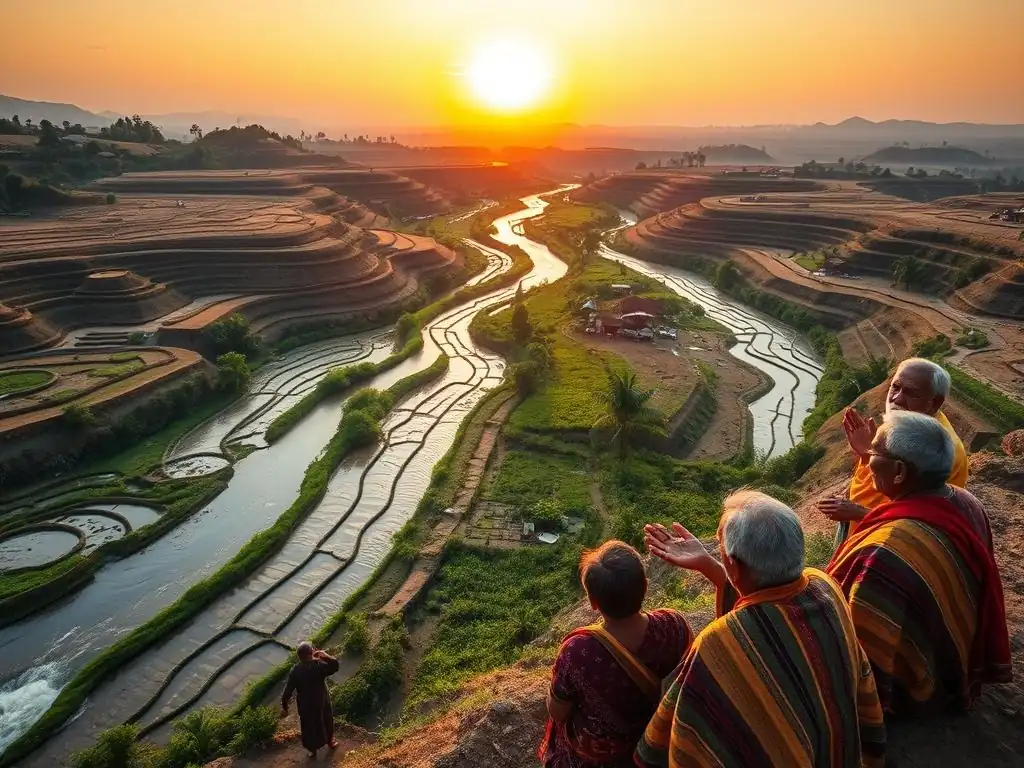
Welcome to Indigenous Civilizations of the Americas, where we embark on a journey through the rich tapestry of the indigenous cultures that flourished long before European colonization. Here, we delve deep into their remarkable achievements and enduring legacies, showcasing the ingenuity that shaped their societies. In our featured article, “Water Management in Indigenous Cultures: Balancing Scarcity and Abundance,” we unveil the sophisticated indigenous water management practices that not only ensured survival in challenging environments but also fostered a profound respect for nature.
Prepare to be inspired and enlightened as we explore these advanced techniques that continue to resonate in today’s conversations about sustainability and environmental stewardship. Dive in and discover the wisdom of the past that still holds relevance today!
Introduction to Indigenous Water Management Practices
Water is a vital resource that has shaped the development of civilizations across the globe. In the Americas, indigenous cultures have demonstrated remarkable ingenuity and adaptability in their water management practices, developing sophisticated systems that not only addressed the challenges posed by scarcity and abundance but also reflected their profound understanding of the environment.
This article delves into the various indigenous water management practices that emerged long before European colonization, showcasing how these communities balanced their needs with the sustainable use of water resources. By exploring the achievements and innovations in irrigation and cultivation technologies, we will highlight the lasting impact of these practices on contemporary water management and sustainability.
Overview of Indigenous Water Management
Indigenous water management practices were characterized by a deep respect for nature and a holistic approach to resource utilization. Different cultures across the Americas devised unique techniques tailored to their specific environments, often combining traditional knowledge with innovative solutions. Some notable practices include:
- Terracing: Used in mountainous regions to prevent soil erosion and maximize agricultural output.
- Canal systems: Developed by civilizations such as the Aztecs and the Hohokam to distribute water efficiently across vast agricultural fields.
- Rainwater harvesting: Employed by many indigenous groups to capture and store rainwater for dry seasons, ensuring a reliable water supply.
These practices not only sustained their communities but also contributed to the rich cultural tapestry of indigenous societies.
Importance of Water in Indigenous Cultures
Water was not merely a resource; it held profound cultural, spiritual, and social significance in indigenous societies. Many tribes viewed water as a sacred element essential to life and well-being. For instance, numerous indigenous myths and rituals are centered around water, emphasizing its role in creation and sustenance. Additionally, water sources often served as gathering places for communities, fostering social cohesion and collaboration in resource management. The indigenous perspective on water management highlights the interconnectedness of all living things and the importance of stewardship in preserving natural resources for future generations.
Historical Context of Water Management in Indigenous Societies
Understanding the historical context of water management in indigenous societies allows us to appreciate the complexity and depth of their practices. The strategies developed by these cultures were often influenced by their geographical landscapes, climate conditions, and social structures.
Indigenous Civilizations and Their Relationship with Water
From the Amazon rainforest to the arid deserts of the Southwest, indigenous civilizations exhibited diverse relationships with water. For example, the Inca civilization constructed an extensive network of aqueducts and irrigation canals to support agriculture in the Andean highlands, while the Pueblo peoples of the Southwest developed intricate systems of drought-resistant farming by utilizing seasonal floods and groundwater. These civilizations not only adapted to their environments but also transformed them, creating sustainable agricultural practices that supported large populations.
Traditional Water Sources and Their Significance
Indigenous peoples often relied on a variety of natural water sources, including rivers, lakes, and springs, which played crucial roles in their daily lives. Each source held specific significance:
- Rivers: Served as vital transportation routes and provided fish and wildlife for sustenance.
- Lakes: Offered a diverse range of resources, from aquatic plants to fresh water, essential for both drinking and agriculture.
- Springs: Considered sacred by many tribes, these sources were often integrated into cultural practices and held spiritual importance.
The management of these water sources was not only a practical necessity but also a reflection of the deep spiritual connection that indigenous cultures maintained with their environment, reinforcing the importance of sustainable practices in contemporary discussions about water management.
Key Indigenous Water Management Practices
Indigenous cultures across the Americas developed a range of sophisticated water management practices tailored to their unique environments. These practices were essential in ensuring sustainable access to water resources, particularly in regions prone to drought or unpredictable rainfall. Central to these practices were community-driven approaches that emphasized respect for nature and collective responsibility. Below are some key practices that exemplify indigenous water management:
- Terracing: Many indigenous groups, such as the Inca in the Andes, constructed terraces to maximize arable land and reduce soil erosion. These terraces helped capture and retain water, allowing for efficient agricultural practices in mountainous regions.
- Rainwater Harvesting: Various tribes, including the Pueblo peoples of the American Southwest, implemented systems to collect and store rainwater. This method ensured a reliable water supply during dry spells and showcased an adaptive response to arid climates.
- Wetland Management: Indigenous groups like the Akimel O'odham (Pima) of Arizona utilized wetlands for irrigation and food production. By managing these ecosystems, they enhanced biodiversity while sustaining their agricultural needs.
Techniques for Water Conservation in Indigenous Cultures
Indigenous cultures have historically employed various techniques to conserve water, reflecting their deep understanding of local ecosystems. These methods not only minimized water waste but also promoted ecological balance. Notable techniques include:
- Mulching: Applying organic materials to soil surfaces reduces evaporation and retains moisture. Indigenous farmers often used plant residues or other organic matter as mulch in their gardens.
- Crop Selection and Rotation: Many indigenous groups practiced selecting drought-resistant crops and rotating them to maintain soil health and minimize water use. This practice ensured that crops were well-suited to the local climate and conditions.
- Soil Management: Indigenous farmers often employed techniques such as using cover crops to enhance soil structure and moisture retention. This approach was vital in areas where soil degradation posed significant challenges.
Methods of Irrigation Used by Indigenous Peoples
Indigenous peoples developed innovative irrigation methods that were both effective and environmentally sustainable. These systems varied widely depending on the geography and climate of the region. Some prominent methods include:
- Canal Systems: The ancient Maya, for example, constructed extensive canal systems to divert water from rivers to their fields. These canals facilitated irrigation across vast areas and showcased advanced engineering skills.
- Check Dams: Many tribes, particularly in arid regions, built small check dams to slow water flow and enhance groundwater recharge. This method helped trap sediment and maintain water quality.
- Subsurface Irrigation: Some indigenous groups, like the Huichol in Mexico, utilized subsurface irrigation techniques to deliver water directly to plant roots, minimizing evaporation and maximizing efficiency.
Case Studies of Indigenous Water Management
Examining specific case studies provides valuable insights into the effectiveness and sustainability of indigenous water management practices. These examples illustrate the ingenuity and adaptability of these cultures in navigating water scarcity and abundance.
The Hopi Tribe and Their Water Practices
The Hopi Tribe, located in northeastern Arizona, has a rich history of water management tied closely to their agricultural practices. They developed a sophisticated dry farming technique that relied on rainwater harvesting and soil moisture conservation. Hopi farmers utilized a method known as “farming in the dry,” which involved planting crops such as corn and beans in well-prepared soil to maximize moisture retention. This practice not only ensured their survival in a challenging environment but also reinforced their cultural connection to the land and water.
The Māori of New Zealand and Their Techniques for Water Management
While geographically distinct, the Māori of New Zealand also present an inspiring example of indigenous water management. Their approach is characterized by a deep understanding of local ecosystems and the integration of water management with traditional agricultural practices. The Māori utilized a system of mahinga kai, or food cultivation areas, which included managing streams and wetlands to support fish and plant life. This holistic approach ensured that water use was sustainable and that resources were preserved for future generations.
Lessons Learned from Indigenous Water Management Case Studies
The study of indigenous water management practices offers important lessons for contemporary water challenges. Key takeaways include:
- Sustainability: Indigenous practices often emphasize long-term sustainability over short-term gains, highlighting the importance of ecological balance in water management.
- Community Involvement: Successful indigenous water management relies on collective action and community stewardship, illustrating the value of local knowledge and participation.
- Adaptability: Indigenous cultures have demonstrated remarkable adaptability to changing environments, providing valuable insights into resilience in the face of climate change and other challenges.
By learning from these practices and principles, modern societies can better address water scarcity issues while fostering greater respect for the natural world.
Balancing Scarcity and Abundance in Indigenous Water Management
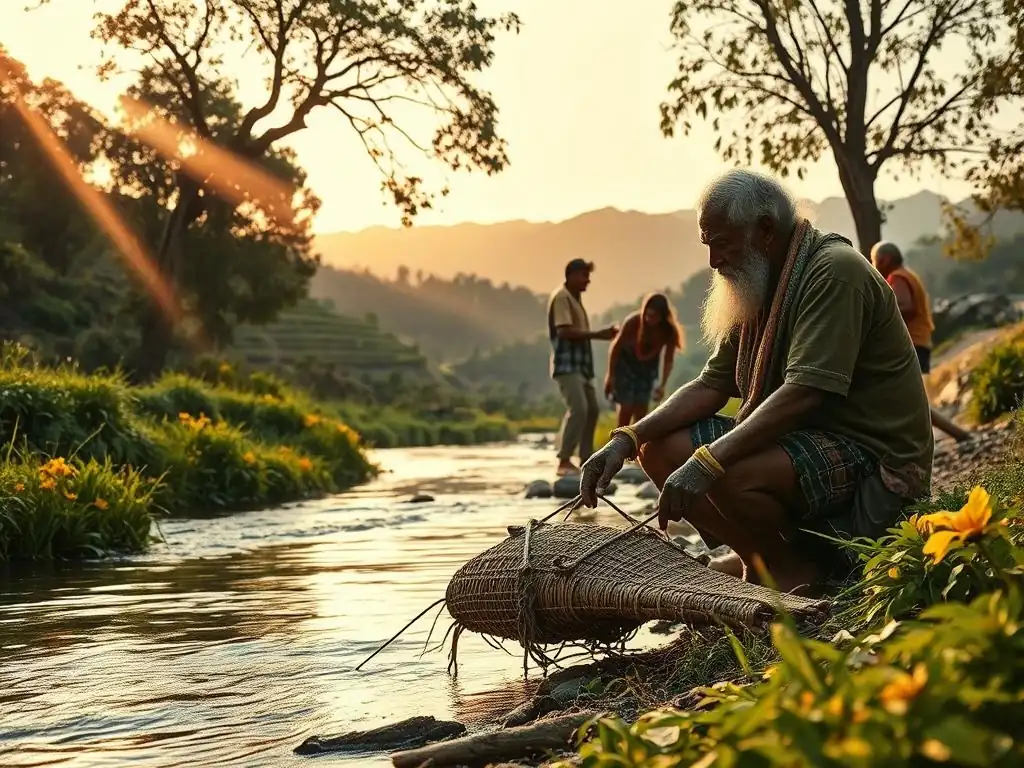
Indigenous cultures across the Americas exhibited remarkable ingenuity in their water management practices, adeptly balancing the dual challenges of scarcity and abundance. These societies developed sophisticated systems that not only addressed their immediate needs but also reflected a profound understanding of their environment. Central to this balance was the recognition that water is both a vital resource and a sacred element that underpins life. Many indigenous peoples viewed water as a living entity, deserving respect and stewardship.
The management of water resources was often tailored to the specific climatic and geographic conditions of each region. For instance, in arid areas, indigenous communities employed various techniques such as rainwater harvesting and the creation of cisterns, while in regions with abundant rainfall, they developed systems to prevent flooding and manage runoff. This adaptability illustrates a deep-rooted connection with the land and an understanding of ecological balance, emphasizing harmony with nature rather than domination over it.
Strategies for Managing Water Scarcity
Indigenous water management practices often involved intricate strategies designed to cope with limited water availability. One prominent method was the development of terracing and contour farming, which helped to maximize water retention in agricultural systems. By modifying the landscape, indigenous farmers could slow water runoff, allowing for greater infiltration and reducing soil erosion.
Additionally, many communities utilized traditional irrigation techniques, such as the construction of canals and aqueducts, to distribute water efficiently across fields. For example, the Hohokam people of the Southwestern United States created an extensive network of irrigation canals that transformed arid desert into fertile farmland, enabling sustainable agriculture for centuries.
Collecting and storing rainwater was another critical strategy. Various indigenous cultures built reservoirs or used natural depressions in the landscape to capture and store water during the rainy season, ensuring a reliable supply during drier months. These practices highlight an impressive understanding of hydrology and resource management, allowing communities to thrive despite environmental challenges.
Cultural Beliefs Surrounding Water Abundance
Water abundance held significant cultural and spiritual meaning for many indigenous peoples. It was often associated with fertility, life, and renewal, emphasizing the interconnectedness of all living things. Rituals and ceremonies dedicated to water often took place to honor its life-giving properties and to seek blessings for bountiful harvests.
For instance, in the Andean cultures, water is considered a sacred element linked to various deities. The Inca civilization revered the water goddess, Mama Cocha, and engaged in ceremonies to ensure adequate rainfall and river flow, reflecting their belief in the spiritual dimension of water management.
Moreover, stories and oral traditions often conveyed the importance of water as a resource to be respected and preserved. These cultural narratives served not only as a means of imparting knowledge about water management practices but also reinforced the ethical responsibility to protect water sources for future generations.
The Role of Community in Water Management
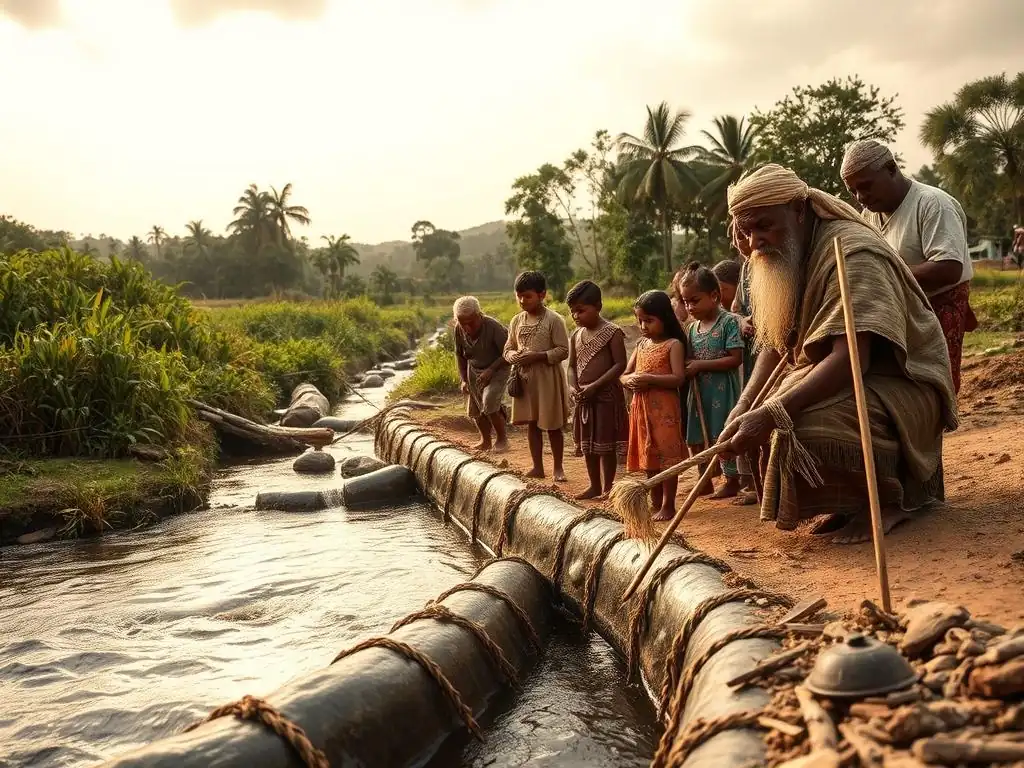
Community involvement was essential in the management of water resources among indigenous cultures. Decision-making processes were typically communal, ensuring that the needs and perspectives of various stakeholders were considered. This collective approach fostered a sense of responsibility and ownership over water resources, encouraging sustainable practices.
In many instances, indigenous groups established systems of governance that regulated water use and distribution. For example, in the Amazon, the Shipibo-Conibo people have community-led governance structures that oversee access to and management of water resources, ensuring equitable distribution and conservation efforts.
Moreover, collaborative efforts in water management often extended beyond individual communities. Indigenous groups frequently engaged in partnerships with neighboring tribes to share resources, knowledge, and techniques, thereby strengthening their collective resilience against water-related challenges.
Modern Implications of Indigenous Water Management Practices
The traditional water management practices of indigenous cultures remain highly relevant in contemporary society, particularly as the world faces increasing water scarcity due to climate change, urbanization, and industrialization. Many modern water management challenges mirror those faced by indigenous peoples centuries ago, making their time-tested strategies invaluable today.
Indigenous practices often emphasize sustainability and ecological balance, principles that are crucial in addressing current environmental crises. For instance, the techniques of rainwater harvesting and soil moisture conservation can be adapted and implemented in modern agricultural systems to enhance water efficiency and crop resilience.
Additionally, the holistic worldview of indigenous cultures, which views water as a communal resource, can inform contemporary discussions on water policy and management. This perspective emphasizes collaboration, inclusivity, and respect for natural ecosystems—ideas that align with the goals of sustainable development.
Integration of Indigenous Water Management with Modern Techniques
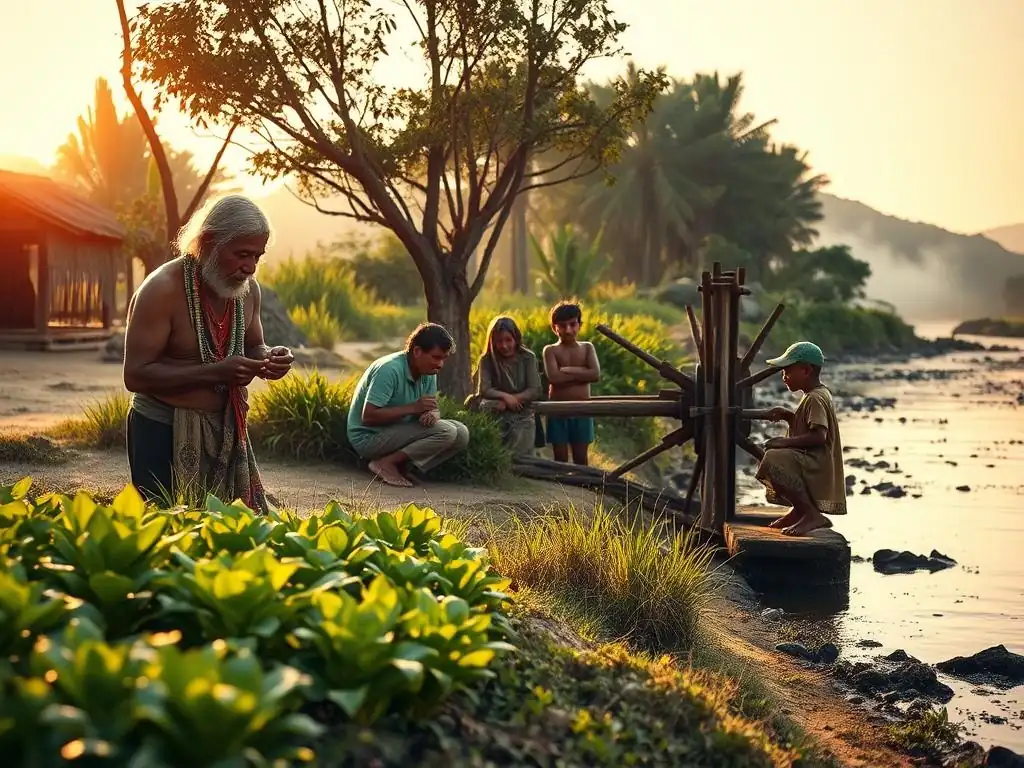
Integrating indigenous water management practices with modern techniques can lead to more effective and sustainable water resource management. Collaborative approaches, where indigenous knowledge systems are combined with contemporary scientific methods, have shown promise in various contexts.
For instance, in regions experiencing water scarcity, the integration of traditional irrigation techniques with modern technology, such as drip irrigation systems, can optimize water use while maintaining cultural practices. This fusion not only enhances agricultural productivity but also respects and preserves indigenous heritage.
Moreover, efforts are underway in some areas to involve indigenous communities in water management planning and decision-making processes, recognizing their unique expertise and understanding of local ecosystems. Such partnerships can foster innovative solutions that address both community needs and environmental concerns.
Policy Implications for Water Management
The recognition of indigenous water management practices has significant implications for contemporary water policy. Policymakers are increasingly acknowledging the importance of including indigenous knowledge and perspectives in water management frameworks. This shift is crucial for creating more equitable and sustainable policies that reflect the realities of diverse communities.
Incorporating indigenous rights into water management legislation can lead to more effective governance and resource allocation. For example, legal recognition of indigenous water rights can empower communities to manage their water resources according to traditional practices, fostering sustainability and resilience.
Furthermore, collaborative efforts between indigenous groups and governmental agencies can enhance water governance, resulting in policies that prioritize ecological integrity and cultural heritage. Such inclusive approaches not only help to address water scarcity but also promote social justice and environmental stewardship in the face of modern challenges.
Conclusion
Indigenous water management practices represent a profound understanding of the environment, showcasing the innovative ways in which these cultures adapted to diverse and often challenging landscapes. By utilizing local resources, developing sophisticated irrigation systems, and employing sustainable practices, indigenous peoples across the Americas created a harmonious balance with their ecosystems. This adaptability not only ensured their survival but also promoted the health of the surrounding environments.
As contemporary societies grapple with issues of water scarcity and environmental degradation, there is much to learn from these ancient practices. The principles of sustainability, community involvement, and respect for nature inherent in indigenous water management can serve as a guide for modern water management strategies. By recognizing and valuing the knowledge embedded in these traditions, we can work towards a more sustainable future that honors both the past and the present.
Summary of Indigenous Water Management Practices
Indigenous water management practices vary widely across the Americas, reflecting the diverse cultures and environments in which they developed. Some key practices include:
- Terracing and Raised Fields: Many indigenous groups, such as the Inca, utilized terracing techniques to cultivate crops in hilly terrains. This method not only maximized arable land but also minimized soil erosion and improved water retention.
- Canal Systems: The Hohokam people in the present-day southwestern United States constructed extensive canal systems to transport water from rivers to their fields, enabling large-scale agriculture in arid regions.
- Wetland Agriculture: Indigenous communities in the Amazon practiced wetland agriculture, utilizing the natural flooding cycles to enrich the soil and sustain crops throughout the year.
- Rainwater Harvesting: In areas with seasonal rainfall, many cultures developed systems to capture and store rainwater, ensuring a reliable water supply during dry periods.
These practices not only enabled efficient agricultural production but also fostered a deep respect for water as a vital resource, emphasizing conservation and stewardship.
The Lasting Impact of Indigenous Approaches to Water Management
The legacy of indigenous water management practices continues to influence contemporary environmental policies and agricultural techniques. Modern researchers and practitioners are increasingly recognizing the wisdom embedded in these long-standing traditions. Some notable impacts include:
- Sustainable Practices: Many indigenous methods are being integrated into modern agriculture, promoting sustainable practices that enhance biodiversity and reduce reliance on chemical inputs.
- Cultural Revitalization: Efforts to revive indigenous water management techniques contribute to cultural preservation and identity, allowing communities to reconnect with their heritage while addressing current environmental challenges.
- Collaboration and Policy: Indigenous knowledge systems are increasingly being incorporated into water management policies, fostering collaboration between indigenous communities and government bodies to create more equitable and effective resource management frameworks.
These lasting impacts underscore the importance of indigenous knowledge in addressing contemporary water management challenges and highlight the need for ongoing research and collaboration to ensure these practices are preserved and adapted for future generations.
- Introduction to Indigenous Water Management Practices
- Historical Context of Water Management in Indigenous Societies
- Key Indigenous Water Management Practices
- Case Studies of Indigenous Water Management
- Balancing Scarcity and Abundance in Indigenous Water Management
- Strategies for Managing Water Scarcity
- Cultural Beliefs Surrounding Water Abundance
- The Role of Community in Water Management
- Modern Implications of Indigenous Water Management Practices
- Integration of Indigenous Water Management with Modern Techniques
- Policy Implications for Water Management
- Conclusion
- What are indigenous water management practices?
- How did indigenous cultures adapt to varying water conditions?
- What role did community play in water management among indigenous peoples?
- How have indigenous water management practices influenced modern techniques?
- Why is it important to study indigenous water management practices today?
Frequently Asked Questions
What are indigenous water management practices?
Indigenous water management practices refer to the traditional methods and techniques developed by indigenous cultures to sustainably manage water resources, ensuring balance between scarcity and abundance.
How did indigenous cultures adapt to varying water conditions?
Indigenous cultures developed innovative strategies to adapt to their unique environments, using techniques such as terracing, canal systems, and rainwater harvesting to optimize water usage.
What role did community play in water management among indigenous peoples?
Community involvement was crucial in indigenous water management, fostering a shared responsibility for resources, ensuring equitable access, and promoting sustainable practices that benefited all members.
How have indigenous water management practices influenced modern techniques?
Many modern water management techniques have been inspired by the sustainable and adaptive practices of indigenous cultures, highlighting the importance of traditional ecological knowledge in addressing contemporary water challenges.
Why is it important to study indigenous water management practices today?
Studying indigenous water management practices can provide valuable insights into sustainable practices, offering solutions to current water scarcity issues and helping to foster a deeper respect for cultural heritage and ecological balance.
Final Reflection: Embracing Indigenous Wisdom for Sustainable Water Management
Water management is not just a technical challenge; it is a profound cultural practice that reflects the values and traditions of Indigenous peoples. In today's world, where climate change and population growth threaten our water resources, the lessons embedded in Indigenous water management practices are more relevant than ever. These practices remind us that water is not merely a commodity, but a sacred element that sustains life and connects us to our environment.
The ongoing influence of Indigenous water management practices is evident in the growing recognition of their ecological wisdom and sustainable approaches. As we face unprecedented water scarcity, these practices offer innovative solutions rooted in respect for nature and community involvement. Indigenous peoples have long understood that water is life, and their management practices are a testament to their deep connection with the land.
This perspective challenges us to rethink our relationship with water and to consider how we can integrate these time-tested methods into contemporary water management strategies.
As we reflect on the importance of Indigenous water management, I invite you to consider how these lessons can be applied in your own life and community. How can you advocate for the inclusion of Indigenous voices in water policy discussions? By embracing these practices and fostering a deeper understanding of our interconnectedness with water, we can work towards a more sustainable and equitable future for all. Let us honor the wisdom of Indigenous cultures and commit to protecting this vital resource for generations to come.
Embrace Sustainable Practices Today!
Thank you for taking the time to explore the vital role of water management in Indigenous cultures. Your interest in understanding how these communities balance scarcity and abundance enriches our collective knowledge. Now, let’s harness that inspiration and put it into action!
- Start a conversation: Engage with your family and friends about the innovative water practices of Indigenous peoples and how these can inform sustainable living in your own community.
- Get involved: Participate in or support local environmental organizations that focus on water conservation initiatives. Your involvement can create a significant impact.
- Share your learnings: Discuss your discoveries on social media or write a blog entry highlighting Indigenous water management practices. By doing so, you can raise awareness and inspire others!
How can the wisdom of Indigenous cultures influence your daily choices regarding water usage?