
Exploring the Sacred Structures of Tikal: Temples and Their Significance

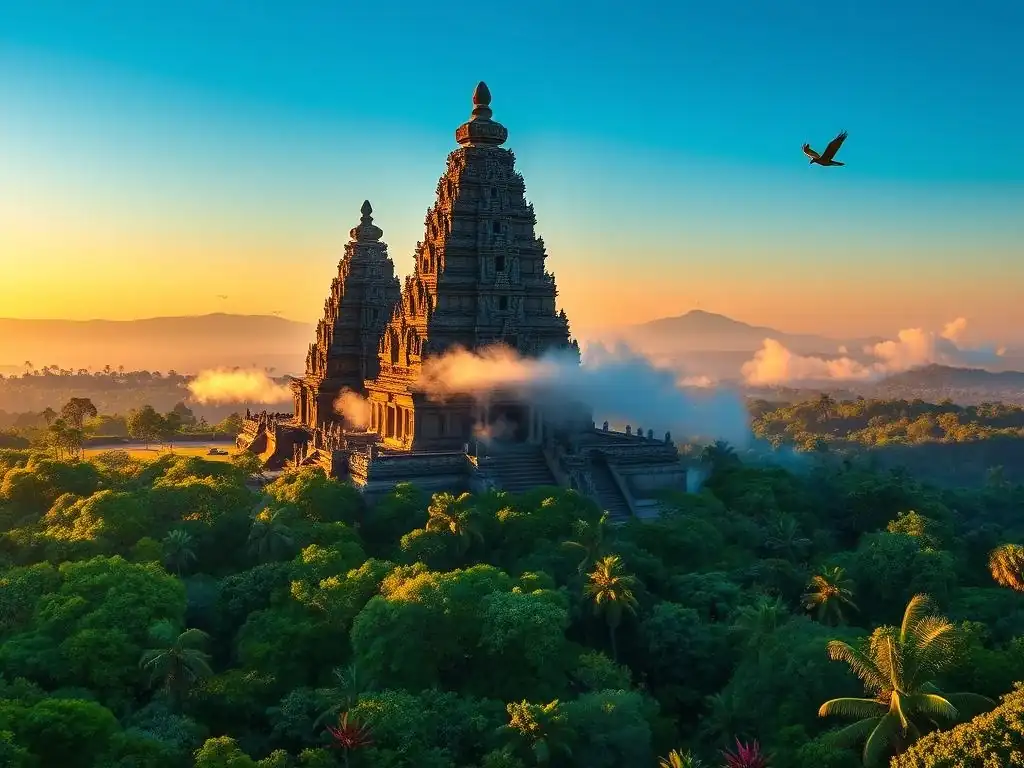
Welcome to Indigenous Civilizations of the Americas, where we embark on a fascinating journey through the diverse and rich cultures that flourished long before European contact. Here, you’ll discover the remarkable achievements and societal structures of these vibrant communities, and how their legacies continue to shape our world today. Dive into our featured article, “Exploring the Sacred Structures of Tikal: Temples and Their Significance,” and uncover the profound indigenous significance of the Tikal temples.
What mysteries do these ancient stone giants hold? Join us as we unveil the stories behind these sacred structures and their enduring impact on cultural identity and heritage. Your adventure into the depths of history begins now!
Introduction to Tikal Temples and Indigenous Significance
Tikal, one of the most iconic archaeological sites of the Maya civilization, stands as a testament to the architectural ingenuity and spiritual depth of indigenous cultures in the Americas. Nestled in the lush jungles of Guatemala, this monumental city boasts a rich tapestry of temples that served not only as places of worship but also as central hubs for social, political, and economic activities. As we delve into the Tikal temples and their indigenous significance, we uncover the layers of meaning embedded in their construction and the profound impact they had on the Maya society.
The temples of Tikal are more than just ancient stone structures; they symbolize the Maya's connection to the cosmos, their deities, and their ancestors. Each temple was meticulously designed, reflecting a deep understanding of astronomy, engineering, and artistry. This article seeks to explore the multifaceted role of Tikal's temples within the broader context of indigenous civilizations, shedding light on their significance and enduring legacy.
Overview of Tikal as a Monumental City
Tikal emerged as one of the most powerful city-states during the Classic Period of Maya civilization, approximately between 200 to 900 CE. Its vast urban expanse includes over 3,000 structures, with towering temples that dominate the skyline. The city's layout reveals a sophisticated understanding of urban planning, with plazas, palaces, and ceremonial centers all strategically designed to enhance communal life.
The monumental architecture of Tikal showcases the Maya's advanced knowledge of construction techniques and their ability to harness natural resources. The most notable structures, such as Temple I (Temple of the Great Jaguar) and Temple II (Temple of the Masks), stand as testaments to their artistry and dedication to their gods. These temples were not only religious sites but also played crucial roles in the political landscape, serving as venues for rituals and ceremonies that reaffirmed the authority of rulers.
Importance of Temples in Indigenous Cultures
Temples in indigenous cultures, particularly among the Maya, were integral to their social and spiritual fabric. They served as places of reverence where rituals were performed to honor deities, seek blessings, and ensure agricultural prosperity. The architectural design of these temples often mirrored the cosmological beliefs of the Maya, with each element symbolizing aspects of their worldview.
In Tikal, the temples acted as conduits between the earthly realm and the divine. They were focal points for community gatherings and ceremonies that reinforced social cohesion and cultural identity. As such, the significance of Tikal's temples extends beyond mere structures; they encapsulate the values, beliefs, and aspirations of an entire civilization.
Historical Context of Tikal's Sacred Structures
The Rise of Tikal in the Maya Civilization
The rise of Tikal as a dominant force in the Maya civilization can be traced back to its strategic location and abundant resources. Situated near important trade routes and surrounded by rich agricultural land, Tikal flourished as a center of commerce and political power. The development of its sacred structures, particularly the temples, played a crucial role in its ascendancy.
The rulers of Tikal leveraged the construction of monumental temples to legitimize their authority and connect with the divine. Through monumental architecture, they communicated their power and reinforced their role as intermediaries between the gods and the people. This intertwining of politics and spirituality was pivotal in establishing Tikal's prominence in the region.
Key Periods of Development for Tikal Temples
The construction of temples in Tikal can be categorized into several key periods, each reflecting the evolving architectural styles and religious practices of the Maya.
- Preclassic Period (circa 1000 BCE - 300 CE):
- Early structures laid the groundwork for future developments.
- Temples began to emerge as important ceremonial sites.
- Classic Period (circa 250 - 900 CE):
- The height of temple construction, characterized by elaborate designs and monumental scale.
- Notable structures like Temple I and Temple II were built, showcasing intricate carvings and astronomical alignments.
- Postclassic Period (circa 900 CE onward):
- A decline in Tikal's prominence, yet some continued use of temples for rituals and ceremonies.
- The legacy of Tikal's temples persisted, influencing subsequent Mesoamerican cultures.
Through these periods, the temples of Tikal serve as a lens through which we can understand the dynamic history and cultural significance of indigenous civilizations in the Americas. They remain a powerful symbol of resilience, spirituality, and architectural prowess.
Architectural Features of Tikal Temples
The temples of Tikal are monumental structures that exemplify the sophistication of Maya architecture. Characterized by their towering heights and intricate designs, these structures were not only places of worship but also served as tombs for the elite. The architectural features of Tikal temples include steep pyramids, large staircases, and expansive plazas, all designed to create a sense of grandeur and spiritual significance.
The layout of Tikal's temples is typically organized around a central axis, which aligns with significant astronomical events, showcasing the Maya's advanced understanding of celestial movements. Additionally, the temples are often adorned with stucco sculptures and carvings that depict deities, mythological scenes, and historical events, further enhancing their visual and cultural importance.
Design Elements of Tikal Temples
The design elements of Tikal temples reflect a blend of functionality and symbolism, with each component playing a crucial role in the overall aesthetic and spiritual experience. One prominent feature is the use of a stepped pyramid form, which symbolizes the connection between the earth and the heavens. The steep steps leading to the temple's summit are often interpreted as a pathway for the soul to ascend to the divine.
Moreover, Tikal's temples frequently incorporate large, vaulted ceilings and spacious interior chambers. These designs not only amplify the acoustics within the temple, enhancing ritual performances, but also contribute to the sense of awe experienced by visitors. The temple facades are typically embellished with intricate carvings and reliefs, which narrate stories of the gods and the rulers, allowing for a deeper understanding of the civilization's beliefs and values.
Materials Used in the Construction of Tikal Structures
The construction of Tikal's temples utilized a variety of materials, primarily limestone, which was abundant in the surrounding region. The Maya quarried limestone to create the massive blocks used in the temple's foundations and walls. This durable material has allowed many structures to withstand the test of time, remaining intact for centuries.
In addition to limestone, the Maya also employed other materials such as stucco, which was used for decorative elements and to cover the surfaces of temples to create a smooth finish. This stucco was often painted in vibrant colors, further enhancing the visual impact of the structures. Other materials, such as wood, were used in the roofing systems, although they have largely deteriorated over time.
Symbolism in the Architecture of Tikal Temples
The architecture of Tikal temples is steeped in symbolism, reflecting the Maya's cosmological beliefs and social hierarchy. The pyramidal shape of the temples is often associated with the sacred mountain, representing the connection between the earthly realm and the spiritual world. Each level of the temple may symbolize different layers of the universe, with the summit representing a direct link to the divine.
Furthermore, the orientation of the temples is significant, with many facing specific celestial events, such as solstices or equinoxes. This alignment illustrates the importance of astronomy in Maya culture and their reverence for the cosmos. The carvings and inscriptions found on the temple walls often depict important mythology, historical events, and the lineage of rulers, serving as a form of storytelling that reinforces the civilization's identity and beliefs.
Major Temples of Tikal and Their Significance
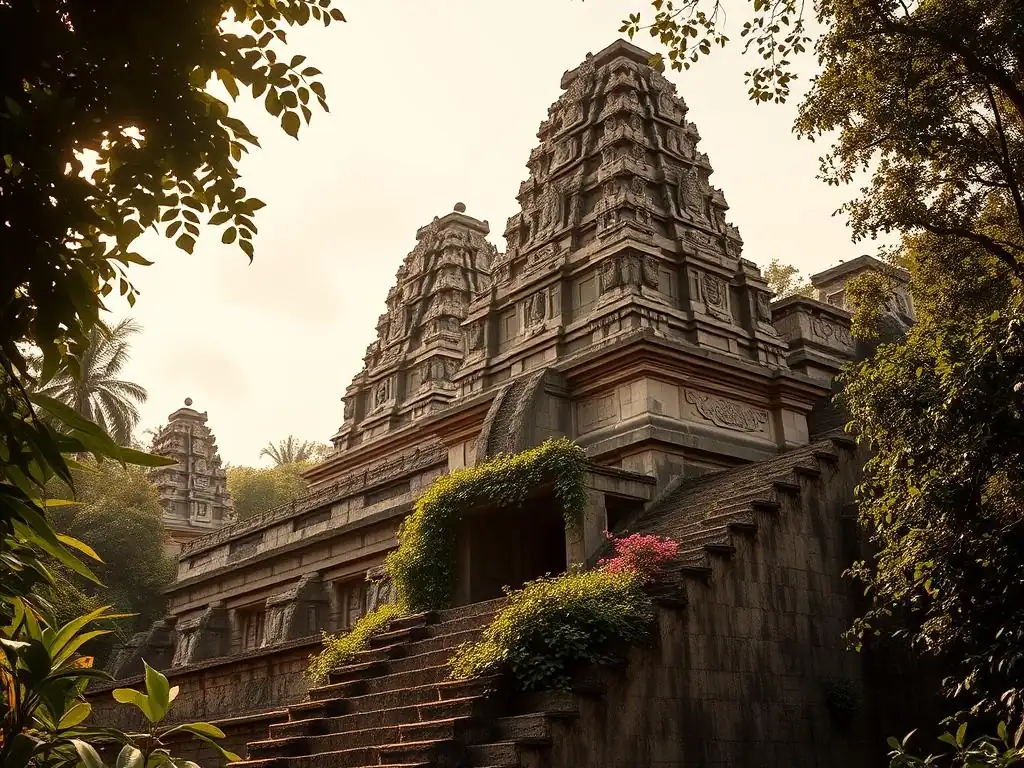
Tikal is home to several major temples, each possessing unique characteristics and cultural significance. These temples are not just architectural feats but also hold deep spiritual meaning for the Maya civilization. They served as ceremonial centers and were integral to the social and political life of the community. Understanding these major temples provides insight into the religious practices and societal structure of ancient Maya culture.
Temple I: The Temple of the Great Jaguar
Temple I, known as the Temple of the Great Jaguar, is one of the most iconic structures in Tikal. Standing at approximately 47 meters tall, it is a striking example of the grandeur that defines Tikal's architectural landscape. The temple is believed to have been built as a funerary monument for the ruler Jasaw Chan K'awiil I, who was associated with the jaguar, a powerful symbol of strength and divinity in Maya mythology.
The temple's facade is adorned with intricate carvings and motifs representing jaguars, further emphasizing its significance. Additionally, the structure offers stunning views of the surrounding rainforest and other temples, reinforcing its role as a focal point within the ceremonial landscape of Tikal.
Temple II: The Temple of the Masks
Adjacent to Temple I, Temple II, known as the Temple of the Masks, is another significant structure in Tikal. This temple, which stands slightly shorter than Temple I at about 38 meters, is named for the large masks that adorn its eastern side. These masks likely represent the Maya deity, the Sun God, highlighting the temple's role in solar worship.
Temple II is also believed to have had a ceremonial function, serving as a place for rituals and gatherings. Its strategic placement next to Temple I suggests a connection between the two structures, further emphasizing the importance of both temples in the religious and political life of Tikal.
Temple III: The Temple of the Inscriptions
Temple III, known as the Temple of the Inscriptions, is distinguished by its unique architectural style and the inscriptions that adorn its walls. This temple is slightly smaller than its counterparts but is significant due to the rich history it encapsulates. The inscriptions found here provide valuable insights into the political landscape of Tikal and the reign of its rulers.
The temple's design features a stepped pyramid and a narrow staircase leading to its summit, where once stood a shrine dedicated to a prominent ruler. This structure not only served as a place of worship but also as a monument to the achievements of the Tikal elite, providing a tangible connection to the past and enriching our understanding of Maya civilization.
The Role of Tikal Temples in Maya Spirituality
The temples of Tikal were not merely architectural feats; they served as central hubs of spiritual life and religious practices for the Maya civilization. These monumental structures were believed to be the physical manifestations of the gods, acting as conduits between the earthly realm and the divine. Each temple was often dedicated to a specific deity, reflecting the rich pantheon of the Maya gods, and was intricately designed to align with celestial events, emphasizing the importance of astronomy in their spirituality.
The Maya viewed their temples as sacred spaces where rituals could be performed to honor their gods and ancestors. The temples were often the focal points of major ceremonies, including offerings, bloodletting, and other rites intended to ensure agricultural fertility, favorable weather, and victory in warfare. This deep spiritual connection between the temples and daily life illustrates how intertwined religious beliefs were with the socio-political structure of the Maya civilization.
The Connection Between Temples and Maya Cosmology
Maya cosmology is a complex understanding of the universe characterized by a belief in multiple realms and divine forces that influence earthly life. The temples at Tikal were constructed not only as places of worship but also as symbolic representations of this cosmology. The architecture often mirrored the Maya worldview, where the temple's height symbolized a connection to the heavens, while its base represented the underworld.
Many temples were aligned with astronomical phenomena, such as solstices and equinoxes, reflecting the Maya’s intricate knowledge of celestial mechanics. For instance, the Temple of the Inscriptions is aligned so that its entrance captures the light of the first rays of the sun during significant astronomical events. This deliberate connection between architecture and cosmology highlights how the Maya embedded their beliefs and observations of the universe into the very fabric of their sacred structures.
Ritual Practices Conducted at Tikal Temples
Ritual practices at Tikal temples were diverse and integral to maintaining the spiritual and social order of Maya life. These rituals encompassed a range of activities from elaborate ceremonies featuring music and dance to sacrificial offerings of food, incense, and even blood. The act of bloodletting was particularly significant, as it was believed to nourish the gods and maintain a balance between the human and divine realms.
Specific temples were designated for particular rituals. For example, the Temple I, also known as Temple of the Great Jaguar, was associated with royal ceremonies and funerary practices, exemplifying the connection between the ruling elite and divine favor. Additionally, the temples served as the backdrop for political events, where leaders would perform rituals to legitimize their power and reinforce their divine right to rule.
The Influence of Tikal Temples on Maya Society and Governance
The Tikal temples held significant influence over Maya society and governance by serving as symbols of power and authority. The ruling elite utilized these sacred structures to reinforce their status and legitimacy. The grandeur of the temples reflected the wealth and power of the city, with their construction often requiring vast resources and labor, which demonstrated the ruler's ability to mobilize and control.
Moreover, the temples acted as centers for political gatherings, where important decisions were made, and alliances formed. The intersection of religion and governance at Tikal illustrates how the Maya integrated their spiritual beliefs into their political systems, fostering a society where the divine was constantly invoked in matters of leadership and community welfare.
Preservation and Archaeological Discoveries at Tikal
The preservation of Tikal's temples and archaeological remains is crucial for understanding the Maya civilization and its cultural legacy. Ongoing archaeological efforts continue to uncover the complexities of Tikal’s urban planning, ceremonial life, and social organization. Discoveries made at Tikal not only enrich our understanding of Maya architecture but also provide insight into the broader cultural practices of indigenous civilizations throughout the Americas.
Ongoing Archaeological Research in Tikal
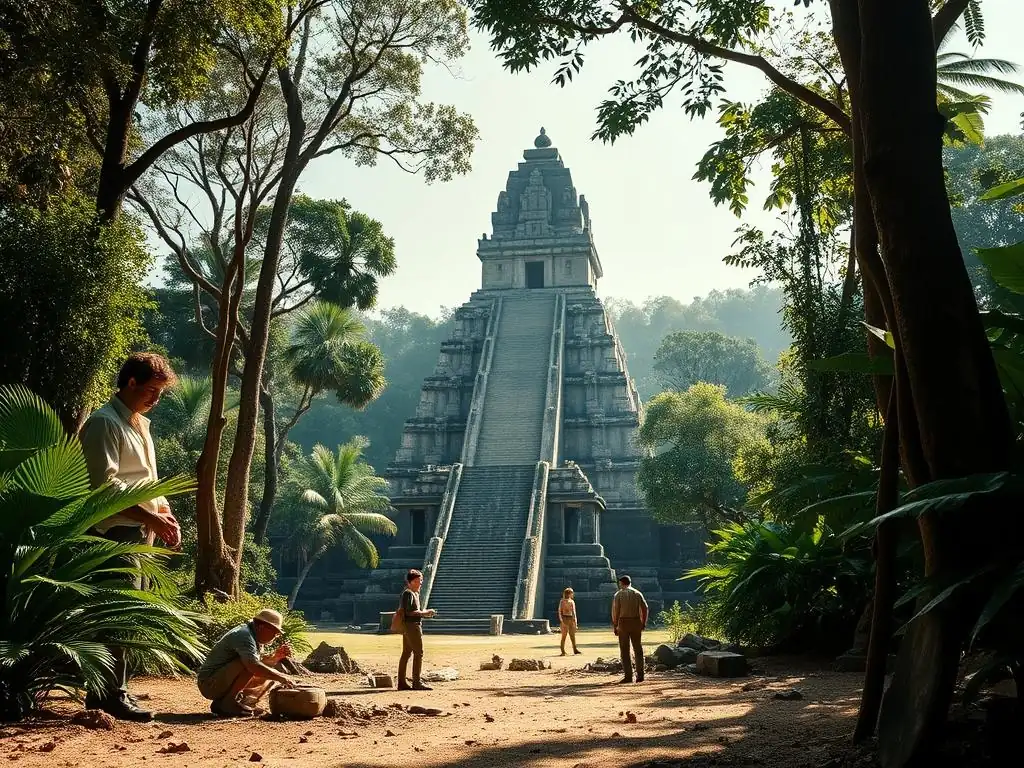
Archaeological research at Tikal is a dynamic and ongoing process that involves both domestic and international teams dedicated to uncovering the site’s rich history. Recent advancements in technology, including LiDAR (Light Detection and Ranging), have allowed researchers to identify previously hidden structures and features within the dense rainforest. These findings are reshaping our understanding of Tikal’s urban development and its extensive influence on surrounding regions.
The research efforts also include the study of artifacts, inscriptions, and burial sites, which provide valuable information about the social hierarchy, trade relations, and daily life of the Maya. Collaborative projects with indigenous communities have further enhanced the research by integrating traditional knowledge with archaeological methodologies.
Challenges in Preserving Tikal's Temples
Preserving the temples of Tikal faces numerous challenges, including environmental factors, human activity, and the impacts of climate change. The dense jungle environment can lead to the deterioration of structures, while illegal logging and encroachment pose significant threats to the archaeological site. Additionally, increased tourism, while economically beneficial, can also strain the fragile ecosystems and structures if not managed responsibly.
Efforts to combat these challenges involve both conservation strategies and community engagement to ensure that the site is protected for future generations. This underscores the need for sustainable practices that balance preservation with the promotion of cultural heritage.
Importance of Conservation for Indigenous Heritage
Conservation of Tikal's temples is not only essential for historical and archaeological reasons but also for the preservation of indigenous heritage. The temples are vital symbols of Maya identity and cultural continuity, representing the achievements and resilience of the Maya people over centuries. By safeguarding these structures, we honor the legacy of indigenous civilizations and acknowledge their contributions to human history.
Moreover, the conservation efforts at Tikal serve as a model for protecting other indigenous sites across the Americas. They highlight the importance of collaboration between archaeologists, local communities, and governments to foster a deeper understanding and appreciation of indigenous cultures, ensuring that their stories and traditions are preserved for future generations.
Conclusion: The Lasting Impact of Tikal Temples on Indigenous Identity
The temples of Tikal serve as powerful symbols of indigenous identity and cultural heritage. These monumental structures not only reflect the architectural prowess of the Maya civilization but also encapsulate a rich tapestry of beliefs, practices, and historical narratives. The significance of Tikal's temples extends beyond their physical presence; they represent the enduring connection that contemporary indigenous peoples maintain with their ancestral roots.
The sacredness of these structures is evident in the way they were integrated into the spiritual and communal life of the Maya. Rituals, ceremonies, and gatherings held at these sites fostered a sense of identity and continuity among the Maya, reinforcing community bonds and a shared cultural memory. Moreover, the temples are a testament to the resilience of indigenous cultures, showcasing their ability to adapt and thrive despite the challenges posed by colonization and modernization.
Reflection on Tikal's Legacy in Indigenous Cultures
Tikal's legacy is profound, influencing not only the descendants of the Maya but also the broader understanding of indigenous identities across the Americas. The temples stand as reminders of the sophisticated social structures, religious practices, and artistic achievements of the Maya civilization.
In recent decades, there has been a resurgence of interest in the cultural heritage of the Maya. Communities are increasingly engaging in efforts to reclaim and celebrate their history, often drawing inspiration from the grandeur of Tikal. This has been crucial in fostering pride among younger generations, as they explore their ancestry and embrace their cultural identity.
Furthermore, Tikal has become a symbol of indigenous resilience against the backdrop of colonial history. The ongoing preservation and study of these temples allow for a deeper appreciation of the complexities of indigenous cultures, challenging narratives that have often marginalized their contributions to history.
Future Implications for Understanding Indigenous Civilizations
As archaeological research continues at Tikal and similar sites, there is a growing opportunity to enrich our understanding of indigenous civilizations. The insights gained from studying the temples can inform broader discussions about the social, political, and economic systems of the Maya.
Emphasizing the indigenous significance of Tikal temples can also lead to more inclusive narratives that recognize the contributions of native cultures to global history. This shift in perspective may encourage collaborations between archaeologists, historians, and indigenous communities, fostering a dialogue that respects traditional knowledge and contemporary interpretations.
Moreover, the legacy of Tikal can inspire future generations to advocate for the protection of cultural heritage sites worldwide. As challenges such as climate change and urban development threaten these irreplaceable treasures, understanding their significance becomes crucial for ensuring their preservation for the future.
References and Further Reading
Suggested Literature on Tikal Temples and Maya Civilization
- "Tikal: An Illustrated History of the Maya" by David Freidel
- This comprehensive text delves into the history and significance of Tikal, offering insights into the architectural and cultural achievements of the Maya civilization.
- "The Maya: A Very Short Introduction" by Matthew Restall
- A concise overview of the Maya civilization, covering key aspects including their temples, society, and enduring legacy.
- "Maya Civilization: A History" by Susan Toby Evans
- This book provides an in-depth exploration of Maya history, focusing on their monumental architecture and cultural practices.
- "The Ancient Maya" by Arthur Demarest
- This work examines the development of Maya civilization and the importance of sites like Tikal in understanding their societal structures.
Resources for Exploring Indigenous Cultures of the Americas
- The National Museum of the American Indian
- A wealth of resources dedicated to the preservation and promotion of indigenous cultures, featuring exhibitions, publications, and educational programs.
- Maya Archaeology and Ethnography Journal
- A scholarly publication that shares the latest research findings related to Maya archaeology, including studies focused on Tikal.
- Indigenous Peoples' Literature and Education Resources
- An online platform offering literature, educational materials, and resources related to the indigenous cultures of the Americas, fostering awareness and understanding.
- Tikal National Park Official Website
- Provides information on visiting Tikal, its historical significance, and ongoing conservation efforts to protect this UNESCO World Heritage Site.
- Introduction to Tikal Temples and Indigenous Significance
- Historical Context of Tikal's Sacred Structures
- Architectural Features of Tikal Temples
- Design Elements of Tikal Temples
- Materials Used in the Construction of Tikal Structures
- Symbolism in the Architecture of Tikal Temples
- Major Temples of Tikal and Their Significance
- The Role of Tikal Temples in Maya Spirituality
- The Connection Between Temples and Maya Cosmology
- Ritual Practices Conducted at Tikal Temples
- The Influence of Tikal Temples on Maya Society and Governance
- Preservation and Archaeological Discoveries at Tikal
- Ongoing Archaeological Research in Tikal
- Challenges in Preserving Tikal's Temples
- Importance of Conservation for Indigenous Heritage
- Conclusion: The Lasting Impact of Tikal Temples on Indigenous Identity
- References and Further Reading
Frequently Asked Questions
What are the Tikal temples known for?
The Tikal temples are renowned for their architectural grandeur and their role in the ritualistic and religious practices of the ancient Maya civilization. They served as ceremonial centers and represented the political power of the city.
Why are the Tikal temples significant to indigenous cultures?
The Tikal temples hold great cultural significance as they symbolize the spiritual beliefs, social hierarchy, and artistic achievements of the Maya people. They reflect the connection between the people and their deities.
How did the Tikal temples impact the Maya society?
The temples were integral to Maya society, serving as sites for religious ceremonies and social gatherings. They reinforced the political power of the rulers and contributed to the community's identity.
What can we learn about indigenous cultures from the Tikal temples?
The Tikal temples provide insights into the complex societal structures, religious practices, and artistic expressions of the indigenous Maya. They highlight the sophistication of their civilization and its lasting influence on later cultures.
How does Tikal compare to other indigenous sites in the Americas?
Like other indigenous sites, Tikal showcases advanced architectural techniques and rich cultural heritage. However, its unique features, such as its large temple complexes and urban planning, set it apart as a significant Maya city in the pre-Columbian era.
Final Reflection: The Enduring Legacy of Tikal Temples
The exploration of Tikal's sacred structures reveals not only the architectural brilliance of the ancient Maya but also their profound connection to spirituality and community. Today, as we navigate a world increasingly disconnected from its historical roots, the significance of these temples serves as a reminder of the rich cultural heritage that shapes our identity. The Tikal temples stand as monuments to a civilization that revered nature, the cosmos, and the divine, urging us to reflect on our own relationship with the world around us.
The influence of Tikal's temples extends far beyond their physical presence; they continue to resonate within the cultural and social landscapes of contemporary society. The reverence for these sacred sites fosters a deeper understanding of indigenous significance and the importance of preserving cultural legacies. As we engage with these historical narratives, we are reminded of the words of the Maya scholar, "To understand the past is to understand ourselves." > This quote encapsulates the essence of our journey through Tikal, inviting us to honor the wisdom of those who came before us.
As we conclude this exploration, I invite you to reflect on the lessons embedded within the Tikal temples and consider how they might inspire your own life. How can we embrace the values of respect, community, and spirituality that these structures embody?
By fostering a deeper connection to our own heritage and the world around us, we can ensure that the significance of Tikal and its temples continues to inspire future generations. Let us carry forward the legacy of these sacred spaces, allowing their stories to guide our actions and enrich our understanding of what it means to be part of a larger tapestry of human experience.
Unveil the Mysteries of Tikal: Take Action Today!
Thank you for diving into the awe-inspiring world of Tikal with us! We hope you've gained valuable insights into the significance of these ancient temples and the rich history they embody. Now, it's time to channel that inspiration into action!
Here are some steps you can take to deepen your connection to the fascinating culture of the Maya and share your newfound knowledge:
- Explore the Site: Consider planning a visit to Tikal or exploring other ancient Mayan sites virtually to witness their majesty firsthand.
- Engage with the Community: Join local or online groups focused on Indigenous history to share your thoughts and learn from other enthusiasts.
- Spread the Knowledge: Share this article with friends and family to help them discover the magic of Tikal and engage in meaningful discussions about Indigenous cultures.
What aspect of Tikal’s ancient architecture left you most inspired, and how do you plan to share that inspiration with others?