
The Mysteries of PreColumbian Art: Recent Discoveries Transform Our Understanding of Indigenous Expression

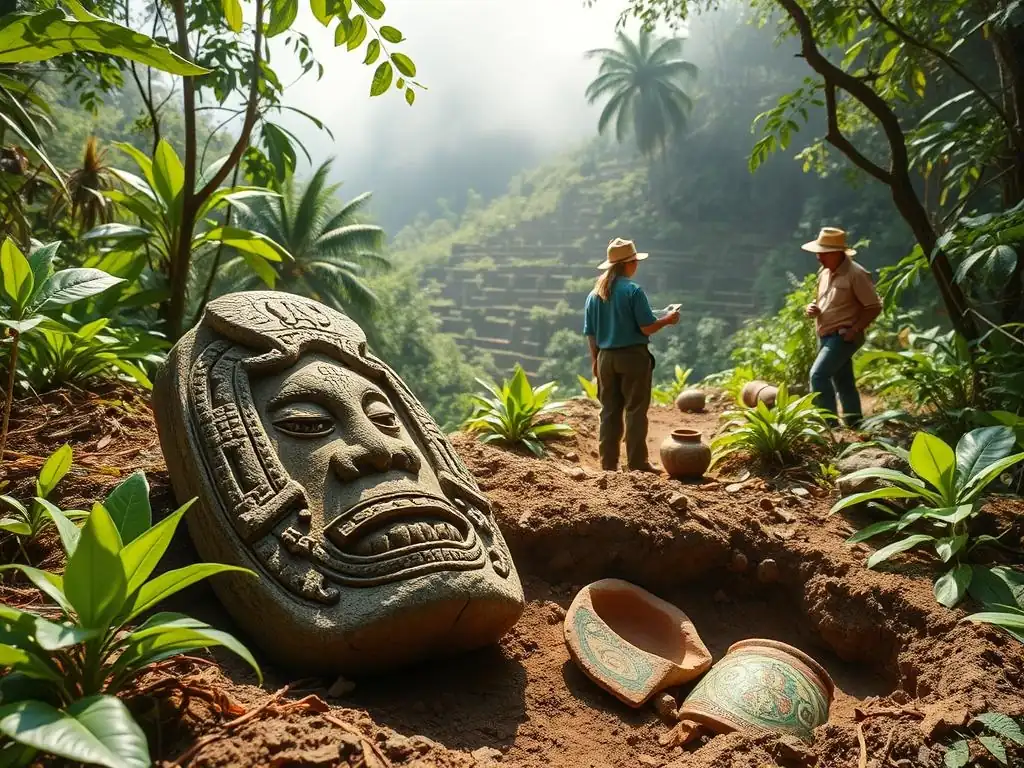
Welcome to Indigenous Civilizations of the Americas, where we invite you to embark on a fascinating journey through the rich tapestry of indigenous cultures that flourished long before European contact. Here, we delve into the mysteries of PreColumbian art discoveries, uncovering recent findings that are reshaping our understanding of indigenous expression and creativity. What secrets lie within these ancient artworks? Join us as we explore the achievements and societies of these remarkable civilizations, and discover how their legacies continue to influence our world today. Prepare to be inspired and intrigued!
- Introduction to PreColumbian Art Discoveries
- Key Findings in PreColumbian Art
- Transformative Insights from Recent PreColumbian Art Discoveries
- Cultural Significance of PreColumbian Art
- Case Studies: Impact of Specific Discoveries on Understanding PreColumbian Art
- Future Directions in PreColumbian Art Research
- Conclusion: The Ongoing Journey of Unraveling PreColumbian Art
-
Frequently Asked Questions
- What are PreColumbian art discoveries?
- How have recent discoveries changed our understanding of indigenous cultures?
- Why is the study of PreColumbian art important?
- What types of materials are commonly found in PreColumbian art?
- How do these discoveries influence contemporary indigenous communities?
- Final Reflection: Unveiling the Depths of PreColumbian Art Discoveries
- Unveil the Richness of Indigenous Art Today!
Introduction to PreColumbian Art Discoveries
The world of PreColumbian art discoveries offers a fascinating glimpse into the vibrant and diverse cultures that flourished in the Americas long before European contact. These artistic expressions, ranging from intricate pottery to monumental sculptures, serve not only as aesthetic masterpieces but also as vital records of the social, spiritual, and political lives of indigenous civilizations.
Recent archaeological excavations have unearthed significant artifacts and artworks that challenge and expand our understanding of these cultures, revealing the complexity and sophistication of their artistic traditions. This article dives deep into these discoveries, exploring their implications for our comprehension of indigenous expression and the rich tapestry of PreColumbian societies.
Significance of Recent Discoveries in Indigenous Expression
Recent discoveries in the realm of PreColumbian art have transformed our understanding of indigenous cultures. These findings illustrate the following key points:
- Cultural Identity: New artifacts indicate that art was a crucial medium for expressing cultural identity among different indigenous groups. For instance, recent excavations in the Andes have uncovered textiles and ceramics that reflect specific regional styles and practices.
- Social Structure: The examination of art objects has provided insights into the social hierarchies and roles within these communities. For example, the discovery of ceremonial masks in elite burial sites suggests a complex social structure where art played a role in status and power.
- Technological Advancements: Advances in technology have enabled archaeologists to better analyze materials and techniques used in PreColumbian art. Discoveries of previously unknown workshops indicate that some societies had sophisticated production methods that contributed to their artistic output.
- Religious and Spiritual Significance: Many recent finds have shed light on the spiritual dimensions of PreColumbian art. Objects used in rituals or as offerings reveal how deeply intertwined art was with the religious beliefs and practices of these civilizations.
Overview of PreColumbian Artistic Traditions
PreColumbian art encompasses a wide array of styles and forms, reflecting the diverse cultures across the Americas. Key artistic traditions include:
- Mesoamerican Art:
- Characterized by its monumental architecture, intricate stone carvings, and vibrant murals, Mesoamerican art showcases the achievements of civilizations such as the Maya, Aztec, and Olmec.
- Notable Features: Use of symbolism, depictions of deities, and detailed narratives of historical events.
- Andean Art:
- The art of the Andean region, particularly from the Inca civilization, is known for its remarkable textiles, pottery, and metalwork.
- Notable Features: Use of vibrant colors, complex patterns, and intricate gold and silver jewelry.
- North American Indigenous Art:
- Diverse artistic expressions vary widely among tribes, from the totem poles of the Pacific Northwest to the pottery of the Pueblo peoples.
- Notable Features: Connection to nature, storytelling through art, and the use of local materials.
- Caribbean Art:
- Indigenous Caribbean cultures created unique pottery and ceremonial objects that reflect their beliefs and practices.
- Notable Features: Use of symbolism and natural motifs, often tied to spiritual or communal gatherings.
Through these artistic traditions, we gain invaluable insights into the lives, beliefs, and innovations of indigenous civilizations, enriching our understanding of their historical and cultural impact on the Americas. The recent discoveries in PreColumbian art continue to unveil the complexities of these societies, highlighting the importance of preserving and studying these cultural legacies.
Key Findings in PreColumbian Art
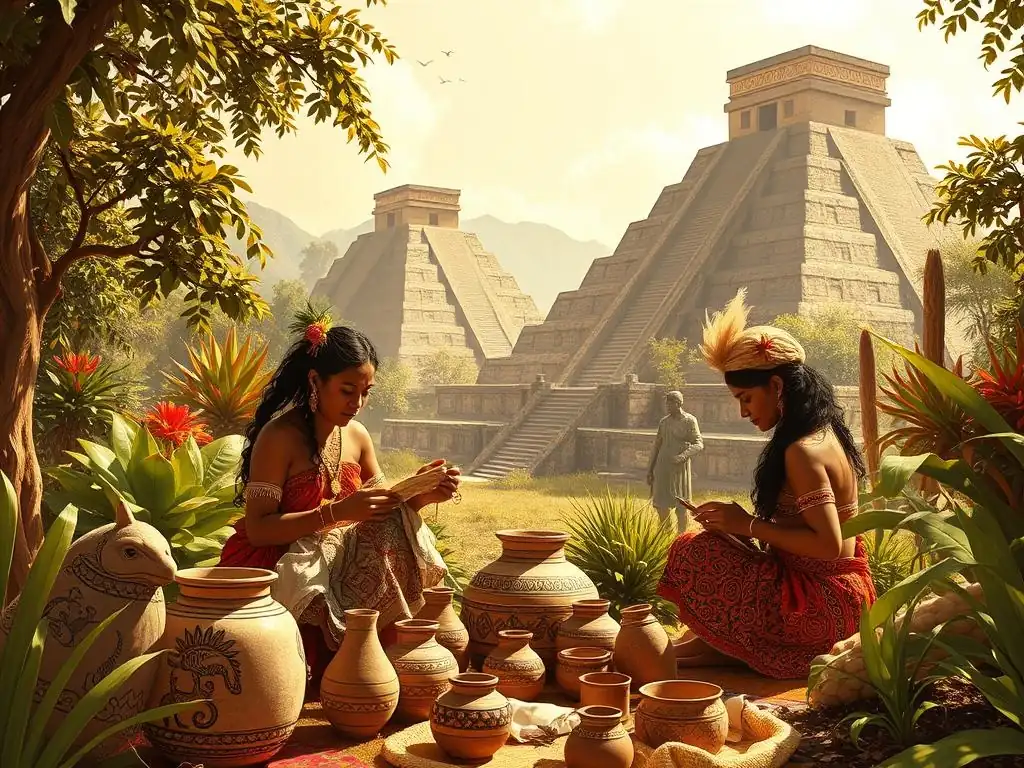
Recent archaeological discoveries have yielded remarkable insights into the rich tapestry of PreColumbian art, shifting our understanding of the cultural expressions of indigenous civilizations across the Americas. These findings not only highlight the sophistication of artistic techniques but also provide a deeper comprehension of the sociopolitical and spiritual life of these communities. Below, we explore major excavations and their implications, as well as notable artifacts that have emerged from these endeavors.
Major Excavations and Their Impact on Understanding Indigenous Cultures
Numerous excavations have brought to light significant contributions to our understanding of indigenous cultures, particularly regarding their artistic expressions. Key sites include:
- Teotihuacan: This ancient city, located near modern-day Mexico City, has revealed murals and sculptures that underscore the city's cosmopolitan nature. Recent excavations have uncovered intricate murals depicting rituals and daily life, shedding light on the social dynamics and religious practices of its inhabitants.
- Moche Civilization: Excavations in northern Peru have unveiled a wealth of ceramic art, including effigies and elaborate pottery. These artifacts illustrate the Moche's advanced techniques and their complex religious beliefs centered around agriculture and mythology.
- Cahokia Mounds: Located in present-day Illinois, Cahokia has been the site of extensive archaeological work. Discoveries of wooden sculptures and painted objects have provided insights into the ceremonial practices and hierarchical structures of this influential Mississippian culture.
These excavations have not only provided us with physical artifacts but have also allowed researchers to reconstruct the narratives of these civilizations, offering a more nuanced understanding of their artistic expression and cultural significance.
Notable Artifacts Unearthed in Recent Discoveries
Recent archaeological efforts have led to the discovery of several notable artifacts that highlight the diversity and complexity of PreColumbian art. Two significant examples include:
The Serpent Mound: Description and Historical Context
The Serpent Mound, located in Ohio, is a monumental effigy mound shaped like a serpent. This site, believed to have been constructed by indigenous cultures between 1000 BCE and 300 CE, is characterized by its intricate design and alignment with celestial events.
- Description: The mound stretches approximately 1,348 feet in length and is about 3 feet high, representing a snake with an undulating body and a coiled tail. The construction showcases the advanced engineering skills of the indigenous peoples and their deep connection to the natural world.
- Historical Context: Recent studies suggest that the mound may have served as a ceremonial site related to fertility or astronomical events, reflecting the spiritual beliefs of the cultures that constructed it. Its significance extends beyond mere aesthetics; it encapsulates the understanding of cosmology and the environment among PreColumbian societies.
The Wari Ceramics: Description and Historical Context
Recent excavations in the highlands of Peru have uncovered a trove of ceramics from the Wari culture, which thrived approximately between 600 and 1100 CE. These artifacts offer a glimpse into the artistic and functional aspects of Wari society.
- Description: Wari ceramics are known for their intricate designs and varied forms, often depicting mythical creatures, humans, and scenes of daily life. The craftsmanship reflects both utilitarian and ceremonial purposes, showcasing the technical skills and aesthetic sensibilities of the Wari artisans.
- Historical Context: The Wari civilization is recognized for its administrative and artistic innovations, which laid the groundwork for the later Inca Empire. The ceramics illustrate not only the daily practices of the Wari people but also their socio-political structure and interactions with neighboring cultures.
Through these discoveries, we gain valuable insights into the artistic traditions and cultural narratives that define PreColumbian societies, reaffirming their legacy in the broader history of the Americas. The study of these artifacts continues to evolve, transforming our understanding of indigenous expression and its lasting impact on contemporary culture.
Transformative Insights from Recent PreColumbian Art Discoveries
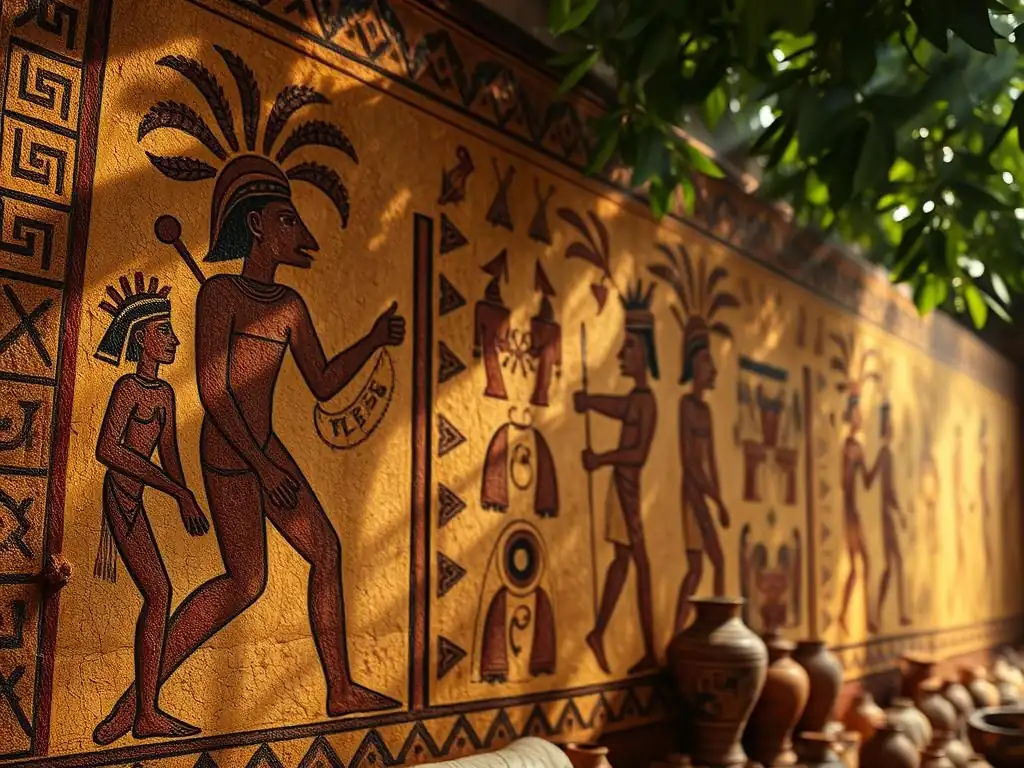
Recent discoveries in PreColumbian art have significantly transformed our understanding of indigenous expression, revealing not only the aesthetic achievements of these cultures but also their social, political, and spiritual dimensions. As archaeologists continue to unearth artifacts, murals, and sculptures, the narratives surrounding these works are becoming more nuanced, shedding light on the complexities of PreColumbian societies.
How Recent Findings Challenge Previous Assumptions
The recent excavations and analyses of PreColumbian art have led to several revelations that challenge long-held beliefs about indigenous civilizations. For instance, many scholars previously assumed that artistic styles were static and regionally isolated. However, recent findings indicate a dynamic exchange of ideas and materials across vast distances.
- Cultural Exchange: Artifacts discovered in areas far from their presumed origin have shown that trade routes facilitated not only the exchange of goods but also artistic inspiration. For example, the discovery of similar motifs in pottery from the Mississippi River Valley and the Southwest suggests a shared cultural language that transcended geographic barriers.
- Social Complexity: Earlier interpretations often described PreColumbian societies as primarily agrarian and simplistic. However, the sophistication of newly discovered artworks, such as intricate textiles and monumental sculptures, indicates a high level of social stratification and specialized craftsmanship. These findings underscore the idea that artistic endeavors were often linked to powerful elites and religious practices.
- Spiritual Significance: Recent discoveries have illuminated the spiritual dimensions of PreColumbian art. Many artifacts feature iconography that reflects cosmological beliefs, suggesting that art was not merely decorative but served as a vital medium for communicating with the divine and reinforcing communal identities.
The Role of Technology in Uncovering PreColumbian Art
The evolution of technology has played a crucial role in enhancing our understanding of PreColumbian art. Innovative methods are providing archaeologists with tools to examine artifacts in unprecedented detail, leading to groundbreaking discoveries.
Use of Radiocarbon Dating
Radiocarbon dating has revolutionized the dating of organic materials found alongside PreColumbian artworks, offering a more accurate timeline of when these items were created. This technique allows researchers to:
- Establish Chronology: By dating materials such as wood, textiles, and other organic substances, archaeologists can better understand the historical context of the art and its evolution over time.
- Link Art to Cultural Phases: Radiocarbon dating helps connect specific artworks to distinct cultural and historical phases, revealing shifts in artistic trends and influences as societies evolved.
Advances in Imaging Techniques
Recent advancements in imaging technology have opened new avenues for analyzing PreColumbian art without causing damage to the artifacts. Techniques such as multispectral imaging and 3D scanning have proven invaluable.
- Multispectral Imaging: This technique allows researchers to see beyond the visible spectrum, revealing hidden layers of paint and alterations made over time. It has led to the discovery of previously unknown details in murals and ceramics that provide insights into the artists' methods and intentions.
- 3D Scanning: By creating detailed 3D models of sculptures and reliefs, researchers can analyze dimensions, textures, and proportions in a way that traditional methods cannot. This has facilitated the comparison of artworks across different cultures and regions, enhancing our understanding of artistic practices.
The intersection of recent excavations and technological advancements is redefining our comprehension of PreColumbian art. These insights not only enrich our knowledge of indigenous expression but also highlight the cultural complexities that existed long before European contact. The ongoing exploration of these discoveries promises to unveil even more about the vibrant artistic legacies of the Americas' indigenous peoples.
Cultural Significance of PreColumbian Art
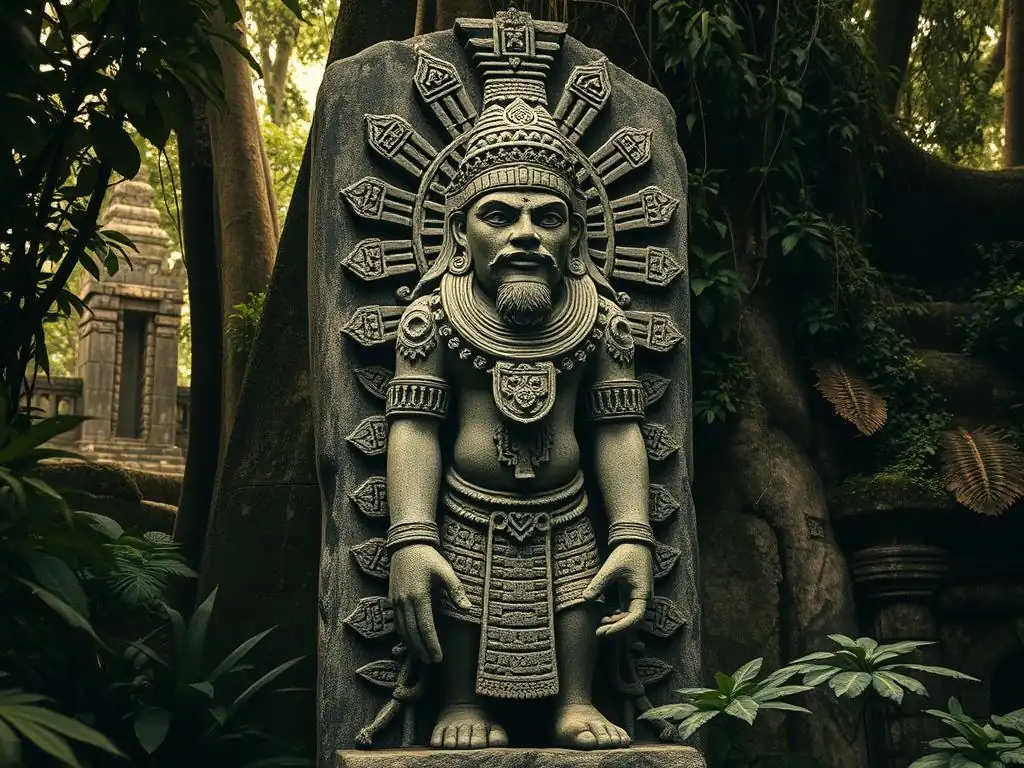
PreColumbian art serves as a crucial lens through which we can explore the rich tapestry of indigenous cultures across the Americas. It is not merely decorative; it encapsulates profound cultural, spiritual, and societal narratives. The recent discoveries of artifacts and artworks have revealed the complexity and diversity of these expressions, transforming our understanding of their significance.
Through various mediums such as pottery, textiles, sculpture, and murals, indigenous peoples communicated their worldviews, societal structures, and cosmologies. The art created by these civilizations often intertwines with their daily lives, reflecting both their beliefs and their environments. As such, it is essential to recognize these artistic expressions as vital components of their cultural identity and heritage.
Symbolism and Themes in Indigenous Art Expressions
Indigenous art is rich in symbolism, with each piece often carrying multiple layers of meaning. Common themes found across different cultures include:
- Nature and the Cosmos: Many artworks depict natural elements, such as animals, plants, and celestial bodies, signifying the deep connection indigenous peoples had with their environment. For instance, the intricate textiles of the Andean cultures often incorporate motifs of mountains, rivers, and local wildlife, reflecting their reverence for the land.
- Spiritual Beliefs: Spirituality plays a central role in the art of many preColumbian societies. Artifacts often feature deities, ancestral spirits, and mythological creatures. The Olmec colossal heads, for instance, are believed to represent rulers or gods, emphasizing the importance of leadership and divine connection in their society.
- Social Structures: Art also serves to illustrate social hierarchies and roles within indigenous communities. Pottery from the Mississippian culture, adorned with intricate designs, often signifies status and wealth. Similarly, the use of specific iconography in murals can denote the social standing of individuals or groups.
The Relationship Between Art and Society in PreColumbian Cultures
The relationship between art and society in preColumbian cultures is intricate and multifaceted. Art was not only a means of expression but also a tool for communication and social cohesion.
- Community Identity: Artworks often fostered a sense of community identity and belonging. For example, the shared practices of creating pottery or weaving textiles helped strengthen communal bonds, allowing for the transmission of cultural values and traditions.
- Ritual and Ceremony: Many art forms were closely tied to rituals and ceremonies, serving as critical components of religious practices. The vibrant murals of the Maya, which adorn temple walls, depict important mythological narratives and ceremonial events, reinforcing the spiritual beliefs of the community.
- Historical Record: PreColumbian art also functions as a historical record, preserving the stories, experiences, and achievements of indigenous peoples. Artifacts unearthed from archaeological sites often reveal insights into the daily lives, conflicts, and triumphs of these civilizations. For example, the intricate carvings of the Zapotec civilization provide a glimpse into their societal organization and historical events.
The cultural significance of PreColumbian art cannot be overstated. Recent discoveries continue to reshape our understanding of these ancient societies, highlighting the profound connections between art, identity, and community in indigenous cultures of the Americas. The ongoing exploration of these artistic expressions not only enriches our knowledge of their history but also honors the legacy of these remarkable civilizations.
Case Studies: Impact of Specific Discoveries on Understanding PreColumbian Art
The Discovery of the Tomb of Lord Pakal: Overview and Its Implications
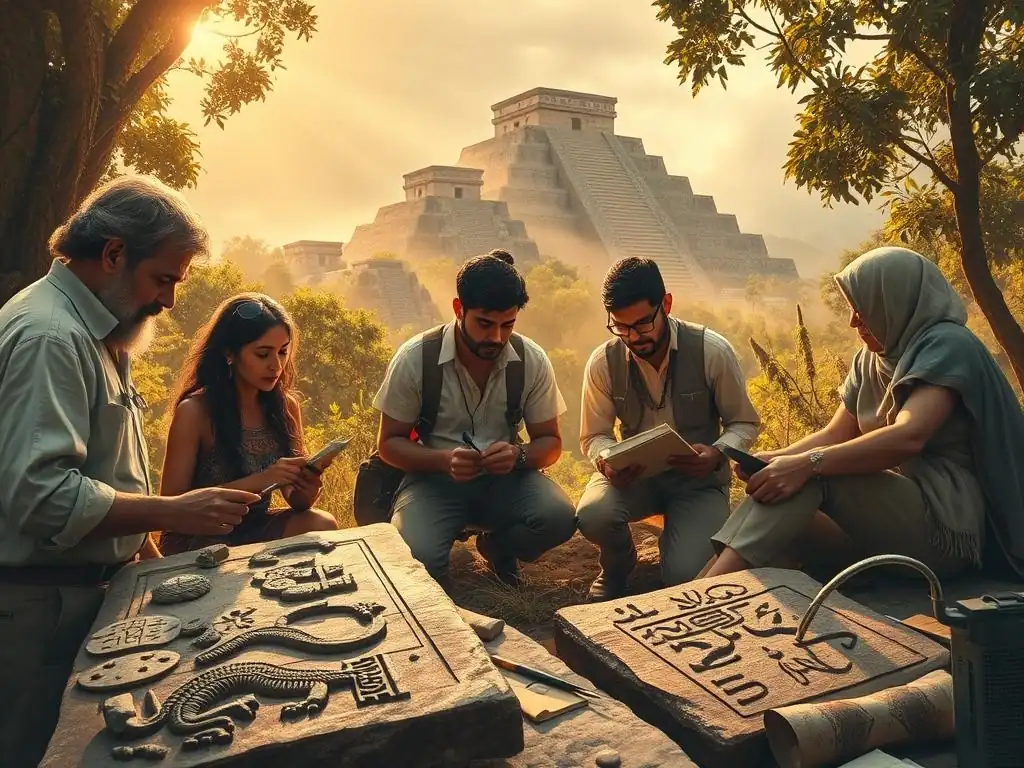
The tomb of Lord Pakal, discovered in 1952 in Palenque, Mexico, is one of the most significant archaeological finds in the study of PreColumbian art. This elaborate tomb, which is believed to belong to the Mayan ruler K'inich Janaab' Pakal, was adorned with intricate carvings, murals, and symbolic artifacts that have transformed our understanding of Mayan culture and artistic expression.
The sarcophagus lid, featuring a stunning depiction of Pakal in a cosmic context, is an example of the complex iconography prevalent in Mayan art. The intricate motifs serve not only as a representation of the ruler but also illustrate the Mayan belief system, which interwove politics, religion, and cosmology. The discovery of the tomb has led to a reevaluation of the role of art in Mayan society, suggesting that it was deeply intertwined with their social structure and spiritual beliefs.
Key implications of this discovery include:
- Art as a Political Tool: The lavish decoration of the tomb highlights the importance of art in legitimizing power. The imagery communicates Pakal's divine right to rule and his connection to the gods.
- Insights into Mayan Cosmology: The iconography found within the tomb provides a wealth of information about Mayan cosmology, including their views on life, death, and the afterlife.
- Cultural Continuity: The motifs and styles present in Pakal's tomb reflect a continuity of artistic tradition, revealing how these elements were carried on and adapted over generations within Mayan civilization.
The Nazca Lines: Overview and Its Implications
The Nazca Lines, a series of large geoglyphs etched into the Nazca Desert of southern Peru, represent another remarkable discovery that has reshaped our understanding of PreColumbian art. Created between 500 BCE and 500 CE, these massive designs include various shapes such as animals, plants, and geometric figures, some of which span over 1,200 feet in length.
The purpose of the Nazca Lines has been a subject of intense debate among researchers. However, recent studies suggest that these geoglyphs may have had ritualistic significance, possibly serving as a form of astronomical calendar or as pathways for religious ceremonies. The alignment of certain figures with celestial bodies indicates a sophisticated understanding of astronomy by the Nazca culture.
Key implications of the Nazca Lines include:
- Ritual and Religion: The geoglyphs likely played a role in religious practices, possibly intended to be viewed by deities from above, emphasizing the connection between art and spirituality in Nazca culture.
- Astronomical Knowledge: The precision with which the lines are crafted suggests a deep understanding of astronomy and geography, highlighting the advanced scientific capabilities of the Nazca people.
- Cultural Identity: The Nazca Lines are a powerful symbol of cultural identity, representing the artistic expression and ingenuity of a civilization that thrived in a challenging environment.
The discoveries of the tomb of Lord Pakal and the Nazca Lines illustrate the profound impact that recent findings have had on our understanding of PreColumbian art. These discoveries not only reveal the artistic mastery of indigenous cultures but also provide insights into their social, political, and spiritual lives, emphasizing the complexity and richness of PreColumbian societies.
Future Directions in PreColumbian Art Research
Emerging Trends in Archaeological Discoveries
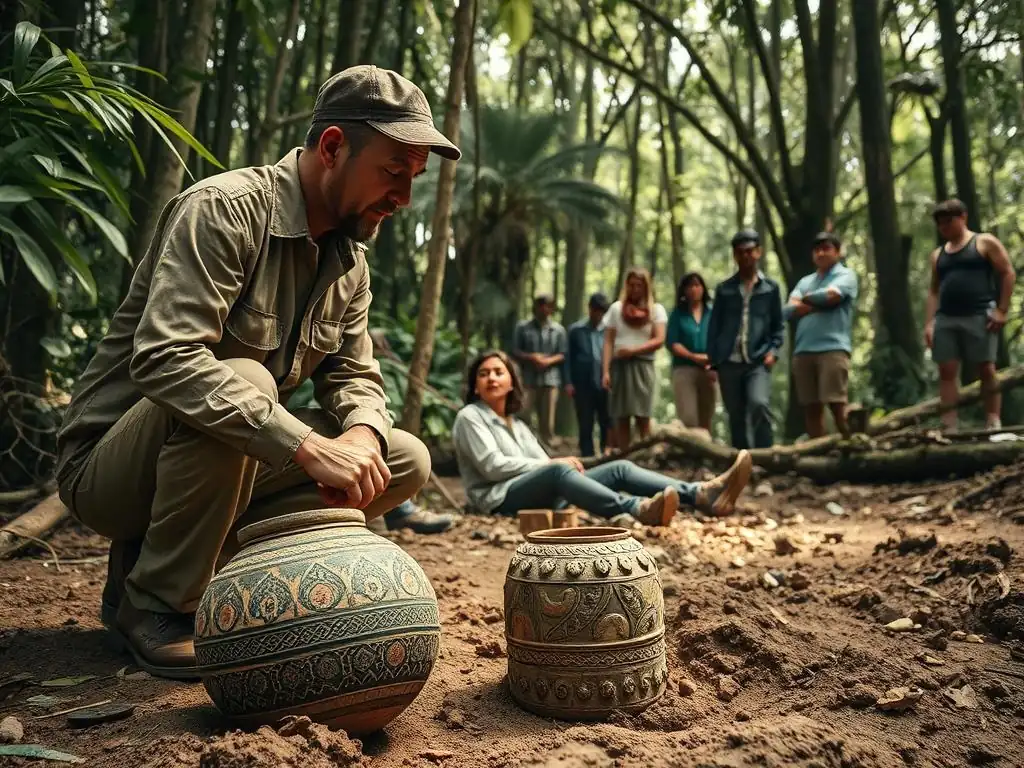
Recent years have seen a surge in archaeological discoveries that shed new light on PreColumbian art, revealing complexities and nuances previously underestimated. These discoveries are largely driven by advancements in technology and innovative excavation techniques that allow researchers to uncover artifacts in unprecedented ways. Here are some notable trends shaping the future of PreColumbian art research:
- Use of Remote Sensing Technologies: Techniques such as LiDAR (Light Detection and Ranging) and ground-penetrating radar have revolutionized the way archaeologists identify and excavate ancient sites. These technologies enable researchers to visualize subsurface features without invasive digging, leading to the discovery of vast urban landscapes previously hidden beneath vegetation or soil.
- Focus on Everyday Artifacts: While monumental art has traditionally captured the attention of scholars, recent research emphasizes the significance of everyday objects, such as pottery, textiles, and tools. These items provide insights into the daily lives, beliefs, and social structures of indigenous cultures, enriching our understanding of their artistic expressions.
- Collaboration with Indigenous Communities: An increasing number of archaeologists are partnering with indigenous communities to guide research and interpretation. This collaborative approach not only respects the cultural heritage of these groups but also integrates indigenous knowledge and perspectives into the academic discourse, leading to more holistic interpretations of art and its meanings.
- Interdisciplinary Research: The integration of various scientific disciplines, such as anthropology, chemistry, and art history, is becoming more common. For instance, chemical analysis of pigments used in PreColumbian art can reveal trade networks and cultural exchanges, while anthropological studies provide context to the artistic practices within specific communities.
As these trends continue to evolve, they promise to transform our understanding of PreColumbian art and its role within the broader tapestry of indigenous cultures in the Americas.
The Importance of Multidisciplinary Approaches in PreColumbian Studies
The study of PreColumbian art is increasingly recognized as a multidisciplinary endeavor, requiring insights from various fields to fully appreciate the complexity of indigenous expressions. Here are several key reasons why a multidisciplinary approach is essential:
- Holistic Understanding of Cultures:
- By incorporating perspectives from anthropology, history, and sociology, researchers can better understand the societal contexts in which art was created. This comprehensive view allows for a deeper exploration of the cultural significance behind artistic expressions.
- Scientific Analysis of Materials:
- Utilizing methods from chemistry and materials science, such as spectroscopic analysis, helps in identifying the composition and origins of pigments and materials used in art. This scientific data can reveal information about trade routes and resource availability, enriching the narrative of PreColumbian societies.
- Technological Integration:
- The incorporation of technology, such as digital modeling and 3D printing, is revolutionizing how researchers study and present PreColumbian art. For example, 3D reconstructions of ancient sites and artifacts allow for interactive exploration, making the art more accessible to a broader audience.
- Cross-Cultural Comparisons:
- Engaging with comparative studies across different indigenous cultures in the Americas can highlight both unique and shared artistic themes. This comparative framework fosters a greater appreciation of the diversity and interconnectedness of PreColumbian art forms.
- Incorporation of Indigenous Knowledge:
- Collaborating with indigenous scholars and community members ensures that their perspectives and knowledge systems are integrated into research. This collaboration not only respects the heritage of indigenous peoples but also enriches scholarly interpretations of art and its meanings.
Embracing multidisciplinary approaches in PreColumbian art research not only enhances our understanding of indigenous cultures but also fosters a more inclusive and respectful academic environment. As ongoing discoveries continue to challenge previous assumptions, these collaborative efforts will be crucial in uncovering the rich tapestry of PreColumbian artistic expression.
Conclusion: The Ongoing Journey of Unraveling PreColumbian Art
Reflection on the Evolving Understanding of Indigenous Expression
The landscape of PreColumbian art is constantly evolving, revealing insights into the rich tapestry of indigenous cultures that flourished across the Americas. Recent discoveries have not only unearthed new artifacts but have also reshaped our understanding of the complexity and diversity of indigenous expression. For instance, the excavation of ceremonial sites in the Andes has provided a wealth of artifacts that challenge previous notions about artistic styles, materials, and cultural significance.
These findings highlight that PreColumbian art was not merely decorative; it served as a crucial means of communication and a reflection of societal values and beliefs. The intricate symbolism embedded in pottery, textiles, and stone carvings offers a glimpse into the spiritual and communal lives of these civilizations. As researchers continue to analyze these artifacts, they are beginning to piece together a more nuanced narrative of indigenous cultures, revealing connections that span vast geographic and temporal landscapes.
Moreover, the use of advanced technologies, such as 3D imaging and chemical analysis, allows us to examine the materials and methods used by ancient artisans in unprecedented detail. This scientific approach, combined with traditional archaeological methods, enriches our understanding of how these societies expressed identity, status, and worldview through art.
Call to Action for Continued Exploration and Research in PreColumbian Art
As we stand on the brink of new discoveries, it is imperative to encourage ongoing research and exploration in the realm of PreColumbian art. The potential for new findings is vast, with many sites yet to be excavated and numerous artifacts still waiting to be analyzed.
- Support Archaeological Initiatives: Engaging with and supporting archaeological projects can help facilitate further excavations and studies. Participation in volunteer programs or providing funding to institutions dedicated to the preservation and study of indigenous artifacts can lead to significant discoveries.
- Promote Interdisciplinary Collaboration: The integration of fields such as anthropology, art history, and materials science can yield richer interpretations of existing artifacts. Collaborations among researchers, indigenous communities, and institutions can foster a more comprehensive understanding of the cultural contexts in which these artworks were created.
- Educate and Raise Awareness: Sharing knowledge about PreColumbian art and its significance can inspire others to appreciate the depth of indigenous cultures. Educational programs, workshops, and public lectures can help disseminate findings and engage a wider audience in the conversation about the importance of preserving our shared cultural heritage.
The journey to fully understand PreColumbian art is ongoing and requires collective effort. By fostering continued exploration, supporting research initiatives, and promoting education, we can ensure that the legacies of these vibrant cultures are honored and preserved for future generations.
Frequently Asked Questions
What are PreColumbian art discoveries?
PreColumbian art discoveries refer to the recent archaeological findings that reveal the artistic expressions of indigenous cultures in the Americas before European colonization, showcasing their technical skills and cultural narratives.
How have recent discoveries changed our understanding of indigenous cultures?
Recent discoveries have provided deeper insights into the complex societies, belief systems, and artistic techniques of indigenous peoples, transforming our interpretation of their social structures and cultural heritage.
Why is the study of PreColumbian art important?
Studying PreColumbian art is crucial for understanding the rich diversity of indigenous cultures, as it highlights their innovative practices and their contributions to the global art narrative long before European influence.
What types of materials are commonly found in PreColumbian art?
Common materials include ceramics, stone carvings, and textiles, each revealing unique aspects of the aesthetic values and technological advancements of the respective cultures.
How do these discoveries influence contemporary indigenous communities?
These discoveries often empower contemporary indigenous communities by validating their cultural identities and inspiring a revival of traditional practices, fostering a sense of pride in their heritage.
Final Reflection: Unveiling the Depths of PreColumbian Art Discoveries
The recent discoveries in PreColumbian art have not only transformed our understanding of indigenous expression but also highlighted the profound connection between art and identity. As we delve into the intricate narratives woven into these ancient artifacts, we realize that they are not merely relics of the past; they are vibrant testimonies of cultures that thrived long before European contact. The revelations surrounding these discoveries challenge us to reconsider our perceptions of history and the richness of human creativity.
The impact of these discoveries extends far beyond the academic realm; they resonate deeply within our cultural consciousness. As we uncover the stories behind these artworks, we begin to appreciate the complexities of indigenous identities and the resilience of their traditions. Art is the most beautiful of all lies.
This quote encapsulates the essence of how these artifacts serve as both a reflection of reality and a bridge to understanding the past. The ongoing dialogue surrounding PreColumbian art invites us to engage with the narratives of those who came before us, fostering a deeper appreciation for the diversity of human expression.
As we reflect on the significance of these discoveries, I invite you to consider how the lessons learned from PreColumbian art can enrich your own life. Embrace the beauty of diverse perspectives and allow the stories of the past to inspire your present. Whether through art, culture, or personal expression, let us honor the legacies of indigenous peoples by integrating their wisdom into our everyday lives. Together, we can ensure that these narratives continue to resonate, shaping a more inclusive and understanding future.
Unveil the Richness of Indigenous Art Today!
Thank you for diving into the captivating world of Pre-Columbian art with us! We hope you’ve not only gained insights into recent discoveries but also developed a deeper appreciation for the creativity and expressions of Indigenous cultures. Now, let's transform that knowledge into action!
Here’s how you can further celebrate and engage with this rich heritage:
- Explore your local art scene by visiting galleries or museums that showcase Indigenous art; connect with artists and stories that resonate with your newfound knowledge.
- Share this article with friends or on social media to raise awareness about the beauty and depth of Indigenous expressions—every conversation matters!
- Join a community group dedicated to Indigenous cultures or art appreciation; engage with others who share your interests and learn even more.
What aspect of Indigenous art fascinates you the most, and how do you plan to immerse yourself in this vibrant world?