
Uncovering the Past: The Role of Technology in Recent Archaeological Discoveries

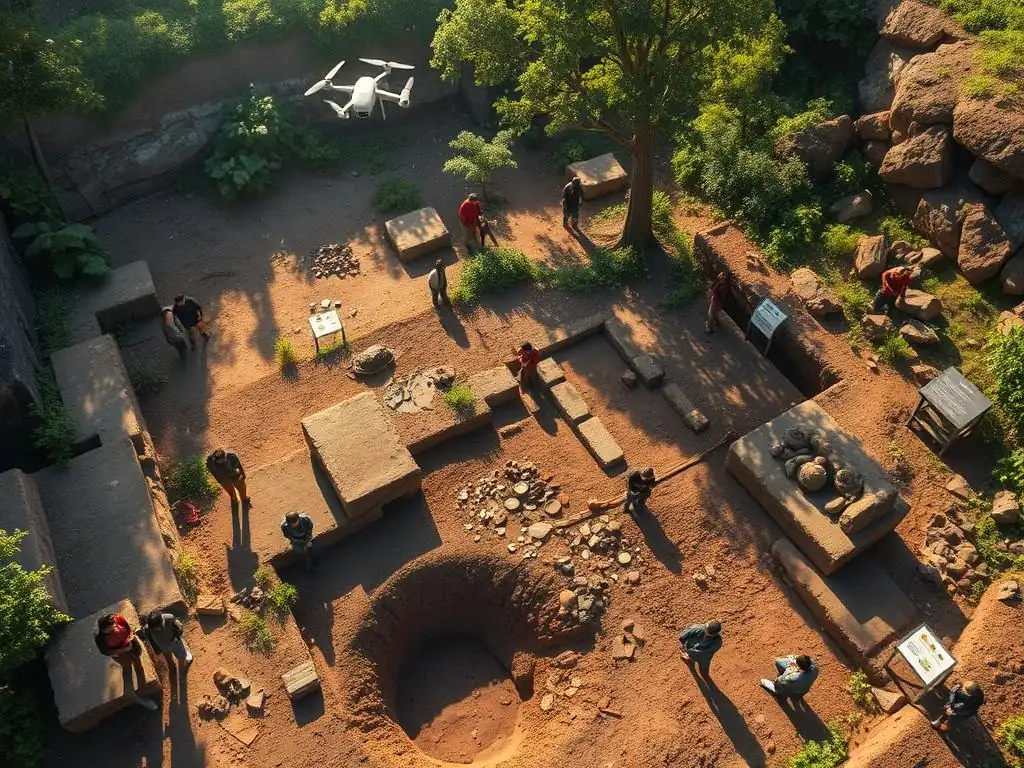
Welcome to Indigenous Civilizations of the Americas, where we invite you to journey through the rich tapestry of indigenous cultures that flourished long before European contact. In our featured article, "Uncovering the Past: The Role of Technology in Recent Archaeological Discoveries," we delve into the groundbreaking advancements that have transformed our understanding of these remarkable societies.
Prepare to be captivated by the stories unearthed through the latest archaeological discoveries, revealing the profound achievements and enduring legacies of the Americas' indigenous peoples. Join us as we explore the past and uncover the hidden narratives that continue to shape our world today!
Introduction to Indigenous Cultures and Archaeological Discoveries
The rich tapestry of indigenous cultures across the Americas is woven from a myriad of societies, each with its unique achievements, traditions, and histories that predate European colonization. As scholars and enthusiasts delve into this vast heritage, recent archaeological discoveries have shed light on these diverse cultures, revealing their complexities and contributions to human civilization.
This article explores how advancements in technology are revolutionizing the field of archaeology, particularly in the context of uncovering the stories of indigenous peoples. By examining the latest findings and the methods employed, we aim to highlight the significance of these discoveries in understanding the past and preserving the legacy of indigenous cultures.
Significance of Indigenous Cultures in the Americas
Indigenous cultures in the Americas encompass a wide range of societies, each with its unique practices, languages, and belief systems. From the sophisticated urban centers of the Aztecs and Maya to the nomadic tribes of the Great Plains, these civilizations have made significant contributions to agriculture, architecture, and governance. Understanding their achievements is essential not only for appreciating their historical context but also for recognizing their ongoing influence on contemporary societal structures and cultural practices.
- Diverse Societies: The Americas were home to thousands of distinct groups, each adapting to their environment.
- Innovative Practices: Many indigenous cultures developed advanced agricultural techniques, including the Three Sisters farming method (corn, beans, and squash).
- Cultural Heritage: Arts, languages, and spiritual beliefs from these cultures continue to shape modern identities and community practices.
Overview of Recent Archaeological Discoveries
Recent archaeological excavations across North America have unveiled groundbreaking findings that significantly enhance our understanding of indigenous cultures. From ancient burial sites to urban settlements, these discoveries have utilized modern technology to uncover artifacts, structures, and data that were previously inaccessible. Notable recent discoveries include:
- The Cahokia Mounds: This site reveals insights into the largest pre-Columbian city in North America, showcasing complex societal structures and trade networks.
- The Clovis Sites: Archaeological evidence of early human inhabitants has provided critical information about the migration patterns and lifestyles of these original settlers.
- Chaco Canyon: Recent studies have highlighted the sophisticated engineering and astronomical knowledge of the Ancestral Puebloans.
The Intersection of Technology and Archaeology
The integration of technology in archaeology has transformed the way researchers conduct their work, allowing for more efficient and accurate explorations of ancient sites. Advanced tools and techniques are not only enhancing the excavation process but are also enabling scholars to analyze and interpret findings with unprecedented precision.
How Technology Transforms Archaeological Methods
Modern archaeological methods have evolved significantly due to technological advancements, allowing for improved data collection, analysis, and preservation. Key methods include:
- Ground Penetrating Radar (GPR): This non-invasive technique allows archaeologists to identify subsurface structures without excavation.
- 3D Scanning and Modeling: Creating accurate representations of artifacts and sites facilitates better analysis and public engagement.
- Remote Sensing: Satellite imagery and aerial surveys help identify potential excavation sites and understand landscape changes over time.
Major Technological Innovations in Archaeology
Several technological innovations have emerged as game-changers in the field of archaeology. These include:
| Technology | Description |
|---|---|
| Drones | Used for aerial surveys and capturing high-resolution images of sites. |
| GIS (Geographic Information Systems) | Helps in mapping and analyzing the spatial relationships of archaeological finds. |
| DNA Analysis | Provides insights into the genetic history of populations and migration patterns. |
The synergy between technology and archaeology not only enhances our understanding of indigenous cultures but also ensures their stories are preserved for future generations. By continuing to explore these advancements, we pave the way for deeper insights into the complexities of the past.
Recent Technological Advances in Archaeological Discoveries
In recent years, the field of archaeology has been revolutionized by technological advancements that have significantly enhanced the methods used to uncover the past. These innovations not only improve the efficiency of archaeological surveys but also provide deeper insights into the lives and environments of indigenous cultures. From remote sensing to advanced imaging techniques, technology has expanded the possibilities of what can be discovered and understood about ancient civilizations. These tools have allowed archaeologists to explore previously inaccessible sites, minimize damaging excavation processes, and create detailed reconstructions of historical contexts.
Remote Sensing Technologies and Their Impact
Remote sensing technologies have emerged as game changers in archaeology, enabling researchers to gather data from a distance without disturbing the ground. Techniques such as LiDAR (Light Detection and Ranging) and aerial photography allow archaeologists to visualize archaeological features and landscapes hidden beneath dense vegetation or soil.
For instance, LiDAR has been instrumental in identifying complex structures associated with indigenous cultures that were previously obscured by forest canopies. This technology uses laser pulses to create precise, three-dimensional maps of the terrain, revealing not only built structures but also networks of roads, canals, and agricultural fields. The impact of remote sensing is profound, as it allows for the mapping of entire landscapes, offering a broader context for understanding the social, political, and economic systems of indigenous peoples.
Geographic Information Systems (GIS) in Archaeology
Geographic Information Systems (GIS) play a crucial role in analyzing spatial data related to archaeological sites. By integrating various types of data, such as topography, historical maps, and excavation findings, GIS enables archaeologists to visualize patterns and relationships that may not be immediately apparent.
Through GIS, researchers can conduct spatial analysis to identify settlement patterns, resource distribution, and trade routes among different indigenous cultures. This capability not only enhances the understanding of how these societies functioned but also aids in predicting where future excavations might yield significant findings. The ability to layer different data sets provides a multidimensional view of the past, making GIS an indispensable tool in modern archaeological research.
3D Imaging and Reconstruction of Ancient Sites
3D imaging and reconstruction technologies have transformed how archaeologists document and interpret ancient sites. High-resolution 3D scans can capture intricate details of artifacts, structures, and landscapes, allowing for digital preservation of sites that may be threatened by environmental factors or human activity.
These reconstructions enable researchers to create virtual models of ancient cities, offering immersive experiences that enhance public engagement and education. For example, detailed 3D renderings can help illustrate how indigenous cultures interacted with their environments, showcasing architectural styles, urban layouts, and ceremonial spaces. This technology not only aids in preservation but also facilitates collaboration among scholars, educators, and the public in understanding the complexities of indigenous histories.
Case Studies of Recent Discoveries in North America
The Role of Technology in the Cahokia Mounds Excavation
The Cahokia Mounds, a UNESCO World Heritage site located near present-day St. Louis, Missouri, has benefitted greatly from recent technological advances. Archaeologists have employed LiDAR to survey the extensive mounds and surrounding landscape, revealing a complex urban center that thrived between 600 and 1400 CE.
Using this technology, researchers identified numerous previously unknown mounds and structures, significantly expanding the understanding of Cahokia's layout and its role as a hub for trade and governance among various indigenous cultures. The integration of geophysical methods, such as ground-penetrating radar (GPR), has also allowed for non-invasive exploration of burial sites and other significant features, ensuring that the excavation process is both respectful and informative.
The Impact of Tech on the Chaco Canyon Research
Chaco Canyon, located in northwestern New Mexico, is another site where technology has played a pivotal role in archaeological research. The use of GIS has been fundamental in understanding the extensive road networks that connected Chaco to other regions, suggesting a sophisticated system of trade and communication among the Ancestral Puebloans.
Remote sensing methods have uncovered new sites and structures, expanding the known extent of the Chacoan civilization. By analyzing the spatial relationships between these sites, researchers can infer patterns of movement, resource management, and social organization that characterize this remarkable indigenous culture. The application of these technologies has led to a reevaluation of Chaco's significance within the broader context of North American indigenous cultures.
Innovations in the Discovery of the Maya City of Tikal
The ancient Maya city of Tikal in Guatemala has undergone significant rediscovery thanks to modern technological innovations. Recent LiDAR surveys have revealed an intricate network of causeways and structures, indicating that Tikal was part of a much larger urban landscape than previously understood.
These findings challenge earlier assumptions about the city's isolation and highlight its role as a central player in the Maya civilization's political and economic systems. The use of 3D modeling has also allowed researchers to visualize the city’s layout, enhancing the understanding of its ceremonial and residential areas. As a result, Tikal's archaeological narrative has been enriched, providing deeper insights into the complexities of Maya culture and its adaptations to changing environments.
The Benefits of Technology in Uncovering Indigenous Cultures
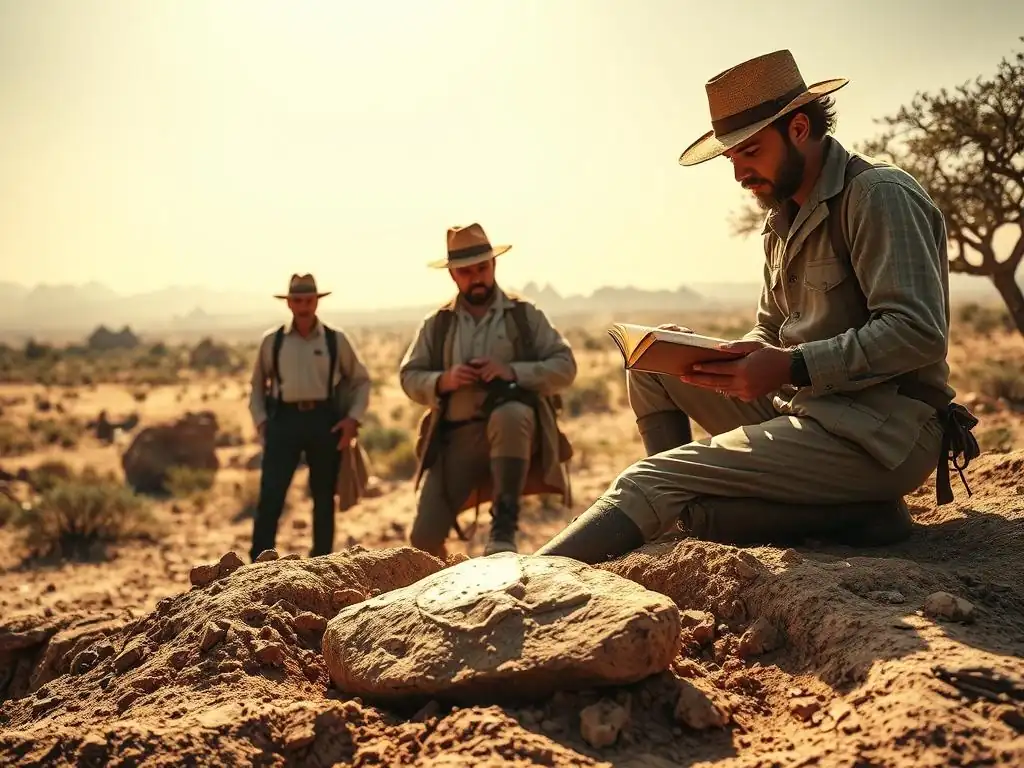
The advent of modern technology has significantly transformed archaeological practices, especially in the quest to uncover the rich tapestry of indigenous cultures throughout the Americas. Various technological advancements, from remote sensing to digital mapping, have equipped archaeologists with tools that enhance their understanding of historical sites and artifacts. These technologies not only aid in uncovering physical remains but also help in reconstructing the cultural narratives of the indigenous peoples who thrived long before European contact.
By leveraging innovations such as Geographic Information Systems (GIS), drones, and 3D modeling, researchers can analyze landscapes and artifacts with unprecedented precision. This technological integration allows for a more comprehensive view of how indigenous cultures interacted with their environments, facilitated trade, and developed complex social structures. Moreover, technology fosters interdisciplinary collaboration, enabling archaeologists to work alongside historians, anthropologists, and indigenous communities to ensure a holistic understanding of the past.
Enhancing Accuracy in Archaeological Findings
One of the primary advantages of technology in archaeology is the enhanced accuracy it brings to findings. For instance, Ground Penetrating Radar (GPR) is a non-invasive method that can detect subsurface anomalies without excavation. This technique allows archaeologists to create detailed maps of buried structures, providing insights into settlement patterns and community organization.
Additionally, digital imaging techniques, including photogrammetry and laser scanning, enable the creation of precise 3D models of artifacts and sites. These models can be analyzed from multiple angles and perspectives, revealing details that might be overlooked in traditional excavation methods. As a result, the accuracy of data collection and analysis improves, leading to more reliable interpretations of indigenous cultures.
Preserving Cultural Heritage through Technology
Technology plays a crucial role in the preservation of cultural heritage, particularly in regions where indigenous sites are threatened by development, climate change, or looting. Digital archiving systems allow for the documentation and preservation of artifacts and sites in a virtual format, making it possible to retain cultural knowledge even if physical objects are lost.
Moreover, the use of augmented reality (AR) and virtual reality (VR) provides immersive experiences that educate the public about indigenous cultures and their histories. For example, virtual reconstructions of ancient sites can help visitors engage with the past in a meaningful way, fostering appreciation and respect for indigenous heritage. By integrating technology into preservation efforts, archaeologists can safeguard indigenous narratives for future generations.
Community Engagement and Indigenous Participation in Technology-driven Projects
The integration of technology in archaeology has opened avenues for greater community engagement and participation from indigenous groups. Collaborative projects that involve indigenous peoples in the use of technology not only empower these communities but also ensure that their voices and perspectives are included in the archaeological narrative.
For instance, training indigenous youth in GIS and drone technology can create a new generation of cultural stewards who are equipped to protect and promote their heritage. Participatory mapping projects, where community members contribute their knowledge to create detailed maps of cultural significance, can lead to a more accurate representation of indigenous histories. This collaborative approach fosters trust, respect, and mutual learning between archaeologists and indigenous communities.
Challenges and Limitations of Technology in Archaeology
While technology has transformed archaeological practices positively, it also presents challenges and limitations that must be addressed. The reliance on technological tools can sometimes overshadow the importance of traditional methods and indigenous knowledge. It is essential to strike a balance between modern technologies and the cultural contexts in which they are applied.
Ethical Considerations in Using Technology
The use of advanced technology in archaeology raises ethical questions, particularly concerning the ownership and interpretation of indigenous cultural heritage. Technologies like remote sensing and DNA analysis can lead to discoveries that may not align with the traditional narratives of indigenous peoples. As such, researchers must engage in ethical considerations regarding consent and collaboration with indigenous communities.
Additionally, there is the potential for exploitation of sensitive information. Archaeologists must ensure that data collected through technological means does not lead to cultural appropriation or misrepresentation. Establishing clear guidelines and transparent practices is crucial to maintain ethical integrity in archaeological research involving indigenous cultures.
Potential Misinterpretations of Archaeological Data
Another limitation of technology in archaeology is the risk of misinterpretation of data. While advanced tools can provide a wealth of information, the data collected can be complex and subject to varying interpretations. For instance, high-resolution imaging may reveal unexpected features in a site, but without proper contextual understanding, these features may be misidentified or over- or under-valued.
Moreover, the reliance on technology can lead to a detachment from the cultural significance of findings. Archaeologists must remain vigilant in integrating technological findings with traditional knowledge to avoid oversimplifying or misrepresenting indigenous cultures. Collaborative efforts with indigenous communities can help mitigate these risks, ensuring that interpretations are grounded in cultural contexts.
Future Perspectives on Technology in Archaeological Discoveries
As the field of archaeology continues to evolve, the integration of advanced technologies presents exciting opportunities for uncovering the rich tapestry of indigenous cultures. The future of archaeological discoveries is poised to be significantly influenced by innovations that enhance our understanding of past societies, their practices, and their environments. By leveraging state-of-the-art tools, researchers can delve deeper into the complexities of indigenous cultures, revealing not only their historical significance but also their enduring legacy.
Emerging Technologies on the Horizon
Several emerging technologies are set to revolutionize the archaeological landscape. These include:
- Drones and Aerial Surveys: Unmanned aerial vehicles (UAVs) are increasingly being utilized to capture high-resolution images of archaeological sites. This allows for the identification of structures and features that may not be visible from the ground, facilitating more comprehensive site mapping.
- LiDAR (Light Detection and Ranging): This remote sensing technology can penetrate dense vegetation to reveal hidden landscapes, uncovering archaeological features such as ancient roads, buildings, and agricultural fields. LiDAR has already transformed our understanding of pre-Columbian civilizations in areas like Mesoamerica.
- Ground Penetrating Radar (GPR): GPR is a non-invasive method that allows archaeologists to identify subsurface structures without excavation. This technology is particularly useful in locating burial sites, foundations, and other significant features related to indigenous cultures.
- 3D Scanning and Printing: The ability to create highly detailed 3D models of artifacts and sites facilitates preservation and can enhance public engagement with indigenous histories. These models can also be used for virtual reconstructions, allowing a broader audience to experience ancient cultures.
- Artificial Intelligence and Machine Learning: These technologies are proving invaluable in analyzing vast amounts of archaeological data. AI can assist in pattern recognition, helping researchers identify correlations and insights that may have previously gone unnoticed.
The Role of Technology in Future Research of Indigenous Cultures
The role of technology in the study of indigenous cultures cannot be overstated. As these advanced tools become more accessible, they enable researchers to approach their investigations with greater precision and a more holistic perspective. For instance, interdisciplinary collaborations are becoming more common, integrating environmental science, anthropology, and data analytics. This convergence of fields allows for a more nuanced understanding of how indigenous peoples interacted with their environments and adapted over time.
Moreover, technology fosters community involvement in archaeological research. Indigenous communities can leverage these tools to engage with their own histories actively, contributing to research efforts and ensuring their narratives are represented. This collaborative approach not only enriches the academic discourse but also empowers indigenous peoples to reclaim and reinterpret their past.
Conclusion: The Lasting Impact of Technology on Indigenous Cultures and Archaeological Discoveries
Technology's impact on our understanding of indigenous cultures and their histories is profound. As we harness these tools, we gain unprecedented insights into the lives, achievements, and resilience of indigenous peoples throughout the Americas. The ongoing advancements in technology promise to unveil hidden aspects of their cultures, ensuring that their stories are not lost to time.
Summary of Key Points
- Emerging technologies such as drones, LiDAR, GPR, 3D scanning, and AI are transforming archaeological practices.
- These innovations enable more efficient mapping, analysis, and preservation of indigenous cultural sites.
- Interdisciplinary research and community participation are enhanced through the use of modern technology.
- The future of archaeology holds the potential for a deeper understanding of indigenous cultures, fostering appreciation and respect for their contributions to history.
The Future of Archaeology and Indigenous Cultural Understanding
Looking ahead, the future of archaeology is bright, with technology poised to play a crucial role in shaping our understanding of indigenous cultures. By combining cutting-edge tools with traditional methodologies, archaeologists can create a more comprehensive narrative of the past. This journey of discovery not only honors the rich heritage of indigenous peoples but also paves the way for a more informed and respectful dialogue about their place in history. As we continue to explore and understand these cultures, we contribute to a greater appreciation of their enduring legacy and the lessons they can teach us today.
- Introduction to Indigenous Cultures and Archaeological Discoveries
- The Intersection of Technology and Archaeology
- Recent Technological Advances in Archaeological Discoveries
- Case Studies of Recent Discoveries in North America
- The Benefits of Technology in Uncovering Indigenous Cultures
- Challenges and Limitations of Technology in Archaeology
- Future Perspectives on Technology in Archaeological Discoveries
- Conclusion: The Lasting Impact of Technology on Indigenous Cultures and Archaeological Discoveries
- What is the main focus of the article "Uncovering the Past: The Role of Technology in Recent Archaeological Discoveries"?
- How has technology impacted archaeological research related to indigenous cultures?
- What are some key discoveries mentioned in the article?
- Why is it important to study indigenous cultures through archaeology?
- How can the public support the preservation of indigenous cultures?
Frequently Asked Questions
What is the main focus of the article "Uncovering the Past: The Role of Technology in Recent Archaeological Discoveries"?
The article explores how technology has enhanced our understanding of indigenous cultures through archaeological discoveries, revealing their achievements and societal structures before European colonization.
Recent advancements in technology have allowed for more precise excavations, improved data analysis, and the ability to uncover hidden artifacts, leading to a deeper understanding of indigenous societies.
What are some key discoveries mentioned in the article?
The article highlights significant archaeological discoveries that showcase the sophistication of indigenous cultures, including urban planning, agricultural techniques, and artistic expressions that shaped their communities.
Why is it important to study indigenous cultures through archaeology?
Studying indigenous cultures through archaeology helps preserve their heritage, provides insights into their lifestyles, and acknowledges their contributions to history, which is often overlooked in mainstream narratives.
How can the public support the preservation of indigenous cultures?
The public can support preservation efforts by advocating for indigenous rights, participating in educational programs, and promoting awareness of the importance of archaeological discoveries that celebrate these cultures.
Final Reflection: Embracing Technology to Honor Indigenous Cultures
In today's rapidly evolving world, the intersection of technology and archaeology has become a powerful tool for uncovering the rich tapestry of indigenous cultures. The advancements in technology not only enhance our ability to discover and analyze archaeological sites but also ensure that the stories of these cultures are told with respect and accuracy. As we stand on the shoulders of past civilizations, it is imperative that we recognize the significance of these discoveries in shaping our understanding of human history.
The influence of technology on archaeology has transformed how we engage with indigenous cultures, fostering a deeper appreciation for their heritage and contributions to society. Through innovative methods like remote sensing and 3D modeling, we can now visualize and preserve ancient sites that may otherwise be lost to time. As the renowned archaeologist Dr. Jane Goodall once said, "> We cannot protect what we do not understand." This quote resonates profoundly as it underscores the importance of utilizing technology to not only uncover the past but to also educate and inspire future generations about the richness of indigenous cultures.
As we reflect on the lessons learned from the intersection of technology and archaeology, I invite you to consider your own role in this ongoing journey. How can you contribute to the preservation and appreciation of indigenous cultures in your community? Whether through supporting local archaeological initiatives, advocating for respectful representation in media, or simply engaging in conversations about cultural heritage, each of us has the power to make a difference. Let us embrace the tools at our disposal and commit to honoring the past while paving the way for a more inclusive and informed future.
Dive Deeper into Our Ancient Roots!
Thank you for taking the time to explore the fascinating world of archaeology and technology with us! You've uncovered a glimpse into how modern advancements are shedding light on our rich past. Now, let's take the next steps in your journey of discovery.
- Experience a virtual tour of archaeological sites using augmented reality apps to witness artifacts in their original context.
- Join an online community
- Consider volunteering with local archaeological projects or museums to gain hands-on experience and contribute to preserving history.
Which aspect of these technological advancements in archaeology excites you the most, and how do you believe it will shape our understanding of ancient civilizations?