
The Visibility of the Milky Way: Andean Perspectives on the Night Sky

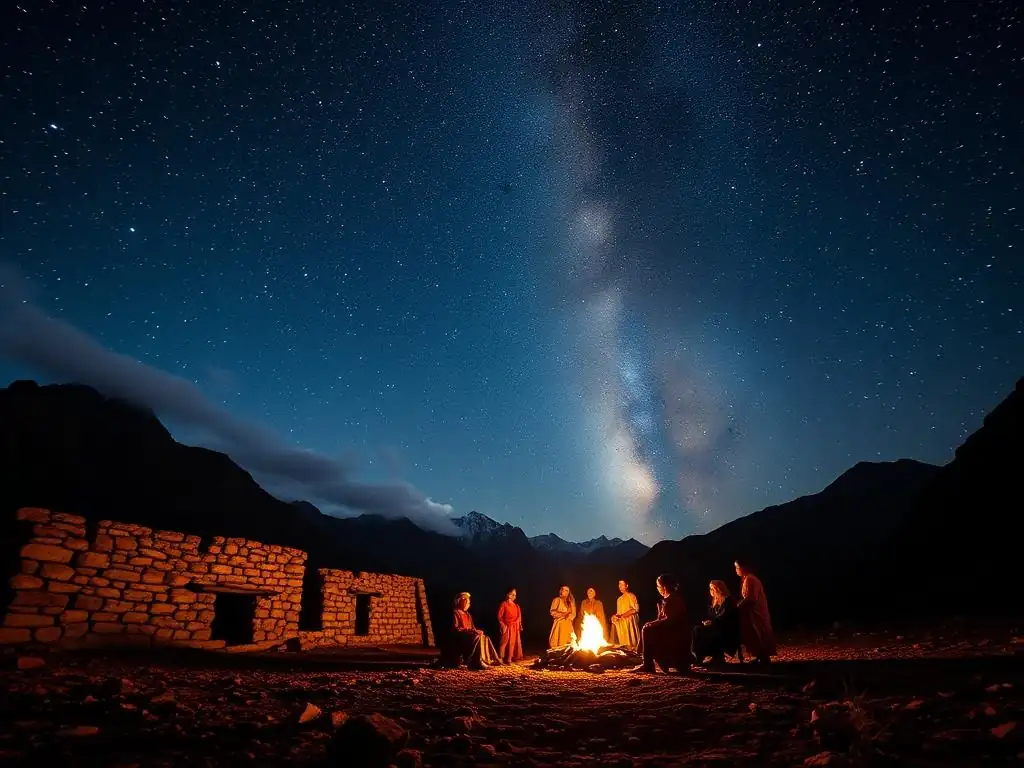
Welcome to Indigenous Civilizations of the Americas, where we invite you to journey through the rich tapestry of cultures that flourished long before European contact. Discover the profound Andean indigenous perspectives on the night sky, a captivating exploration of how ancient civilizations interpreted the cosmos above them. What secrets did the Milky Way hold for these societies, and how did their celestial observations shape their understanding of the world? Embark on this enlightening adventure and uncover the achievements that continue to resonate through time. Your exploration of these remarkable legacies begins here!
Introduction to Andean Indigenous Perspectives on the Night Sky
The Andean region, with its towering mountains and clear skies, has long been a cradle for rich astronomical traditions that deeply influence the cultures of its indigenous peoples. The visibility of the Milky Way, a striking feature of the night sky, was not merely a source of wonder but also a vital component of Andean cosmology and daily life.
This article aims to explore Andean indigenous perspectives on the night sky, particularly focusing on how these communities interpreted celestial phenomena, the significance ascribed to the Milky Way, and the broader implications for their agricultural practices, religious beliefs, and social structures. By examining the interrelationship between the cosmos and the Andean way of life, we gain insights into how these civilizations navigated their world through the stars.
The Importance of Astronomy in Andean Cultures
Astronomy played a fundamental role in the lives of Andean civilizations, guiding their agricultural cycles, religious ceremonies, and social organization. The Inca Empire, for example, developed sophisticated astronomical knowledge that allowed them to create precise calendars based on celestial observations. This knowledge was essential for:
- Agriculture: Timing planting and harvesting based on lunar phases and seasonal changes.
- Religious Practices: Aligning rituals with celestial events to honor deities associated with the heavens.
- Navigation and Timekeeping: Utilizing the stars for orientation and as a means of tracking time.
Through their meticulous observations, Andean peoples cultivated a profound understanding of the night sky, which shaped their identity and worldview.
Overview of the Milky Way's Significance in Indigenous Beliefs
In Andean cosmology, the Milky Way is often viewed as a river, symbolizing both the passage of souls and the connection between the earthly and the divine. Indigenous narratives frequently reflect this duality, where the Milky Way serves as both a guide for travelers and a pathway for ancestors.
Key beliefs surrounding the Milky Way include:
- Connection to Ancestors: Many Andean cultures viewed the stars as ancestral spirits watching over the living.
- Mythological Interpretations: The Milky Way is often embedded in folklore, depicting stories of creation, migration, and the cycles of life.
- Ceremonial Importance: Specific celestial alignments related to the Milky Way were celebrated through various rituals, reinforcing community bonds and cultural identity.
Understanding the Night Sky from the Andes
The Milky Way in Andean Cosmology
The Milky Way holds a prominent place in Andean cosmology, often depicted as a bridge between the realms of the living and the dead. This celestial band is sometimes referred to as "Mayu," meaning river in Quechua, and embodies the flow of life and the cyclical nature of existence.
The Milky Way's visibility varies throughout the year, influencing its role in agricultural and ceremonial calendars. Notable aspects include:
- Seasonal Observations: Different constellations and celestial phenomena become visible during specific times of the year, leading to a rich tapestry of seasonal knowledge.
- Cultural Narratives: Stories associated with the stars provide lessons on morality, ethics, and the interconnectedness of all beings.
Seasonal Changes and Their Influence on Astronomical Observations
The changing seasons significantly impacted how Andean cultures observed and interpreted the night sky. Each season brought different celestial events, which were critical for agricultural practices and cultural celebrations.
Factors influencing these observations include:
- Visibility of Constellations: Certain stars and constellations are more prominent during specific seasons, guiding agricultural activities.
- Weather Patterns: Clear skies during particular times of the year allowed for more detailed astronomical observations, enhancing the understanding of celestial cycles.
- Ritual Timing: Many rituals were aligned with equinoxes and solstices, emphasizing the importance of the Milky Way and other celestial bodies in spiritual practices.
The Andean perspectives on the night sky are a testament to the intricate relationship between culture, nature, and the cosmos. Through this exploration, we can appreciate the depth of knowledge and the profound meanings ascribed to the Milky Way by indigenous civilizations of the Andes.
Andean Indigenous Techniques for Observing the Night Sky
The Andean civilizations developed sophisticated techniques for observing the night sky, deeply intertwined with their agricultural practices, spirituality, and social organization. These techniques were not only practical for navigation and timekeeping but also served as a foundation for their cosmological understanding of the universe. Through systematic observation of celestial movements, Andean indigenous peoples could predict seasonal changes, which were critical for agricultural cycles and ritual practices.
The clear, high-altitude skies of the Andes provided an optimal environment for stargazing. Communities often designated specific locations, such as mountain tops or open fields, where the visibility of the cosmos was unobstructed. By observing the Milky Way and its prominent constellations, they created calendars that guided their agricultural activities, festivals, and ceremonial events.
Traditional Methods of Stargazing in the Andes
Traditional Andean stargazing methods involved the use of simple yet effective techniques. Elders within the communities often took on the role of astronomers, passing down knowledge through oral traditions. Techniques included:
- Direct Observation: The Andean peoples utilized their naked eye to observe celestial bodies, noting their positions and movements against the landscape. This direct connection to the stars fostered a profound appreciation of the cosmos.
- Seasonal Markers: Specific stars and constellations were used as markers to signal important agricultural seasons. For example, the appearance of certain stars indicated the right time for planting or harvesting crops.
- Celestial Navigation: Travelers and traders relied on the stars for navigation across the rugged Andean terrain, using constellations as guiding points during their journeys.
These methods demonstrate the ingenuity and adaptability of Andean cultures in utilizing the night sky for practical and spiritual guidance.
Tools and Instruments Used by Andean Astronomers
In addition to their observational skills, Andean astronomers developed various tools and instruments to enhance their understanding of the night sky. Some notable tools included:
- Chakana (Inca Cross): This symbol not only represented the Andean concept of the cosmos but served as a tool for understanding the spatial arrangement of stars and constellations. The Chakana connected the earthly realm with the heavens, emphasizing the cyclical nature of time and life.
- Stone Alignments and Observatories: Structures such as the Intihuatana in Machu Picchu functioned as astronomical observatories. These stone configurations were aligned with solar and lunar events, allowing astronomers to track celestial motions.
- Simple Geometric Instruments: Tools like plumb bobs and sighting sticks were employed to measure angles and track the positions of celestial bodies, enabling a more precise understanding of astronomy.
These instruments reflect the technical proficiency and sophisticated understanding of astronomy possessed by Andean civilizations.
Cultural Narratives and Myths Associated with the Milky Way
The Milky Way holds significant cultural importance in Andean mythology and cosmology. Various narratives and myths convey the profound connection that Andean peoples had with the cosmos, shaping their worldview and cultural practices.
Folklore and Legends Surrounding the Night Sky
Andean folklore is rich with stories that explain the origins and meanings of celestial phenomena. For instance, the Milky Way is often depicted as the "River of Stars" or the "Path of the Ancestors," symbolizing a bridge between the earthly realm and the spiritual world.
- The Legend of Mama Quilla: One popular legend speaks of Mama Quilla, the moon goddess, who created the Milky Way to guide lost souls. Her light serves as a reminder of the connection between life and death, as souls traverse this celestial river to reach the afterlife.
- The Story of the Llama and the Stars: Another tale involves a llama that was sent to the stars as a reward for its loyalty. The llama's journey across the night sky is said to illuminate the path for travelers, reinforcing the importance of guidance and protection found in the stars.
These narratives not only entertain but also impart moral and cultural lessons, drawing on the significant role of the night sky in Andean life.
Symbolism of Stars and Constellations in Andean Culture
Stars and constellations carry profound symbolism in Andean culture, often associated with agricultural practices, spiritual beliefs, and social organization. Different celestial bodies were linked to specific deities and events, shaping the community's rituals and celebrations.
- Constellations as Agricultural Indicators: Certain constellations, such as the Southern Cross, were used to signify the changing of seasons, guiding communities in their agricultural cycles. The appearance of these celestial patterns indicated when to plant or harvest crops, demonstrating the integral relationship between astronomy and agriculture.
- Divine Connections: Stars were often seen as representations of ancestors or deities, reinforcing the belief in a cosmos that was deeply interconnected with human existence. Rituals and ceremonies were frequently held to honor these celestial beings, reflecting the Andean worldview that the heavens and earth were in constant communication.
Through these symbols, Andean cultures expressed their understanding of the universe, weaving a rich tapestry of meaning that linked the night sky with their daily lives and spiritual beliefs.
The Role of the Milky Way in Agricultural Practices
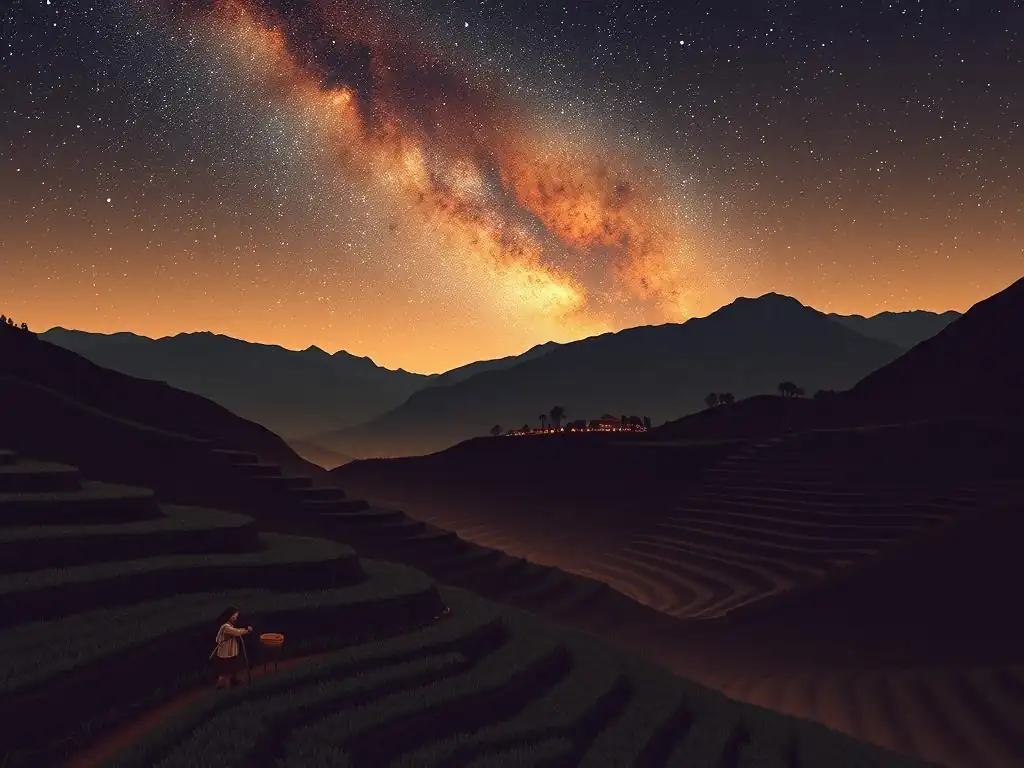
The Milky Way held significant importance in the agricultural practices of Andean indigenous cultures, serving as both a guide and a symbol. The visibility of this celestial band during certain times of the year was closely observed and correlated with seasonal changes that were critical for farming. The Andean peoples, including the Inca, relied on the Milky Way to inform them of the ideal times for planting and harvesting crops.
The appearance of the Milky Way in the night sky often coincided with specific agricultural cycles, influencing when to sow seeds and when to gather harvests. For example, the rising of certain stars alongside the Milky Way marked the onset of the rainy season, which was essential for crop cultivation in the arid highlands. Thus, the Milky Way was not merely a beautiful sight; it was a vital component of Andean agricultural sustainability.
Calendrical Systems Based on Astronomical Events
Andean civilizations developed intricate calendrical systems deeply rooted in their observations of the night sky, particularly the Milky Way. These systems were not only practical but also intertwined with their cultural and spiritual beliefs. The Andean calendar was often divided into various cycles, such as lunar months and solar years, with astronomical events marking important transitions.
The Milky Way served as a celestial marker, assisting in the alignment of agricultural activities with the changing seasons. Observations of celestial bodies within the Milky Way, such as the Southern Cross and the Pleiades, were critical for determining planting and harvesting times. This astronomical knowledge helped ensure food security and was passed down through generations, showcasing the sophisticated understanding these civilizations had of their environment.
Agricultural Festivals and Their Connection to the Night Sky
Agricultural festivals in Andean cultures were closely linked to celestial events, particularly those associated with the Milky Way. These festivals not only celebrated the harvest but also honored the deities associated with fertility and agriculture. The timing of these celebrations often coincided with significant astronomical phenomena, such as the summer solstice or the appearance of the Milky Way in the night sky.
During these festivals, communities would engage in rituals and offerings, believing that their agricultural success was intertwined with their relationship to the cosmos. The visibility of the Milky Way became a focal point, symbolizing abundance and the interconnectedness of life on Earth and the heavens. This connection to the night sky fostered a sense of community and cultural identity, reinforcing the importance of astronomy in daily life.
Preservation of Andean Astronomical Knowledge
The preservation of Andean astronomical knowledge has been vital in maintaining the cultural heritage of indigenous peoples in the Americas. Despite the disruptions caused by European colonization, many Andean communities have retained their rich astronomical traditions. This preservation is evident in various practices, oral histories, and ongoing educational efforts that honor ancestral knowledge.
Oral Traditions and Their Impact on Astronomy
Oral traditions play a crucial role in the preservation of Andean astronomical knowledge. Elders and community leaders pass down stories, myths, and teachings that encapsulate their understanding of the night sky and its significance. These narratives often include explanations of constellations, celestial events, and their implications for agriculture and daily life.
Through storytelling, the Andean peoples have maintained a continuous connection to their astronomical heritage, ensuring that younger generations learn about the Milky Way's role in their culture. These oral traditions serve not only as educational tools but also as a means of reinforcing cultural identity and community cohesion, celebrating the wisdom of those who came before.
Modern Revivals of Indigenous Astronomical Practices
In recent years, there has been a resurgence of interest in indigenous astronomical practices among Andean communities. Modern initiatives aim to revive traditional knowledge and integrate it into contemporary life. This includes workshops, community gatherings, and collaborations with academic institutions to document and share astronomical practices rooted in indigenous wisdom.
These revivals often emphasize the importance of the Milky Way in cultural rituals and agricultural practices, while also addressing contemporary issues such as climate change and food security. By re-establishing a connection with their astronomical heritage, Andean peoples are not only preserving their history but also redefining their identity in a rapidly changing world. This revival represents a powerful affirmation of their cultural resilience and adaptability, highlighting the ongoing relevance of Andean indigenous perspectives on the night sky.
Conclusion: The Lasting Legacy of Andean Indigenous Perspectives on the Night Sky
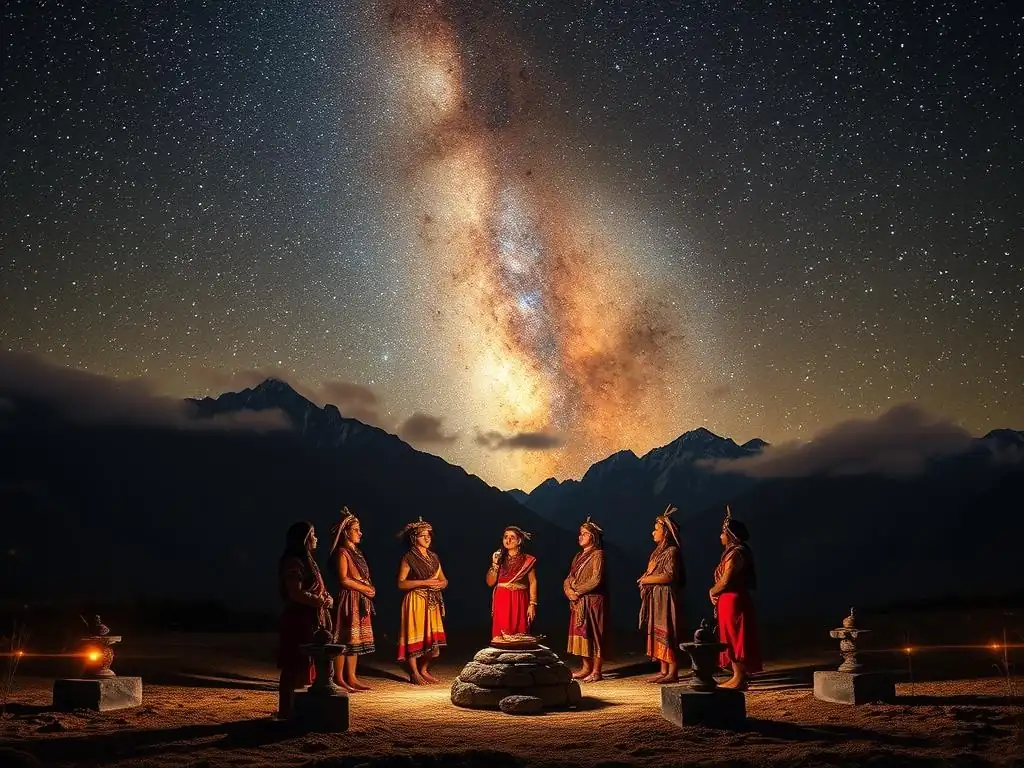
The Andean indigenous perspectives on the night sky are not merely remnants of a bygone era; they represent a rich tapestry of knowledge that has shaped cultural identity, spiritual beliefs, and agricultural practices among Andean communities. The visibility of the Milky Way, in particular, served as a celestial guide, influencing the timing of agricultural activities, rituals, and even social organization. The stars were seen as ancestors, deities, or cosmic entities that maintained a close relationship with the earth and its inhabitants.
Today, this legacy continues to resonate not only within indigenous communities but also in contemporary scientific contexts. As scholars and scientists increasingly recognize the value of traditional ecological knowledge, the Andean perspectives serve as a critical reminder of the importance of integrating diverse ways of knowing. This integration can enrich our understanding of astronomy and foster a more holistic view of the universe.
Reflection on the Importance of Indigenous Knowledge in Contemporary Astronomy
Indigenous knowledge systems, particularly those of the Andean peoples, offer invaluable insights into the cosmos that go beyond mere observation. They encompass a profound understanding of the cycles of nature, seasonal changes, and celestial events. For example, Andean astronomers utilized the Milky Way to mark important agricultural seasons, demonstrating a sophisticated blend of observation and practical application.
In contemporary astronomy, incorporating indigenous knowledge can lead to innovative approaches to scientific inquiry. For instance, the recognition of indigenous star lore can enhance our understanding of celestial patterns and phenomena. Moreover, engaging with indigenous perspectives fosters respect for cultural diversity and promotes a more inclusive scientific community. The dialogue between traditional knowledge and modern science can lead to new discoveries and a deeper appreciation of the universe’s complexity.
Encouraging Further Exploration of Andean Astronomical Heritage
To truly appreciate the contributions of Andean civilizations to our understanding of the night sky, it is essential to encourage further exploration of their astronomical heritage. This exploration can take many forms, from academic research and community-based initiatives to educational programs that celebrate indigenous astronomy.
Here are some ways to promote awareness and appreciation of Andean astronomical heritage:
- Academic Research: Encourage scholars to investigate and publish works on Andean astronomical practices, drawing connections between ancient knowledge and contemporary science.
- Community Engagement: Foster partnerships between indigenous communities and educational institutions to promote traditional astronomical practices and teachings.
- Public Education: Create workshops, lectures, and exhibitions that highlight Andean star lore and its significance in cultural identity, agriculture, and spirituality.
- Cultural Festivals: Support and promote cultural events that celebrate Andean astronomical traditions, allowing for the sharing of stories and knowledge across generations.
By actively engaging with and promoting the rich astronomical heritage of the Andean indigenous peoples, we can ensure that their invaluable insights into the night sky continue to illuminate our understanding of the universe for future generations.
- Introduction to Andean Indigenous Perspectives on the Night Sky
- Understanding the Night Sky from the Andes
- Andean Indigenous Techniques for Observing the Night Sky
- Cultural Narratives and Myths Associated with the Milky Way
- The Role of the Milky Way in Agricultural Practices
- Calendrical Systems Based on Astronomical Events
- Agricultural Festivals and Their Connection to the Night Sky
- Preservation of Andean Astronomical Knowledge
- Conclusion: The Lasting Legacy of Andean Indigenous Perspectives on the Night Sky
- Reflection on the Importance of Indigenous Knowledge in Contemporary Astronomy
- Encouraging Further Exploration of Andean Astronomical Heritage
- What are the main themes explored in the article about Andean perspectives on the night sky?
- How did Andean indigenous cultures interpret the night sky?
- Why is the Milky Way important in Andean cosmology?
- What achievements of Andean indigenous civilizations are highlighted in the article?
- How can the knowledge of Andean indigenous perspectives on the night sky contribute to modern astronomy?
Frequently Asked Questions
What are the main themes explored in the article about Andean perspectives on the night sky?
The article emphasizes cultural significance, astronomical knowledge, and the spiritual connections of Andean indigenous peoples with the Milky Way and celestial bodies.
How did Andean indigenous cultures interpret the night sky?
Andean cultures viewed the night sky as a living entity, with the Milky Way serving as a map for navigation and a source of mythological significance that influenced their daily lives.
Why is the Milky Way important in Andean cosmology?
The Milky Way is considered a central feature in Andean cosmology, representing the connection between the earth and the heavens, and serving as a guide for agricultural practices and seasonal changes.
What achievements of Andean indigenous civilizations are highlighted in the article?
The article showcases advanced astronomical practices, architectural achievements, and rich cultural traditions that reflect the deep understanding of the night sky and its importance in their society.
How can the knowledge of Andean indigenous perspectives on the night sky contribute to modern astronomy?
Studying these perspectives can enhance our understanding of cultural astronomy, providing insights into how different societies interpret celestial phenomena and fostering a greater appreciation for diverse knowledge systems.
Final Reflection: Embracing the Andean Indigenous Perspectives on the Night Sky
The visibility of the Milky Way is not merely a celestial phenomenon; it is a profound connection to the cultural and spiritual heritage of the Andean indigenous peoples. In today's fast-paced world, where urban lights often drown out the stars, we are reminded of the importance of reconnecting with our natural surroundings and the wisdom embedded in ancient traditions. The Andean perspectives on the night sky invite us to look up and appreciate the cosmos not just as a backdrop to our lives, but as a vital part of our identity and existence.
These perspectives have shaped the cultural and social landscape of Andean communities for centuries, influencing their agricultural practices, spiritual beliefs, and communal gatherings. The night sky serves as a canvas for storytelling, where constellations are not just patterns of stars but living narratives that bind generations together. As one Andean elder beautifully stated, The stars are our ancestors, guiding us through the darkness.
This connection to the cosmos fosters a sense of belonging and continuity, reminding us that we are part of something greater than ourselves.
As we reflect on the lessons drawn from the Andean indigenous perspectives on the night sky, let us challenge ourselves to seek a deeper understanding of our own relationship with the universe. Take a moment to step outside, look up, and contemplate the stories that the stars have to tell. By embracing these ancient insights, we can cultivate a renewed appreciation for the natural world and its mysteries, inspiring us to honor and protect the celestial heritage that connects us all.
Unveil the Wonders of the Night Sky!
Thank you for taking the time to explore the rich perspectives of ancient civilizations on the visibility of the Milky Way. We hope you’ve discovered the profound connection between these cultures and the cosmos. Now, it’s your turn to deepen your understanding and appreciation of the night sky!
Here are a few actions you can take to connect further with this fascinating topic:
- Join a local stargazing event to witness the beauty of the Milky Way firsthand while connecting with fellow enthusiasts.
- Share your thoughts! Post about your favorite celestial experiences on social media or in forums dedicated to astronomy to inspire others.
- Explore astronomy. Get a telescope or download a stargazing app to identify constellations and discover the captivating stories behind them.
As you begin this celestial journey, consider this: How has your perspective on the night sky changed after learning about the diverse cultural interpretations of constellations? We invite you to share your insights in the comments below!