
The Influence of Geography on Indigenous Language Families and Dialects

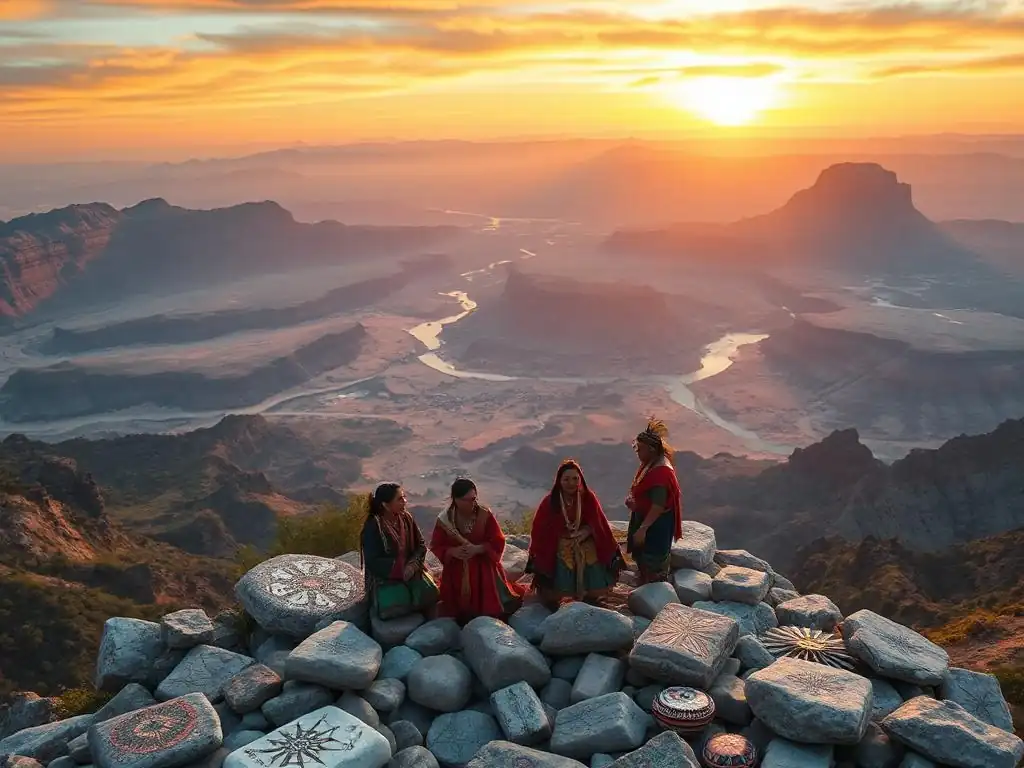
Welcome to Indigenous Civilizations of the Americas, where we invite you to embark on a fascinating journey through the rich tapestry of indigenous cultures that flourished across the continent long before European contact. In our featured article, "The Influence of Geography on Indigenous Language Families and Dialects," we delve into the profound ways geography shaped the languages and communication styles of these vibrant societies.
Discover how the diverse landscapes influenced not only the words spoken but also the very identities of the peoples who called these lands home. Join us as we uncover the intricate connections between place and language, and let your curiosity guide you deeper into the stories waiting to be told.
Introduction to Geography's Impact on Indigenous Languages
Geography has played a pivotal role in shaping the linguistic landscape of indigenous cultures across the Americas. The intricate relationship between the environment and language underscores how geographical features such as mountains, rivers, and climate have influenced the development and diversification of languages. As communities adapted to their surroundings, their languages evolved, reflecting not only their experiences but also their interactions with neighboring groups. This article delves into the multifaceted ways in which geography has impacted indigenous languages, highlighting the significance of this relationship in understanding the rich tapestry of indigenous cultures.
Understanding the Connection Between Geography and Language
The connection between geography and language can be observed through various lenses, including:
- Physical Barriers: Natural obstacles such as mountains and rivers can lead to isolation, allowing distinct dialects or languages to develop independently.
- Resource Distribution: Areas rich in resources may promote the establishment of larger, more complex societies, often resulting in a more elaborate linguistic structure.
- Cultural Exchange: Geographic proximity to other cultural groups can facilitate language borrowing and the creation of pidgins or creoles, reflecting shared experiences and interactions.
This connection is essential in recognizing how indigenous languages not only serve as tools for communication but also as repositories of cultural knowledge and identity.
Importance of Indigenous Language Families in Cultural Identity
Indigenous languages are fundamental to the cultural identity of communities. They encapsulate unique worldviews, traditions, and histories, acting as a bridge between generations. The preservation of these languages is crucial, as they embody the essence of the cultures from which they originate. Language families, such as Algonquian, Uto-Aztecan, and Siouan, represent diverse linguistic heritages, each contributing uniquely to the broader narrative of indigenous civilizations.
The decline of these languages due to external pressures, such as colonization and globalization, highlights the urgency of revitalization efforts to ensure that future generations can access their linguistic heritage.
Geographic Distribution of Indigenous Language Families
The Americas are home to a vast array of indigenous languages, categorized into several major language families. The geographic distribution of these families reveals much about the historical migrations, settlements, and interactions of indigenous peoples.
Overview of Major Indigenous Language Families in the Americas
Here are some of the prominent indigenous language families found throughout the Americas:
| Language Family | Regions Found | Key Languages |
|---|---|---|
| Algonquian | Eastern Canada, USA | Ojibwe, Cree, Pequot |
| Uto-Aztecan | Southwestern USA, Mexico | Nahuatl, Hopi |
| Siouan | Great Plains | Lakota, Dakota |
| Iroquoian | Northeastern USA | Mohawk, Seneca |
These families showcase the rich linguistic diversity that has developed in response to varying geographical contexts.
Regional Variations and Their Impact on Language Development
Regional variations significantly influence language development, leading to distinct dialects or entirely new languages. For instance:
- Highland vs. Lowland Languages: In regions with significant elevation changes, such as the Andes, languages may develop unique phonetic features due to the diverse environmental contexts.
- Coastal Influences: Coastal communities might borrow terminologies from maritime activities, reflecting their reliance on fishing and trade.
Understanding these variations is essential to appreciate the complexities of indigenous languages and their ongoing evolution in relation to geographical factors.
The Role of Natural Landscapes in Shaping Language Dialects
Natural landscapes play a pivotal role in the development and diversification of language families and dialects among indigenous cultures in the Americas. Geographic features such as mountains, rivers, and coastlines have historically acted as barriers or conduits, influencing the interactions between different linguistic groups. As communities adapted to their unique environments, their languages evolved, incorporating terms and expressions that reflected their surroundings, lifestyles, and cultural practices.
For instance, dialects can vary significantly from one valley to another, even if the communities are relatively close. This variation often arises from the isolation caused by natural barriers, such as mountains or dense forests, which can limit communication and interaction. In contrast, areas with open landscapes or navigable waterways tend to foster greater linguistic exchange, leading to dialect blending and the incorporation of new vocabulary. Thus, the interplay between geography and language is a dynamic process, with landscapes shaping not only how languages sound but also the concepts they convey.
Mountainous Regions and Their Unique Linguistic Features
Mountainous regions present a unique set of challenges and opportunities for indigenous languages. The steep terrain and isolated valleys often lead to the development of distinct dialects, as communities become linguistically isolated from one another. This isolation can result in significant phonetic and grammatical differences, as observed in languages such as Quechua in the Andes or the various languages spoken by the indigenous peoples of the Rockies.
In these regions, the unique environmental conditions can also influence vocabulary. For example, terms related to flora, fauna, and weather phenomena may differ drastically from those used in lowland areas. Indigenous peoples living in mountainous terrains often create specific words for types of snow, rock formations, and weather patterns, reflecting their intimate connection with the landscape. Additionally, cultural practices tied to the mountains, such as herding or farming at high altitudes, contribute to distinct linguistic features that are critical to their identity and heritage.
Coastal Areas: Influence of Trade and Interaction on Language
Coastal areas have long been centers of trade and interaction among diverse indigenous groups, leading to a rich tapestry of linguistic exchange. The accessibility of these regions allowed for the mingling of languages, resulting in the emergence of pidgins, creoles, and loanwords that reflect the multicultural dynamics of coastal societies. For instance, the coastal tribes of the Pacific Northwest developed complex trade networks, leading to linguistic influences that can be traced across various indigenous languages.
In these settings, language is not only a tool for communication but also a medium for cultural exchange. Coastal communities often borrow vocabulary related to maritime activities, such as fishing, navigation, and trade, from one another, enriching their languages. Furthermore, the interaction with European explorers and traders introduced new linguistic elements, which indigenous groups adapted to their existing languages. Thus, coastal regions exemplify how geography facilitates linguistic diversity through sustained interaction and cultural exchange.
Climate and Its Effects on Indigenous Languages
Climate is another significant factor that shapes the vocabulary and expression within indigenous languages. Various climate zones, from arid deserts to humid rainforests, dictate not only the lifestyles of these communities but also the linguistic structures they develop. The need to articulate environmental experiences leads to the creation of specific terms and phrases that capture the nuances of local climates.
For example, in regions where agriculture is vital, languages may have extensive vocabulary related to farming techniques, seasonal changes, and crop varieties. Conversely, in areas where survival depends on hunting and gathering, terms related to animal behavior, weather patterns, and natural resources become paramount. This intricate relationship between climate and language underscores how environmental conditions directly influence the lexicon and communication styles of indigenous peoples.
How Climate Zones Influence Vocabulary and Expression
Different climate zones foster unique linguistic characteristics that reflect the challenges and resources of each environment. In arctic regions, for instance, the Inuit languages are renowned for their extensive vocabulary concerning snow and ice, with numerous terms describing various forms of snow, ice conditions, and related phenomena. This linguistic richness allows speakers to convey detailed observations crucial for survival in such harsh climates.
In contrast, languages of tropical rainforest cultures often include a wide array of terms for biodiversity, reflecting the complexity and abundance of plant and animal life in these regions. The necessity to communicate effectively about their surroundings leads to a rich vocabulary that encapsulates the relationship between the people and their environment. This linguistic adaptation illustrates how climate shapes not only the language but also the cultural identity of indigenous communities.
The Relationship Between Environmental Adaptation and Language
The adaptation of indigenous peoples to their environments is deeply intertwined with their languages. As communities developed specific strategies to cope with their surroundings—be it through hunting, farming, or fishing—their languages evolved to encapsulate these practices. The lexicon of a language often mirrors the environmental challenges faced by its speakers, showcasing their knowledge and expertise in navigating their world.
For example, languages spoken by nomadic tribes in arid regions may include extensive terminology related to water sources, migration patterns, and seasonal changes, highlighting their survival strategies in a challenging climate. Similarly, agricultural societies in temperate regions may possess rich vocabularies related to crop rotation, soil types, and weather forecasting, reflecting their deep understanding of the land. This relationship between environmental adaptation and language underscores the profound connection between culture, geography, and communication, illustrating how indigenous languages serve as living records of human adaptation to the diverse landscapes of the Americas.
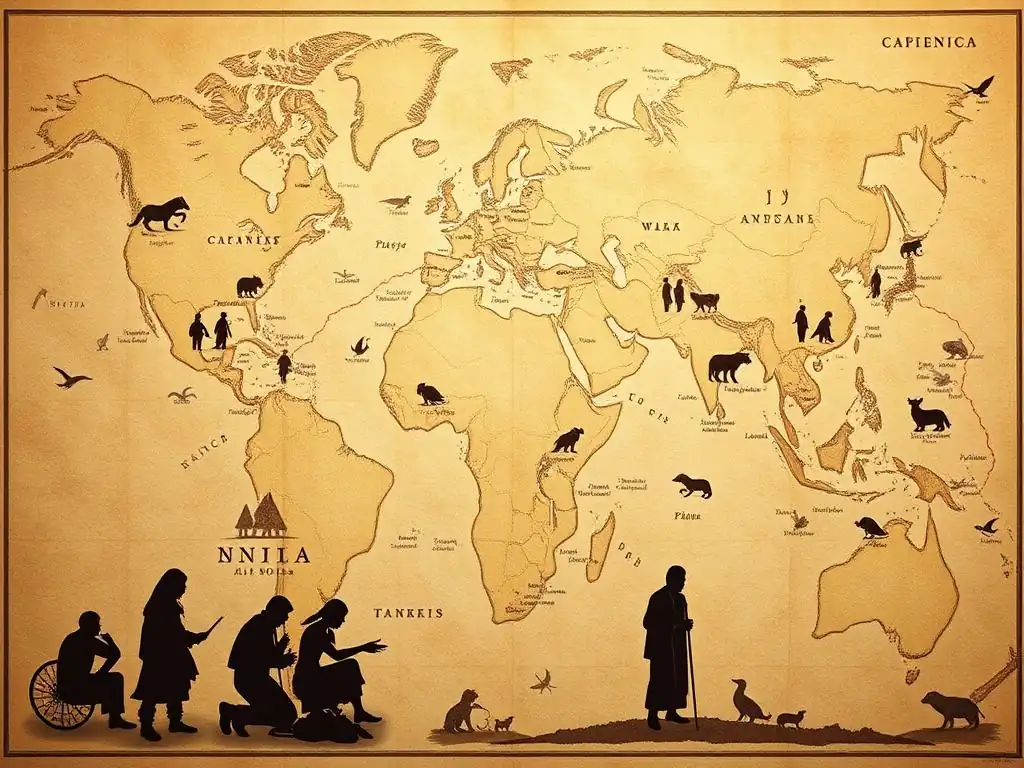
The interplay between social structure and geography plays a crucial role in shaping the linguistic landscape of indigenous communities across the Americas. Geography not only influences the physical environment in which these groups reside but also impacts their social interactions, cultural practices, and ultimately, the development of their languages.
In regions with diverse topographies, such as mountains, rivers, and forests, distinct communities may emerge, leading to the development of unique dialects and linguistic features. For example, indigenous groups living in isolated valleys might experience limited interaction with neighboring tribes, fostering unique language evolution. Conversely, communities situated along trade routes or water sources often develop more interconnected social structures, which can lead to the sharing of linguistic features and the creation of pidgins or creoles.
Furthermore, the adaptation of language to geographical features also reflects the environmental knowledge and cultural practices of a community. The vocabulary related to local flora, fauna, and geographical features can vary significantly, showcasing how geography informs language use. This dual influence of social structure and geography underlines the complexity of indigenous languages and highlights their dynamic nature.
The Impact of Settlement Patterns on Language Diversity
Settlement patterns significantly affect the diversity of languages spoken within indigenous communities. Those who established permanent settlements tended to develop languages that incorporated elements reflective of their agricultural practices, social hierarchies, and cultural rituals. This permanence allowed for the accumulation of linguistic complexity over generations, leading to rich vocabularies and intricate grammatical structures.
In contrast, nomadic groups often exhibit linguistic variations that reflect their transitory lifestyles. Their languages may prioritize terms related to mobility, environmental navigation, and resources pertinent to their migratory patterns. For example, the vocabulary used by hunter-gatherer societies often includes extensive terminology for different types of animal tracks, seasons, and weather patterns, which are essential for their survival and cultural identity.
Moreover, the proximity of different communities can lead to linguistic borrowing and the creation of hybrid dialects. When groups interact regularly through trade or intermarriage, shared linguistic elements often emerge, leading to a linguistic landscape that is both rich and diverse. Thus, settlement patterns are a fundamental factor in understanding the variations and complexities of indigenous languages across different geographical contexts.
Nomadic vs. Sedentary Lifestyles: Language Variations
The distinction between nomadic and sedentary lifestyles has a profound impact on language variations among indigenous peoples. Sedentary communities, often engaged in agriculture or permanent settlement, tend to develop more complex languages with elaborate syntax and vocabulary that reflects their social structures and cultural practices. For example, the languages of agricultural societies may include specific terms for various crops, farming techniques, and social roles within the community.
On the other hand, nomadic groups, who rely on hunting, gathering, or herding, often possess languages that prioritize practical communication over grammatical complexity. Their languages may be characterized by a focus on immediate environmental needs, such as terms for weather changes, animal behavior, and navigation. This linguistic efficiency reflects the necessity for quick and effective communication in their dynamic lifestyles.
These variations between nomadic and sedentary languages illustrate how lifestyle choices are intricately linked to linguistic development. As a result, the study of indigenous languages provides insight into the broader social and environmental contexts that shaped their evolution.
Case Studies of Specific Indigenous Language Families
Example 1: The Quechua Language and the Andean Geography
The Quechua language family, primarily spoken in the Andean region of South America, exemplifies the influence of geography on linguistic development. The rugged mountainous terrain of the Andes has led to the emergence of various dialects within the Quechua language, as communities became geographically isolated from one another.
Each dialect reflects the unique environmental context of its speakers, incorporating specific vocabulary related to the local flora, fauna, and agricultural practices. For instance, terms for crops like potatoes and quinoa are prevalent in Quechua, reflecting the agricultural significance of these plants in the Andean diet. Moreover, the geography also informs the grammatical structures of the language, with variations that express the relationship between the speaker and their environment.
The influence of geography on Quechua continues to be evident today, as speakers adapt their language to modern contexts while retaining the rich linguistic heritage that has developed over centuries.
Example 2: The Inuit Languages and Arctic Environments
Inuit languages, spoken by indigenous peoples in the Arctic regions of Canada, Greenland, and Alaska, showcase how environmental factors shape linguistic features. The harsh and dynamic Arctic environment necessitates a language rich in terms that describe snow, ice, and marine life, reflecting the intimate relationship between the Inuit people and their surroundings.
Inuit languages, such as Inuktitut, feature a complex system of word formation that allows for the expression of nuanced meanings related to the environment. For instance, there are various terms to describe different types of snow, ice conditions, and hunting techniques, demonstrating the cultural significance of these elements in their daily lives.
Furthermore, the geographical isolation of Inuit communities has contributed to the development of distinct dialects, each adapting to the specific environmental challenges faced by its speakers. The interplay between language and geography in Inuit cultures highlights the resilience and adaptability of indigenous languages in the face of changing environmental conditions.
The Importance of Preserving Indigenous Languages in Relation to Geography
Preserving indigenous languages is a crucial endeavor that intertwines with geographical contexts. Indigenous languages are not just means of communication; they carry the cultural, historical, and ecological knowledge of the communities that speak them. Each language encapsulates unique perspectives shaped by the geography of the region. Consequently, losing a language can mean losing valuable information about the local environment, biodiversity, and sustainable practices that have been honed over generations.
The geographic distribution of indigenous peoples has a profound impact on the languages they speak. For instance, languages spoken in isolated areas often exhibit significant linguistic diversity due to limited contact with other groups. This diversity enriches the global tapestry of human language. However, the geographic characteristics that contribute to this diversity also make these languages vulnerable to extinction, particularly as communities face pressures from modernization, globalization, and environmental changes.
Threats to Language Families Due to Environmental Changes
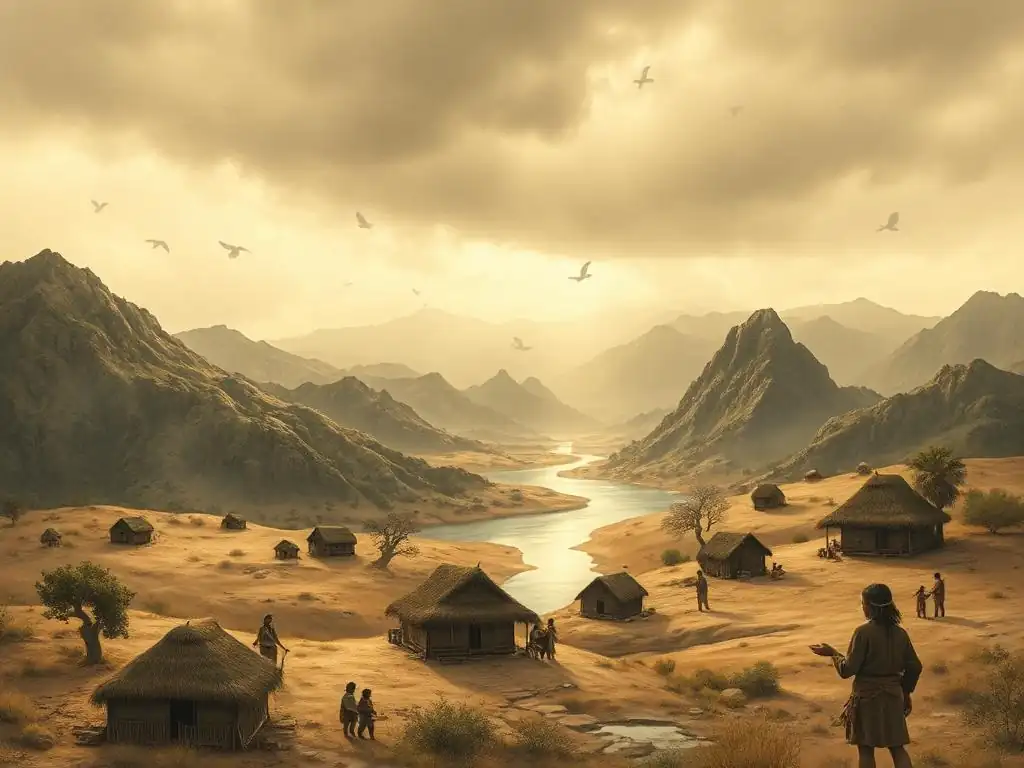
Environmental changes pose significant threats to indigenous language families. Climate change, deforestation, and urbanization can displace indigenous communities, leading to a breakdown in the transmission of languages and cultural practices. When a community is forced to relocate, the intricate connection between their language and the local environment may become severed, resulting in the loss of culturally relevant vocabulary and expressions tied to specific landscapes, flora, and fauna.
Moreover, as ecosystems are disrupted, the traditional ecological knowledge embedded in languages may be lost. For example, many indigenous languages contain specific terms for local species that are crucial for food security and biodiversity. The extinction of these languages can thus hinder efforts to conserve local ecosystems and undermine the community's ability to adapt to environmental changes.
Preservation Efforts: Community Initiatives and Geographic Context
Community initiatives play a vital role in the preservation of indigenous languages, often tailored to the specific geographic context of the speakers. Many communities have developed language revitalization programs that utilize digital media, educational workshops, and cultural events to promote language use among younger generations. These initiatives often draw upon local geography, incorporating elements of the environment into language teaching to reinforce the connection between language and place.
For example, in regions with rich biodiversity, language programs may focus on teaching names and uses of local plants and animals, fostering an appreciation for both the language and the surrounding ecosystem. Collaborations with universities and linguistic organizations can also enhance these efforts by providing resources and expertise. Ultimately, successful preservation strategies must consider the unique geographic and cultural contexts of each language community to be effective.
Conclusion: The Interconnectedness of Geography and Indigenous Languages
The relationship between geography and indigenous languages is intricate and multifaceted. Geographic factors influence not only the development and diversity of languages but also their survival in the face of modern challenges. Understanding this interconnectedness is essential for effective language preservation efforts.
Summarizing Geography's Impact on Indigenous Languages
Geography significantly impacts indigenous languages in various ways, including their development, diversity, and vulnerability to extinction. The landscapes in which communities reside shape their linguistic expressions and cultural identities. Conversely, the loss of these languages can lead to the diminishment of traditional ecological knowledge that is vital for both cultural heritage and environmental sustainability.
The Future of Indigenous Languages in a Changing World
As the world continues to change due to globalization and environmental pressures, the future of indigenous languages hangs in the balance. While many communities are actively working to revitalize and maintain their languages, ongoing threats necessitate a concerted effort to support these initiatives. By recognizing and addressing the geographical factors that influence indigenous languages, we can better protect these vital cultural assets for future generations. Collaboration among communities, governments, and organizations is essential to ensure that the rich linguistic heritage of indigenous peoples endures amidst the challenges of a rapidly changing world.
- Introduction to Geography's Impact on Indigenous Languages
- Geographic Distribution of Indigenous Language Families
- The Role of Natural Landscapes in Shaping Language Dialects
- Climate and Its Effects on Indigenous Languages
- Social Structure and Geography: A Dual Influence
- Case Studies of Specific Indigenous Language Families
- The Importance of Preserving Indigenous Languages in Relation to Geography
- Threats to Language Families Due to Environmental Changes
- Preservation Efforts: Community Initiatives and Geographic Context
- Conclusion: The Interconnectedness of Geography and Indigenous Languages
- What role did geography play in the development of indigenous languages?
- How did climate affect the languages of indigenous cultures?
- Are there any specific examples of language families affected by geography?
- How has the colonization impacted indigenous languages tied to geography?
- What are the implications of geographical isolation on language preservation?
Frequently Asked Questions
What role did geography play in the development of indigenous languages?
Geography significantly influenced the distribution and diversity of indigenous languages, as physical barriers like mountains and rivers created isolation and unique linguistic evolution.
How did climate affect the languages of indigenous cultures?
Climate shaped the vocabulary and expression of indigenous languages, as communities adapted their languages to describe their environment, resources, and daily life challenges.
Are there any specific examples of language families affected by geography?
Yes, the Navajo and Apache languages in the Southwestern United States illustrate how their desert geography influenced their lexicon and cultural expressions.
How has the colonization impacted indigenous languages tied to geography?
Colonization led to a decline in indigenous languages, often erasing those closely linked to their geographic context, as colonizers imposed their own languages and cultures.
What are the implications of geographical isolation on language preservation?
Geographical isolation can lead to the preservation of unique dialects and languages, as it creates barriers to external influences, allowing indigenous cultures to maintain their linguistic heritage.
Final Reflection: The Enduring Legacy of Geography on Indigenous Languages
The intricate relationship between geography and indigenous languages is more relevant today than ever, as we witness the ongoing struggle to preserve these unique linguistic heritages. The landscapes that shaped the languages of indigenous peoples are not merely backdrops; they are living, breathing entities that have influenced communication, culture, and identity for generations. As we navigate an increasingly globalized world, understanding geography's impact on indigenous languages becomes essential in recognizing the value of linguistic diversity and the stories embedded within each dialect.
The influence of geography on indigenous languages is a testament to the resilience and adaptability of cultures in the face of environmental challenges. These languages are not static; they evolve, reflecting the dynamic interplay between people and their surroundings. As we explore the rich tapestry of dialects, we see how geography has shaped not only the words spoken but also the very essence of cultural identity. Languages are the most powerful instruments of preserving and developing our tangible and intangible heritage.
— Kofi Annan. This quote resonates deeply as it underscores the importance of safeguarding these languages, which are often at risk due to external pressures and changing landscapes.
As we conclude this exploration, I invite you to reflect on the significance of geography in your own life and the languages that surround you. Consider how you can contribute to the preservation of linguistic diversity, whether through learning about indigenous languages, supporting local communities, or advocating for policies that protect these vital cultural resources. The future of indigenous languages depends on our collective awareness and action, reminding us that every language carries a world of knowledge, history, and identity waiting to be cherished and celebrated.
Embark on a Journey of Linguistic Discovery!
Thank you for taking the time to explore the profound relationship between geography and the rich tapestry of indigenous language families and dialects. Your engagement not only enhances your understanding but also honors the voices that have shaped these languages throughout history.
Now, it’s time to take your newfound knowledge and put it into action!
- Dive deeper: Explore local communities or online resources dedicated to indigenous languages. Learning a few phrases can foster understanding and respect.
- Share your insights: Engage in discussions with friends or share your thoughts on social media. The more we talk about these languages, the more we amplify their significance!
- Contribute to preservation: Seek out initiatives or projects that focus on documenting endangered languages. Your involvement can truly make a difference.
As you embark on this journey, consider what steps you will take to connect more deeply with indigenous languages and support their preservation.