
Language as Resistance: Indigenous Linguistic Preservation in the Face of Colonization

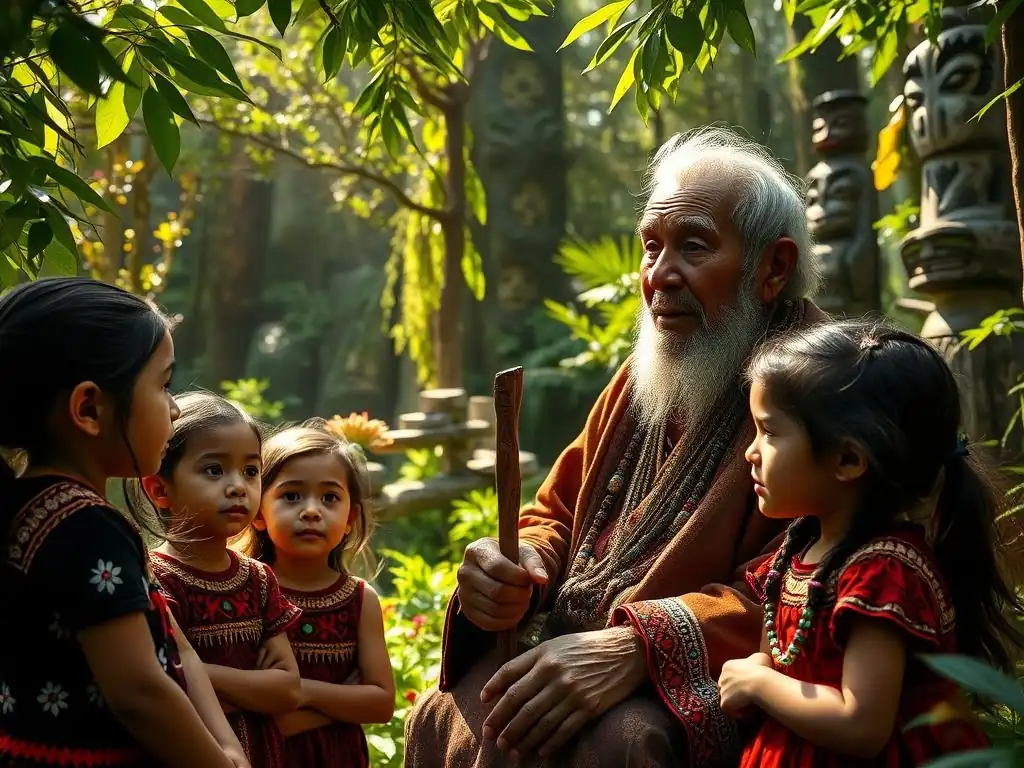
Welcome to Indigenous Civilizations of the Americas, where we invite you to embark on a profound journey through time to uncover the vibrant tapestry of indigenous cultures that flourished long before European colonization. Our featured article, "Language as Resistance: Indigenous Linguistic Preservation in the Face of Colonization," delves into the inspiring indigenous language preservation efforts that serve as a testament to resilience and identity.
As you explore the rich heritage and achievements of these remarkable societies, you'll discover how language plays a critical role in the survival and revitalization of their cultures. Join us in celebrating their enduring legacy and learn how these efforts continue to shape our understanding of history and communication today.
Introduction to Indigenous Language Preservation Efforts
Indigenous languages are not merely a means of communication; they are vital threads woven into the fabric of cultural identity and heritage. This article delves into Indigenous language preservation efforts, examining how these languages serve as powerful tools of resistance against the historical and ongoing impacts of colonization. As many Indigenous communities strive to reclaim their linguistic heritage, it becomes essential to understand the significance of these languages and the challenges they face.
The preservation of Indigenous languages is not only about maintaining a way of speaking but also about safeguarding unique worldviews, traditions, and histories that have persisted for millennia. This exploration highlights the resilience and tenacity of Indigenous peoples in their fight to keep their languages alive in the face of overwhelming odds.
Importance of Indigenous Languages in Cultural Identity
Indigenous languages are deeply intertwined with the cultural identity of their speakers. They encapsulate:
- Traditions and Knowledge: Many Indigenous languages contain unique vocabulary related to local flora, fauna, and traditional practices, which cannot be fully translated into other languages.
- Worldviews and Philosophies: Language shapes thought. The words and structures of Indigenous languages often reflect distinct ways of understanding the world, which can be lost if the language disappears.
- Community and Belonging: Speaking an Indigenous language fosters a sense of community and belonging among its speakers, strengthening social ties and cultural continuity.
The loss of a language often equates to the erosion of cultural identity, making preservation efforts crucial for maintaining community cohesion and heritage.
Overview of Language and Colonization
Colonization has had a profound impact on Indigenous languages across the Americas. European powers often imposed their languages as part of a broader strategy to control and assimilate Indigenous peoples. This process resulted in:
- Language Suppression: Indigenous languages were often banned in schools and public life, compelling speakers to adopt colonial languages.
- Cultural Erosion: Language loss contributed to the erosion of cultural practices, as many traditions are inextricably linked to the language in which they are expressed.
- Resistance Through Language: In many cases, Indigenous communities have used their languages as a form of resistance, asserting their identity and heritage even in the face of systemic oppression.
Historical Context of Indigenous Languages
Understanding the historical context of Indigenous languages provides insight into the current preservation efforts and the challenges that lie ahead.
Pre-Colonial Linguistic Diversity in the Americas
Before European contact, the Americas were home to an astonishing diversity of languages and dialects. Estimates suggest that there were over 300 distinct languages spoken across the continent, belonging to various linguistic families. This rich tapestry included:
- North American Languages: Indigenous groups such as the Navajo, Cherokee, and Lakota spoke languages that were not only diverse but also complex, with intricate grammatical structures and sounds.
- Mesoamerican Languages: In regions like present-day Mexico and Central America, languages like Nahuatl and Maya were central to sophisticated civilizations with rich literary traditions.
- South American Languages: The Quechua and Aymara languages, among others, were spoken by millions and were integral to the cultural practices of the Inca Empire and surrounding societies.
This linguistic diversity is a testament to the rich cultural heritage of Indigenous peoples prior to colonization.
Impact of Colonization on Indigenous Languages
The arrival of European colonizers marked a turning point for Indigenous languages, leading to significant shifts in their status and usage. The impact of colonization can be summarized as follows:
- Language Loss: Many Indigenous languages fell silent as speakers were forced to adapt to colonial languages for economic and social survival, resulting in a decline in fluent speakers.
- Forced Assimilation: Policies aimed at assimilation often included the establishment of boarding schools where Indigenous children were prohibited from speaking their native languages, further accelerating language decline.
- Revitalization Efforts: In response to these challenges, many Indigenous communities have initiated revitalization programs, focusing on teaching their languages to younger generations, documenting linguistic heritage, and promoting bilingual education.
The ongoing struggle for Indigenous language preservation reflects a broader movement towards cultural resurgence and self-determination, highlighting the importance of language as a vital component of identity and resistance.
Current State of Indigenous Language Preservation
The current state of Indigenous language preservation reflects both challenges and hopeful initiatives across various communities. Despite the rich linguistic diversity that characterized pre-colonial America, many Indigenous languages now face critical endangerment, with some nearing extinction. According to estimates, around 300 Indigenous languages are spoken in the Americas today, a significant decrease compared to the thousands that existed prior to European contact. This decline is largely attributed to historical suppression, forced assimilation policies, and ongoing socio-economic pressures that favor dominant languages.
Efforts to revitalize Indigenous languages have gained momentum in recent years, fueled by a growing recognition of their cultural significance and the vital role they play in identity and heritage. Organizations, linguists, and community members are increasingly collaborating to document, teach, and promote these languages, but the journey towards sustainable language maintenance remains complex.
Statistics on Language Endangerment
The statistics surrounding Indigenous language endangerment are stark and illustrate the urgency of preservation efforts:
- Number of Languages: It is estimated that over 90% of Indigenous languages in North America are at risk of disappearing.
- Speakers: Many languages have fewer than 100 speakers, and some, like Eyak in Alaska, have already lost their last fluent speaker.
- Intergenerational Transmission: Only about 20% of Indigenous languages are being actively taught to children, which is essential for their survival.
- Cultural Impact: The loss of language correlates with loss of cultural practices and knowledge, as language encapsulates unique worldviews and traditions.
These statistics highlight the critical state of Indigenous languages and the pressing need for effective preservation strategies to combat this trend.
Key Indigenous Languages at Risk

Several Indigenous languages face imminent threats due to declining speaker populations and lack of transmission. Notably:
- Cherokee: Once spoken by over 20,000 people, it now has less than 2,000 fluent speakers.
- Ojibwe: With efforts to revitalize it, the number of speakers fluctuates between 2,000 to 5,000, but it remains endangered.
- Navajo: Although the largest Indigenous language group in the U.S., its speakers are predominantly older adults, raising concerns for future generations.
- Quechua: Spoken across several South American countries, it is facing pressures from Spanish and Portuguese, leading to a decline in fluent speakers.
These languages represent not only linguistic diversity but also the cultural heritage of their communities, emphasizing the importance of preservation efforts.
Indigenous Language Preservation Efforts
Efforts to preserve Indigenous languages are multifaceted, involving community engagement, educational initiatives, and technological innovations. These strategies focus on revitalizing languages and ensuring their continued use in everyday life.
Community-Led Initiatives for Language Revitalization
Community-led initiatives play a crucial role in language revitalization. These grassroots movements prioritize local knowledge and cultural practices, often involving:
- Language Nests: Programs where fluent speakers teach children in immersive environments, fostering natural language acquisition.
- Workshops and Classes: Regular community classes that focus on teaching language skills to all ages, often incorporating cultural teachings.
- Cultural Events: Festivals and gatherings that celebrate language through storytelling, music, and traditional practices, reinforcing its importance in cultural identity.
Community involvement ensures that language preservation is relevant and tailored to the needs of the speakers.
Role of Educational Programs in Language Preservation
Educational programs are vital for the sustainability of Indigenous languages. These programs can take various forms, including:
- Bilingual Education: Schools that incorporate Indigenous languages alongside dominant languages, promoting fluency in both.
- Curriculum Development: Creating materials that reflect the community's language and culture, ensuring students see their identity represented.
- Teacher Training: Equipping educators with the skills to teach Indigenous languages effectively, thus expanding the reach and impact of these programs.
Such educational initiatives foster a sense of pride and belonging among young learners, making Indigenous languages a living part of their daily lives.
Utilization of Technology in Indigenous Language Maintenance
Technology has emerged as a powerful ally in Indigenous language preservation. Its applications include:
- Digital Dictionaries and Apps: Tools that provide accessible language resources, including vocabulary, pronunciation, and grammar guides.
- Online Courses and Tutorials: Platforms that offer language learning opportunities to a global audience, connecting speakers and learners.
- Social Media and Multimedia: Utilizing platforms to share content in Indigenous languages, such as videos, podcasts, and music, thus reaching younger audiences effectively.
By harnessing technology, communities can expand their language reach and foster a new generation of speakers, ensuring that Indigenous languages thrive in the modern world.
Case Studies of Successful Indigenous Language Preservation
Indigenous language preservation efforts have seen various degrees of success across different cultures and regions. These case studies highlight how community engagement, educational initiatives, and cultural pride can lead to revitalization and reclamation of indigenous languages.
Case Study 1: The revitalization of the Hawaiian language through community programs
The Hawaiian language, or ʻŌlelo Hawaiʻi, faced near extinction by the late 20th century due to colonization and the subsequent suppression of native culture. However, a remarkable revitalization effort began in the 1970s, spearheaded by community activists who recognized the importance of preserving their linguistic heritage.
Key components of this revitalization include:
- Community Language Programs: Initiatives such as the Pūerto Kula Kaiapuni (Hawaiian Language Immersion Schools) allow children to receive their education primarily in Hawaiian, fostering fluency from a young age.
- Cultural Events: Events like the Merrie Monarch Festival celebrate Hawaiian culture through hula and chant, reinforcing the language's significance in community identity.
- Digital Resources: The development of online platforms and apps has made learning Hawaiian more accessible, enabling learners to practice the language outside of formal settings.
As a result of these combined efforts, the number of fluent Hawaiian speakers has increased significantly, with estimates suggesting that tens of thousands of people now engage with the language regularly.
Case Study 2: The reclamation of the Ojibwe language in Minnesota schools
The Ojibwe language, spoken by the Anishinaabe people, has faced significant decline due to historical oppression. However, in Minnesota, several schools have implemented Ojibwe language programs that aim to reclaim and revitalize the language within the community.
Key aspects of this initiative include:
- Bilingual Education: Schools like the Leech Lake Tribal College offer Ojibwe language classes that not only teach the language but also incorporate cultural teachings, connecting students to their heritage.
- Community Involvement: Families and community members are encouraged to participate in language classes and cultural events, creating a supportive environment for learners.
- Elder Participation: Involving fluent elders in teaching helps to pass down not just the language but also cultural knowledge and traditions, reinforcing its importance and relevance.
These efforts have led to an increase in the number of young Ojibwe speakers, showcasing a successful model for indigenous language preservation through education.
Challenges Facing Indigenous Language Preservation
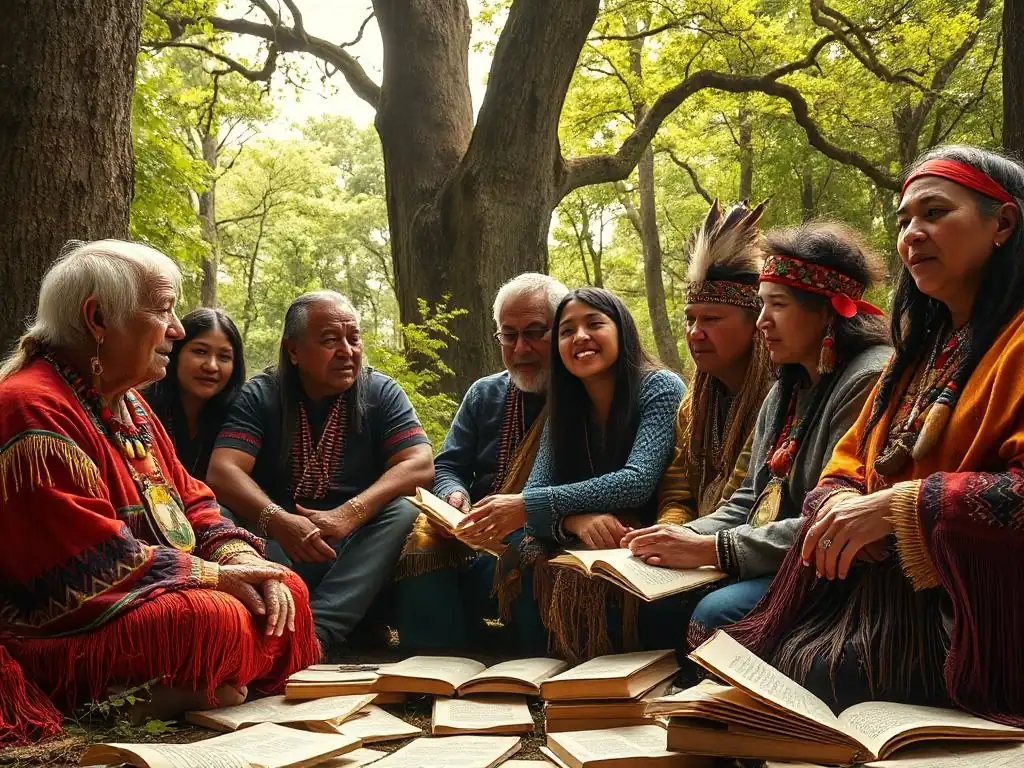
Despite the successes, indigenous language preservation efforts encounter numerous challenges that can impede progress. Understanding these challenges is crucial for developing effective strategies to overcome them.
Socioeconomic Factors Affecting Language Use
Socioeconomic conditions can significantly impact language use within indigenous communities. Factors such as poverty, lack of access to education, and limited job opportunities often force individuals to prioritize dominant languages, such as English or Spanish, over their native tongues.
- Urban Migration: Many indigenous people migrate to urban areas for economic opportunities, leading to a disconnection from their linguistic roots. In cities, the pressure to assimilate into the dominant culture often results in language loss.
- Educational Disparities: Limited funding for indigenous education and resources can hinder the teaching and learning of native languages, making it difficult for younger generations to engage with their heritage.
- Cultural Assimilation: The societal stigma associated with speaking indigenous languages can discourage individuals from using them, further contributing to language decline.
Government Policies and Their Impact on Language Survival
Government policies have historically played a dual role in the fate of indigenous languages. While some policies aim to promote language preservation, others have been detrimental.
- Historical Oppression: Many indigenous languages were actively suppressed through policies that prioritized colonial languages, including English and Spanish. This led to generations of children growing up without learning their native languages.
- Current Legislation: Some governments have introduced language revitalization laws and funding for indigenous education, yet the effectiveness of these initiatives often varies based on local implementation and community involvement.
- Recognition and Support: The lack of official recognition for indigenous languages can lead to inadequate support for language preservation efforts, making it difficult for communities to secure resources and funding.
Addressing these challenges is essential for ensuring the survival and flourishing of indigenous languages, as they are integral to cultural identity and heritage.
The Role of Indigenous Languages in Cultural Resistance
Indigenous languages serve as vital vessels for cultural identity, historical knowledge, and communal ties. As colonial powers sought to suppress Indigenous identities through the imposition of foreign languages and cultures, the preservation of Indigenous languages became an act of resistance. By maintaining their linguistic heritage, Indigenous communities assert their sovereignty and reclaim their narratives, which have historically been marginalized or erased. Language, therefore, is not merely a mode of communication; it is a powerful tool through which Indigenous peoples can assert their existence and resist cultural assimilation.
The multilingual nature of many Indigenous societies reflects their rich histories and intricate relationships with their environments. Each language embodies unique worldviews and philosophies, influencing how communities understand their place within the cosmos. The loss of a language, thus, signifies more than just a disappearance of words; it represents a severing of cultural ties and a loss of traditional knowledge that has been passed down through generations.
Language as a Tool for Sovereignty and Identity
Indigenous languages play a critical role in affirming group identity and fostering a sense of belonging among community members. The act of speaking one's native language is a profound expression of autonomy and resistance against colonial narratives that sought to define Indigenous identities in narrow, often derogatory terms. Language acts as a unifying force that strengthens community bonds and provides a sense of pride in cultural heritage.
In many Indigenous communities, language revitalization projects are not only about teaching vocabulary and grammar; they also encompass broader efforts to instill a sense of identity rooted in cultural traditions. For example, language classes often include discussions of traditional practices, stories, and values, further intertwining language learning with cultural affirmation. By reclaiming and promoting their languages, Indigenous peoples resist the pressures of assimilation and challenge the dominance of colonial languages.
Storytelling and Oral Traditions in Language Preservation
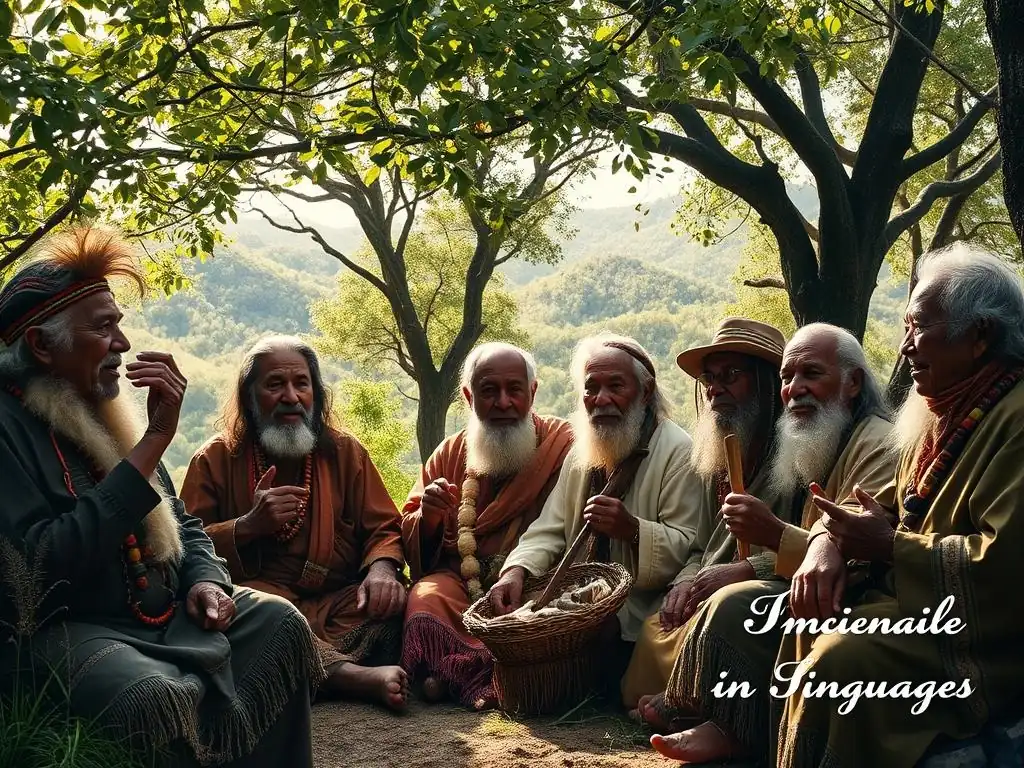
Storytelling is a cornerstone of Indigenous cultures, serving as a primary means of transmitting knowledge, values, and history across generations. Oral traditions encapsulate the intricacies of Indigenous worldviews, encapsulating lessons about the environment, social relationships, and cultural practices. As such, storytelling is an essential component of language preservation efforts.
Through the art of storytelling, elders pass down vital cultural knowledge, ensuring that younger generations remain connected to their heritage. Many Indigenous languages have rich narrative forms that not only entertain but also educate listeners about their ancestry and the teachings embedded within their culture. Collaborative storytelling initiatives, where community members gather to share stories in their native languages, are actively promoting language use in contemporary contexts.
Furthermore, digital technologies are being harnessed to record and disseminate oral traditions, making them accessible to broader audiences and fostering intergenerational learning. These initiatives not only preserve the language but also reinforce its relevance in today's world.
Future Directions for Indigenous Language Preservation Efforts
The future of Indigenous language preservation is multifaceted and requires innovative approaches that engage both Indigenous communities and broader society. Acknowledging the importance of language as a living entity, preservation efforts must evolve to meet the needs of contemporary speakers while respecting traditional practices.
Collaboration Between Indigenous Communities and Linguists
Collaboration between Indigenous communities and linguists is essential for effective language preservation. Linguists can provide technical assistance and research support, while Indigenous knowledge holders bring invaluable cultural insights and contextual understanding. This partnership ensures that language revitalization efforts are grounded in the community's needs and aspirations.
For instance, joint initiatives may involve creating bilingual educational materials, developing language apps, or conducting community workshops. These collaborations empower Indigenous peoples to take ownership of their linguistic heritage while benefiting from academic expertise. By fostering respectful and reciprocal relationships, both parties can work towards revitalizing languages in ways that honor Indigenous traditions.
Importance of Policy Advocacy for Language Rights
Policy advocacy plays a critical role in supporting Indigenous language preservation efforts. Governments and institutions must recognize the rights of Indigenous peoples to maintain and revitalize their languages. This includes enacting policies that protect language rights and provide funding for educational programs, language documentation, and cultural initiatives.
Advocacy efforts can also focus on integrating Indigenous languages into formal education systems, ensuring that children learn their native languages alongside dominant languages. By promoting bilingual education, Indigenous communities can nurture a new generation of speakers who are equipped to carry their languages into the future.
Indigenous language preservation efforts are intertwined with cultural identity, community resilience, and social justice. By prioritizing collaboration and policy advocacy, we can work towards a future where Indigenous languages thrive, enriching our collective human experience.
Conclusion: The Ongoing Journey of Indigenous Language Preservation
The journey of Indigenous language preservation is both a profound challenge and a powerful testament to the resilience of Indigenous cultures. Many languages that have survived colonization face ongoing threats from globalization, urbanization, and the dominance of colonial languages. Efforts to revitalize these languages are crucial, as they not only safeguard unique worldviews and knowledge systems but also foster a sense of identity and community among Indigenous peoples.
Today, Indigenous communities are employing various strategies to ensure their languages thrive. This includes the development of language programs in schools, community-based workshops, and the use of technology to create digital resources. Furthermore, intergenerational transmission of language remains a cornerstone of preservation, emphasizing the importance of teaching younger generations through family and community engagement.
As we reflect on the past, it is clear that the fight for linguistic survival is ongoing. The collaborative efforts among Indigenous communities, linguists, educators, and policymakers are essential to creating a sustainable future for these languages.
Call to Action for Supporting Indigenous Language Initiatives
Supporting Indigenous language initiatives is vital for their survival and revitalization. Here are several ways individuals and organizations can contribute to this cause:
- Educate Yourself and Others: Learning about Indigenous languages and their significance can raise awareness. Share this knowledge with your community to foster appreciation and support for these languages.
- Support Indigenous Language Programs: Contribute to or volunteer with organizations that promote Indigenous language education and revitalization efforts. This could include language classes, cultural workshops, or community events.
- Advocate for Policy Changes: Engage with policymakers to ensure that Indigenous languages are included in educational curricula and receive necessary funding for preservation efforts.
- Consume and Share Indigenous Media: Support Indigenous artists, authors, and creators by engaging with their work in Indigenous languages. This not only helps to sustain these languages but also amplifies Indigenous voices in broader cultural conversations.
- Participate in Language Learning: Join language classes or study groups to learn an Indigenous language. Your participation can demonstrate the demand for these languages and encourage their use in everyday life.
By taking these steps, you can play a meaningful role in the preservation and revitalization of Indigenous languages, helping to ensure that these vital cultural treasures continue to thrive for generations to come.
Final Thoughts on the Resilience of Indigenous Languages
The resilience of Indigenous languages is a remarkable story of survival, adaptation, and cultural pride. Despite centuries of oppression and attempts at erasure, many Indigenous languages are experiencing a resurgence through dedicated efforts by their speakers and allies. This resilience is not merely about maintaining a mode of communication; it encompasses the preservation of history, traditions, and ways of knowing that are intricately woven into the identity of Indigenous peoples.
The revitalization of Indigenous languages serves as a powerful form of resistance against colonial narratives and practices. It affirms the right of Indigenous communities to reclaim their linguistic heritage and assert their place in contemporary society. As we move forward, it is crucial to recognize that language preservation is a collective responsibility that requires commitment and collaboration from all sectors of society.
The journey of Indigenous language preservation reflects a broader struggle for cultural survival and autonomy. By actively supporting these efforts, we not only honor Indigenous peoples and their heritage but also enrich our collective human experience. The ongoing story of these languages is one of hope, resilience, and an enduring commitment to cultural identity in the face of adversity.
- Introduction to Indigenous Language Preservation Efforts
- Historical Context of Indigenous Languages
- Current State of Indigenous Language Preservation
- Statistics on Language Endangerment
- Key Indigenous Languages at Risk
- Indigenous Language Preservation Efforts
- Case Studies of Successful Indigenous Language Preservation
- Challenges Facing Indigenous Language Preservation
- The Role of Indigenous Languages in Cultural Resistance
- Language as a Tool for Sovereignty and Identity
- Storytelling and Oral Traditions in Language Preservation
- Future Directions for Indigenous Language Preservation Efforts
- Conclusion: The Ongoing Journey of Indigenous Language Preservation
Frequently Asked Questions
What are indigenous language preservation efforts?
Indigenous language preservation efforts are initiatives aimed at protecting, reviving, and promoting the use of native languages that have been endangered or diminished due to colonization and cultural assimilation.
Why is language preservation important for indigenous cultures?
Language preservation is crucial as it helps maintain cultural identity, traditions, and historical knowledge. It also fosters community cohesion and strengthens the connection to ancestral heritage.
How have colonization affected indigenous languages?
Colonization led to the suppression of indigenous languages, resulting in a significant decline in their use. Many languages faced extinction due to enforced policies that promoted dominant languages over indigenous tongues.
What strategies are used in language preservation?
Strategies for language preservation include educational programs, language immersion schools, and community workshops aimed at teaching younger generations. Additionally, the use of technology plays a vital role in documenting and sharing languages.
What role does the community play in language preservation efforts?
The community is essential in language preservation as they are the primary carriers of cultural knowledge and language. Their active participation ensures that traditional practices and languages are passed down to future generations.
Final Reflection: The Power of Language as Resistance
In a world where colonization has historically sought to erase Indigenous identities, the ongoing efforts for Indigenous language preservation are not merely acts of cultural revival; they are powerful statements of resilience and identity. The reclamation and revitalization of Indigenous languages today serve as a beacon of hope, reminding us that language is not just a means of communication but a vessel of history, culture, and belonging. As we witness these movements gaining momentum, we are reminded of the profound impact that language can have in shaping our understanding of the world and ourselves.
The struggle for Indigenous language preservation is deeply intertwined with broader social movements that advocate for justice, equity, and recognition of Indigenous rights. This ongoing battle is not just about words; it is about the survival of worldviews and ways of life that have existed for millennia. As Indigenous communities continue to reclaim their languages, they are also reclaiming their narratives and identities. Language is the road map of a culture. It tells you where its people come from and where they are going.
– Rita Mae Brown. This quote encapsulates the essence of why these preservation efforts are vital, as they chart a path toward a future that honors the past.
As we reflect on the significance of Indigenous language preservation efforts, let us consider our own roles in this narrative. How can we support these movements in our communities and beyond? Whether through advocacy, education, or simply by amplifying Indigenous voices, we each have the power to contribute to this vital cause. Embrace the opportunity to learn about and celebrate Indigenous languages, and let this knowledge inspire you to take action. Together, we can foster a world where every language is valued, and every culture is respected, ensuring that the rich tapestry of human experience continues to thrive.
Empower Indigenous Voices Today!
Thank you for taking the time to explore the crucial issue of Indigenous linguistic preservation and the resilience of these languages in the face of colonization. Your interest underscores the importance of acknowledging and supporting these cultural treasures. Now, let’s turn this knowledge into meaningful action!
- Join a local Indigenous language class or workshop to immerse yourself in and support efforts aimed at revitalizing these languages.
- Share this article with friends and family to raise awareness about the significance of preserving Indigenous languages.
- Engage with Indigenous communities online or through social media to learn more about their languages and cultures directly from their perspectives.
What steps will you take today to help preserve and celebrate Indigenous languages in your community?