
Mathematics and Ritual: The Sacred Numbers in Mesoamerican Cosmology

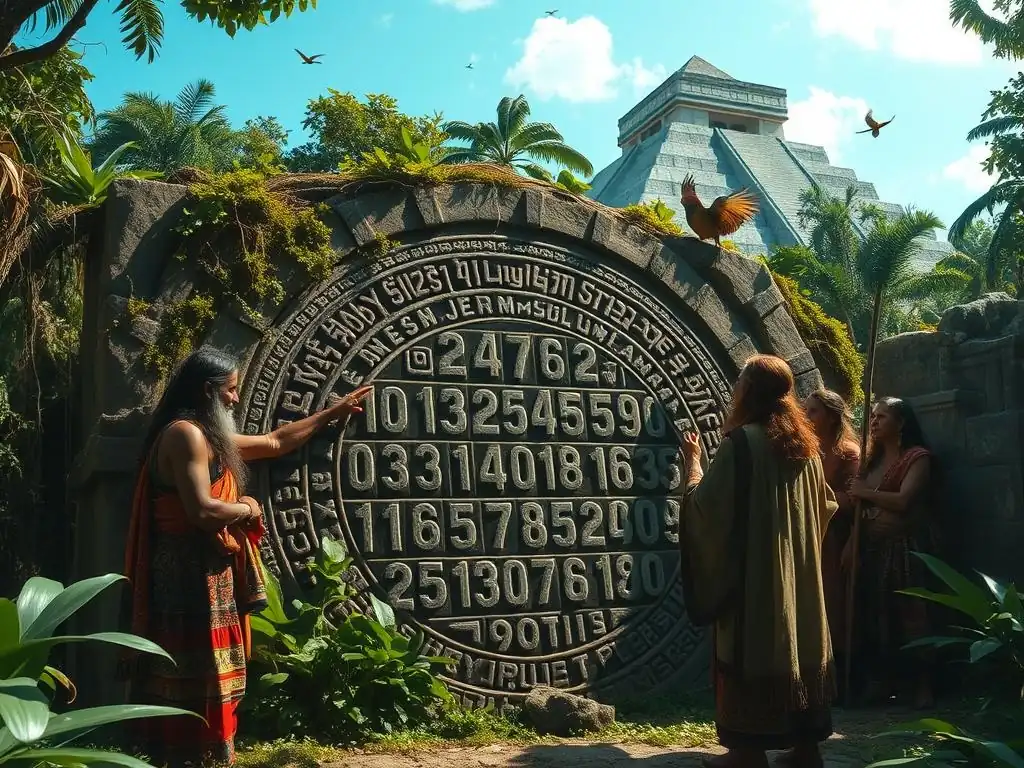
Welcome to Indigenous Civilizations of the Americas! Here, we invite you to embark on a fascinating journey through the rich tapestry of indigenous cultures that flourished long before European colonization. Our featured article, "Mathematics and Ritual: The Sacred Numbers in Mesoamerican Cosmology," delves into the profound significance of Mesoamerican sacred numbers and how they shaped the lives, rituals, and worldviews of these remarkable societies. Prepare to uncover the intricate connections between mathematics and spirituality, and discover how these ancient civilizations continue to influence our understanding of the universe. Let's explore the legacies that endure to this day!
- Introduction to Mesoamerican Sacred Numbers Significance
- Understanding Mesoamerican Cosmology
- The Significance of Sacred Numbers in Mesoamerican Mathematics
- Rituals and Their Connection to Sacred Numbers
- The Legacy of Mesoamerican Sacred Numbers
- Conclusion: The Enduring Importance of Sacred Numbers in Mesoamerican Mathematics
- Frequently Asked Questions
- Final Reflection: The Enduring Significance of Mesoamerican Sacred Numbers
- Unveil the Secrets of Mesoamerican Sacred Numbers!
Introduction to Mesoamerican Sacred Numbers Significance
Mesoamerican cultures, rich in history and tradition, intricately wove mathematics into the fabric of their daily lives and spiritual practices. The significance of sacred numbers in Mesoamerican cosmology transcended mere calculations; they served as a bridge connecting the physical world with the divine.
This article delves into the profound role that mathematics and ritual played in shaping Mesoamerican societies, emphasizing how these elements intertwined to create a unique worldview that influenced everything from agriculture to architecture. By exploring the Mesoamerican sacred numbers significance, we can uncover the sophisticated understanding these civilizations had of their environment and the cosmos, as well as their enduring legacy.
Overview of Mathematics in Mesoamerican Cultures
Mathematics in Mesoamerican cultures was not just a practical tool, but a pivotal component of their cosmological framework. The Maya, Aztec, and other indigenous groups developed complex mathematical systems that included:
- Base-20 (Vigesimal) System: This numeral system was foundational for the Maya, allowing them to perform advanced calculations, including astronomical observations.
- Calendrical Mathematics: The Mesoamericans employed multiple calendars, such as the Tzolk'in (260-day ritual calendar) and the Haab' (365-day solar calendar), which were deeply intertwined with their agricultural cycles and religious rituals.
- Geometric Concepts: Mesoamerican architects and artists utilized geometric principles to create their magnificent structures and intricate artworks, reflecting their understanding of space and proportion.
The sophistication of these mathematical systems underscores the intellectual achievements of Mesoamerican civilizations, revealing a rich tradition of inquiry and knowledge that laid the groundwork for their societal advancements.
Importance of Rituals in Mesoamerican Society
Rituals were integral to Mesoamerican life, serving not only as expressions of spirituality but also as conduits for the application of sacred mathematics. The significance of rituals can be illustrated through several key aspects:
- Cosmic Order and Harmony: Rituals were designed to maintain balance with the cosmos, reflecting an understanding of the universe's cyclical nature. Sacred numbers were often invoked to ensure favorable conditions for agriculture, weather, and fertility.
- Calendar-Based Ceremonies: Many rituals were aligned with specific dates in the Mesoamerican calendars, emphasizing the importance of timing in their spiritual practices. For example, the Maya New Year was celebrated with elaborate ceremonies that incorporated sacred numbers.
- Symbolism of Numbers: Certain numbers, such as four (representing the cardinal directions) and nine (symbolizing the underworld), held significant symbolic meanings that influenced ritual practices and societal structures.
The interplay between mathematics and ritual in Mesoamerican societies highlights a profound reverence for the natural world and the cosmos, embedding their sacred numbers within the larger tapestry of their cultural identity. Understanding this relationship provides valuable insights into the complexities of Mesoamerican civilizations and their lasting impact on history.
Understanding Mesoamerican Cosmology
Definition of Cosmology in Indigenous Cultures
In the context of indigenous cultures, cosmology refers to the comprehensive understanding of the universe and the place of humans within it. For Mesoamerican civilizations, cosmology was deeply intertwined with their religious beliefs, agricultural practices, and social structures.
Mesoamerican cosmology is characterized by:
- The Interconnectedness of Life: Indigenous peoples viewed the cosmos as a complex web of relationships among the earth, sky, and underworld. Every element of nature was believed to possess a spirit and significance, which influenced their daily lives and rituals.
- Time Cycles: Mesoamericans had a sophisticated understanding of time, often represented through cycles and calendars. They utilized a combination of the Tzolk’in (260-day sacred calendar) and the Haab’ (365-day solar calendar), further emphasizing the cyclical nature of existence and the importance of timing in rituals.
- Creation Myths: Different cultures had their own creation stories that explained the origins of the world, humanity, and the deities that governed them. These narratives were central to cultural identity and often featured significant sacred numbers that held deeper meanings in rituals and ceremonies.
The cosmological framework of Mesoamerican cultures was not merely philosophical; it was a practical guide that informed their agricultural practices, architectural designs, and community governance.
The Role of Sacred Numbers in Mesoamerican Beliefs
Sacred numbers played a pivotal role in Mesoamerican cosmology, serving as a bridge between the physical and spiritual worlds. These numbers were not arbitrary; they held profound meanings and were embedded in various aspects of life, including religion, mathematics, and astronomy.
- Significant Sacred Numbers: Among the most revered numbers were 3, 4, 13, and 20:
- 3 was often associated with the triad of heaven, earth, and the underworld.
- 4 represented the cardinal directions (north, south, east, west) and was fundamental in rituals related to agriculture and navigation.
- 13 was linked to the sacred calendar and the cycles of the cosmos, signifying completion and the spiritual journey.
- 20 was crucial in the vigesimal counting system used by Mesoamerican cultures, reflecting their mathematical sophistication.
- Ritual Practices: Sacred numbers often dictated the structure of rituals. For instance, offerings might be made in groups of 13 or 20, and ceremonies were scheduled based on the alignment of these numbers in the calendar. The incorporation of sacred numbers into rituals reinforced their importance and the belief that these acts could influence the balance of the cosmos.
- Architectural Significance: The use of sacred numbers extended to the design of temples and ceremonial sites. For example, the layout of the pyramids often reflected mathematical principles grounded in sacred numerology. The Temple of the Inscriptions in Palenque, with its 9 tiers, exemplifies how sacred numbers were utilized to align with cosmic beliefs.
The Mesoamerican sacred numbers significance transcended mere numerology; they were essential to the understanding of existence and the universe. By honoring these numbers through rituals, Mesoamerican cultures maintained a connection to the divine, ensuring harmony and balance in their lives.
The Significance of Sacred Numbers in Mesoamerican Mathematics
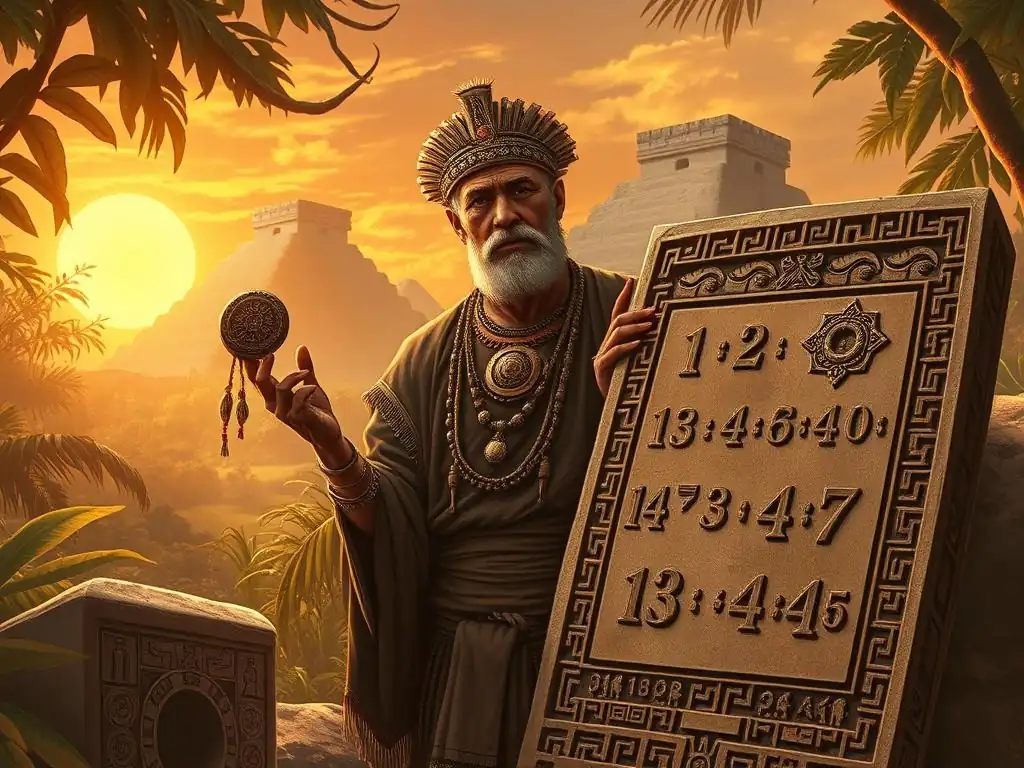
Mesoamerican civilizations, such as the Maya, Aztec, and Olmec, intricately wove mathematics into their cultural fabric, with sacred numbers playing a pivotal role in their cosmology and rituals. These numbers were not merely quantitative values; they embodied profound spiritual meanings and were believed to govern the universe's order. Understanding the significance of these sacred numbers allows us to appreciate how they influenced daily life, religious practices, and societal structure in Mesoamerican cultures.
Overview of Key Sacred Numbers in Mesoamerican Cultures
Several numbers were considered sacred across various Mesoamerican cultures, each carrying unique meanings and associations. Here are some of the most significant ones:
- Three (3):
- Symbolizes the triad of heaven, earth, and the underworld.
- Represents the cycle of life, death, and rebirth.
- Four (4):
- Often associated with the cardinal directions: north, south, east, and west.
- Reflects stability and completeness, as seen in the four corners of the world.
- Nine (9):
- Represents the underworld and is linked to the Maya's spiritual beliefs.
- Associated with the nine levels of the underworld, as described in their mythology.
- Thirteen (13):
- Highly revered in Maya culture, representing the 13 cycles of the heavens.
- Often linked to the spiritual world and the gods' presence.
- Twenty (20):
- Considered a base number in Mesoamerican mathematics.
- Represents the totality of human existence, as it includes all fingers and toes.
This understanding of sacred numbers was integral to their mathematical systems, rituals, and calendar calculations.
Cultural Interpretations of Sacred Numbers
The interpretation of sacred numbers in Mesoamerican cultures was deeply intertwined with their mythology, religion, and daily life. Sacred numbers were often embodied in rituals, ceremonies, and even in the structure of their cities.
- Calendrical Significance: The Maya developed a complex calendrical system that incorporated sacred numbers, particularly the Tzolk'in, a 260-day ritual calendar. This calendar was based on the sacred number 20 and reflected the interplay between their cosmology and agricultural cycles.
- Ritual Practices: Rituals often included offerings and ceremonies that were numerically significant. For example, the Aztecs performed ceremonies involving 4 or 9 individuals to honor deities associated with these numbers, reinforcing communal beliefs and social cohesion.
- Architectural Symbolism: Sacred numbers influenced the design of temples and pyramids. For instance, the Pyramid of the Sun in Teotihuacan is aligned with the cardinal directions, reflecting the importance of the number 4.
Overall, these cultural interpretations highlight how sacred numbers served as a bridge between the spiritual and the mundane, shaping Mesoamerican societies' worldviews and practices.
Mathematical Systems Influenced by Sacred Numbers
Mesoamerican mathematical systems were sophisticated and unique, heavily influenced by their understanding of sacred numbers. Their mathematical framework was not just a tool for calculation but also a means of connecting with the divine.
- Base-20 Numerical System: The Maya utilized a vigesimal (base-20) numerical system, which was reflective of their cultural emphasis on the number 20. This system allowed for complex calculations and was crucial for their advancements in astronomy and agriculture.
- Symbolism in Mathematical Notation: Numbers were often represented through hieroglyphs and symbols that emphasized their sacredness. For example, the number 13 was frequently depicted in religious contexts, symbolizing a connection with the gods.
- Astronomical Calculations: Knowledge of sacred numbers enabled Mesoamerican civilizations to develop precise astronomical calendars. This was crucial for agricultural practices, ceremonial events, and navigation.
The study of Mesoamerican sacred numbers significance reveals their profound influence on mathematics, culture, and spirituality. Understanding these connections not only enriches our knowledge of these ancient civilizations but also highlights their remarkable achievements in integrating mathematics with their cosmological beliefs.
Rituals and Their Connection to Sacred Numbers
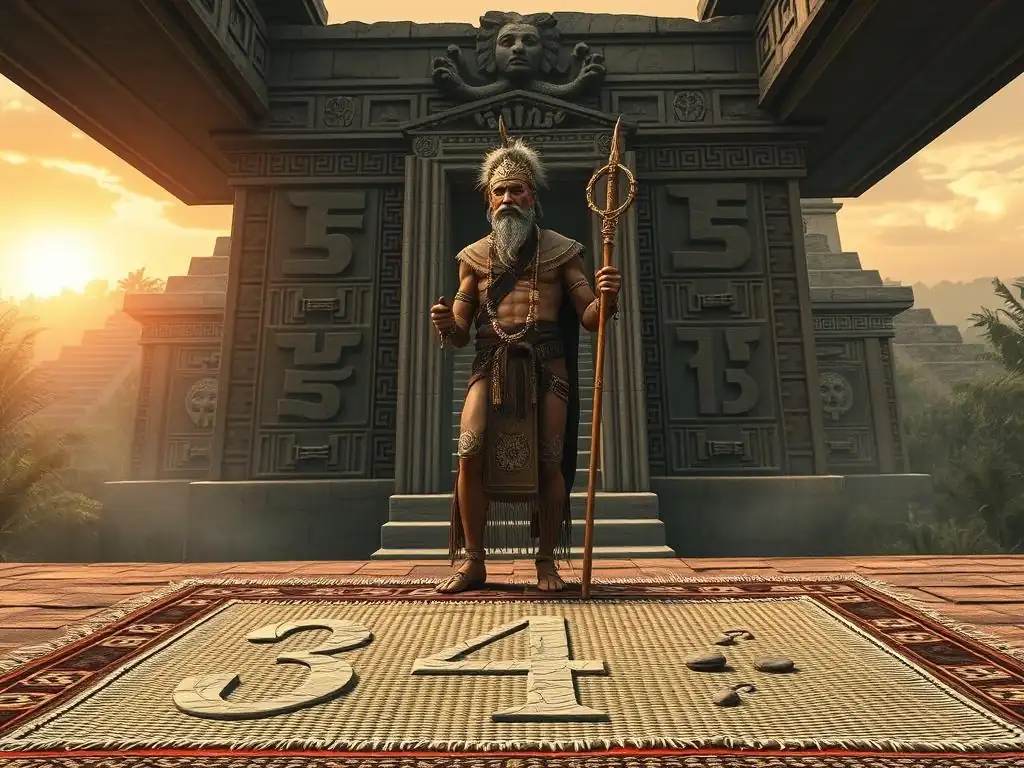
In Mesoamerican cultures, rituals were deeply intertwined with cosmology, spirituality, and mathematics, particularly through the use of sacred numbers. These numbers were not merely abstract concepts; they were believed to embody specific meanings and powers that influenced the natural and divine worlds. Sacred numbers often appeared in various rituals, serving as a framework for understanding the cosmos and the divine order.
The significance of these numbers extended beyond the rituals themselves. They informed daily life, agricultural practices, and societal structures. For instance, the number 20 was fundamental in the Maya numeral system and represented a cycle of completion. It was often reflected in rituals related to agriculture, where the cycles of planting and harvesting were meticulously calculated.
Moreover, the interplay between rituals and sacred numbers facilitated communal identity and continuity. Participation in rituals that honored these numbers reinforced social cohesion and cultural memory. Thus, understanding the connection between rituals and sacred numbers is essential for grasping the broader significance of Mesoamerican cosmology.
Types of Rituals Incorporating Sacred Numbers
Mesoamerican civilizations, including the Maya and Aztecs, engaged in various types of rituals that incorporated sacred numbers. Below are some key categories:
- Agricultural Rituals:
- Planting and Harvesting Ceremonies: These rituals often involved the number 4, representing the cardinal directions, which were critical in agricultural practices. The timing of these ceremonies was calculated based on celestial events.
- Calendar-Based Rituals:
- Ceremonial Cycles: The Tzolk'in calendar, consisting of 260 days, was fundamental for scheduling religious and ceremonial events. Each day had specific attributes influenced by its number, linking rituals to the celestial and earthly realms.
- Rituals of Passage:
- Initiation Ceremonies: Numbers such as 3 and 9 were significant during rites of passage, marking transitions in life stages (e.g., birth, adulthood) and believed to invoke protection and blessings.
- Cosmological Rituals:
- Creation Myths and Ceremonies: The number 13 was often associated with the heavens and creation, utilized in rituals that honored the gods and sought their favor.
Case Studies of Specific Rituals and Their Numerical Significance
Examining specific rituals reveals the profound significance of sacred numbers in Mesoamerican culture. Here are two notable case studies:
- The Maya Fire Ceremony:
- In this ritual, the number 4 played a crucial role as participants invoked the four cardinal directions to honor the gods of creation. Each direction was associated with specific deities and elements. The ritual involved lighting four fires, each symbolizing a direction, to create a sacred space for communication with the divine. This practice emphasized the interconnectedness of the physical and spiritual realms.
- The Aztec New Fire Ceremony:
- Conducted every 52 years, this monumental ritual marked the end of a cycle and the beginning of a new one. The number 52 was significant as it represented the combined cycles of the 365-day solar calendar and the 260-day ritual calendar. During the ceremony, a new fire was ignited atop a mountain, symbolizing renewal and the continuation of life. The ritual involved complex calculations and was crucial for ensuring cosmic order and societal stability.
These case studies illustrate how deeply embedded sacred numbers were in both the daily and ceremonial lives of Mesoamerican peoples. By understanding the rituals and their numerical significance, we gain insight into the intricate relationship between mathematics, spirituality, and the cosmos in Mesoamerican civilizations.
The Legacy of Mesoamerican Sacred Numbers
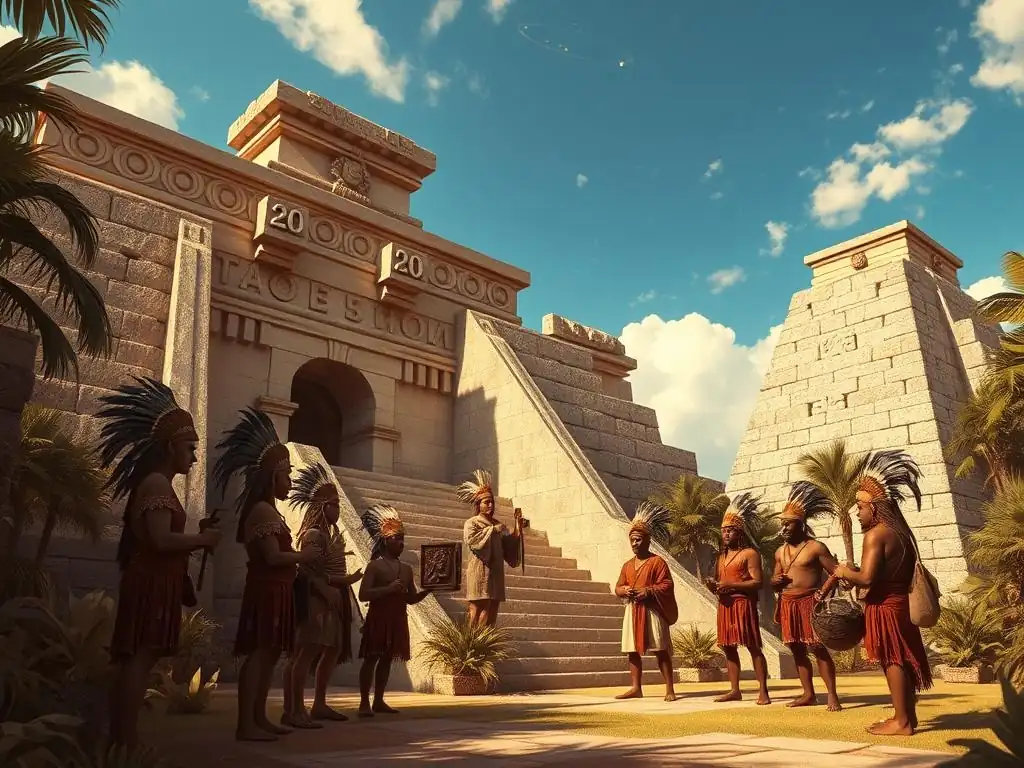
The legacy of Mesoamerican sacred numbers is profound, reflecting the intricate ways in which these numbers were interwoven into the cultural, spiritual, and practical lives of the indigenous peoples of the region. These sacred numbers, particularly the significance of the numbers 3, 4, 13, and 20, were not merely abstract concepts; they influenced various aspects of life from agriculture to architecture and even cosmology.
Impact on Modern Indigenous Cultures
The influence of Mesoamerican sacred numbers continues to resonate in the lives of modern Indigenous cultures across the Americas. Many communities still uphold ancient traditions that reflect the numerical systems and cosmological beliefs of their ancestors.
- Cultural Festivals: Celebrations often incorporate sacred numbers, with events and rituals timed according to cycles that align with these numbers. For instance, the number 20, which is foundational in the Maya counting system, often appears in the structuring of festivals and ceremonies.
- Spiritual Practices: Indigenous spiritual leaders may utilize sacred numbers in their rituals, drawing on the teachings and practices passed down through generations. This includes the use of specific numbers in prayers, offerings, and ceremonial calendars that align with the celestial movements, echoing the practices of their ancestors.
- Art and Symbolism: The representation of sacred numbers is also visible in contemporary art forms, where artists incorporate these elements into their works, combining traditional motifs with modern interpretations. This artistic expression serves as a bridge between the past and present, allowing for the continuation of cultural identity.
The enduring impact of these sacred numbers highlights the resilience of Indigenous cultures, as they adapt and maintain their heritage in a rapidly changing world. The use of Mesoamerican sacred numbers in modern contexts illustrates a deep connection to history and a commitment to preserving cultural identity.
Continued Relevance of Sacred Numbers in Contemporary Practices
The relevance of Mesoamerican sacred numbers extends beyond historical appreciation; they are actively integrated into contemporary practices among Indigenous communities.
- Agricultural Cycles: Many farmers still adhere to traditional agricultural practices that are informed by sacred numbers. For example, planting and harvesting schedules may be determined by lunar phases or other natural cycles that correspond with these significant numbers.
- Education and Knowledge Transmission: Within many Indigenous communities, there is a strong emphasis on passing down knowledge related to sacred numbers through oral traditions. Elders play a crucial role in teaching younger generations about the significance of these numbers, ensuring that their meanings and applications are not lost.
- Community Organization: The structuring of communities and social relationships can often reflect sacred numerical systems. For example, the use of the number 13 in social organization may denote specific roles or responsibilities within community structures, mirroring ancient governance systems.
- Healing Practices: In many traditional healing ceremonies, sacred numbers are thought to carry specific energies or meanings. Healers may use these numbers to guide their practices, believing that they hold the key to restoring balance and harmony within individuals and the community.
Mesoamerican sacred numbers maintain a significant presence in the lives of modern Indigenous cultures, serving as a vital link to their past while simultaneously informing their present and future practices. The continued relevance of these numbers not only preserves cultural heritage but also fosters a sense of identity and belonging among Indigenous peoples across the Americas.
Conclusion: The Enduring Importance of Sacred Numbers in Mesoamerican Mathematics
Summary of Key Points
Mesoamerican sacred numbers held profound significance in the mathematical systems of ancient civilizations such as the Maya and the Aztecs. These numbers were not merely abstract symbols but were deeply intertwined with their cosmology, religious practices, and societal structures. Key points regarding the significance of Mesoamerican sacred numbers include:
- Integral Role in Cosmology: Sacred numbers like 3, 4, 13, and 20 were often associated with cosmological elements, reflecting the Mesoamerican view of the universe. For instance, the number 4 represented the cardinal directions, while 13 was tied to the cycles of the heavens.
- Calendrical Systems: The Mesoamerican calendar systems, particularly the Tzolk’in and the Haab’, relied heavily on sacred numbers. The Tzolk’in, a 260-day calendar, combined the sacred numbers of 13 and 20, demonstrating their importance in ritual timing and agricultural cycles.
- Ritual Practices: Numbers were used in rituals to invoke deities, mark significant events, and guide the community's agricultural practices. The precision in these calculations underscored their importance in maintaining harmony with the cosmos.
- Cultural Legacy: The influence of these sacred numbers permeated into various aspects of Mesoamerican life, including architecture, art, and governance. The use of sacred geometry in temples and pyramids illustrated the integration of mathematical concepts into their spiritual and social realms.
Final Thoughts on the Role of Sacred Numbers in Mesoamerican Cosmology
The significance of Mesoamerican sacred numbers transcends mere mathematical calculations; they are emblematic of a worldview that perceives the universe as a complex interplay of numerical relationships and cosmic forces. This intricate relationship between mathematics and ritual highlights how deeply embedded these concepts were in the fabric of Mesoamerican societies.
Understanding the role of sacred numbers in Mesoamerican cosmology not only sheds light on their mathematical achievements but also reflects a rich cultural heritage that valued knowledge, spirituality, and the interconnectedness of life. The enduring importance of these numbers continues to inspire interest and research into the sophisticated societies that thrived long before European contact, reminding us of the profound insights these ancient civilizations contributed to human understanding of the world.
As we continue to explore these intricate mathematical systems, it becomes evident that the significance of sacred numbers in Mesoamerican cosmology is a testament to the ingenuity and depth of their civilizations, offering valuable lessons that resonate even in contemporary discussions about mathematics and culture.
Frequently Asked Questions
What are the sacred numbers in Mesoamerican cosmology?
The sacred numbers often include 3, 4, 13, and 20, each holding unique significance in rituals and mythology, reflecting the complex cosmological beliefs of Mesoamerican cultures.
How did mathematics influence Mesoamerican rituals?
Mathematics played a crucial role in Mesoamerican rituals by guiding ceremonial practices and calendar systems, with sacred numbers providing a framework for understanding the universe and time.
Why are numbers like 13 considered sacred?
The number 13 is often seen as symbolizing completeness or the full cycle of the Mesoamerican calendar, representing the connection between the material and spiritual worlds.
What impact did these sacred numbers have on society?
Sacred numbers influenced various aspects of Mesoamerican society, including architecture, agriculture, and governance, reflecting their deep-rooted beliefs and values.
How can understanding sacred numbers enhance our knowledge of indigenous cultures?
Studying sacred numbers helps us appreciate the sophistication of indigenous cultures, revealing how mathematics and spirituality were interwoven to shape their worldviews and cultural practices.
Final Reflection: The Enduring Significance of Mesoamerican Sacred Numbers
The exploration of Mesoamerican sacred numbers reveals a profound connection between mathematics and spirituality that resonates powerfully in today's world. In an era where we often compartmentalize knowledge into distinct categories, the intricate relationship between numbers and rituals in Mesoamerican cultures serves as a poignant reminder of the holistic understanding of existence that these ancient civilizations embraced. This perspective challenges us to reconsider how we view mathematics—not merely as a tool for calculation, but as a language that speaks to the very fabric of our reality.
Mesoamerican sacred numbers continue to influence our cultural and social landscapes, shaping not only historical narratives but also contemporary practices and beliefs. The reverence for numbers such as 13 and 20 transcends time, echoing through rituals, art, and even modern interpretations of the cosmos. As noted by scholar David Carrasco, Numbers are not just symbols; they are the keys to understanding the universe and our place within it.
This insight invites us to reflect on how these ancient beliefs can inform our current understanding of the world, urging us to seek deeper meanings in the patterns that surround us.
As we conclude this exploration, I invite you to reflect on the significance of numbers in your own life. Consider how the patterns and cycles you encounter might hold deeper meanings, and how you can incorporate a sense of reverence for these elements into your daily existence. By embracing the lessons of Mesoamerican sacred numbers, we can cultivate a richer, more interconnected understanding of our place in the universe, fostering a sense of harmony between the mathematical and the mystical in our lives.
Unveil the Secrets of Mesoamerican Sacred Numbers!
Thank you for diving into the fascinating world of mathematics and ritual in Mesoamerican cosmology! You've gained insights into how sacred numbers shaped the beliefs and practices of ancient civilizations. Now, it's time to take this knowledge further and engage with the rich heritage of these cultures.
Here are some actionable steps you can take:
- Explore further by visiting local museums or cultural centers that feature exhibitions on Mesoamerican history; **you might uncover fascinating artifacts and stories! **
- Share your newfound knowledge with friends or on social media; **initiate discussions about the significance of numbers in various cultures! **
- Join a community group focused on indigenous studies; **connect with others who share your passion for learning and preserving these important histories! **
Which sacred number resonates with you the most, and how can you incorporate its wisdom into your daily life?