
The Rise of the Toltecs: Key Events that Shaped an Ancient Empire

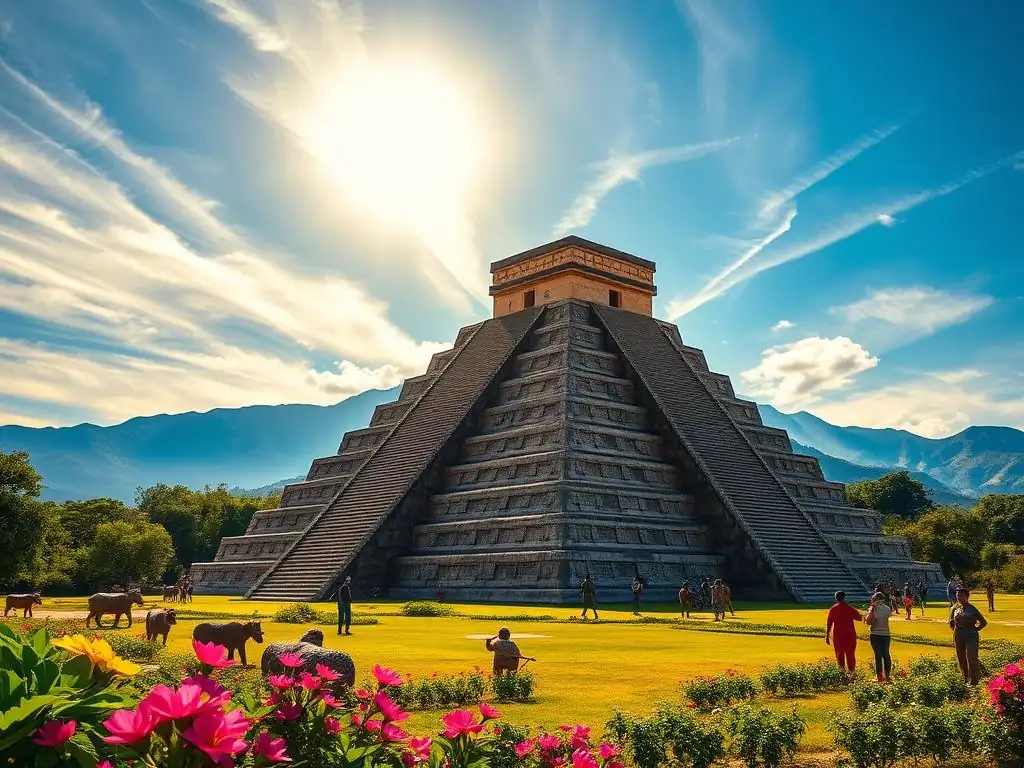
Welcome to Indigenous Civilizations of the Americas, where we invite you to journey through the rich tapestry of indigenous cultures that flourished across the continent long before the arrival of European settlers. Dive into the Toltec civilization history and achievements, a captivating tale of innovation and resilience that shaped an ancient empire. What pivotal events led to their rise, and how did they influence future generations? Explore with us as we unlock the secrets of the Toltecs and their enduring legacy. Your adventure into the heart of indigenous history begins here!
Introduction to the Toltec Civilization
The Toltec civilization, renowned for its remarkable achievements and enduring legacy, stands as a pivotal chapter in the history of indigenous cultures in the Americas. Flourishing between the 10th and 12th centuries CE, the Toltecs established a powerful empire in central Mexico that influenced subsequent Mesoamerican societies, including the Aztecs.
This article delves into the history and achievements of the Toltecs, exploring key events that defined their rise and examining the profound impact they had on indigenous cultures. Understanding the Toltec civilization not only enriches our knowledge of pre-Columbian America but also highlights the intricate tapestry of societies that thrived long before European colonization.
Overview of the Toltec Civilization History and Achievements
The Toltecs are often regarded as the successors to the earlier Teotihuacan civilization, inheriting and transforming its cultural and architectural legacies. Their capital, Tula, became a significant urban center, characterized by impressive pyramids, intricate sculptures, and a complex societal structure. Notable achievements of the Toltec civilization include:
- Architectural Innovations: The Toltecs are credited with developing new architectural styles that combined earlier influences with their unique artistic expressions.
- Art and Sculpture: Renowned for their stone carvings, including the iconic Atlantean figures, which exemplify their artistic prowess.
- Military Expansion: The Toltec civilization extended its influence through military conquests, establishing trade networks and political alliances with neighboring cultures.
These elements not only demonstrate the Toltecs' advanced societal organization but also their role as cultural intermediaries in Mesoamerica.
Importance of Studying Toltec History in Indigenous Cultures
Studying the Toltec civilization is essential for several reasons:
- Cultural Influence: The Toltecs played a significant role in shaping the cultural and religious practices of later civilizations, particularly the Aztecs, who revered the Toltecs as exemplars of civilization.
- Historical Continuity: Understanding the Toltec history provides insights into the continuity and changes in indigenous cultures over centuries, illustrating how societies evolve while retaining core values and traditions.
- Indigenous Identity: Exploring the achievements and societal structures of the Toltecs contributes to a broader understanding of indigenous identity and heritage, fostering appreciation for the rich history of the Americas.
Early Origins of the Toltec Civilization
The origins of the Toltec civilization can be traced back to a complex interplay of geographical and cultural factors that laid the groundwork for their emergence.
Geographical Context of the Toltec Empire
The Toltec Empire was strategically located in the arid highlands of central Mexico, specifically in the state of Hidalgo. This region offered a mix of resources and challenges that shaped Toltec society:
- Natural Resources: Proximity to fertile lands allowed for agriculture, while mountainous areas provided defensive advantages against potential invaders.
- Trade Routes: The Toltecs controlled key trade routes, facilitating the exchange of goods, ideas, and cultural practices with neighboring regions.
This geographical context not only fostered a thriving economy but also contributed to the Toltecs' military and cultural dominance.
Predecessor Cultures Influencing the Toltecs
The Toltecs were significantly influenced by predecessor cultures, most notably the Teotihuacan civilization and the earlier Olmec culture. Key influences include:
- Teotihuacan: The architectural and artistic achievements of Teotihuacan set a standard for the Toltecs, who adopted and adapted various aspects of its urban design and iconography.
- Olmec Heritage: The Olmecs, often considered the "mother culture" of Mesoamerica, provided foundational cultural elements, including religious practices and artistic motifs that the Toltecs incorporated into their own society.
These cultural legacies serve as a testament to the interconnectedness of ancient civilizations, illustrating how the Toltecs built upon the achievements of those who came before them.
The Formation of the Toltec State
The formation of the Toltec state is a significant chapter in the history of Mesoamerica, marking the emergence of a powerful civilization that would influence later cultures such as the Aztecs. The Toltecs are believed to have risen to prominence around the 10th century CE, following the decline of the Teotihuacan civilization. Emerging from the central highlands of Mexico, particularly from the region around Tula, the Toltecs established themselves through a combination of military prowess, strategic alliances, and trade networks.
As the Toltecs expanded their territory, they integrated various cultural elements from the societies they encountered, which helped in the development of a unique Toltec identity. This amalgamation was crucial in fostering a sense of unity among diverse groups, enabling the Toltecs to consolidate power and establish an organized state. The political structure that evolved was characterized by a strong central authority led by a ruler, often seen as a divine figure, which reinforced societal order and facilitated the mobilization of resources for monumental projects.
The Toltec state was also marked by its militaristic nature, with a focus on expansion and conquest. This aggressive expansionism allowed the Toltecs to control vital trade routes and resources, further enhancing their economic power and cultural influence across Mesoamerica.
Key Events Leading to the Rise of the Toltecs
Several key events contributed to the rise of the Toltecs as a dominant force in ancient Mesoamerica. One of the most significant was the decline of Teotihuacan in the 7th century, which created a power vacuum in the region. This decline allowed various groups, including the Toltecs, to vie for control over the abandoned urban centers and their surrounding lands.
Another pivotal moment was the establishment of a new political order around the 10th century. Toltec leaders, such as Ce Acatl Topiltzin, who is often associated with the god Quetzalcoatl, played a crucial role in shaping the emerging Toltec identity. These leaders promoted a blend of military conquest and religious authority, which helped solidify their power and attract followers.
Trade networks also expanded significantly during this period, with the Toltecs engaging in commerce with distant regions, facilitating cultural exchanges and the acquisition of valuable resources. This interaction with other civilizations contributed to the sophistication of Toltec society and laid the groundwork for their future achievements.
The Establishment of Tula as the Toltec Capital
The establishment of Tula as the capital of the Toltec civilization was a defining moment in their history. Located in present-day Hidalgo, Mexico, Tula became the political, religious, and economic center of the Toltec Empire around the 10th century CE. The city's strategic location allowed for control over key trade routes and access to important resources.
Tula was designed with impressive architectural features, including large plazas, pyramids, and temples, reflecting the high level of sophistication achieved by the Toltecs. The most iconic structures include the Pyramid of Tlahuizcalpantecuhtli and the Atlantes of Tula, colossal stone statues that served both artistic and ceremonial purposes. These architectural innovations not only showcased the Toltec's engineering skills but also their religious beliefs, emphasizing the importance of their gods and the divine right of rulers.
As the capital, Tula attracted people from diverse regions, further enhancing its role as a cultural melting pot. This cosmopolitan atmosphere allowed for the blending of various artistic styles and religious practices, enriching Toltec culture and leaving a lasting legacy on subsequent civilizations.
Major Achievements of the Toltec Civilization
The Toltec civilization is renowned for its significant achievements across various domains, including architecture, art, and religion. Their contributions have had a lasting impact on the cultures that followed, particularly the Aztecs, who regarded the Toltecs as their cultural predecessors.
Architectural Innovations of the Toltec Empire
The architectural innovations of the Toltec Empire are exemplified by their impressive urban planning and monumental structures. Tula, as the heart of the Toltec civilization, features a series of large-scale constructions that demonstrate advanced engineering techniques and aesthetic sensibilities.
- Pyramids and Temples: The Toltecs built pyramids for religious purposes, often dedicated to their gods. The Pyramid of Tlahuizcalpantecuhtli is one such example, showcasing intricate designs and ceremonial significance.
- Columned Hallways and Plazas: The architecture included open plazas surrounded by columned hallways, which served as public spaces for gatherings and ceremonies. These designs influenced the layout of many later Mesoamerican cities.
- Atlantes of Tula: Perhaps the most iconic architectural feature, the Atlantes are massive stone statues that stand as guardians of the temple complex, symbolizing the Toltec's military strength and religious devotion.
These innovations not only served practical purposes but also reinforced the social and political hierarchy within Toltec society, making Tula a center of power and culture.
Contributions to Art and Religion in Toltec Society
The contributions of the Toltecs to art and religion are integral to understanding their civilization's identity and influence. Toltec art is characterized by its distinctive style, often incorporating themes related to their mythology and cosmology.
- Sculpture and Reliefs: Toltec artists excelled in stone carving, creating intricate sculptures and reliefs that depicted gods, mythical creatures, and historical figures. These artworks were often used in religious contexts, enhancing the spiritual atmosphere of their temples and public spaces.
- Ceramics and Textiles: The Toltecs were also skilled in pottery and textile production, utilizing vibrant colors and complex designs that reflected their cultural beliefs. Many of these artifacts have been uncovered in archaeological sites, providing insights into their daily life and religious practices.
- Religious Practices: The Toltec religion was polytheistic, emphasizing the worship of various deities, including Quetzalcoatl, the feathered serpent god associated with creation and knowledge. Rituals and ceremonies played a crucial role in their society, often involving offerings and sacrifices to maintain cosmic balance and favor from the gods.
The artistic and religious contributions of the Toltecs not only solidified their cultural identity but also influenced subsequent civilizations, ensuring their legacy endured long after their decline.
The Expansion of the Toltec Influence
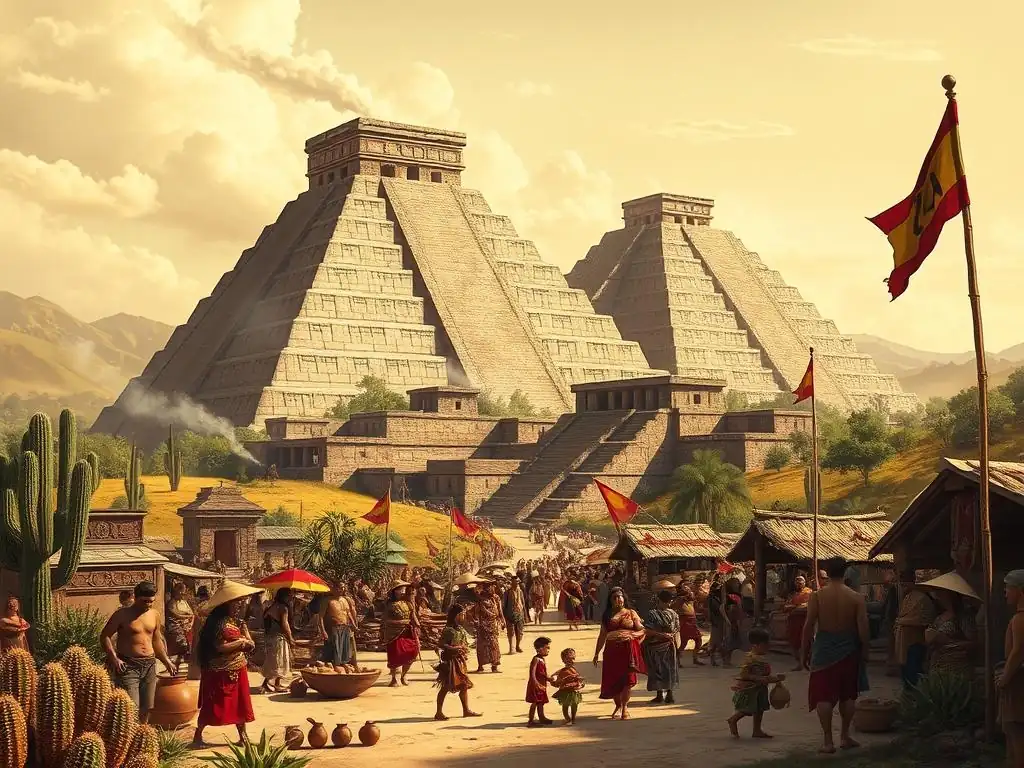
The Toltec civilization, which flourished between the 10th and 12th centuries CE, significantly expanded its influence across Mesoamerica, establishing a cultural and political legacy that would resonate for centuries. The heart of Toltec power was centered in Tula, a vibrant city that emerged as a major urban center known for its architectural achievements and artistic expressions. The expansion of Toltec influence is characterized by a combination of military conquests, strategic alliances, and robust trade networks that facilitated the spread of their culture and governance.
Military Conquests and Expansion Strategies
The military prowess of the Toltecs was a crucial factor in their expansion. They employed various strategies to conquer and integrate neighboring territories. The Toltecs engaged in military campaigns against rival city-states, utilizing a combination of skilled warriors and advanced weaponry, including atlatls (spear-throwers) and obsidian blades.
The Toltec armies were known for their discipline and organization, which enabled them to dominate their enemies. A notable example of their military might is the conquest of the regions surrounding the Valley of Mexico, where they established control over key trade routes and strategic locations.
In addition to outright conquest, the Toltecs also formed alliances with local leaders, promoting a system of vassal states that acknowledged Toltec supremacy while maintaining a degree of autonomy. This dual approach of military strength coupled with diplomatic negotiations allowed the Toltecs to expand their influence without stretching their resources too thin.
Trade Networks Established by the Toltecs
Trade played a vital role in the expansion of the Toltec influence, enabling them to establish extensive networks that connected various regions of Mesoamerica. Tula became a bustling trade hub where goods such as textiles, ceramics, and precious metals were exchanged. The Toltecs traded with neighboring cultures, including the Maya and the Zapotecs, facilitating cultural exchanges that enriched their civilization.
The strategic location of Tula along major trade routes allowed the Toltecs to control the flow of goods, leading to increased wealth and power. They were particularly known for their turquoise jewelry and intricately designed pottery, which were highly sought after in regional markets.
Moreover, the trade networks not only provided economic benefits but also facilitated the spread of Toltec cultural practices, religious beliefs, and artistic styles, further solidifying their influence throughout Mesoamerica.
Cultural Practices and Societal Structure
The Toltec civilization was marked by rich cultural practices and a complex societal structure that played a vital role in its longevity and influence. Their achievements in art, architecture, and religion reflect the sophistication of their society, while their governance and social hierarchy provided stability and order.
Social Hierarchy and Governance in Toltec Civilization
The social structure of the Toltec civilization was hierarchical, with a clear delineation between different classes. At the top of the hierarchy was the ruling elite, consisting of the tlatoani (king) and nobles, who held significant power and land. Below them were the priests, who played a crucial role in maintaining religious practices and honoring the gods.
The majority of the population was composed of commoners, who engaged in agriculture, trade, and craftsmanship. These commoners were essential to the economy and were often required to pay tribute to the ruling class.
Governance in Toltec society was centralized, with the tlatoani serving as both a political and religious leader. The tlatoani made key decisions regarding military conquests, trade, and resource allocation, ensuring the stability and prosperity of the empire. The use of a council of nobles to advise the tlatoani also illustrates the complex political dynamics within Toltec governance.
Religious Beliefs and Ceremonial Practices of the Toltecs
Religion was integral to the Toltec civilization, influencing every aspect of their daily life and governance. The Toltecs practiced polytheism, worshiping a pantheon of gods, with Quetzalcoatl, the feathered serpent deity, being one of the most important figures in their mythology.
Ceremonial practices often involved elaborate rituals, including offerings and sacrifices, aimed at appeasing the gods and ensuring agricultural fertility. The Toltecs built grand temples and pyramids, such as those at Tula, which served as centers for religious activities and public ceremonies.
Artistic expressions of their religious beliefs can be seen in Toltec sculptures and murals, which depict deities and mythological scenes, emphasizing their rich cultural heritage. These religious practices not only reinforced social cohesion but also played a significant role in the identity of the Toltec civilization, leaving a lasting impact on the cultures that followed.
Decline of the Toltec Civilization
The decline of the Toltec civilization, which reached its zenith between the 10th and 12th centuries, was marked by a combination of internal strife, environmental challenges, and external pressures. By the late 12th century, the once-thriving city of Tula, the Toltec capital, began to experience significant decline. Various factors contributed to this downturn, ultimately leading to the collapse of one of Mesoamerica's most influential cultures.
Factors Contributing to the Fall of the Toltec Empire
- Internal Conflict: Political fragmentation and power struggles within the Toltec elite weakened their centralized authority. Disputes among rival factions led to civil unrest and diminished the capacity of the Toltec state to defend its borders or manage its resources effectively.
- Environmental Degradation: The Toltecs relied heavily on agriculture, and over time, the over-exploitation of land and resources may have led to soil depletion and reduced agricultural yields. Droughts and climatic changes could have further exacerbated these challenges, destabilizing food supplies.
- Invasions and External Pressures: The Toltecs faced invasions from neighboring groups, notably the Chichimecas, who sought to exploit the weakening state. These incursions not only threatened the security of Toltec territories but also contributed to the migration of populations away from Tula.
- Cultural Assimilation: As the Toltecs lost their political and military strength, their cultural influence began to wane. Many aspects of Toltec culture were absorbed into the emerging Aztec civilization, which adopted and adapted Toltec religious practices and artistic styles, signaling a shift in power dynamics in Mesoamerica.
Aftermath and Legacy of the Toltecs in Mesoamerica
The aftermath of the Toltec civilization's decline left a complex legacy in Mesoamerica. While their political structures disintegrated, the cultural and religious innovations of the Toltecs persisted. The Aztecs, who rose to prominence in the 14th century, revered the Toltecs as cultural predecessors and sought to emulate their achievements.
- Cultural Influence: The artistic styles and architectural techniques developed by the Toltecs, notably seen in their iconic stone carvings and pyramids, were integrated into Aztec culture. The Feathered Serpent, a significant deity in both Toltec and Aztec mythology, illustrates the enduring spiritual connection that transcended the fall of the Toltec Empire.
- Historical Narratives: Toltec history became enshrined in Aztec oral traditions and codices, often romanticized as a golden age of civilization. This narrative shaped the identity of later Mesoamerican cultures and contributed to the complex tapestry of indigenous history in the Americas.
Conclusion: The Lasting Impact of the Toltecs
The Toltec civilization, despite its eventual decline, played a pivotal role in shaping the cultural and historical landscape of Mesoamerica. Their advancements in architecture, art, and religion laid the groundwork for future civilizations, particularly the Aztecs.
Reflection on Toltec Civilization History and Its Relevance Today
The history of the Toltecs serves as a reminder of the dynamic nature of civilizations and their ability to influence one another across time. The resilience of indigenous cultures in the face of change underscores the importance of understanding these histories. Today, the legacy of the Toltecs can be seen in various aspects of contemporary Mesoamerican identity, including art, spirituality, and cultural practices.
The Legacy of Toltec Achievements in Contemporary Indigenous Cultures
Contemporary indigenous cultures in Mexico and Central America continue to celebrate and draw inspiration from Toltec achievements. Elements such as traditional crafts, agricultural practices, and community governance reflect the enduring influence of Toltec civilization. Festivals and rituals often pay homage to Toltec legends, fostering a sense of continuity and cultural pride among indigenous peoples today.
The Toltec civilization’s history and achievements not only shaped their era but also resonate through modern indigenous cultures, illustrating the profound and lasting impact of this ancient empire in the Americas.
- Introduction to the Toltec Civilization
- Early Origins of the Toltec Civilization
- The Formation of the Toltec State
- Major Achievements of the Toltec Civilization
- The Expansion of the Toltec Influence
- Cultural Practices and Societal Structure
- Decline of the Toltec Civilization
- Conclusion: The Lasting Impact of the Toltecs
Frequently Asked Questions
What were the key achievements of the Toltec civilization?
The Toltec civilization is known for its impressive architectural feats, including the construction of pyramids and temples, as well as advancements in art and metallurgy.
How did the Toltec civilization influence later cultures?
The Toltecs significantly influenced later Mesoamerican cultures, particularly the Aztecs, who adopted many of their practices, beliefs, and artistic styles, establishing a lasting legacy.
Toltec society was organized into a hierarchical structure with a ruling elite, skilled artisans, and farmers, demonstrating a complex social organization that supported their cultural achievements.
How did trade contribute to the rise of the Toltecs?
The Toltecs thrived on extensive trade networks that connected them with other Mesoamerican societies, allowing for the exchange of goods, ideas, and cultural practices, which fueled their empire's growth.
What are some key events that marked the rise of the Toltec civilization?
Key events include the establishment of Tula as their capital, military conquests, and the development of a religious center, all of which played vital roles in shaping their ancient empire.
Final Reflection: Embracing the Legacy of the Toltec Civilization
The story of the Toltec civilization is not just a relic of the past; it is a testament to the enduring spirit of innovation and resilience. As we explore the key events that shaped this ancient empire, we recognize their profound impact on Mesoamerican culture and the lessons they offer us today. The Toltecs, with their remarkable achievements in art, architecture, and governance, remind us that the echoes of history continue to resonate in our modern world.
The legacy of the Toltec civilization is woven into the fabric of contemporary society, influencing art, spirituality, and community values. Their contributions serve as a bridge connecting past and present, inviting us to reflect on our own cultural identities. As the renowned historian Miguel León-Portilla once said, The past is never dead. It's not even past.
This sentiment underscores the importance of understanding the Toltec legacy, as it shapes not only our historical narrative but also our collective consciousness.
As we conclude our exploration of the Toltecs, I invite you to reflect on how the achievements of this ancient civilization can inspire your own journey. Consider the values of creativity, adaptability, and community that the Toltecs exemplified. How can you incorporate these principles into your life? Let the story of the Toltec civilization serve as a reminder that we are all part of a larger narrative, and each of us has the power to shape the future through our actions and choices. Embrace the lessons of the past, and let them guide you toward a brighter tomorrow.
Unveil the Legacy of the Toltecs!
Thank you for exploring the fascinating world of the Toltecs with us. We hope you’ve gained valuable insights into how their significant events shaped an incredible empire that continues to influence cultures today. Now, it’s time to take that knowledge further!
Here are three powerful actions you can take to deepen your understanding and appreciation of the Toltec legacy:
- Dive deeper into Toltec history: Explore related articles on our site to uncover more about the art, culture, and influence of the Toltecs.
- Share your newfound knowledge: Discuss the Toltec civilization with friends or on social media. Let others know what intrigued you the most!
- Join our community: Connect with like-minded history enthusiasts by subscribing to our newsletter for updates, events, and more engaging content.
What aspect of the Toltec empire surprised you the most, and how do you think its legacy resonates in today’s world?