
The Sun Temple: An Exploration of Andean Architecture and Solar Alignments

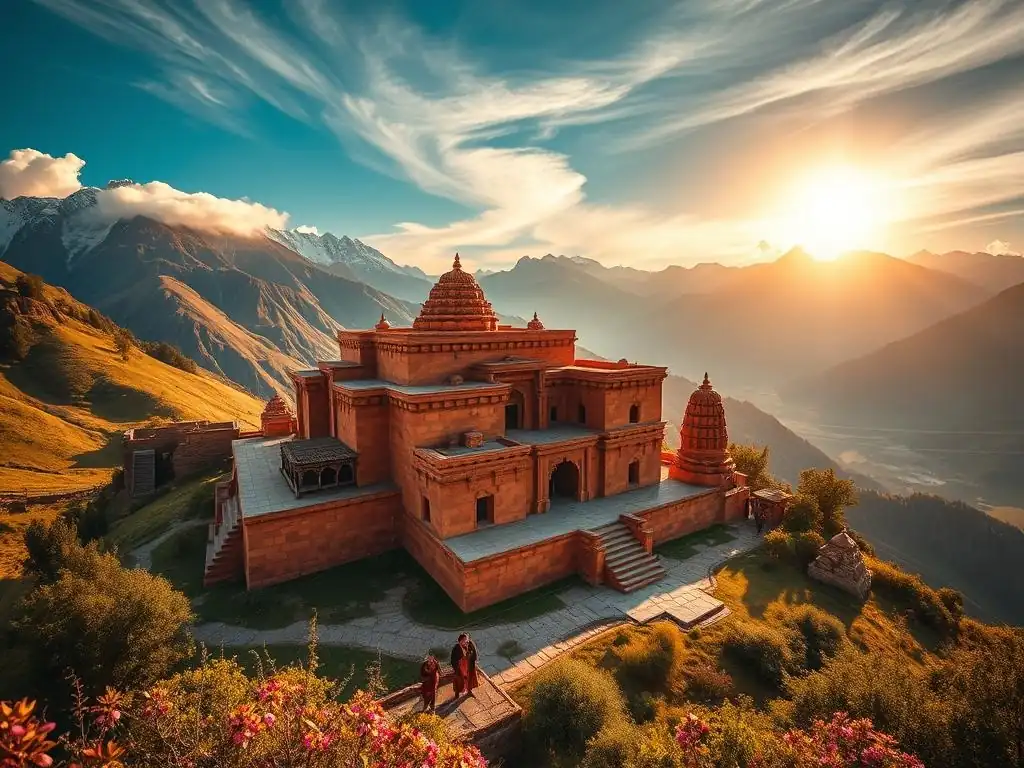
Welcome to Indigenous Civilizations of the Americas, where we invite you to embark on an enlightening journey through the rich tapestry of cultures that flourished long before European contact. In this exploration, we delve into the remarkable achievements of these civilizations, with a particular focus on their architectural marvels. Today, we shine a light on Andean architecture and solar alignments, revealing how the ancients ingeniously intertwined their structures with celestial events.
What secrets do these sun temples hold, and how did they reflect the profound relationship between the people and the cosmos? Join us as we uncover the mysteries and legacies of these extraordinary societies, encouraging you to dive deeper into their stories and innovations.
Introduction to Andean Architecture and Solar Alignments
The Andean civilizations of South America, particularly the Inca Empire, are renowned for their remarkable architectural achievements and profound understanding of astronomy. Among their many structures, the Sun Temple stands out as a testament to the ingenuity of Andean architecture and its intricate relationship with solar alignments. This article delves into the significance of these alignments within Andean culture, exploring how they reflect the civilizations' sophisticated knowledge of astronomy and their reverence for the sun as a vital source of life and energy.
Overview of Andean Civilizations
The Andean region, characterized by its majestic mountains and diverse ecological zones, was home to numerous civilizations long before European contact. Key societies such as the Incas, Mochicas, and Nazcas developed complex social structures, advanced agricultural techniques, and impressive architectural feats.
- Major Civilizations:
- Inca Empire: The largest empire in pre-Columbian America, known for its extensive road systems and terraced agriculture.
- Mochica Culture: Famous for their intricate pottery and monumental architecture, particularly in the northern coast of Peru.
- Nazca Civilization: Recognized for the enigmatic Nazca Lines, which may have had astronomical or ritual significance.
These civilizations not only contributed to the rich tapestry of Andean culture but also demonstrated a profound understanding of their environment, particularly celestial phenomena.
Significance of Solar Alignments in Andean Culture
Solar alignments played a crucial role in the spiritual and agricultural practices of Andean societies. The sun was revered as a deity, central to their cosmology and daily life.
- Cultural Importance:
- Agricultural Calendar: The timing of planting and harvesting was often dictated by solar cycles, emphasizing the sun's role in sustaining life.
- Ritual Practices: Temples, such as the Sun Temple, were constructed with precise solar alignments to honor the sun god, Inti, during solstices and equinoxes.
The intricate alignments not only served practical purposes but also reinforced the connection between the divine and the earthly, showcasing the Andean civilizations' deep respect for natural cycles.
The Sun Temple: A Marvel of Andean Architecture
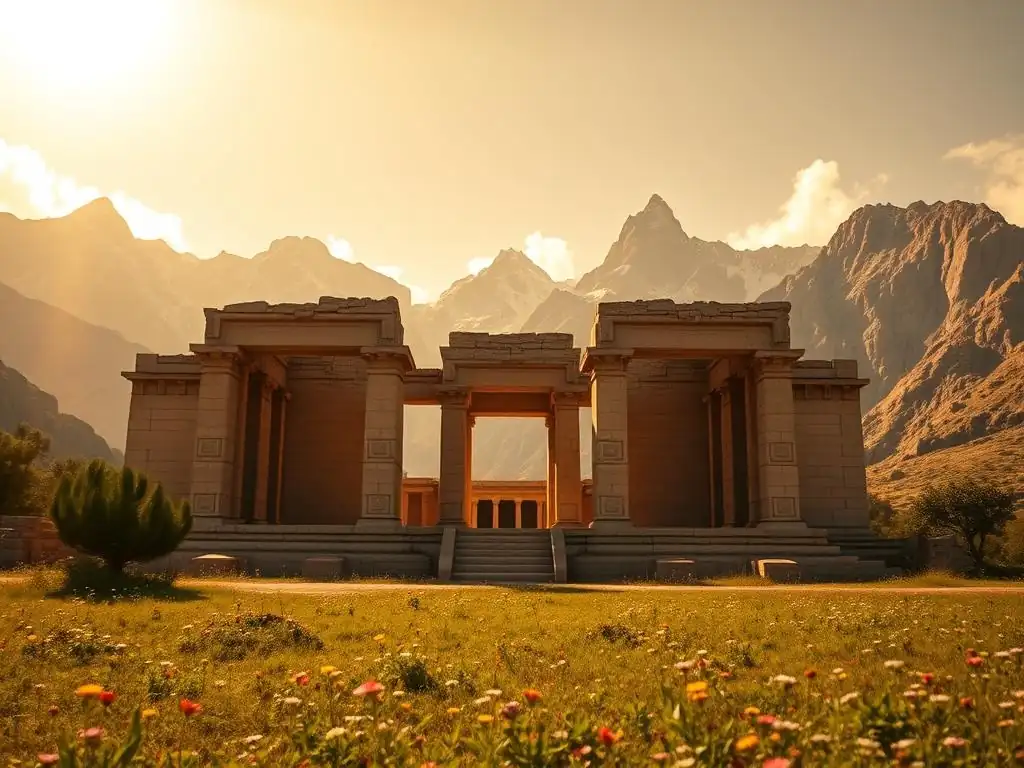
The Sun Temple stands as one of the most iconic examples of Andean architecture, embodying the civilization's architectural prowess and their intricate astronomical knowledge.
Historical Context of the Sun Temple
Constructed during the height of the Inca Empire in the 15th century, the Sun Temple was a focal point for worship and astronomical observation. Situated in Cusco, the empire's capital, this temple served as a spiritual center where rituals celebrating the sun were performed.
- Key Historical Aspects:
- Construction Techniques: The temple featured finely worked stone masonry that has withstood earthquakes and the test of time.
- Cultural Significance: It was a vital site for the Inti Raymi festival, which celebrated the winter solstice and honored the sun's return.
The historical context of the Sun Temple reveals how architecture was not merely functional but deeply entwined with the spiritual fabric of Andean life.
Architectural Features of the Sun Temple
The Sun Temple is characterized by its stunning architectural features, which reflect both aesthetic beauty and practical utility.
- Key Features:
- Solar Alignments: The temple was designed to align with the sun's position during solstices, showcasing the Incas' advanced astronomical knowledge.
- Intricate Stonework: Constructed with large, precisely cut stones that fit together without mortar, demonstrating advanced engineering skills.
These features not only highlight the sophistication of Andean architecture but also the civilization's commitment to integrating their cultural beliefs with their architectural practices, creating a lasting legacy that continues to fascinate scholars and visitors alike.
The Role of Solar Alignments in Andean Architecture
Solar alignments played a pivotal role in Andean architecture, reflecting the deep connection between the natural world and the spiritual lives of the indigenous peoples of the Andes. Structures such as the Sun Temple were meticulously designed to align with celestial events, particularly the sun's movements. This alignment was not merely aesthetic; it served practical, ceremonial, and agricultural purposes.
The careful orientation of buildings and ceremonial sites allowed Andean civilizations to mark significant solar events, such as solstices and equinoxes, which were crucial for agricultural planning and religious observance. For instance, the summer solstice marked the time for planting, while the winter solstice indicated a period of rest and preparation. Thus, solar alignments in Andean architecture were essential for synchronizing societal activities with the rhythms of nature.
Additionally, these alignments reinforced the cultural significance of the sun, often regarded as a deity in Andean cosmology. The alignment of structures with solar events created a tangible connection between worship, the agricultural calendar, and the celestial sphere, embedding astronomy into the very fabric of Andean architectural practices.
Understanding Solar Alignments in Ancient Cultures
Solar alignments are a common feature across many ancient cultures, serving as a testament to humanity's long-standing relationship with the cosmos. In the context of Andean civilizations, solar alignments reflected complex astronomical knowledge and a deep understanding of celestial cycles.
The Andean peoples utilized various techniques to observe and interpret solar movements, including shadow casting and visual markers aligned with specific points on the horizon. These observations led to a sophisticated understanding of the sun’s annual trajectory, which was integral to their agricultural cycles and religious practices.
Similar to other ancient cultures, such as the Egyptians and the Maya, the Andean civilizations incorporated solar alignments into their architecture to honor celestial bodies and their influence on terrestrial life. The precise alignments of structures indicate that these societies possessed advanced mathematical and observational skills, allowing them to integrate their architectural designs with astronomical events seamlessly.
Key Solar Events Observed at the Sun Temple
The Sun Temple is primarily known for its remarkable alignment with key solar events, particularly the winter and summer solstices. During the winter solstice, the sun rises and sets at its most southern point, while during the summer solstice, it rises and sets at its most northern point. These events were monumental in the Andean calendar and were marked by elaborate ceremonies.
At the Sun Temple, structures were specifically oriented to capture the rays of the sun during these critical moments. For example, on the morning of the winter solstice, sunlight would illuminate particular alcoves within the temple, creating a sacred atmosphere that was likely intended for ceremonies honoring the sun deity.
Additionally, equinoxes were also significant, as they represented balance in day and night. The Sun Temple’s architecture facilitated observations during these equinoxes, allowing the Andean people to engage in rituals that acknowledged this balance, reinforcing their connection to the cyclical nature of life and death.
The Intersection of Astronomy and Architecture
The intersection of astronomy and architecture in the Andes reveals the sophisticated understanding that ancient civilizations had of their environment and the cosmos. This relationship is exemplified in the design and orientation of structures, which were not only functional but also served as astronomical observatories.
By aligning their buildings with solar events, the Andean architects demonstrated an advanced comprehension of geometry and spatial design. This intersection allowed for the integration of spiritual beliefs with practical applications, such as agricultural planning and timekeeping. Thus, the built environment was a reflection of both the physical and spiritual world, illustrating how intertwined these aspects were in Andean society.
How Andean Architecture Reflects Astronomical Knowledge
Andean architecture is a testament to the civilizations' extensive astronomical knowledge. The use of solar alignments in the design of temples, plazas, and other structures illustrates a keen understanding of celestial movements. For instance, the careful placement of windows and doorways allowed sunlight to illuminate specific areas at precise times of the year, which was integral to their cultural and religious practices.
The architectural features of the Sun Temple, such as its massive stone blocks and intricate carvings, were not only impressive engineering feats but also served as tools for celestial observation. These features enabled the Andean peoples to harness the sun's power, symbolically and practically, demonstrating their reverence for the sun as a vital source of life.
Moreover, the alignment of structures with cardinal directions further reveals the Andean peoples' sophisticated understanding of geography and astronomy. This knowledge was crucial for navigation, agriculture, and maintaining social order, showcasing how their architectural practices were deeply rooted in their astronomical observations.
Examples of Other Andean Structures with Solar Alignments
Numerous other structures across the Andean region also exhibit solar alignments, demonstrating the widespread architectural practices informed by astronomical observations. Notable examples include:
- Kuelap: This fortress, located in northern Peru, features structures aligned with both solar and lunar events, indicating the importance of celestial cycles in the lives of its inhabitants.
- Sacsayhuamán: Near Cusco, this ancient site includes walls and terraces that align with equinoxes and solstices, serving both defensive and ceremonial purposes.
- Pisac: The agricultural terraces at Pisac are oriented to maximize sunlight exposure, showcasing the integration of agricultural needs with solar observation.
These examples highlight a broader Andean tradition of incorporating solar alignments into architectural design, reflecting an advanced understanding of astronomy that shaped their cultural identity and practices.
The Cultural Impact of the Sun Temple's Solar Alignments
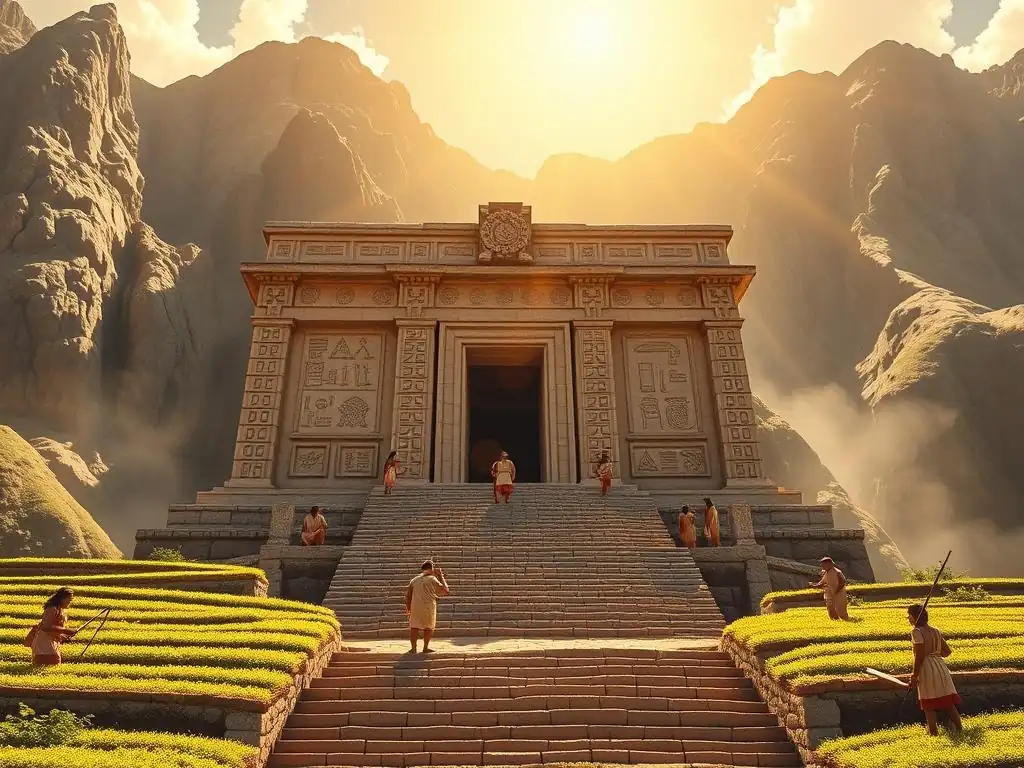
The Sun Temple, primarily associated with the Inca civilization, demonstrates a profound cultural impact through its solar alignments, which reflect the intricate relationship between astronomy and daily life in Andean societies. The temple was not merely a religious structure; it served as a significant marker for agricultural cycles, ceremonial events, and communal gatherings. This fusion of architecture and celestial observation underscores the importance of solar movements in shaping various aspects of Andean culture.
The alignments of the Sun Temple were meticulously designed to capture the sun’s movement during solstices and equinoxes. These solar events played a critical role in the agricultural calendar, allowing communities to plan planting and harvesting seasons effectively. As a result, the temple became a focal point for rituals and celebrations, reinforcing social cohesion and cultural identity among the Andean peoples. The impact of these solar alignments extended beyond mere functionality; they instilled a sense of reverence for the natural world, reflecting a profound understanding of the cosmos that resonated deeply within Andean spirituality.
Ritual Practices Associated with Solar Events
Ritual practices linked to solar events around the Sun Temple were integral to the cultural and religious life of Andean societies. Major solar events, such as the summer solstice, were celebrated with elaborate ceremonies that included offerings, music, and dance. These rituals often aimed to appease the sun god, Inti, believed to be the source of life and prosperity. Priests and community leaders would conduct these ceremonies, aligning their activities with the solar phenomena to enhance their spiritual significance.
One significant ritual was the Inti Raymi, or Festival of the Sun, which celebrated the winter solstice. During this event, the entire community would gather at the Sun Temple to honor Inti, offering sacrifices and gratitude for the sun's life-giving energy. The precise timing of these rituals, dictated by the solar alignments of the temple, reinforced their importance and helped maintain societal structure. Moreover, these practices were passed down through generations, ensuring that the cultural significance of solar alignments remained alive within Andean traditions.
The Influence on Agricultural Practices and Calendars
The solar alignments of the Sun Temple had a profound influence on agricultural practices and the development of calendars in Andean societies. By tracking the sun's position throughout the year, farmers were able to determine the optimal times for planting and harvesting crops. The precision of these alignments allowed for a highly developed agricultural calendar, which was essential for maximizing crop yields in the challenging Andean environment.
The incorporation of solar observations into agricultural practices led to the establishment of rituals and festivals that marked key agricultural dates. For instance, the timing of planting would coincide with specific solar events, ensuring that crops received the best possible conditions for growth. This relationship between solar alignments and agriculture not only provided sustenance for communities but also shaped their cultural identity, as agricultural success was intertwined with the reverence for celestial bodies.
Preservation and Study of the Sun Temple Today
The preservation and study of the Sun Temple remain critical for understanding the architectural and astronomical achievements of Andean civilizations. As a UNESCO World Heritage site, efforts have been made to conserve the temple and its surrounding structures, acknowledging their significance in world history. Archaeological research continues to uncover the complexities of Andean architecture and its alignment with celestial phenomena.
Current studies focus on the architectural techniques used in the construction of the Sun Temple, examining how these methods reflect the astronomical knowledge of the time. By employing modern technology, researchers analyze the alignment of the temple with solar events, contributing to a deeper understanding of the cultural practices associated with these astronomical observations. The findings not only highlight the sophistication of Andean architecture but also reaffirm the temple's role as a center of spiritual and agricultural life.
Current Research on Andean Architecture and Solar Alignments
Current research on Andean architecture and solar alignments employs a multidisciplinary approach, integrating archaeology, astronomy, and anthropology. Scholars are utilizing advanced technologies, such as Geographic Information Systems (GIS) and 3D modeling, to analyze the spatial relationships between various Andean structures and their celestial alignments. This research aims to reconstruct the astronomical knowledge possessed by Andean cultures and its implications for their societal organization.
Field studies are being conducted to investigate lesser-known sites that may reveal additional insights into Andean architectural practices and their connection to solar events. By examining the alignment of these structures in relation to the Sun Temple, researchers hope to uncover a broader understanding of how various Andean civilizations utilized celestial observations in their daily lives. This ongoing research is essential for preserving the legacies of these cultures and fostering a greater appreciation for their contributions to human knowledge.
Challenges in Preserving Andean Architectural Heritage
Preserving Andean architectural heritage, including the Sun Temple, presents numerous challenges due to environmental factors, urban development, and socio-political issues. Natural erosion, seismic activity, and climate change pose significant threats to the structural integrity of ancient sites. Efforts to mitigate these risks require ongoing monitoring and conservation strategies, often necessitating a balance between preservation and the needs of local communities.
Urban expansion in regions surrounding historical sites can also lead to encroachment, placing additional pressure on conservation efforts. The challenge lies in fostering sustainable development practices that respect and integrate cultural heritage. Furthermore, the socio-political landscape in Peru can complicate preservation initiatives, as differing priorities among stakeholders may hinder collaborative efforts.
Despite these challenges, local communities play a vital role in the preservation of their cultural heritage. Engaging indigenous populations in conservation efforts not only helps protect these sites but also promotes a deeper understanding and appreciation of their historical significance. By addressing these challenges collaboratively, there is hope for the continued preservation and study of the Sun Temple and other exemplary structures that reflect the remarkable achievements of Andean civilizations.
Conclusion: The Legacy of the Sun Temple and Its Solar Alignments
The Sun Temple stands as a monumental testament to the ingenuity of Andean architecture and the profound relationship between indigenous civilizations and celestial phenomena. This architectural marvel, particularly noted for its intricate solar alignments, reflects how these cultures not only revered the sun as a vital source of life but also integrated its movements into their daily lives, agricultural practices, and spiritual beliefs. The precise orientation of the temple—aligned with solar events such as solstices and equinoxes—demonstrates a sophisticated understanding of astronomy that was crucial for the agricultural cycles and ritualistic calendars of Andean societies.
Moreover, the legacy of the Sun Temple extends beyond its physical structure. It symbolizes the rich cultural heritage and advanced astronomical knowledge of indigenous peoples, influencing subsequent generations and civilizations. The architectural techniques and astronomical observations pioneered by these cultures have been preserved through oral traditions and still resonate within contemporary Andean communities. The temple, therefore, serves not only as an archaeological site but also as a living symbol of identity and continuity for indigenous peoples, reminding us of their contributions to human knowledge and culture.
Lasting Impact on Indigenous Civilizations in the Americas
The influence of the Sun Temple and its solar alignments on indigenous civilizations in the Americas is profound and multifaceted. First, the temple's architectural style, characterized by its monumental stone constructions and alignment with celestial events, inspired similar structures across the Andean region. These architectural innovations helped define the cultural landscape of societies such as the Inca, who revered sun worship and built their own temples reflecting these astronomical principles.
Additionally, the agricultural practices of indigenous peoples were intricately linked to their understanding of solar cycles, which were marked by the temple's alignments. For instance, seasonal festivals and agricultural activities were often timed according to solar events, ensuring optimal crop yields. This integration of architecture, astronomy, and agriculture fostered a deeper connection to the land and the cosmos, enhancing community cohesion and cultural identity.
Furthermore, the knowledge preserved through the Sun Temple's legacy has continued to influence modern Andean communities. Traditional practices, rituals, and agricultural methods still reflect the astronomical knowledge once celebrated in these ancient structures, showcasing a continuity of cultural heritage that persists to this day.
Future Directions for Research in Andean Architecture and Astronomy
As interest in Andean architecture and its astronomical significance continues to grow, several exciting avenues for future research emerge. One critical direction involves the use of advanced technologies, such as satellite imaging and 3D modeling, to analyze the spatial relationships between various solar-aligned structures across the Andes. These technologies can provide new insights into the extent of astronomical knowledge among Andean civilizations and how this knowledge influenced architectural practices.
Moreover, interdisciplinary studies that combine archaeology, anthropology, and astronomy can deepen our understanding of the cultural significance of solar alignments in Andean societies. By engaging with indigenous communities and incorporating traditional ecological knowledge, researchers can uncover how these ancient practices relate to contemporary issues such as climate change and sustainability.
Additionally, comparative studies with other indigenous cultures across the Americas may reveal shared astronomical practices and architectural features, enriching our understanding of indigenous civilizations as a whole. By exploring these connections, scholars can contribute to a more nuanced narrative of human ingenuity and adaptability in relation to the cosmos.
The Sun Temple and its solar alignments represent a unique intersection of architecture, astronomy, and culture, paving the way for ongoing research that honors and illuminates the legacy of Andean civilizations.
- Introduction to Andean Architecture and Solar Alignments
- Overview of Andean Civilizations
- Significance of Solar Alignments in Andean Culture
- The Sun Temple: A Marvel of Andean Architecture
- The Role of Solar Alignments in Andean Architecture
- The Intersection of Astronomy and Architecture
- The Cultural Impact of the Sun Temple's Solar Alignments
- Preservation and Study of the Sun Temple Today
- Conclusion: The Legacy of the Sun Temple and Its Solar Alignments
- What is the significance of the Sun Temple in Andean architecture?
- How did Andean cultures utilize solar alignments in their architecture?
- What are some key features of Andean architecture?
- How did Andean societies influence modern architecture?
- What can we learn from the study of Andean civilizations today?
Frequently Asked Questions
What is the significance of the Sun Temple in Andean architecture?
The Sun Temple is a crucial structure that exemplifies Andean architectural innovation and the integration of solar alignments in its design, reflecting the culture's deep connection to astronomy.
How did Andean cultures utilize solar alignments in their architecture?
Andean cultures incorporated solar alignments in their constructions to mark seasonal changes and important agricultural events, showcasing their advanced astronomical knowledge.
What are some key features of Andean architecture?
Key features of Andean architecture include terracing, complex irrigation systems, and the use of local materials, all designed to harmonize with the natural landscape while reflecting cultural values.
How did Andean societies influence modern architecture?
The techniques and principles from Andean architecture, particularly regarding solar alignments and sustainable building practices, have influenced modern architects seeking to create structures that are both functional and environmentally responsive.
What can we learn from the study of Andean civilizations today?
Studying Andean civilizations offers insights into their sophisticated social structures, environmental adaptations, and cultural achievements, which can inspire contemporary approaches to community building and sustainability.
Final Reflection: Illuminating the Legacy of Andean Architecture and Solar Alignments
The exploration of Andean architecture and solar alignments reveals a profound connection between ancient civilizations and their environment, emphasizing how these structures were not merely functional but deeply symbolic. Today, as we face global challenges related to sustainability and environmental awareness, the wisdom embedded in these ancient practices becomes increasingly relevant. The intricate designs and alignments of the Sun Temple remind us that architecture can harmonize with nature, fostering a sense of unity that transcends time.
The influence of Andean architecture extends beyond its physical structures; it resonates within our cultural consciousness, inspiring contemporary architects and designers to seek sustainable solutions that honor the past. The alignment of these ancient temples with celestial bodies serves as a reminder of our shared human experience and the importance of respecting the natural world. As the renowned architect Frank Lloyd Wright once said, The mother art is architecture. Without an architecture of our own, we have no soul of our own civilization.
As we reflect on the lessons of the Sun Temple and its solar alignments, I invite you to consider how you can incorporate these principles into your own life. How can you create spaces that honor the environment and reflect your values? Let the legacy of Andean architecture inspire you to think critically about your relationship with the world around you, encouraging a future where our built environments are not only functional but also resonate with the rhythms of nature and the cosmos.
Unleash Your Curiosity about Andean Architecture!
Thank you for diving into the rich history of the Sun Temple and its remarkable connection to Andean architecture! Your interest in this captivating subject helps illuminate the incredible achievements of indigenous civilizations. Now, let’s take the next step in exploring this fascinating world!
- Embark on your own exploration: Visit a local museum or cultural center that features Andean artifacts and exhibits to deepen your understanding of their architecture and heritage.
- Connect and share: Join online forums or social media groups focused on Andean culture. Share your insights and connect with fellow enthusiasts who share your passion.
- Start a conversation: Engage a friend or family member in discussing the architectural marvels of indigenous civilizations. You may discover amazing insights they can offer!
What aspect of Andean architecture intrigues you the most, and how might it inspire your own creative projects?