
Exploring the Role of Rituals in Indigenous Farming Practices

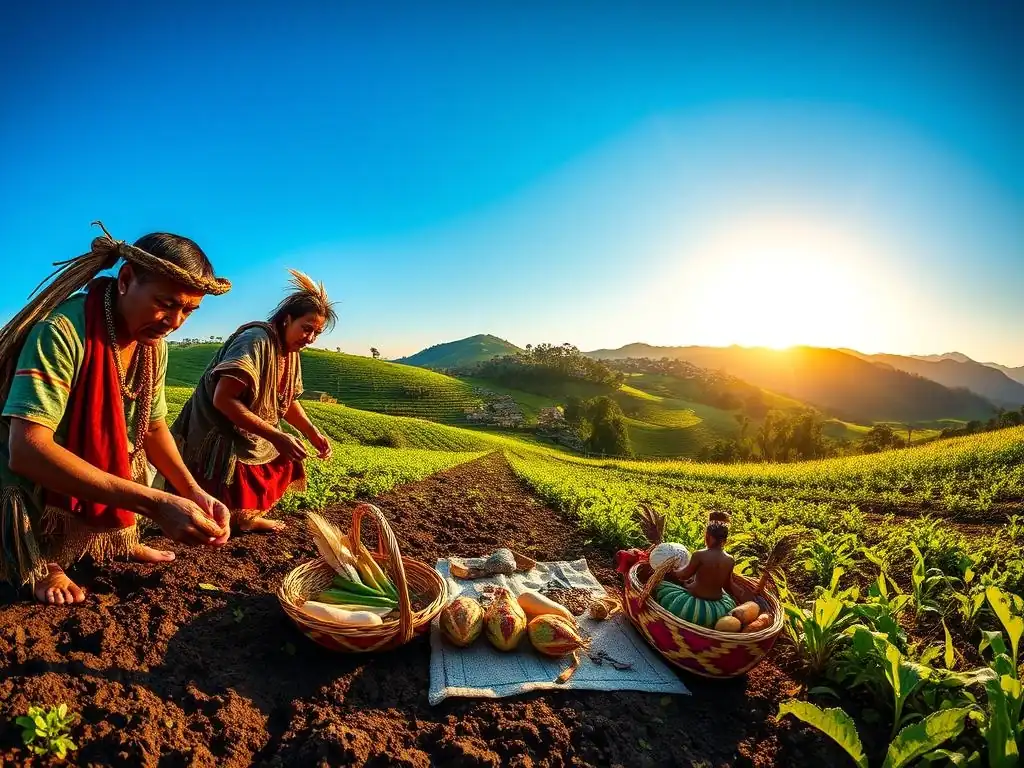
Welcome to Indigenous Civilizations of the Americas, where we invite you to journey through the rich tapestry of indigenous cultures that flourished long before European influences reshaped the continent. Our featured article, "Exploring the Role of Rituals in Indigenous Farming Practices," delves into the fascinating world of indigenous farming rituals in the Americas—a testament to the deep connection these communities had with the land and their innovative agricultural techniques.
As you navigate through our content, prepare to uncover the profound significance of these rituals and their enduring legacy. Join us in celebrating the achievements and advancements of these remarkable civilizations, and let your curiosity guide you further into their stories!
Introduction to Indigenous Farming Rituals in the Americas
Indigenous farming rituals in the Americas represent a deep intertwining of spiritual beliefs, cultural practices, and agricultural techniques that have shaped the livelihoods of countless communities throughout history. These rituals were not merely ceremonial; they were essential components of agricultural life, reflecting the profound respect that indigenous peoples held for the land, the cycles of nature, and the deities they believed influenced their crops. As we explore these unique practices, we uncover not only the methods used in cultivation but also the rich tapestry of beliefs and traditions that guided indigenous farmers in their daily lives.
Definition of Indigenous Farming Rituals
Indigenous farming rituals can be defined as a series of ceremonial practices and beliefs associated with the planting, growing, and harvesting of crops. These rituals often involve:
- Prayers and Offerings: Farmers would often make offerings to deities or spirits, asking for blessings on their crops.
- Seasonal Celebrations: Many indigenous cultures celebrated seasonal changes with rituals that marked significant agricultural events, such as planting and harvest times.
- Community Participation: Rituals often involved the entire community, reinforcing social bonds and shared responsibilities in farming.
These rituals were unique to each culture but shared common themes of reverence for nature and community involvement.
Importance of Rituals in Agricultural Practices
The importance of rituals in indigenous farming practices cannot be overstated. They served multiple purposes, including:
- Cultural Identity: Rituals helped to define and maintain cultural identity among indigenous peoples, fostering a sense of belonging and continuity.
- Sustainable Practices: Many rituals were designed to promote ecological balance, ensuring that farming practices did not deplete the land's resources.
- Knowledge Transmission: Rituals often included storytelling and teachings about agricultural techniques, passing down vital knowledge from one generation to the next.
Through these practices, indigenous peoples cultivated not only their crops but also a deep connection to their environment and heritage.
Historical Context of Indigenous Farming in the Americas
Understanding the historical context of indigenous farming in the Americas is crucial for appreciating the role of rituals in these practices. Indigenous farming systems were diverse, reflecting the varied climates, terrains, and cultures across the continent.
Overview of Indigenous Cultures and Their Agricultural Systems
The Americas were home to a rich variety of indigenous cultures, each with its unique agricultural systems. For example:
- The Maya: Developed advanced techniques such as slash-and-burn agriculture and terracing to cultivate crops like maize, beans, and squash.
- The Inca: Mastered high-altitude farming and created extensive irrigation systems to support their communities in the Andes.
- The Pueblo Peoples: Utilized dry farming techniques and developed complex irrigation systems in the arid Southwest.
These systems were often accompanied by specific rituals that honored the land and the deities associated with agriculture, showcasing a harmonious relationship between indigenous peoples and their environment.
Evolution of Farming Practices Among Indigenous Peoples
Farming practices among indigenous peoples evolved over centuries, influenced by environmental changes, cultural exchanges, and the introduction of new crops. Key aspects of this evolution include:
- Adaptation to Climate: Indigenous farmers adapted their practices to suit local climates, developing techniques that maximized crop yield and sustainability.
- Crop Diversification: The introduction of new crops, such as potatoes and tomatoes, led to a diversification of farming practices and rituals associated with these foods.
- Resistance and Resilience: Despite the challenges posed by European colonization, many indigenous communities retained their farming rituals and practices, adapting them to new circumstances.
This evolution highlights the resilience of indigenous farming traditions and their ability to adapt while maintaining core cultural values and rituals.
Key Indigenous Farming Rituals and Their Significance
Indigenous farming rituals across the Americas played a pivotal role in agricultural practices, intertwining spirituality with the cultivation of crops. These rituals were often designed to honor deities, seek blessings, and ensure bountiful harvests. The significance of these rituals varied among different cultures, but they generally served as a means of connecting the community with nature and the cosmos. Rituals were not only practical, aimed at improving agricultural yield, but also deeply symbolic, reflecting the values and beliefs of the societies that practiced them.
Many indigenous peoples engaged in rituals that corresponded with the cycles of nature, particularly the seasons. These practices often involved offerings, prayers, and communal gatherings that reinforced social bonds. The rituals also provided a structured framework for the community, reminding individuals of their roles within the larger ecological and spiritual systems. By participating in these rituals, community members cultivated a sense of shared identity and responsibility toward the land.
Seasonal Rituals and Agricultural Cycles
Seasonal rituals closely aligned with agricultural cycles were essential to indigenous farming practices. They marked significant phases in the planting and harvesting periods, such as the spring planting or fall harvest. For example, the Hopi tribe in the Southwest United States celebrated the Soyal ceremony to welcome the return of the sun and the planting season. This ritual involved offerings to the sun and prayers for a successful year of growth.
In the Andes, the Inti Raymi festival was held in honor of the sun god, Inti, to ensure the fertility of crops. This celebration included music, dance, and rituals performed to express gratitude for the sun’s life-giving energy. Such seasonal rituals served not only as a guide for agricultural activities but also reinforced the community's relationship with the environment, emphasizing the importance of timing and respect for nature's cycles.
Rituals for Fertility and Abundance
Rituals specifically aimed at promoting fertility and abundance were common in many indigenous cultures. These practices often included offerings to agricultural deities or spirits believed to govern fertility. For instance, the Maya performed rituals involving the planting of symbolic seeds, which signified new life and the hope for a bountiful harvest. These rituals were often accompanied by prayers and chants that invoked divine favor.
In the Navajo culture, the Blessingway ceremony was significant for ensuring successful crop growth. This ritual involved singing, weaving traditional blankets, and various offerings to the earth, emphasizing harmony with nature and the importance of balance in agricultural practices. Such rituals underscored the belief that human well-being was intrinsically linked to a healthy and prosperous environment.
Community Involvement in Farming Rituals
Community involvement was a cornerstone of indigenous farming rituals, fostering a sense of unity and cooperation among members. These rituals often required collective effort, whether in the form of preparing the land, conducting ceremonies, or sharing in the harvest. Such collaboration not only strengthened social ties but also reinforced the collective identity of the community.
In many cultures, the entire community would gather to participate in rituals, such as the Iroquois Green Corn Festival, which celebrated the first harvest of corn. This festival included communal feasting, dancing, and rituals of thanksgiving, highlighting the importance of shared experiences in agricultural practices. The involvement of the community ensured that knowledge and traditions were passed down through generations, preserving the cultural heritage associated with farming.
The Connection Between Spirituality and Agriculture
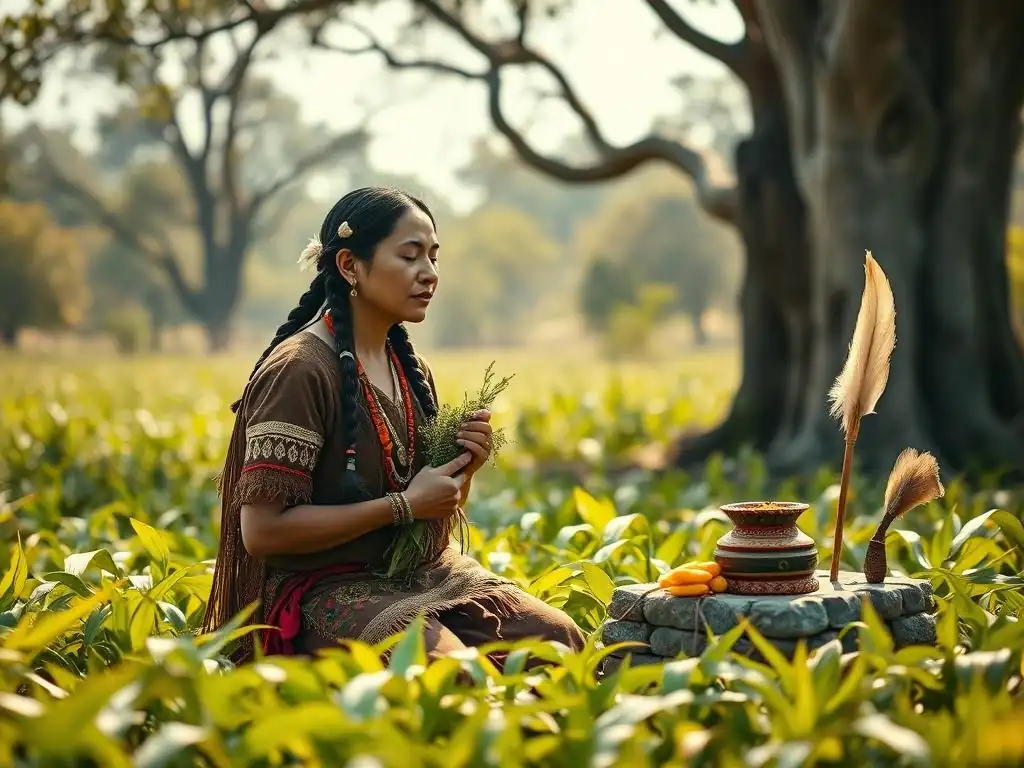
The connection between spirituality and agriculture in indigenous cultures is profound, reflecting the belief that crop success is contingent upon spiritual well-being. Many indigenous peoples viewed the land as sacred, and their farming practices were imbued with spiritual significance. This perspective fostered a deep respect for nature and the understanding that humans are part of a larger ecological system.
Spirituality often influenced agricultural decisions, from what crops to plant to when to conduct rituals. For example, some tribes would consult spiritual leaders or shamans to determine the most auspicious times for planting, emphasizing the belief that spiritual guidance was essential for successful farming. The integration of spirituality into agricultural practices reinforced the interconnectedness of life, promoting a holistic approach to farming.
Spiritual Beliefs Influencing Farming Practices
Spiritual beliefs significantly influenced farming practices across various indigenous cultures, shaping their approaches to agriculture. Many believed that the land and crops were imbued with spiritual energy, necessitating rituals to honor that energy. For instance, the Sioux engaged in rituals that acknowledged the sacredness of the earth and the spirits residing within it, which guided their farming techniques and crop selection.
The Inca civilization also exemplified this connection, as they worshiped Pachamama, the earth goddess, and conducted rituals to thank her for the fertility of the land. These practices often included offerings of llama fat, chicha (a fermented corn beverage), and other items to ensure the soil's continued productivity. Spiritual beliefs thus acted as guiding principles in shaping agricultural methods and maintaining harmony with nature.
Role of Ancestors in Indigenous Farming Rituals
The role of ancestors in indigenous farming rituals is an essential aspect of agricultural practices. Many cultures believed that ancestors continued to influence the living, providing guidance and support in farming endeavors. Rituals often included invocations of ancestral spirits, seeking their blessings for fertility and protection of crops.
In the Andean cultures, the concept of Ayni, or reciprocity, was integral to farming rituals. This belief emphasized giving back to the land and honoring ancestors through offerings and rituals that acknowledged their contributions to the community's agricultural success. The presence of ancestors within these rituals reinforced the idea that farming was a collective effort spanning generations, thus strengthening cultural identity and continuity.
The exploration of indigenous farming rituals reveals a rich tapestry of cultural practices that intertwine spirituality, community, and agriculture. These rituals not only served practical purposes but also fostered a profound connection to the land and its spiritual dimensions, reflecting the diverse and intricate ways indigenous peoples engaged with their environment.
Case Studies of Indigenous Farming Rituals
Indigenous farming rituals have played a pivotal role in agricultural practices across the Americas, serving not only as a means of connecting with the spiritual world but also as vital components of the farming calendar. These rituals often coincide with seasonal changes and agricultural cycles, reflecting the deep-rooted relationship between indigenous peoples and their environment. By examining specific case studies, we can gain insights into how these rituals influenced farming practices and contributed to agricultural sustainability.
Example 1: The Hopi's Kachina Ceremony for Rain
The Hopi tribe of the Southwestern United States has a rich tradition of rain rituals, with the Kachina ceremony being one of the most prominent. This ceremony is a vital part of the Hopi agricultural calendar, specifically designed to invoke rain, which is essential for their dryland farming. The Kachina dancers, dressed in elaborate costumes, perform in honor of the Kachinas—spiritual beings believed to control the weather and fertility of the land.
The ceremony typically takes place in the spring, before planting begins, and involves a series of prayers, songs, and dances. The Hopi believe that through these rituals, they can communicate their needs to the Kachinas, ensuring a favorable growing season. The Kachina ceremony fosters community cohesion and reinforces cultural identity while also serving a practical purpose in securing rainfall essential for crop growth.
Example 2: The Quechua's Inti Raymi Festival for Crop Fertility
In the Andean region, the Quechua people celebrate the Inti Raymi festival, a significant event dedicated to Inti, the sun god. Held in June, during the winter solstice, this festival marks the beginning of the agricultural cycle. The Quechua recognize the sun as a vital source of energy for their crops, and the festival includes offerings, rituals, and communal feasts to honor Inti and ensure the fertility of the land.
During Inti Raymi, participants engage in various rituals, including the symbolic planting of seeds and the sacrifice of llamas to appease the deities. The festival not only serves to pray for a bountiful harvest but also strengthens community bonds and reinforces cultural practices surrounding agriculture. The Inti Raymi festival exemplifies how spirituality and agriculture are intertwined within indigenous farming traditions.
Analysis of Ritual Impact on Crop Yield and Sustainability
The rituals associated with indigenous farming practices often have a direct impact on crop yield and sustainability. By aligning agricultural activities with celestial and seasonal cycles, indigenous peoples have developed a deep understanding of their environments. For instance, the Hopi's Kachina ceremony fosters a collective effort in agriculture, where the community comes together to engage with spiritual beliefs that promote stewardship of the land.
Research indicates that such rituals can enhance crop productivity by fostering a sense of responsibility among community members. Additionally, these practices encourage sustainable farming techniques that preserve soil health and biodiversity. The integration of spiritual beliefs into farming not only sustains agricultural output but also reinforces cultural heritage, ensuring that traditional knowledge is passed down through generations.
Modern Implications of Indigenous Farming Rituals
As contemporary agricultural practices evolve, there is a growing recognition of the value of indigenous farming rituals. These traditions hold insights that can inform modern agriculture, particularly in the face of climate change and environmental degradation.
Reviving Traditional Practices in Contemporary Agriculture
Reviving traditional indigenous farming rituals can provide valuable lessons for modern agricultural practices. Many farmers today are exploring ways to incorporate indigenous knowledge systems into sustainable farming methods. This revival includes adopting practices such as crop rotation, companion planting, and the use of natural fertilizers, which align with the holistic approaches found in indigenous farming rituals.
Community-led initiatives are emerging, emphasizing the importance of preserving these rituals as a means to connect with the land sustainably. By integrating indigenous wisdom, modern farmers can enhance resilience against climate challenges while honoring the cultural significance of these practices.
Benefits of Integrating Rituals into Modern Farming Techniques
Integrating indigenous farming rituals into contemporary agricultural practices offers numerous benefits. Firstly, it promotes biodiversity by encouraging the cultivation of diverse crops and sustainable land management practices. Secondly, these rituals often emphasize community involvement, fostering cooperation and knowledge-sharing among farmers.
Moreover, the spiritual aspect of these rituals can enhance mental well-being among farmers, connecting them to their heritage and promoting a deeper appreciation for the land they cultivate. This holistic approach can lead to improved crop yields, enhanced soil health, and a more sustainable agricultural future, ensuring that the wisdom of indigenous farming rituals continues to thrive in the Americas.
Challenges Facing Indigenous Farming Rituals Today
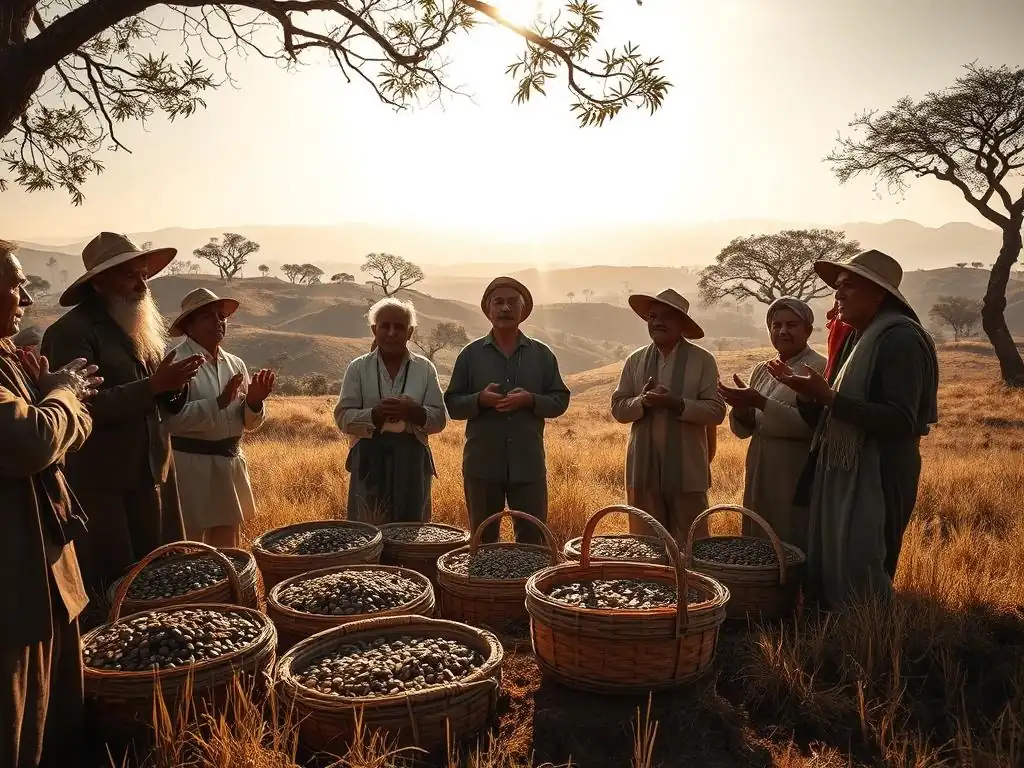
Indigenous farming rituals have long been integral to the agricultural practices and cultural identity of various communities across the Americas. However, these rituals face numerous challenges today that threaten their continuity and significance.
Effects of Colonization on Traditional Practices
Colonization has profoundly impacted indigenous farming rituals. European settlers often disregarded or actively suppressed indigenous practices, imposing their agricultural methods, which led to the erosion of traditional rituals. For instance, the introduction of monoculture farming disrupted the biodiversity that many indigenous communities relied on, diminishing the spiritual significance of the diverse crops they cultivated. The loss of land and resources further marginalized these communities, leading to a disconnection from their ancestral practices and beliefs.
Modern Agricultural Pressures and Their Impact
In addition to historical challenges, contemporary pressures such as industrial agriculture, climate change, and globalization have further complicated the preservation of indigenous farming rituals. The rise of large-scale farming operations has often marginalized traditional methods, promoting a one-size-fits-all approach to agriculture that overlooks the ecological wisdom embedded in indigenous practices. Moreover, climate change poses a tangible threat, altering weather patterns and impacting crop yields, which can disrupt the timing and relevance of traditional rituals tied to agricultural cycles.
Conclusion
Indigenous farming rituals are not merely ceremonial; they represent a deep connection between culture, spirituality, and the land. The challenges posed by colonization and modern agricultural practices are significant, but they also highlight the resilience and adaptability of indigenous communities.
Summary of the Importance of Indigenous Farming Rituals
These rituals serve critical functions beyond mere agriculture; they foster community bonds, transmit knowledge, and promote sustainable practices that have evolved over centuries. They encapsulate a worldview that respects nature and understands the interconnectedness of life. As such, preserving these rituals is vital not only for cultural heritage but also for sustainable agricultural practices in a rapidly changing world.
The Future of Indigenous Farming Practices in a Global Context
The future of indigenous farming practices hinges on recognizing their value in addressing global challenges such as food security and environmental sustainability. Efforts to revitalize these rituals can lead to innovative agricultural practices that blend traditional knowledge with modern techniques. Collaborative initiatives that empower indigenous voices and integrate their practices into broader agricultural policies are essential. By fostering respect for indigenous farming rituals, we can learn valuable lessons in sustainability and resilience that benefit all of humanity.
Additional Resources and Further Reading
To deepen your understanding of indigenous farming rituals across the Americas, several resources provide valuable insights into the historical, cultural, and spiritual dimensions of these practices. These materials encompass a range of perspectives from scholarly works to visual media that illuminate the intricate relationship between indigenous cultures and their agricultural traditions.
Suggested Books and Articles on Indigenous Farming Rituals
-
"The Sacred Harvest: Vegetarianism and the World Religions" by Will Tuttle
This book explores the spiritual aspects of vegetarianism across various cultures, including indigenous practices that emphasize harmony with nature and the sacredness of the earth.
-
"Agriculture and the Indigenous Peoples of the Americas" by Andrew M. W. Smith
This comprehensive work examines traditional agricultural practices among indigenous groups, highlighting the rituals and beliefs that accompany farming activities.
-
"Native American Agriculture: A New Perspective" by David R. Wilcox
Wilcox provides an overview of indigenous farming techniques, including detailed accounts of the rituals that are integral to planting and harvesting cycles.
-
"Farming and Feasting: A Guide to Native American Foodways" edited by David R. Miller
This anthology delves into the intersection of indigenous food production and cultural rituals, providing case studies and firsthand accounts from various tribes.
-
Journal of Indigenous Studies
This academic journal frequently publishes articles on indigenous farming practices, including the significance of rituals within the agricultural cycle.
Links to Documentaries and Educational Materials
-
"Seeds of Change: The Story of Native American Agriculture"
This documentary highlights the historical farming methods of Native American tribes and the spiritual rituals associated with planting and harvesting.
-
"The Land Remembers"
A visual exploration of the connection between land, culture, and farming rituals among indigenous communities in North America.
-
"Indigenous Wisdom: A Farmer's Guide" (Educational Series)
This series of short films showcases various indigenous farming techniques and the rituals that are integral to their practices, featuring interviews with indigenous farmers.
-
"Cultural Practices in Agriculture: Indigenous Perspectives"
An educational video that discusses the importance of cultural rituals in sustainable farming practices among indigenous peoples.
These resources collectively provide a robust foundation for anyone interested in the rich traditions of indigenous farming rituals in the Americas, illustrating their profound connection to cultural identity and environmental stewardship.
- Introduction to Indigenous Farming Rituals in the Americas
- Historical Context of Indigenous Farming in the Americas
- Key Indigenous Farming Rituals and Their Significance
- The Connection Between Spirituality and Agriculture
- Case Studies of Indigenous Farming Rituals
- Modern Implications of Indigenous Farming Rituals
- Challenges Facing Indigenous Farming Rituals Today
- Conclusion
- Additional Resources and Further Reading
- What are indigenous farming rituals in the Americas?
- How did indigenous farming rituals impact agricultural practices?
- What role did community play in indigenous farming rituals?
- Are there any specific examples of indigenous farming rituals?
- How do indigenous farming rituals influence modern practices?
Frequently Asked Questions
What are indigenous farming rituals in the Americas?
Indigenous farming rituals in the Americas are ceremonial practices performed by various indigenous cultures to promote fertility, abundance, and a harmonious relationship with nature during planting and harvesting seasons.
How did indigenous farming rituals impact agricultural practices?
These rituals significantly influenced agricultural practices by integrating spiritual beliefs and community involvement, which often led to more sustainable and effective farming techniques that respected the land and cycles of nature.
What role did community play in indigenous farming rituals?
Community played a vital role, as these rituals were often collective events that fostered social bonds and shared responsibility, ensuring that knowledge and traditions were passed down through generations.
Are there any specific examples of indigenous farming rituals?
Yes, tribes such as the Hopi and Maya have specific rituals, like the Planting Ceremony or the Rain Dance, which are designed to invoke the spiritual forces for successful crops and emphasize their deep connection to the land.
How do indigenous farming rituals influence modern practices?
Many modern agriculturalists are recognizing the value of indigenous farming rituals, incorporating sustainable methods and traditional knowledge that can improve crop yields while maintaining respect for the environment.
Final Reflection: The Enduring Legacy of Indigenous Farming Rituals
The exploration of indigenous farming rituals in the Americas reveals a profound connection between culture, community, and the land. Today, as we face environmental challenges and a growing disconnection from our food sources, these rituals remind us of the importance of sustainable practices and the wisdom embedded in traditional knowledge. The lessons from indigenous farming rituals are not just historical artifacts; they are vital blueprints for cultivating a more harmonious relationship with nature in our modern world.
Cultural resilience and the ongoing influence of these rituals are evident in contemporary agricultural movements that seek to integrate traditional practices with modern techniques. The revival of interest in indigenous farming rituals has sparked a broader conversation about food sovereignty, sustainability, and the importance of honoring ancestral knowledge. To forget the ancestors is to be a tree without roots.
This quote encapsulates the essence of how these rituals serve as a foundation for identity and ecological stewardship, reminding us that our past informs our present and future.
As you reflect on the insights shared in this article, consider how you can incorporate the principles of indigenous farming rituals into your own life. Embrace the idea of ritual in your daily practices, whether through mindful consumption, community engagement, or nurturing your connection to the earth. Let these ancient traditions inspire you to cultivate not only the land but also a deeper understanding of your place within the web of life. Together, we can honor the legacy of indigenous farmers and work towards a more sustainable and equitable future.
Embrace the Power of Rituals in Agriculture Today!
Thank you for taking the time to explore the fascinating ways rituals enhance indigenous farming practices! You've gained insight into the profound connection between culture, nature, and agriculture. Now, let’s turn that knowledge into action!
- Integrate a Simple Ritual: Start a personal or community ritual that honors the earth, such as planting a tree or expressing gratitude during the harvest. This small act can foster a deeper connection to nature and your local environment.
- Share Your Learning: Discuss the insights from this article with friends or family and encourage them to embrace these practices. Sharing knowledge can cultivate a community of awareness.
- Join an Indigenous Farming Workshop: Look for local workshops or online courses that explore indigenous farming techniques and rituals more thoroughly. Engage with experts and learn hands-on practices that respect tradition.
What unique rituals can you introduce into your own farming or gardening practices to honor the earth?