
The Role of the Ayllu in Inca Governance: CommunityBased Administration

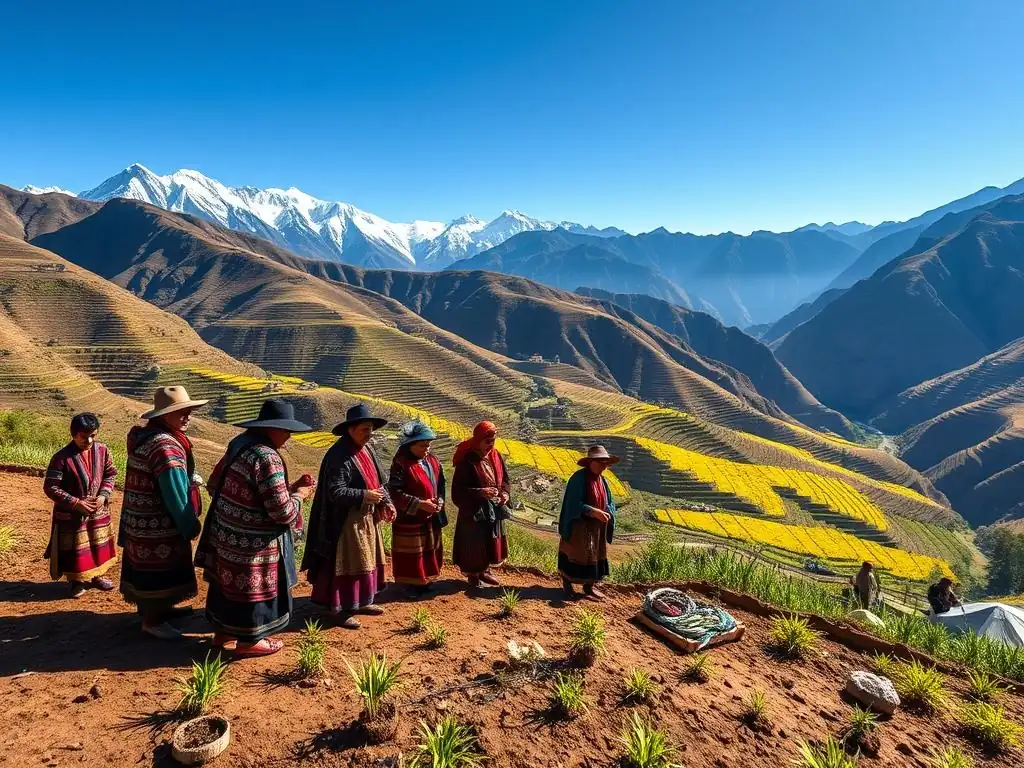
Welcome to Indigenous Civilizations of the Americas, where we invite you to journey through the rich tapestry of cultures that flourished long before European explorers set foot on these lands. Here, you will uncover the remarkable achievements and intricate societies of indigenous peoples, with a special focus on the Inca governance community structure. Dive into our featured article, "The Role of the Ayllu in Inca Governance: Community-Based Administration," to explore how this unique system fostered unity and cooperation among communities. Prepare to be captivated by stories of resilience and innovation that continue to resonate today!
Introduction to Inca Governance Community Structure
The Inca Empire, which flourished in South America from the early 15th century until the Spanish conquest in the 16th century, possessed a complex governance system that was deeply rooted in community-based structures. Central to this system was the concept of the ayllu, a fundamental social unit that played a crucial role in the administration of the empire.
Understanding the Inca governance community structure provides insight into how the Incas managed their vast territories and diverse populations, allowing them to maintain order and facilitate cooperation among different groups. This article explores the importance of the ayllu within the Inca governance framework, highlighting its functions, historical context, and significance in resource management and distribution.
Overview of Inca Civilization and Governance
The Inca Civilization, known for its remarkable achievements in agriculture, architecture, and engineering, was the largest empire in pre-Columbian America. At its height, it covered parts of modern-day Peru, Ecuador, Bolivia, Chile, and Argentina. The governance of the Inca Empire was characterized by a hierarchical structure, where the Sapa Inca, or emperor, held absolute power. This power was supported by a series of officials and administrators who oversaw various aspects of governance, including taxation, military affairs, and public works.
At the heart of this governance system was the ayllu, which served not only as a social unit but also as a mechanism for local administration. Each ayllu was composed of extended families that shared land, resources, and responsibilities. This communal approach to governance allowed for a more equitable distribution of resources and fostered a sense of belonging among the members of the community.
Importance of Community-Based Administration in the Inca Empire
Community-based administration was fundamental to the success of the Inca Empire. By leveraging the ayllu system, the Incas ensured that local communities were actively involved in governance and resource management. This approach had several key benefits:
- Enhanced local governance: Local leaders, known as kurakas, were responsible for managing the affairs of the ayllu, bridging the gap between the central authority and the community.
- Efficient resource allocation: The ayllu facilitated the organization of labor and distribution of resources, ensuring that all members had access to what they needed for survival.
- Social cohesion: By fostering a sense of community and shared responsibility, the ayllu helped maintain social stability and loyalty to the Inca state.
Understanding the Ayllu in Inca Society
Definition and Historical Context of Ayllu
The term ayllu refers to a traditional form of social organization among Andean societies, particularly the Incas. Historically, the ayllu was not simply a family unit but a collective of families that shared land and resources. Each ayllu was responsible for its members' welfare and played a significant role in agricultural production.
The origins of the ayllu can be traced back to pre-Inca cultures, where communal land ownership and shared responsibilities were already established. As the Inca Empire expanded, this traditional structure was adapted to fit the needs of a larger, more complex society.
Functions of the Ayllu in Inca Governance Structure
The ayllu served multiple functions within the Inca governance structure:
- Local Administration: Each ayllu operated as a self-governing body, with its own leaders who enforced Inca laws and regulations.
- Labor Organization: The ayllu coordinated labor for agricultural production, construction projects, and other community needs, ensuring that work was shared among members.
- Cultural Preservation: As a social unit, the ayllu played a vital role in maintaining cultural practices, traditions, and language, which were crucial for the identity of the Inca people.
The Role of Ayllu in Resource Management and Distribution
Resource management was one of the most critical functions of the ayllu in Inca governance. The Incas implemented a sophisticated system of agricultural practices and resource distribution that relied heavily on the ayllu structure. Key aspects included:
- Collective Farming: Members of the ayllu worked together on communal lands, which allowed for increased productivity and efficiency.
- Redistribution of Resources: Surpluses produced by the ayllu were often redistributed to support those in need, especially during times of famine or hardship.
- Storage and Preservation: The ayllu maintained communal storage facilities for surplus crops, ensuring that resources were available during lean seasons.
Through these mechanisms, the ayllu not only supported the Inca Empire's economic stability but also reinforced social bonds and community resilience, showcasing the integral role of community-based administration in Inca governance.
The Ayllu as a Fundamental Unit of Inca Administration
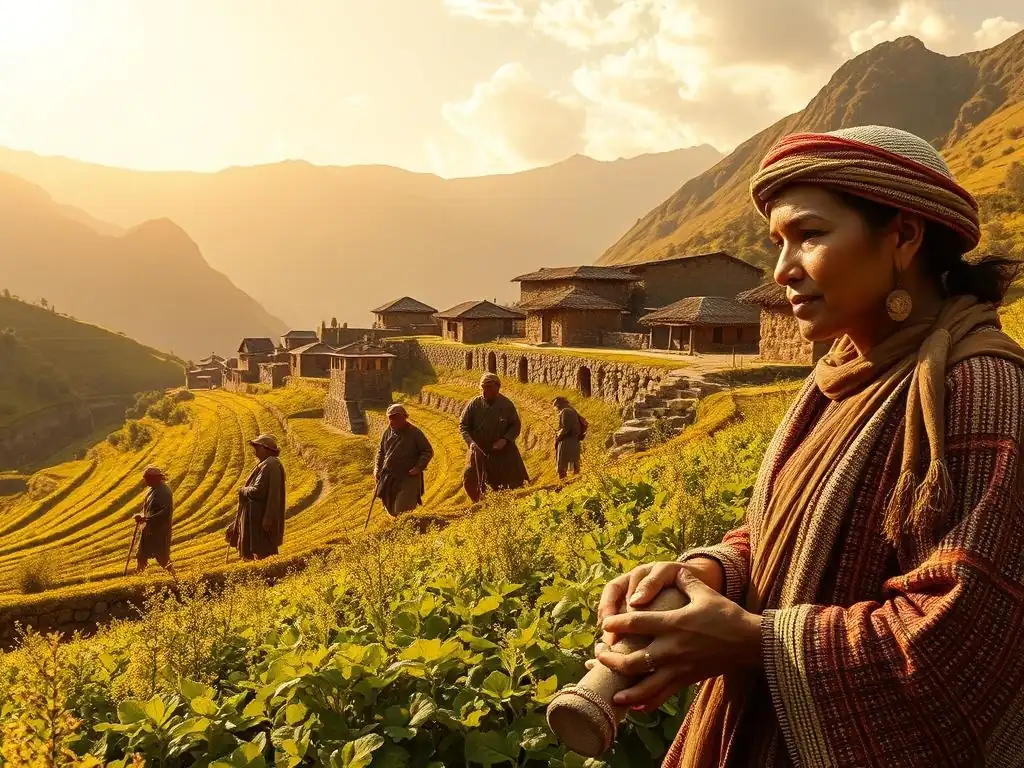
The ayllu served as the fundamental organizational unit within the Inca Empire, embodying both social and administrative structures. Each ayllu consisted of a group of families that were bound by kinship ties, sharing land, resources, and labor. This communal system was not only vital for agriculture but also for maintaining social order and governance. The ayllu was responsible for the management of local resources, ensuring that all members had access to food, water, and land.
In the broader context of Inca governance, the ayllu's significance was twofold: it acted as a microcosm of the larger state and as a means for the Sapa Inca to exert control over diverse populations. By organizing society into these manageable units, the Inca could efficiently mobilize labor for state projects, such as irrigation systems and road construction, while also ensuring that communities remained loyal and cohesive.
Organizational Hierarchy within the Ayllu
The organizational structure of the ayllu was relatively straightforward but effective in promoting cooperation and efficiency. At the apex of the ayllu hierarchy was the kuraka, a local leader or chief who was responsible for overseeing the ayllu's activities and representing it to higher authorities. The kuraka played a crucial role in mediating disputes, organizing communal labor, and ensuring that the needs of the community were met.
Beneath the kuraka, there were various roles filled by members of the ayllu, each contributing to the administrative function. Elders often acted as advisors, providing wisdom and experience, while other members undertook specific tasks related to agriculture, weaving, or craftsmanship. This division of labor facilitated a democratic approach to governance, where each member had a stake in the success of the ayllu.
Decision-Making Processes in Ayllu Governance
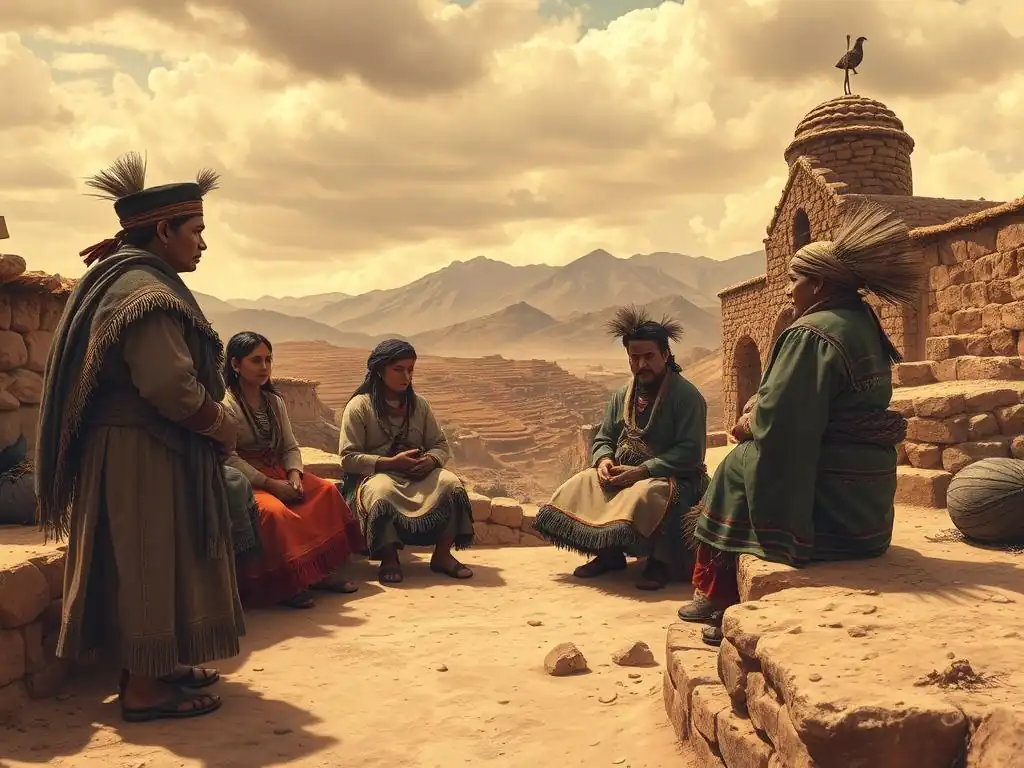
Decision-making within the ayllu was typically a collective process, rooted in consensus rather than authoritative decree. Meetings, known as ayllupas, were convened regularly, where members would gather to discuss community issues, allocate resources, and plan agricultural activities. It was during these gatherings that the kuraka would facilitate discussions, encouraging contributions from all members to ensure that every voice was heard.
This participatory approach not only fostered a sense of ownership among the community members but also reinforced social bonds. Decisions made through consensus often led to stronger adherence to communal agreements, thereby enhancing the stability and functionality of the ayllu.
The Ayllu and Its Relationship with the Sapa Inca
The relationship between the ayllu and the Sapa Inca was symbiotic and crucial for the governance of the Inca Empire. The Sapa Inca, as the supreme ruler, relied on the ayllu for local administration and resource management while in return providing protection, guidance, and access to larger state resources.
Each ayllu was expected to contribute labor and goods to the state, particularly during festivals, military campaigns, and construction projects. In this way, the ayllu operated as an extension of the Sapa Inca's authority, enabling him to maintain control over vast territories through a network of local leaders and communities. This relationship highlighted the hierarchical nature of Inca governance while still allowing for local autonomy and cultural preservation.
The social structure of the ayllu was deeply rooted in community cohesion, which was vital for its survival and prosperity. This cohesion was facilitated by shared responsibilities, communal rituals, and a strong sense of identity among members. The interdependence fostered through kinship ties and collective labor created a robust social fabric that was essential for the stability of the ayllu.
The Role of Kinship and Family Ties in Ayllu
Kinship played a pivotal role in the functioning of the ayllu, as family ties strengthened community bonds and facilitated cooperation. Relationships among families were often governed by mutual obligations, where assistance during planting or harvesting seasons was expected. These kinship networks also ensured the transmission of knowledge and cultural practices across generations, preserving the identity and traditions of the ayllu.
Elders held a respected position within this structure, as they were seen as custodians of wisdom and tradition. Their role in teaching younger generations about agricultural practices, social norms, and governance was crucial for maintaining the cohesion and continuity of the ayllu.
Social Responsibilities and Duties of Ayllu Members
Every member of the ayllu had specific social responsibilities that contributed to the overall welfare of the community. These duties included agricultural labor, participation in communal work projects, and involvement in spiritual practices. The expectation of contributing to communal life fostered a sense of accountability among members, reinforcing the idea that each person played a vital role in the success of the ayllu.
The system of reciprocity, known as minga, was a foundational principle guiding social responsibilities. Members would often come together to assist one another—be it in times of planting, harvesting, or constructing homes—creating a culture of mutual support and solidarity.
Community Solidarity and Its Impact on Governance
Community solidarity within the ayllu had significant implications for governance. The strong sense of belonging and mutual support translated into loyalty toward both the ayllu and the Sapa Inca. This loyalty was critical, especially during times of crisis or external threat, as members were more likely to unite and defend their community.
Moreover, the cohesive structure of the ayllu allowed for effective communication and swift decision-making, which enhanced the overall governance of the Inca Empire. By ensuring that communities were engaged and invested in their governance, the Inca could maintain order and stability across their vast territories, showcasing the integral role of the ayllu in the broader framework of Inca governance.
The Ayllu and Economic Sustainability in Inca Governance
The ayllu played a crucial role in the Inca governance community structure, acting as a fundamental organizational unit that promoted economic sustainability within the empire. This system was not merely a method of governance but a way of life that intertwined social, economic, and cultural dimensions. Each ayllu was composed of families that were related by blood or marriage, creating a close-knit community responsible for collective management of resources.
The economic sustainability of Inca governance hinged on the cooperative nature of the ayllu, where each member contributed to the agricultural and economic activities. This communal approach allowed for effective resource management, ensuring that all families had access to food, labor, and support. The reliance on communal effort fostered resilience against environmental challenges, such as droughts or floods, which were common in the Andean region.
Agricultural Practices and Community Farming in Ayllu
Agricultural practices within the ayllu were characterized by community farming techniques that maximized productivity and sustainability. Families worked together on collective plots, sharing labor and resources to cultivate crops such as potatoes, maize, and quinoa. This cooperative farming not only improved crop yields but also strengthened social bonds among community members.
The Inca employed sophisticated agricultural practices, including terracing and irrigation systems, which were often developed and maintained collectively by the ayllu. These innovations allowed communities to adapt to the diverse Andean landscapes and climate variations, ensuring food security for the population. Additionally, the use of crop rotation and mixed cropping techniques helped maintain soil fertility and reduce the risk of crop failure.
Trade and Mutual Support Among Ayllus
Trade and mutual support among different ayllus were vital components of the Inca economic system. Each ayllu specialized in certain agricultural products or crafts, leading to a system of inter-ayllu trade that facilitated resource sharing and economic interdependence. For example, an ayllu known for its textiles might trade with another that excelled in agriculture, creating a balanced distribution of goods across communities.
Mutual support also extended beyond economic transactions. Ayllus often collaborated during festivals, religious ceremonies, and communal work projects, fostering a sense of solidarity that transcended individual interests. This network of support was essential during times of hardship, allowing communities to pool resources and assist one another in times of need, such as during crop failures or adverse weather conditions.
Economic Benefits of the Ayllu System in Inca Society
The ayllu system provided numerous economic benefits that contributed to the overall stability of Inca society. By organizing production and resource management at the community level, the Inca were able to achieve efficient agricultural output, which was essential for sustaining a large population. The collective ownership of land and resources reduced individual risk and promoted a more equitable distribution of wealth among community members.
Furthermore, the ayllu facilitated labor specialization, where individuals could focus on specific tasks such as farming, weaving, or pottery. This specialization not only enhanced productivity but also allowed for the development of unique cultural and artisanal practices that enriched Inca society. The resulting surplus from agricultural production could be stored and redistributed during lean periods, ensuring that the community remained resilient in the face of adversity.
Challenges Faced by the Ayllu in Inca Governance
Despite the strengths of the ayllu system, it faced several challenges, particularly as the Inca Empire expanded and underwent various transformations. The dynamics of governance and resource allocation were constantly evolving, leading to tensions within and between ayllus.
External Pressures and Changes in Inca Rule
As the Inca Empire expanded its territory, the ayllus encountered increased external pressures, including demands from the centralized government for tribute and labor. The expansion often led to the incorporation of diverse cultures and practices, which sometimes conflicted with traditional ayllu customs. This integration posed challenges to maintaining the cohesion and identity of the original ayllu communities.
Additionally, changes in Inca rule under different emperors brought about alterations in governance structures. Some rulers implemented reforms that centralized power, which could undermine the autonomy of individual ayllus. These shifts often resulted in resistance and conflict as communities struggled to adapt to new demands and regulations imposed by the imperial authority.
Adaptation of Ayllu Structures Over Time
The adaptation of ayllu structures over time was essential for their survival in a changing political landscape. As the Inca Empire faced challenges such as internal strife and external threats, some ayllus began to modify their organizational frameworks to better align with the shifting governance dynamics.
This adaptation often involved forming alliances with other ayllus to strengthen their bargaining power against external pressures. Additionally, some communities adopted new agricultural practices and technologies introduced by the Inca, allowing for greater resilience in the face of environmental changes. The ability to adapt while preserving core cultural values was crucial for the continued relevance of the ayllu in Inca governance.
The Impact of Spanish Colonization on Ayllu Governance
The arrival of Spanish colonizers in the 16th century marked a drastic turning point for the ayllu system and Inca governance as a whole. Colonization led to the dismantling of traditional structures and the imposition of foreign systems of governance and land ownership. The Spanish sought to exert control over the indigenous populations, often disregarding the communal values that underpinned the ayllu system.
Many ayllus were disrupted as land was confiscated for colonial agriculture or mining, leading to a decline in traditional practices and economic independence. The imposition of Spanish taxes and labor demands further weakened the ayllu's ability to sustain itself. Despite these challenges, many indigenous communities adapted and resisted colonization, preserving aspects of their traditional governance and economic systems in various forms.
While the ayllu system faced significant challenges during and after the Spanish conquest, its foundational principles of community cooperation, mutual support, and economic sustainability left a lasting legacy in the social and cultural fabric of Andean society.
Conclusion: The Legacy of Ayllu in Inca Governance
The ayllu, as a foundational social unit of the Inca Empire, played a crucial role in the governance structure that emphasized community participation and collective well-being. This system of community-based administration allowed for effective resource management, social cohesion, and political organization. The ayllu not only facilitated agricultural production through shared labor but also fostered kinship ties that strengthened societal bonds. Its legacy is evident in the way that indigenous communities today continue to emphasize cooperative governance and communal responsibilities, echoing the principles established during the Inca Empire.
The impact of the ayllu extended beyond its immediate function in Inca governance; it laid the groundwork for modern indigenous governance models. By prioritizing collective decision-making and mutual support, the ayllu system contributed to a resilient social fabric that has withstood the tests of time, colonial disruption, and modernization. The enduring importance of the ayllu illustrates the significance of communal structures in building sustainable societies, offering valuable lessons for contemporary governance.
Lasting Influence of Ayllu on Modern Indigenous Governance
The principles of the ayllu resonate strongly in contemporary indigenous governance systems across the Americas. Many modern indigenous groups have revived traditional practices that emphasize collective decision-making, land stewardship, and cultural preservation. The ayllu model serves as an inspiration for these communities, promoting a governance structure rooted in cooperation and shared responsibility.
For instance, various indigenous organizations today engage in communal land management practices that reflect the cooperative ethos of the ayllu. These practices often involve collective resource allocation, conflict resolution through consensus, and the preservation of cultural heritage. This resurgence not only strengthens community identity but also empowers indigenous peoples in their fight against external pressures, such as land exploitation and environmental degradation.
Reflection on Community-Based Administration in Historical Context
In examining the historical context of the ayllu within Inca governance, it becomes evident that community-based administration was not merely a system of control but a model for sustainable living. The Inca understood the significance of balancing individual needs with collective interests, which is reflected in their agricultural practices, social organization, and economic exchanges.
This historical perspective invites reflection on the broader implications of community governance models. It highlights how the interconnectedness of individuals within a community can lead to more resilient and adaptive societies. The ayllu’s approach to governance underscores the importance of cultural values, social trust, and mutual aid, which are essential for the thriving of any community throughout history.
References and Further Reading
Suggested Literature on Inca Governance and Ayllu Structure
- "The Inca Empire: A Multi-Disciplinary Approach": by Michael A. Malpass - This book explores various aspects of Inca society, including the role of ayllu in governance.
- "The Andean World: Indigenous History, Culture, and Consciousness": by Linda J. S. M. A. - A comprehensive examination of indigenous cultures in the Andes, with insights into the impact of the ayllu.
- "Inca Society and Culture" by John H. Rowe - This work provides an in-depth analysis of the socio-political structures of the Inca, including the significance of community-based governance.
Additional Resources on Indigenous Civilizations of the Americas
- National Museum of the American Indian - An excellent resource for understanding the diverse indigenous cultures throughout the Americas, including their governance structures.
- The Society for American Archaeology - Offers various publications and resources focusing on indigenous history and governance models.
- Indigenous Peoples’ Literature - A collection of narratives and stories that highlight indigenous perspectives and governance practices.
By engaging with these resources, readers can gain a deeper understanding of the Inca governance community structure and the lasting legacy of the ayllu in shaping indigenous administrative systems.
- Introduction to Inca Governance Community Structure
- Overview of Inca Civilization and Governance
- Importance of Community-Based Administration in the Inca Empire
- Understanding the Ayllu in Inca Society
- The Ayllu as a Fundamental Unit of Inca Administration
- Community Cohesion and Social Structure of the Ayllu
- The Ayllu and Economic Sustainability in Inca Governance
- Challenges Faced by the Ayllu in Inca Governance
- Conclusion: The Legacy of Ayllu in Inca Governance
- References and Further Reading
Frequently Asked Questions
What is an ayllu in Inca governance?
An ayllu is a community-based unit in Inca society, serving as the fundamental social structure that organized agricultural production, labor, and resource distribution.
How did the ayllu impact Inca society?
The ayllu facilitated cooperation among members, ensuring that resources were shared equitably, which strengthened community ties and enhanced the efficiency of governance.
What role did the ayllu play in community decision-making?
Members of the ayllu participated in collective decision-making, allowing for a democratic approach to governance where important community matters were discussed and resolved collaboratively.
The Inca established a clear hierarchical structure within the ayllu, with leaders known as kurakas who were responsible for overseeing community activities and maintaining social cohesion.
What influence did the ayllu have on modern indigenous cultures?
The principles of the ayllu continue to resonate in modern indigenous communities, emphasizing collective responsibility, cultural heritage, and a deep connection to the land and resources.
Final Reflection: The Enduring Legacy of Ayllu in Inca Governance
The concept of community-based administration through the Ayllu remains profoundly relevant today, as it exemplifies how collective governance can foster resilience and unity. In an era where individualism often overshadows communal values, the Ayllu system serves as a powerful reminder of the strength found in collaboration and shared responsibility. It challenges us to rethink our governance structures and consider how community engagement can lead to more effective and equitable decision-making.
Clearly, the Ayllu has left an indelible mark on the cultural and social landscape of the Andean region and beyond. Its principles of mutual aid and communal support resonate with contemporary movements advocating for social justice and community empowerment. As we navigate complex societal challenges, the wisdom of the Ayllu reminds us that "the strength of the community lies in the unity of its members." > This quote encapsulates the essence of the Ayllu, emphasizing that collective action is essential for overcoming adversity and achieving common goals.
As we reflect on the lessons of the Ayllu, I invite you to consider how you can incorporate these principles into your own life and community. Think about ways to foster collaboration and support among those around you, whether through local initiatives or simply by being a more engaged neighbor. The legacy of the Ayllu is not just a historical concept; it is a call to action for all of us to build stronger, more connected communities that thrive on shared values and mutual respect.
Embrace Community and Spark Change!
Thank you for diving into the fascinating world of the Ayllu and its pivotal role in Inca governance! Your interest not only enriches your understanding but also revitalizes the spirit of community-based administration that resonates through time. Now, let's take that inspiration and turn it into action!
Here are a few engaging steps you can take:
- Join a local community organization focused on indigenous rights or community governance to learn and participate in similar structures today.
- Share this article with friends and family to raise awareness about the rich history of indigenous governance and inspire them to explore these concepts further.
- Consider organizing or attending a community event where you can discuss and reflect on the role of collective decision-making in your own community.
How can you implement the principles of the Ayllu in your daily life to foster stronger community connections?