
The Influence of Ritual and Ceremony on Economic Transactions in Indigenous Societies

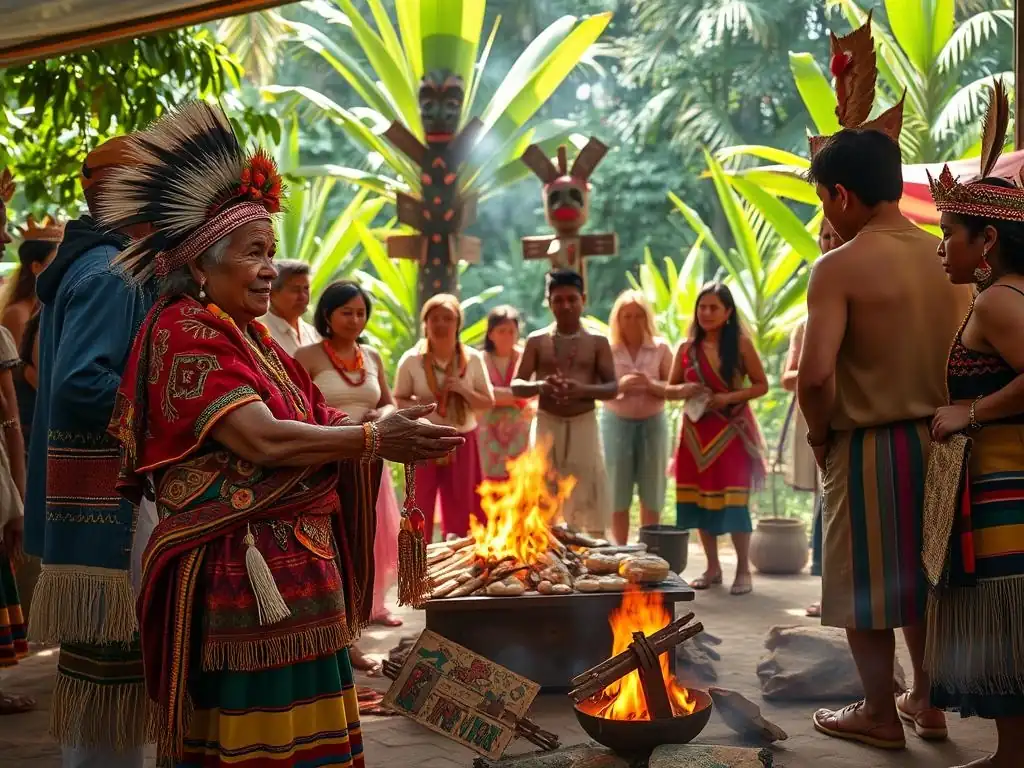
Welcome to Indigenous Civilizations of the Americas, where we invite you to embark on a journey through the rich tapestry of cultures that flourished long before European contact. Our focus today is on the intricate relationship between indigenous rituals and economic impact, shedding light on how ceremonies and traditions shaped trade practices and societal structures. As you delve into our featured article, you’ll uncover the profound ways in which these rituals not only fostered community bonds but also influenced economic transactions. Prepare to be intrigued and inspired as we explore the legacies of these remarkable civilizations!
Indigenous societies across the Americas have long understood the intricate connections between ritual, ceremony, and economic transactions. These cultures, rich in tradition and history, often employed rituals not merely as spiritual or ceremonial practices, but as essential components that shaped their economic systems. This article delves into the significant influence that indigenous rituals exert on economic interactions, highlighting how these practices foster community bonds, facilitate trade, and create sustainable economic relationships. By examining the interplay between ritual and economy, we can gain a deeper appreciation for the sophisticated and interconnected nature of indigenous cultures prior to European colonization.
Understanding Indigenous Rituals and Their Economic Significance
Definition of Indigenous Rituals
Indigenous rituals are structured, ceremonial practices that hold deep cultural significance within a community. They often involve a series of symbolic actions, prayers, or offerings that are performed to honor spiritual beliefs, commemorate important events, or invoke blessings. These rituals can take various forms, including:
- Rites of passage: Marking significant life events such as birth, adulthood, and death.
- Seasonal ceremonies: Celebrating agricultural cycles, such as planting and harvest.
- Healing rituals: Seeking wellness for individuals or the community as a whole.
These rituals serve not only to connect individuals with their spirituality but also to reinforce social structures and economic practices.
Historical Context of Rituals in Indigenous Cultures
The historical context of indigenous rituals is deeply rooted in the belief systems and worldviews of each community. For many indigenous peoples, the success of economic activities, such as hunting, fishing, and agriculture, was believed to be intertwined with spiritual favor.
For example, the Inca civilization held elaborate ceremonies to honor the sun god, Inti, to ensure bountiful harvests. Similarly, Native American tribes, such as the Pueblo, engaged in rituals to celebrate the agricultural seasons, which were crucial for their sustenance and trade. These historical practices illustrate how indigenous societies viewed economic activities as part of a larger spiritual ecosystem.
The Role of Ceremony in Community Life
Ceremony plays a vital role in the fabric of indigenous community life. It serves as a means to:
- Strengthen social bonds: Gatherings for rituals foster relationships among community members, enhancing cooperation and mutual support.
- Transmit knowledge: Ceremonies often incorporate storytelling and teachings that pass down essential cultural and economic knowledge to younger generations.
- Facilitate decision-making: Important economic decisions, such as resource allocation or trade agreements, are often preceded by ceremonial discussions that seek communal consensus.
Through these functions, ceremonies become pivotal in shaping the social and economic landscapes of indigenous cultures.
The Relationship Between Rituals and Economic Transactions
How Indigenous Rituals Facilitate Trade
Indigenous rituals are often integral to trade practices, serving as a framework for establishing trust and mutual respect among trading partners. Rituals can include:
- Exchanges of gifts: Symbolic offerings made before trade transactions to signify goodwill and establish positive relations.
- Shared ceremonies: Engaging in common rituals before or after trade helps to cement alliances and ensure future cooperation.
These practices underscore the understanding that trade is not merely an economic transaction but a relational exchange embedded within a broader cultural context.
The Impact of Ceremony on Economic Relationships
Ceremonies impact economic relationships by:
- Creating expectations of reciprocity: Rituals often set the stage for mutual obligations, where favors and goods exchanged are accompanied by the expectation of future returns.
- Building social capital: Engaging in ceremonial practices enhances the reputation of individuals and communities within trade networks, facilitating better economic opportunities.
Thus, the interconnectedness of ceremony and economic relationships fosters stability and trust within indigenous trading systems.
Case Studies of Rituals Used in Trade Practices
Numerous indigenous cultures have utilized rituals in their economic transactions. Here are a few notable case studies:
- The Potlatch Ceremony: Practiced by various Indigenous peoples of the Pacific Northwest, the potlatch is a ceremonial feast that includes the redistribution of wealth, reinforcing social status and relationships while facilitating trade.
- The Blackfeet Sun Dance: This ceremony involves collective prayers and offerings, where economic activities, such as buffalo hunts, are planned and blessed, ensuring a successful outcome for the community.
These case studies demonstrate the profound impact of rituals on economic practices, illustrating how they are essential to the identity and sustainability of indigenous economies.
Key Indigenous Rituals with Economic Implications
Indigenous societies across the Americas engaged in a variety of rituals that held significant economic implications. These rituals were not merely spiritual practices but integral components of their economic systems, influencing trade, resource allocation, and community relationships. Understanding these rituals provides insight into how indigenous cultures perceived wealth and prosperity, often intertwining economic transactions with cultural identity and social cohesion.
Ceremony of Gift-Giving in Indigenous Economies
Gift-giving ceremonies played a crucial role in indigenous economies, serving as a means to establish social ties and foster reciprocity within communities. These ceremonies were characterized by the exchange of goods, which were often imbued with cultural significance. For example, among the Haudenosaunee (Iroquois), the practice of "potlatch" involved the redistribution of wealth through elaborate feasts and gifting, where individuals would give away their possessions to demonstrate status and generosity. This not only facilitated economic transactions but also reinforced communal bonds, ensuring that resources were shared and that no individual became overly wealthy at the expense of others.
Trade Festivals and Their Economic Roles
Trade festivals were vibrant events that brought together various indigenous groups, allowing for the exchange of goods and services. These festivals served multiple economic purposes, such as the introduction of new products, sharing of agricultural techniques, and strengthening inter-tribal relationships. For example, the annual trading gatherings held by the Plains tribes enabled them to barter for essential resources like buffalo, tools, and textiles. The ceremonial aspects of these festivals, including dances and communal feasts, were essential for fostering goodwill and ensuring that trade relations remained amicable, thus highlighting the interconnectedness of cultural and economic life.
The Role of Rituals in Bartering Systems
Rituals were fundamental to the bartering systems employed by many indigenous cultures. In these societies, the act of trading was often surrounded by rituals that established the context for the exchange and signified mutual respect between parties. For instance, among the Anishinaabe, the exchange of goods was often preceded by a ceremonial blessing or offering, which served to honor the spirits of the land and ensure a successful transaction. Such practices reinforced the idea that economic interactions were not merely transactions but sacred exchanges that required respect, gratitude, and reciprocity.
The Economic Impact of Indigenous Rituals on Society
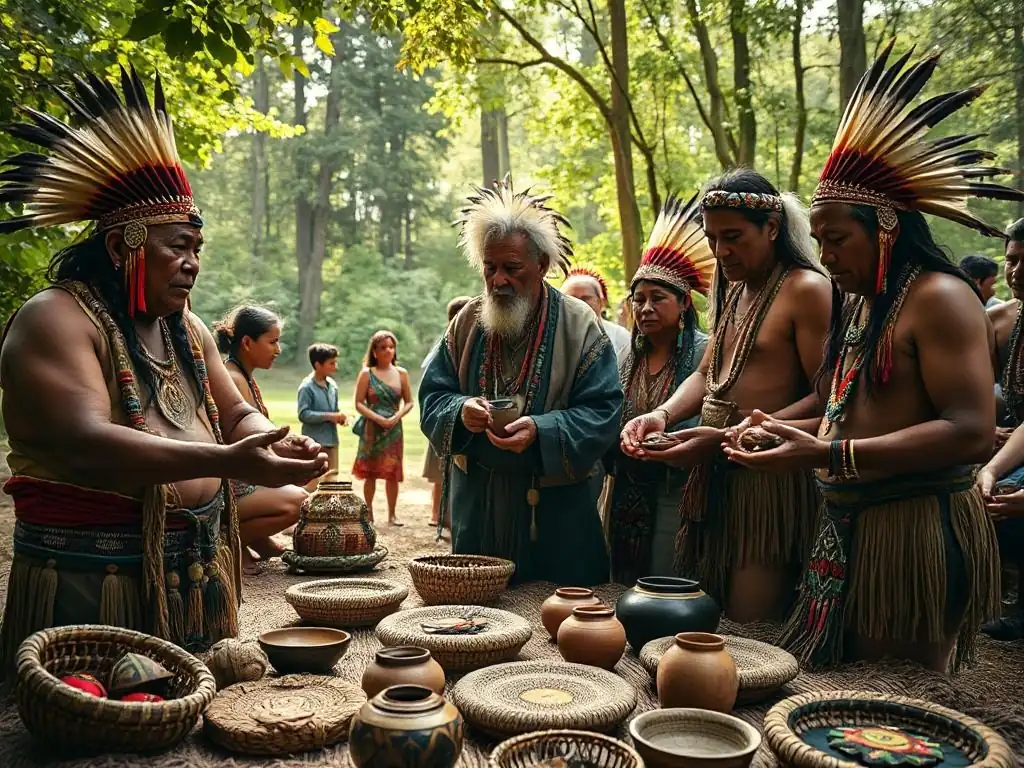
The economic impact of indigenous rituals extends beyond immediate transactions, influencing societal structures and community dynamics. These rituals shaped how resources were distributed, how communities interacted, and how economic sustainability was achieved.
Strengthening Community Bonds Through Economic Rituals
Economic rituals played a significant role in strengthening community bonds among indigenous peoples. By engaging in collective ceremonies, individuals were able to forge connections that transcended economic transactions. For example, ritual gatherings often involved sharing food, which not only nourished participants but also reinforced social ties. This sense of belonging and shared purpose was crucial for maintaining social stability and ensuring that all members of the community participated in the economic life of their society.
The Influence of Rituals on Resource Distribution
Rituals also influenced how resources were distributed within indigenous societies. Many communities practiced systems of communal resource management that were underpinned by ritualistic beliefs. For instance, the Andean cultures, such as the Inca, held agricultural ceremonies that coincided with planting and harvest seasons, ensuring that the land was treated with respect. These rituals guided the equitable distribution of resources, minimizing conflicts over land and promoting a shared responsibility for the well-being of the community.
Economic Sustainability Through Ceremonial Practices
Ceremonial practices contributed to the long-term economic sustainability of indigenous societies. By embedding ecological knowledge and sustainable practices within rituals, indigenous peoples ensured the preservation of their environments. For example, the use of traditional ecological knowledge in ceremonies related to fishing and hunting promoted responsible resource use, which was vital for the survival of these communities. Such practices illustrated a holistic understanding of economic sustainability, where rituals not only facilitated immediate economic transactions but also safeguarded the resources for future generations.
Comparative Analysis of Rituals in Different Indigenous Societies
Indigenous rituals and ceremonies play a critical role in shaping the economic systems of various societies across the Americas. While there are unique expressions of ritualistic practices within each culture, common themes often emerge that highlight the intricate relationship between spirituality, community, and economic transactions. Analysis of these rituals reveals how they serve not only as a means of cultural expression but also as integral components of economic activities, influencing trade relationships, resource distribution, and social cohesion.
Rituals in North American Indigenous Cultures
In North America, various indigenous tribes incorporate rituals into their economic practices, often intertwining spiritual beliefs with trade and resource management. For instance, the potlatch ceremony among the Pacific Northwest tribes serves as both a social gathering and an economic redistribution event. Here, wealth is displayed and redistributed, reinforcing social status and community ties.
Similarly, the Lakota Sioux engage in rituals such as the Sundance, which is not only a spiritual practice but also a means to call upon the community for support in times of need, fostering a network of economic cooperation. These rituals are pivotal in maintaining balance within the community and ensuring that economic resources are managed collectively, thus reflecting the interconnectedness of spirituality and economic well-being.
Ceremony and Economy in Mesoamerican Societies
Mesoamerican societies, such as the Aztecs and Maya, exemplified a profound integration of ritual and economic life. Ceremonies played a vital role in agricultural practices, with rituals dedicated to deities ensuring bountiful harvests. The Aztecs, for example, conducted elaborate ceremonies to honor Tlaloc, the rain god, believing that these acts would directly affect the success of their crops and, consequently, their economy.
The marketplace itself was often a ceremonial space where trade occurred within a framework of ritual significance. The market days were intertwined with religious observances, and traders would invoke blessings before embarking on economic exchanges, reflecting a belief that spiritual favor would enhance their commercial success. This blend of ritual and economy highlights how Mesoamerican societies viewed economic transactions not merely as financial exchanges but as holistic practices deeply embedded in their cosmology.
South American Indigenous Rituals and Their Economic Effects
In South America, indigenous groups such as the Inca and the Guarani demonstrate how rituals influence economic systems. The Inca civilization, for instance, utilized rituals to legitimize their economic practices, particularly in agriculture. The Inti Raymi festival, dedicated to the sun god, was crucial for agricultural cycles. By aligning economic activities with religious observances, the Incas ensured community participation and collective investment in agricultural success.
Moreover, the Guarani people engage in rituals that celebrate the harvest, reinforcing communal ties and shared responsibilities in resource management. These practices not only fostered a sense of belonging but also ensured that economic resources were equitably shared among community members, illustrating the significant impact of ritual on economic interactions.
Modern Implications of Indigenous Rituals on Economic Practices
The relevance of indigenous rituals continues to resonate in modern economic practices, as many communities seek to revitalize traditional ceremonies to enhance their economic stability and cultural identity.
Revitalization of Traditional Economic Rituals
Many indigenous communities are actively working to revitalize traditional economic rituals as a means of reclaiming cultural heritage and fostering economic resilience. This revitalization often involves integrating traditional practices into contemporary economic strategies, such as sustainable agriculture and eco-tourism. By blending ancient rituals with modern economic needs, communities can create unique offerings that attract interest and investment while preserving cultural significance.
For example, some tribes in North America have begun hosting traditional potlatch events that serve not only as cultural celebrations but also as platforms for local artisans to showcase and sell their crafts, thereby generating income while reinforcing community bonds.
The Influence of Indigenous Economic Practices on Contemporary Trade
Indigenous economic practices have begun to influence contemporary trade in various ways. Many businesses are now looking to incorporate indigenous values and practices into their operations, recognizing the growing consumer interest in ethical sourcing and sustainability. Indigenous artisans and entrepreneurs are leveraging traditional knowledge and rituals to create products that resonate with both cultural authenticity and modern market demands.
Furthermore, the emphasis on communal decision-making and ecological stewardship inherent in many indigenous economic systems is increasingly being adopted by businesses aiming to align with social responsibility goals. This fusion of traditional practices with contemporary economic frameworks highlights the enduring impact of indigenous rituals on modern commerce.
Challenges and Opportunities for Indigenous Economic Rituals Today
Despite the opportunities presented by the resurgence of indigenous rituals in economic contexts, there are notable challenges. Many indigenous communities face issues such as cultural appropriation, where non-indigenous entities exploit traditional practices for profit without proper acknowledgment or benefit to the communities involved.
Additionally, the struggle for land rights and the impacts of globalization pose significant threats to the preservation of these rituals. However, there are also opportunities for advocacy and collaboration, as indigenous voices are increasingly being included in discussions about economic development and cultural preservation.
By fostering respectful partnerships between indigenous communities and external stakeholders, there is potential for creating economically sustainable models that honor and integrate indigenous rituals, ensuring their relevance and vitality in the future.
Conclusion: The Lasting Economic Impact of Indigenous Rituals and Ceremonies
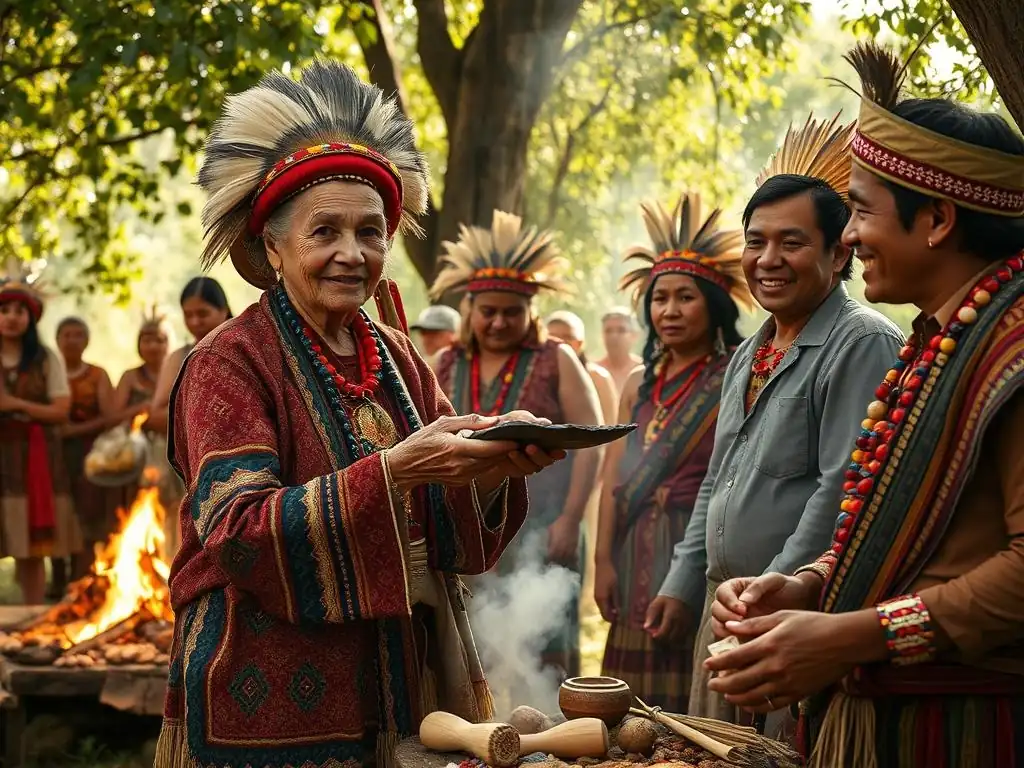
Indigenous rituals and ceremonies have played a crucial role in shaping the economic systems of various societies across the Americas. These practices, deeply rooted in spiritual beliefs and cultural traditions, have not only facilitated economic transactions but have also fostered community cohesion and identity. The interplay between ritual and economy underscores a worldview where economic activities are imbued with social and spiritual significance. As such, the influence of these practices extends beyond mere trade and commerce; they encapsulate a holistic understanding of economic well-being that integrates spiritual health, community relationships, and the natural environment.
The economic impact of indigenous rituals can be seen in various forms, from the ceremonial exchanges of goods to the establishment of trust within trading networks. For instance, many indigenous groups employed rituals to mark the beginning of trading seasons or to sanctify the exchange of significant goods, thereby reinforcing social bonds and ensuring the successful transfer of resources. These ceremonies often involved elaborate practices that communicated respect for the earth and its resources, reflecting an economic philosophy that prioritizes sustainability and reciprocity over exploitation.
Summary of Key Points
- Cultural Significance: Indigenous rituals serve as a cultural framework that informs economic practices, giving meaning and context to transactions.
- Community Cohesion: Economic exchanges facilitated through rituals reinforce social ties, fostering trust and collaboration among community members.
- Sustainability and Reciprocity: Many indigenous economic systems are characterized by principles of sustainability, where the health of the community and environment is prioritized in economic decisions.
- Spiritual Dimensions: Rituals often involve spiritual components that affect economic interactions, infusing them with deeper significance and ethical considerations.
- Variety of Practices: The diversity of rituals across different indigenous cultures illustrates the rich tapestry of economic practices, each uniquely adapted to local environments and social structures.
Future Directions for Research on Indigenous Economic Systems
Moving forward, there are several avenues for research that could deepen our understanding of indigenous economic systems and their interrelation with rituals and ceremonies.
- Comparative Studies: More comparative analyses between different indigenous cultures could illuminate common themes and unique practices that influence economic transactions.
- Interdisciplinary Approaches: Integrating perspectives from anthropology, economics, and environmental science could provide a more holistic view of how rituals impact economic systems.
- Focus on Modern Contexts: Investigating how contemporary indigenous communities adapt traditional rituals within modern economic frameworks can offer insights into resilience and innovation.
- Impact of Colonization: Further exploration of how colonial histories have transformed indigenous economic practices and rituals will shed light on the ongoing effects of historical trauma.
- Policy Implications: Research that informs policymakers about the importance of preserving indigenous rituals in economic planning can enhance community well-being and cultural integrity.
By pursuing these research directions, scholars can contribute to a richer understanding of indigenous economic systems and the vital role that rituals and ceremonies play within them, ultimately ensuring that these cultures continue to thrive in the modern world.
- Understanding Indigenous Rituals and Their Economic Significance
- The Relationship Between Rituals and Economic Transactions
- Key Indigenous Rituals with Economic Implications
- The Economic Impact of Indigenous Rituals on Society
- Comparative Analysis of Rituals in Different Indigenous Societies
- Modern Implications of Indigenous Rituals on Economic Practices
- Conclusion: The Lasting Economic Impact of Indigenous Rituals and Ceremonies
- Summary of Key Points
- Future Directions for Research on Indigenous Economic Systems
- What role did rituals play in economic transactions within indigenous societies?
- How did ceremonies influence the economic impact of indigenous cultures?
- Can you explain the relationship between spiritual beliefs and economic practices in indigenous cultures?
- What are some examples of indigenous rituals that had a direct impact on their economies?
- How do the economic impacts of indigenous rituals continue to affect modern societies?
Frequently Asked Questions
What role did rituals play in economic transactions within indigenous societies?
Rituals served as a framework for economic transactions, often marking important events such as trading or harvesting, thereby reinforcing social bonds and trust among community members.
How did ceremonies influence the economic impact of indigenous cultures?
Ceremonies often coincided with significant economic activities, such as planting and harvesting, which helped to ensure abundance and foster community cohesion, ultimately enhancing the economic stability of these societies.
Can you explain the relationship between spiritual beliefs and economic practices in indigenous cultures?
Spiritual beliefs were deeply intertwined with economic practices, as many indigenous communities viewed their economic activities as a form of sacred duty, ensuring balance and respect for the natural world.
What are some examples of indigenous rituals that had a direct impact on their economies?
Examples include potlatch ceremonies among the Pacific Northwest tribes, which not only served as social gatherings but also facilitated redistribution of wealth, thereby impacting local economies.
How do the economic impacts of indigenous rituals continue to affect modern societies?
Many modern communities still recognize the importance of traditional rituals, which can promote sustainable practices and foster a sense of identity, contributing to both cultural preservation and local economies.
Final Reflection: The Enduring Legacy of Indigenous Rituals in Economic Transactions
The intricate relationship between indigenous rituals and economic impact remains profoundly relevant today, as we strive to understand the cultural dimensions of commerce. In a world increasingly driven by transactional efficiency, the significance of rituals and ceremonies in indigenous societies serves as a poignant reminder that economic activities are not merely about profit but are deeply intertwined with identity, community, and tradition. This understanding challenges us to reconsider our own economic practices and the values they reflect.
The influence of indigenous rituals extends far beyond their immediate cultural context; they shape social bonds, community resilience, and economic sustainability. As we witness a growing recognition of the importance of cultural heritage in economic frameworks, it becomes clear that these rituals are not relics of the past but living practices that continue to inspire contemporary economic thought. Rituals are the threads that weave together the fabric of community life, offering a sense of belonging and purpose.
This ongoing dialogue between tradition and modernity invites us to explore how we can integrate these values into our own economic systems.
As you reflect on the insights presented in this article, consider how you can incorporate the lessons of indigenous rituals into your own life and work. Embrace the idea that every transaction carries a story, a connection, and a purpose. By honoring the cultural significance behind economic exchanges, we can foster a more inclusive and compassionate approach to commerce that respects the past while paving the way for a sustainable future. Let us take action to ensure that the wisdom of indigenous societies continues to inform our economic practices, enriching our communities and our lives.
Embrace and Explore the Role of Ritual in Your Community!
Thank you for taking the time to delve into the fascinating ways rituals and ceremonies shape social interactions and community dynamics. Your interest can spark meaningful conversations and inspire deeper connections within your own community!
Now it’s your turn to take action:
- Participate in a local cultural event or ceremony to witness firsthand how rituals influence community bonds and interactions.
- Share your insights from this article with friends and family to foster a greater appreciation for diverse cultures and their impactful practices.
- Reflect on the rituals in your own community—what traditions exist, and how do they shape connections and exchanges around you?
How do you see the rituals in your life influencing the way you engage with others?