
The Influence of Geography on Mayan Origins and Development

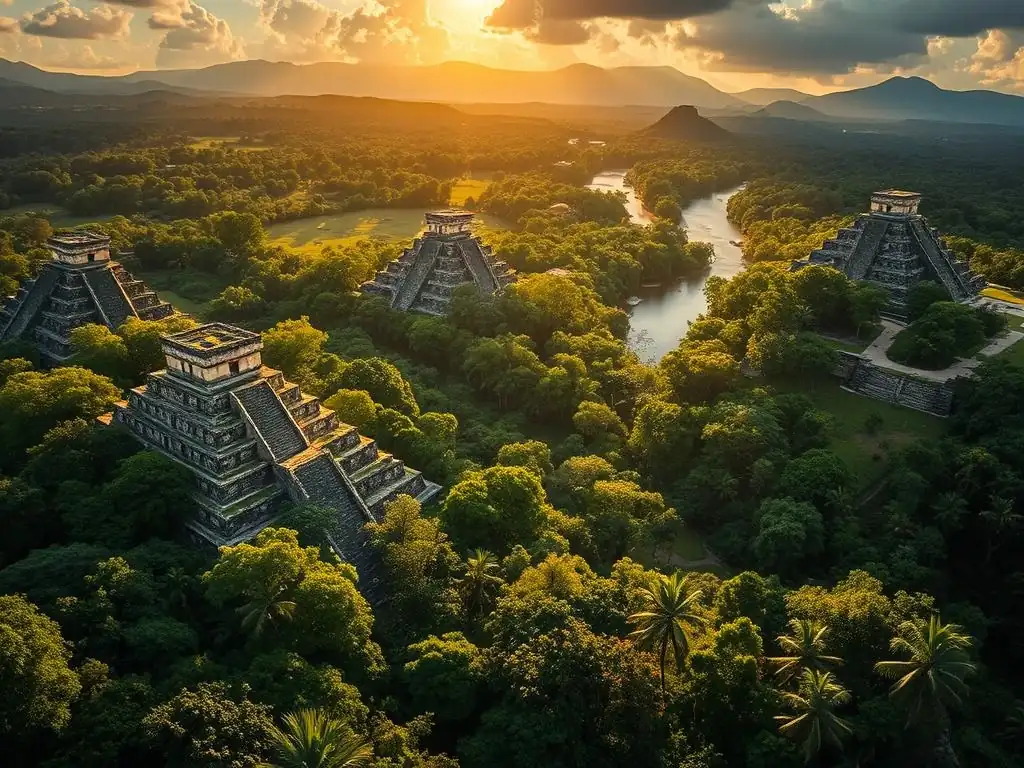
Welcome to Indigenous Civilizations of the Americas, where we invite you to embark on a fascinating journey through the rich tapestry of indigenous cultures that flourished long before the arrival of Europeans. In our featured article, “The Influence of Geography on Mayan Origins and Development,” we delve into the intricate relationship between the Mayan civilization and its geographical context, uncovering how the unique landscapes shaped their remarkable achievements and societal structures. Prepare to be captivated as we explore the profound impact of geography on one of history's most intriguing civilizations—your adventure into the past starts here!
Introduction to the Mayan Civilization
The Mayan civilization stands as one of the most remarkable cultures in the history of the Americas, flourishing in Mesoamerica long before European contact. This ancient civilization, known for its impressive achievements in mathematics, astronomy, art, and architecture, was deeply intertwined with the geographical landscape it inhabited.
Understanding the impact of geography on the Mayan civilization is crucial, as it not only shaped their daily lives but also influenced their societal structures, trade routes, and cultural practices. This article will explore the multifaceted relationship between the Mayans and their environment, revealing how geographical elements played a pivotal role in the origins and development of this extraordinary civilization.
Overview of the Mayan Civilization
The Mayan civilization thrived from approximately 2000 BCE to 1500 CE, encompassing present-day southeastern Mexico, Guatemala, Belize, and parts of Honduras and El Salvador. This civilization is celebrated for its sophisticated city-states, including Tikal, Palenque, and Copán, characterized by majestic pyramids, elaborate temples, and intricate artworks. The society was diverse, comprising various ethnic groups and languages, yet they shared common cultural traits, such as a deep reverence for nature and a complex religious system.
Key achievements of the Mayans include:
- Mathematics: The development of a sophisticated numeral system, including the concept of zero.
- Astronomy: Accurate calendars that reflected their understanding of celestial movements.
- Architecture: The construction of monumental structures that still stand today, showcasing engineering prowess.
Importance of Geography in Indigenous Cultures
Geography has always played a crucial role in shaping the development of indigenous cultures across the globe. For the Mayans, the unique geographical features of their region influenced agricultural practices, settlement patterns, and trade dynamics. The interplay between the environment and cultural evolution is evident in several aspects:
- Agricultural Techniques: The reliance on slash-and-burn agriculture and terracing due to varying topography.
- Resource Management: The sustainable practices developed to harness natural resources effectively.
- Cultural Exchange: Geographic barriers and corridors that facilitated or hindered interaction with neighboring cultures.
Geographic Features of the Mayan Region
The Mayan region is marked by diverse geographical features, including dense rainforests, mountains, and coastal plains. These elements not only defined the physical landscape but also influenced the lifestyle and survival strategies of the Mayan people. Understanding these features is essential to grasp the full scope of the Mayan civilization's development.
Key Geographic Zones of the Mayan Civilization
The Mayan civilization can be divided into several key geographic zones, each with distinct characteristics that contributed to their societal advancements:
- Lowland Rainforest: Characterized by rich biodiversity and fertile soil, this zone supported agriculture, including staple crops like maize, beans, and squash.
- Highland Regions: Featuring cooler temperatures and varying altitudes, these areas were crucial for specific crops and hosted significant urban centers.
- Coastal Areas: These regions provided access to marine resources and established trade routes with other cultures, enhancing economic exchange.
Natural Resources and Their Role in Mayan Development
Natural resources played a vital role in the success and sustainability of the Mayan civilization. The abundance of resources allowed the Mayans to develop complex societies and intricate trade networks. Notable resources include:
- Agricultural Products: Maize, cacao, and cotton were crucial for sustenance and trade.
- Timber: Essential for construction and crafting tools.
- Minerals: Jade and obsidian were highly valued for their use in art and weaponry.
By harnessing these resources and adapting to their geographical surroundings, the Mayans not only survived but thrived, creating one of the most advanced civilizations in pre-Columbian America.
The Impact of Geography on Mayan Society
The geography of the region inhabited by the Mayan civilization played a crucial role in shaping its society, culture, and overall development. Covering parts of present-day Mexico, Guatemala, Belize, and Honduras, the Mayan territory included diverse landscapes such as mountains, forests, and coastal areas. This varied geography influenced not only the lifestyle of the Mayans but also their political structures, social organization, and economic activities.
The Mayans adapted to their environment, utilizing the natural resources available to them. The dense jungles provided timber for construction and materials for tools and weapons, while the rich soils in certain areas facilitated agriculture. The presence of rivers and lakes was essential for providing water and supporting trade. As a result, the geographical diversity fostered a complex society that thrived on agriculture, trade, and cultural exchange.
Settlement Patterns and Urban Development
Mayan settlements were strategically located based on the geographical features of the land. The highland regions, characterized by mountainous terrain, were often chosen for their natural defense and access to resources. In contrast, lowland areas, such as the Petén region, provided fertile soil conducive to farming, which supported larger populations.
Urban centers like Tikal, Palenque, and Copán emerged as hubs of political power and cultural activity. These cities were meticulously planned, with monumental architecture, ceremonial plazas, and pyramids that showcased the Mayans' advanced engineering skills. The layout of these cities often reflected an understanding of astronomy and geography, aligning structures with celestial events, which further emphasized the importance of their environment in urban development.
Agriculture: How Geography Shaped Farming Practices
The Mayan civilization's agricultural practices were deeply influenced by their geography. The varying climatic conditions across the region necessitated diverse farming techniques. In the lowlands, the Mayans practiced slash-and-burn agriculture, clearing forests to create arable land. This method, while effective, posed challenges such as soil degradation over time.
In contrast, the highland areas allowed for terraced farming, a technique that maximized arable land on steep slopes and helped prevent soil erosion. The availability of water sources, such as rivers and cenotes (natural sinkholes), was also vital for irrigation. The Mayans cultivated staple crops like maize, beans, and squash, which formed the basis of their diet and economy, demonstrating how geography directly influenced their agricultural strategies.
Trade Routes: Geography's Role in Economic Exchange
Geography played a pivotal role in establishing trade routes that connected various Mayan cities and regions. The presence of rivers, forests, and mountain passes facilitated the movement of goods and resources. The Mayans engaged in extensive trade networks, exchanging agricultural products, textiles, pottery, and jade, among other items.
Major trade routes followed natural landscapes, such as river systems, which provided transportation corridors. Coastal areas also served as vital hubs for maritime trade, allowing the Mayans to connect with other cultures across the Mesoamerican region. This exchange not only enriched the Mayan economy but also fostered cultural interactions, leading to the sharing of ideas, technology, and artistic traditions.
Geographic Challenges Faced by the Mayans
Despite the advantages offered by their geography, the Mayans faced several significant challenges that impacted their civilization's sustainability and longevity.
Environmental Challenges: Deforestation and Soil Degradation
As the Mayan population grew, the demand for land and resources increased, leading to widespread deforestation. The clearing of forests for agriculture and urban development resulted in habitat loss, reduced biodiversity, and disrupted ecosystems. Additionally, the intensive farming practices contributed to soil degradation, diminishing the agricultural productivity that the civilization relied upon.
The consequences of these environmental challenges were profound. As the soil quality declined, crop yields decreased, which strained food supplies and may have contributed to social unrest. The impact of deforestation also exacerbated the effects of climate variability, further challenging the sustainability of the Mayan way of life.
Climate Variability: Droughts and Their Impact on Civilization
The Mayans were also vulnerable to climate variability, particularly prolonged droughts. Evidence suggests that significant drought periods occurred during critical times in Mayan history, leading to severe water shortages and crop failures. These climatic shifts were detrimental to the agricultural systems upon which the civilization depended.
The consequences of drought were far-reaching, potentially leading to famine, social upheaval, and the weakening of political structures. As resources dwindled, competition for land and water intensified, resulting in conflict within and between city-states. Ultimately, these climatic challenges played a crucial role in the decline of several prominent Mayan cities, illustrating the profound impact of geography and climate on the civilization's trajectory.
The Influence of Geography on Mayan Religion and Culture
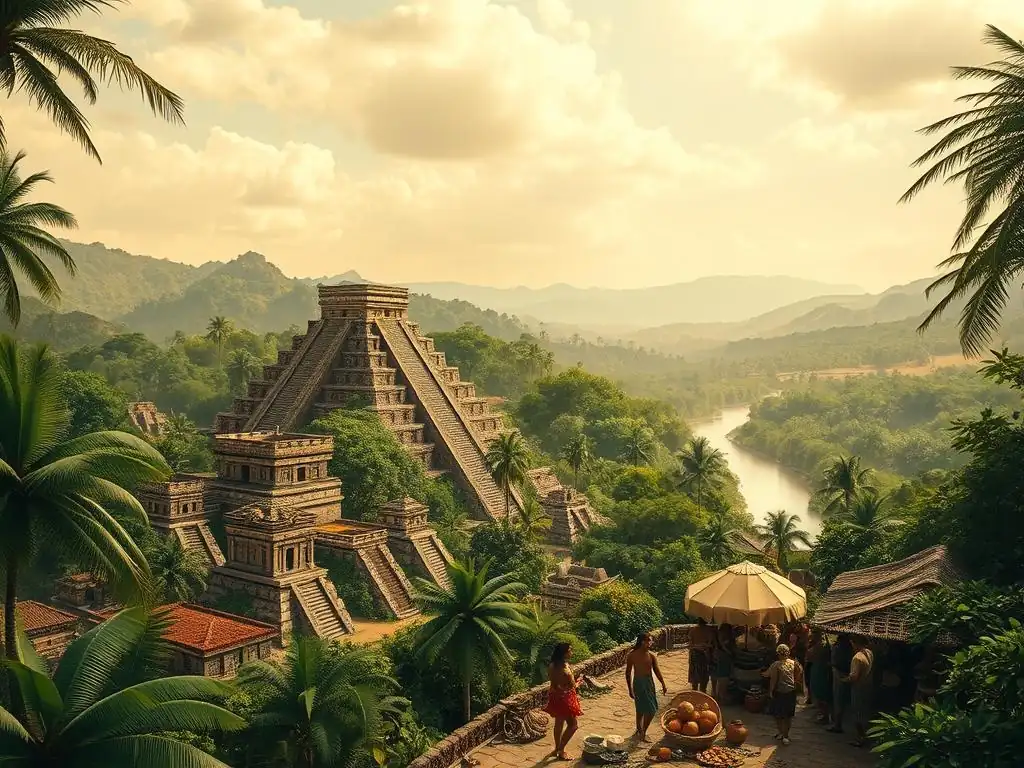
Geography played a pivotal role in shaping the religion and culture of the Mayan civilization. The diverse landscapes, from tropical rainforests to mountainous regions, not only influenced agricultural practices but also affected their spiritual beliefs and cultural expressions. The Mayans saw their environment as imbued with spiritual significance, which led to the development of a rich tapestry of myths, rituals, and deities closely aligned with natural features. This integration of geography into their religious practices helped to foster a sense of identity and unity among the various city-states that comprised the Mayan civilization.
The availability of natural resources and the specific characteristics of their surroundings inspired the Mayans to cultivate specific crops, which in turn influenced their dietary practices and agricultural rituals. The cyclical patterns of agriculture were often intertwined with religious ceremonies, emphasizing the connection between the earth and the divine. Additionally, geographical elements such as caves, rivers, and mountains were often considered sacred, leading to the establishment of shrines and temples in these locations, further blending spirituality with the physical landscape.
Sacred Geography: The Significance of Natural Landmarks
Natural landmarks held profound significance in Mayan culture, often serving as focal points for religious and ceremonial activities. Mountains, caves, and cenotes (natural sinkholes) were viewed as sacred spaces where the earthly realm intersected with the divine. For instance, the Mayans believed that caves were portals to the underworld, and thus they were often sites for rituals and offerings. The act of descending into a cave was thought to connect them with their ancestors and the gods.
Moreover, certain mountains were equated with specific deities, and pilgrimage to these sites was common among various Mayan groups. The peaks of these mountains were often seen as places where the gods resided, and thus, rituals conducted there were believed to be particularly powerful. This sacred geography not only influenced local religious practices but also facilitated communication and cultural exchange between different regions as pilgrims traveled to these significant sites.
How Geography Influenced Mayan Mythology and Cosmology
Mayan mythology and cosmology were deeply intertwined with geographical features. The natural world was perceived as a reflection of the cosmos, where mountains symbolized the sky and caves represented the underworld. This connection led to rich narratives that explained the origins of the world, the cycles of nature, and the relationship between humans and the divine.
For example, many myths featured gods who were associated with specific geographical elements such as rain, maize, and the sun. These deities were believed to control the natural forces that governed agricultural success and, by extension, the survival of the Mayan people. The stories often emphasized the importance of maintaining harmony with nature, reflecting a worldview where human activity was inextricably linked to the environment. This cosmology encouraged respect for natural resources and underscored the necessity of rituals to appease the gods associated with various geographical elements.
Case Studies in Mayan Geography
Example 1: Tikal and Its Geographic Advantages
Tikal, one of the most prominent city-states of the Mayan civilization, exemplifies the impact of geography on urban development and cultural advancement. Located in the heart of the tropical rainforest, Tikal benefited from rich biodiversity and fertile soil, which facilitated agricultural production. The surrounding forests provided resources like timber and medicinal plants, crucial for sustaining the population and supporting their way of life.
The strategic location of Tikal also permitted control over trade routes that connected various regions, fostering economic prosperity. Its towering temples and ceremonial structures were built in alignment with astronomical events, showcasing the Mayans' sophisticated understanding of geography and its relationship to their cosmology. Thus, Tikal's geographic advantages not only supported its economic and social structures but also played a significant role in its religious significance.
Example 2: Copán and Its Unique Geographic Features
Copán, situated in the western highlands of present-day Honduras, presents another compelling case of how geography influenced Mayan civilization. The city is located near the Copán River, which served as a vital water source and facilitated irrigation for agriculture. The surrounding mountainous terrain provided natural defenses against potential invasions, enhancing its security and stability.
Additionally, Copán is known for its elaborate hieroglyphic stairway and well-preserved stelae, which reflect the city's cultural achievements. The unique topography of the area allowed for the construction of intricate ceremonial sites that integrated seamlessly with the landscape. The Mayans' reverence for their geography is evident in the way they designed their structures, aligning them with celestial events and local landmarks. This connection to their environment not only reinforced their cultural identity but also underscored the significance of geography in shaping their historical narrative.
Conclusion: The Lasting Influence of Geography on Mayan Civilization
The geography of the Mayan civilization played a pivotal role in shaping its development, culture, and societal structures. The diverse landscapes, ranging from mountainous regions to lowland jungles, influenced agricultural practices, trade routes, and urban planning, making the Mayans adept at adapting to their environment. The availability of fertile soil in areas like the Petén Basin allowed for the growth of staple crops such as maize, beans, and squash, which formed the backbone of their diet and economy. Additionally, the proximity to water sources facilitated trade and communication among various city-states, enhancing cultural exchange and collaboration.
The impact of geography is not merely historical; it resonates in contemporary times as well. Understanding the geographical factors that shaped the Mayan civilization provides insight into how these ancient peoples thrived and how their legacies continue to manifest in modern Maya communities. The intricate relationship between the Mayans and their environment underscores the importance of geography in the evolution of civilizations, emphasizing that their achievements were closely tied to the land they inhabited.
Summary of Geographic Impacts on Development
The development of the Mayan civilization was deeply intertwined with its geography, which offered both challenges and advantages. Key geographic impacts include:
- Agricultural Opportunities: The fertile volcanic soil in certain regions contributed to agricultural abundance, allowing the Mayans to establish complex societies.
- Water Resources: Rivers and cenotes (natural sinkholes) provided essential water sources for agriculture and daily life, supporting population growth in urban centers.
- Trade Routes: The varied terrain facilitated the establishment of extensive trade networks, connecting different city-states and enabling the exchange of goods, ideas, and cultural practices.
- Urban Planning: Geographic features influenced city layouts, with many Mayan cities strategically located near water sources and trade routes to maximize resource availability and interaction.
These factors collectively led to the flourishing of the Mayan civilization, demonstrating how geography can dictate the rise and fall of societies throughout history.
Reflection on the Importance of Geography in Understanding Indigenous Civilizations
Geography is fundamental to understanding not only the Mayan civilization but also indigenous cultures across the Americas. The landscapes, climates, and natural resources available to these civilizations shaped their social structures, economies, and spiritual beliefs. Recognizing the geographical context allows historians and archaeologists to reconstruct the lives of indigenous peoples more accurately.
For example, the differences in geography among various indigenous groups led to diverse cultural practices and adaptations. The arid deserts of the Southwest United States fostered unique agricultural techniques among the Pueblo peoples, while the lush forests of the Amazon supported entirely different lifestyles and social organizations. By examining geography, we gain a clearer picture of the resilience and ingenuity of indigenous civilizations, highlighting their ability to thrive in varying environments.
Further Reading on Mayan Civilization Geography
For those interested in delving deeper into the geographic influences on the Mayan civilization, several resources offer comprehensive insights into this complex subject.
Recommended Resources for Exploring Mayan Geography and Society
- Books:
- The Maya: Ancient Peoples and Places by Charles Gallenkamp: This book provides an overview of the Mayan civilization, including the influence of geography on its development.
- The Ancient Maya by Arthur Demarest: A detailed exploration of Mayan society, with a focus on how environmental factors shaped their history.
- Documentaries:
- Lost Kingdoms of the Maya: This documentary offers a visual exploration of Mayan cities and their geographic context, highlighting archaeological discoveries.
- Online Resources:
- The Smithsonian's National Museum of the American Indian offers online exhibits that discuss the Mayan civilization's connection to its landscape.
- The Maya Exploration Center provides educational content and resources on Mayan history and geography.
Related Topics in Indigenous Civilizations of the Americas
- Aztec Civilization Geography Impact: Explore how the geography of central Mexico influenced the rise and fall of the Aztec Empire.
- Inuit Societies and Geography: Analyze the relationship between the harsh Arctic environment and the development of Inuit culture and survival strategies.
- Andean Civilizations: Study how the mountainous terrain influenced the agricultural practices and societal structures of the Inca civilization.
By examining these related topics, readers can gain a broader understanding of how geography has shaped various indigenous civilizations throughout the Americas, illustrating the diverse adaptations and innovations that arose in response to their unique environments.
- Introduction to the Mayan Civilization
- Geographic Features of the Mayan Region
- The Impact of Geography on Mayan Society
- Geographic Challenges Faced by the Mayans
- The Influence of Geography on Mayan Religion and Culture
- Case Studies in Mayan Geography
- Conclusion: The Lasting Influence of Geography on Mayan Civilization
- Further Reading on Mayan Civilization Geography
Frequently Asked Questions
What were the key geographical features of the Mayan civilization?
The Mayan civilization was primarily located in Mesoamerica, encompassing parts of modern-day Mexico, Guatemala, Belize, and Honduras. Key features included mountain ranges, rainforests, and coastal plains, which influenced their agricultural practices.
How did geography affect Mayan agriculture?
The geography of the Mayan region allowed for diverse agricultural techniques, such as slash-and-burn farming and terracing. Their ability to adapt to different landforms ensured a stable food supply, crucial for their societal development.
What impact did the Mayan civilization have on its environment?
The Mayans significantly altered their environment through deforestation for agricultural expansion and urban development. This transformation had lasting effects on biodiversity and soil quality, which are still studied today.
In what ways did geography influence Mayan trade?
Mayan geography facilitated extensive trade networks through rivers and coastal routes. The location of cities near natural resources allowed for the exchange of goods like obsidian and cacao, enhancing their economic power.
How did the geography of the Mayan civilization contribute to its decline?
The geographical factors, like prolonged droughts and soil depletion, significantly impacted the Mayans. These environmental stresses contributed to the collapse of key city-states, illustrating the intricate link between geography and civilizational stability.
Final Reflection: The Enduring Legacy of Geography on Mayan Civilization
The intricate relationship between geography and the development of the Mayan civilization remains profoundly relevant today as we navigate our own environmental challenges. The way the Mayans adapted to their diverse landscapes not only shaped their society but also serves as a powerful reminder of how our surroundings can dictate cultural evolution. In an age where climate change and urbanization threaten traditional ways of life, understanding the Mayans' geographical influences can inspire modern societies to rethink their interactions with the environment.
The impact of geography on the Mayan civilization continues to resonate within our cultural and social landscapes. The lessons learned from their agricultural practices, urban planning, and resource management underscore the importance of sustainability. As we face increasing environmental pressures, the Mayans' ability to thrive in harmony with their surroundings offers invaluable insights. The land is not just a resource; it is a living entity that shapes our destiny.
This quote encapsulates the essence of the Mayan experience, reminding us that our relationship with the earth is foundational to our survival and growth.
As we reflect on the lessons of the Mayan civilization, I invite you to consider how geography influences your own life and community. What can you learn from the past to foster a more sustainable future? Embrace the wisdom of the Mayans and take action in your own environment—whether through conservation efforts, community engagement, or simply being mindful of the resources you consume. Together, we can honor the legacy of the Mayans by cultivating a deeper connection with our geography and ensuring that future generations inherit a world that is both rich in culture and sustainable in practice.
Unveil the Mysteries of Mayan Civilization!
Thank you for diving into the fascinating world of the Mayans with us! You've explored how geography shaped one of the most remarkable civilizations in history. Now, let's take that knowledge further and make it actionable.
Here’s how you can continue your journey into the rich tapestry of Indigenous civilizations:
- Dive Deeper: Explore our in-depth articles on various Indigenous cultures that thrived in diverse environments. Each piece provides unique insights into their development and contributions.
- Share Your Thoughts: Engage in the discussion—share this article with friends or family who might be interested in learning about the Mayans. Conversations can spark new ideas and perspectives.
- Visit a Museum or Cultural Site: Experience Indigenous history firsthand—consider planning a trip to a local museum that features Mayan culture or participate in a workshop to connect more deeply with the topic.
What’s one surprising fact about the Mayan civilization that you would love to explore further? We invite you to share your thoughts with us below!