
Gender Roles in Cultural Revitalization: Women Leading the Charge

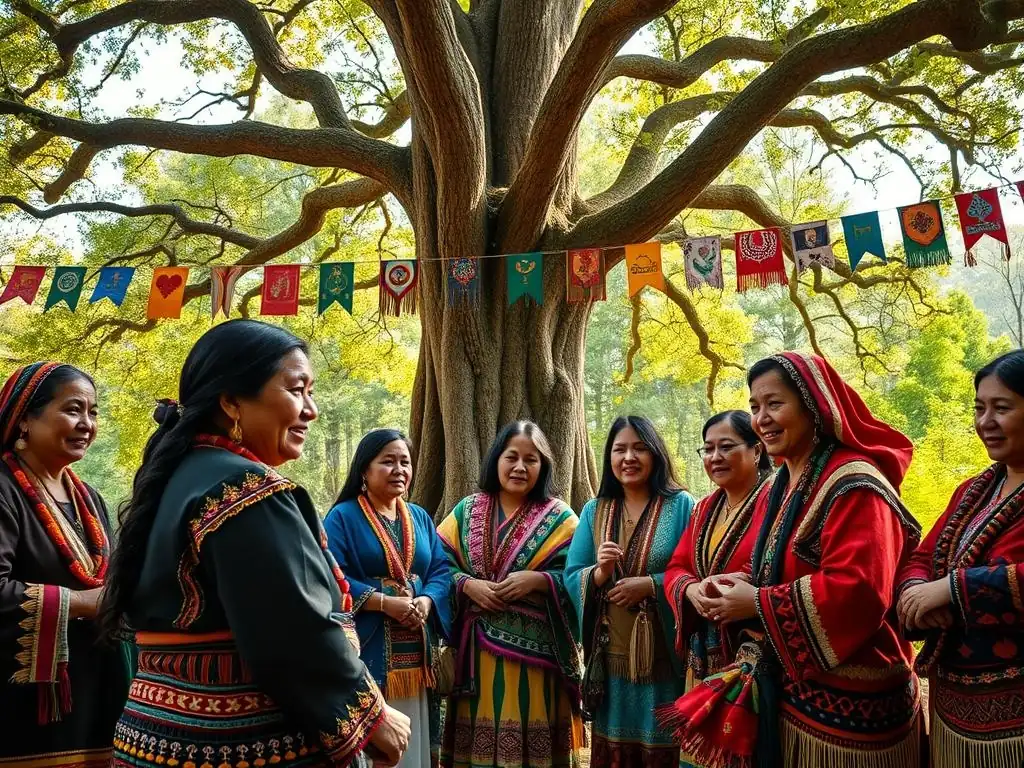
Welcome to Indigenous Civilizations of the Americas, where we embark on a journey through the rich tapestry of indigenous cultures that flourished long before European contact. Our exploration delves into the remarkable achievements and resilience of these societies, with a particular focus on the role of indigenous women in cultural revitalization. In our featured article, "Gender Roles in Cultural Revitalization: Women Leading the Charge," we uncover how these powerful leaders are shaping the narrative of their communities today. Prepare to be inspired as you dive deeper into the stories and legacies that continue to resonate across generations.
Introduction to Indigenous Women in Cultural Revitalization
The role of Indigenous women in cultural revitalization is a pivotal aspect of understanding the resilience and strength of Indigenous communities in the Americas. As societies that thrived long before European colonization, Indigenous cultures encompass a rich tapestry of traditions, beliefs, and practices, many of which continue to be upheld and revitalized today.
Women, as the backbone of these communities, have played a crucial role in preserving cultural heritage, transmitting knowledge, and leading efforts toward revitalization. This article explores the multifaceted contributions of Indigenous women in these vital processes, highlighting their significance in maintaining the identity and continuity of their cultures amidst the ongoing impacts of colonization.
Understanding the Importance of Indigenous Women
Indigenous women are not only custodians of tradition but also catalysts for change within their communities. Their involvement in cultural revitalization efforts often centers around:
- Education and Knowledge Transmission: Women traditionally serve as educators, passing down languages, stories, and cultural practices to younger generations.
- Community Leadership: Many Indigenous women hold leadership roles in cultural organizations, advocating for the rights and recognition of their people.
- Healing Practices: Women often engage in traditional healing practices, which are integral to community health and spiritual well-being.
Through these roles, Indigenous women are instrumental in fostering a sense of identity and belonging, which is essential for the resilience of their cultures.
The Role of Women in Indigenous Societies
In many Indigenous societies, women have historically occupied positions of respect and authority. Their responsibilities often included:
- Agriculture and Food Sovereignty: Women were typically the primary caretakers of agriculture, ensuring food security and the passing down of agricultural knowledge.
- Cultural Artistry: Women played key roles in creating traditional crafts, textiles, and art, which are vital expressions of cultural identity.
- Social Organization: Women often served as mediators and negotiators within their communities, maintaining social cohesion and harmony.
These roles underscore the essential contributions of women in sustaining and revitalizing cultural practices and community structures.
Historical Context of Gender Roles in Indigenous Cultures
Traditional Gender Roles Before European Contact
Before European contact, many Indigenous cultures had distinct but complementary gender roles. These roles were often based on respect for the contributions of both men and women. For instance:
- In many tribes, women held significant authority in decision-making processes, especially regarding land and resource management.
- Spiritual practices frequently included the participation of women as leaders, shamans, or healers, showcasing their integral role in the community's spiritual life.
This balanced approach to gender roles fostered a sense of equality and mutual respect that was paramount to the functioning of these societies.
Changes in Gender Dynamics Post-Colonization
The arrival of European colonizers drastically altered the dynamics of gender roles within Indigenous cultures. The effects included:
- Imposition of Patriarchal Structures: European colonization often introduced patriarchal norms that undermined the traditional roles of women, relegating them to subordinate positions.
- Disruption of Cultural Practices: Colonization led to the suppression of Indigenous languages and traditions, which disproportionately affected women, who were key transmitters of cultural knowledge.
- Resilience and Resistance: Despite these challenges, Indigenous women have demonstrated resilience, often leading movements for cultural revitalization and social change, reclaiming their roles and asserting their identities.
This historical context is essential to understanding the ongoing efforts of Indigenous women in cultural revitalization and their crucial place in the narrative of Indigenous resistance and resilience today.
The Impact of Colonization on Indigenous Women
The arrival of European colonizers in the Americas had profound and lasting impacts on Indigenous societies, particularly on the roles and status of Indigenous women. The colonization process disrupted established cultural practices and gender roles, leading to significant changes in the social fabric of Indigenous communities. Traditional systems of governance, kinship, and economic roles were often undermined or completely dismantled, leading to a loss of agency for many women within their societies.
Disruption of Cultural Practices and Gender Roles
Colonization introduced new ideologies and social structures that often conflicted with Indigenous practices. Many European settlers imposed patriarchal norms that marginalized women's roles in decision-making and cultural expression. For instance, in many Indigenous cultures, women held critical responsibilities in agriculture, healing, and community leadership. However, colonial powers often dismissed these roles, viewing them through a Eurocentric lens that undervalued women's contributions. This disruption led to a decline in traditional knowledge and practices, as women were often the primary bearers of cultural heritage and teachings.
Colonial policies, such as land dispossession and forced assimilation, further exacerbated these challenges. Women's access to resources diminished as traditional land management practices were replaced by European systems. Consequently, this led to economic disenfranchisement and a shift in gender dynamics, where women's roles became increasingly marginalized within their communities.
Resilience of Indigenous Women Amidst Challenges
Despite the adversities posed by colonization, Indigenous women have demonstrated remarkable resilience. They have adapted to changing circumstances while striving to preserve their cultures. Many women became key figures in resistance movements, fighting against colonial oppression and advocating for the rights and recognition of their communities.
Moreover, Indigenous women have played a vital role in maintaining cultural traditions, passing down knowledge, stories, and practices to future generations. They have utilized their skills in weaving, storytelling, and traditional medicine to foster a sense of identity and continuity in their communities. This resilience has been crucial in sustaining cultural practices that might have otherwise been lost in the face of colonization.
Contemporary Indigenous Women in Cultural Revitalization
In recent years, Indigenous women have emerged as leaders in cultural revitalization efforts, reclaiming their roles as custodians of heritage and identity. These women are at the forefront of movements aimed at restoring traditional practices, languages, and knowledge systems that have been suppressed or diminished due to colonization.
Leading Initiatives for Cultural Preservation
Contemporary Indigenous women are spearheading various initiatives focused on cultural preservation and revitalization. These initiatives often include language revitalization programs, traditional arts and crafts workshops, and community gatherings that celebrate Indigenous heritage. Organizations led by Indigenous women are working tirelessly to document and teach traditional practices, ensuring that younger generations can connect with their cultural roots.
For example, in many Indigenous communities across North America, women are leading the charge in language revitalization efforts by developing educational curricula that incorporate traditional languages into schools. They are also establishing cultural centers that serve as hubs for community engagement, where traditional practices can be taught and celebrated.
Case Studies of Indigenous Women Leaders
Several Indigenous women have become prominent figures in cultural revitalization, serving as inspiring examples of leadership and commitment to heritage. One such leader is Dr. Lila Watson, a member of the Aboriginal community in Australia, who has worked extensively on language preservation and cultural education. Her initiatives have empowered many young Indigenous people to reclaim their languages and cultural identities.
Another notable example is Dr. Kim TallBear, a scholar of Indigenous studies in the United States, who emphasizes the importance of integrating traditional ecological knowledge with contemporary scientific practices. Her work not only highlights the role of Indigenous women in cultural revitalization but also fosters collaborations that honor Indigenous perspectives in environmental stewardship.
These case studies illustrate the diverse ways in which Indigenous women are leading cultural revitalization efforts, showcasing their strength, creativity, and unwavering commitment to their communities. By reclaiming their roles as cultural leaders, these women are not only preserving their heritage but also inspiring future generations to continue the work of revitalization.
Strategies Employed by Indigenous Women in Revitalization Efforts
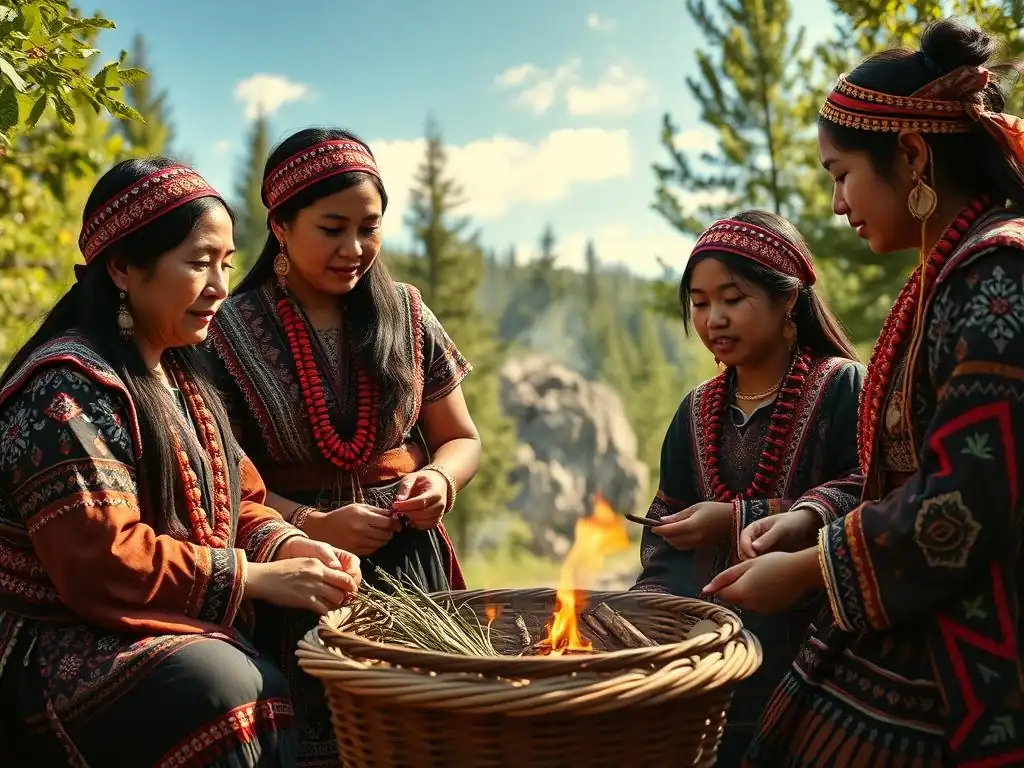
Indigenous women play a pivotal role in the cultural revitalization of their communities, employing various strategies to reclaim and foster their heritage. Their multifaceted approaches blend traditional knowledge with contemporary methods, ensuring the continuity and growth of indigenous cultures. Below, we explore some of the most effective strategies employed by these women in their revitalization efforts.
Reviving Traditional Practices and Languages
One of the primary strategies involves the revival of traditional practices and languages. Indigenous women are often the bearers of cultural knowledge, from storytelling to crafting, cooking, and healing. By actively engaging in the transmission of these practices, they help maintain cultural continuity.
- Language Revitalization: Many indigenous women are leading efforts to teach their languages to younger generations. This includes organizing language classes, creating educational materials, and utilizing technology like apps and online platforms to make learning accessible.
- Cultural Workshops: Women often facilitate workshops that teach traditional crafts such as weaving, pottery, and beadwork. These workshops not only promote skill development but also strengthen community bonds and cultural identity.
- Storytelling and Oral Histories: By sharing traditional stories and oral histories, women preserve the narratives that define their cultures. This practice is vital for maintaining the collective memory and identity of indigenous peoples.
Community Engagement and Education
Community engagement is crucial for the success of cultural revitalization efforts. Indigenous women are at the forefront of initiating and leading educational programs that inform their communities about their heritage.
- Education Initiatives: Women are increasingly involved in developing curricula that incorporate indigenous perspectives and knowledge systems. This includes the integration of traditional teachings in local schools, fostering a sense of pride and awareness among youth.
- Cultural Events and Celebrations: Organizing cultural events, such as powwows or traditional festivals, allows indigenous women to showcase their heritage and educate others about their cultures. These gatherings serve as platforms for community cohesion and pride.
- Mentorship Programs: Many indigenous women take on mentorship roles, guiding younger members of their communities in understanding and practicing their cultural traditions. This not only empowers the youth but also ensures the passing down of essential cultural knowledge.
Collaborations with Other Indigenous Groups
Indigenous women recognize the power of collaboration in cultural revitalization. By partnering with other indigenous groups, they can share resources, knowledge, and strategies.
- Intertribal Networks: Women often form intertribal networks that facilitate the sharing of best practices and collective efforts in cultural revitalization. These networks can also amplify their voices in broader discussions related to indigenous rights and cultural preservation.
- Joint Projects: Collaborative projects, such as community gardens or cultural exchange programs, enable indigenous women to work alongside others, fostering a sense of unity and collective purpose in preserving their cultures.
- Advocacy for Indigenous Rights: By joining forces with other indigenous organizations, women can advocate more effectively for policies that support cultural revitalization, ensuring their voices are heard in political discussions.
Challenges Faced by Indigenous Women in Cultural Revitalization
Despite the significant contributions of indigenous women to cultural revitalization, they face numerous challenges that can hinder their efforts. These obstacles range from socioeconomic issues to systemic political barriers.
Socioeconomic Barriers
Socioeconomic challenges are among the most pressing issues faced by indigenous women in their revitalization efforts. Many communities experience high levels of poverty, which can limit access to resources necessary for cultural initiatives.
- Lack of Funding: Many cultural programs rely on grants and donations, which can be scarce. This lack of funding restricts the ability to organize events, workshops, and educational programs.
- Access to Education: Socioeconomic barriers often translate into limited access to education for indigenous women, making it difficult for them to acquire the skills necessary to lead revitalization efforts effectively.
- Employment Opportunities: High unemployment rates in indigenous communities can hinder women's ability to dedicate time and resources to cultural revitalization initiatives, as they may prioritize economic survival over cultural engagement.
Political and Legal Obstacles
Political and legal challenges also significantly impact the ability of indigenous women to participate in cultural revitalization. Systemic issues often undermine their efforts.
- Policy Neglect: Many indigenous communities face neglect from governmental policies that fail to support cultural preservation efforts. This lack of recognition can lead to diminished resources and support for revitalization initiatives.
- Land Rights Issues: Ongoing struggles for land rights can impede cultural practices tied to specific territories. Without secure land, indigenous women may find it challenging to engage in traditional activities that are essential to their cultural identity.
- Bureaucratic Barriers: Navigating bureaucratic processes to obtain permits for cultural events or funding can be burdensome and disheartening, often leading to frustration and decreased participation in revitalization efforts.
While indigenous women face numerous challenges in their cultural revitalization efforts, their resilience and innovative strategies continue to pave the way for the preservation and flourishing of their rich cultural traditions.
The Future of Indigenous Women in Cultural Revitalization
The future of Indigenous women in cultural revitalization looks promising as they continue to assert their roles as leaders, educators, and advocates within their communities. These women are crucial in preserving and revitalizing cultural practices, languages, and traditions that have endured despite centuries of external pressures. As they navigate the complexities of modern society, Indigenous women are leveraging their unique positions to advocate for cultural preservation while also addressing contemporary issues such as climate change, social justice, and economic empowerment.
Furthermore, with the advent of social media and digital platforms, Indigenous women are finding new avenues to share their stories, experiences, and cultural practices. This digital presence not only amplifies their voices but also connects them with broader audiences, fostering a sense of solidarity and support among Indigenous communities worldwide. The combination of traditional knowledge and modern technology positions Indigenous women as pivotal figures in ensuring cultural continuity and resilience.
Emerging Trends and Innovations
One of the most notable trends in the cultural revitalization efforts led by Indigenous women is the incorporation of technology to document and share cultural knowledge. For instance, many women are using multimedia platforms, such as podcasts and video blogs, to share oral histories and cultural teachings. This not only preserves traditional narratives but also presents them in an engaging format that appeals to younger generations.
In addition, there is a growing emphasis on sustainability and environmental stewardship within cultural revitalization efforts. Indigenous women are increasingly at the forefront of initiatives that link cultural practices with ecological knowledge, advocating for sustainable land management practices that honor ancestral traditions. These innovations highlight the interconnectedness of cultural identity and environmental health, showcasing Indigenous women's leadership in addressing global challenges.
The Role of Youth and Intergenerational Knowledge Transfer
The role of youth in the cultural revitalization process cannot be overstated. Indigenous women are actively engaging with younger generations to ensure the transfer of knowledge and traditions. Through mentorship programs, workshops, and community events, they provide the necessary tools for youth to embrace their cultural heritage. This intergenerational knowledge transfer is vital in fostering a sense of identity and pride among Indigenous youth, empowering them to become future cultural leaders.
Moreover, the involvement of youth in cultural revitalization fosters innovative approaches to traditional practices, blending contemporary ideas with ancestral wisdom. This collaboration ensures that Indigenous cultures remain dynamic and relevant, adapting to the changing world while maintaining their core values and beliefs. The synergy between the experience of older generations and the creativity of youth is essential for the sustainability of Indigenous cultures.
Conclusion: Celebrating Indigenous Women as Cultural Leaders
Indigenous women are not just participants in cultural revitalization; they are leaders and visionaries who are shaping the future of their communities. Their contributions to preserving languages, traditions, and cultural practices are invaluable, and their roles are increasingly recognized as essential to the broader movements for Indigenous rights and sovereignty.
Recognizing the Impact and Importance of Their Contributions
It is crucial to acknowledge and celebrate the impact of Indigenous women in cultural revitalization efforts. Their leadership not only enriches their communities but also contributes to the resilience of Indigenous cultures as a whole. By recognizing their contributions, we can better understand the complexities of cultural identity and the significance of women's roles in sustaining and revitalizing their heritage.
Moreover, the acknowledgment of Indigenous women's contributions encourages more inclusive narratives about cultural histories and practices. This recognition is vital for fostering mutual respect and understanding in broader societal contexts, affirming the importance of Indigenous perspectives in contemporary discussions about culture and identity.
Call to Action for Supporting Indigenous Women's Initiatives
To support Indigenous women in their cultural revitalization efforts, it is imperative that we advocate for policies and initiatives that prioritize their needs and contributions. This includes funding for programs aimed at cultural education, language preservation, and community engagement. Additionally, creating platforms for Indigenous women's voices in decision-making processes is essential for ensuring that their perspectives are heard and respected.
Individuals and organizations can also play a role by amplifying the work of Indigenous women and supporting their initiatives. Whether through volunteering, donations, or simply sharing their stories, everyone can contribute to the empowerment of Indigenous women as cultural leaders. Together, we can foster a future where Indigenous cultures thrive, guided by the strength and wisdom of women leading the charge in cultural revitalization.
- Introduction to Indigenous Women in Cultural Revitalization
- Historical Context of Gender Roles in Indigenous Cultures
- The Impact of Colonization on Indigenous Women
- Contemporary Indigenous Women in Cultural Revitalization
- Strategies Employed by Indigenous Women in Revitalization Efforts
- Challenges Faced by Indigenous Women in Cultural Revitalization
- The Future of Indigenous Women in Cultural Revitalization
- Conclusion: Celebrating Indigenous Women as Cultural Leaders
- What is the focus of the article "Gender Roles in Cultural Revitalization: Women Leading the Charge"?
- How do Indigenous women contribute to cultural revitalization?
- Why is the role of Indigenous women in cultural revitalization important?
- What achievements are highlighted regarding Indigenous women in the article?
- How does the article relate to the broader theme of Indigenous civilizations?
Frequently Asked Questions
What is the focus of the article "Gender Roles in Cultural Revitalization: Women Leading the Charge"?
The article focuses on the critical role of Indigenous women in the cultural revitalization of their communities, highlighting their contributions and leadership in preserving traditions.
How do Indigenous women contribute to cultural revitalization?
Indigenous women play a pivotal role in cultural revitalization by passing down knowledge, leading community initiatives, and preserving languages and traditions that are essential to their cultures.
Why is the role of Indigenous women in cultural revitalization important?
The role of Indigenous women is important because they are often the bearers of cultural heritage and are vital for ensuring the continuity and survival of Indigenous identities in the face of external pressures.
What achievements are highlighted regarding Indigenous women in the article?
The article highlights significant achievements such as community organizing, the revival of traditional practices, and the establishment of programs aimed at educating younger generations about their cultural heritage.
How does the article relate to the broader theme of Indigenous civilizations?
The article relates to the broader theme by showcasing how gender roles, particularly those of women, are integral to the sustainability and resilience of Indigenous civilizations, emphasizing their influential place in history and contemporary society.
Final Reflection: Embracing the Power of Indigenous Women in Cultural Revitalization
The role of Indigenous women in cultural revitalization is more crucial now than ever, as they stand at the forefront of reclaiming and preserving their heritage. In a world increasingly aware of the importance of diversity and inclusion, the contributions of Indigenous women are not just significant; they are transformative. Their leadership in cultural revitalization efforts serves as a beacon of hope, demonstrating that the strength of a community lies in its ability to honor and uplift its roots while navigating the complexities of modern society.
The influence of Indigenous women in cultural revitalization extends far beyond their communities; it resonates throughout the broader social landscape. Their efforts challenge traditional gender roles and redefine what it means to be a leader. As they weave together stories, traditions, and practices, they inspire others to reconnect with their identities and foster a sense of belonging. When we reclaim our culture, we reclaim our power.
This powerful sentiment encapsulates the ongoing journey of Indigenous women as they lead the charge in revitalizing their cultures, reminding us all of the strength found in heritage and community.
As you reflect on the themes presented in this article, consider how you can support and amplify the voices of Indigenous women in your own life. Engage with their stories, participate in cultural events, and advocate for their rights and recognition. By doing so, you not only honor their contributions but also become part of a larger movement that champions cultural diversity and resilience. Let us all commit to being allies in this vital work, ensuring that the legacies of Indigenous women continue to thrive for generations to come.
Empower Change: Join the Movement for Cultural Revitalization!
Thank you for exploring the vital topic of gender roles in cultural revitalization. Your interest highlights the significant impact women are making in leading this charge. Now, it’s time to take action and support this movement!
Here’s how you can get involved:
- Become an advocate: Join local initiatives that celebrate and uplift the voices of Indigenous women in cultural revitalization efforts.
- Share your knowledge: Spread the word on social media about the importance of women in cultural leadership. Use the hashtag **#WomenLeadCulture** to help raise visibility.
- Explore workshops or events in your area that highlight Indigenous practices and narratives. Participate and invite friends to join you!
What unique ways can you think of to elevate women's contributions in your community? Let's inspire each other in the comments!