
Engaging Activities to Help Students Explore Indigenous Cultures Before Colonization

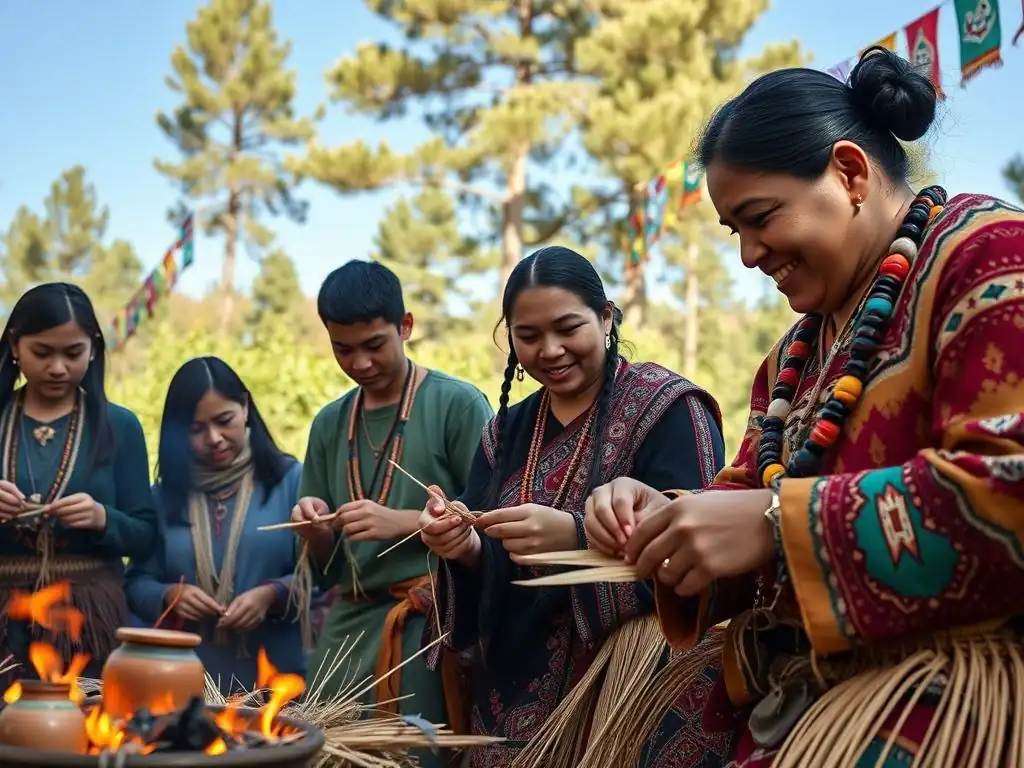
Welcome to Indigenous Civilizations of the Americas, where we embark on a fascinating journey through the rich tapestry of indigenous cultures that flourished long before European colonization. Here, we delve into the activities for learning indigenous cultures that not only illuminate their remarkable achievements but also celebrate their enduring legacy. Prepare to be inspired as you uncover engaging ways to deepen your understanding of these vibrant societies. Join us in exploring how these activities can empower students and educators alike to appreciate the profound impact of indigenous civilizations. Ready to dive in? Let’s discover together!
Introduction to Indigenous Cultures in the Americas
The indigenous cultures of the Americas represent a rich tapestry of societies that flourished long before European colonization. These diverse civilizations, each with their own unique customs, languages, and worldviews, made significant contributions to art, agriculture, governance, and spirituality. Understanding these cultures is not only essential for appreciating the historical context of the Americas but also for recognizing the enduring legacies that continue to shape contemporary society. By exploring engaging activities, educators can foster a deeper understanding of these vibrant cultures among students, enriching their learning experience and encouraging respect for diverse perspectives.
Overview of Indigenous Civilizations Before Colonization
Indigenous civilizations in the Americas included notable groups such as the Maya, Aztec, Inca, and numerous tribes across North America. Each civilization exhibited distinct characteristics:
- Maya: Known for their advanced writing systems, astronomical knowledge, and architectural achievements, including pyramid temples.
- Aztec: Renowned for their impressive city-building, agricultural innovations, and complex religious practices centered around their pantheon of gods.
- Inca: Famous for their expansive empire in South America, sophisticated road systems, and remarkable engineering feats like Machu Picchu.
- North American Tribes: Diverse societies such as the Iroquois, Sioux, and Pueblo peoples, each with unique governance structures, trade networks, and artistic traditions.
These civilizations were not monolithic; they adapted to their environments, developed intricate social systems, and contributed immensely to the cultural heritage of the Americas.
Importance of Learning About Indigenous Cultures
Engaging with indigenous cultures is vital for several reasons:
- Cultural Appreciation: Learning about these societies fosters respect and appreciation for their achievements and contributions to global history.
- Critical Thinking: Analyzing the complexities of indigenous cultures encourages students to think critically about history, colonial impacts, and contemporary issues.
- Empathy and Understanding: Understanding the experiences and perspectives of indigenous peoples can cultivate empathy and promote social justice.
- Preservation of Knowledge: By teaching about these cultures, educators play a role in preserving and honoring indigenous knowledge and traditions that may otherwise be overlooked.
Activities for Learning Indigenous Cultures
To effectively engage students and enhance their understanding of indigenous cultures, a variety of activities can be employed. These activities can be tailored to fit different learning styles and environments, ensuring a comprehensive educational experience.
Interactive Classroom Activities
- Cultural Art Projects: Students can create art inspired by indigenous motifs and techniques, learning about the significance of symbols in various cultures.
- Role-Playing: Organizing role-playing scenarios where students assume the roles of historical figures or community members can help them grasp the complexities of indigenous societies.
- Storytelling Circles: Incorporating traditional storytelling practices allows students to explore the oral histories and narratives that shape indigenous cultures.
Outdoor Learning Experiences
- Field Trips: Visiting local museums or cultural centers that focus on indigenous history can provide students with firsthand experiences of artifacts and exhibitions.
- Nature Walks: Guided walks discussing indigenous uses of local flora and fauna can connect students to the land and traditional ecological knowledge.
- Cultural Workshops: Engaging in workshops led by indigenous artists or elders can offer valuable insights into traditional practices, crafts, and languages.
Technology-Enhanced Learning
- Virtual Reality Experiences: Utilizing VR technology to immerse students in indigenous environments can create compelling learning experiences that transcend traditional classroom boundaries.
- Interactive Websites and Apps: Leveraging digital resources that focus on indigenous cultures encourages students to explore and interact with the material in dynamic ways.
- Online Collaboration Projects: Connecting with indigenous communities through online platforms can foster direct dialogue and deeper understanding of contemporary issues facing these cultures.
By incorporating these diverse activities into the curriculum, educators can effectively engage students in learning about indigenous cultures, enriching their educational journey and fostering a more inclusive understanding of history.
Thematic Units for a Deeper Understanding
Thematic units are an effective way to provide students with a structured and immersive approach to exploring indigenous cultures before colonization. By organizing content around specific themes, educators can enhance engagement and facilitate deeper learning. Each thematic unit can focus on aspects such as spirituality, community life, agriculture, trade systems, and governance, allowing students to understand the complexities of indigenous societies.
Teachers might consider developing units that include:
- Spirituality and Beliefs: Explore the diverse spiritual practices and beliefs of various indigenous cultures, including creation myths and the significance of nature.
- Art and Expression: Investigate traditional art forms, including pottery, weaving, and storytelling, highlighting their cultural significance and functionality.
- Economics and Trade: Examine the trade systems and economic practices that existed, showcasing how these societies interacted with each other and their environments.
By providing students with rich, thematic contexts, educators can foster critical thinking skills and encourage students to draw connections between historical practices and contemporary issues related to indigenous cultures.
Art and Craft Activities Reflecting Indigenous Traditions
Art and craft activities are a powerful way to engage students with indigenous cultures, allowing them to explore traditional techniques while developing their creativity. Activities can include:
- Pottery Making: Students can learn about the significance of pottery in various indigenous cultures, then create their own pots using traditional techniques. This hands-on experience not only teaches artistic skills but also deepens understanding of the social and cultural roles of pottery.
- Weaving: Introduce students to the art of weaving, a practice prevalent in many indigenous societies. By using simple materials like yarn or natural fibers, students can create their own woven pieces while learning about the symbolism and stories often woven into these textiles.
- Symbolic Art Projects: Encourage students to explore indigenous symbols and motifs, using them to create paintings or drawings. This activity can include researching the meanings behind different symbols and how they relate to the culture’s worldview.
These activities not only promote artistic expression but also serve as a bridge for students to connect with the cultural significance behind traditional art forms.
Music and Dance Activities to Explore Cultural Expressions
Music and dance are vital expressions of indigenous cultures, often serving as a means of storytelling, celebration, and community bonding. Engaging students in these activities can enhance their understanding and appreciation of cultural diversity. Consider the following:
- Traditional Music Workshops: Invite students to learn about traditional instruments and songs from various indigenous cultures. They can participate in workshops where they play instruments such as drums, flutes, or rattles, helping them grasp the musical styles and cultural contexts of each piece.
- Dance Lessons: Organize dance sessions where students learn traditional dances that convey stories or celebrate specific events. Through movement, students will gain insight into the community values and narratives that are central to these performances.
- Creating a Cultural Performance: Encourage students to work in groups to create a performance that combines music, dance, and storytelling based on indigenous themes. This collaborative effort fosters teamwork and allows students to express their understanding creatively.
By engaging with music and dance, students can experience the vibrancy and richness of indigenous cultures, reinforcing their learning through dynamic expression.
Language Learning through Indigenous Languages
Integrating indigenous languages into the classroom not only enriches students’ understanding of these cultures but also highlights the importance of language preservation. Educators can implement activities such as:
- Basic Language Lessons: Introduce students to common phrases, greetings, and vocabulary in indigenous languages. Use interactive methods like games or flashcards to make learning enjoyable and effective.
- Storytelling in Indigenous Languages: Share traditional stories that have been passed down through generations. This can be done by reading translated texts or, ideally, inviting native speakers to share stories in their original languages, followed by discussions about the themes and morals.
- Bilingual Projects: Encourage students to create bilingual posters or presentations that showcase important cultural aspects, using both English and an indigenous language. This not only reinforces language skills but also promotes respect for linguistic diversity.
Through these activities, students will develop a greater appreciation for the richness of indigenous languages and their role in cultural identity.
Incorporating Indigenous Perspectives in the Curriculum
Incorporating indigenous perspectives into the curriculum is essential for providing a holistic education that acknowledges the contributions and histories of indigenous peoples. This approach not only enriches student learning but also fosters respect and understanding.
Importance of Authentic Indigenous Voices
Authenticity is crucial when teaching about indigenous cultures. It is vital to ensure that the voices and perspectives of indigenous peoples are represented accurately and respectfully. Engaging with authentic sources, such as oral histories, literature, and contemporary indigenous artists, provides students with a more genuine understanding of these cultures.
- Guest Speakers: Inviting indigenous speakers to share their experiences and insights can provide invaluable context and depth to the curriculum. It allows students to hear firsthand accounts, engage in discussions, and ask questions.
- Resource Selection: Educators should prioritize materials created by indigenous authors, artists, and scholars, as these resources often reflect the true essence of the cultures being studied. This practice also supports indigenous voices in academia.
Recognizing and amplifying authentic indigenous voices fosters a more inclusive educational environment and helps combat stereotypes and misconceptions.
Collaboration with Indigenous Community Members
Building partnerships with indigenous community members can greatly enhance educational programs focused on indigenous cultures. Collaborative efforts can include:
- Community Projects: Engage students in projects that benefit indigenous communities, such as environmental conservation initiatives or cultural preservation activities. This hands-on involvement promotes mutual respect and understanding.
- Cultural Exchange Programs: Develop programs that allow students to visit indigenous communities or invite community members to the classroom. These exchanges provide opportunities for meaningful interactions and cultural immersion.
- Curriculum Co-creation: Work with community members to co-create curriculum materials that reflect indigenous perspectives and knowledge. This collaborative approach ensures that educational content is relevant and respectful.
Through collaboration, educators can foster a deeper connection between students and indigenous communities, enriching the learning experience and promoting cultural awareness.
Ethical Considerations in Teaching Indigenous Cultures
Teaching about indigenous cultures comes with significant ethical responsibilities. Educators must navigate these challenges with care and respect. Key considerations include:
- Respect for Cultural Sensitivity: Understand that many indigenous cultures have unique beliefs and practices that may not be appropriate for public discussion or representation. Educators must be sensitive to these aspects and seek guidance from community members when needed.
- Avoiding Stereotypes: Strive to present indigenous cultures in a nuanced and multifaceted manner, avoiding oversimplified portrayals. Educators should challenge stereotypes and highlight the diversity and complexity of indigenous societies.
- Promoting Critical Reflection: Encourage students to think critically about the history of colonization and its impacts on indigenous communities. This reflection can foster empathy and understanding, leading students to become informed advocates for indigenous rights and representation.
By addressing these ethical considerations, educators can create a respectful and thoughtful learning environment that honors the histories and cultures of indigenous peoples.
Assessment and Reflection
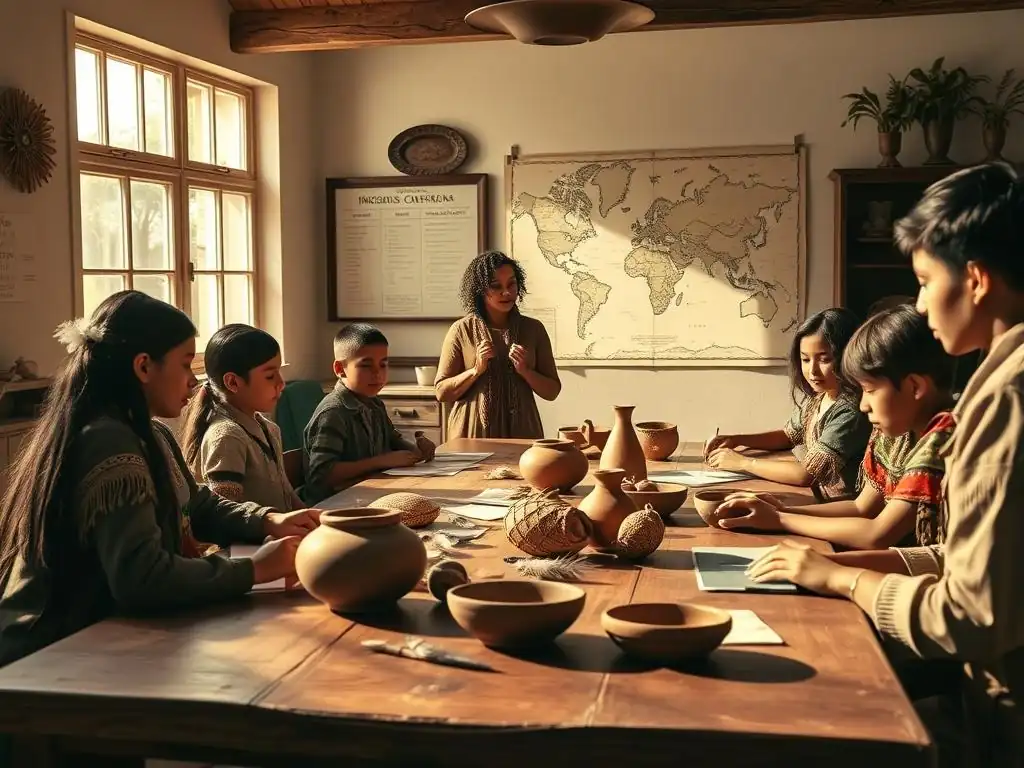
Assessment and reflection are crucial components in the learning process, especially when exploring the rich tapestry of indigenous cultures before colonization. These elements allow educators to gauge student engagement and understanding, ensuring that the activities not only convey knowledge but also foster a greater appreciation for diverse cultures. This section delves into effective strategies for evaluating student performance and facilitating reflective practices among educators, as well as incorporating feedback mechanisms from indigenous communities.
Evaluating Student Engagement and Understanding
To effectively evaluate student engagement and understanding in activities focused on indigenous cultures, educators can employ a variety of assessment techniques:
- Formative Assessments: These ongoing assessments, such as quizzes, reflection journals, or class discussions, provide immediate feedback on student comprehension and engagement during the learning process. For instance, asking open-ended questions about a specific indigenous culture can encourage students to articulate their understanding and curiosity.
- Project-Based Learning: Assigning projects that require research and creative presentations—like creating a model of an indigenous settlement or a digital presentation on traditional practices—can help assess students’ depth of understanding. Rubrics should be established to evaluate their projects based on creativity, accuracy, and depth of research.
- Peer Assessments: Encouraging students to evaluate each other’s work can provide insights into their collaborative skills and understanding of indigenous cultures. This method promotes a sense of community and allows students to learn from one another.
- Self-Reflection: Providing students with opportunities to reflect on their learning journey can offer valuable insights into their engagement levels. Prompts such as "What surprised you about this culture?" or "How has your perspective changed?" encourage deeper thinking.
Reflective Practices for Educators
Reflective practices enable educators to assess their teaching strategies and the effectiveness of the activities implemented. Here are several approaches:
- Teaching Journals: Educators can maintain a journal to document their experiences, challenges, and successes while teaching about indigenous cultures. This reflective writing can lead to insights that inform future lesson planning and adjustments.
- Professional Learning Communities (PLCs): Collaborating with colleagues in PLCs allows educators to share experiences, challenges, and effective practices. Discussing the outcomes of specific activities can lead to collective problem-solving and improved pedagogical strategies.
- Soliciting Student Feedback: Regularly asking students for feedback on activities can provide educators with real-time insights into what resonates with their students. Questions like "What did you enjoy most about this project?" can guide future lesson designs.
Feedback Mechanisms from Indigenous Communities
Engaging with indigenous communities for feedback is essential to ensure that educational activities are respectful and accurate representations of their cultures. Here are some strategies:
- Partnerships with Indigenous Elders and Leaders: Establishing relationships with local indigenous communities can provide educators with authentic resources and insights. Elders can share stories and cultural practices that enrich students' learning experiences.
- Inviting Guest Speakers: Bringing in indigenous voices to speak directly with students can provide personalized perspectives on historical and contemporary issues. This interaction emphasizes the importance of listening to and learning from indigenous peoples.
- Community Surveys and Focus Groups: Conducting surveys or focus groups with indigenous community members can help educators understand how their activities are perceived and what improvements can be made. This feedback loop emphasizes respect for indigenous knowledge and traditions.
Conclusion
The Lasting Impact of Learning Indigenous Cultures
The exploration of indigenous cultures before colonization provides students with a deeper understanding of the rich histories and diverse societies that existed long before European contact. Activities designed to engage students can foster respect, appreciation, and empathy towards indigenous peoples and their contributions to global history. The knowledge gained extends beyond the classroom, shaping students' perspectives and encouraging them to be informed, culturally sensitive citizens.
Encouraging Continued Exploration Beyond the Classroom
To ensure that learning about indigenous cultures continues beyond the classroom, educators can:
- Promote Community Events: Encourage students to participate in local indigenous events or cultural festivals. This involvement can deepen their appreciation and understanding of living indigenous cultures.
- Create Resource Lists: Provide students with a curated list of books, documentaries, and websites that explore indigenous histories and contemporary issues. This empowers them to pursue knowledge independently.
- Encourage Service Learning: Linking classroom learning with community service opportunities that support indigenous initiatives can foster a sense of responsibility and connection among students.
By integrating these strategies, educators can inspire students to continue their exploration of indigenous cultures, ensuring that the lessons learned remain relevant and impactful throughout their lives.
Additional Resources for Educators
To deepen the understanding of indigenous cultures and enhance classroom learning, educators can leverage a variety of resources. These resources include books, articles, online platforms, and local organizations that focus on indigenous history, art, and social structures. They can provide educators with insights, lesson plans, and hands-on experiences that enrich the curriculum and promote cultural awareness.
Recommended Books and Articles
Books and scholarly articles are invaluable for educators looking to provide accurate and engaging content about indigenous cultures. Here are some highly recommended titles and resources:
-
"1491: New Revelations of the Americas Before Columbus" by Charles C. Mann
This book challenges the traditional narrative of pre-Columbian America, presenting a detailed account of the civilizations that existed prior to European contact.
-
"The Earth Shall Weep: A History of Native America" by James Wilson
A comprehensive overview of Native American history, this book explores the cultures and societies that thrived in North America before colonization.
-
"An Indigenous Peoples' History of the United States" by Roxanne Dunbar-Ortiz
This text provides a critical perspective on U.S. history from the viewpoint of indigenous peoples, offering insights into their struggles and resilience.
-
"Dancing on Our Turtle's Back: Stories of Nishnaabeg Re-Creation, Resurgence, and a New Emergence" by Leanne Betasamosake Simpson
This book combines personal stories and cultural teachings, highlighting the importance of indigenous knowledge and its relevance today.
-
Articles from academic journals such as the American Indian Culture and Research Journal and Journal of American Indian Education offer peer-reviewed studies and research findings that can supplement lesson plans.
Online Platforms and Educational Tools
In the digital age, numerous online platforms and educational tools make learning about indigenous cultures accessible and interactive. Here are some valuable resources:
-
PBS LearningMedia
This platform hosts a rich collection of videos, lesson plans, and interactive activities focused on indigenous cultures. Educators can find resources tailored to different grade levels and subject areas.
-
National Museum of the American Indian (NMAI)
The NMAI's website provides a wealth of resources, including virtual exhibits, educational materials, and lesson plans that explore various aspects of indigenous cultures.
-
Indigenous Peoples Atlas of Canada
This online resource offers maps, information, and educational materials about indigenous peoples in Canada, promoting awareness of their rich histories and contemporary issues.
-
Native Knowledge 360°
Developed by the National Museum of the American Indian, this initiative includes teaching resources, online workshops, and curricular materials designed to enhance the understanding of Native American history and culture.
-
Google Arts & Culture
This platform features virtual tours of museums, including exhibitions on indigenous art and history. Educators can use these tools to create engaging lessons that bring indigenous cultures to life.
Local Indigenous Organizations for Collaboration
Partnering with local indigenous organizations can provide educators with unique opportunities to engage students in meaningful learning experiences. Collaborating with these organizations can foster cultural exchange and provide firsthand knowledge about indigenous life. Here are a few ways to connect:
-
Local Tribal Nations
Many tribal nations offer educational programs, workshops, and cultural events. Educators can reach out to local tribes to arrange guest speakers, field trips, or cultural events that allow students to learn directly from indigenous community members.
-
Indigenous Cultural Centers
These centers often host events, classes, and workshops focused on traditional arts, languages, and cultural practices. They serve as great resources for educators looking to provide immersive experiences for their students.
-
Universities with Indigenous Studies Programs
Many universities have dedicated programs focusing on indigenous studies. Educators can collaborate with faculty and students to develop workshops or lectures that enhance classroom learning.
-
Community Organizations
Look for local organizations that focus on indigenous rights, arts, or education. These groups may offer resources, programs, or partnerships that can enrich your teaching and provide students with diverse perspectives.
By utilizing these additional resources and engaging with local organizations, educators can create a dynamic and inclusive learning environment that honors and explores the rich tapestry of indigenous cultures in the Americas.
- Introduction to Indigenous Cultures in the Americas
- Activities for Learning Indigenous Cultures
- Thematic Units for a Deeper Understanding
- Incorporating Indigenous Perspectives in the Curriculum
- Assessment and Reflection
- Conclusion
- Additional Resources for Educators
- What types of activities can help students learn about indigenous cultures?
- Why is it important to explore indigenous cultures before colonization?
- How can educators effectively incorporate indigenous perspectives into their curriculum?
- What resources are available for teaching about indigenous civilizations?
- How can students participate in cultural events to learn more about indigenous traditions?
Frequently Asked Questions
What types of activities can help students learn about indigenous cultures?
Engaging activities may include hands-on projects, storytelling sessions, and cultural workshops that highlight the diverse practices and beliefs of various indigenous groups.
Why is it important to explore indigenous cultures before colonization?
Understanding indigenous cultures prior to colonization reveals their rich histories, societal structures, and contributions to today's world, fostering respect and appreciation for their legacies.
How can educators effectively incorporate indigenous perspectives into their curriculum?
Educators can integrate indigenous perspectives by using primary sources, collaborating with local indigenous communities, and including multimedia resources that showcase real-life experiences and histories.
What resources are available for teaching about indigenous civilizations?
Numerous books, documentaries, and online platforms provide valuable insights into indigenous civilizations, making it easier for educators to find reliable information and engaging materials.
How can students participate in cultural events to learn more about indigenous traditions?
Students can attend cultural events, such as powwows or festivals, where they can experience traditional practices, interact with community members, and gain firsthand knowledge of indigenous traditions and values.
Final Reflection: Embracing Indigenous Cultures Through Engaging Activities
Engaging with Indigenous cultures before colonization is not just an academic exercise; it is a vital step towards understanding our shared history and fostering respect for diverse perspectives. In today's world, where cultural awareness and sensitivity are more important than ever, the activities outlined in this article serve as a bridge to connect students with the rich tapestry of Indigenous histories, traditions, and worldviews. By immersing ourselves in these activities, we can challenge prevailing narratives and cultivate a deeper appreciation for the resilience and wisdom of Indigenous peoples.
Creating space for Indigenous voices and stories in our educational systems is essential for fostering inclusivity and understanding. The activities we explored not only provide students with knowledge but also encourage them to engage critically with the past and present of Indigenous cultures. As we recognize the importance of these narratives, we are reminded of the words of Indigenous activist and scholar, Vine Deloria Jr.: The most important thing is to be aware of the fact that we are all part of the same human family.
This awareness can transform our classrooms into spaces of dialogue and respect, enriching the cultural landscape for all students.
As we move forward, I invite you to reflect on how you can incorporate these engaging activities into your own teaching practices or personal learning journeys. Consider the impact of your actions in promoting Indigenous cultures and histories, and challenge yourself to create inclusive environments that honor the past while inspiring future generations. Together, we can foster a deeper understanding of Indigenous cultures, paving the way for a more equitable and respectful society.
Embrace and Celebrate Indigenous Cultures Today!
Thank you for diving into the rich tapestry of Indigenous cultures before colonization! You've uncovered the remarkable stories and traditions that shaped these societies. Now, let’s take that knowledge and turn it into action!
Here are some ways you can engage further and make an impact:
- Organize a community event that focuses on Indigenous culture, inviting local speakers or hosting a traditional feast to foster appreciation and understanding.
- Explore educational resources or visit museums that showcase Indigenous histories and artifacts to enhance your knowledge and awareness.
- Share this article with your friends, educators, or social media networks to spark meaningful conversations and raise awareness about Indigenous cultures.
What steps will you take to honor and promote the rich cultural heritage of Indigenous peoples in your community?