
The Influence of Geography on Inca Architecture: Adapting to the Andes

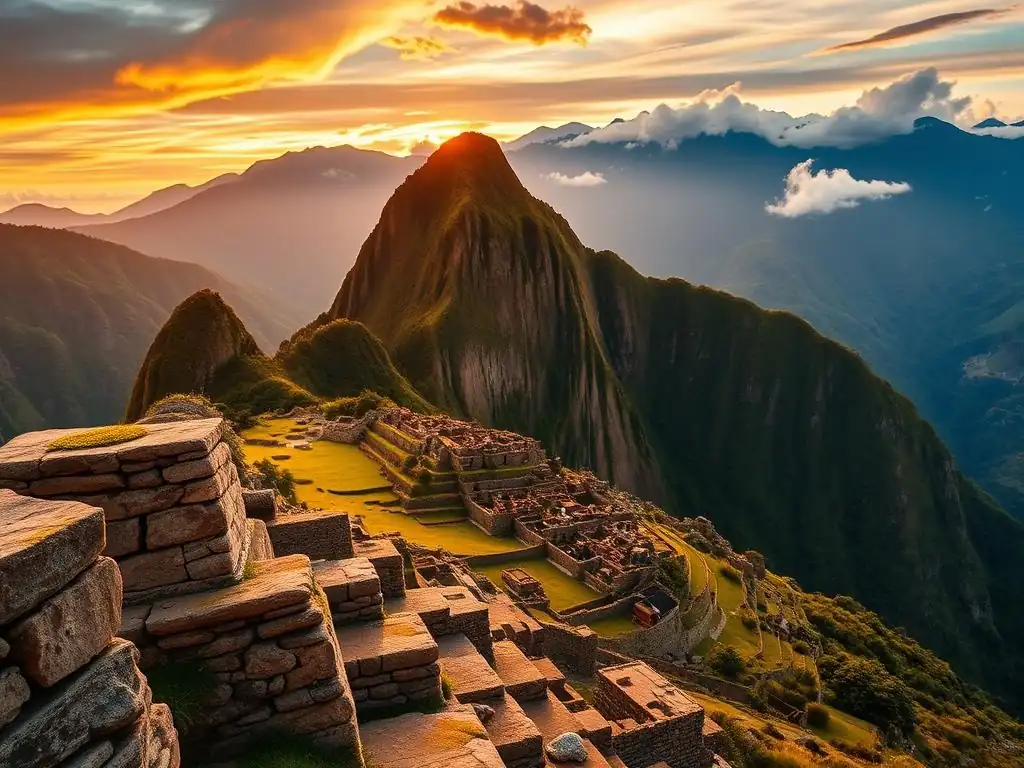
Welcome to Indigenous Civilizations of the Americas! Here, we invite you to embark on a fascinating journey through the rich tapestry of cultures that flourished across the continent long before European explorers arrived. Today, we delve into the intricate relationship between Inca architecture and geography, revealing how the majestic Andes mountains shaped not just the structures, but the very essence of Inca society.
Curious about how these ancient builders adapted to their breathtaking landscape? Join us as we uncover the remarkable ingenuity of the Inca civilization and its lasting legacy. Continue reading to discover the stunning interplay between nature and architecture in one of history’s most extraordinary cultures.
Introduction to Inca Architecture and Geography
Inca architecture stands as a testament to the ingenuity and adaptability of the Inca civilization, a prominent culture that flourished in the Andes mountains of South America from the early 15th century until the Spanish conquest in the 16th century. The interplay between Inca architecture and geography is not merely incidental; it is a reflection of how the Incas ingeniously adapted their building practices to the unique and often challenging landscapes of the Andes.
This article delves into the intricate relationship between the varied geographical features of the Andes and the architectural innovations that emerged as a result. From the majestic stone structures that have withstood the test of time to the urban planning that optimized the harsh environmental conditions, the study of Inca architecture reveals profound insights into how geography shaped the cultural and societal framework of the Inca civilization.
The Andes: A Geographical Overview
The Andes mountains, stretching over 4,300 miles along the western edge of South America, form one of the longest mountain ranges in the world. This formidable natural barrier not only defines the landscape but also influences the climate, biodiversity, and human activity in the region. The geographical features of the Andes play a crucial role in understanding how the Incas designed their architectural masterpieces.
Geographic Features of the Andes
- Elevation Variability: The Andes are characterized by dramatic elevation changes, ranging from high-altitude plateaus to steep mountain slopes. This variation requires adaptive architectural techniques to address issues such as stability and accessibility.
- Natural Resources: The range is rich in resources, including stone, clay, and metals, which the Incas utilized in their construction. The availability of local materials enabled them to create durable structures that harmonized with their environment.
- Terracing: The steep slopes of the Andes led to the development of terraced farming, a crucial agricultural practice that also influenced the layout of Inca settlements and their architectural designs.
Climatic Influences on Inca Architecture
The climate of the Andes is as diverse as its geography, ranging from arid highlands to humid subtropical valleys. This climatic diversity had significant implications for Inca architecture:
- Rainfall Patterns: Inca buildings in regions with heavier rainfall were constructed with sloped roofs and drainage systems to prevent water accumulation and structural damage.
- Temperature Fluctuations: The extreme temperature variations between day and night necessitated the use of thick stone walls in architecture to provide insulation and stability.
- Earthquake Resistance: Given the seismic activity in the region, the Incas employed specific techniques—such as trapezoidal doorways and precise stone fitting—to enhance the resilience of their structures against earthquakes.
Through this exploration of the geographical context, we gain a deeper understanding of how the Incas successfully merged their architectural endeavors with the challenges posed by their environment, resulting in a distinctive architectural legacy that continues to captivate scholars and visitors alike.
Architectural Adaptations to Geography
Inca architecture is a remarkable testament to how a civilization adapted its building techniques and urban planning strategies to the unique geographical challenges presented by the Andes Mountains. The Incas, who thrived in this rugged and varied terrain, developed innovative solutions that not only addressed practical needs but also reflected their cultural values and social organization. Their architectural style is characterized by the use of local materials, strategic site selection, and urban planning that harmonized with the natural environment, allowing them to create enduring structures that have survived the test of time.
The way the Incas approached architecture was deeply influenced by their geographic surroundings. The high-altitude environment necessitated the construction of resilient structures that could withstand earthquakes, landslides, and the harsh climate. As a result, their buildings were not only functional but also aesthetically integrated into the landscape, showcasing the deep respect the Incas had for their environment. The blending of natural and built environments is a hallmark of Inca architecture, illustrating their sophisticated understanding of geography and its impact on their civilization.
Use of Local Materials in Inca Architecture
The Incas were adept at utilizing the resources available to them in their immediate environment, which played a significant role in their architectural practices. They primarily employed local materials such as stone, adobe, and wood, which were abundant in the Andes. The most iconic structures, like the Sacsayhuamán fortress and Machu Picchu, were constructed using precisely cut stones that fit together without the use of mortar, a technique that not only provided strength but also allowed structures to endure seismic activity.
The choice of materials extended beyond mere availability; it was also influenced by the specific properties of the resources. For instance, the use of volcanic stone provided durability and resistance to weathering, while adobe bricks were used in areas where wood was scarce. This strategic selection of materials showcased the Incas' deep understanding of their environment and their ability to manipulate it to meet their construction needs.
Site Selection and Urban Planning
Inca urban planning was significantly dictated by the geographic landscape. The placement of cities, temples, and agricultural areas was meticulously chosen to optimize access to resources, water supply, and agricultural land. For example, Cusco, the Inca capital, was strategically located at the confluence of several valleys, allowing for easy trade routes and agricultural expansion.
The layout of Inca cities often reflected the topography, with buildings constructed on terraces to mitigate erosion and maximize arable land. This careful consideration of site selection not only facilitated sustainable living but also reinforced the social and political order of the Inca civilization. The urban centers were designed to enhance connectivity, with roads and pathways that linked various regions, thereby promoting trade and cultural exchange across their vast empire.
Structural Innovations Inspired by Geography
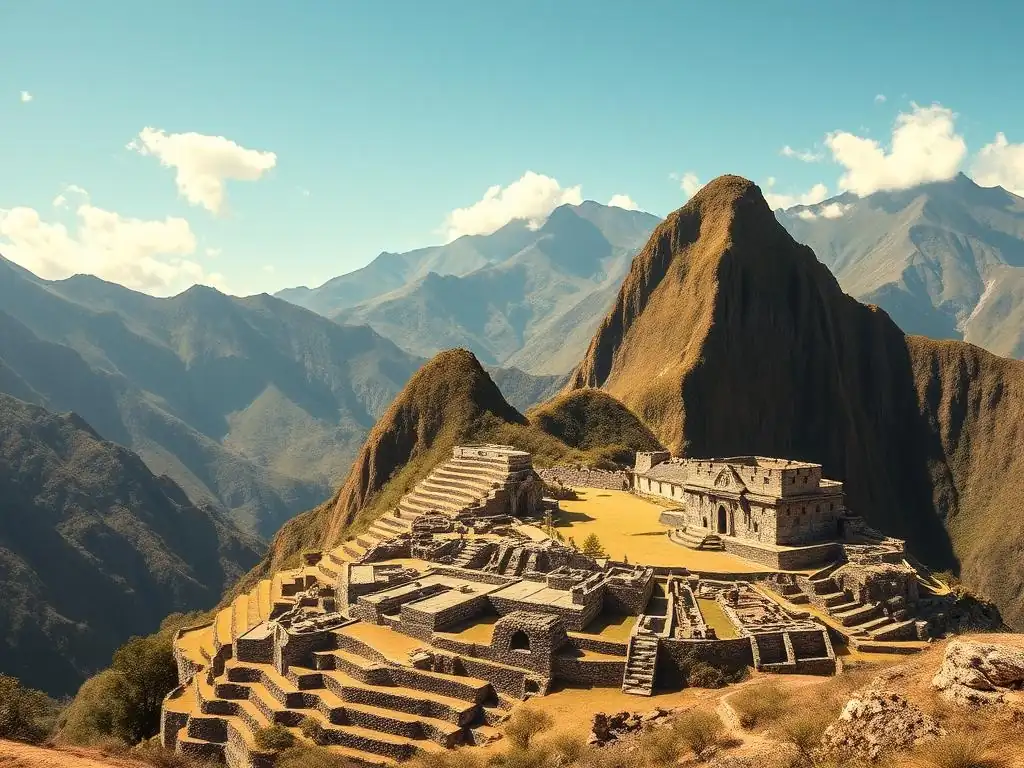
The geographical challenges faced by the Incas led to numerous structural innovations that have become defining features of Inca architecture. These adaptations were not merely responses to environmental challenges; they also reflected the Incas' ingenuity and understanding of engineering principles.
Terracing and Agricultural Architecture
Terracing was a crucial innovation in Inca agriculture, allowing them to cultivate crops on steep mountainsides. This practice involved creating flat areas on the slopes, supported by stone walls, which minimized soil erosion and maximized arable land. The terraced fields were ingeniously designed to capture water from rainfall and runoff, ensuring that crops received adequate irrigation even in the arid highlands.
These terraces were not only functional; they also showcased the Incas' advanced agricultural techniques and their ability to manipulate the landscape to enhance food production. The integration of agricultural architecture with their overall urban planning emphasized the importance of agriculture in Inca society, reflecting their deep connection to the land.
Engineering Solutions for Mountainous Regions
The engineering solutions developed by the Incas to navigate the challenges of their mountainous environment were nothing short of remarkable. They constructed extensive road networks that traversed difficult terrains, utilizing techniques such as switchbacks and bridges made from local materials. These roads facilitated the movement of armies, goods, and information across the vast empire, highlighting the Incas' understanding of geography as a means of fostering unity and control.
In addition to roads, the Incas also developed sophisticated drainage systems to manage excess rainfall, preventing flooding in urban areas and agricultural fields. These engineering feats not only addressed immediate environmental challenges but also laid the foundation for sustainable urban living in a region known for its harsh climatic conditions. The combination of innovative engineering and a profound respect for geography resulted in an architectural legacy that continues to inspire awe today.
The Cultural Significance of Geography in Inca Architecture
The geography of the Andes Mountains played a pivotal role in the development of Inca architecture. The Incas harnessed the unique features of their mountainous environment to create structures that were not only functional but also deeply embedded in their cultural identity. The rugged terrain and varying altitudes influenced the materials available for construction, leading to the use of local stone, adobe, and other natural resources. Inca architects were adept at utilizing these materials to build resilient structures that could withstand the challenges posed by earthquakes and harsh weather conditions, a necessity given the seismic activity in the region.
Moreover, the geographical layout of the Andes dictated the urban planning of Inca settlements. Cities like Cusco were strategically located in relation to agricultural lands, trade routes, and religious sites, reflecting a profound understanding of local geography. The orientation of buildings often aligned with celestial phenomena, linking architecture with astronomical observations and agricultural cycles. This integration of geography into their architectural practices reinforced the spiritual connection the Incas had with their environment, illustrating how geography was not merely a backdrop but a fundamental aspect of their cultural framework.
Symbolism of the Andes in Inca Beliefs
The Andes Mountains were not only a physical landscape but also a significant cultural and spiritual symbol for the Incas. The mountains were revered as sacred entities, embodying the gods and the essence of life itself. This reverence is evident in the architectural designs that echoed the forms and features of the mountains. Structures such as temples and shrines were often built to mirror the peaks, creating a visual and spiritual harmony between the built environment and the natural world.
The Inca belief system, which included a pantheon of mountain deities, influenced the placement and orientation of their architectural projects. For instance, the Temple of the Sun in Cusco was aligned with the sun's path, reflecting their agricultural reliance on solar cycles. This symbolic relationship between architecture and geography underscores how Inca buildings were not only spaces for habitation or worship but also expressions of their worldview, where the physical landscape was interwoven with cultural beliefs and practices.
Preservation of Inca Architectural Heritage
The geographical context of the Andes has also played a crucial role in the preservation of Inca architectural heritage. Many structures, built with advanced engineering techniques, have endured through centuries, surviving both natural disasters and human intervention. The use of precise stone-cutting techniques, such as the dry-stone masonry method, allowed buildings to withstand earthquakes, a common occurrence in the region.
Moreover, the remote and rugged nature of the Andes has, in some cases, protected these sites from extensive development and urbanization, allowing them to remain largely intact. However, challenges persist, including modern threats from tourism, climate change, and urban expansion. Efforts to preserve these architectural wonders are ongoing, with initiatives aimed at maintaining the integrity of the sites while promoting sustainable tourism practices. The connection between geography and preservation highlights the importance of valuing these structures not only for their historical significance but also for their role in the cultural identity of the Andean peoples.
Conclusion: The Lasting Impact of Geography on Inca Architecture
The influence of geography on Inca architecture is profound and multifaceted. The Andes provided both the materials and the inspiration for architectural innovation, leading to the creation of structures that were not only functional but also deeply symbolic. The integration of the natural landscape into the architectural narrative reflects the Incas' respect for their environment and their ability to adapt to the challenges it presented.
As we explore the remnants of Inca architecture today, it is essential to recognize the lasting impact of this geographic relationship. The architectural achievements of the Incas continue to resonate, reminding us of a civilization that thrived in harmony with its surroundings. By understanding the significance of geography in the context of Inca architecture, we gain deeper insights into the cultural and historical legacy of one of the Americas' most remarkable indigenous civilizations.
- Introduction to Inca Architecture and Geography
- The Andes: A Geographical Overview
- Architectural Adaptations to Geography
- Structural Innovations Inspired by Geography
- The Cultural Significance of Geography in Inca Architecture
- Conclusion: The Lasting Impact of Geography on Inca Architecture
- What is the main focus of the article on Inca architecture and geography?
- How did the Andes Mountains affect Inca architectural designs?
- What are some notable features of Inca architecture mentioned in the article?
- How did Inca architecture reflect their cultural values?
- Why is understanding Inca architecture important today?
Frequently Asked Questions
What is the main focus of the article on Inca architecture and geography?
The article explores how geography significantly influenced Inca architecture, highlighting their adaptation to the Andean environment and the unique challenges it presented.
How did the Andes Mountains affect Inca architectural designs?
The Andes Mountains' terrain required the Incas to develop innovative construction techniques, resulting in structures that were both aesthetically pleasing and geologically sound.
What are some notable features of Inca architecture mentioned in the article?
Key features include terraced farming, advanced irrigation systems, and stone construction, all designed to optimize the use of limited resources in the rugged Andean landscape.
How did Inca architecture reflect their cultural values?
Inca architecture often showcased their religious beliefs and social hierarchy, with structures like temples and palaces signifying power and spirituality within their society.
Why is understanding Inca architecture important today?
Studying Inca architecture helps us appreciate the sophistication of indigenous engineering and its enduring legacy, which continues to influence modern architecture in the region.
Final Reflection: The Enduring Legacy of Inca Architecture and Geography
The intricate relationship between geography and Inca architecture remains profoundly relevant today, as it highlights how environmental factors shape human creativity and innovation. The Andes Mountains, with their formidable terrain, not only posed challenges but also inspired the Incas to develop architectural marvels that harmonized with their surroundings. This enduring legacy serves as a testament to the adaptability and ingenuity of a civilization that thrived in one of the most challenging environments on Earth.
The influence of geography on Inca architecture continues to resonate in contemporary discussions about sustainable building practices and environmental design. The principles that guided the Incas—using local materials, respecting the landscape, and creating structures that endure—are increasingly relevant in our modern world, where climate change and urbanization pose significant challenges. The best architecture is not just about buildings; it’s about creating spaces that respect and enhance the environment.
This perspective encourages us to reflect on how we can learn from the past to create a more sustainable future.
As you contemplate the lessons of Inca architecture and geography, consider how these principles can be applied in your own life and community. Reflect on the spaces you inhabit and how they interact with the environment around you. Are there ways you can advocate for or implement sustainable practices in your own projects? Let the ingenuity of the Incas inspire you to think creatively about how to harmonize with your surroundings, ensuring that the legacy of adaptation and resilience continues to thrive in our modern world.
Unveil the Secrets of Inca Ingenuity!
Thank you for diving into the fascinating world of Inca architecture and the rich influence of the Andes! You've uncovered how geography shaped not just structures but an entire culture. Now, let's harness that inspiration and take action to deepen your understanding of this incredible civilization.
- Explore further: Visit a local museum or an online exhibition that showcases Inca artifacts and architecture. Discover the intricate details that bring their history to life!
- Share your insights: Engage with a friend or family member about what you've learned, sparking a conversation or even planning a group visit to explore more about Indigenous cultures together.
- Join a community: Connect with others who share your passion by finding an online forum or social media group focused on Indigenous history and architecture.
Which aspect of Inca architecture surprised you the most, and how do you think it reflects the adaptability of their civilization?