
Cobá: Trekking Through Time in One of Mexico's Hidden Mayan Gems

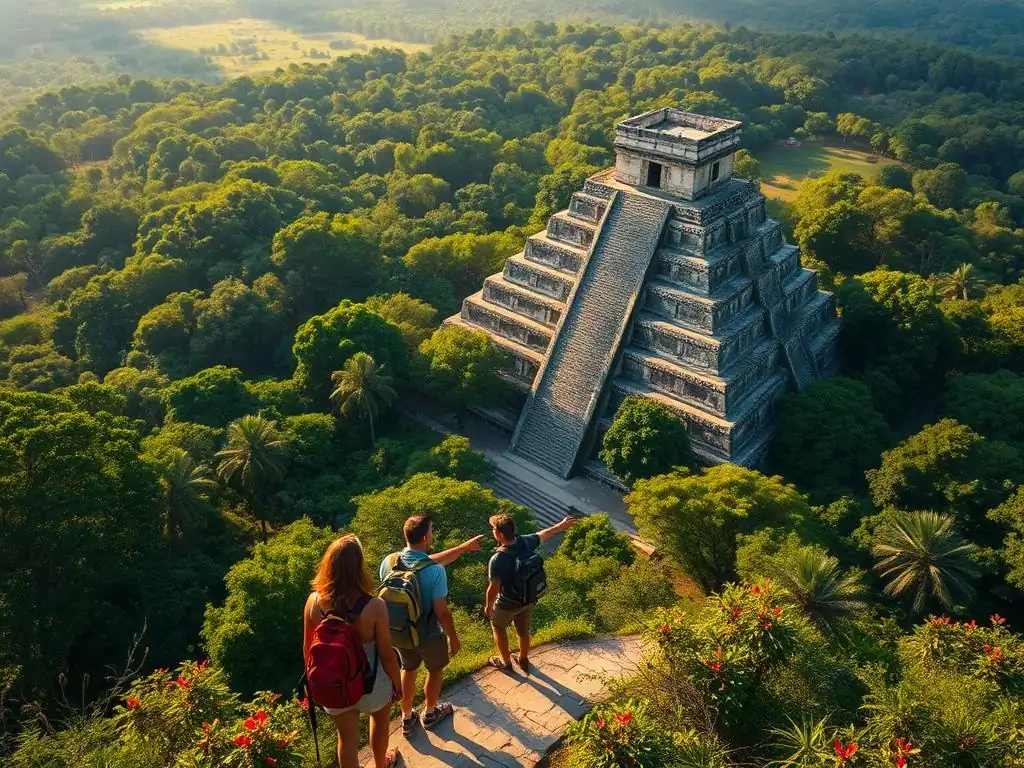
Welcome to Indigenous Civilizations of the Americas, where we embark on a journey through the rich tapestry of indigenous cultures that flourished long before European footprints touched these lands. Here, you will uncover the remarkable achievements and enduring legacies of these vibrant societies. Dive into our featured article, "Cobá: Trekking Through Time in One of Mexico's Hidden Mayan Gems," and prepare to be captivated by the intricate wonders of Mayan culture in Cobá.
What secrets lie within this ancient city, and how do they shape our understanding of the past? The adventure awaits—let your curiosity guide you deeper into the vibrant world of the Americas!
-
Exploring Mayan Culture in Cobá: A Trekking Adventure
- Introduction to Cobá: A Hidden Gem of Mayan Civilization
- The Historical Context of Cobá
- Trekking Through Cobá: An Immersive Experience
- Engaging with Local Culture: The Community of Cobá
- Eco-Tourism in Cobá: Supporting Sustainable Practices
- Conclusion: The Lasting Impact of Exploring Mayan Culture in Cobá
- Additional Resources for Exploring Mayan Culture
- Final Thoughts: Your Journey Awaits in Cobá
- Frequently Asked Questions
- Final Reflection: Exploring the Depths of Mayan Culture in Cobá
- Unleash Your Adventurous Spirit and Explore Cobá!
Exploring Mayan Culture in Cobá: A Trekking Adventure
Exploring the rich tapestry of Mayan history and culture is an exhilarating journey, especially when it leads to the lesser-known but equally captivating site of Cobá. Nestled in the lush jungles of Mexico's Yucatán Peninsula, Cobá was once a thriving urban center of the ancient Maya civilization.
This article invites you to embark on a trekking adventure through time, uncovering the remarkable achievements and societal structures that defined this hidden gem. As we delve into the historical context of Cobá, we will explore its significance within the broader narrative of Mayan culture, highlighting why it remains a vital link to understanding the complexities and richness of indigenous civilizations in the Americas.
Cobá, which means "water stirred by the wind" in the Mayan language, is a fascinating archaeological site that flourished between 600 AD and 900 AD. Often overshadowed by its more famous counterparts like Tikal and Chichen Itza, Cobá offers an intimate glimpse into Mayan life, showcasing a unique blend of natural beauty and architectural marvels. As visitors trek through the expansive site, they can encounter towering pyramids, intricate stone carvings, and a network of ancient roads known as sacbeob, which connect Cobá to other Mayan cities.
The atmosphere at Cobá is enriched by its surroundings; the ruins are enveloped in dense vegetation, creating a sense of discovery and adventure. Unlike the more commercialized sites, Cobá allows for a more immersive experience, where one can truly feel the echoes of the past. Here, the remnants of Mayan culture resonate with every step, inviting exploration and reflection.
The Historical Context of Cobá
The Rise of Mayan Civilization in the Yucatán Peninsula
The Yucatán Peninsula was a cradle for the Mayan civilization, which reached its peak during the Classic period (250-900 AD). Cobá emerged as a significant player in this cultural landscape, strategically positioned near several important trade routes. This allowed for the exchange of goods, ideas, and cultural practices, fostering a vibrant society.
The Mayans were known for their advanced agricultural techniques, which supported large populations and enabled urban development. The cultivation of maize, beans, and squash, along with innovations such as terracing and irrigation, laid the foundation for their economic prosperity. Cobá played a pivotal role in this agricultural system, contributing to the sustenance of its inhabitants and the surrounding regions.
Key Achievements of the Mayans in Cobá
Cobá is not only significant for its historical context but also for its remarkable achievements. Among these are:
- Architectural Marvels: Cobá boasts some of the tallest pyramids in the Yucatán, with the Nohoch Mul pyramid reaching a height of 42 meters (138 feet). Climbing to the top offers breathtaking views of the surrounding jungle, a testament to the engineering prowess of the Mayans.
- Sacbeob (White Roads): The extensive network of sacbeob, built from limestone, facilitated trade and communication between Cobá and other Mayan cities, demonstrating the sophistication of their infrastructure.
- Hieroglyphic Inscriptions: The ruins at Cobá feature numerous stelae and altars adorned with hieroglyphs, providing valuable insights into Mayan history, mythology, and societal organization.
- Cultural Practices: Cobá's archaeological findings indicate complex ritual practices, including ball games and ceremonies, reflecting the spiritual and social life of the Mayan people.
As we delve deeper into the wonders of Cobá, we uncover not just a site of ruins, but a vibrant chapter in the story of the Mayan civilization, rich with cultural significance and historical depth. The journey through Cobá is a remarkable opportunity to explore the legacy of the Mayans and appreciate their enduring impact on the Americas.
Trekking Through Cobá: An Immersive Experience
Cobá, a captivating archaeological site nestled in the heart of the Yucatán Peninsula, invites adventurers to traverse its ancient paths and immerse themselves in the rich tapestry of Mayan culture. As you embark on this trekking journey, you'll discover the remnants of a once-thriving civilization, characterized by its impressive pyramids, ceremonial plazas, and a network of sacbeob (white roads) that connect various parts of the city.
The experience of trekking through Cobá is about more than just the physical journey; it is an opportunity to engage with history and nature. The lush surroundings are filled with diverse flora and fauna, providing a stunning backdrop as you walk the paths that were once bustling with life. The sounds of the jungle, the sight of towering trees, and the occasional glimpse of wildlife enhance the feeling of stepping back in time.
Guided tours are available, offering insights into the historical significance of the structures and the cultural practices of the Mayans. Whether you choose to explore solo or with a guide, the experience of trekking through Cobá is sure to leave a lasting impression, deepening your understanding of the ancient Mayan civilization.
Preparing for Your Trek: Essential Gear and Tips
To make the most of your trekking adventure in Cobá, preparation is key. Here are some essential tips and gear recommendations:
- Comfortable Footwear: Invest in sturdy hiking shoes with good grip. Cobá’s terrain can be uneven, and comfortable footwear will make your trek more enjoyable.
- Hydration: Bring a refillable water bottle to stay hydrated, especially during the warmer months when temperatures can rise significantly.
- Sun Protection: Apply sunscreen and wear a wide-brimmed hat to shield yourself from the sun. Sunglasses can also help protect your eyes from UV rays.
- Insect Repellent: The jungle environment can be home to mosquitoes and other insects. A good insect repellent will keep you comfortable as you explore.
- Lightweight Backpack: Carry a small backpack to hold your essentials, such as snacks, a first-aid kit, and a camera for capturing the breathtaking scenery.
- Local Currency: While many places accept cards, having some cash on hand can be useful for small purchases or tips.
With the right preparation and gear, your trek through Cobá will be a memorable adventure that connects you to the heart of Mayan culture.
Must-See Attractions in Cobá
Cobá is home to several remarkable attractions that showcase the ingenuity and artistry of the Mayans. Here are some must-see sites during your visit:
- Nohoch Mul Pyramid: Standing at approximately 42 meters high, this is the tallest pyramid in the Yucatán. Climbing to the top offers breathtaking views of the surrounding jungle.
- Group of the Paintings: This site features murals that depict scenes from Mayan life and mythology, providing insight into their artistic expression and spiritual beliefs.
- Ball Court: Discover the ancient ball game that was not just a sport but held significant ritualistic importance in Mayan culture. The remains of the ball court can still be seen today.
- Sacbe 1: This ancient white road connects various structures in Cobá and is perfect for a scenic walk, where you can admire the natural beauty of the area.
Each attraction tells a part of the story of Cobá, allowing visitors to appreciate the complexity of Mayan civilization.
Engaging with Local Culture: The Community of Cobá
The community surrounding Cobá offers a unique opportunity to engage with the descendants of the ancient Mayans. This interaction can enrich your understanding of their culture and traditions, highlighting the continuity of their heritage.
Visitors can participate in local events, workshops, and guided tours led by community members, who share their knowledge of the history and customs of their ancestors. This engagement fosters a deeper connection to the land and its stories, making your journey through Cobá not just a visit to ruins, but a cultural exchange.
Indigenous Heritage and Modern-Day Practices
The modern-day community of Cobá is deeply rooted in its indigenous heritage, maintaining practices that reflect their Mayan ancestry. Many locals continue to speak the Yucatec Maya language, preserving it as a vital part of their identity.
Traditional customs, such as weaving, pottery, and herbal medicine, are still practiced today, often passed down through generations. Visitors may have the chance to witness these crafts in action or even participate in workshops, gaining insight into the skills and techniques used by the Mayans.
Additionally, the community engages in agricultural practices that honor their ancestral ways, cultivating crops like corn, beans, and squash, which are staples in their diet. This connection to land and tradition illustrates the resilience of Mayan culture in the face of modernization.
Dining in Cobá: Authentic Mayan Cuisine
No visit to Cobá would be complete without indulging in the delicious flavors of authentic Mayan cuisine. The local culinary scene offers a variety of dishes that reflect the rich agricultural heritage of the region. Here are some must-try dishes:
- Tamales: These steamed corn dough parcels are often filled with meats or vegetables and wrapped in banana leaves, providing a savory taste of traditional Mayan cooking.
- Cochinita Pibil: A slow-roasted pork dish marinated with achiote paste and wrapped in banana leaves, this dish is a local favorite and showcases the unique flavors of the region.
- Sopes: Thick corn tortillas topped with beans, meat, and fresh vegetables, sopes are a hearty option that can be found at many local eateries.
- Xtabentún: For those looking for a unique beverage, try this traditional anise-flavored liqueur made from honey and fermented honey, often enjoyed as a sweet treat after meals.
Dining in Cobá not only satisfies your taste buds but also connects you with the culinary traditions of the Mayans, offering a delicious glimpse into their culture.
Eco-Tourism in Cobá: Supporting Sustainable Practices
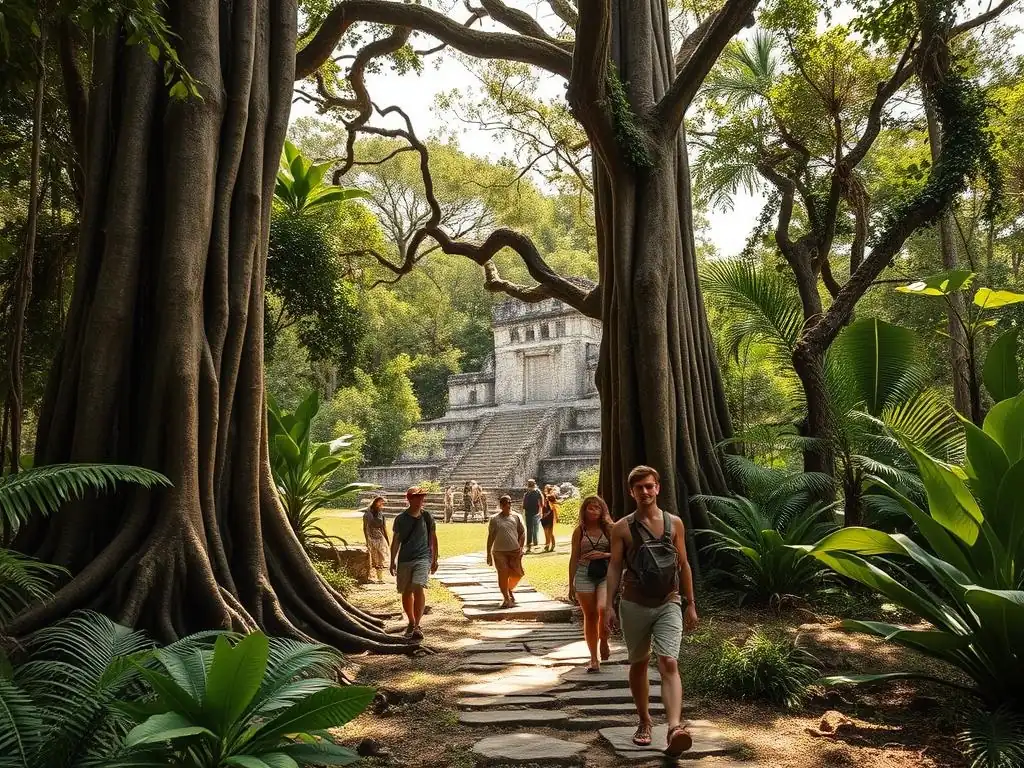
Cobá, a hidden gem nestled in the heart of the Yucatán Peninsula, is not only a treasure trove of Mayan history but also a model for eco-tourism. As the world increasingly recognizes the importance of sustainable travel, Cobá serves as a prime example of how tourism can be designed to benefit both the environment and local communities.
The emphasis on eco-tourism in Cobá encourages visitors to appreciate the rich cultural heritage while minimizing their ecological footprint. This approach fosters a deeper connection to the natural and cultural landscapes of the region, ensuring that the wonders of Cobá can be enjoyed by future generations.
One of the key elements of eco-tourism in Cobá is the promotion of responsible trekking practices. Visitors are encouraged to explore the ancient trails and ruins while adhering to guidelines that protect the delicate ecosystem. Eco-friendly trekking not only preserves the integrity of the natural surroundings but also enhances the visitor experience by fostering an understanding of the relationship between the Mayans and their environment. By engaging with local guides who are knowledgeable about both the history and ecology of the area, tourists gain insights that enrich their journey through time.
The Importance of Eco-Friendly Trekking
Eco-friendly trekking in Cobá is vital for several reasons. First and foremost, it helps to conserve the natural beauty of the region, which is characterized by its lush jungles, diverse wildlife, and stunning archaeological sites. By minimizing the environmental impact of visitors, such as reducing litter and avoiding trampling sensitive vegetation, eco-friendly trekking ensures that these ecosystems remain intact.
Additionally, eco-friendly trekking promotes cultural sensitivity. As tourists navigate the trails and explore the ruins, they are reminded of the deep-rooted traditions and histories of the Mayan civilization. This awareness fosters respect for the cultural significance of the sites, encouraging visitors to tread lightly and appreciate the heritage of the area.
Moreover, eco-friendly trekking supports the local economy. When tourists choose sustainable options, they often engage with community-based services, such as guided tours, local accommodations, and artisanal crafts. This not only provides income to local families but also empowers them to preserve their culture and traditions, creating a positive feedback loop that benefits both the community and the visitor.
Community-Based Tourism Initiatives
Community-based tourism initiatives in Cobá play a crucial role in enhancing the eco-tourism experience while ensuring that local communities benefit from the influx of visitors. These initiatives are designed to empower local residents, allowing them to share their culture, traditions, and knowledge with tourists. By involving the community in tourism development, Cobá fosters a sense of ownership and pride among its residents.
Programs often include workshops led by local artisans, where visitors can learn traditional skills such as weaving or pottery. These hands-on experiences not only enrich the visitor's journey but also provide a source of income for local craftsmen and women. Furthermore, many local families open their homes to travelers, offering authentic culinary experiences that showcase regional cuisine. This direct interaction with the community allows tourists to gain a deeper understanding of Mayan culture and fosters meaningful connections between visitors and locals.
Additionally, community-based tourism initiatives often emphasize conservation efforts. By engaging local residents in the protection of their environment and cultural heritage, these programs create a strong incentive for sustainable practices. For example, initiatives may include reforestation projects or wildlife conservation efforts, allowing tourists to participate in activities that contribute positively to the area.
Conclusion: The Lasting Impact of Exploring Mayan Culture in Cobá
Exploring Mayan culture in Cobá offers more than just a glimpse into the past; it provides an opportunity for meaningful engagement with a living culture that continues to thrive today. The emphasis on eco-tourism and community-based initiatives ensures that visitors can experience the rich tapestry of Mayan life while supporting sustainable practices that protect the environment and empower local communities.
The lasting impact of visiting Cobá lies in the preservation of its cultural heritage and natural beauty for future generations. By choosing to explore this hidden gem responsibly, travelers not only enrich their own experiences but also contribute to the ongoing legacy of the Mayan civilization.
As more tourists seek out destinations that prioritize sustainability and community involvement, Cobá stands as a testament to the power of eco-tourism in fostering a deeper appreciation for the complexities of indigenous cultures in the Americas. In doing so, visitors leave with not just memories, but a commitment to supporting the cultural and environmental integrity of the places they explore.
Additional Resources for Exploring Mayan Culture
Exploring Mayan culture in Cobá can be an enriching experience, and having the right resources at your fingertips can enhance your understanding and appreciation of this ancient civilization. Below are some valuable resources that can provide deeper insights into the history, traditions, and ongoing cultural significance of the Mayans.
Suggested Reading and Guides on Mayan Civilization
- Books:
- The Maya: Ancient Peoples and Places by Arthur Demarest – This book offers a comprehensive overview of the Maya civilization, including its history, culture, and archaeological discoveries.
- Maya Civilization: A Captivating Guide to the History of the Maya Empire and the Maya People by Captivating History – This engaging read delves into the social structure, religion, and achievements of the Mayans.
- Online Resources:
- Maya Exploration Center: A wealth of information on Maya archaeology, history, and culture, with articles and resources for both casual readers and serious scholars.
- National Geographic's Maya Resources: This collection includes articles, videos, and interactive content focused on the Maya civilization, offering a visually engaging way to learn.
- Documentaries:
- Lost Cities of the Maya – This documentary explores the archaeological findings that continue to unveil the mysteries of the Maya civilization.
- Maya: The Forgotten Civilization – A detailed look at the rise and fall of the Maya, featuring insights from leading archaeologists.
Recommended Tours and Experiences in Cobá
- Guided Tours:
- Cobá Ruins Guided Tour: Experience the ancient city with an expert guide who can provide detailed historical context and fascinating stories about the site’s significance.
- Bicycle Rentals: Rent a bike to explore the expansive grounds of Cobá at your own pace, allowing for a personal connection with the ruins and surrounding nature.
- Cultural Experiences:
- Mayan Cooking Classes: Engage in hands-on cooking classes where you can learn traditional Mayan recipes and the cultural significance behind them.
- Ceremony Participation: Some local guides offer opportunities to witness or partake in traditional Mayan ceremonies, providing insight into the spiritual practices of the culture.
- Adventure Activities:
- Cenote Swimming: Combine your visit with a swim in nearby cenotes, natural sinkholes that are an essential part of Mayan culture and mythology.
- Wildlife Tours: Explore the lush jungles surrounding Cobá with guided wildlife tours that focus on the diverse flora and fauna, connecting the natural environment to Mayan life.
Final Thoughts: Your Journey Awaits in Cobá
As you prepare for your adventure in Cobá, remember that this hidden gem of the Mayan civilization is not just a destination but a portal into a world rich with history and culture. By engaging with the resources and tours available, you can deepen your understanding of the Mayan legacy, experiencing firsthand the achievements and traditions that have shaped this remarkable civilization.
Whether you're climbing the ancient pyramids, participating in local customs, or simply absorbing the serene beauty of the landscape, your journey through Cobá will undoubtedly leave you with lasting memories and a greater appreciation for the resilience and ingenuity of the Mayan people. Happy exploring! 🌄
Frequently Asked Questions
What is Cobá known for in relation to Mayan culture?
Cobá is known for its ancient Mayan ruins and impressive pyramids, making it a significant site for exploring Mayan culture and history.
How can visitors experience Mayan culture in Cobá?
Visitors can experience Mayan culture in Cobá through guided tours that showcase archaeological sites, local traditions, and traditional cuisine.
What are some key achievements of the Mayans at Cobá?
The Mayans at Cobá are recognized for their advanced architectural techniques, extensive road systems, and contributions to astronomy and agriculture.
Cobá is often described as a hidden gem due to its less crowded atmosphere compared to other sites, allowing for a more immersive experience of Mayan history.
What impact did European colonization have on Cobá?
European colonization led to a decline in Mayan population and culture, resulting in the loss of many traditional practices and knowledge that were once prevalent in Cobá.
Final Reflection: Exploring the Depths of Mayan Culture in Cobá
The journey through Cobá is not just a physical trek through ancient ruins; it is a profound exploration of the enduring legacy of Mayan culture that continues to resonate in our modern world. As we navigate the remnants of this once-thriving civilization, we are reminded of the intricate connections between past and present, and how these historical sites serve as vital links to understanding our shared humanity. The allure of Cobá lies in its ability to transport us back in time, inviting us to witness the brilliance of the Mayan people and their contributions to art, science, and community.
Cobá stands as a testament to the resilience and richness of Mayan culture, influencing not only the local community but also the global narrative surrounding indigenous histories. The stories etched into the stones and the vibrant traditions still practiced today inspire a deeper appreciation for cultural diversity. As we reflect on the significance of Cobá, we are reminded of the words of the renowned anthropologist, Claude Lévi-Strauss: The scientist is not a person who gives the right answers, he’s one who asks the right questions.
This sentiment resonates as we consider how exploring Mayan culture in Cobá encourages us to ask deeper questions about identity, heritage, and the importance of preserving these narratives for future generations.
As we conclude our exploration of Cobá, I invite you to reflect on your own connection to cultural heritage and history. How can you incorporate the lessons learned from the Mayan civilization into your own life?
Whether it’s through supporting indigenous communities, engaging with cultural education, or simply fostering a sense of curiosity about the world around you, each step you take can contribute to a greater understanding and appreciation of the diverse tapestry of human experience. Let Cobá inspire you to embark on your own journey of exploration, not just in places, but in the stories and cultures that shape our shared world.
Unleash Your Adventurous Spirit and Explore Cobá!
Thank you for journeying with us through the fascinating world of Cobá—the hidden Mayan gem that embodies ancient history and stunning landscapes. We hope you feel inspired by the rich cultural heritage and the incredible experiences awaiting you there! Now, it's time to take action and transform your exploration dreams into reality.
- Plan your trip to Cobá: Research the best times to visit and outline your travel itinerary to this remarkable destination.
- Engage with local communities: Participate in workshops or guided tours provided by Indigenous artisans and historians to enhance your understanding and appreciation of Mayan culture.
- Share the adventure: Document your experiences on social media or discuss them with friends to encourage others to embark on their own journeys.
As you reflect on the wonders of Cobá, what aspect of Mayan history are you most excited to experience firsthand? We invite you to share your thoughts in the comments below!