
Engaging with Indigenous Voices: How Guided Tours Enhance the Experience of Heritage Sites

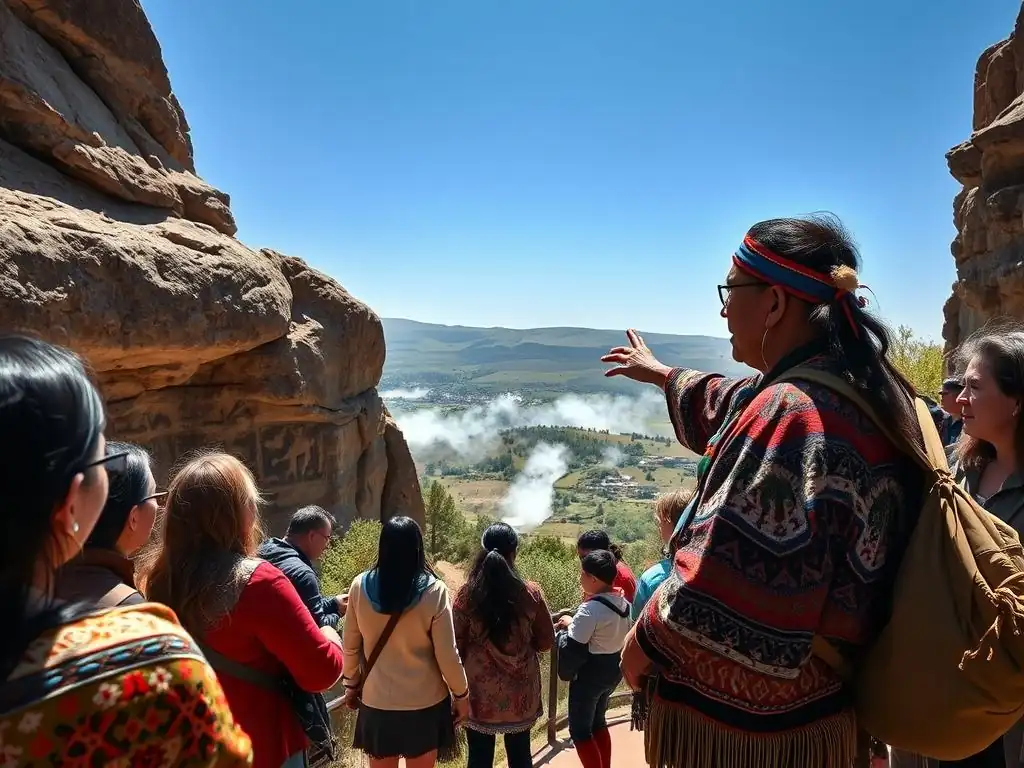
Welcome to Indigenous Civilizations of the Americas, where we invite you to embark on a journey through time and culture. Here, you'll uncover the rich tapestry of indigenous heritage, exploring the vibrant societies that flourished across the Americas long before European contact. Our featured article, "Engaging with Indigenous Voices: How Guided Tours Enhance the Experience of Heritage Sites," delves into the transformative power of guided tours, revealing how they provide deeper connections to the stories and legacies of these remarkable civilizations. Prepare to be captivated by the wisdom and resilience of indigenous cultures—your adventure into their world begins now!
Introduction to Guided Tours of Indigenous Heritage
Guided tours of indigenous heritage sites offer a unique opportunity to delve into the rich tapestry of cultures that flourished across the Americas before European colonization. These tours are not just mere excursions; they are immersive experiences that provide invaluable insights into the traditions, beliefs, and histories of indigenous peoples. As we explore these sites, it becomes clear that engaging with indigenous voices through guided tours is essential to understanding the profound and lasting impact these communities have had on the world.
By participating in these guided tours, visitors gain access to authentic narratives that might otherwise be overlooked in traditional historical accounts. This approach not only enriches the visitor experience but also fosters a greater appreciation for the complexities of indigenous cultures. As we dive deeper into the value of these tours, we will uncover how they enhance our understanding of heritage and promote respect for indigenous identities.
The Value of Guided Tours of Indigenous Heritage
Guided tours of indigenous heritage sites serve as a bridge between the past and the present, offering several key benefits that enhance the overall experience for visitors. These benefits include:
- Educational Opportunities: Participants learn about the significance of various sites, artifacts, and practices from knowledgeable indigenous guides who share their personal stories and cultural wisdom.
- Cultural Respect: By engaging directly with indigenous communities, visitors develop a deeper respect for their traditions and values, fostering meaningful connections.
- Economic Support: Many guided tours are operated by indigenous communities, providing them with financial support and promoting sustainable tourism practices.
Enhancing Visitor Experiences through Authentic Narratives
One of the most compelling aspects of guided tours is the emphasis on authentic narratives. Unlike standard tours that may present a generalized history, indigenous guides share their perspectives, weaving together personal experiences with broader cultural context. This storytelling approach allows visitors to:
- Connect Emotionally: Hearing firsthand accounts creates a stronger emotional bond to the history and culture being explored.
- Challenge Stereotypes: Authentic narratives help dismantle misconceptions and stereotypes often associated with indigenous peoples, promoting a more accurate understanding of their cultures.
- Foster Dialogue: Engaging with guides opens the door for questions and discussions, encouraging visitors to reflect on their own views and assumptions.
Promoting Cultural Respect and Understanding
Guided tours of indigenous heritage sites not only educate visitors but also play a critical role in promoting cultural respect and understanding. By prioritizing indigenous voices, these tours help to:
- Uplift Indigenous Communities: Tours that feature indigenous guides empower local communities by validating their knowledge and experiences.
- Encourage Preservation: Increased awareness fosters a sense of responsibility among visitors to support conservation efforts for heritage sites.
- Cultivate Allies: By learning about indigenous struggles and triumphs, visitors are more likely to become advocates for indigenous rights and issues.
Guided tours of indigenous heritage sites are an invaluable resource for anyone looking to deepen their understanding of these rich cultures. By engaging with indigenous voices, we not only enhance our personal experiences but also contribute to the ongoing dialogue around cultural respect and preservation.
Types of Guided Tours of Indigenous Heritage
Guided tours of indigenous heritage come in various formats, each designed to facilitate a deeper understanding and appreciation of the rich cultural histories and traditions of indigenous peoples. These tours not only educate participants but also foster meaningful interactions between visitors and indigenous communities. Here are some prominent types of guided tours that highlight the diverse aspects of indigenous heritage.
Cultural Walking Tours
Cultural walking tours offer an immersive experience, allowing participants to explore historical sites, urban landscapes, and natural environments significant to indigenous cultures. These tours are typically led by knowledgeable indigenous guides who share firsthand accounts of their heritage, traditions, and social practices.
- Local Stories: Guides often weave in personal narratives and oral histories, which help visitors connect with the land and its meaning.
- Landmarks and Symbols: Participants learn about specific landmarks, symbols, and artworks that are integral to the indigenous identity of the region.
- Cultural Practices: Walking tours may include demonstrations of traditional practices, such as storytelling, dance, or craft-making, enhancing the educational aspect of the experience.
Engaging with the physical landscape through a walking tour allows visitors to gain a profound appreciation for the culture and history that shaped the area long before colonization.
Educational Workshops and Experiences
Educational workshops and experiences provide participants with hands-on opportunities to learn about various aspects of indigenous cultures. These sessions are often interactive and designed to engage visitors in a meaningful way.
- Craft Workshops: Attendees may learn traditional crafts, such as weaving, pottery, or painting, guided by skilled artisans who share their techniques and cultural significance.
- Cooking Classes: Culinary workshops introduce participants to indigenous foods and cooking methods, highlighting the connection between food practices and cultural heritage.
- Language Sessions: Workshops may also focus on indigenous languages, offering basics in vocabulary and pronunciation to foster a deeper understanding of cultural nuances.
These educational experiences not only enrich visitors' knowledge but also support the preservation of traditional skills and practices within indigenous communities.
Virtual Guided Tours of Indigenous Heritage
With the advancement of technology, virtual guided tours have emerged as a popular alternative for exploring indigenous heritage sites. These online experiences provide access to cultural education for those unable to travel.
- Interactive Platforms: Virtual tours often utilize interactive maps, videos, and live-streamed sessions led by indigenous guides, allowing participants to engage with the material in real time.
- Wider Accessibility: They break down geographical barriers, making it possible for individuals worldwide to learn about indigenous cultures, histories, and practices from the comfort of their homes.
- Preservation Efforts: Virtual tours can serve as a tool for raising awareness about the ongoing efforts to preserve indigenous heritage, promoting advocacy and support for these communities.
These digital experiences are particularly valuable in reaching a broader audience and encouraging global awareness of indigenous issues.
How Guided Tours of Indigenous Heritage Contribute to Preservation
Guided tours of indigenous heritage not only provide educational benefits but also play a critical role in the preservation of indigenous cultures. By fostering awareness and understanding, these tours contribute to the sustainability of cultural practices and the protection of heritage sites.
Economic Benefits of Guided Tours for Indigenous Communities
One of the most significant impacts of guided tours is the economic benefit they bring to indigenous communities. By participating in tourism, these communities can generate revenue that directly supports cultural preservation efforts.
- Job Creation: Guided tours create employment opportunities for indigenous individuals, from tour guides to artisans and cultural educators.
- Funding for Projects: Revenue generated from tourism can be reinvested into community projects aimed at preserving languages, traditions, and historical sites.
- Sustainable Development: Economic benefits encourage communities to engage in sustainable practices that protect their heritage while allowing them to thrive in the modern economy.
This economic empowerment is crucial for maintaining cultural practices and ensuring the survival of indigenous identities.
Environmental Stewardship through Responsible Tourism
Guided tours of indigenous heritage often emphasize the importance of environmental stewardship, connecting cultural practices with the sustainable management of natural resources.
- Cultural Connection to Nature: Indigenous cultures typically have a profound relationship with their environment, understanding the significance of preserving natural habitats and biodiversity.
- Conservation Initiatives: Many guided tours include components that educate participants about local conservation efforts, reinforcing the idea that protecting the land is integral to cultural identity.
- Responsible Practices: Tour operators often promote responsible tourism practices, encouraging visitors to respect the land, wildlife, and cultural sites they encounter.
Through guided tours, participants learn about the importance of environmental stewardship, fostering a deeper respect and commitment to preserving both cultural and natural heritage.
Recommendations for Planning Your Guided Tour of Indigenous Heritage
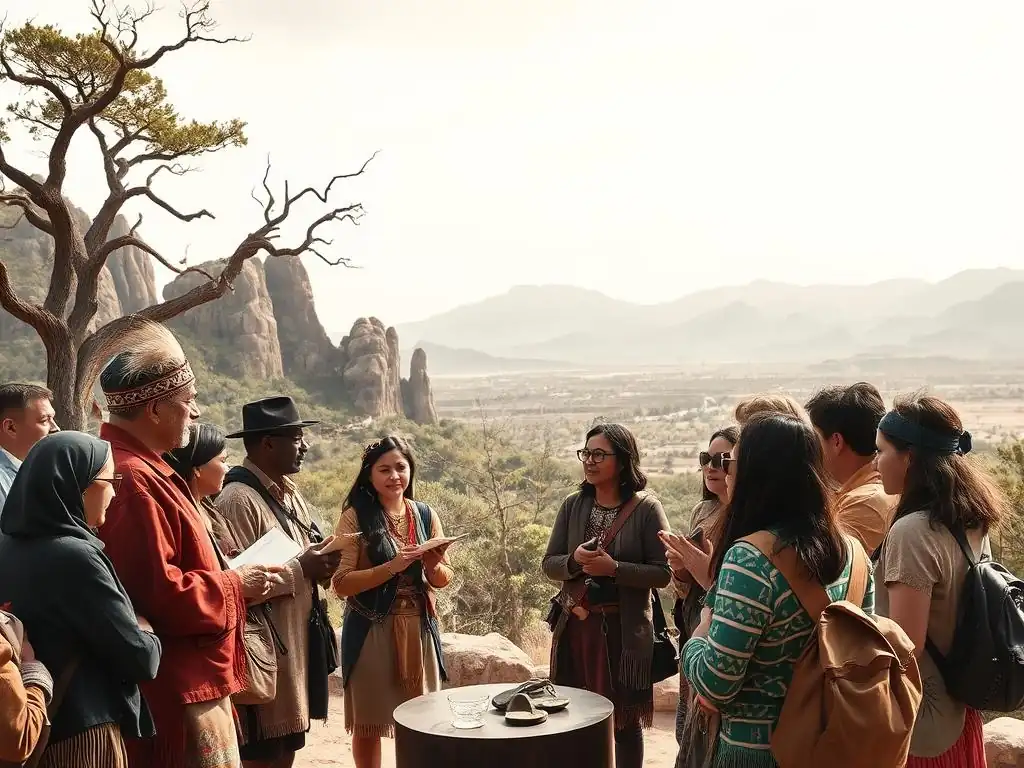
Engaging with indigenous heritage through guided tours offers a unique opportunity to deepen your understanding of the rich cultural tapestry of the Americas. To maximize your experience, careful planning is essential. Here are some recommendations to help you organize a meaningful guided tour of indigenous heritage sites.
Choosing the Right Tour Operator
Selecting a knowledgeable and respectful tour operator is crucial for an authentic experience. Here are several key factors to consider:
- Cultural Authenticity: Look for operators that prioritize indigenous perspectives and are often led by indigenous guides. This ensures that the narratives shared are rooted in the cultural context of the community.
- Reputation and Reviews: Research operators by reading reviews from previous participants. Look for feedback that highlights the depth of knowledge and respect shown by the guides towards the culture and sites visited.
- Sustainability Practices: Choose operators that practice ethical tourism. This includes respecting local customs, engaging with the community, and ensuring that a portion of proceeds supports indigenous initiatives and preservation of heritage sites.
- Customized Experiences: Some operators offer tailored tours that can focus on specific interests, such as traditional crafts, spiritual practices, or culinary traditions. This can enrich your visit and provide a more personal connection to the culture.
Preparing for Your Guided Tour
Preparation can significantly enhance your guided tour experience. Here are some tips to consider before you embark on your journey:
- Research the Culture: Familiarize yourself with the indigenous group whose heritage you will be exploring. Understanding their history, traditions, and current issues will allow you to engage more meaningfully during the tour.
- Pack Thoughtfully: Bring essentials such as water, comfortable walking shoes, and appropriate clothing for the weather. Additionally, consider packing a notebook or sketchbook to jot down observations and reflections.
- Be Open to Learning: Approach the tour with an open mind, ready to absorb new information and perspectives. This willingness to learn will enrich your experience and foster a deeper appreciation for the culture.
- Respect Local Customs: Before your tour, familiarize yourself with local etiquette and customs. Simple gestures, like asking permission before taking photographs or being mindful of sacred spaces, can demonstrate respect for the culture you are engaging with.
Conclusion: The Future of Guided Tours of Indigenous Heritage
As awareness of the importance of preserving indigenous cultures grows, the future of guided tours of indigenous heritage looks promising. These tours not only provide economic opportunities for indigenous communities but also promote cultural exchange and understanding.
In the coming years, we can expect to see:
- Increased Collaboration: More partnerships between indigenous communities and tour operators will likely emerge, ensuring that the narratives told are authentic and respectful.
- Technological Integration: The use of technology, such as virtual tours and augmented reality experiences, may enhance traditional guided tours, making them accessible to a broader audience.
- Focus on Preservation: Guided tours will increasingly emphasize the importance of preserving indigenous heritage sites, educating visitors on sustainable practices and the significance of these locations.
Ultimately, guided tours of indigenous heritage serve as powerful tools for cultural education, fostering respect and appreciation for the diverse narratives that shape the history of the Americas. By engaging with these experiences, travelers contribute to the ongoing dialogue about indigenous rights and heritage preservation, ensuring these rich cultures endure for generations to come.
Call to Action: Discover Indigenous Heritage Today
Exploring Indigenous heritage is not just about visiting sites; it's an invitation to immerse yourself in the rich histories and vibrant cultures that have shaped the Americas long before European contact. Engaging with Indigenous voices through guided tours can transform your understanding of these heritage sites, providing insights that are often overlooked in traditional narratives.
By participating in guided tours of indigenous heritage, you contribute to the preservation of these cultures and support Indigenous communities. These experiences allow you to:
- Learn from Authentic Voices: Engage with knowledgeable Indigenous guides who share their stories, traditions, and perspectives, offering a deeper connection to the sites.
- Support Local Economies: Your participation helps sustain Indigenous-led initiatives and promotes economic development within these communities.
- Foster Cultural Respect: By understanding traditional practices and beliefs, you cultivate a greater respect for Indigenous cultures and their contributions to the world.
Don't miss out on the opportunity to enrich your travel experiences. Seek out guided tours of indigenous heritage that prioritize authenticity and community engagement.
Take the first step today: Plan your journey to explore the diverse and dynamic narratives that Indigenous heritage sites have to offer. Engage, learn, and celebrate the enduring legacies of Indigenous civilizations! 🌍✨
- Introduction to Guided Tours of Indigenous Heritage
- The Value of Guided Tours of Indigenous Heritage
- Types of Guided Tours of Indigenous Heritage
- How Guided Tours of Indigenous Heritage Contribute to Preservation
- Recommendations for Planning Your Guided Tour of Indigenous Heritage
- Conclusion: The Future of Guided Tours of Indigenous Heritage
- Call to Action: Discover Indigenous Heritage Today
Frequently Asked Questions
What are guided tours of indigenous heritage?
Guided tours of indigenous heritage are educational experiences led by knowledgeable guides that showcase the cultural, historical, and spiritual significance of indigenous sites and practices.
How do guided tours enhance the experience of heritage sites?
Guided tours enhance the experience by providing insightful narratives, contextual information, and personal stories, allowing visitors to connect more deeply with the indigenous cultures and their histories.
What types of indigenous heritage sites can be visited on these tours?
Visitors can explore a variety of sites, including sacred places, archaeological sites, and cultural centers that reflect the diverse traditions and achievements of indigenous peoples throughout the Americas.
Who typically leads these guided tours?
Tours are often led by indigenous guides who have a profound understanding of their culture, ensuring that the narratives shared are authentic and meaningful to the visitors.
Why is it important to engage with indigenous voices during these tours?
Engaging with indigenous voices ensures that the perspectives and experiences of these communities are accurately represented, promoting respect, understanding, and appreciation for their rich heritage.
Final Reflection: Elevating Indigenous Voices Through Guided Tours
In today's world, the importance of engaging with Indigenous voices in heritage tourism cannot be overstated. As we navigate a landscape increasingly aware of cultural sensitivity and historical context, guided tours of Indigenous heritage sites serve as a powerful tool for education and connection. These experiences not only enrich our understanding of the past but also foster a deeper appreciation for the living cultures that continue to thrive today. The call to action is clear: we must prioritize these authentic narratives to ensure that the stories of Indigenous peoples are heard and respected.
The impact of guided tours on our cultural and social landscape is profound and ongoing. By amplifying Indigenous perspectives, we challenge dominant narratives and create spaces for dialogue and reconciliation. This shift is essential in fostering mutual respect and understanding among diverse communities. As noted by Indigenous scholar Linda Tuhiwai Smith, Research is a way of knowing, and it is also a way of being.
This highlights the significance of incorporating Indigenous knowledge systems into our heritage experiences, allowing for a more holistic understanding of our shared history.
As we reflect on the lessons presented in this article, I invite you to consider how you can engage with Indigenous voices in your own life. Seek out guided tours of Indigenous heritage sites, support Indigenous-led initiatives, and educate yourself about the histories and cultures that shape our world.
By doing so, you not only enrich your own understanding but also contribute to a broader movement that honors and uplifts Indigenous communities. Let us all commit to being active participants in this journey of discovery and respect, ensuring that the voices of Indigenous peoples are not just heard but celebrated.
Unveil the Richness of Indigenous Cultures!
Thank you for taking the time to explore the profound impact of guided tours on your experience with Indigenous heritage sites. You've gained insights into how these connections can deepen your appreciation and understanding. Now, let's put this knowledge into action!
- Book a guided tour at a local Indigenous heritage site to immerse yourself in authentic cultural experiences.
- Share this article with friends and family to spread awareness about the importance of Indigenous voices in history.
- Participate in community events that celebrate Indigenous cultures, fostering relationships and understanding that transcend historical narratives.
How will you engage with Indigenous communities on your next adventure?