
Farming Without Borders: The Inca's Advanced Irrigation Systems

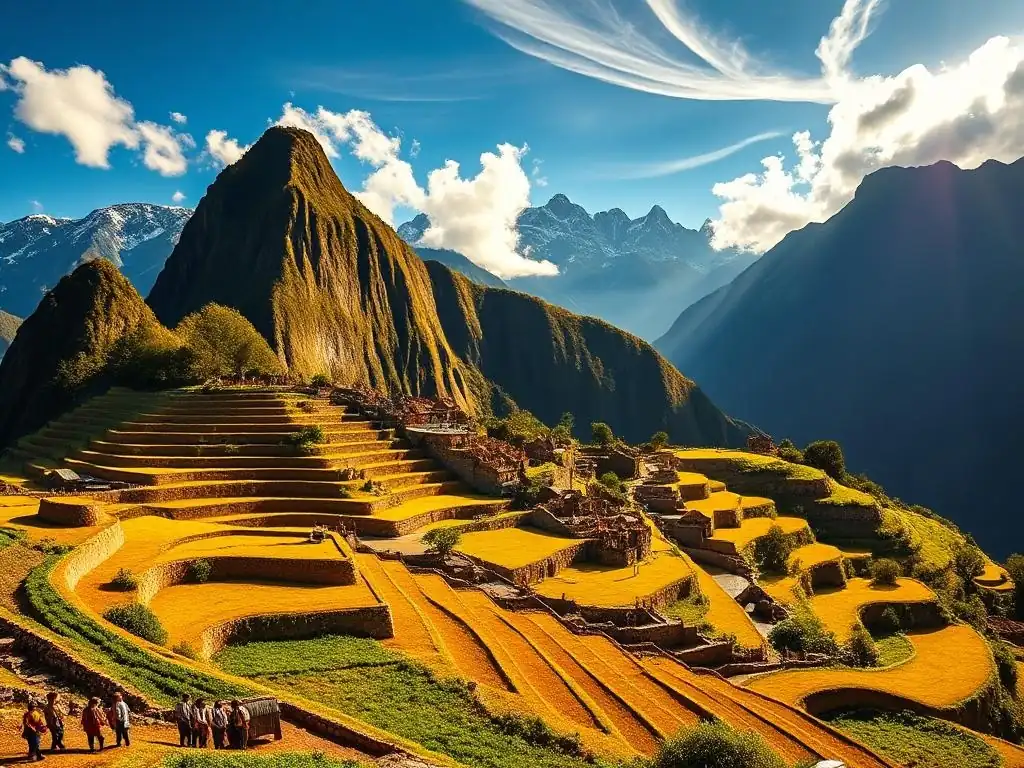
Welcome to Indigenous Civilizations of the Americas—your gateway to uncovering the rich tapestry of cultures that flourished long before European contact. Here, we delve into the remarkable achievements and intricate societies that shaped the continent, with a special focus on the ingenious Inca irrigation systems history. Have you ever wondered how the Inca mastered farming in the arid landscapes of the Andes?
Join us as we explore their advanced techniques and discover the profound impact of these innovations on agriculture and society. Prepare to be inspired by the resilience and ingenuity of indigenous civilizations, and let your curiosity lead you deeper into their fascinating world!
Introduction to Inca Irrigation Systems History
The Inca Empire, known for its remarkable achievements in agriculture, architecture, and engineering, developed sophisticated irrigation systems that were integral to their agricultural success. Inca irrigation systems history reveals a tapestry of ingenuity that enabled the cultivation of diverse crops in the challenging Andean environment.
This article aims to explore these advanced irrigation systems, their origins, and their significance within the broader context of Inca agriculture and the economy. By understanding these systems, we can appreciate how the Incas not only adapted to their environment but also thrived in it, setting a precedent for sustainable agricultural practices long before the advent of modern technology.
Overview of the Importance of Irrigation in Inca Agriculture
Irrigation was crucial for Inca agriculture due to the diverse climates and altitudes of the Andes Mountains. The Incas utilized a variety of irrigation techniques, including canals, aqueducts, and terraces, to manage water resources effectively. This allowed them to cultivate crops such as potatoes, maize, and quinoa, which were essential for sustaining their large population. The ability to harness water not only boosted agricultural productivity but also supported the growth of cities and trade networks throughout the empire.
- Key benefits of irrigation in Inca agriculture:
- Increased crop yields
- Expansion of arable land
- Ability to support larger populations
- Enhancement of trade opportunities
Significance of Inca Irrigation Systems in the Andes
The significance of Inca irrigation systems extends beyond mere agricultural efficiency; they represent a profound understanding of hydrology and engineering. The Incas engineered extensive networks that diverted water from rivers and streams to farmlands, overcoming the geographical challenges posed by the Andes.
- Notable features of Inca irrigation systems:
- Terracing: Enabled farming on steep slopes, reducing soil erosion.
- Canal systems: Allowed for the controlled distribution of water across vast areas.
- Aqueducts: Facilitated long-distance water transport, ensuring consistent supply.
The Origins of Inca Irrigation Systems
The development of Inca irrigation systems was a gradual process influenced by earlier agricultural societies in the region. Understanding the origins of these systems provides insight into the ingenuity of the Incas and their ability to adapt and innovate in response to environmental challenges.
Historical Background of Inca Civilization
The Inca civilization emerged in the early 15th century, becoming one of the largest empires in pre-Columbian America. Centered in what is now Peru, the Incas developed a complex society characterized by advanced agricultural practices, elaborate social structures, and impressive architectural achievements. Their mastery of irrigation was a reflection of their broader understanding of agriculture and its central role in their economy and culture.
Early Agricultural Practices and Water Management
Prior to the establishment of the Inca Empire, indigenous societies in the Andes engaged in various forms of agriculture, often relying on seasonal rainfall and rudimentary irrigation methods. These early practices laid the groundwork for the more sophisticated systems that the Incas would later develop.
- Common early practices included:
- Floodplain farming: Utilizing natural river flooding to irrigate crops.
- Basic terracing: Creating simple terraces to manage hilly terrain.
Development of Advanced Techniques in Inca Irrigation
As the Inca Empire expanded, so too did their agricultural knowledge and techniques. The Incas refined existing methods, applying innovative solutions to enhance their irrigation systems. They developed comprehensive water management strategies that included:
- Water storage techniques: Using reservoirs to collect and store water for dry seasons.
- Diversion channels: Creating intricate networks to optimize water flow across diverse landscapes.
These advancements in irrigation not only secured food production but also played a vital role in the Inca economy, facilitating trade and supporting their vast empire. The legacy of these irrigation systems continues to influence agricultural practices in the Andes today.
Key Features of Inca Irrigation Systems
The Inca civilization, known for its remarkable engineering feats, developed sophisticated irrigation systems that played a pivotal role in shaping their agricultural practices. These systems were essential for maximizing crop yields in the diverse climates of the Andes. Key features of Inca irrigation systems included:
- Terracing: The Incas constructed terraces on steep mountainsides, which helped to create flat land suitable for farming while minimizing soil erosion and maximizing arable land.
- Aqueducts and Canals: Ingenious aqueducts and canals were built to divert water from rivers and streams to agricultural fields, ensuring a consistent water supply throughout the year.
- Water Management Techniques: The Incas employed various techniques to manage water flow, including the use of weirs, sluices, and reservoirs, allowing them to control water distribution effectively.
- Integration with Natural Landscapes: The irrigation systems were designed to work harmoniously with the natural contours of the landscape, utilizing gravity to transport water efficiently.
These features not only exemplified the Incas' advanced understanding of agriculture but also their ability to adapt to and manipulate their environment for sustainable farming.
Terracing and Its Role in Water Conservation
Terracing was a fundamental aspect of Inca agriculture, transforming the mountainous terrain into productive farmland. By creating stepped levels on slopes, the Incas were able to:
- Reduce Water Runoff: Terraces slowed down water movement, allowing it to seep into the soil rather than being lost to erosion, thus conserving moisture.
- Increase Arable Land: This innovative method expanded cultivable areas, enabling the Incas to grow various crops such as maize, potatoes, and quinoa in regions where flat land was scarce.
- Enhance Soil Fertility: The terraced fields allowed for better retention of nutrients, as the soil was less prone to erosion. The Incas often rotated crops to maintain and enhance soil health.
These practices not only supported food production but also demonstrated the Inca's profound understanding of environmental sustainability.
Construction of Aqueducts and Canals
The construction of aqueducts and canals was crucial for the Inca irrigation systems, showcasing their engineering prowess. Key aspects included:
- Gravity-Driven Systems: The Incas designed aqueducts to utilize gravity, allowing water to flow from higher elevations down to agricultural fields with minimal energy expenditure.
- Durability and Design: Built from stone and adobe, these structures were remarkably durable, with some remaining functional for centuries. They often featured arches and bridges to navigate uneven terrain.
- Zoning for Water Distribution: Canals were designed with various channels to distribute water evenly across different fields, ensuring that all crops received adequate moisture.
The effectiveness of these irrigation methods was vital for sustaining the Inca Empire, allowing for the cultivation of surplus food that supported a growing population.
Use of Natural Water Sources in Inca Agriculture
The Incas adeptly employed natural water sources to enhance their agricultural productivity. By harnessing rivers, streams, and springs, they were able to:
- Diversify Water Sources: The Incas identified and utilized multiple water sources to mitigate risks associated with droughts and seasonal changes, ensuring a reliable supply for irrigation.
- Adapt to Local Conditions: Different regions had distinct water availability, and the Incas tailored their irrigation practices to local geographical and climatic conditions, optimizing crop growth.
- Improve Crop Yields: By channeling water from natural sources into their fields, they maximized the potential for higher crop yields, which was crucial for sustaining their large population and military.
The strategic use of natural water sources reflects the Incas' deep understanding of their environment and their ability to innovate within it.
The Engineering Marvels of Inca Irrigation
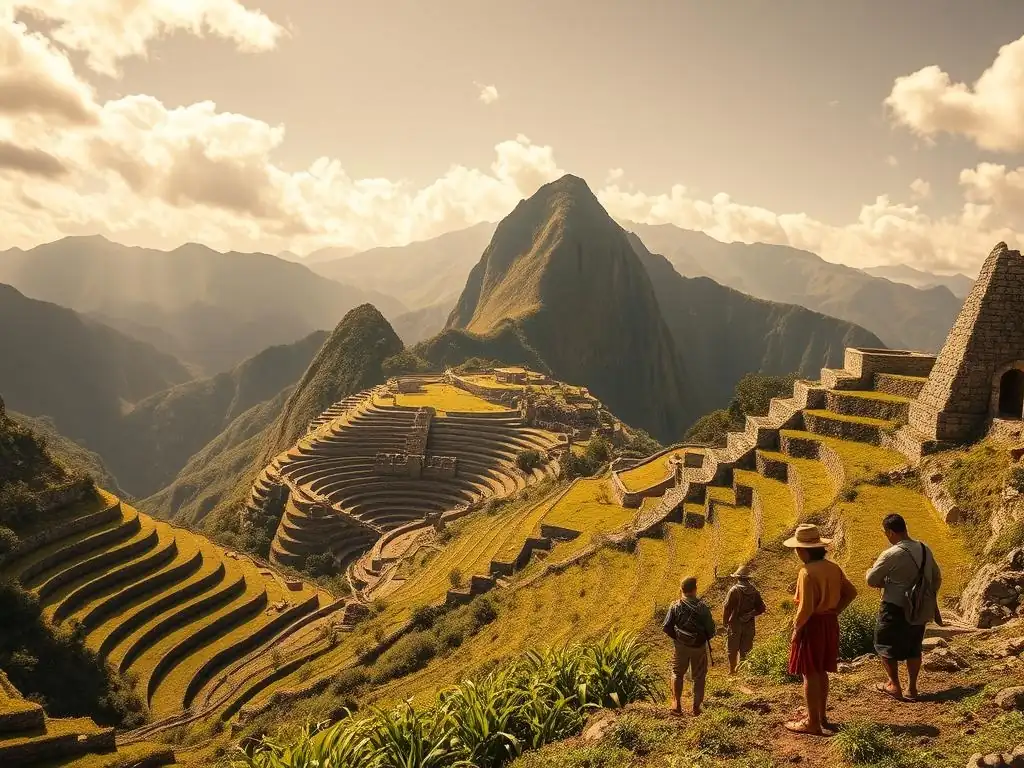
The Inca irrigation systems are often hailed as engineering marvels, combining advanced technology with practical implementation. These systems not only met the agricultural needs of the empire but also showcased the Incas' sophisticated approach to environmental management.
Technological Innovations in Inca Water Management
The Incas made several technological innovations in water management that contributed to their agricultural success:
- Advanced Surveying Techniques: They utilized basic but effective surveying tools to design and implement their irrigation systems, ensuring that water flowed efficiently across varied terrains.
- Water Control Structures: The use of weirs and sluices allowed the Incas to regulate water levels, controlling both excess and scarcity.
- Reservoirs: The construction of reservoirs helped store water for use during dry seasons, showcasing their foresight in managing resources.
These innovations exemplified the Incas' ability to blend technology with environmental adaptation, resulting in sustainable agricultural practices.
Examples of Notable Inca Irrigation Sites
Several notable sites highlight the sophistication of Inca irrigation systems:
- Moray: This agricultural experiment station featured a series of concentric terraces that allowed for the cultivation of diverse crops at different altitudes.
- Pikillacta: An ancient city with an extensive network of canals and irrigation channels that demonstrate the complex water management strategies employed by the Incas.
- Tipón: Known for its intricate irrigation channels and terraces, this site illustrates the advanced engineering skills of the Incas and their ability to create lush agricultural lands in arid environments.
Each of these sites serves as a testament to the ingenuity of Inca irrigation practices and their lasting legacy.
The Role of Geography in Inca Irrigation Design
Geography played a crucial role in shaping Inca irrigation systems, as the diverse Andean landscape presented both challenges and opportunities:
- Topographical Adaptation: The Incas adapted their irrigation designs to the varying altitudes and slopes, utilizing terracing and gravity flow to manage water efficiently.
- Climate Considerations: Different regions experienced distinct climatic conditions, and the Inca irrigation systems were tailored to address these variations, ensuring water availability during dry spells.
- Natural Water Features: The Incas strategically located their irrigation systems near rivers and springs, maximizing the use of natural resources.
This geographical awareness was integral in developing a sustainable agricultural framework that supported the Inca civilization for centuries.
The Societal Impact of Inca Irrigation Systems
The Inca civilization, one of the most sophisticated societies in pre-Columbian America, utilized advanced irrigation systems that significantly influenced their societal structure. These irrigation systems were essential not just for agriculture but also for the social and political organization of the Inca Empire. By ensuring a stable food supply, the irrigation systems allowed the Incas to support a large population, which in turn facilitated the growth of urban centers and complex societies.
Moreover, the ability to harness and distribute water effectively contributed to social cohesion. Communities were often required to collaborate on irrigation projects, fostering a sense of collective identity and interdependence. This cooperation was vital in a society where the harsh Andean environment posed challenges to agriculture. The successful management of water resources became a symbol of power and unity under the Inca leadership, as they could command labor and resources for these extensive projects.
How Irrigation Contributed to Inca Economy
Inca irrigation systems were a cornerstone of their economy, transforming arid lands into fertile fields capable of supporting diverse crops. The intricate network of canals and terraces not only maximized arable land but also enhanced crop yields, which were essential for trade and sustenance. The economy thrived on surplus production, allowing the Incas to store food and distribute it throughout the empire, particularly during times of drought or famine.
Moreover, the cultivation of diverse crops—such as potatoes, maize, and quinoa—enabled the Incas to engage in extensive trade networks with neighboring cultures. This economic interdependence was facilitated by their irrigation strategies, which ensured that various agricultural products could be produced and exchanged. As a result, the Inca economy was not just agrarian but also integrated various aspects of trade, resource management, and labor organization.
Influence on Food Production and Agricultural Diversity
The Inca irrigation systems profoundly impacted food production, leading to a remarkable agricultural diversity. The Incas developed an array of farming techniques suited to the varied Andean environments, such as terracing and crop rotation, which worked in tandem with their irrigation methods. By channeling water through a series of canals and aqueducts, they could cultivate crops in regions previously deemed unsuitable for farming.
This diversity in agriculture was important for food security, as it reduced dependency on a single crop and mitigated risks associated with crop failures. Additionally, the varied crops cultivated through these advanced irrigation methods contributed to the Inca diet, which was rich in nutrients and flavors. The ability to grow multiple crops in different altitudes showcased the ingenuity of the Incas in adapting their agricultural practices to the unique challenges of their environment.
Social Organization and Labor in Irrigation Projects
The construction and maintenance of irrigation systems required a well-organized labor force and a structured social hierarchy. The Inca state implemented a system known as "mit'a," which mandated that citizens contribute labor for public projects, including irrigation. This system not only mobilized resources efficiently but also ensured that the maintenance of these systems was a communal effort, reinforcing social bonds.
Labor was often organized based on kinship and community ties, promoting a sense of responsibility and collaboration among the workers. The successful execution of these projects reflected the effectiveness of Inca governance and the ability to mobilize labor for the common good. Interestingly, these irrigation projects also served as a means of social control, as the state could reward or penalize communities based on their contributions to these essential agricultural endeavors.
Comparing Inca Irrigation Systems with Other Ancient Civilizations
Similarities with Mesoamerican Irrigation Techniques
Inca irrigation systems shared notable similarities with Mesoamerican agricultural practices, particularly in their use of canals and raised fields. Both civilizations recognized the importance of water management in agriculture and developed sophisticated techniques to harness and distribute water effectively. For instance, like the Aztecs who built chinampas (floating gardens), the Incas constructed terraces to maximize arable land and improve drainage.
Additionally, both cultures implemented communal labor systems to maintain irrigation infrastructure. This collaboration was crucial in sustaining agricultural productivity, reflecting a shared understanding of the importance of community engagement in managing natural resources. These similarities highlight the interconnectedness of ancient civilizations in the Americas, showcasing how environmental challenges led to similar innovations in agriculture.
Differences in Water Management Strategies
While there are similarities, significant differences exist in the irrigation strategies employed by the Incas compared to other ancient civilizations. The Incas utilized a vast network of aqueducts and canals that were often engineered to take advantage of the natural topography of the Andes. Their ability to divert streams and manage water flow over long distances was unparalleled, allowing them to cultivate crops in diverse ecological zones.
In contrast, many Mesoamerican civilizations relied more heavily on localized water sources and less on extensive aqueduct systems. The Incas’ approach to water management showcased a more centralized control over water resources, reflecting the hierarchical nature of their society and the role of the emperor in overseeing these critical projects.
Lessons Learned from Inca Irrigation Systems
The Inca irrigation systems provide valuable lessons in sustainable agriculture and water management. Their practices demonstrate the importance of adapting agricultural techniques to local environments and the benefits of communal labor in maintaining infrastructure. Modern agricultural societies can learn from the Incas’ ability to work with their environment rather than against it, utilizing innovative techniques to maximize productivity while preserving natural resources.
Furthermore, the Inca experience underscores the significance of planning and governance in managing shared resources. As contemporary societies face challenges related to water scarcity and food security, the principles underlying Inca irrigation systems—such as community involvement, sustainable practices, and adaptive management—remain relevant. Embracing such lessons could lead to more resilient agricultural systems in the face of environmental changes and population growth.
Challenges and Adaptations in Inca Irrigation
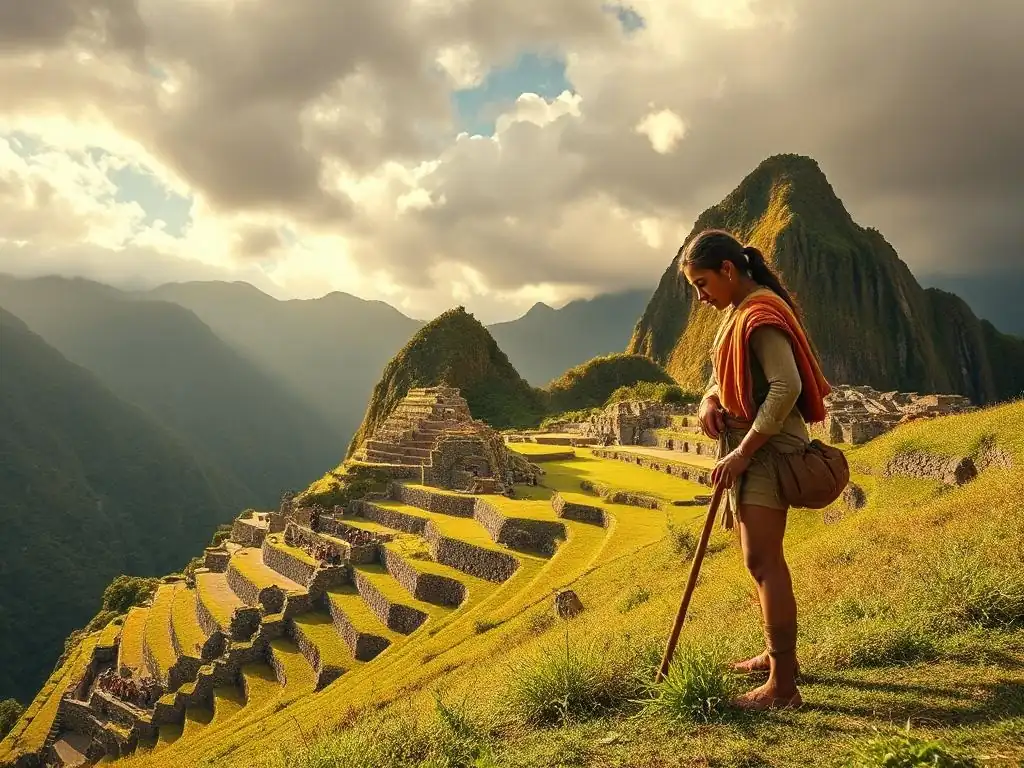
The Inca civilization, known for its remarkable engineering feats, faced numerous challenges regarding irrigation in the diverse and often harsh landscapes of the Andes Mountains. These challenges necessitated innovative adaptations that allowed them to thrive agriculturally in a region characterized by varying altitudes, microclimates, and seasonal weather patterns.
Environmental Challenges Faced by the Incas
The Incas encountered several environmental challenges that affected their irrigation systems:
- Diverse Topography: The Andes Mountains presented a complex topography with steep slopes and high altitudes, making traditional farming difficult. The varying altitudes also resulted in different climate zones, impacting the types of crops that could be grown.
- Water Scarcity: In many regions, especially during dry seasons, water scarcity was a significant issue. The Incas had to develop ways to collect and store water efficiently to ensure a reliable supply for their crops.
- Soil Erosion: The steep hillsides were prone to erosion, which could lead to loss of arable land and reduced soil fertility. Maintaining soil health was crucial for sustaining agricultural production.
- Climate Variability: The Incas experienced fluctuations in weather patterns, including droughts and excessive rainfall, which could disrupt their irrigation schedules and crop yields.
Innovations in Response to Climate Variability
To tackle these environmental challenges, the Incas employed a variety of innovative techniques in their irrigation systems:
- Terracing: The creation of agricultural terraces allowed the Incas to cultivate crops on steep slopes. This method reduced soil erosion and maximized arable land by creating flat surfaces that captured and retained moisture.
- Canals and Aqueducts: The construction of extensive networks of canals and aqueducts enabled the Incas to divert water from rivers and streams to their fields. They engineered these systems to ensure proper drainage and prevent flooding.
- Water Storage: The Incas built reservoirs and ponds to store water during periods of abundance, which could then be used during drier times. This practice was crucial for maintaining a steady water supply for agriculture.
- Crop Diversification: By cultivating a variety of crops that thrived in different microclimates, the Incas mitigated the risk of crop failure due to adverse weather conditions.
Sustainability of Inca Irrigation Practices
The sustainability of Inca irrigation practices stemmed from their deep understanding of the environment and their commitment to maintaining the balance of natural resources. Key aspects included:
- Integrated Water Management: The Incas practiced an integrated approach to water management, ensuring that water use was efficient and sustainable. They monitored water levels in their canals and made adjustments as needed to prevent waste.
- Soil Conservation Techniques: Techniques such as crop rotation, fallowing, and the use of organic fertilizers helped maintain soil fertility and structure, ensuring long-term agricultural productivity.
- Community Involvement: The management of irrigation systems often involved communal efforts, fostering a sense of responsibility among community members to uphold and maintain these vital resources.
Legacy of Inca Irrigation Systems
The legacy of the Inca irrigation systems is profound, impacting not only the agricultural practices of indigenous peoples in the Andes today but also influencing modern agricultural techniques worldwide.
Lasting Impact on Modern Agricultural Practices
The advanced irrigation methods developed by the Incas have been studied and adapted by modern agriculturalists facing similar environmental challenges. Techniques such as terracing and efficient water management are now recognized for their effectiveness in sustainable agriculture, especially in mountainous regions.
- Terracing: The principles of terracing are now utilized in various parts of the world to combat soil erosion and maximize land use.
- Water Conservation: Modern agricultural practices increasingly focus on water conservation, drawing inspiration from the Incas' innovative water storage and management techniques.
Preservation of Inca Irrigation Techniques Today
Efforts to preserve and revitalize traditional Inca irrigation techniques are underway in many Andean communities. These initiatives often focus on:
- Cultural Heritage Programs: Various organizations promote the study of Inca agricultural practices, encouraging younger generations to learn and implement these techniques.
- Community-Based Projects: Local communities engage in projects that restore and maintain ancient irrigation systems, enhancing both agricultural productivity and cultural identity.
- Sustainable Tourism: The promotion of sustainable tourism in the Andes often emphasizes the historical significance of Inca irrigation systems, fostering appreciation and support for their preservation.
The Role of Inca Irrigation in Indigenous Resilience
The resilience of indigenous communities in the Andes can be attributed, in part, to the sophisticated irrigation systems developed by the Incas. These systems provided a stable food supply, allowing communities to thrive despite environmental challenges. Today, the continued use and adaptation of these practices highlight the enduring legacy of the Inca civilization and its relevance in contemporary discussions of sustainability and food security.
- Food Security: By utilizing traditional irrigation methods, many indigenous communities maintain food security, ensuring access to vital resources in a changing climate.
- Cultural Identity: The preservation of these irrigation practices reinforces cultural identity and heritage, connecting present-day communities to their ancestral roots.
Through their ingenuity and adaptability, the Incas created irrigation systems that not only supported their civilization but also laid the groundwork for sustainable agricultural practices that resonate to this day.
Conclusion
The Inca irrigation systems represent a remarkable achievement in agricultural engineering and a testament to the ingenuity of the Inca civilization. Through their innovative techniques and extensive network of canals, aqueducts, and terraces, the Incas not only transformed the arid landscapes of the Andes but also ensured a consistent food supply for their growing population.
This sophisticated approach to farming enabled them to cultivate a wide variety of crops, including maize, potatoes, and quinoa, which were essential to their diet and culture. The legacy of these irrigation systems continues to influence modern agricultural practices in the region, showcasing the long-lasting impact of indigenous knowledge and skills.
Summary of Inca Irrigation Systems History
The history of Inca irrigation systems is deeply intertwined with the civilization's rise and sustainability. The Incas, who flourished from the early 15th century until the Spanish conquest in the 16th century, developed a complex network of irrigation that allowed them to harness the diverse climatic conditions of the Andean mountains. They constructed canals that diverted water from rivers and streams, enabling them to irrigate terraced fields on steep slopes.
These systems were not only functional but also reflected a deep understanding of the environment. The Incas utilized gravity to facilitate water flow, ensuring that every field received adequate moisture. The construction of check dams and reservoirs further optimized water storage and distribution. Over time, the Inca irrigation systems evolved, adapting to the challenges posed by seasonal changes and varied topography. This comprehensive approach to agriculture not only supported the Inca Empire's economic stability but also fostered social cohesion, as communities worked together to maintain and improve these vital infrastructures.
Reflection on the Importance of Indigenous Agricultural Practices
Indigenous agricultural practices, such as those developed by the Incas, offer valuable insights into sustainable farming techniques that prioritize environmental harmony. The Inca irrigation systems exemplify how indigenous peoples approached farming with a deep respect for nature, utilizing local resources effectively while minimizing ecological disruption. The emphasis on crop diversity, soil conservation, and water management reflects a holistic understanding of agriculture that is increasingly relevant in today's climate-challenged world.
Moreover, the knowledge embedded in these practices continues to be relevant for contemporary agricultural development. As modern society seeks to address issues such as food security and environmental sustainability, revisiting and integrating indigenous wisdom can lead to innovative solutions that benefit both local communities and the planet. Recognizing and honoring the contributions of indigenous cultures in agriculture not only enriches our understanding of history but also paves the way for a more sustainable future.
- Introduction to Inca Irrigation Systems History
- The Origins of Inca Irrigation Systems
- Key Features of Inca Irrigation Systems
- The Engineering Marvels of Inca Irrigation
- The Societal Impact of Inca Irrigation Systems
- Comparing Inca Irrigation Systems with Other Ancient Civilizations
- Challenges and Adaptations in Inca Irrigation
- Legacy of Inca Irrigation Systems
- Conclusion
Frequently Asked Questions
What were the main features of Inca irrigation systems?
Inca irrigation systems were characterized by their sophisticated engineering, including terraced fields, canals, and aqueducts that effectively managed water resources across various terrains.
How did the Inca irrigation systems impact agriculture?
The advanced irrigation systems allowed the Incas to maximize agricultural output, enabling the cultivation of diverse crops in arid regions and ensuring food security for their vast empire.
What innovations did the Incas introduce in irrigation?
The Incas developed techniques such as terracing and flood control, which helped them to efficiently utilize the landscape and maintain water flow, leading to increased agricultural productivity.
How do Inca irrigation systems compare to modern practices?
While modern systems use technology for efficiency, Inca irrigation systems relied on natural landscapes and gravity, showcasing their sustainable practices that are still studied today for insights into water management.
What is the historical significance of Inca irrigation systems?
The history of Inca irrigation systems reflects the ingenuity of indigenous engineering, illustrating how these methods contributed to the socio-economic stability of the Inca Empire and influenced subsequent agricultural practices in the region.
Final Reflection: The Timeless Legacy of Inca Irrigation Systems
The ingenuity of the Inca irrigation systems continues to resonate in today's agricultural practices, demonstrating how ancient wisdom can inform modern sustainability. As we face pressing challenges like climate change and food security, the lessons learned from the Inca civilization remind us that innovative solutions rooted in history can guide us toward a more resilient future. The Inca's ability to transform arid landscapes into fertile fields through meticulous engineering is not just a historical marvel; it is a blueprint for contemporary farming.
The impact of Inca irrigation systems extends beyond their geographical boundaries, influencing agricultural methods and water management practices around the world. The principles of sustainability and respect for natural resources that the Incas embodied are increasingly relevant in our current socio-environmental landscape. We do not inherit the earth from our ancestors; we borrow it from our children.
This quote encapsulates the essence of stewardship that the Inca civilization practiced, reminding us that our agricultural choices today will shape the world for generations to come.
As we reflect on the remarkable achievements of the Inca irrigation systems, I invite you to consider how these ancient practices can inspire your own relationship with the land. What steps can you take in your daily life to honor this legacy? Whether it's adopting sustainable practices in your garden, supporting local farmers, or advocating for water conservation, each action contributes to a larger movement toward a sustainable future. Let the story of the Inca be a catalyst for your personal journey in nurturing our planet.
Embrace the Legacy of Innovation – Take Action Today!
Thank you for diving into the fascinating world of the Inca's advanced irrigation systems! You've learned how these remarkable techniques transformed agriculture and sustained their civilization against numerous challenges. Now, let’s take that inspiration and put it into action!
Here are some impactful steps you can take right now:
- Explore local sustainable farming practices in your community that honor ancient techniques and promote environmental harmony.
- Share your knowledge! Use social media to educate others about the Inca's ingenuity by posting informative content or starting a discussion group.
- Join a community garden or farming initiative to collaborate with others who are passionate about sustainable agriculture and gain hands-on experience.
What lessons from the Inca’s innovative strategies can you apply to today’s farming practices to create a more sustainable future?