
The Significance of Indigenous Voices in Historical Narratives

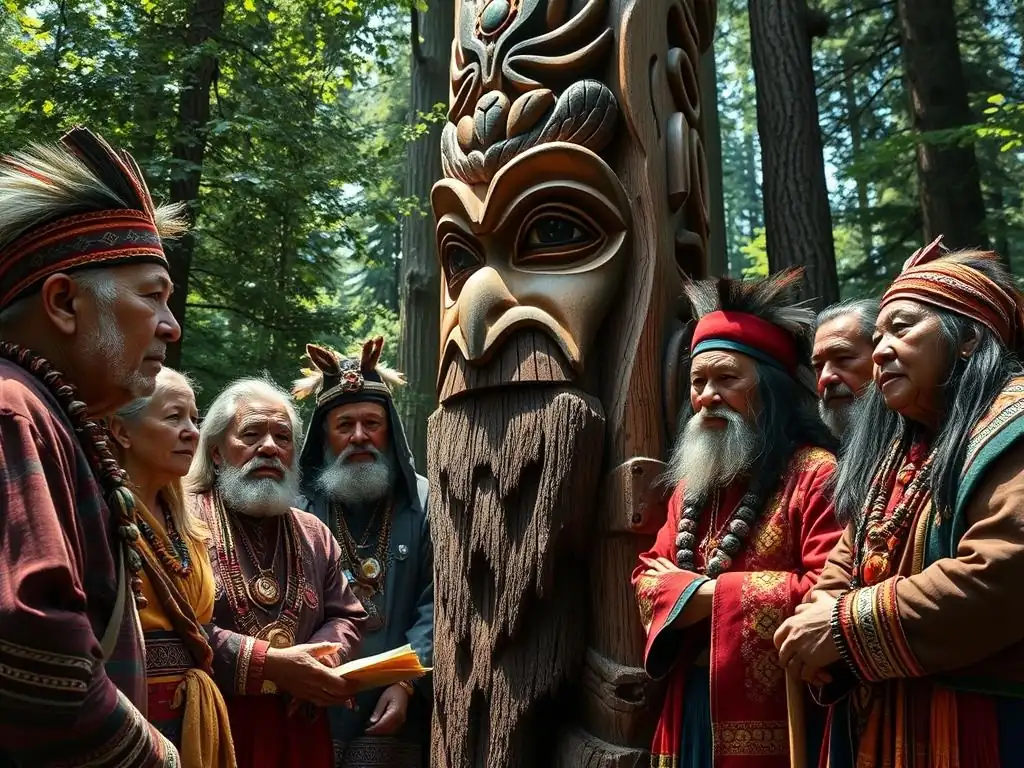
Welcome to Indigenous Civilizations of the Americas, where we embark on a fascinating journey through the rich tapestry of indigenous cultures that flourished long before European colonization. Here, we delve into the profound significance of Indigenous voices in historical narratives, illuminating the achievements and enduring legacies of these vibrant societies.
As you explore our carefully curated content, prepare to uncover the stories that have often been overlooked, and discover how these voices shape our understanding of history today. Join us in honoring these remarkable civilizations and their contributions to the world as we unravel the intricate connections between past and present.
Introduction to Indigenous Voices in History
The narrative of history has often been dominated by a singular perspective, overshadowing the rich tapestry of cultures, traditions, and stories that have shaped the Americas long before European contact. The indigenous voices in history serve as a crucial element in understanding the multifaceted identity of these diverse communities. This article delves into the significance of these voices, emphasizing their vital role in crafting an inclusive historical narrative that honors the contributions and experiences of indigenous peoples. By recognizing and amplifying indigenous perspectives, we can foster a more holistic understanding of the past and its relevance to contemporary society.
Defining Indigenous Voices in Historical Context
Indigenous voices encompass the stories, experiences, and perspectives of the original inhabitants of the Americas. These narratives are not merely anecdotal; they reflect the profound knowledge systems, social structures, and cultural practices that have endured through generations.
- Cultural Heritage: Indigenous voices offer insights into the rich cultural heritage, including languages, art, and traditions that define various groups.
- Historical Accounts: Many indigenous communities have their own oral histories that provide alternative viewpoints on significant events, such as colonization and resistance.
- Contemporary Relevance: These voices also highlight ongoing issues faced by indigenous peoples, such as land rights, cultural preservation, and social justice.
Importance of Including Diverse Perspectives in History
Incorporating indigenous voices into historical narratives is essential for several reasons:
- Holistic Understanding: A diverse perspective allows for a fuller, more nuanced understanding of historical events, revealing the complexities of human interactions.
- Cultural Respect: Acknowledging indigenous narratives fosters respect for the cultural identities and contributions of these communities.
- Empowerment: Giving space to indigenous voices empowers these communities, allowing them to reclaim their history and influence the discourse surrounding their identities.
Historical Marginalization of Indigenous Narratives
Overview of Historical Exclusion of Indigenous Perspectives
For centuries, indigenous perspectives have been marginalized in historical accounts. The dominant narratives often portrayed indigenous peoples as primitive or static, neglecting their rich histories and dynamic cultures.
- Colonial Narratives: Early historical accounts frequently dismissed indigenous voices and prioritized European perspectives, framing colonization as a civilizing mission.
- Educational Systems: Many educational curriculums have traditionally omitted or oversimplified indigenous histories, leading to a lack of understanding and appreciation among students and the general public.
Consequences of Ignoring Indigenous Voices in History
The exclusion of indigenous narratives has profound consequences:
- Cultural Erasure: Ignoring these voices contributes to the erasure of cultural identities and histories, perpetuating stereotypes and misunderstandings.
- Social Injustice: Failing to acknowledge the historical injustices faced by indigenous peoples can lead to continued marginalization and social inequities today.
- Loss of Knowledge: The absence of indigenous perspectives results in a significant loss of valuable knowledge regarding ecology, sustainability, and community resilience.
By understanding the significance of indigenous voices in historical narratives, we can work towards a more inclusive and accurate portrayal of history that honors the experiences and contributions of all peoples.
The Role of Indigenous Voices in Shaping Historical Narratives
Indigenous voices play a crucial role in reshaping and enriching historical narratives that have often been dominated by Eurocentric perspectives. By integrating Indigenous accounts, scholars and educators can provide a more nuanced understanding of history that reflects the diversity of experiences and viewpoints. Indigenous peoples possess unique knowledge systems, oral traditions, and cultural histories that contribute to a fuller representation of events. Their stories challenge the dominant narratives that overlook their contributions and resilience, allowing for a more inclusive historical discourse.
Moreover, Indigenous voices provide insight into the social, political, and economic structures that existed prior to European contact. These perspectives highlight the complexity of Indigenous civilizations, which were often sophisticated and well-organized. By acknowledging and amplifying these voices, we can dismantle stereotypes and misconceptions that have persisted over centuries.
How Indigenous Voices Contribute to a Comprehensive Historical Understanding
Indigenous voices are essential for achieving a comprehensive understanding of history for several reasons. First, they offer alternative viewpoints that challenge mainstream historical narratives. This helps to reveal the biases inherent in traditional historiography and encourages critical thinking among students and scholars alike.
Second, Indigenous narratives often emphasize the interconnectedness of people, land, and culture. This holistic approach provides valuable insights into Indigenous relationships with the environment, governance systems, and social structures. By integrating these aspects into historical study, we gain a deeper appreciation for the diverse ways of knowing and being that characterized Indigenous societies.
Finally, Indigenous voices serve as a reminder of the impact of colonization and the enduring legacies of trauma and resilience. By including these perspectives, educators can foster discussions about historical injustices and contemporary issues faced by Indigenous communities, ultimately promoting empathy and understanding.
Case Studies of Indigenous Narratives Reshaping History
- The Iroquois Confederacy: The historical significance of the Iroquois Confederacy has often been overlooked in traditional narratives. However, Indigenous scholars have emphasized its role in shaping democratic principles that influenced the U.S. Constitution. This case illustrates how Indigenous governance models can inform contemporary political discourse.
- The Trail of Tears: Oral histories from Cherokee survivors of the Trail of Tears provide a personal and poignant perspective on this tragic event. These narratives challenge the sanitized versions of history that often omit the suffering and resilience of Indigenous peoples during forced removals.
- The Inuit Perspective on Climate Change: Inuit communities have long observed environmental changes in the Arctic, providing critical data that complements scientific research. Their narratives highlight the importance of traditional ecological knowledge in understanding and addressing climate change, underscoring the need for Indigenous voices in contemporary discussions.
Benefits of Integrating Indigenous Voices in Education
Integrating Indigenous voices into educational curricula offers numerous benefits that enhance both teaching and learning experiences. By exposing students to diverse perspectives, educators can foster critical thinking skills and promote a deep understanding of complex social issues. Furthermore, incorporating Indigenous narratives can contribute to a more equitable educational environment that respects and values all cultures.
One significant benefit is the promotion of cultural awareness and sensitivity among students. By learning about Indigenous histories and perspectives, students can develop a greater appreciation for diversity, which is essential in our increasingly interconnected world. Additionally, Indigenous voices can inspire students to engage with their own cultural identities and histories, fostering pride and a sense of belonging.
Enhancing Educational Impact through Indigenous Perspectives
Indigenous perspectives enrich educational experiences by providing students with opportunities to engage critically with historical narratives. This engagement encourages students to question dominant narratives and consider the implications of history on contemporary society. The inclusion of Indigenous voices can also promote collaborative learning experiences, where students work together to explore different viewpoints and narratives.
Moreover, integrating Indigenous perspectives can lead to more meaningful classroom discussions around topics such as colonization, identity, and social justice. These discussions help students develop empathy and understanding, essential qualities in fostering a just and inclusive society.
Examples of Curriculum Incorporating Indigenous Voices in History
- The “Our Stories” Curriculum: This initiative focuses on the inclusion of Indigenous narratives in history classes, allowing students to explore local Indigenous histories and cultures through oral histories, literature, and community engagement.
- Project-based Learning Units: Educators can design project-based learning units that center around Indigenous perspectives, such as researching Indigenous-led environmental initiatives or exploring the historical impacts of treaties. These projects promote active learning and critical engagement with history.
- Indigenous Literature in Language Arts: Incorporating Indigenous authors and texts in language arts curricula allows students to engage with contemporary issues through the lens of Indigenous experiences. This not only enriches literary studies but also provides a platform for Indigenous voices in the educational landscape.
By prioritizing Indigenous voices in history education, we can foster a more inclusive and accurate understanding of the past that resonates with all learners.
Challenges in Amplifying Indigenous Voices
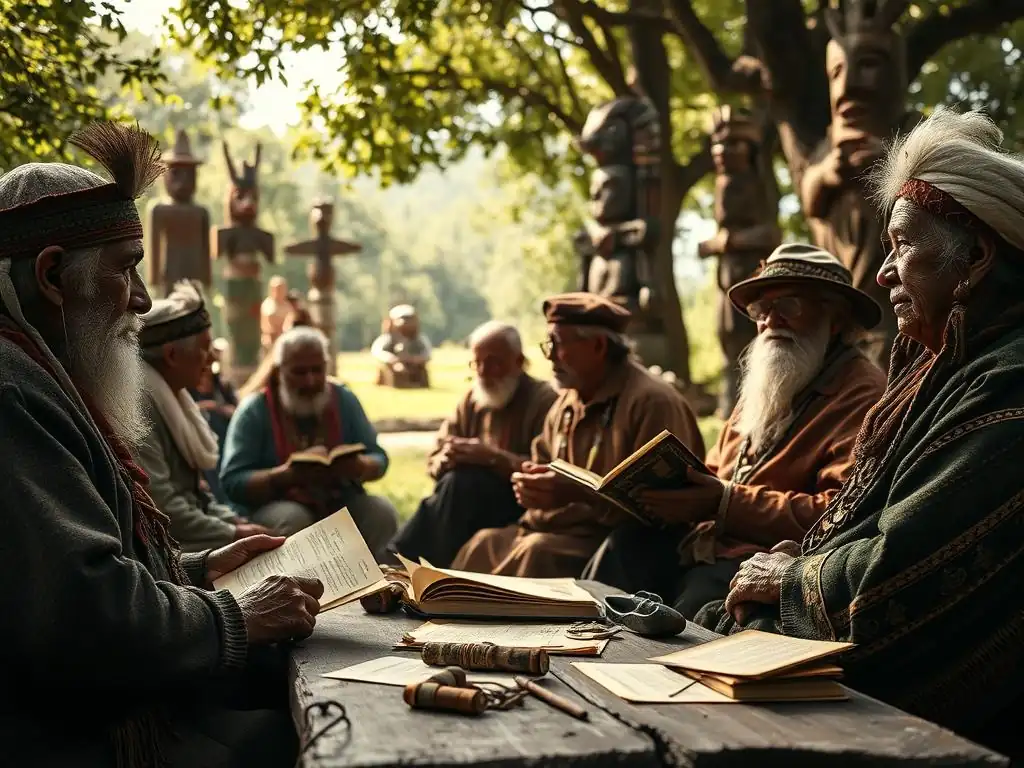
The journey to amplify Indigenous voices in historical narratives is fraught with challenges that stem from a long history of marginalization and misrepresentation. These challenges are rooted in systemic barriers that hinder the effective representation of Indigenous perspectives in educational content and historical discourse. Furthermore, the prevalence of stereotypes and misconceptions about Indigenous cultures often complicates efforts to present a truthful and nuanced portrayal of their histories. Addressing these challenges is essential for creating a more inclusive and accurate representation of Indigenous voices in history.
Systemic Barriers to Indigenous Representation in Historical Narratives
Systemic barriers play a significant role in the underrepresentation of Indigenous voices in historical narratives. These barriers include:
- Educational Curriculum Limitations: Many educational systems prioritize Eurocentric narratives, often neglecting Indigenous perspectives and histories. This limited curriculum fails to provide comprehensive insights into Indigenous cultures and contributions.
- Resource Allocation: Indigenous communities often lack access to resources that would enable them to tell their own stories. Funding and support for Indigenous-led historical initiatives are frequently minimal, which hampers their ability to share their narratives effectively.
- Institutional Bias: Historical institutions, such as museums and archives, have been criticized for perpetuating colonial narratives and excluding Indigenous perspectives. This institutional bias can lead to the continued misrepresentation of Indigenous histories.
Overcoming these systemic barriers requires a concerted effort to transform educational content and institutional practices, ensuring that Indigenous voices are included and respected in historical narratives.
Addressing Misrepresentation and Stereotypes
Misrepresentation and stereotypes pose significant obstacles to the accurate portrayal of Indigenous histories. Common issues include:
- Simplification of Cultures: Indigenous cultures are often portrayed in a monolithic manner, ignoring the diversity and complexity within and among different tribes and nations. This oversimplification can lead to a lack of understanding of their unique histories and contributions.
- Negative Stereotypes: Many historical narratives perpetuate negative stereotypes, framing Indigenous peoples as primitive or extinct. These portrayals not only distort reality but also contribute to ongoing discrimination and prejudice against Indigenous communities.
To address these issues, it is vital to engage with Indigenous scholars, community leaders, and storytellers who can provide authentic narratives that challenge stereotypes and highlight the richness of Indigenous cultures and histories.
Strategies for Elevating Indigenous Voices in Historical Narratives
Elevating Indigenous voices in historical narratives requires intentional strategies that prioritize collaboration and innovation. Here are some effective approaches:
Collaborative Approaches with Indigenous Communities
Collaborative approaches are essential for ensuring that Indigenous voices are authentically represented. Key strategies include:
- Partnerships with Indigenous Organizations: Collaborating with Indigenous organizations allows for the integration of Indigenous perspectives into historical narratives. These partnerships can foster mutual understanding and respect while amplifying Indigenous voices.
- Community Engagement: Engaging Indigenous communities in the storytelling process empowers them to share their own histories. This can take the form of workshops, interviews, and community-led research projects that value Indigenous knowledge systems.
- Incorporating Indigenous Methodologies: Utilizing Indigenous methodologies in research and education can lead to more accurate and respectful representations of history. These methodologies often emphasize holistic perspectives and community involvement.
By actively involving Indigenous communities in the narrative-building process, historical accounts can be enriched with authentic voices and perspectives.
Utilizing Technology and Media to Promote Indigenous Histories
Technology and media offer innovative avenues for promoting Indigenous histories and amplifying Indigenous voices. Strategies include:
- Digital Storytelling: Platforms that allow for the creation and sharing of digital stories can empower Indigenous individuals to narrate their own experiences and histories. This form of storytelling can reach wide audiences and foster greater understanding.
- Social Media Campaigns: Utilizing social media to highlight Indigenous voices and histories can create awareness and engagement. Campaigns can focus on specific themes, such as Indigenous achievements, cultural practices, and contemporary issues, providing a platform for Indigenous narratives.
- Educational Multimedia Resources: Developing multimedia resources, such as documentaries, podcasts, and interactive websites, can enhance the accessibility of Indigenous histories. These resources can be used in educational settings to supplement traditional curricula and provide diverse perspectives.
By harnessing technology and media, we can create dynamic platforms that promote Indigenous voices, challenge historical inaccuracies, and foster a deeper appreciation for Indigenous cultures and histories.
Conclusion: The Future of Indigenous Voices in History
The future of Indigenous voices in history is not only promising but essential for a comprehensive understanding of our shared past. As we move forward, it is imperative to recognize that these voices are not relics of the past but living narratives that continue to shape cultural identities and societal values today. Embracing Indigenous perspectives allows us to challenge dominant historical narratives that have often marginalized these communities. As more scholars, educators, and institutions commit to integrating Indigenous voices, we can foster a more inclusive narrative that honors the complexities of history.
The trend toward incorporating Indigenous voices in historical discourse signifies a shift towards reconciliation and understanding. This demands a collaborative approach where Indigenous communities actively participate in telling their own stories, ensuring their histories are presented authentically and respectfully. By doing so, we not only enrich our understanding of the past but also contribute to a future where diverse voices are acknowledged and valued.
The Ongoing Importance of Indigenous Perspectives in Contemporary Narratives
Indigenous perspectives offer invaluable insights into contemporary issues, such as environmental stewardship, cultural preservation, and social justice. By integrating these viewpoints into modern narratives, we acknowledge the enduring impact of Indigenous knowledge systems and the wisdom they bring to current global challenges. For instance, Indigenous practices in land management have been shown to enhance biodiversity and sustainability, providing critical lessons in environmental conservation.
Moreover, the representation of Indigenous voices in media, literature, and academia helps dismantle stereotypes and promotes a deeper appreciation of Indigenous cultures. This ongoing inclusion serves as a counter-narrative to historical misrepresentations, fostering a greater understanding of the rich tapestry of Indigenous experiences. As we recognize the contributions of Indigenous peoples, we also empower future generations to engage with their histories and cultures.
Call to Action for Educators and Historians to Embrace Indigenous Voices
Educators and historians play a pivotal role in shaping the narratives that influence public perception and understanding of Indigenous histories. It is crucial for these professionals to actively seek out and include Indigenous voices in their curricula and research. This can be achieved by:
- Collaborating with Indigenous communities: Engaging with local Indigenous leaders and scholars can provide authentic insights and foster mutual respect.
- Incorporating Indigenous resources: Utilize books, articles, and multimedia produced by Indigenous authors to enrich educational content.
- Promoting Indigenous methodologies: Understanding and applying Indigenous ways of knowing can transform how history is taught and understood.
By making a concerted effort to embrace Indigenous voices, educators and historians can contribute significantly to the recognition and validation of Indigenous narratives. This commitment not only enhances educational outcomes but also promotes a more equitable society.
References for Further Reading on Indigenous Voices in History
Recommended Literature and Resources
- "An Indigenous Peoples' History of the United States" by Roxanne Dunbar-Ortiz: This book provides a critical perspective on U.S. history from Indigenous viewpoints, highlighting their resilience and resistance.
- "The Heartbeat of Wounded Knee: Native America from 1890 to the Present" by David Treuer: A contemporary account of Native American life that challenges the narrative of decline and despair.
- "The Indigenous Peoples' History of the United States" by Paul Chaat Smith and Robert Allen Warrior: A comprehensive examination of the systemic issues facing Indigenous communities, offering a pathway to understanding their histories.
Notable Indigenous Historians and Scholars
- Vine Deloria Jr.: A prominent author and activist known for his work on Native American history and rights, particularly in "Custer Died for Your Sins."
- Robin Wall Kimmerer: A botanist and member of the Citizen Potawatomi Nation, Kimmerer explores the interconnectedness of Indigenous knowledge and ecology in her work, "Braiding Sweetgrass."
- N. Scott Momaday: A Pulitzer Prize-winning author whose works, including "House Made of Dawn," explore the complexities of Native American identity and storytelling.
Embracing Indigenous voices in history is vital for a more holistic and accurate portrayal of the past. Through education, collaboration, and respect, we can ensure these narratives are preserved and honored, paving the way for a more inclusive future.
- Introduction to Indigenous Voices in History
- Historical Marginalization of Indigenous Narratives
- The Role of Indigenous Voices in Shaping Historical Narratives
- Benefits of Integrating Indigenous Voices in Education
- Challenges in Amplifying Indigenous Voices
- Strategies for Elevating Indigenous Voices in Historical Narratives
- Conclusion: The Future of Indigenous Voices in History
- References for Further Reading on Indigenous Voices in History
- What are Indigenous voices in history?
- Why is it important to include Indigenous voices in historical narratives?
- How did indigenous cultures contribute to societal achievements?
- What impact did European colonization have on Indigenous societies?
- How can we better recognize and support Indigenous voices today?
Frequently Asked Questions
What are Indigenous voices in history?
Indigenous voices in history refer to the perspectives, experiences, and contributions of indigenous peoples that have often been overlooked or marginalized in mainstream historical narratives.
Why is it important to include Indigenous voices in historical narratives?
Incorporating Indigenous voices ensures a more accurate and holistic understanding of history, highlighting the rich cultural heritage and achievements of indigenous civilizations prior to European colonization.
How did indigenous cultures contribute to societal achievements?
Indigenous cultures demonstrated remarkable societal achievements in areas such as agriculture, art, governance, and trade, showcasing their innovative practices and deep understanding of their environments.
What impact did European colonization have on Indigenous societies?
European colonization drastically altered Indigenous societies, leading to loss of land, culture, and population through disease, violence, and forced assimilation, which continues to affect indigenous communities today.
How can we better recognize and support Indigenous voices today?
Supporting Indigenous voices today involves educating ourselves about their histories, amplifying their stories in contemporary dialogue, and advocating for cultural preservation and rights.
Final Reflection: The Vital Role of Indigenous Voices in Shaping History
The significance of Indigenous voices in history cannot be overstated, especially in today's world where narratives are often dominated by a singular perspective. As we strive for a more inclusive understanding of our past, it becomes increasingly clear that the stories of Indigenous peoples are not just footnotes in history; they are essential to understanding the full tapestry of human experience. The urgency of amplifying these voices is more pressing than ever, as we seek to rectify historical injustices and foster a more equitable future.
Cultural narratives are continuously evolving, and the inclusion of Indigenous perspectives is crucial in this transformation. The stories and wisdom of Indigenous communities offer invaluable insights into sustainable living, resilience, and the interconnectedness of all beings. As we witness a growing movement towards decolonization and recognition of Indigenous rights, we must remember the words of Indigenous activist Winona LaDuke: The land is alive, and it is speaking to us.
This statement encapsulates the profound relationship that Indigenous peoples have with their land and culture, reminding us that their voices are not only relevant but essential to our collective understanding of history and identity.
As we reflect on the importance of Indigenous voices in history, I invite you to consider how you can engage with these narratives in your own life. Take the time to listen, learn, and advocate for the inclusion of Indigenous perspectives in your community and beyond. Whether through reading Indigenous literature, supporting Indigenous artists, or participating in local events that celebrate Indigenous culture, every action counts. Let us honor the richness of these voices and commit ourselves to a future where all histories are recognized and valued.
Amplify Indigenous Voices Today!
Thank you for exploring the vital role of Indigenous voices in shaping our historical narratives! Your journey through this enriching content empowers you to better appreciate the rich tapestries woven by these cultures. Now, it’s time to translate that appreciation into action.
Here are a few impactful steps you can take to support and amplify Indigenous voices:
- Discover Indigenous Authors: Dive into books and articles by Indigenous writers to gain deeper insights into their perspectives and experiences. Visit your local bookstore or library to get started!
- Engage with Your Community: Attend local events, talks, or workshops featuring Indigenous speakers and artists. These experiences can significantly enhance your understanding and appreciation!
- Share Your Learnings: Spread the word about what you’ve discovered by sharing this article with friends or on social media. Each share contributes to increasing awareness!
What new insights have you gained about the contributions of Indigenous cultures that you can share with others?