
From Palaces to Pyramids: The Diversity of Maya Architectural Styles

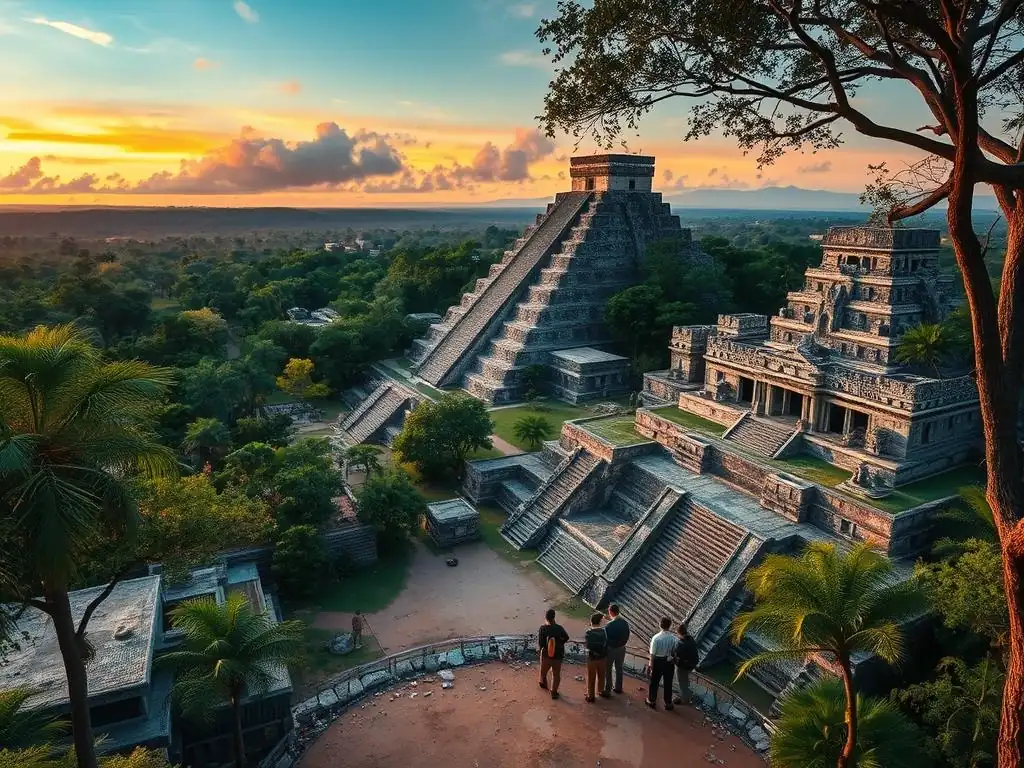
Welcome to Indigenous Civilizations of the Americas, where we invite you to journey through the rich tapestry of cultures that flourished long before European contact. In our featured article, "From Palaces to Pyramids: The Diversity of Maya Architectural Styles," you'll uncover the stunning variety and innovation that characterized Maya architecture. How did these ancient builders create such monumental structures that still inspire awe today? Delve deeper with us to explore the remarkable achievements and enduring legacies of the Maya civilization, and discover how their artistry continues to shape our understanding of history.
- Introduction to Maya Architectural Styles Diversity
- Key Characteristics of Maya Architecture
- Types of Maya Architectural Styles
- Regional Variations in Maya Architectural Styles
- The Cultural Significance of Maya Architectural Diversity
- Preservation and Legacy of Maya Architecture
- Conclusion: The Enduring Influence of Maya Architectural Styles
- References and Further Reading
-
Frequently Asked Questions
- What are the main characteristics of Maya architectural styles?
- How did the diversity of Maya architectural styles arise?
- What role did religion play in Maya architecture?
- Can you name some notable Maya architectural sites?
- How does the study of Maya architecture impact our understanding of Maya civilization?
- Final Reflection: Embracing the Diversity of Maya Architectural Styles
- Unveil the Wonders of Maya Architecture!
Introduction to Maya Architectural Styles Diversity
The Maya civilization, known for its remarkable achievements in various fields, has left an indelible mark on the architectural landscape of the Americas. This article delves into the diversity of Maya architectural styles, which reflect the complex socio-political structures, religious beliefs, and cultural practices of the Maya people.
From intricate palaces to monumental pyramids, the architectural heritage of the Maya offers a fascinating glimpse into their sophisticated society. By exploring the different styles and influences that shaped Maya architecture, we can appreciate the ingenuity and creativity that defined this ancient civilization and understand its lasting impact on architecture and urbanism.
Overview of Maya Civilization and Its Architectural Significance
The Maya civilization flourished in Mesoamerica from approximately 2000 BCE to the arrival of Europeans in the 16th century. This period saw the rise of sophisticated city-states, including Tikal, Palenque, Copán, and Chichen Itza, each showcasing unique architectural styles that reflect their cultural identity and social hierarchy. Maya architecture is characterized by:
- Pyramids: Often serving as temples, these structures were central to Maya religious practices.
- Palaces: Elaborate buildings that housed the elite and served as administrative centers.
- Ball Courts: Unique spaces for the Mesoamerican ballgame, highlighting the importance of sports in Maya culture.
- Residential Complexes: Reflecting the daily lives of common people, these structures varied significantly based on social class.
The architectural significance of the Maya lies not only in the grandeur of their structures but also in their intricate designs and the use of local materials. The Maya mastered the art of creating monumental stone buildings, often adorned with carvings and inscriptions that conveyed historical and mythological narratives.
Importance of Understanding Maya Architectural Styles
Understanding the diversity of Maya architectural styles is crucial for several reasons:
- Cultural Identity: Each architectural style is a testament to the unique cultural identity of different Maya city-states, revealing how geography, resources, and historical events influenced their development.
- Technological Innovations: The construction techniques and materials used by the Maya reflect their advanced knowledge of engineering and architecture, providing insights into their ingenuity.
- Historical Context: Studying these styles helps us understand the socio-political dynamics of Maya society, including class structures, religious practices, and the central role of architecture in public life.
- Preservation of Heritage: By recognizing and valuing the diversity of Maya architectural styles, we contribute to the preservation of this rich cultural heritage for future generations.
The exploration of Maya architectural styles not only enriches our understanding of the civilization itself but also highlights the broader implications of their contributions to architecture and urbanism in the Americas.
Key Characteristics of Maya Architecture
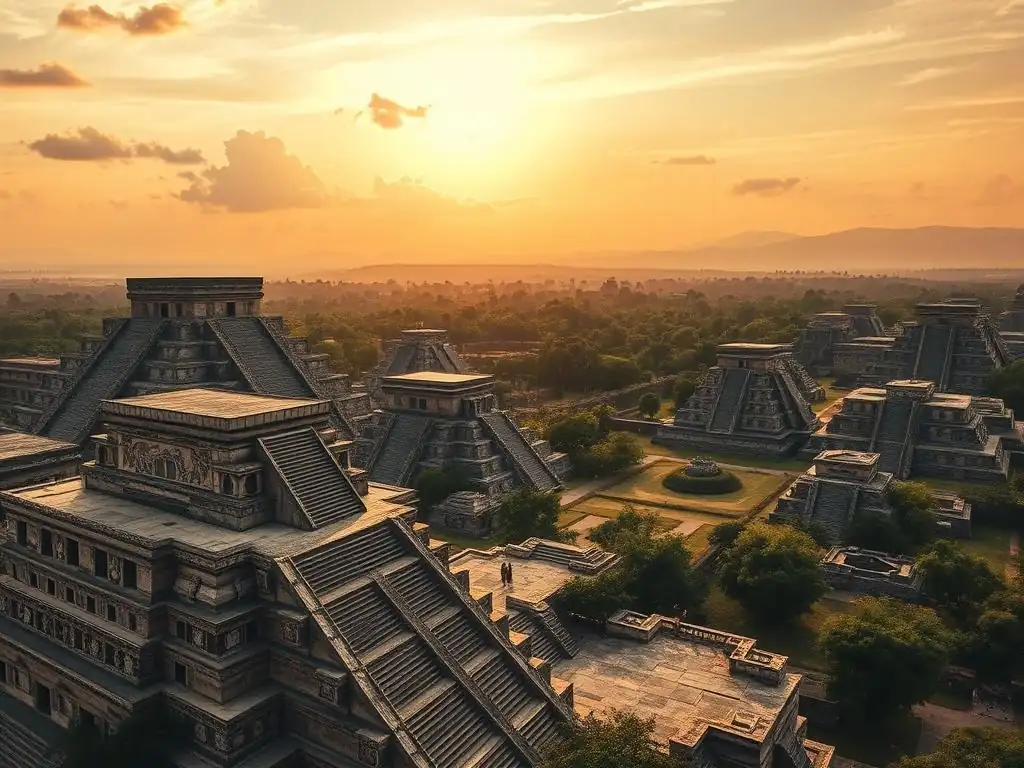
Maya architecture is renowned for its complexity and diversity, reflecting the rich cultural and social life of the Maya civilization. Key characteristics of Maya architecture include:
- Monumentality: Many structures, such as temples and palaces, were built on a grand scale, often designed to impress and convey power. For instance, the Temple of the Inscriptions at Palenque stands as a testament to the monumental style, featuring elaborate inscriptions and a massive stepped pyramid.
- Use of Elevation: Maya builders frequently constructed their temples and ceremonial centers on elevated platforms. This not only emphasized the structures’ significance but also served practical purposes, such as flood prevention. The site of Tikal showcases this elevation beautifully, with its towering pyramids reaching above the jungle canopy.
- Intricate Carvings and Decoration: The Maya were skilled artisans, and their buildings often featured intricate stone carvings depicting gods, rituals, and historical events. The carvings on the facade of the Temple of the Inscriptions are noteworthy, reflecting the sophisticated artistry prevalent in Maya culture.
- Alignment with Celestial Events: Maya architecture often exhibited astronomical significance, with structures aligned to solar and lunar events. The observatory at Uxmal, known as the "Caracol," is an excellent example of this alignment, demonstrating the Maya’s advanced understanding of astronomy.
- Integration with Nature: Many Maya cities were designed with respect to the surrounding environment, utilizing local materials and incorporating natural features into their layouts. This harmonious approach can be seen in the city of Copán, where the architecture blends seamlessly with the hilly terrain.
Common Materials Used in Maya Construction
The materials used in Maya construction were primarily sourced from the surrounding environment, showcasing the civilization’s resourcefulness. The most common materials included:
- Limestone: This was the primary building material, often quarried from nearby hills. Its availability made it ideal for constructing temples and other significant structures. The limestone blocks were carefully shaped and fitted to create solid walls.
- Stucco: A mixture of lime, sand, and water, stucco was used to cover walls and create smooth surfaces for decorative purposes. The use of stucco allowed for vibrant murals and intricate reliefs, enhancing the aesthetic appeal of structures.
- Wood: While less durable, wood was commonly used for roofing and interior structures. It was often used in conjunction with stone to create a more complex architectural design. The roofs of many Maya buildings were thatched with palm leaves or covered with wooden beams.
- Ceramics and Clay: These materials were often used for smaller structures and decorative elements within larger buildings. Pottery shards found at various sites indicate that ceramics played a significant role in both the everyday lives of the Maya and their architectural designs.
- Shell and Coral: In coastal regions, these materials were sometimes incorporated into construction, especially for decorative purposes. Shells were used to create inlays and adornments, reflecting the Maya’s connection to their environment.
Structural Techniques in Maya Building Practices
Maya builders employed a range of sophisticated structural techniques that contributed to the durability and functionality of their architecture. Key techniques included:
- Corbel Arch: This technique involved stacking stones in a stepped fashion to create an arch without the use of keystones. The corbel arch was a fundamental element in Maya doorways and vaults, allowing for wider openings while providing structural support. An example can be seen in the Temple of the Inscriptions at Palenque.
- Platform Construction: The use of raised platforms was a hallmark of Maya architecture, providing stability and protection against flooding. These platforms were often constructed with a solid base of limestone, allowing for the erection of massive structures on top.
- Vaulted Ceilings: The Maya utilized vaulted ceilings to create expansive interior spaces within their structures. This technique not only added to the aesthetic appeal but also enhanced the acoustics of ceremonial spaces. The use of corbel vaulting can be observed in many temples, such as those at Tikal.
- Terracing: In hilly regions, the Maya employed terracing techniques to create flat surfaces for building. This not only facilitated construction but also helped with agricultural practices, reflecting their ingenuity in adapting to diverse landscapes.
- Complex Layouts: Maya cities were often designed with complex layouts that included plazas, temples, and residential areas. The careful planning of these spaces highlighted the social and religious functions of Maya architecture, evident in the city of Chichen Itza, which features a grand central plaza surrounded by significant structures.
Through these distinctive characteristics, materials, and techniques, Maya architectural styles showcase a rich diversity that reflects the civilization's ingenuity and cultural significance.
Types of Maya Architectural Styles
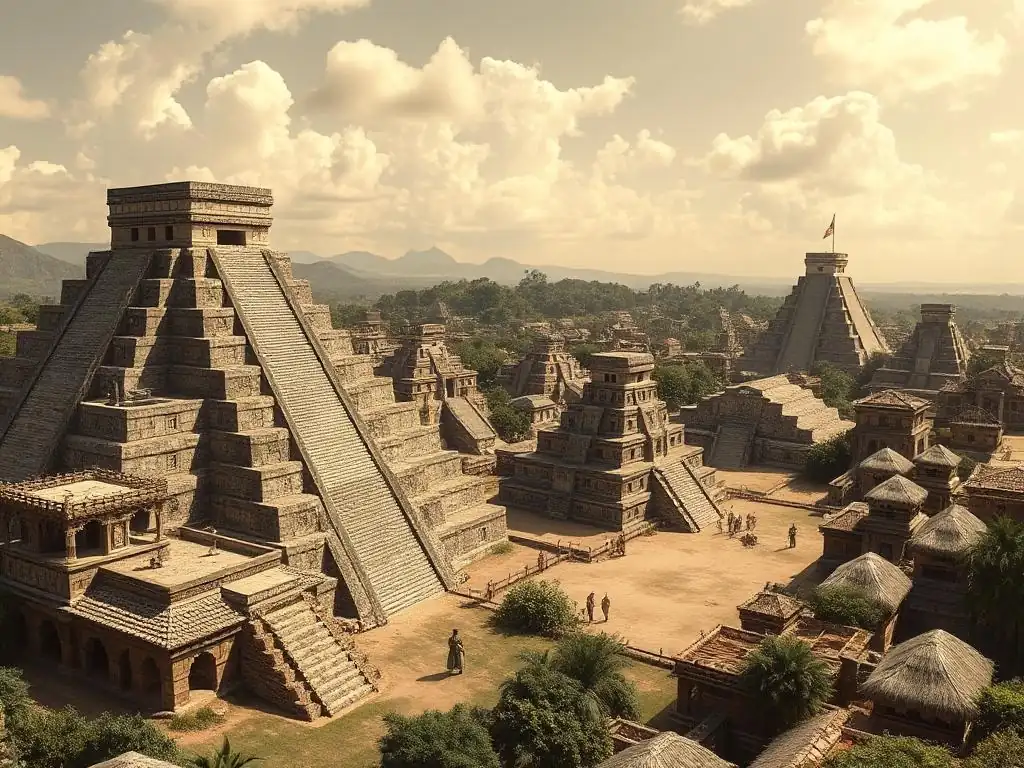
The diversity of Maya architectural styles is a testament to the ingenuity and cultural richness of the Maya civilization. From grand palaces to intricate temples, each structure reflects the unique regional variations, historical developments, and social hierarchies that characterized the Maya world. Below, we explore the key types of Maya architectural styles, highlighting their distinctive features and contributions to the overall architectural landscape.
Palatial Architecture: The Grandeur of Maya Palaces
Maya palatial architecture represents the apex of the civilization's architectural achievements, showcasing their sophisticated understanding of space, function, and aesthetics. These palaces served as the residences of the elite, often embodying both political power and cultural significance.
Features of Maya Palaces
Maya palaces are characterized by several key features:
- Complex Layouts: Palaces often consist of multiple buildings arranged around courtyards, reflecting a hierarchical organization. Each structure typically served a specific function, such as residential quarters, administrative offices, or ceremonial spaces.
- Decorative Elements: Intricate carvings, stucco reliefs, and vibrant murals adorn many palace facades, depicting scenes of mythology, history, and daily life. This ornamentation not only served aesthetic purposes but also communicated the status and achievements of the ruling elite.
- Terracing and Elevation: Many palaces are built on elevated platforms or terraces, symbolizing the connection between the heavens and earth. This elevation also provided a strategic advantage, enhancing the visibility and prominence of the ruling class.
Notable Examples of Palatial Structures
Some of the most notable examples of Maya palatial architecture include:
| Site | Description |
|---|---|
| Palenque | Home to the Palace of the Inscriptions, known for its impressive tower and extensive hieroglyphic texts. |
| Tikal | Features the North Acropolis, a massive complex that served as a royal residence and ceremonial center. |
| Copan | Renowned for its elaborate stone carvings and the grand structure known as the Rosalila Temple. |
These palatial structures not only served as residences for the elite but also acted as centers for administration, religion, and cultural activities.
Religious Architecture: Temples and Pyramids
Religious architecture is a cornerstone of Maya civilization, with temples and pyramids serving as focal points for worship, ceremonies, and social gatherings. These structures are often imbued with deep symbolic meaning, reflecting the Maya's intricate relationship with their deities and the cosmos.
The Role of Temples in Maya Society
Temples played a crucial role in the spiritual and communal life of the Maya:
- Centers of Worship: Temples were places where rituals were performed, including offerings to gods and ancestor worship. These ceremonies were integral to maintaining cosmic order and ensuring agricultural fertility.
- Political Symbolism: Many temples were built to commemorate significant events or rulers, serving as physical manifestations of political power and divine favor. The architecture often included inscriptions that recorded historical events and achievements.
- Community Gathering Spaces: Temples also acted as venues for public ceremonies, festivals, and community gatherings, reinforcing social cohesion and cultural identity.
Iconic Pyramids: Design and Function
The pyramids of the Maya are among the most iconic structures in Mesoamerican architecture. Their design and function are noteworthy:
- Step Pyramids: Most Maya pyramids are constructed as step pyramids, with a series of platforms leading to a temple at the summit. This design reflects the Maya belief in ascension to the heavens, creating a powerful visual connection between earth and sky.
- Multi-functional Use: Pyramids served various roles, including temples, tombs, and platforms for rituals. The Pyramid of the Sun in Teotihuacan, while not exclusively Maya, influenced many Maya pyramids, showcasing the cultural exchanges occurring in the region.
- Astronomical Alignment: Many pyramids are precisely aligned with celestial events, such as solstices and equinoxes. This alignment underscores the Maya's advanced understanding of astronomy and their integration of scientific knowledge into architectural design.
The diversity of Maya architectural styles, including palatial and religious structures, reflects a civilization deeply connected to its cultural, political, and spiritual roots. Each architectural form serves as a testament to the Maya's ingenuity and enduring legacy in the Americas.
Urban Planning: Cities of the Maya
The urban planning of the Maya civilization is a fascinating subject that reveals the sophistication and intelligence of these ancient societies. Maya cities were not just random collections of buildings; they were meticulously planned environments that reflected the culture, beliefs, and social hierarchies of their inhabitants. From the bustling markets to the ceremonial centers, Maya urban planning was integral to their way of life and governance.
Layout and Organization of Maya Cities
Maya cities typically featured a central plaza surrounded by important civic and ceremonial structures, such as pyramids, temples, and palaces. The layout was often symmetrical, with specific zones for various functions, including residential areas, agricultural plots, and public spaces.
- Central Plaza: The heart of a Maya city, the central plaza served as a gathering space for social, political, and religious activities. This area was often dominated by large architectural structures, such as temples and administrative buildings.
- Sacred Structures: Temples and pyramids were strategically placed around the plaza, often aligned with astronomical events. These structures were not only places of worship but also served as markers of power and prestige.
- Residential Areas: Surrounding the central plaza were residential neighborhoods, which varied in complexity based on social status. The homes of the elite were typically larger and more elaborately decorated than those of the common people.
- Road Networks: The Maya also developed an extensive road system that connected different cities and regions, facilitating trade and communication. These roads were often lined with causeways and bridges, demonstrating advanced engineering skills.
This organized layout not only provided functionality but also promoted social interaction and community cohesion, emphasizing the Maya's understanding of urban living.
Influences on Modern Urbanism
The principles of Maya urban planning have left a lasting legacy that can be observed in modern urbanism. Several aspects of their architectural styles and city layouts have influenced contemporary urban design:
- Centralized Planning: The concept of a central plaza as a focal point in a city is mirrored in many modern urban designs, where public squares serve as venues for social and cultural gatherings.
- Integration of Nature: The Maya incorporated natural elements into their urban environments, such as water features and green spaces. Today, urban planners strive to maintain a balance between built environments and nature, promoting sustainability and enhancing the quality of life.
- Community-Centric Design: The organization of Maya cities around community needs is echoed in modern planning principles that prioritize walkable neighborhoods and accessible public spaces.
- Cultural Preservation: Just as the Maya incorporated their cultural identity into their urban design, modern cities are increasingly emphasizing the importance of preserving cultural heritage through architecture and public spaces.
The diversity of Maya architectural styles and their urban planning principles not only reflect the ingenuity of the Maya civilization but also continue to influence contemporary approaches to city design. By studying these ancient cities, modern urban planners can gain valuable insights into creating spaces that foster community, culture, and sustainability.
Regional Variations in Maya Architectural Styles
The Maya civilization, renowned for its rich cultural heritage, exhibited a remarkable diversity in architectural styles across its various regions. This diversity is largely attributed to factors such as geography, available resources, and the specific cultural influences of each area. Understanding these regional variations provides insight into the unique characteristics and innovations that defined Maya architectural styles.
Northern Maya Architecture: Unique Features
Northern Maya architecture, particularly prominent in areas like the Yucatán Peninsula, showcases distinctive features that set it apart from other regions. One of the most notable characteristics is the use of limestone as a primary building material, which was abundantly available in the region. This led to the construction of structures with smooth, finely finished stonework.
- Pyramids and Temples: The northern Maya are well-known for their impressive pyramids, such as those found at sites like Chichen Itza and Uxmal. These structures often feature a stepped design, with large staircases leading to temple platforms at the summit.
- Decorative Elements: Architectural embellishments, including carvings and stucco reliefs, are common in northern Maya buildings. These often depict deities, mythological figures, and scenes from daily life, reflecting the spiritual and cultural significance of the structures.
- Open Spaces: Northern Maya cities often include large plazas surrounded by ceremonial buildings. These open spaces served as important venues for public gatherings, rituals, and trade activities.
Southern Maya Architecture: Distinctive Elements
In contrast, southern Maya architecture, evident in areas such as Guatemala and Belize, is marked by different stylistic choices and construction techniques. This region is characterized by its rugged terrain and dense forest, influencing the types of materials and designs used.
- Use of Local Materials: Southern Maya architects frequently utilized materials like volcanic stone, which was more readily available in mountainous regions. This resulted in robust structures that could withstand seismic activity.
- Complex Site Layouts: Cities like Tikal and Copán exhibit intricate layouts that incorporate multiple ceremonial complexes, each with its own unique architectural style. These sites often feature multi-tiered pyramids and elaborate palaces designed for the elite class.
- Integration with Nature: The architecture in southern Maya regions often reflects a harmonious relationship with the surrounding environment. Structures are frequently built to align with astronomical events, demonstrating the Maya's advanced understanding of celestial movements.
Central Maya Architecture: A Synthesis of Styles
Central Maya architecture serves as a fascinating example of how regional influences can blend to create a unique architectural identity. This area, encompassing parts of present-day Honduras, Guatemala, and Mexico, showcases a synthesis of both northern and southern architectural elements.
- Hybrid Structures: In central Maya sites like Palenque, architects combined features from both northern and southern styles. For instance, the use of corbel arches and intricate stone carvings can be found alongside the stepped pyramid designs typical of the north.
- Innovative Urban Planning: Central Maya cities often display advanced urban planning, with a focus on ceremonial centers that include plazas, temples, and ball courts, all meticulously aligned with geographical and astronomical markers.
- Cultural Exchange: The architectural diversity in the central region reflects the interactions between different Maya groups and other Mesoamerican cultures. This exchange resulted in a rich tapestry of architectural practices that influenced everything from construction techniques to decorative motifs.
The exploration of these regional variations in Maya architectural styles highlights not only the ingenuity of the Maya civilization but also the cultural significance embedded in their architectural achievements. Each region's unique contributions have left a lasting legacy that continues to fascinate scholars and enthusiasts alike.
The Cultural Significance of Maya Architectural Diversity
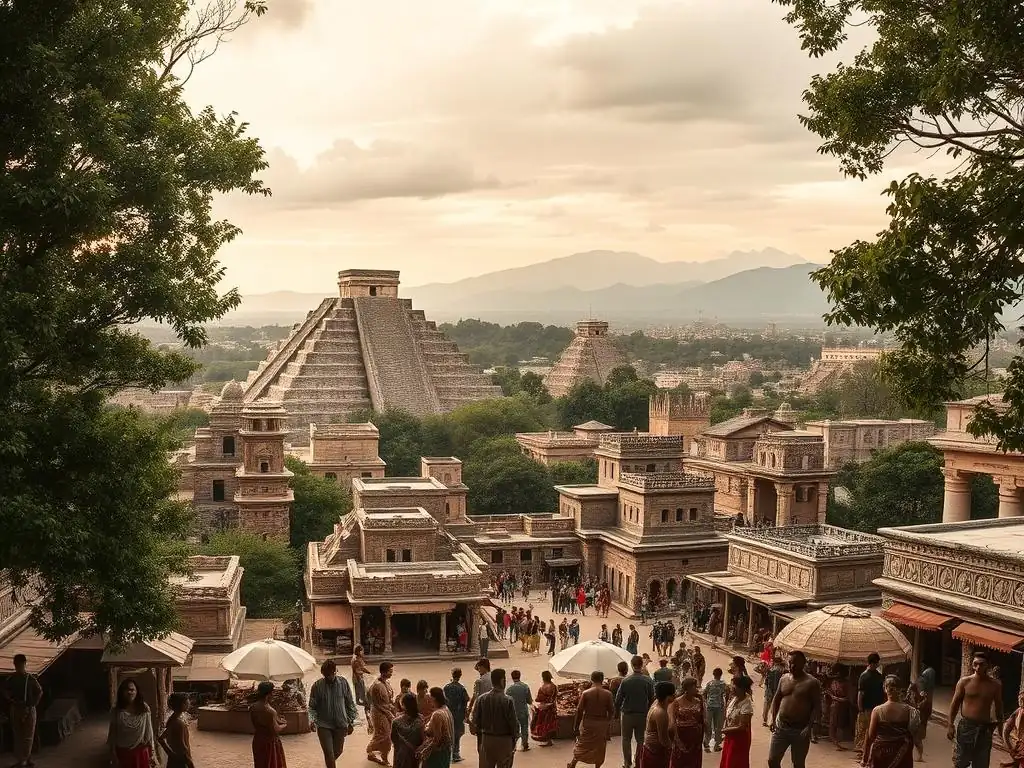
Maya architectural styles diversity is not merely a testament to the aesthetic sensibilities of the Maya civilization; it encapsulates deep cultural, religious, and social meanings. The architectural variations across different regions and periods reflect the complexities of Maya cosmology, beliefs, and societal structures.
Maya architecture serves as a physical manifestation of their worldview, where every structure was imbued with symbolic significance. Temples, pyramids, and palaces were not only functional spaces but also held spiritual and political importance. The diversity in architectural styles can be seen as a reflection of the geographic diversity of the Maya lands, which include rainforests, highlands, and coastal areas. This variety led to distinct building techniques and materials, such as limestone in the Yucatán Peninsula and volcanic rock in the highlands, further enhancing the architectural diversity.
Reflection of Maya Cosmology and Beliefs
The Maya worldview was profoundly cosmological, intertwining their understanding of the universe with their architectural practices. Structures were often oriented towards celestial events, reflecting the Maya's sophisticated knowledge of astronomy. For instance, the alignment of the pyramids at Tikal and Chichen Itza with the movements of the sun and stars illustrates how architecture was designed to honor and reflect the cosmos.
Maya temples, typically adorned with intricate carvings and inscriptions, served dual purposes: as places of worship and as monuments to their deities. The diversity in temple styles—from the steep, towering pyramids of Tikal to the more subdued, flat-roofed structures in the southern lowlands—points to varying regional religious practices and influences. These variations also highlight the importance of rituals, which were often a critical aspect of Maya life.
Moreover, the use of color and decoration in Maya architecture often had symbolic meanings. For example, the choice of red paint in certain structures could symbolize life and vitality, while blue might represent the water and sky. Such choices were not random; they were deeply connected to the beliefs and traditions of the community.
The Role of Architecture in Maya Society and Governance
Architecture in Maya society was a reflection of the prevailing governance structures and social hierarchies. The grandiosity of certain architectural styles, such as the expansive plazas and monumental structures found in cities like Copán and Palenque, underscores the power and authority of ruling elites. These structures were often built to project power, serve as a stage for public ceremonies, and assert the legitimacy of the rulers.
In many Maya cities, the layout was meticulously planned, with the central plaza surrounded by temples and palaces, indicating the significance of communal and ceremonial life. The design of these urban centers often facilitated public gatherings, political discourse, and religious ceremonies, reinforcing the interconnectedness of governance and architecture.
Furthermore, the diversity in architectural styles is also evidence of the varying degrees of political centralization across the Maya civilization. Some regions developed highly centralized city-states with monumental architecture, while others had more decentralized, smaller communities with simpler structures. This architectural diversity illustrates how different societal structures influenced the form and function of their buildings.
The richness of Maya architectural styles diversity is a window into the complex interplay of culture, belief systems, and governance in Maya society. Each unique structure not only served practical purposes but also acted as a narrative of the civilization's profound understanding of their world and their place within it.
Preservation and Legacy of Maya Architecture
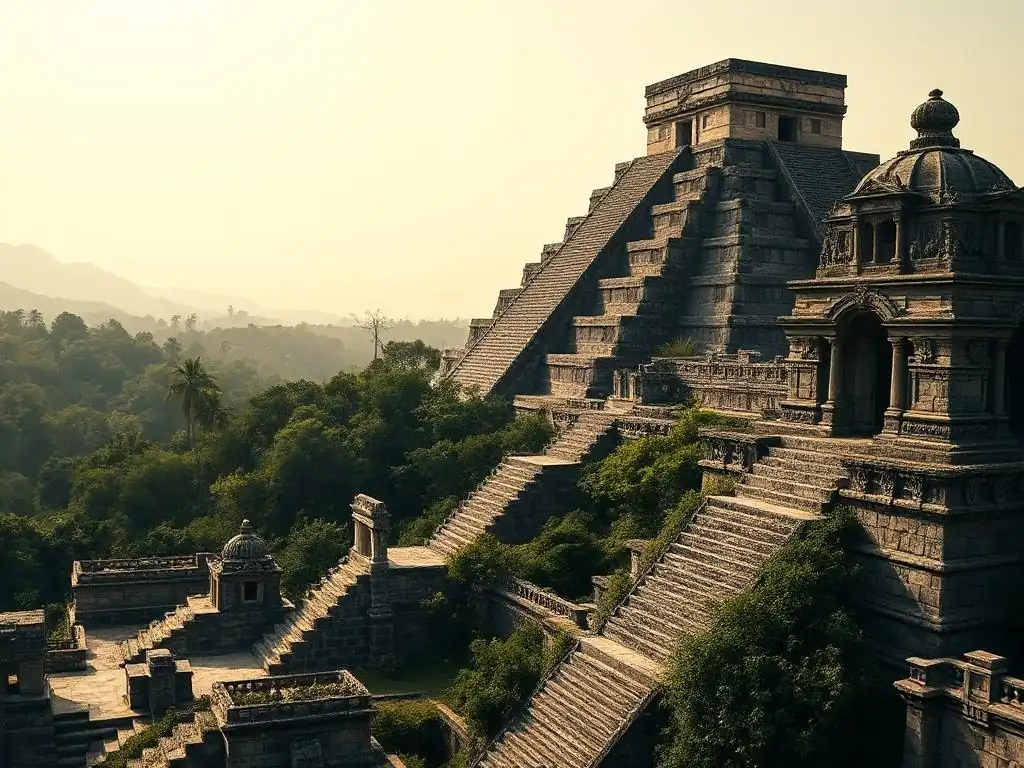
The preservation of Maya architecture is vital not only for historical understanding but also for cultural identity among contemporary Maya communities. The diverse styles of Maya architecture, from the grandiose palaces to the intricate pyramids, serve as a testament to their advanced engineering prowess and aesthetic vision. These structures encapsulate the socio-political dynamics, spiritual beliefs, and artistic expressions of the Maya civilization, making their preservation a multifaceted endeavor.
The legacy of Maya architecture extends beyond ancient ruins; it influences current architectural practices and contributes to the cultural heritage of the Americas. As global awareness of indigenous rights and heritage grows, the need for effective conservation strategies becomes paramount.
Current Efforts in Conservation of Maya Sites
Efforts to conserve Maya architectural sites are being undertaken by various organizations, local governments, and international bodies. These initiatives often involve a combination of archaeological research, community engagement, and sustainable tourism practices. Some notable efforts include:
- Collaborative Projects: Partnerships between local communities, archaeologists, and NGOs are critical. For example, organizations like the Maya Conservation Project work with indigenous groups to develop sustainable management practices that respect local traditions and promote economic development through responsible tourism.
- Technological Innovations: The use of modern technology, such as LiDAR (Light Detection and Ranging), assists in mapping and analyzing Maya sites from the air, revealing hidden structures and informing restoration efforts. This technology enhances understanding of the sites' original layouts and architectural styles.
- Cultural Heritage Training: Programs aimed at training local residents in conservation techniques ensure that knowledge is passed down through generations. These initiatives empower communities to take an active role in preserving their heritage.
- Legislative Measures: Governments in countries like Guatemala and Mexico have enacted laws to protect archaeological sites. This legal framework is essential for safeguarding these locations from development pressures and illicit activities.
Impact of Maya Architecture on Modern Design
Maya architectural styles have profoundly influenced modern design, offering insights into sustainability, aesthetics, and community-focused spaces. Key aspects of this impact include:
- Sustainable Building Techniques: The Maya utilized locally-sourced materials and adapted their designs to the climate, providing lessons in sustainability. Modern architects are increasingly looking to these indigenous practices to create eco-friendly structures that harmonize with their environments.
- Cultural Symbolism: Elements of Maya architecture, such as the use of geometric patterns and symbolic motifs, have been incorporated into contemporary designs. These symbols often reflect a connection to nature and spirituality, resonating with modern movements that seek to integrate cultural narratives into architectural expression.
- Community-Centric Spaces: The layout of Maya cities, which often included communal areas and plazas, inspires current urban design approaches that prioritize community interaction and social cohesion. Architects are increasingly designing spaces that foster a sense of belonging and inclusivity, drawing lessons from ancient Maya urbanism.
The preservation of Maya architecture is not merely about safeguarding the physical structures; it is about maintaining a link to the past while informing and enriching contemporary architectural practices. The diversity of Maya architectural styles continues to inspire and educate, ensuring that the legacy of this remarkable civilization endures.
Conclusion: The Enduring Influence of Maya Architectural Styles
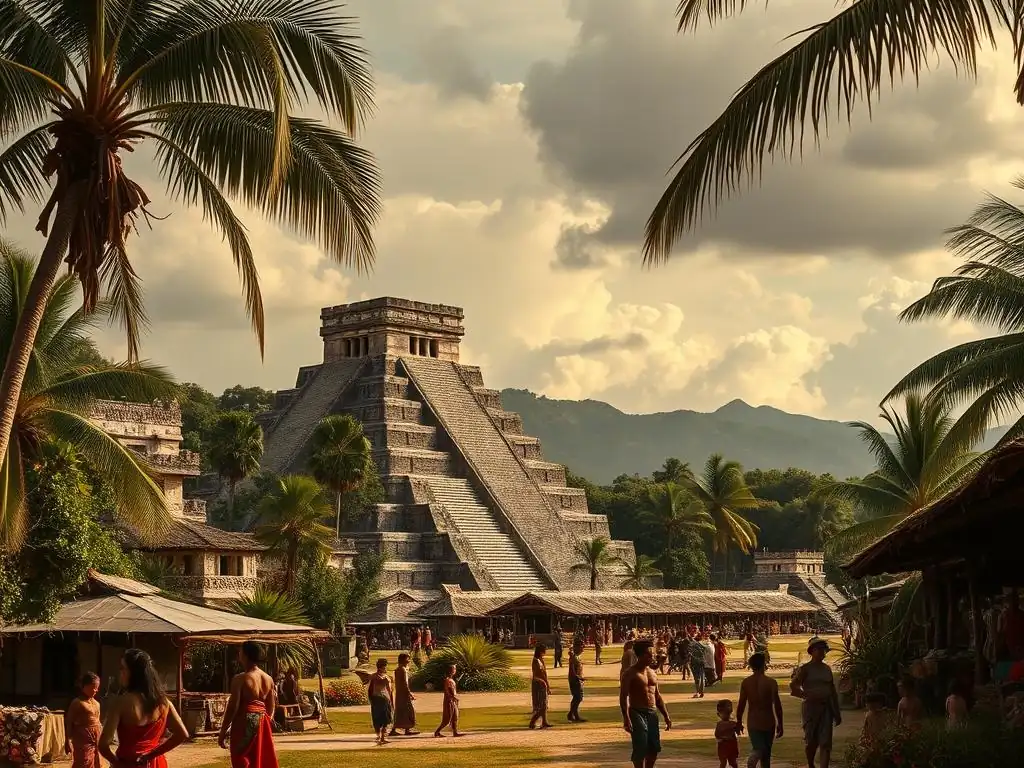
Summary of Maya Architectural Diversity
The Maya civilization is renowned for its rich architectural diversity, which reflects a profound understanding of engineering and aesthetics. From the towering pyramids of Tikal to the intricate palaces of Palenque, each structure embodies the unique cultural values and environmental adaptations of the Maya people. The architectural styles vary significantly across different regions, showcasing a range of materials, designs, and purposes.
- Pyramids: The most iconic representation of Maya architecture, these structures served both ceremonial and astronomical functions. They often featured stepped designs and elaborate carvings, such as those found at Chichen Itza and Copán.
- Palaces: The palatial structures, like those seen in Palenque, were characterized by their complex layouts and lavish decoration. They served as residences for rulers and elite classes, often containing multiple rooms and courtyards.
- Temples: Temples were central to Maya religious life, frequently adorned with elaborate sculptures and murals. The Temple of the Inscriptions in Palenque is a prime example, housing tombs and hieroglyphic texts that tell the story of Maya kings.
- Urban Planning: The layout of Maya cities reflects advanced urban planning, with careful consideration given to the placement of buildings in relation to natural features and celestial events. This practice not only facilitated trade and social interaction but also reinforced the spiritual connection between the Maya and their environment.
The diversity of Maya architectural styles is not merely aesthetic; it encapsulates the historical, cultural, and environmental narratives of the civilization, marking their ingenuity and adaptability.
The Importance of Continued Study and Preservation
Preserving the legacy of Maya architectural styles is crucial for understanding the broader context of indigenous civilizations in the Americas. Continued study and conservation efforts are essential for several reasons:
- Cultural Heritage: Maya architecture is a testament to the ingenuity and resilience of the Maya people. Preserving these sites helps maintain a connection to their cultural identity and history.
- Educational Value: As an invaluable resource for scholars and students alike, the study of Maya architecture provides insights into ancient engineering techniques, social organization, and religious practices. It promotes a deeper appreciation for the complexity of indigenous civilizations.
- Tourism and Economy: Well-preserved sites attract tourists, contributing to local economies. Sustainable tourism practices can foster community engagement and provide funding for ongoing preservation efforts.
- Climate Change Resilience: Understanding the architectural techniques used by the Maya can inform modern approaches to resilience in the face of climate change. The adaptation of local materials and designs can inspire contemporary sustainable architecture.
- Intercultural Dialogue: Engaging with the legacy of Maya architectural styles fosters intercultural dialogue and respect for indigenous knowledge systems, promoting a more inclusive understanding of history.
The diversity of Maya architectural styles serves as a powerful reminder of the creativity and adaptability of the Maya civilization. By prioritizing the study and preservation of these remarkable structures, we not only honor their legacy but also enrich our understanding of human ingenuity throughout history.
References and Further Reading
Suggested Literature on Maya Architecture
When delving into the diversity of Maya architectural styles, several key texts provide comprehensive insights into the historical, cultural, and technical aspects of Maya architecture. Here are some recommended readings:
- "Maya Architecture: A Cultural Perspective" by David H. Kelley
- This book offers a detailed analysis of the social and cultural contexts in which Maya architecture evolved. Kelley examines various architectural forms, from grand palaces to modest dwellings, and their significance within Maya society.
- "The Maya and Their Architecture" by Richard A. Diehl
- Diehl provides an extensive overview of Maya architectural styles, highlighting regional variations and their functions. This work is enriched with photographs and illustrations that showcase the intricate details of Maya structures.
- "Ancient Maya Architecture" by George E. Stuart and Barbara W. Stuart
- This text explores the engineering techniques and materials employed by the Maya. The authors discuss the construction processes and the environmental factors influencing architectural choices.
- "Maya Cities: New Perspectives" edited by William L. Fash and Barbara W. Fash
- This collection of essays presents recent archaeological findings and interpretations of Maya urban centers. It reflects on how the built environment shaped social interactions and civic life among the Maya.
- "The Architecture of the Ancient Maya" by Eric W. W. W. F. Smith
- Smith's work focuses on the architectural innovations and stylistic developments throughout different periods of Maya civilization. The book includes a comparative analysis of architectural styles across various city-states.
Resources for Exploring Maya Civilization
For those interested in further exploring the Maya architectural styles diversity and the broader context of Maya civilization, numerous resources are available:
- Online Databases and Archives:
- The Maya Exploration Center offers a comprehensive database of archaeological sites, including detailed architectural plans and photographs.
- Virtual Tours and Educational Platforms:
- Websites like Google Arts & Culture provide virtual tours of Maya archaeological sites, allowing users to explore iconic structures such as Tikal, Palenque, and Chichen Itza from their devices.
- Documentaries and Lectures:
- Platforms like YouTube host a variety of documentaries that explore Maya architecture, including expert interviews and site visits that showcase the intricacies of their building styles.
- Museums and Cultural Institutions:
- The American Museum of Natural History and the Smithsonian National Museum of the American Indian feature exhibits on Maya civilization, including architectural artifacts and models.
- Academic Journals:
- Journals such as the Journal of Maya Archaeology and Ancient Mesoamerica regularly publish peer-reviewed articles focusing on architectural studies, offering the latest research and findings in the field.
By engaging with these resources, readers can gain a deeper understanding of the remarkable diversity present in Maya architectural styles and the cultural significance of these structures within the broader tapestry of Maya civilization.
Frequently Asked Questions
What are the main characteristics of Maya architectural styles?
Maya architectural styles are defined by their intricate stonework, pyramidal structures, and the use of corbel arches. These features reflect their sophisticated engineering and aesthetic sensibilities.
How did the diversity of Maya architectural styles arise?
The diversity of Maya architectural styles emerged due to varying geographical locations, cultural influences, and available materials. Each city-state developed its own unique characteristics, leading to a rich tapestry of architecture.
What role did religion play in Maya architecture?
Religion significantly influenced Maya architecture, with many structures serving as temples and ceremonial spaces. The alignment of buildings with celestial events also highlights their spiritual significance.
Can you name some notable Maya architectural sites?
Some notable sites include Tikal, known for its towering pyramids, and Palenque, famous for its intricate carvings and palatial structures. Each site showcases the diversity of Maya architectural styles.
How does the study of Maya architecture impact our understanding of Maya civilization?
Studying Maya architecture enhances our understanding of their social structures, political organization, and cultural values. It reveals how their architectural achievements were integral to their identity and influence.
Final Reflection: Embracing the Diversity of Maya Architectural Styles
The exploration of Maya architectural styles diversity reveals not only the ingenuity of an ancient civilization but also its profound relevance in today's world. As we navigate an era marked by rapid globalization and cultural exchange, understanding the unique architectural expressions of the Maya serves as a reminder of the rich tapestry of human creativity. The striking contrast between palatial grandeur and the monumental simplicity of pyramids invites us to appreciate the multifaceted nature of cultural identity and heritage.
The legacy of Maya architecture continues to shape our cultural landscape, inspiring contemporary architects and artists alike. The intricate designs and thoughtful spatial arrangements reflect a deep connection to the environment and community, urging us to reconsider our own built environments. As the renowned architect Frank Lloyd Wright once said, "> The space within becomes the reality of the building." This sentiment resonates profoundly as we reflect on how the diversity of Maya architectural styles can inform sustainable practices and innovative designs in our modern world.
As you ponder the lessons from the Maya, I invite you to reflect on your own surroundings and consider how diversity enriches our lives. What architectural styles resonate with you, and how can you incorporate elements of this diversity into your personal or community projects? By embracing the lessons of the past, we can foster a future that honors cultural diversity and inspires creativity in our own architectural endeavors. Let the legacy of the Maya guide you in celebrating the beauty of diversity in all its forms.
Unveil the Wonders of Maya Architecture!
Thank you for exploring the rich tapestry of Maya architectural styles with us! By diving into this article, you've uncovered the incredible diversity that characterizes these ancient structures. Now, take the next step to deepen your understanding and appreciation of this vibrant culture.
Here’s how you can embark on your journey of further exploration:
- Visit a local museum or exhibition featuring Maya artifacts and architecture to see these wonders up close.
- Share your favorite architectural style from the Maya with friends and family on social media to spread knowledge and spark conversations.
- Join an online forum or community focused on Indigenous civilizations to connect with others who share your passion and exchange insights.
Which Maya architectural style resonates with you the most, and why? We invite you to share your thoughts and engage in a discussion!