
The Cosmic Order: Understanding Mayan Cosmology and Its Influence on Daily Life

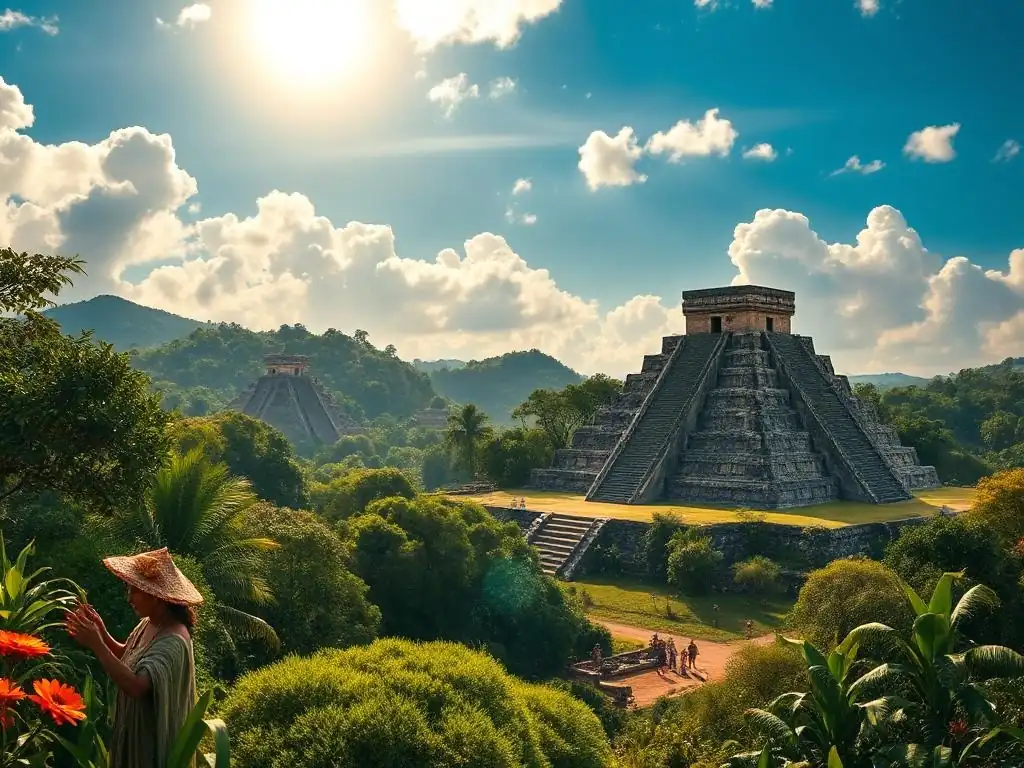
Welcome to Indigenous Civilizations of the Americas, where we invite you to journey through the rich tapestry of diverse cultures that flourished long before European colonization. Delve into the fascinating world of the Mayans with our featured article, "The Cosmic Order: Understanding Mayan Cosmology and Its Influence on Daily Life." Discover how the intricate beliefs and celestial understandings of the Mayans shaped their daily routines, societal structures, and enduring legacy. Are you ready to uncover the profound connections between the cosmos and the everyday lives of this remarkable civilization? Explore further and ignite your curiosity!
Mayan cosmology serves as a profound framework through which the ancient Maya understood their world, intertwining the celestial with the terrestrial. This intricate belief system encompassed not only the cosmos but also provided guidance for daily life, social organization, and spiritual practices.
By exploring the depths of Mayan cosmology, we can uncover how these ancient people perceived their universe and the significant ways in which these beliefs influenced their daily activities, rituals, and societal structures. This article will delve into the key elements of Mayan cosmology, shedding light on its definition, importance, and the celestial bodies and mythological beings that shaped the worldview of the Mayan civilization.
Introduction to Mayan Cosmology
Definition of Mayan Cosmology
Mayan cosmology can be defined as the set of beliefs and practices that the Maya developed to interpret the universe and their place within it. This cosmological framework was not just theoretical; it was deeply embedded in their daily lives and rituals, guiding everything from agricultural practices to political decisions.
- Key Features of Mayan Cosmology:
- The cyclic nature of time.
- The interconnection between the cosmos and human existence.
- The reverence for celestial bodies and mythological entities.
Importance of Cosmology in Mayan Society
The significance of cosmology in Mayan society cannot be understated. It influenced various aspects of their culture, including:
- Agriculture: Seasonal cycles dictated by celestial movements were essential for planting and harvesting.
- Rituals and Ceremonies: Many rituals were performed in alignment with cosmological events, such as solstices or eclipses, to ensure harmony with the universe.
- Social Structure: Leaders often claimed divine connections, legitimizing their authority through cosmological beliefs.
Key Elements of Mayan Cosmology
The Concept of Time in Mayan Cosmology
Time in Mayan cosmology is perceived as cyclical rather than linear. The Maya developed a sophisticated calendar system that included:
- Tzolk'in: A 260-day ritual calendar.
- Haab': A 365-day solar calendar.
- Long Count: Used to track longer periods, allowing for historical record-keeping.
This intricate understanding of time was fundamental in planning agricultural activities, festivals, and other social events, emphasizing the harmony between human life and the cosmos.
The Role of the Sun, Moon, and Stars
Celestial bodies played a pivotal role in Mayan cosmology. The sun was revered as a powerful deity, vital for life and agricultural cycles. The moon, often associated with fertility and femininity, also held significant importance. The stars, particularly the Pleiades, were used for navigation and marking seasonal changes.
- Symbolism of Celestial Bodies:
- The Sun: Life-giving and transformative.
- The Moon: Reflective and nurturing.
- The Stars: Guiding forces for both the living and the dead.
Mythological Beings and Their Significance
Mayan cosmology is rich with mythological beings that embody natural forces and concepts. These deities were integral to the Mayan understanding of the universe and their role within it. Important figures include:
- Itzamná: The creator god associated with wisdom and the sky.
- Kukulkan: The feathered serpent god, representing the link between earth and heaven.
- Ah Puch: The god of death, overseeing the underworld.
These mythological figures not only influenced rituals and ceremonies but also served as moral exemplars and cautionary tales for the Maya, deeply embedding their beliefs within the daily fabric of life.
Mayan cosmology is a complex and rich belief system that intricately connects the heavens and the earth, shaping the daily lives of the Maya in profound ways. By understanding these elements, we can appreciate the depth and significance of their ancient civilization.
Mayan Cosmology and Its Influence on Daily Life
Mayan cosmology is a complex belief system that intricately weaves together the natural world, celestial bodies, and the spiritual realm. It was foundational to the Mayan understanding of existence and significantly impacted various aspects of daily life. The Mayans viewed the universe as a dynamic and interconnected entity, where actions in the earthly realm were believed to influence the cosmos and vice versa.
This belief encouraged a profound respect for nature and a commitment to harmony within their environment. As a result, the cosmological beliefs of the Mayans permeated their societal structures, agricultural practices, religious rituals, and even their architectural designs.
The influence of Mayan cosmology can be seen in the way the Mayans organized their communities, aligning their activities and daily routines with celestial events. For example, the positioning of their settlements often considered the sun’s path and other astronomical phenomena. This alignment wasn’t merely for aesthetic purposes; it represented a deeper understanding of how the cosmos influenced agricultural cycles, social events, and spiritual practices. The enduring legacy of these beliefs continues to resonate in various indigenous cultures throughout the region, reinforcing the idea that daily life is a reflection of a larger cosmic order.
Agricultural Practices Influenced by Cosmology
Agriculture was central to Mayan civilization, and their cosmological beliefs directly shaped their farming practices. The Mayans believed that the gods controlled agricultural production, which led them to develop elaborate rituals and ceremonies to ensure bountiful harvests. They closely observed celestial bodies, particularly the sun and moon, to determine the optimal planting and harvesting times. For instance, the first planting of maize was often timed with specific astronomical events, such as the rising of certain stars or the equinoxes, which were thought to favor growth.
Moreover, the Mayans cultivated a wide variety of crops, including maize, beans, squash, and chili peppers, using techniques that reflected their understanding of the cycles of nature. The concept of the "Three Sisters," which involves planting maize, beans, and squash together, was not only a practical agricultural strategy but also a reflection of their cosmological belief in balance and harmony among the elements. These practices ensured sustainability and aligned with their spiritual beliefs, reinforcing the connection between their agricultural success and their cosmological worldview.
Rituals and Ceremonies Reflecting Cosmological Beliefs
Rituals and ceremonies were vital components of Mayan life, deeply rooted in their cosmological beliefs. The Mayans performed numerous ceremonies to honor their gods and seek their favor, particularly in relation to agriculture, health, and community well-being. These rituals often included offerings, music, dance, and even bloodletting, which were believed to maintain balance in the universe and appease the deities.
For instance, during the planting season, rituals would be conducted to invoke the rain god, Chaac, ensuring sufficient rainfall for crops. The ceremonies not only reinforced communal bonds among the Mayans but also served as a way to educate future generations about their cosmological beliefs and the importance of living in harmony with the universe. Festivals, such as the celebration of the new year or the Day of the Dead, were also deeply intertwined with cosmological themes, marking significant celestial events and transitions in the agricultural calendar.
Architectural Structures Inspired by Cosmology
Mayan architecture is renowned for its grandeur and complexity, and many structures were designed with cosmological significance in mind. Temples, pyramids, and ceremonial centers were often aligned with astronomical events, reflecting the Mayans' deep understanding of celestial mechanics. For example, the alignment of El Castillo in Chichen Itza with the sun during the equinox demonstrates how architecture served both a practical and spiritual purpose.
These structures were not merely functional; they served as physical manifestations of the Mayan worldview. The temples were seen as sacred spaces where the earthly realm connected with the divine, and their construction was often accompanied by rituals to ensure the favor of the gods. The placement of buildings within a city, as well as their orientation, was carefully considered to align with celestial events, reinforcing the idea that daily life was an extension of cosmic principles.
The Calendar Systems in Mayan Cosmology
The Mayan calendar systems were essential tools for understanding time and the cyclical nature of existence, intricately tied to their cosmology. The Mayans developed complex calendar systems that tracked celestial movements and agricultural cycles, serving both practical and spiritual purposes. The Tzolk'in and Haab' calendars were two primary systems, each with distinct functions and significance within Mayan society.
Overview of the Tzolk'in and Haab' Calendars
The Tzolk'in calendar consists of 260 days and combines 20 different day names with 13 numbers, creating a unique cycle that was crucial for ceremonial and religious purposes. This calendar was often used to determine auspicious dates for rituals and events, reflecting the belief that time was a sacred entity governed by divine forces. Each day was associated with specific deities and energies, guiding the Mayans in their daily activities and spiritual practices.
In contrast, the Haab' calendar is a solar calendar consisting of 365 days divided into 18 months of 20 days each, with an additional short month of five days. This calendar was primarily used for agricultural planning and societal organization, aligning farming activities with the solar year. The combination of the Tzolk'in and Haab' calendars allowed the Mayans to create a comprehensive understanding of time that was both cyclical and linear, reflecting their cosmological beliefs and influencing every aspect of their daily life.
The Role of Calendar in Daily Activities and Festivals
Calendars were pivotal in structuring daily life for the Mayans, dictating not only agricultural practices but also social events and religious ceremonies. The interplay between the Tzolk'in and Haab' calendars allowed them to schedule festivals and rituals that coincided with significant cosmic events, such as solstices and equinoxes. For example, the new year celebrations were intricately planned according to the Haab' calendar, ensuring that they aligned with the agricultural cycles essential for the community's survival.
Moreover, the observance of specific days in the Tzolk'in calendar would guide individuals in making decisions, from personal matters to community governance. The calendars served as a constant reminder of the interconnectedness of time, nature, and the divine, reinforcing the Mayans' belief in living harmoniously within the cosmic order. This profound relationship between their calendar systems and daily life exemplifies how Mayan cosmology was not just a theoretical framework but a practical guide that shaped their civilization.
Spiritual Practices and Mayan Cosmology
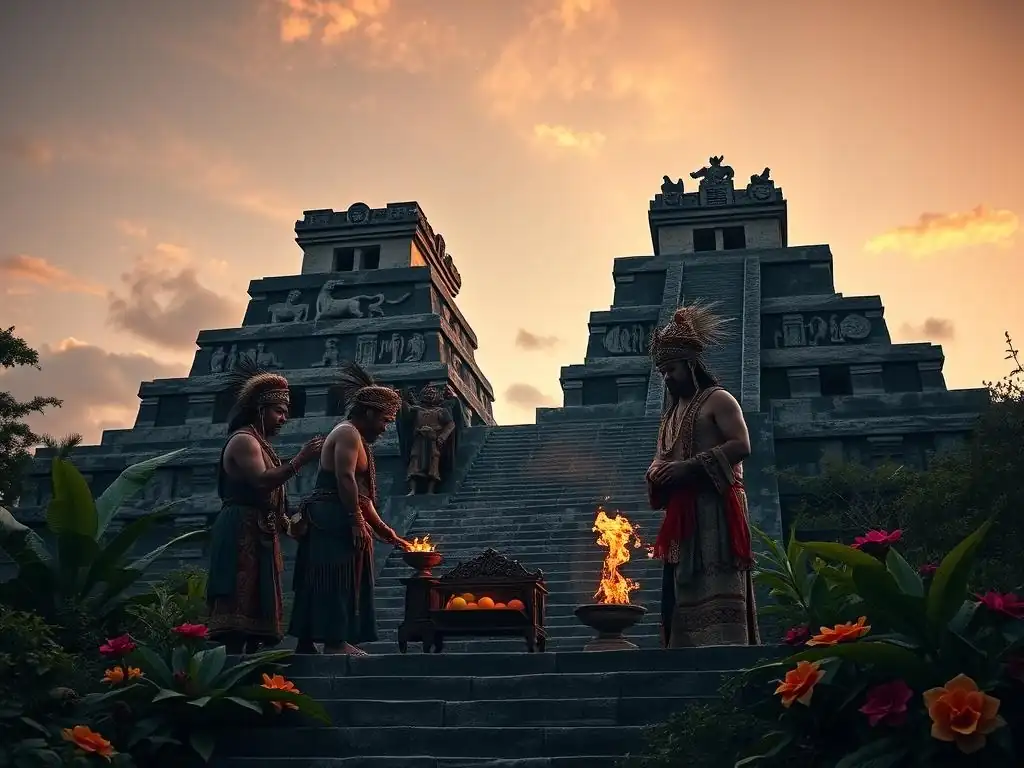
Mayan cosmology is deeply intertwined with the spiritual practices of the Maya civilization, forming a framework that influenced their worldview and daily activities. The Maya believed that the cosmos was a living entity, with various layers that interconnected the physical and spiritual realms. This belief system dictated their rituals, ceremonies, and the importance placed on aligning their actions with cosmic cycles.
Central to these spiritual practices was the understanding of time and its cyclical nature. The Maya utilized complex calendars, such as the Tzolk'in and the Haab', to track celestial events and agricultural cycles, which were crucial for their survival. These calendars were not merely tools for marking days; they were sacred instruments that dictated the timing of rituals and agricultural activities. Consequently, the Maya’s spiritual practices, including offerings, dances, and ceremonies, were intricately choreographed to the rhythms of the cosmos, reflecting their deep reverence for the universe.
Moreover, the spiritual practices of the Maya were often expressed through art and architecture. Temples and pyramids were designed to align with celestial bodies, serving as conduits between the earthly and spiritual realms. This alignment demonstrated the Maya's understanding of their place within the cosmos and the importance of maintaining harmony with it.
Sacred Spaces and Their Connection to Cosmology
Sacred spaces held significant importance in Mayan cosmology, acting as physical manifestations of their beliefs about the universe. These spaces were often strategically located to align with celestial events, ensuring that the Maya could engage with their gods and the cosmos in meaningful ways.
One of the most notable sacred sites is Tikal, a major Mayan city that features temples and plazas aligned with astronomical phenomena. During equinoxes and solstices, specific structures would cast shadows or align perfectly with the sun, reinforcing the connection between the terrestrial and celestial worlds. These alignments were not coincidental; they were meticulously planned to serve as reminders of the cosmos’ influence on daily life.
In addition to monumental architecture, the Maya created smaller sacred spaces, such as altars and shrines, within their homes and communities. These spaces were adorned with offerings, including food, incense, and symbolic items, which served to honor deities and seek their favor. The presence of these sacred spaces in daily life highlighted the ongoing relationship between the Maya and their cosmological beliefs, emphasizing the need for constant engagement with the spiritual world.
Shamanistic Practices and Cosmological Beliefs
Shamanism played a pivotal role in the spiritual practices of the Maya, serving as a bridge between the physical world and the spiritual realms. Shamans, or spiritual leaders, were believed to possess the ability to navigate the cosmos, accessing knowledge and guidance from the gods and ancestors. This role was crucial, as shamans conducted rituals that aligned with cosmic events, ensuring that their communities remained harmonious with the universe.
Through various techniques, including trance and meditation, shamans would enter altered states of consciousness to communicate with spiritual entities. These experiences were not random but were often synchronized with significant cosmic events, such as eclipses or solstices. The timing of these rituals was essential, as the Maya believed that the energies of the cosmos were particularly potent during these periods.
Shamanistic practices also involved the use of sacred plants, which were believed to enhance spiritual experiences and facilitate communication with the divine. These practices reinforced the belief that the cosmos was alive and that every element within it contributed to the overall balance and order of existence. Thus, shamanism was not only a spiritual practice but also a vital aspect of the Mayan understanding of their place within the cosmic order.
Modern Interpretations of Mayan Cosmology
Mayan cosmology continues to hold relevance in contemporary society, influencing modern interpretations and practices among descendants of the Maya. While many aspects of traditional beliefs have been altered or adapted over time, the core principles of Mayan cosmology remain vital in understanding cultural identity and heritage.
Influence on Contemporary Indigenous Practices
In many contemporary Indigenous communities, the foundational beliefs of Mayan cosmology are being revived and integrated into daily life. Rituals and ceremonies that honor the cosmos, the earth, and ancestral spirits are still practiced, providing a sense of continuity and connection to their heritage. These practices often occur during significant celestial events, reflecting the enduring significance of cosmic cycles in agricultural practices and community gatherings.
Additionally, the resurgence of traditional knowledge among younger generations is fostering a renewed interest in ancient practices. This revival is not merely nostalgic; it emphasizes the importance of environmental stewardship, community cohesion, and spiritual fulfillment, all of which are rooted in a cosmological framework that respects the interconnectedness of life.
The Relevance of Mayan Cosmology in Modern Society
Mayan cosmology has transcended its historical context, finding relevance in modern discussions around sustainability, spirituality, and cultural identity. In an era marked by environmental crises and disconnection from nature, the holistic worldview embodied in Mayan cosmology offers valuable insights into living harmoniously with the earth.
Many scholars and practitioners advocate for integrating Indigenous cosmologies into contemporary environmental practices, suggesting that the principles of balance, reciprocity, and respect for nature can inform sustainable living. By recognizing the wisdom embedded in Mayan cosmology, society can learn to appreciate the intrinsic connections between humans, nature, and the cosmos, fostering a more respectful and sustainable approach to our existence.
The ongoing exploration and interpretation of Mayan cosmology provides a pathway for understanding the profound impact of these ancient beliefs on daily life, both historically and in contemporary contexts. The Maya's intricate relationship with the cosmos continues to inspire and inform practices that honor their legacy and promote a more interconnected world.
Conclusion: The Lasting Legacy of Mayan Cosmology
Mayan cosmology is a profound system of beliefs that intricately weaves together the natural world, celestial observations, and cultural identity. It is more than just a framework for understanding the universe; it is a guiding principle that influenced many aspects of daily life among the Maya. From agricultural practices aligned with celestial events to rituals and ceremonies designed to maintain harmony with their environment, the Mayans demonstrated how cosmological beliefs shaped their society's structure and function.
The legacy of Mayan cosmology is not confined to the past; it continues to be a vital part of the cultural heritage of indigenous communities in Mesoamerica. The intricate knowledge of astronomy, mathematics, and timekeeping developed by the Mayans laid the groundwork for various academic fields and provides valuable insights into how human societies can coexist with nature. This enduring legacy encourages modern society to reflect on the interconnectedness of life and the universe.
Summary of Key Points
- Interconnectedness of Life and the Cosmos: Mayan cosmology emphasizes the relationship between humans, nature, and the celestial bodies, reflecting a worldview that sees all elements as interconnected.
- Influence on Daily Practices: The Mayans incorporated cosmological beliefs into daily life, influencing everything from agricultural cycles to social rituals, highlighting the practical implications of their cosmological views.
- Cultural Identity: Cosmology served as a foundational element of Mayan cultural identity, shaping their myths, art, and societal structures, which were all imbued with cosmic significance.
- Astronomical Knowledge: Their advanced understanding of astronomy and timekeeping, exemplified by the intricate calendar systems, reflects the sophistication of Mayan scholarly achievements.
- Enduring Impact: The principles of Mayan cosmology continue to resonate within modern indigenous practices and are integral to understanding the historical context of contemporary Mesoamerican cultures.
The Importance of Understanding Mayan Cosmology Today
Understanding Mayan cosmology is crucial for several reasons. Firstly, it provides insight into how ancient civilizations interpreted their world, offering lessons on sustainability, respect for nature, and community cohesion. In an age where environmental concerns are paramount, the Mayan perspective can inspire modern practices that prioritize ecological balance and holistic living.
Secondly, recognizing the depth of Mayan cosmology helps combat the historical narrative that often overlooks indigenous contributions to science, philosophy, and culture. By acknowledging the sophistication of their cosmological beliefs, we honor the achievements of the Mayan civilization and the resilience of indigenous cultures today.
Lastly, understanding these beliefs fosters appreciation for cultural diversity and encourages dialogue about the role of spirituality in contemporary life. As we navigate the complexities of our modern existence, the wisdom embedded in Mayan cosmology can serve as a reminder of the importance of interconnectedness, community, and reverence for the natural world.
- Introduction to Mayan Cosmology
- Key Elements of Mayan Cosmology
- Mayan Cosmology and Its Influence on Daily Life
- The Calendar Systems in Mayan Cosmology
- Spiritual Practices and Mayan Cosmology
- Modern Interpretations of Mayan Cosmology
- Conclusion: The Lasting Legacy of Mayan Cosmology
Frequently Asked Questions
What is Mayan cosmology?
Mayan cosmology refers to the complex belief system of the Maya civilization, encompassing their understanding of the universe, creation myths, and the interconnectedness of celestial bodies and earthly life.
How did Mayan cosmology influence daily life?
Mayan cosmology significantly influenced daily life by dictating agricultural practices, ceremonial events, and social organization, as the Maya aligned their routines with celestial cycles and religious observances.
The Maya made remarkable achievements in astronomy, creating precise calendars and mathematical systems that reflected their deep understanding of celestial movements and timekeeping.
How did the Maya view the relationship between humans and the cosmos?
The Maya believed in a harmonious relationship between humans and the cosmos, where humans played a crucial role in maintaining the balance through rituals and offerings to the gods.
What is the significance of rituals in Mayan cosmology?
Rituals were vital in Mayan cosmology as they served to connect the community with the divine, ensuring prosperity and favor from the gods, which was essential for survival and social order.
Final Reflection: Embracing the Cosmic Order in Daily Life
The intricate tapestry of Mayan cosmology continues to resonate profoundly in our contemporary world, reminding us that our existence is intertwined with the universe. As we explore the celestial influences that shaped the Mayan civilization, we uncover timeless principles that can guide our own lives today. The wisdom of the ancients teaches us that understanding our place within the cosmic order is not merely an academic pursuit but a vital aspect of living harmoniously with ourselves and the world around us.
Mayan cosmology has left an indelible mark on cultural practices, social structures, and even personal rituals that persist in various forms today. The reverence for celestial bodies and their cycles fosters a deeper connection to nature and encourages mindfulness in our daily routines. As the renowned Mayan scholar, The universe is a living entity, and we are but a small part of its grand design,
reminds us of our role within this vast cosmic framework. This perspective invites us to reflect on how we can incorporate these ancient teachings into our modern lives, fostering a sense of balance and purpose.
As we conclude this exploration of Mayan cosmology and its influence on daily life, I invite you to pause and consider how the lessons of the ancients can enrich your own journey. Take a moment to reflect on your relationship with the cosmos—how can you align your daily practices with the rhythms of nature? Embrace the opportunity to cultivate a deeper understanding of your place in the universe, and let the wisdom of the Mayans inspire you to live with intention, harmony, and a profound appreciation for the cosmic order that surrounds us.
Unlock the Secrets of Mayan Cosmology Today!
Thank you for delving into the fascinating world of Mayan cosmology! Your interest in this rich and intricate belief system not only expands your knowledge but also deepens your appreciation for Indigenous wisdom. Now it's time to take that curiosity further and put your understanding into action.
- Explore a local museum or cultural center that features Indigenous artifacts and exhibitions, allowing you to engage with the teachings of ancient cultures.
- Create a personal ritual inspired by Mayan principles, integrating mindfulness and a deeper connection to nature into your daily life.
- Share your insights with friends and family, sparking meaningful conversations about the importance of cultural appreciation and awareness.
As you reflect on Mayan cosmology, consider this: How might embracing these ancient principles enhance your daily life and strengthen your connections to the world around you?