
Exploring Mayan Mathematics: The Concept of Zero and Its Global Impact

Welcome to Indigenous Civilizations of the Americas, where we invite you to embark on a captivating journey through the rich tapestry of indigenous cultures that flourished long before European contact. Our focus today is on the intriguing world of Mayan mathematics, particularly the revolutionary concept of zero—a numerical innovation that not only transformed mathematical thought within the Mayan civilization but also left a profound legacy on global mathematics.
As you delve deeper into this article, you'll uncover the brilliance of Mayan scholars and the impact of their discoveries, igniting your curiosity about how these ancient societies shaped our understanding of the world today. Join us in exploring the extraordinary achievements of the Mayans and their enduring influence!
The ancient Mayan civilization, renowned for its rich cultural heritage and scientific achievements, made significant strides in mathematics that have left an indelible mark on the world. One of the most groundbreaking contributions from this remarkable society is the concept of zero, a mathematical idea that transcends cultures and has influenced modern mathematics.
In this article, we will delve into the intricacies of Mayan mathematics and the concept of zero, exploring how these early mathematical innovations not only reflect the sophistication of Mayan society but also their profound impact on global mathematics. By examining the development, use, and implications of zero within the Mayan numerical system, we can gain a deeper understanding of how this ancient civilization shaped mathematical thought and its relevance today.
The Mayan Numerical System: An Overview
The Mayan civilization developed a unique and highly advanced numerical system that was vigesimal, meaning it was based on the number 20. This system utilized a combination of dots and bars to represent numbers, with a dot symbolizing one unit and a bar representing five units. The Mayans also introduced the concept of a shell symbol to denote zero, which was revolutionary for its time.
Structure of the Mayan Number System
- Digits: Mayans used three primary symbols:
- Dots (•) for units
- Bars (—) for fives
- The shell symbol for zero (0)
- Place Value: The Mayan numerical system was positional, meaning the position of a symbol indicated its value. For example:
- The first position represented units (0-19)
- The second position represented 20s (0-19 times 20)
- The third position represented 400s (0-19 times 400), and so on.
This hierarchical structure allowed the Mayans to perform complex calculations and record astronomical observations with remarkable precision.
The Significance of Zero in Mayan Mathematics
The introduction of zero as a placeholder was an extraordinary advancement in mathematical thought. For the Mayans, zero was not simply an absence of quantity; it held a significant place in their advanced calculations and record-keeping.
Impact on Mathematical Calculations
- Facilitating Complex Calculations: The use of zero allowed the Mayans to perform addition, subtraction, multiplication, and division more effectively. It enabled them to:
- Simplify calculations
- Avoid confusion in large numbers
- Develop a more sophisticated mathematical framework
- Astronomical Calculations: The Mayans were keen astronomers, and the ability to accurately calculate celestial events was crucial. The concept of zero helped them maintain calendars and predict solar and lunar cycles.
The Global Influence of Mayan Mathematics
The concept of zero did not remain confined to the Mayan civilization; its influence can be traced across cultures and time periods, shaping the development of mathematics globally.
Transmission of Knowledge
- Cultural Exchange: The spread of Mayan knowledge can be attributed to trade and cultural exchanges with neighboring civilizations, including the Aztecs and the Incas.
- Integration into Other Mathematical Systems: The concept of zero eventually made its way into European mathematics through translations of Arabic texts, which had already adopted the numeral system from Indian mathematicians.
This cross-cultural journey of mathematical ideas highlights how the early innovations of the Mayans laid foundational stones for modern mathematical understanding and practice.
Conclusion
The exploration of Mayan mathematics and the concept of zero provides a window into the intellectual achievements of one of history's most fascinating civilizations. As we unravel the complexities of their numerical system and acknowledge the significance of zero, we recognize the enduring legacy of the Mayans in shaping mathematical thought across the globe. Their contributions remind us that the journey of knowledge is interconnected and that the seeds of innovation can sprout in diverse cultures, leaving a lasting impact on humanity.
- The Mayan Numerical System: An Overview
- The Significance of Zero in Mayan Mathematics
- The Global Influence of Mayan Mathematics
- Conclusion
Introduction to Mayan Mathematics
Mayan mathematics is a remarkable aspect of the intellectual achievements of the ancient Maya civilization, which thrived in Mesoamerica from around 2000 BCE until the arrival of Europeans in the 16th century. The Maya developed a sophisticated numerical system that included the concept of zero, a revolutionary idea that profoundly influenced mathematics globally. This section delves into the significance of Mayan mathematics, particularly focusing on its unique features and the cultural context in which it developed.
Overview of Mayan Civilization's Scientific Achievements
The Maya civilization is celebrated for its extensive contributions to various fields, including astronomy, architecture, and mathematics. Among their most notable scientific achievements is the development of a vigesimal (base-20) numeral system, which was intricately linked to their calendar and astronomical observations.
- Numerical System: The Mayan numeral system utilized a combination of dots and bars to represent numbers, where:
- A dot (•) represented one unit.
- A bar (—) represented five units.
- A shell symbol (𐩔) represented zero.
| Symbol | Representation |
|---|---|
| • | 1 |
| — | 5 |
| 𐩔 | 0 |
- Calendar Systems: The Maya created complex calendar systems, such as the Tzolk'in and the Haab', which required precise mathematical calculations to track celestial events and agricultural cycles.
- Astronomy: The Maya were adept astronomers, using their mathematical skills to predict solar and lunar eclipses as well as the cycles of Venus. Their observations were meticulously recorded in codices.
The integration of mathematics into their daily lives and cultural practices highlights the importance of numerical understanding in Mayan society, showcasing how their achievements laid the groundwork for future scientific advancements.
Importance of Mathematics in Mayan Society
Mathematics played a pivotal role in various aspects of Mayan society, serving not only practical functions but also fulfilling spiritual and ritualistic purposes.
- Agriculture: Accurate calculations related to planting and harvesting cycles were essential for agricultural success. The Maya relied on mathematical principles to optimize crop yields and manage resources effectively.
- Architecture and Engineering: The construction of monumental structures, such as pyramids and temples, required precise mathematical planning. The Maya's understanding of geometry enabled them to create impressive architectural feats that have withstood the test of time.
- Cultural Significance: Mathematics was intertwined with Mayan cosmology and rituals. Certain numbers, particularly those derived from their calendar systems, held symbolic meaning, influencing religious practices and ceremonies.
- Legacy of Zero: The introduction of zero as a placeholder in their numeral system was groundbreaking. This concept not only streamlined calculations but also laid the foundation for more complex mathematical ideas. The Mayan understanding of zero predates its acknowledgment in other ancient cultures, affirming their advanced intellectual capabilities.
Mayan mathematics, particularly the innovative concept of zero, reflects the civilization's deep understanding of numerical systems and their applications. This knowledge not only facilitated their societal functions but also contributed significantly to the global history of mathematics, influencing later civilizations across the world.
The Concept of Zero in Mayan Mathematics
Definition and Significance of Zero in Mathematics
The concept of zero is a fundamental pillar in mathematics, serving as a placeholder and a symbol of absence. In the context of Mayan mathematics, zero was not merely a numeral; it embodied a sophisticated understanding of numerical systems. The Mayans developed a vigesimal (base-20) numeral system, where zero played a crucial role in enabling complex calculations and record-keeping.
Zero's significance extends beyond mere arithmetic; it represents the idea of nothingness and serves as a critical turning point in mathematical thought. In the Mayan civilization, zero allowed for the differentiation between values, making it possible to express large numbers efficiently and accurately. For instance, the Mayan numerical glyph for zero is often depicted as a shell, symbolizing the void or absence of quantity.
Historical Context of Zero in Ancient Cultures
The emergence of zero as a concept can be traced back to several ancient cultures, each contributing to its evolution. While the Babylonian civilization employed a placeholder in their sexagesimal (base-60) system, it lacked a true representation of zero. Similarly, the Greeks and Romans did not incorporate zero into their numeral systems, which limited their ability to perform complex calculations.
However, the Mayans, along with contemporaneous cultures in India, recognized the need for a symbol that represented the absence of quantity. By the 4th century CE, the Mayans had established a numeral system that included zero, making them one of the earliest civilizations to do so. This innovation paralleled developments in India, where mathematicians like Brahmagupta formalized the rules surrounding zero.
| Culture | Notable Contributions to Zero |
|---|---|
| Mayans | Developed a shell symbol for zero |
| Babylonians | Used a placeholder but lacked a true zero |
| Indians | Formalized rules for zero's use |
| Greeks/Romans | Did not incorporate zero |
How the Mayans Conceptualized Zero
The Mayans conceptualized zero as an integral part of their mathematical framework. Unlike many ancient cultures that viewed zero with skepticism, the Mayans embraced it, recognizing its utility in calculations. They used zero in various contexts, such as astronomy, calendar calculations, and accounting.
In Mayan mathematics, zero was not simply an absence of quantity but a valuable component of their numeral system. For example, the Mayan calendar relied heavily on precise calculations of time and celestial events, where the inclusion of zero allowed for accurate tracking of cycles. Furthermore, the Mayans utilized zero in their architectural designs and agricultural planning, showcasing its application in both practical and ceremonial contexts.
The sophistication of Mayan mathematics, highlighted by the concept of zero, illustrates their advanced understanding of numerical relationships. This foundational idea significantly influenced subsequent mathematical thought, both in the Americas and globally. The recognition and integration of zero into their system mark the Mayans as pioneers in the history of mathematics, leaving a legacy that resonates through centuries.
The Mayan understanding of zero not only exemplifies their mathematical ingenuity but also underscores the importance of this concept in shaping the future of mathematics worldwide.
Development of the Mayan Numerical System
The Mayan numerical system is a fascinating aspect of their culture, showcasing a sophisticated understanding of mathematics that was integral to their society. Developed around 300 AD and flourishing until the Spanish conquest in the 16th century, this system was not merely a means of counting but a reflection of the Mayans' complex worldview and their need for precise calculations in various aspects of life, including astronomy, agriculture, and trade.
The foundation of Mayan mathematics is based on a vigesimal (base-20) numeral system, which is distinct from the decimal (base-10) system prevalent in many other cultures. The Mayans utilized a combination of dots, bars, and a shell symbol to represent numbers, allowing them to express large values efficiently. The significance of zero in this numerical system cannot be overstated; it was a revolutionary concept at the time and played a critical role in their calculations.
Structure of the Mayan Numerical System
The structural components of the Mayan numerical system are characterized by three primary symbols:
- Dot (•): Represents a value of 1.
- Bar (—): Represents a value of 5.
- Shell (ꞵ): Represents zero.
Using these symbols, the Mayans could represent numbers in a stacked format, with the lowest values at the bottom. Each level of the stack increases in value based on powers of twenty. For instance, the first level (bottom) represents values from 0 to 19, the second level (middle) represents values from 20 to 399 (20^1), and the third level (top) represents values from 400 to 7,999 (20^2).
This stratified approach allowed the Mayans to perform complex calculations and represent large numbers accurately. For example, the number 273 would be represented as:
- Two bars (representing 10) and three dots on the bottom level (representing 3) for 13,
- One shell on the second level for 0,
- One dot on the third level for 1 (representing 400).
Base-20 System: Understanding the Vigesimal System
The vigesimal system used by the Mayans diverges from the more common decimal system in significant ways. This base-20 system is thought to have been influenced by the counting of fingers and toes, which totals twenty. As a result, each position in a Mayan numeral has a base of twenty, leading to a unique method of counting and calculating.
In practical terms, this means that the Mayans were adept at performing arithmetic operations such as addition, subtraction, multiplication, and division using their vigesimal system. For instance, understanding how to add 20 in this system involves carrying over to the next higher level instead of simply adding to the same level as in decimal systems. This complexity allowed the Mayans to engage in advanced mathematical concepts, including the calculation of time and the tracking of astronomical events.
The concept of zero is particularly noteworthy in this context. The Mayans were among the first cultures to use a placeholder for zero, which was crucial for distinguishing between numbers like 10 and 100. This innovation not only facilitated more complex calculations but also laid the groundwork for future mathematical advancements globally.
Comparison of Mayan Numerical System with Other Ancient Systems
When comparing the Mayan numerical system to other ancient systems, several distinct features emerge:
| Feature | Mayan System | Babylonian System | Roman Numerals |
|---|---|---|---|
| Base | 20 (vigesimal) | 60 (sexagesimal) | 10 (decimal) |
| Zero Representation | Yes (shell symbol) | Yes (space) | No |
| Symbols Used | Dots, bars, and shell | Cuneiform symbols | Letters (I, V, X, etc.) |
| Complexity of Calculations | High (including advanced math) | High (but less efficient) | Low (limited operations) |
| Stacked Representation | Yes | No | No |
The Mayan system's use of zero distinguishes it from Roman numerals, which lack a concept of zero and thus cannot represent certain values efficiently. In contrast, the Babylonian system, despite being sexagesimal, also incorporated zero but did not have a dedicated symbol for it.
The Mayan numerical system stands out for its innovative use of zero and a vigesimal base, enabling complex calculations that were essential for their advanced civilization. The impact of Mayan mathematics, particularly the concept of zero, resonates even today, influencing mathematical thought across cultures and time.
The Role of Zero in Mayan Mathematics
The concept of zero holds a significant place in the realm of mathematics, particularly within the context of Mayan civilization. The Maya were not only adept at arithmetic but also developed a sophisticated numerical system that incorporated the concept of zero as an essential component. This innovation allowed them to perform complex calculations and record astronomical events with precision. Understanding the role of zero in Mayan mathematics highlights their advanced intellectual achievements and the far-reaching implications of their numerical innovations.
Zero as a Placeholder: Function and Importance
In the Mayan vigesimal (base-20) numeral system, zero served as a vital placeholder, akin to its function in modern mathematics. The Mayans utilized a symbol resembling a shell to represent zero, which enabled them to distinguish between numbers like 10 and 100, a distinction that would not be possible without the concept of zero.
- Placeholder Functionality:
- The use of zero allowed the Mayans to express large numbers effectively. For example, the number 20 was represented as "1" followed by a zero, signifying one group of twenty, while the number 200 was "2" followed by two zeros, indicating two groups of one hundred.
- Significance in Calculations:
- The inclusion of zero facilitated more accurate calculations in various contexts, including trade and astronomy. It enabled the Mayans to perform addition, subtraction, multiplication, and division with a level of sophistication that was unprecedented for their time.
The importance of zero in Mayan mathematics cannot be overstated; it marked a profound advancement in numerical representation and mathematical thought, laying the groundwork for further developments in mathematics globally.
Examples of Mathematical Operations Involving Zero
The Mayans demonstrated their mathematical prowess through various operations that included zero. Here are some notable examples:
- Addition:
- When adding numbers, the Mayans could incorporate zero seamlessly. For instance, adding 5 + 0 would result in 5, while 0 + 7 would equal 7. This straightforward operation showcases how zero maintained the integrity of numeric values.
- Subtraction:
- In subtraction, zero played a crucial role in maintaining balance. For example, if a Mayan scholar subtracted 4 from 4, the result would be 0, emphasizing that zero serves as a neutral element in mathematical operations.
- Multiplication and Division:
- The concept of zero was also pivotal in multiplication and division. Multiplying any number by zero invariably results in zero, reinforcing the idea that zero holds a unique position within the number system. For instance, 6 × 0 = 0.
- Complex Calculations:
- The Mayans employed zero in more elaborate calculations, including those related to their calendars and astronomical observations. The ability to use zero allowed them to create intricate numerical expressions that were essential for their sophisticated understanding of time and celestial events.
These examples illustrate how zero was not merely a symbol but an integral part of Mayan mathematical operations, enhancing their ability to engage with numbers in practical and theoretical contexts.
Impact of Zero on Mayan Astronomy and Calendar Systems
The impact of zero extended beyond mathematics and permeated the fields of astronomy and calendar systems in Mayan civilization. The use of zero was crucial in their sophisticated calendrical calculations and astronomical observations.
- Astronomical Predictions:
- The Mayans were adept at observing celestial bodies, and zero allowed them to create precise astronomical predictions. By using zero to denote periods of time, they could track cycles of celestial events, such as eclipses, with remarkable accuracy.
- Calendar Systems:
- The Mayan calendar was a complex system that included multiple cycles, such as the Tzolk'in (260-day calendar) and the Haab' (365-day solar calendar). The integration of zero enabled the Maya to manage these cycles effectively, allowing them to calculate dates and events over extensive periods.
- Long Count Calendar:
- The Long Count calendar, which documented historical dates over thousands of years, relied heavily on the concept of zero. This system utilized a base-20 format and included a zero placeholder to represent the absence of a time unit, enabling the Mayans to date significant historical events accurately.
The concept of zero was not only a mathematical innovation but also a cornerstone of Mayan astronomy and calendrical systems. Its application allowed for enhanced precision in tracking time and celestial events, showcasing the remarkable intellectual achievements of the Maya civilization. The legacy of Mayan mathematics and the concept of zero continues to influence mathematical thought and practices around the world.
Global Impact of Mayan Mathematics and the Concept of Zero
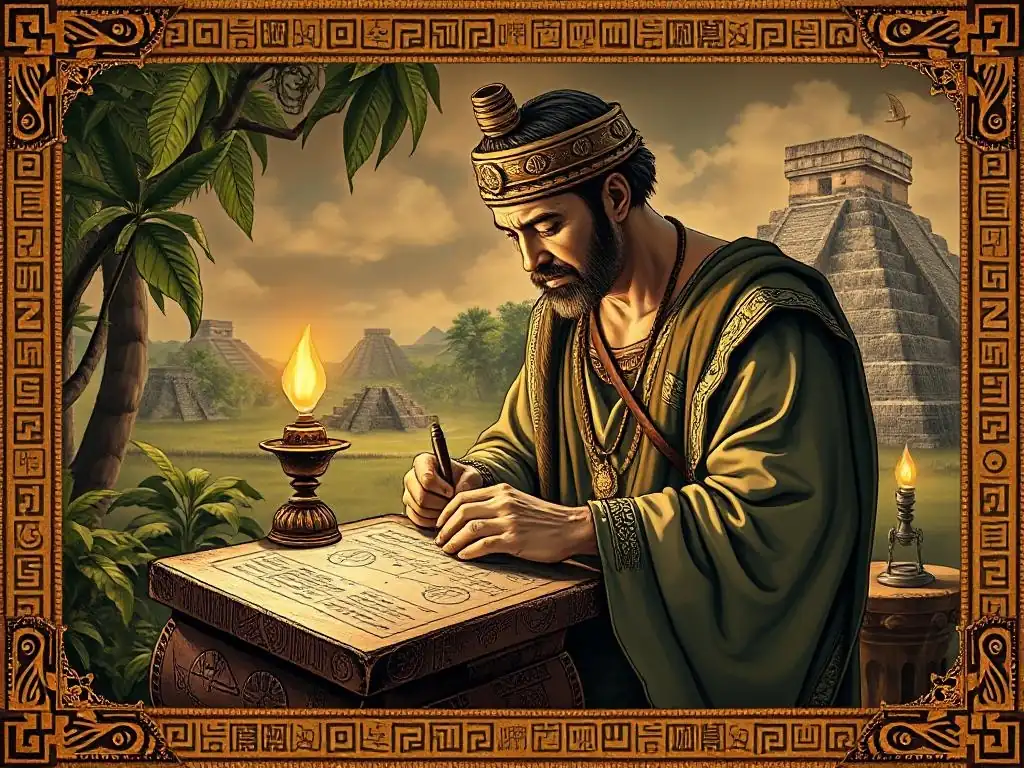
The Mayan civilization made significant contributions to the field of mathematics, particularly with their innovative use of the concept of zero. This advancement not only transformed their own numerical system but also had a profound influence on mathematics globally. The recognition and implementation of zero as a placeholder and a number in its own right enabled complex calculations and facilitated advancements in various scientific fields.
Influence on Other Cultures and Civilizations
The introduction of zero by the Mayans had a ripple effect across different cultures and civilizations. For instance, it is believed that the concept made its way to Europe through the interactions with Arab mathematicians, who had also recognized the importance of zero in their calculations.
- Transmission of Knowledge: The translation of Arabic mathematical texts into Latin during the 12th century played a crucial role in reintroducing the concept of zero to European scholars. This knowledge exchange was pivotal in the transition from Roman numerals to the more efficient Arabic numeral system.
- Cultural Integration: As civilizations encountered one another through trade and conquest, mathematical concepts—including zero—were often assimilated and adapted. For example, the adoption of zero in the Inca civilization, despite being geographically distant, shows how influential the Mayan system was, as it provided a framework for record-keeping and agricultural planning.
The global acceptance of zero ultimately paved the way for advancements in algebra, calculus, and other branches of mathematics.
The Spread of Mathematical Concepts in the Americas
In the Americas, the concept of zero was not exclusive to the Mayans. Other indigenous civilizations, such as the Aztecs and the Incas, also developed sophisticated mathematical systems that incorporated zero.
- Aztec Mathematics: The Aztec civilization utilized a vigesimal (base-20) number system that mirrored the Mayan approach. They used glyphs to represent numbers, including a symbol for zero, which facilitated trade, astronomy, and calendrical calculations.
- Inca Quipu: The Inca civilization developed a unique recording system known as quipu, which used knotted strings. This system allowed them to manage resources and communicate information, highlighting the necessity for a numerical representation that includes zero for accurate measurements.
This interconnectivity among different cultures in the Americas reflects a shared understanding and appreciation of mathematical concepts, including the critical role of zero.
The Legacy of Mayan Mathematics in Modern Mathematics
The legacy of Mayan mathematics, particularly their conception of zero, continues to influence modern mathematics and various scientific disciplines.
- Mathematical Foundations: The recognition of zero as a number is fundamental in modern arithmetic and algebra. It serves as a key element in operations, allowing for the development of complex mathematical theories and applications in engineering, physics, and computer science.
- Cultural Recognition: The contributions of the Mayans to mathematics are increasingly recognized in educational curricula, highlighting the importance of diverse perspectives in the history of mathematics. The incorporation of indigenous knowledge systems into modern educational frameworks is essential for fostering a comprehensive understanding of the subject.
The Mayan concept of zero not only revolutionized their own civilization's approach to mathematics but also laid the groundwork for future mathematical advancements across cultures, making it an invaluable component of the global mathematical heritage.
Conclusion
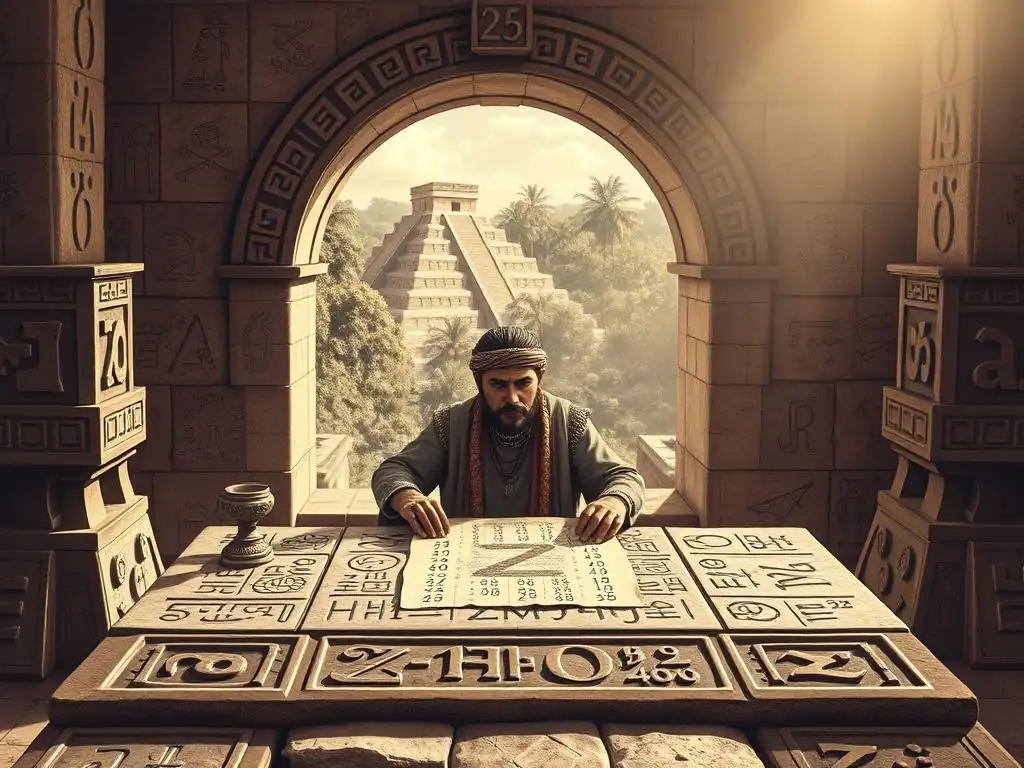
Summary of Key Points on Mayan Mathematics and Zero
Mayan mathematics is a fascinating field that highlights the sophisticated numerical systems developed by the Maya civilization. Central to this system is the concept of zero, which was remarkably advanced for its time. Here are some key points that encapsulate the significance of Mayan mathematics and the concept of zero:
- Base-20 Numerical System: The Mayans utilized a vigesimal (base-20) number system, which allowed them to perform complex calculations and record large numbers efficiently.
- Symbol for Zero: The Maya were among the first civilizations to conceptualize and use zero as a placeholder, represented by a shell glyph. This innovation facilitated advanced calculations and laid the groundwork for future mathematical concepts.
- Calendar Calculations: The application of zero was crucial in the Mayan calendar systems, which required precise arithmetic for tracking celestial events and agricultural cycles.
- Architectural Achievements: The mathematical prowess of the Mayans is evident in their architectural designs, with their ability to calculate angles and dimensions leading to the construction of magnificent pyramids and temples.
- Influence on Other Civilizations: The concept of zero and the mathematical techniques developed by the Maya had a profound impact on subsequent cultures in the Americas and contributed to the global mathematical landscape.
Reflection on the Importance of Indigenous Contributions to Mathematics
The achievements of the Maya in mathematics, particularly their understanding of zero, underscore the significant contributions of indigenous civilizations to the field of mathematics. Recognizing these contributions is essential for several reasons:
- Cultural Legacy: The Mayan advancements in mathematics are a testament to the intellectual accomplishments of indigenous peoples, challenging the narrative that equates mathematical development solely with European civilizations.
- Global Perspective: Understanding the role of zero in Mayan mathematics broadens our appreciation of how different cultures approached numerical concepts and problem-solving, highlighting a rich tapestry of mathematical thought across the globe.
- Inspiration for Future Generations: The legacy of Mayan mathematics serves as an inspiration for contemporary scholars and students, encouraging a deeper exploration of indigenous knowledge systems and their relevance in today’s world.
- Interdisciplinary Connections: The study of Mayan mathematics intersects with history, archaeology, and anthropology, fostering a multidisciplinary approach that enriches our understanding of human achievement.
The exploration of Mayan mathematics, especially the concept of zero, not only reveals the ingenuity of the Maya civilization but also emphasizes the importance of indigenous contributions to the global narrative of mathematics. As we continue to study and appreciate these achievements, we acknowledge their lasting impact on the world we live in today.
References and Further Reading
Suggested Literature on Mayan Mathematics
To delve deeper into the intriguing world of Mayan mathematics and the concept of zero, the following literature is highly recommended:
-
"Mathematics in the Americas" by John P. McDade
This book provides a comprehensive overview of mathematical systems developed in the Americas, including a significant focus on the Mayan numeral system and the revolutionary introduction of zero.
-
"The Mayan Civilization: A History from Beginning to End" by Hourly History
This historical account highlights the major achievements of the Mayan civilization, including their advancements in mathematics and astronomy, emphasizing the role of the concept of zero.
-
"Maya Mathematics: A Study of the Maya Calendar" by Linda Schele and David Freidel
In this text, the authors explore how the Mayans used mathematics in their calendar systems, offering insights into their sophisticated understanding of numerical concepts, including zero.
-
"The Mathematics of the Maya" by George E. Stuart
Stuart's work focuses on the mathematical practices of the Maya, detailing their numeral system and the significance of zero in their calculations and astronomical predictions.
-
"Numbers and the Maya: A Historical Overview" by Matthew A. Bohr
This research paper investigates the historical context of Mayan mathematics, including the development and implications of their numeral system and the adoption of zero.
Resources for Exploring Indigenous Scientific Achievements
For those interested in a broader exploration of indigenous scientific achievements, including Mayan mathematics and the concept of zero, the following resources are invaluable:
-
The American Indian Science and Engineering Society (AISES)
AISES promotes indigenous STEM education and provides resources, articles, and publications on various scientific contributions from indigenous cultures.
-
The Smithsonian National Museum of the American Indian
This museum offers exhibitions and online resources showcasing the scientific, mathematical, and technological achievements of various indigenous peoples, including the Maya.
-
The Maya Exploration Center
This organization provides educational resources and tours focused on the Mayan civilization, including their mathematical innovations and contributions to science.
-
Online Courses and Lectures
Platforms like Coursera and edX often feature courses related to indigenous mathematics and sciences, providing a modern perspective on historical achievements.
-
Journals and Articles
Academic journals such as the Journal of Latin American Studies and the Latin American Antiquity frequently publish research articles exploring various aspects of Maya society, including their mathematical innovations.
These resources serve as excellent starting points for anyone looking to deepen their understanding of Mayan mathematics and the broader context of indigenous scientific advancements.
Frequently Asked Questions
What is the significance of Mayan mathematics?
Mayan mathematics is known for its sophisticated numeral system and the use of the concept of zero, which was revolutionary for its time and influenced mathematical thought globally.
How did the Mayan civilization utilize the concept of zero?
The Mayans used zero as a placeholder in their vigesimal (base-20) numeral system, allowing for complex calculations and the representation of large numbers, showcasing their advanced understanding of mathematics.
What were some of the achievements of the Mayans in mathematics?
The Mayans developed an accurate calendar system, engaged in astronomy, and constructed complex calculations for agriculture, all of which were facilitated by their advanced mathematical concepts, including zero.
How did the concept of zero influence other cultures?
The introduction of zero by the Mayans was later adopted by other civilizations, reshaping mathematics worldwide and laying the groundwork for future developments in arithmetic and algebra.
Why is the study of Mayan mathematics important today?
Studying Mayan mathematics helps us appreciate the diverse intellectual traditions of indigenous cultures and their contributions to global knowledge, highlighting their lasting impact on mathematics and science.
Final Reflection: The Enduring Legacy of Mayan Mathematics and the Concept of Zero
**The exploration of Mayan mathematics and the concept of zero reveals a profound truth about human ingenuity: **the ability to innovate and understand complex ideas transcends time and culture. Today, as we navigate an increasingly data-driven world, the significance of zero and the mathematical frameworks developed by the Maya resonate more than ever. The concept of zero is not merely a number; it symbolizes the potential for limitless possibilities and the foundation of modern mathematics.
Mayan mathematics has shaped our understanding of numerical systems and continues to influence contemporary thought. The legacy of the Maya serves as a reminder of the rich tapestry of knowledge that different cultures contribute to our collective understanding. As we reflect on this, we can appreciate the words of mathematician Carl Friedrich Gauss: Mathematics is the queen of the sciences and number theory is its crown jewel.
This highlights the importance of recognizing and valuing the diverse origins of mathematical concepts, including those from the ancient Maya.
As we move forward, I invite you to reflect on the importance of embracing diverse perspectives in our pursuit of knowledge. Consider how the lessons from Mayan mathematics can inspire you to think creatively and approach challenges with an open mind. Let the story of the Maya and their groundbreaking concept of zero encourage you to explore the depths of your own understanding and to appreciate the interconnectedness of all cultures in shaping our world.
Unlock the Secrets of Mayan Mathematics Today!
Thank you for diving into the fascinating world of Mayan mathematics and the groundbreaking concept of zero. You've gained valuable insights into how this ancient knowledge reshaped our understanding of mathematics globally. Now, it’s time to take action and further explore this rich heritage!
- Start your journey by experimenting with Mayan math techniques—try using their numeral system for your next math problem or task!
- Engage with the community: Share your newfound knowledge on social media and encourage others to appreciate this incredible legacy.
- Dive deeper: Explore additional resources or books on Indigenous mathematics to gain a broader perspective on their impact on modern science.
What intrigues you most about the Mayan concept of zero, and how do you believe it influences our understanding of mathematics today?