
Indigenous Resistance: Maintaining Social Structures Amidst European Domination

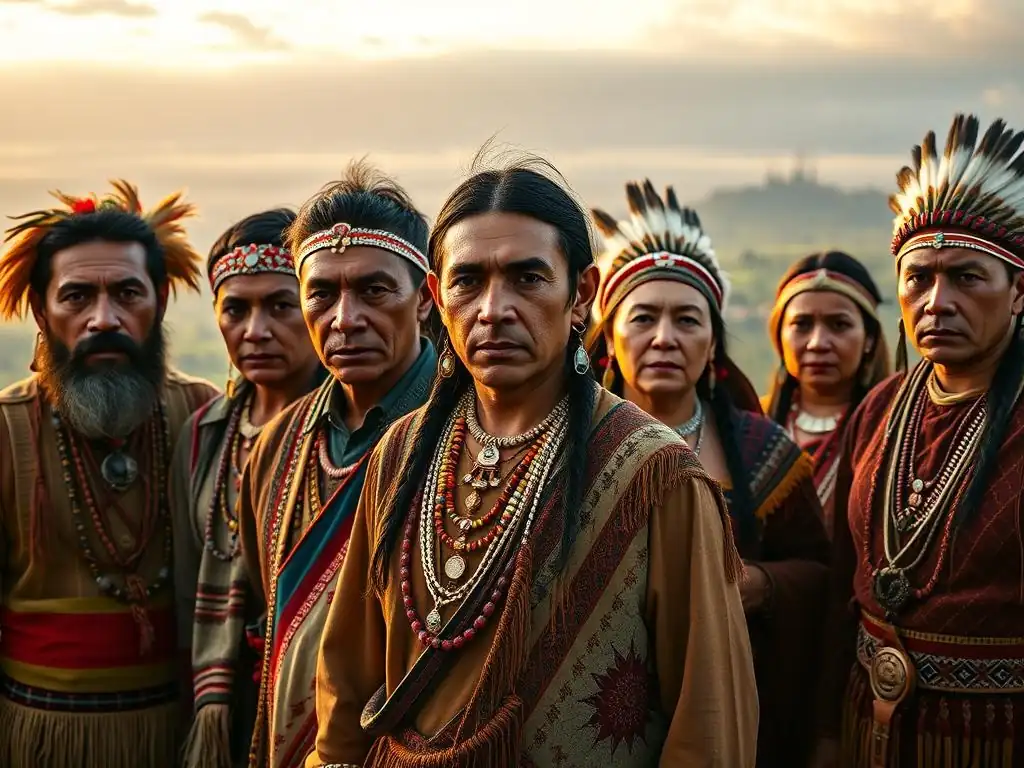
Welcome to Indigenous Civilizations of the Americas, where we invite you to embark on a journey through the rich tapestry of cultures that flourished long before European contact. Our featured article, "Indigenous Resistance: Maintaining Social Structures Amidst European Domination," delves into the remarkable ways indigenous peoples confronted and adapted to the challenges posed by European colonization. Discover the resilience and ingenuity of these societies, and explore how their enduring legacies continue to shape our world today. As you dive into this captivating exploration, prepare to uncover the powerful stories of resistance that have often been overshadowed in history.
-
Indigenous Resistance in the Americas: An Overview of Social Structures
- Understanding Indigenous Resistance
- The Impact of European Conquest on Indigenous Social Structures
- Forms of Indigenous Resistance in the Americas
- The Role of Leadership in Indigenous Resistance
- Social Structures That Enabled Resistance
- The Legacy of Indigenous Resistance in the Americas
- Conclusion: The Enduring Spirit of Indigenous Resistance
- Reflecting on the Importance of Social Structures in Resistance
- Future Perspectives on Indigenous Rights and Cultural Survival
-
Frequently Asked Questions
- What is the main focus of the article on indigenous resistance?
- How did indigenous societies respond to European domination?
- What achievements of indigenous civilizations are discussed?
- How did indigenous resistance influence modern societies?
- What lasting impact did indigenous cultures have on the Americas?
- Final Reflection: The Enduring Spirit of Indigenous Resistance
- Embrace and Champion Indigenous Resilience!
The indigenous resistance in the Americas stands as a testament to the resilience and adaptability of Native cultures in the face of European domination. This article delves into the complex social structures that characterized indigenous societies prior to European contact and examines how these structures were challenged, transformed, and, in many instances, maintained amidst colonization.
It is essential to recognize that indigenous peoples did not passively accept the changes imposed upon them; rather, they actively engaged in resistance, employing varied strategies to protect their cultures, traditions, and social frameworks. By exploring the dynamics of indigenous resistance, we can better appreciate the diverse achievements and enduring legacies of these civilizations, which continue to influence contemporary society.
Understanding Indigenous Resistance
Defining Indigenous Resistance in the Context of European Domination
Indigenous resistance can be defined as the actions and strategies employed by Native peoples to oppose, challenge, and undermine European colonization efforts. This resistance took many forms, ranging from armed conflict to cultural preservation and adaptation. The responses of indigenous groups varied widely based on their unique social structures, historical contexts, and the specific nature of European incursions.
- Forms of Resistance:
- Armed Conflict: Many tribes engaged in direct warfare against colonizers.
- Cultural Preservation: Efforts to maintain traditions, languages, and social norms in the face of foreign influences.
- Strategic Alliances: Some indigenous groups formed alliances with European powers to counter other colonizers.
Historical Background of Indigenous Societies Before Colonization
Before European contact, the Americas were home to a multitude of diverse and sophisticated indigenous societies, each with its own unique social structures, governance systems, and cultural practices. Key civilizations included the Aztec, Maya, and Inca, alongside numerous smaller tribes and nations.
- Key Characteristics of Indigenous Societies:
- Complex Governance: Many indigenous groups had established forms of governance, including councils and chieftains.
- Trade Networks: Robust trading systems connected various tribes, facilitating cultural exchange and economic interdependence.
- Spiritual and Cultural Richness: A deep connection to the land and a rich tapestry of spiritual beliefs were integral to indigenous identities.
Changes Induced by European Colonization
The arrival of European colonizers brought profound changes to indigenous societies. These changes often disrupted established social structures, leading to significant shifts in governance, demographics, and cultural practices.
- Demographic Shifts: The introduction of diseases like smallpox decimated populations, weakening social cohesion.
- Land Dispossession: European land claims disrupted traditional territories, leading to conflicts and displacement.
- Cultural Assimilation: Missionary efforts aimed at converting indigenous peoples often sought to eradicate traditional beliefs and practices.
Overview of European Policies Affecting Indigenous Societies
European powers implemented a range of policies that directly impacted indigenous communities. These policies were often rooted in the belief that indigenous peoples were inferior and in need of civilization.
- Land Treaties and Dispossession: Many indigenous groups were forced into treaties that ceded their lands under duress.
- Missionary Activities: Efforts to convert indigenous peoples disrupted traditional spiritual practices and social systems.
- Legal Systems: European legal frameworks marginalized indigenous governance, undermining traditional authority.
Resistance to Cultural and Social Disruption
In response to these changes, indigenous resistance manifested in various ways, reflecting the determination to uphold social structures and cultural identities.
- Cultural Revitalization Movements: Many communities sought to revive and maintain their cultural practices.
- Political Mobilization: Indigenous leaders organized to challenge colonial policies and advocate for their rights.
- Adaptation Strategies: Some groups adapted European technologies while maintaining their cultural identity, showcasing resilience in the face of adversity.
Through these layers of resistance, indigenous peoples of the Americas have demonstrated a remarkable ability to endure and adapt, ensuring that their cultures and social structures continue to thrive despite historical challenges.
Forms of Indigenous Resistance in the Americas
Indigenous resistance in the Americas manifested in various forms, responding to the challenges posed by European colonization. These forms of resistance were critical in maintaining cultural identity, social structures, and autonomy. The methods of resistance included armed conflict, cultural preservation, and political maneuvering. Each of these approaches played a significant role in how indigenous peoples navigated the complexities of European domination.
Armed Resistance: Notable Conflicts and Rebellions
Armed resistance was one of the most direct forms of opposition to European encroachments. Throughout the Americas, indigenous groups engaged in numerous conflicts and rebellions to defend their lands and way of life.
- Pueblo Revolt (1680): This uprising in New Mexico marked a significant moment of resistance against Spanish rule, led by the Pueblo people. The revolt successfully expelled Spanish colonizers for over a decade.
- King Philip's War (1675-1676): This conflict in New England involved several indigenous tribes, led by Metacom (King Philip), resisting English expansion. Although ultimately unsuccessful, it was one of the bloodiest wars in American history and showcased the fierce determination of indigenous peoples to protect their territories.
- The Túpac Amaru II Rebellion (1780-1781): In Peru, this massive uprising against Spanish colonial authority aimed to address injustices faced by indigenous communities. Led by Túpac Amaru II, it sparked a broader movement for indigenous rights across the region.
These conflicts demonstrate the courage and determination of indigenous groups to resist colonization through armed struggle, often leading to significant casualties and profound social changes.
Cultural Resistance: Preservation of Traditions and Practices
Cultural resistance played a vital role in sustaining indigenous identities in the face of European colonization. Despite the pressures to assimilate, many indigenous communities actively worked to preserve their languages, traditions, and spiritual practices.
- Language Preservation: Many indigenous groups maintained their languages through oral traditions and educational practices, ensuring the transmission of cultural knowledge across generations.
- Traditional Ceremonies: Rituals and ceremonies became acts of defiance against colonial authorities. For instance, the revitalization of traditional dances and festivals allowed communities to reinforce their cultural identities and social cohesion.
- Art and Craft: Indigenous artists continued to create works that reflected their cultural heritage, often incorporating traditional motifs into their art forms. This artistic expression served as a means of cultural survival and resistance.
Through these cultural practices, indigenous peoples not only resisted cultural erasure but also asserted their identity and values in a rapidly changing world.
Political Resistance: Formation of Alliances and Negotiations
Political resistance involved strategic alliances and negotiations that enabled indigenous groups to navigate the colonial landscape effectively. Many indigenous peoples formed coalitions to strengthen their positions against European powers.
- Inter-Tribal Alliances: Various indigenous nations entered into alliances, such as the Iroquois Confederacy, which united several tribes to enhance their collective power and bargaining strength against colonial forces.
- Treaties and Agreements: Indigenous leaders often negotiated treaties with colonizers, seeking to secure land rights and autonomy. However, these treaties were frequently violated by colonial powers, illustrating the complexities of political resistance.
- Diplomatic Engagement: Some indigenous leaders engaged in diplomacy, leveraging their knowledge of European political systems to negotiate favorable terms and maintain their sovereignty, as seen in the strategies employed by leaders like Tecumseh.
These political maneuvers were essential in maintaining some level of autonomy and social structure amid the pressures of colonization.
The Role of Leadership in Indigenous Resistance
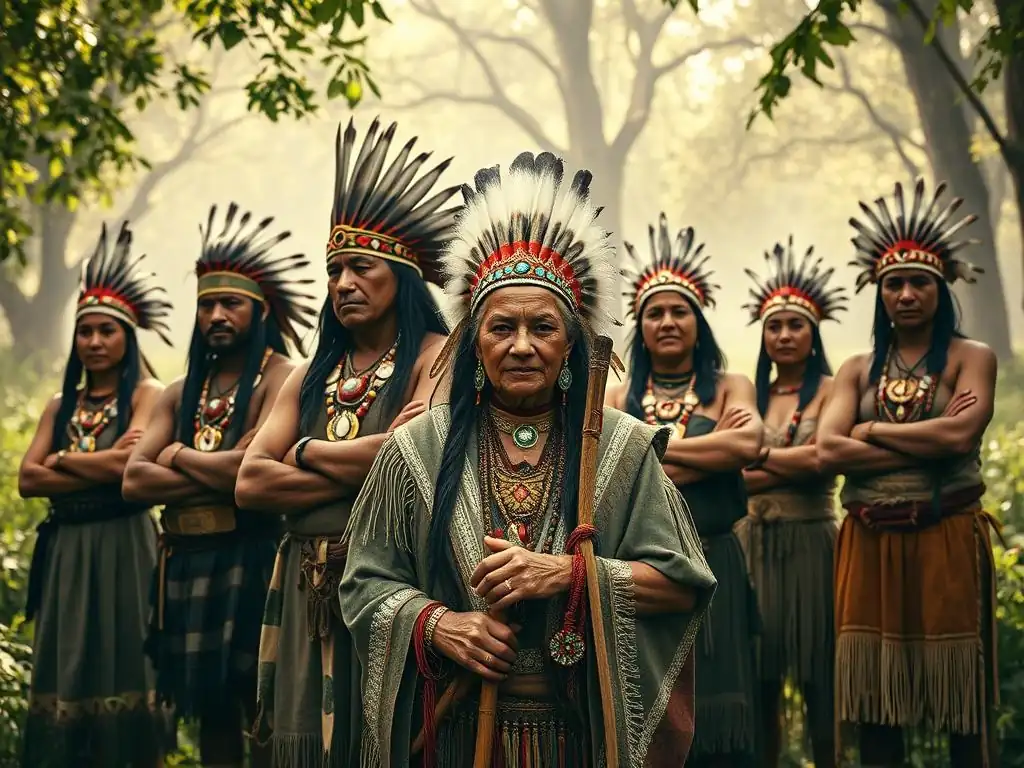
Leadership played a crucial role in organizing and inspiring indigenous resistance against European domination. Effective leaders emerged across various regions, guiding their communities through the challenges posed by colonization.
Prominent Indigenous Leaders and Their Impact
Several indigenous leaders became symbols of resistance and played pivotal roles in mobilizing their communities against colonial forces.
- Pocahontas: Known for her association with the English settlers in Virginia, Pocahontas played a significant role in mediating relations between her people and the colonizers, highlighting the complexities of indigenous leadership.
- Tecumseh: A Shawnee leader, Tecumseh sought to unite various tribes against American expansion during the early 19th century. His vision of a confederation of indigenous nations exemplified the importance of strong leadership in the resistance movement.
- Crazy Horse and Sitting Bull: These Lakota leaders are renowned for their roles in resisting U.S. government policies and military actions, particularly during the Great Sioux War. Their leadership not only inspired their people but also left a lasting legacy of resistance.
These leaders exemplify the diverse strategies and approaches used to resist colonization, demonstrating the strength and resilience of indigenous leadership.
Traditional Governance Structures and Their Resilience
Indigenous governance structures often provided a foundation for resistance against colonial powers. Many tribes maintained their traditional systems of governance, which were adaptable and resilient in the face of external pressures.
- Consensus-Based Decision-Making: Many indigenous communities practiced consensus-based governance, allowing for inclusive decision-making. This approach fostered unity and collective action in resistance efforts.
- Elders and Knowledge Keepers: Elders played a crucial role in maintaining traditional knowledge and practices, guiding communities in resisting cultural assimilation and asserting their rights.
- Adaptability: Indigenous governance structures demonstrated resilience by adapting to changing circumstances. Many tribes integrated new strategies while remaining rooted in their cultural values, showcasing the strength of their social systems.
These governance structures not only supported resistance efforts but also reinforced the cultural identity and social cohesion of indigenous peoples in the Americas.
Indigenous resistance in the Americas was deeply rooted in the social structures that had developed over centuries. These structures, characterized by kinship ties, communal living, and a shared cultural heritage, provided a strong foundation upon which indigenous peoples could organize and mobilize against European colonization. The resilience of these societies was not merely a reaction to external pressures; rather, it was a manifestation of their longstanding traditions and values that emphasized solidarity, mutual support, and collective identity.
Kinship and Community Bonds in Indigenous Societies
Kinship and community bonds played a pivotal role in fostering indigenous resistance. In many indigenous cultures, kinship networks were the backbone of society, promoting interdependence and cooperation among community members. These networks enabled individuals to rely on each other for support, whether in times of scarcity or during conflicts with colonial powers.
Communities often operated under systems of collective land ownership, which reinforced the idea that land was a shared resource vital for survival and cultural identity. This collective approach to land use and governance allowed communities to resist external pressures more effectively, as decisions were made collectively rather than by a single leader. Furthermore, communal rituals and gatherings helped strengthen these bonds, creating a sense of unity that was essential for organizing resistance efforts.
The Role of Women in Indigenous Resistance Movements
Women held significant positions within indigenous societies, often acting as leaders, healers, and educators. Their involvement in resistance movements was crucial, as they were typically responsible for maintaining the social fabric of their communities. Women organized and participated in various forms of resistance, from armed conflicts to peaceful protests, often leveraging their roles in local governance and decision-making.
In many cases, indigenous women used their knowledge of the land to maintain sustainable practices that directly opposed colonial exploitation. They often played a central role in preserving cultural practices, languages, and traditions, which were essential for fostering a strong sense of identity among their people. By asserting their agency and challenging colonial narratives, women not only contributed to the resistance but also laid the groundwork for future movements advocating for indigenous rights.
Spirituality and Religion as Forms of Resistance
Spirituality and religion were integral to indigenous resistance in the Americas. Many indigenous cultures held beliefs that emphasized a deep connection to the land and the spirits that inhabited it. These spiritual practices often served as a form of resistance against colonization, as they provided a framework for understanding and confronting the disruptions caused by European settlers.
Rituals, ceremonies, and storytelling were ways in which indigenous peoples preserved their histories and cultural identities in the face of colonization. By continuing to practice their spiritual traditions, they asserted their existence and resilience. Moreover, spiritual leaders often emerged as key figures in resistance movements, guiding their communities in both spiritual and political realms. This intertwining of spirituality and resistance not only helped maintain cultural continuity but also empowered indigenous peoples to challenge colonial powers on their own terms.
The Legacy of Indigenous Resistance in the Americas
The legacy of indigenous resistance in the Americas is profound and multifaceted, influencing contemporary indigenous identity and movements across the continent. Understanding this legacy is crucial for recognizing the ongoing impacts of colonialism and the resilience of indigenous cultures.
Lasting Impact on Indigenous Identity and Culture
The resistance against European domination has left an indelible mark on indigenous identity and culture. Many contemporary indigenous groups draw on the narratives of their ancestors' struggles to foster a sense of pride and continuity. This historical awareness has spurred efforts to revitalize languages, traditions, and social practices that were suppressed during colonial rule.
Additionally, the frameworks of kinship, community, and spirituality that supported resistance continue to inform the ways in which indigenous peoples organize and advocate for their rights today. These cultural pillars serve not only as a reminder of their resilience but also as a guide for navigating contemporary challenges.
Contemporary Movements Inspired by Historical Resistance
Modern indigenous movements often draw inspiration from historical acts of resistance. Leaders and activists reference past struggles as a means of mobilizing community members and forging connections across different indigenous groups. These movements advocate for a range of issues, including land rights, environmental protection, and cultural preservation, echoing the values and social structures that have long underpinned indigenous societies.
Social media and technology have further amplified these movements, allowing for greater collaboration and solidarity among indigenous peoples worldwide. By harnessing the lessons of historical resistance, contemporary movements have gained momentum, pushing for recognition and advocacy on both local and global stages.
Recognition and Reclamation of Indigenous Rights Today
Today, there is a growing recognition of indigenous rights and sovereignty, influenced by the legacy of resistance in the Americas. Many governments and organizations are beginning to acknowledge the historical injustices faced by indigenous peoples and are working towards reconciliation and reparative measures. This shift is reflected in various legal frameworks aimed at protecting indigenous rights, including land claims, cultural heritage, and self-determination.
Indigenous activists continue to advocate for their rights, drawing upon historical narratives and contemporary strategies to reclaim their place in society. The ongoing struggle for recognition and respect underscores the enduring impact of indigenous resistance, as contemporary movements strive to honor the sacrifices and legacies of their ancestors while shaping a more equitable future.
Conclusion: The Enduring Spirit of Indigenous Resistance
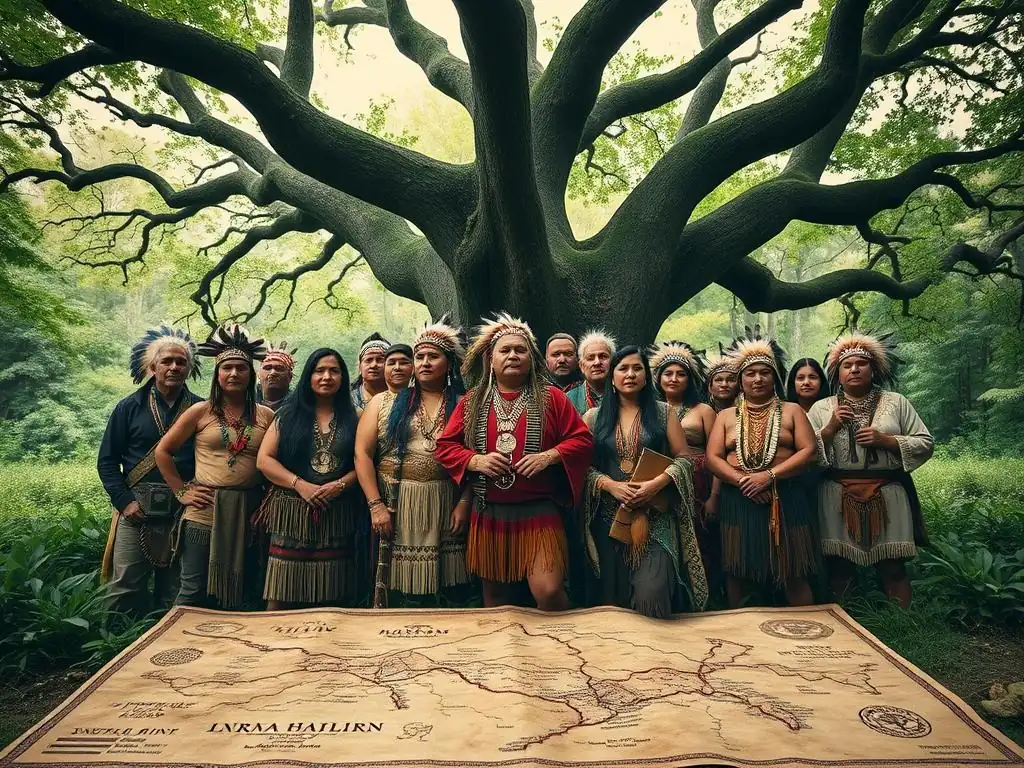
The resilience of indigenous communities in the Americas is a testament to their enduring spirit and ability to adapt in the face of overwhelming challenges posed by European colonization. Throughout history, these communities have demonstrated remarkable strength in maintaining their social structures, cultural practices, and communal identities despite attempts to dismantle them. This resistance was not merely a reaction to oppression but rather a proactive effort to preserve their way of life, values, and beliefs. The legacy of this resistance continues to inspire contemporary movements advocating for indigenous rights and recognition.
The strategies employed by indigenous peoples, from armed resistance to diplomatic negotiations, highlight the complexity of their social structures and their deep-rooted connections to land, spirituality, and community. While the impact of colonization was profound, the ability of indigenous cultures to adapt and persist serves as a critical reminder of their resilience. The ongoing struggles for land rights, cultural preservation, and political representation reflect the unyielding spirit of indigenous peoples to reclaim their narratives and ensure their voices are heard in modern society.
Social structures within indigenous communities have played a pivotal role in their resistance against colonial powers. These structures, rooted in kinship, communal governance, and cultural traditions, offered a framework for collective action and solidarity. For instance, systems of governance such as councils of elders or tribal leaders not only facilitated decision-making but also served as a means of maintaining cultural continuity and identity.
Moreover, the interconnectedness of social roles, rituals, and responsibilities fostered a sense of belonging and purpose, empowering individuals to contribute to the community's resilience. The preservation of languages, traditional practices, and spiritual beliefs was integral to these social structures, acting as a form of resistance against cultural assimilation. By prioritizing these elements, indigenous communities have successfully upheld their heritage, which in turn strengthens their collective identity and capacity to resist external pressures.
The recognition of these social structures is vital for understanding the broader context of indigenous resistance. It emphasizes that resistance is not solely about opposition to colonization but is also about affirming and revitalizing cultural identity. This understanding can help inform contemporary efforts to support indigenous rights and initiatives aimed at cultural preservation.
Future Perspectives on Indigenous Rights and Cultural Survival
Looking ahead, the future of indigenous rights and cultural survival is shaped by ongoing struggles and emerging opportunities. As global awareness of indigenous issues grows, there is a greater recognition of the need for inclusive policies that respect and support indigenous sovereignty. This includes recognizing land rights, promoting self-determination, and ensuring that indigenous voices are integral in decision-making processes that affect their communities.
Moreover, the rise of technology and social media provides new platforms for indigenous peoples to share their stories, advocate for their rights, and foster connections with broader audiences. These tools can amplify their resistance efforts and support cultural revitalization initiatives. Educational programs that prioritize indigenous knowledge and perspectives can also play a crucial role in fostering understanding and respect among non-indigenous populations.
The path forward will undoubtedly involve challenges; however, the resilience demonstrated by indigenous communities throughout history serves as a powerful foundation for future advocacy. By continuing to uphold their social structures and cultural practices, indigenous peoples can navigate the complexities of contemporary society while preserving their unique identities and rights. The ongoing journey towards justice and recognition of indigenous rights remains essential, not only for the survival of these cultures but also for the enrichment of global diversity.
Frequently Asked Questions
What is the main focus of the article on indigenous resistance?
The article highlights indigenous resistance in the Americas by exploring how various cultures maintained their social structures and identities during European colonization.
How did indigenous societies respond to European domination?
Indigenous societies employed a variety of strategies for resistance, including armed conflict, diplomacy, and the preservation of cultural practices to maintain their social integrity.
What achievements of indigenous civilizations are discussed?
The article details the advanced achievements of indigenous civilizations, including innovations in agriculture, governance, and art, which laid the foundation for their resilience against colonization.
How did indigenous resistance influence modern societies?
Indigenous resistance has significantly shaped modern societal structures by influencing legal frameworks and cultural identities, asserting the importance of indigenous rights and representation.
What lasting impact did indigenous cultures have on the Americas?
The article emphasizes that indigenous cultures have left a lasting impact on the Americas through their languages, traditions, and ecological knowledge, enriching the continent's cultural diversity.
Final Reflection: The Enduring Spirit of Indigenous Resistance
Indigenous resistance in the Americas remains a powerful testament to the resilience and strength of communities facing centuries of oppression. Today, as we witness a resurgence of interest in Indigenous rights and sovereignty, it is crucial to recognize that this struggle is not merely a historical narrative but a living, breathing movement that continues to shape our world. The stories of resistance, adaptation, and survival are more relevant than ever, reminding us that the fight for justice and recognition is ongoing.
The impact of Indigenous resistance extends far beyond the past; it has woven itself into the fabric of contemporary society. From land rights movements to cultural revitalization efforts, Indigenous communities are reclaiming their narratives and asserting their place in the world. As we reflect on this ongoing journey, we are reminded of the words of Vine Deloria Jr.: The great challenge of the future is to find ways to live in harmony with the earth and with each other.
This quote encapsulates the essence of Indigenous resistance, emphasizing the importance of sustainable living and mutual respect in our shared future.
As you ponder the themes of this article, I invite you to reflect on your own role in supporting Indigenous communities and their struggles. Consider how you can contribute to the recognition and respect of Indigenous rights in your own life. Whether through education, advocacy, or simply listening to and amplifying Indigenous voices, every action counts. Let us honor the legacy of resistance by committing ourselves to a future where all cultures coexist in harmony, and where the spirit of Indigenous resilience continues to inspire us all.
Embrace and Champion Indigenous Resilience!
Thank you for diving into the rich narratives of Indigenous resistance in the face of European domination. By exploring these stories, you have gained valuable insights into the importance of social structures and cultural preservation. Now, it's time to take action and further support these vital efforts!
Here are a few steps you can take to make a difference:
- Join an Indigenous advocacy group to amplify voices and promote awareness of contemporary issues faced by Indigenous communities.
- Participate in local cultural events or workshops to deepen your understanding and appreciation of Indigenous traditions.
- Share this article with your network to foster conversation and raise awareness about the ongoing impact of colonization.
How will you celebrate and support the resilience of Indigenous cultures in your community?