
Sacred Sites: How Inca Architecture Reflected Spiritual Beliefs and Cosmology

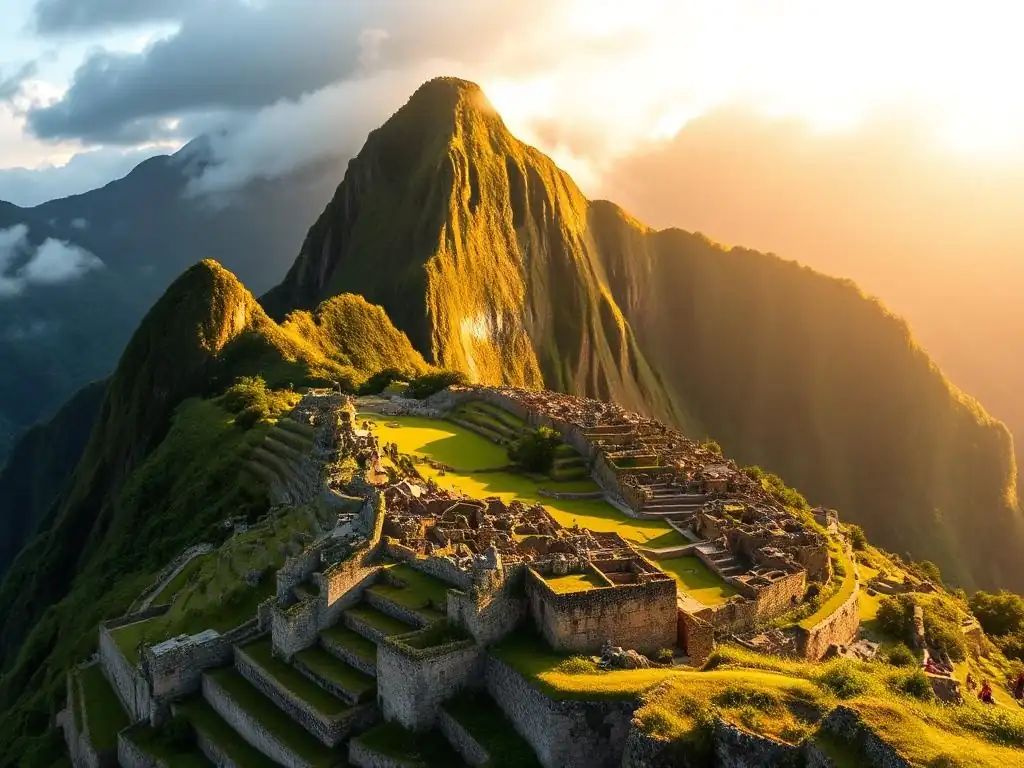
Welcome to Indigenous Civilizations of the Americas, where we invite you to embark on a journey through time to uncover the rich tapestry of cultures that flourished long before European contact. In our featured article, "Sacred Sites: How Inca Architecture Reflected Spiritual Beliefs and Cosmology," we delve into the profound connection between Inca architecture and their spiritual beliefs, revealing how these magnificent structures were not merely buildings, but sacred symbols of their worldview.
Prepare to be captivated by the intricate relationship between the Inca's architectural marvels and their cosmological understanding—each stone a testament to their legacy. Dive deeper with us and discover the enduring impact of these civilizations that shaped the Americas.
Introduction to Inca Architecture and Spiritual Beliefs
The architecture of the Inca civilization stands as a testament to their profound spiritual beliefs and cosmological understanding. Long before the arrival of European colonizers, the Incas developed complex structures that were not merely functional but deeply imbued with meaning and significance. This article delves into how Inca architecture serves as a reflection of their spiritual beliefs, intertwining the physical and metaphysical realms. By examining key architectural features, we can gain insight into the Incas' worldview and their reverence for the cosmos, nature, and the divine.
Overview of Inca Civilization
The Inca Empire, which flourished in the Andean region of South America from the early 15th century until the Spanish conquest in the 16th century, is renowned for its remarkable achievements in various fields, including agriculture, engineering, and architecture. At its height, the empire spanned across modern-day Peru, Ecuador, Bolivia, and parts of Chile and Argentina, showcasing a rich tapestry of cultures and traditions.
The Incas were not just conquerors; they were sophisticated administrators and builders. Their society was organized around a complex hierarchy that emphasized the importance of community and collective effort. The Incas believed that their rulers were descendants of the sun god, Inti, which further solidified the connection between their spiritual beliefs and daily life. This belief system influenced their architectural endeavors, as structures were often designed to honor deities and embody their understanding of the universe.
Significance of Spirituality in Inca Society
Spirituality permeated every aspect of Inca life. The Incas practiced a polytheistic religion, worshipping a pantheon of gods and goddesses tied to natural elements and celestial bodies. Rituals and ceremonies were integral to their culture, aimed at maintaining harmony with the earth and the cosmos. These beliefs were reflected in their architectural designs, which often served as venues for religious ceremonies, offerings, and celebrations.
The sacredness of certain sites was paramount; mountains, rivers, and other natural features were often considered to be imbued with spiritual significance. This reverence for the land was manifested in their urban planning, where important structures were positioned in relation to these sacred sites to enhance their spiritual efficacy.
Connection Between Architecture and Cosmology
The Inca worldview was deeply interconnected with their understanding of the cosmos. They believed in a three-part universe composed of the Hanan Pacha (the upper world), Kay Pacha (the earthly world), and Ukhu Pacha (the underworld). This tripartite structure influenced their architectural designs, as buildings were often constructed to symbolize these realms.
Temples, palaces, and ceremonial sites were meticulously aligned with celestial bodies, reflecting the Incas' desire to maintain a cosmic balance. The layout of cities like Cusco, which was designed in the shape of a puma, demonstrated their belief in the relationship between the earth and the stars. This architectural cosmology highlights the significance of both spirituality and astronomy in Inca society.
Key Features of Inca Architecture Reflecting Spiritual Beliefs
Use of Sacred Geometry in Design
Inca architecture often employed sacred geometry, a practice rooted in their belief that certain shapes and proportions held spiritual significance. Structures were designed with precise measurements and angles that reflected their cosmological views. The use of the golden ratio and other geometric principles can be observed in key buildings, such as the Sacsayhuamán fortress, which exemplifies their mastery of architectural design.
Alignment with Celestial Bodies
The alignment of Inca structures with celestial bodies is a striking feature of their architecture. Significant sites, such as the Intihuatana stone at Machu Picchu, were strategically placed to correspond with solar events, like the solstices and equinoxes. These alignments not only served a practical purpose for agricultural calendars but also reinforced the Incas' spiritual connection to the cosmos, allowing them to engage in rituals that celebrated celestial phenomena.
Symbolism in Materials and Construction Techniques
The materials used in Inca architecture were chosen for their symbolic significance as well. Stone, often sourced from sacred mountains, was meticulously crafted and assembled using precise techniques that required no mortar. This method of construction reflected their belief in the harmony of nature and spirit, as each stone was thought to embody a life force. The careful selection and placement of materials demonstrated the Incas' respect for their environment and their understanding of the interconnectedness of all things.
The architecture of the Inca civilization is a profound reflection of their spiritual beliefs and cosmological understanding. Through the exploration of sacred geometry, celestial alignments, and symbolic materials, we can appreciate how Inca architecture served not only as functional spaces but also as sacred sites that bridged the earthly and spiritual realms.
Major Sacred Sites of the Inca Empire
The Inca Empire, renowned for its sophisticated architecture and urban planning, was dotted with sacred sites that held deep spiritual significance. These locations were not only centers of worship but also reflected the Inca’s intricate belief systems, cosmology, and connection to nature. Among the most notable sacred sites are Machu Picchu, Sacsayhuamán, and Ollantaytambo, each embodying unique aspects of Inca architecture and spirituality.
Machu Picchu: A Cosmic Sanctuary
Machu Picchu, often referred to as the "Lost City of the Incas," is perhaps the most iconic representation of Inca architecture and spirituality. Nestled high in the Andes Mountains, this site is aligned with astronomical events, particularly the solstices. The precision of its stonework and the layout of buildings suggest that it served as a ceremonial center with deep cosmological significance.
Key features of Machu Picchu highlight its connection to Inca spiritual beliefs:
- Intihuatana Stone: This ritual stone, often called the "Hitching Post of the Sun," is believed to have been used by the Incas to harness the sun's energy. It reflects the importance of solar worship in Inca cosmology.
- Temple of the Sun: This structure features semicircular walls and windows aligned with the sun's rays during solstices, emphasizing the Incas' reverence for celestial bodies.
- Agricultural Terraces: The agricultural innovations here not only supported the population but also reflected a harmonious relationship with Pachamama (Mother Earth), a central figure in Inca spirituality.
Machu Picchu stands as a testament to the Incas' architectural prowess and their intricate understanding of the cosmos, making it a vital sacred site that encapsulates their spiritual beliefs.
Sacsayhuamán: The Fortress of the Sun
Sacsayhuamán, located on the outskirts of Cusco, served both as a military fortress and a sacred site. Its massive, precisely cut stone walls exemplify the Inca's advanced engineering skills and commitment to their spiritual beliefs. The name Sacsayhuamán translates to "satisfied falcon," which may link to the Inca's reverence for animals in their cosmology.
Significant aspects of Sacsayhuamán include:
- Astrological Alignments: The orientation of the fortress is believed to correspond with celestial events, reinforcing its role as a site for astronomical observation and spiritual rituals.
- Intensive Ritual Use: Sacsayhuamán was a site for important ceremonies, including the Inti Raymi festival, where rituals were conducted to honor the sun god Inti.
- Symbolic Structure: The layout of the site is thought to reflect the Inca worldview, with its walls representing the strength and protection of the sun, a core element of their spiritual beliefs.
As a monumental structure, Sacsayhuamán not only served practical defensive purposes but also embodied the spiritual and cosmological principles central to Inca society.
Ollantaytambo: A Living Inca Town
Ollantaytambo is unique as it remains an inhabited Inca town, showcasing the seamless integration of architecture, spirituality, and daily life. This site served as a royal estate and a religious center, with structures designed to reflect Inca cosmology and their relationship with the divine.
Notable features of Ollantaytambo include:
- Temple Hill: This area contains large stone platforms and terraces that were used for agricultural and ceremonial purposes, symbolizing the connection between the earthly and the divine.
- Water Channels: The intricate water management systems reflect the Inca's reverence for water as a sacred resource, essential for both life and ritual.
- Astronomical Significance: The positioning of certain buildings and terraces at Ollantaytambo aligns with celestial events, indicating its role in astronomical rituals and agricultural cycles.
Ollantaytambo exemplifies how Inca architecture was deeply intertwined with their spiritual practices, providing a living example of their cosmological beliefs.
The Role of Rituals in Inca Architecture
Rituals played a crucial role in shaping Inca architecture, influencing not only the design of sacred sites but also the construction methods and materials used. These rituals were essential for maintaining the harmony between the earthly and cosmic realms, reflecting the Inca belief that physical structures were imbued with spiritual significance.
Sacred Spaces and Their Functions
Inca architecture was characterized by dedicated sacred spaces that served specific functions within their spiritual practices:
- Temples: Structures like the Temple of the Sun and the Temple of the Moon were designed for worship and offerings, reflecting the Incas' devotion to their deities.
- Ceremonial Platforms: Elevated areas often used for public rituals and festivals, emphasizing the importance of communal worship in Inca society.
- Burial Sites: Many structures were constructed as tombs for important figures, reflecting the belief in an afterlife and the need to honor ancestors.
These sacred spaces were meticulously designed to facilitate rituals that connected the Incas with their gods and the universe.
Importance of Rituals in Maintaining Cosmic Order
For the Incas, rituals were not merely ceremonial; they were fundamental to maintaining cosmic order and balance. The Inca believed that the universe operated on a delicate equilibrium, and any disruption could lead to chaos or misfortune. This understanding influenced their architectural practices in several ways:
- Ritual Offerings: Structures were often built to house artifacts and offerings, such as food and textiles, which were presented to the gods to ensure their favor and maintain harmony.
- Astronomical Observations: Many sacred sites were strategically positioned to align with celestial events, allowing for rituals that celebrated the sun, moon, and stars, which were vital for agricultural cycles.
- Ceremonial Calendars: The construction of sites often coincided with the Inca calendar, ensuring that rituals were performed at the right time to align with cosmic events.
Through these practices, the Incas aimed to sustain order in both the natural and spiritual worlds, with architecture serving as a physical manifestation of their beliefs.
Festivals and Their Architectural Context
Festivals in the Inca Empire were vibrant expressions of spirituality and community, closely linked to their architectural sites. These events often took place in sacred spaces, where the design of the structures enhanced the significance of the rituals performed.
Key aspects of festivals and their architectural context include:
- Inti Raymi: The Festival of the Sun was celebrated at Sacsayhuamán, where the layout and size of the site facilitated large gatherings and dramatic reenactments of Inca mythology.
- Pachamama Rituals: Earth Mother ceremonies often occurred in open spaces surrounded by sacred architecture, emphasizing the connection between the land and the divine.
- Seasonal Celebrations: Many festivals aligned with agricultural cycles, taking place in temples and terraces designed to honor the gods and ensure bountiful harvests.
The architectural context of these festivals not only enhanced their spiritual significance but also reinforced the social cohesion of Inca society, illustrating how deeply intertwined architecture, rituals, and community life were in the Inca worldview.
How Inca Architecture Influenced Modern Spiritual Practices
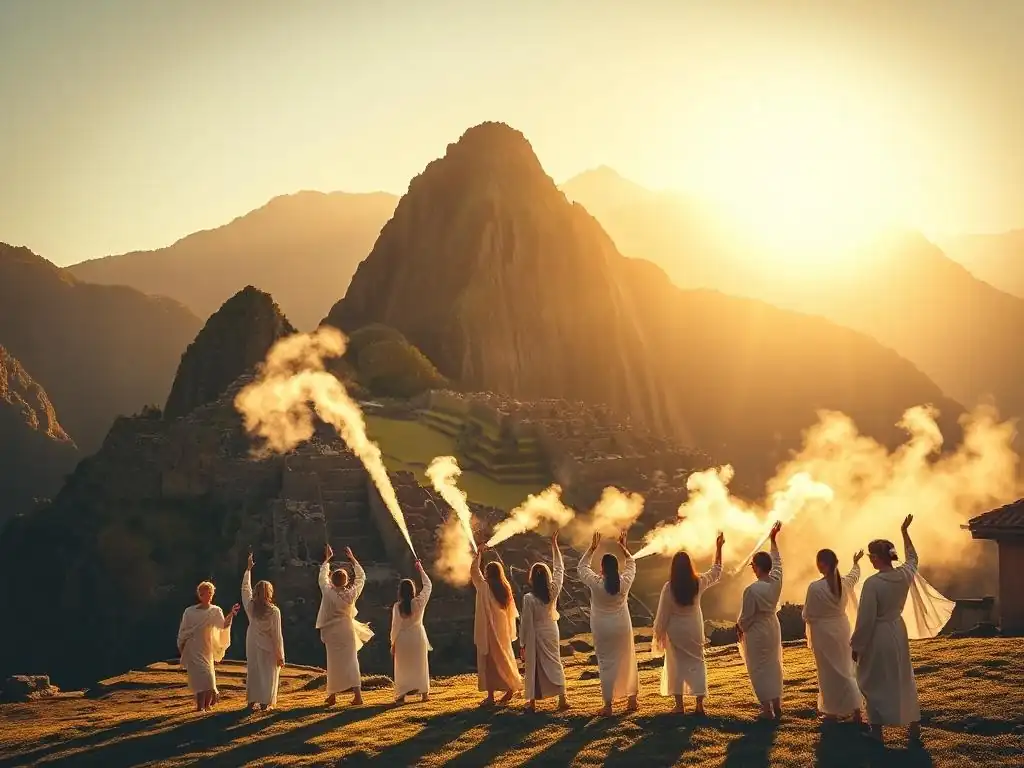
Inca architecture, with its deep connections to spiritual beliefs and cosmology, continues to resonate in contemporary spiritual practices. The careful alignment of structures with celestial bodies, such as the sun and stars, showcases a sophisticated understanding of astronomy that has inspired modern architects and spiritual leaders alike. Many contemporary spiritual spaces draw inspiration from Inca techniques, integrating natural materials and aligning with the earth's energies.
The use of sacred geometry, a hallmark of Inca design, remains prevalent in modern spiritual architecture. Buildings are often constructed with specific proportions that reflect harmony and balance, echoing the Inca belief in the interconnectedness of all things. As spiritual practices evolve, the foundational principles derived from Inca architecture serve to enhance the spiritual experience, providing a sense of place that aligns with the natural world.
Continuation of Inca Architectural Traditions
The traditions of Inca architecture have not only endured but have also been revitalized in various forms throughout the Andes. Indigenous communities continue to use ancient techniques in constructing ceremonial spaces, ensuring that the spiritual significance of these structures is preserved.
For instance, modern Andean shamans often conduct rituals in spaces that mimic Inca architectural principles, utilizing similar materials and layouts to create environments conducive to spiritual connection. This continuity reinforces the cultural identity of these communities while honoring their ancestral heritage.
Modern Interpretations of Inca Spirituality in Architecture
Modern interpretations of Inca spirituality have emerged, blending traditional concepts with contemporary design. Architects and designers are increasingly incorporating elements of Inca spirituality into their projects, resulting in buildings that reflect a reverence for nature and the cosmos.
For example, many eco-friendly buildings use sustainable materials and designs that mimic the natural landscape, aligning with the Inca principle of living in harmony with the environment. These modern interpretations not only celebrate Inca heritage but also promote a deeper understanding of sustainability and spiritual awareness in today's society.
Preservation and Cultural Heritage
The preservation of Inca architectural sites is critical for maintaining cultural heritage and spiritual practices. Organizations and governments are increasingly recognizing the importance of these sites, not just as historical landmarks but as living expressions of Inca spirituality.
Efforts to restore and protect places like Machu Picchu and Sacsayhuamán have been instrumental in ensuring that these sacred sites continue to inspire future generations. Educational programs and cultural exchanges further facilitate the understanding of how these architectural marvels reflect the spiritual beliefs that shaped the Inca civilization.
Conclusion: The Legacy of Inca Architecture and Spiritual Beliefs
The legacy of Inca architecture extends beyond its physical structures, deeply influencing spiritual practices and cultural identity among indigenous peoples. The integration of spiritual beliefs in the design and construction of buildings showcases a profound understanding of human connection to the cosmos and nature.
Enduring Impact on Indigenous Cultures
Inca architectural principles continue to inform the spiritual and cultural practices of various indigenous communities throughout the Andes. The emphasis on harmony with nature, sacred spaces, and communal gatherings fosters a sense of identity and belonging that transcends generations. These values remain vital, as they contribute to the resilience and continuity of indigenous cultures in the face of modernization.
Lessons from Inca Spirituality for Contemporary Society
As contemporary society grapples with the challenges of urbanization and disconnection from nature, the lessons from Inca spirituality offer valuable insights. The Inca emphasis on interconnectedness, respect for the environment, and community can guide modern practices in architecture and urban planning. By embracing these principles, architects and urban planners can create spaces that not only serve functional needs but also nurture spiritual well-being and foster community connections.
References
In exploring the profound relationship between Inca architecture and their spiritual beliefs, various sources provide invaluable insights into how these elements intertwine. The following sections detail recommended readings and academic sources that delve into this fascinating subject, offering a deeper understanding of the Inca civilization's architectural magnificence and its reflection of their cosmological views.
Recommended Readings on Inca Architecture and Spiritual Beliefs
-
"The Inca Empire: A Multidisciplinary Approach" by Brian S. Bauer and Charles Stanish
This comprehensive work examines the Inca Empire from various perspectives, including architecture and spirituality. It highlights how Inca structures were designed not only for functional purposes but also to align with their spiritual beliefs.
-
"Inca Architecture and Construction at Ollantaytambo" by David H. Kelley
This book provides an in-depth analysis of Ollantaytambo, a significant archaeological site. Kelley discusses how the architecture of the site is intricately linked to Inca cosmology and religious practices.
-
"Peru's Inca Heritage: The Sacred Valley" by John H. Rowe
Rowe’s exploration of the Sacred Valley includes descriptions of how the landscape and architecture were imbued with spiritual significance, reflecting the Inca's connection to their gods and the cosmos.
-
"The Sacred Landscape of the Inca: The Myth of the Inca Creation" by H. Paul Shultz
This reading delves into the myths and legends that shaped Inca spirituality and how these narratives are expressed through their architectural achievements.
Academic Sources on Inca Cosmology and Architecture
-
"Inca Architecture and Its Impact on Modern Studies" (Journal of Archaeological Science)
This paper discusses the influence of Inca architecture on contemporary archaeological practices, especially how understanding their cosmology enhances the interpretation of architectural remains.
-
"The Role of Sacred Geography in Inca Society" (Andean Studies Journal)
This academic article examines the relationship between geographical features and Inca spirituality, illustrating how architectural choices were often influenced by the spiritual significance of the landscape.
-
"Cosmology and Architecture in the Inca Empire" (Journal of Anthropological Archaeology)
This research article explores the architectural styles of the Inca and their direct connections to the cosmological beliefs that governed Inca society, providing a thorough analysis of specific structures and their intended spiritual purposes.
-
"The Sacred and the Profane: Inca Architecture in Context" (International Journal of Historical Archaeology)
This study offers a critical examination of the duality of sacred and profane spaces in Inca architecture, showcasing how the physical layout of cities and temples reflects spiritual hierarchies and beliefs.
These resources collectively illuminate the sophisticated interplay between Inca architecture and their spiritual beliefs, enriching our understanding of their culture and its enduring legacy.
- Introduction to Inca Architecture and Spiritual Beliefs
- Key Features of Inca Architecture Reflecting Spiritual Beliefs
- Major Sacred Sites of the Inca Empire
- The Role of Rituals in Inca Architecture
- How Inca Architecture Influenced Modern Spiritual Practices
- Conclusion: The Legacy of Inca Architecture and Spiritual Beliefs
- References
- What is the significance of Inca architecture in relation to spiritual beliefs?
- How did the Incas incorporate cosmology into their architectural designs?
- What are some examples of sacred sites in Inca architecture?
- How did the Inca civilization influence modern understanding of spiritual architecture?
- What role did rituals play in the construction of Inca architectural sites?
Frequently Asked Questions
What is the significance of Inca architecture in relation to spiritual beliefs?
Inca architecture is deeply intertwined with their spiritual beliefs, as it was designed to reflect the cosmos and the divine. Structures often aligned with celestial events, showcasing the Incas' reverence for nature and the gods.
How did the Incas incorporate cosmology into their architectural designs?
The Incas integrated cosmology into their architecture by using precise geometrical layouts that mirrored their understanding of the universe. Key sites often represented the Three Worlds: the Hanan Pacha (upper world), Kay Pacha (world of the living), and Ukhu Pacha (underworld).
What are some examples of sacred sites in Inca architecture?
Sacred sites include Machu Picchu, which served as a royal estate and ceremonial center, and Sacsayhuamán, known for its massive stone walls and spiritual significance. These sites exemplify the connection between architecture and spirituality.
How did the Inca civilization influence modern understanding of spiritual architecture?
The Inca civilization has greatly influenced modern perspectives on spiritual architecture by highlighting the importance of environmental harmony and the integration of spiritual beliefs into structural designs. This legacy continues to inspire contemporary architectural practices.
What role did rituals play in the construction of Inca architectural sites?
Rituals were essential during the construction of Inca architectural sites, often involving ceremonies to honor the gods and ensure divine favor. These practices reflected the Incas' belief that their structures needed spiritual protection and blessings.
Final Reflection: The Enduring Legacy of Inca Architecture and Spiritual Beliefs
Inca architecture is not merely a testament to engineering prowess; it is a profound reflection of the spiritual beliefs that shaped an entire civilization. Today, as we navigate a world increasingly disconnected from its roots, the significance of these sacred sites resonates more than ever. The intricate designs and purposeful alignments of Inca structures remind us that architecture can serve as a bridge between the physical and the metaphysical, urging us to reconsider how our built environments reflect our values and beliefs.
Cultural landscapes are continually influenced by the legacies of those who came before us, and the Inca civilization is no exception. The architectural marvels they left behind are not just relics of the past; they are living narratives that continue to inspire and inform contemporary discussions about spirituality, identity, and community.
As we explore these sacred sites, we are reminded of the words of the renowned historian John H. Elliott: > “History is not just a record of the past; it is a guide to the future.” The Inca's integration of spirituality into their architecture serves as a powerful reminder of the importance of honoring our beliefs through the spaces we create.
As we reflect on the lessons of Inca architecture and its deep connection to spiritual beliefs, I invite you to consider how these insights can be applied in your own life. How can you create spaces—both physical and metaphorical—that honor your own beliefs and values?
Whether through personal projects, community initiatives, or simply in the way you engage with the world around you, let the wisdom of the Inca inspire you to build environments that resonate with your spiritual essence. Embrace the opportunity to create a legacy that reflects your beliefs, just as the Inca did, and contribute to a world where architecture and spirituality coexist harmoniously.
Explore and Honor the Spiritual Legacy of Inca Architecture
Thank you for journeying through the fascinating world of Inca architecture with us! You've uncovered how these sacred sites hold profound spiritual beliefs and cosmological significance. Now, it’s time to take action and deepen your connection to this incredible cultural heritage!
Here are some ways to continue your exploration:
- Visit a Local Cultural Exhibit: Find museums or galleries that showcase Indigenous art and history in your area, immersing yourself in their rich narratives.
- Engage with Indigenous Voices: Explore works by Indigenous authors and scholars through books and podcasts to gain a deeper understanding of their unique perspectives and insights.
- Share What You’ve Learned: Discuss this topic with friends or on social media— help raise awareness about the beauty and significance of Inca architecture and its spiritual legacy.
Which aspects of Inca cosmology resonate most with you, and how can you integrate these lessons into your own life?